
Introduction
Cracks in a home can indicate serious foundation problems or simply surface issues, and this guide helps you tell the difference.
You’ll learn practical ways to assess crack type and progression, so you can decide what actions are necessary.
The guide walks through common crack patterns, simple observations you can make, and when it’s wise to seek professional evaluation.
Key takeaways
- Differentiate hairline surface cracks from wider foundation cracks for safety.
- Measure crack width monthly with a precision ruler to spot growth.
- Record locations and patterns to distinguish settling vs. moisture-induced issues.
- Use room-by-room checks: doors, windows, slabs, and basement walls for signs.
- Non-structural fixes include hairline fillers and drainage improvements only.
- When in doubt, stop DIY and consult a licensed structural professional promptly.
Table of Contents
- Introduction
- Key takeaways
- Quick primer: why distinguishing crack types matters
- Identifying the main crack types and what they usually mean
- How to assess crack severity: measurements, patterns, and timing
- Common causes behind foundation and surface cracks
- Visual checkpoints: what to inspect room-by-room
- DIY tools and materials checklist
- Step-by-step DIY fixes for non-structural cracks
- DIY limitations and safety — when not to proceed
- When to call a professional: red flags and triage rules
- Professional repair options explained (what to expect)
- Cost guide and decision matrix: DIY kits vs professional scope
- Preventive measures to avoid future cracks
- Project planning, timing and follow-up monitoring for DIY repairs
- Common DIY mistakes and how to avoid them
- Region-specific considerations: soil, climate and local codes
- Visual checkpoints and printable quick reference (for field use)
- Conclusion
- FAQ
Quick primer: why distinguishing crack types matters
Goal: help homeowners tell cosmetic cracks from structural issues, reduce panic, and establish clear thresholds for when DIY is appropriate versus when a licensed professional is needed. By framing a safe, stepwise approach, the guide sets expectations, avoids unnecessary alarm from normal settling, and outlines what limits DIY can reasonably have before formal assessment and remediation are required. It emphasizes practical limits, the importance of basing judgments on consistent observations rather than a single crack, and the need to pause DIY when potential signs of a larger problem appear.
You’ll learn to recognize crack typologies worth noting—hairline versus wide, vertical versus horizontal versus stair-step patterns—and ND indicators like settlement or shrinkage that help separate cosmetic issues from structural risk. Telltale signs pushing toward a professional evaluation include cracks that widen or move over seasons, doors and windows sticking, uneven settlement, an apparent slope, or cracks that traverse foundations or slabs, with width measured by a simple gauge. For safe DIY steps, perform a visual check, record location (interior or exterior), photograph changes, avoid probing or lifting, address drainage and moisture, and organize a basic monitoring plan that you can share with a pro along with photos, measurements, and time-lapse notes.
What this guide will (and won’t) do for you
I focus on practical, visual checks you can do safely from the ground or inside your home. Expect clear signs to look for, a simple way to measure crack width, and basic DIY fixes for cosmetic, non-moving cracks. I’ll also show the red flags that mean it’s time to call a pro.
This is not a substitute for a structural inspection. I won’t provide engineering calculations or step-by-step structural repairs. If you see continuous movement, wide horizontal cracks, or cracks through footings, stop DIY and get a licensed professional.
Use this guide to reduce panic, gather the right photos and notes, and decide whether to monitor, patch, or hire help.
Key terms homeowners should know
Hairline: very thin surface cracks under 1/16″ often from paint or plaster shrinkage. Width: the gap size—measure with a simple gauge or a coin. Movement: any change in width or length over weeks or seasons.
Diagonal/Diagonal settlement: slanted cracks often linked to uneven settling. Stair-step: stepped cracks following masonry joints — more likely structural. Hydrostatic pressure: water pushing against foundations, can cause bowing or leaks.
Injection: a professional repair method for sealing and stabilizing cracks. Underpinning: a structural solution to lift and stabilize a sinking foundation. Knowing these terms speeds communication with a contractor.

Identifying the main crack types and what they usually mean
You’ll encounter several main crack patterns, each with different implications for safety and repair. Stair-step cracks that zigzag across blocks, horizontal and vertical cracks, and diagonals toward corners trace how the structure moves, while hairline separations versus widened gaps signal different severities and causes such as settlement, soil movement, shrinkage, freeze–thaw, or water intrusion. Knowing which foundation style you’re looking at (slab, basement, crawlspace) helps you interpret whether a crack is mainly cosmetic or a sign of underlying structural movement.
Use simple diagnostic cues: measure width, watch for growth, note if cracks align with doors or windows or cross joints, and track changes after rain or seismic events. If cracks widen over time, appear after moisture events, or doors won’t shut, that’s a sign to bring in a professional rather than attempt DIY fixes. Keep a practical, safety‑minded checklist by documenting with photos, taking ruler measurements, and noting environmental factors, while acknowledging regional foundation differences to avoid over-generalization and to interpret patterns in the context of your home.
Vertical and near-vertical cracks
Vertical hairline to 1/4-inch cracks commonly show up in slabs, poured walls, and block foundations. They often come from normal settlement, concrete curing shrinkage, or thermal movement and are frequently low-risk if stable in width and length.
Watch for signs that raise concern: a crack that widens beyond 1/4 inch, grows over months, or lines up with sticking doors or sagging floors. If a vertical crack runs continuously through masonry units or across multiple walls, it may signal more than simple shrinkage and merits closer inspection.
Diagonal and stair-step cracks (masonry/block)
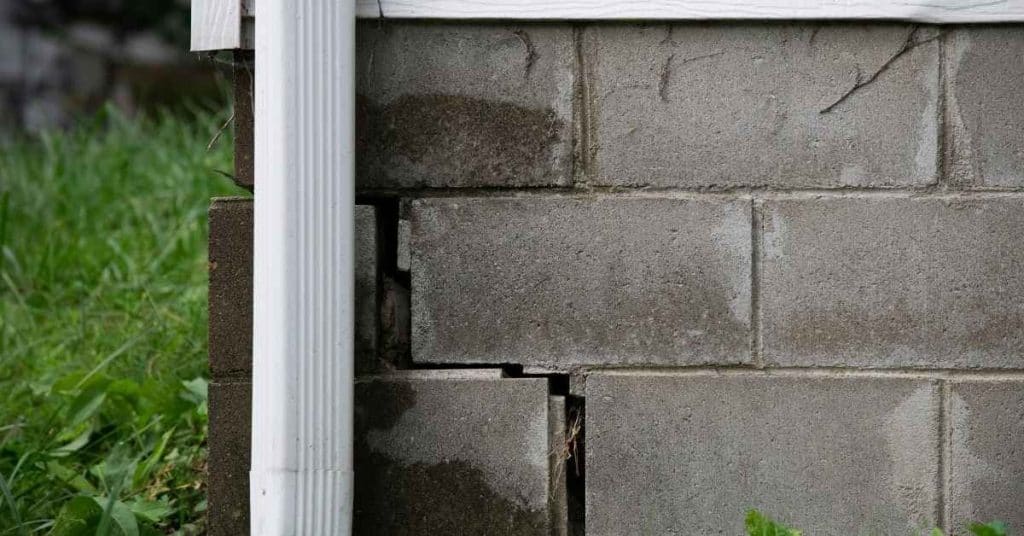
Diagonal or stair-step cracks through mortar joints and blocks usually point to differential settlement — one side of the foundation is moving more than the other. These are common in crawlspaces and basement block walls where soil conditions vary.
These cracks can be cosmetic at first but often indicate ongoing movement. Measure width, note whether cracks follow mortar joints versus cutting through units, and monitor for change. New, widening, or paired diagonal cracks near corners or openings should prompt a professional evaluation.
Horizontal cracks and bowing walls
Horizontal cracks, especially in basement block or poured walls, are the most concerning. They usually result from lateral soil pressure, frost heave, or hydrostatic forces and can precede wall bowing or collapse.
If a crack runs parallel to the floor, is wider than 1/4 inch, or is accompanied by a bulge or inward movement, treat it as serious. These patterns often require structural repair or engineering input rather than DIY patching.
Hairline, crazing, and shrinkage cracks
Fine surface cracks — hairline, crazing, or shrinkage — are common in cured concrete and plaster. They usually reflect normal drying or thermal shifts and are largely cosmetic on slabs and above-grade walls.
Even small cracks can let in water or pests, so document them with photos and a ruler. Repair options range from simple sealants to repainting, but if they widen or coincide with other movement, step up to monitoring or professional assessment.
How to assess crack severity: measurements, patterns, and timing
A repeatable crack assessment uses simple measurements and pattern notes to gauge severity and reliably track changes in width, length, depth, and direction over time for a given structure. Measure width with a crack gauge or coin test, length with a tape, and record depth, orientation, location, and any movement you observe, noting whether they occur at joints, corners, or along a single plane. Create a small chart or diagram to keep results consistent across inspections, show baseline versus progressive readings, and make it easy to compare readings at future visits.
This approach helps homeowners distinguish movement from surface shrinkage by cataloging patterns (horizontal, vertical, stair-step, diagonal, or random) and noting exact locations, such as walls, joints, doors, and windows, so you can infer likely causes. Take baseline readings now, then recheck at set intervals (for example 30 and 90 days, or after significant weather events), documenting widening, new cracks, or faster movement to decide when a professional inspection is warranted. Keep photos and measurements organized to support a homeowner action plan, including clear thresholds (like cracks wider than 1/4 inch), temporary stabilization steps, and a step-by-step guide for contacting a structural professional if needed.
Step-by-Step Process
A simple, repeatable sequence to evaluate cracks safely and reliably.
- Prepare the area and safety gear. Clear loose debris and wear gloves and eye protection so you can work clean and avoid injury; a tidy workspace means better measurements.
- Document baseline condition. Photograph the crack, note wall/floor location, and sketch a quick diagram so you have a reference; a clear baseline prevents guesswork later.
- Measure width, length and depth. Use calipers, a coin test, and a tape; record numbers on your chart so you can compare future checks.
- Note pattern and orientation. Identify stair-step, horizontal, diagonal or hairline and mark exact start/end points; pattern points toward likely causes.
- Mark and date ends for tracking. Scratch small pencil ticks or use removable tape at fixed points so later checks are exact; inconsistent marks give useless data.
- Set recheck schedule and triggers. Reinspect at 30 and 90 days, plus after heavy weather or excavation nearby; set alarms to keep discipline.
- Finalize notes and store records. Save photos, measurements and a short severity note; organized records speed decisions about repairs or inspection.
Measure width, length and orientation
Start with width because it often drives urgency. Use calipers for small cracks, or the coin test and a business card for rough checks: hairline (<1/16″), small (1/16–1/4″), and large (>1/4″). Record the number in millimetres or inches.
Measure length with a tape from end to end and note whether the crack stops at a joint or continues across multiple units. For orientation, state vertical, near-vertical, diagonal/stair-step, or horizontal — that one word helps point to surface shrinkage versus lateral pressure.
Monitor movement: marking, photos, and dates
Mark fixed reference points at each end of the crack with pencil ticks or removable tape a few inches from the crack. Take a close, well-lit photo with a ruler or scale in frame and write date and measurement on the image or in a logfile.
Check weekly for the first month to catch fast movement, then switch to monthly checks for the next three months. After that, inspect after major events (freeze-thaw, heavy rain, nearby digging). Keep a simple spreadsheet or printed log so you can see rate of change over time.
Correlate cracks with symptoms (doors, floors, gaps)
Look beyond the crack. Doors or windows that start to stick, floors that slope or feel bouncy, or new gaps at corners often occur with structural movement. Note which features are affected and when the change began compared to the crack timeline.
Also watch for masonry offset, bulging walls, or widening gaps at wall-to-floor joints. Those signs increase the likelihood the crack is foundation-related rather than a superficial shrinkage issue.
Common causes behind foundation and surface cracks
Crack patterns tell you where the problem starts: stair-step and diagonal cracks often signal settlement or foundation movement, horizontal cracks can indicate wall bowing or high lateral loads, and vertical cracks may reflect shrinkage or surface settlement. Distinguishing foundation issues from surface ones matters, as interior gaps around doors, windows, or basement walls point to structural movement, while hairline cracks in concrete slabs or paint/skim coats usually reflect finishing or drying without active movement. Driving factors like soil movement (expansive clay, poor drainage, tree roots), moisture fluctuations, freeze–thaw cycles, improper backfill, inadequate joints, and seasonal settling help explain why cracks appear in particular locations.
Use crack attributes—width, length, progression over time, whether widening after rain, and whether they accompany sticking doors or windows or masonry cracks—to assess urgency and guide fixes. Location cues, such as interior basement walls suggesting lateral earth pressure or exterior cracks near corners or under load-bearing walls, help determine whether the issue is structural or related to movement at joints. Practical steps include documenting patterns with photos, monitoring for 30–90 days, checking drainage and grading around the home, inspecting for water intrusion, and knowing when to escalate to a professional for a structural assessment.
Normal settling and concrete curing
New homes and poured slabs adjust in the first months and years. Small vertical or hairline cracks are often from concrete shrinkage as it cures or from the house settling onto its footings.
These cracks are usually narrow, static, and located in predictable spots: slab control joints, non-load-bearing interior walls, or near corners. Document and monitor them—if they don’t widen over 30–90 days and there are no other symptoms, they’re typically non-structural.
Soil moisture changes, heave, and settlement
Expansive clay soils swell when wet and shrink in drought. That cyclic movement produces differential settlement—one side sinks while another heaves—causing diagonal, stair-step, or offset cracks in foundations and masonry.
Pay attention to timing: cracks that widen after heavy rain or during dry spells point to moisture-driven movement. Check drainage, grading, and nearby large trees, since roots and moisture swings drive these problems.
Hydrostatic pressure and drainage problems
Saturated soil and poor surface drainage put lateral pressure on basement and retaining walls. That pressure shows up as horizontal cracks or wall bowing and is more urgent than simple vertical shrinkage.
If cracks appear or widen after storms, or you see wet walls and efflorescence, the foundation is under load. Fix the water first—gutters, downspouts, and exterior grading—then assess structural repairs.
Thermal movement, freeze-thaw, and tree roots
Temperature swings make materials expand and contract. Repeated freeze-thaw cycles in masonry and concrete cause surface spalling and hairline cracking over time, often cosmetic but requiring patching to prevent moisture ingress.
Tree roots can lift slabs or crack foundation edges near plantings. Cracks from roots are often localized and stepped; address root sources and monitor for ongoing movement. Act fast if gaps grow or join structural symptoms.
Visual checkpoints: what to inspect room-by-room
Visual checkpoints follow a room-by-room sequence: start in the basement, move to the crawlspace, then inspect exterior walls, brick veneer, and finally interior plaster. For each area, watch for cracks, misalignment, bowing, moisture stains, efflorescence, and uneven floors, noting whether issues appear at joints, across surfaces, or along openings like doors and windows. Record patterns—especially stair-step versus horizontal cracks—and document width, length, direction, and whether movement is progressing or static.
This approach helps distinguish foundation concerns from cosmetic problems and makes DIY inspections actionable. Quick field measures with a crack ruler or dollar-bill gauge, photos from multiple angles, and timestamped notes support trend analysis and safer decisions. Use a flashlight, tape measure, small level, camera, notebook, and chalk for marking, and follow a simple threshold: seal minor surface cracks, but escalate for large or widening cracks, active water intrusion, or cracks that change with seasons by scheduling a professional inspection.
Basement and crawlspace priorities
Start at the wall-floor joints, corners and along mortar lines. Look for cracks that change width from floor to wall, damp patches, efflorescence or active seepage. Note whether water stains follow a season or show continuous moisture — continuous wetting points to drainage or plumbing, not just cosmetic hairlines.
Measure and photograph stair-step mortar cracks and horizontal gaps. Check for uneven or rocking floors and doors that stick; those are strong indicators of foundation movement. Use a flashlight, tape measure and chalk to mark active cracks, and timestamp photos for later comparison.
Exterior walls, brick veneer and chimneys
Read crack direction: stair-step cracks through mortar often mean wall settlement or brick veneer movement. Long horizontal cracks or separation at the top of footing indicate lateral pressure or foundation shifting. Inspect around windows, doors and the chimney where differential movement concentrates.
Measure crack width and length, and photograph from multiple angles including the whole elevation for context. Look for mortar loss, bowing, and gaps between veneer and backing; these clues separate cosmetic mortar cracking from structural detachment that needs a pro assessment.
Interior plaster, drywall and ceiling cracks
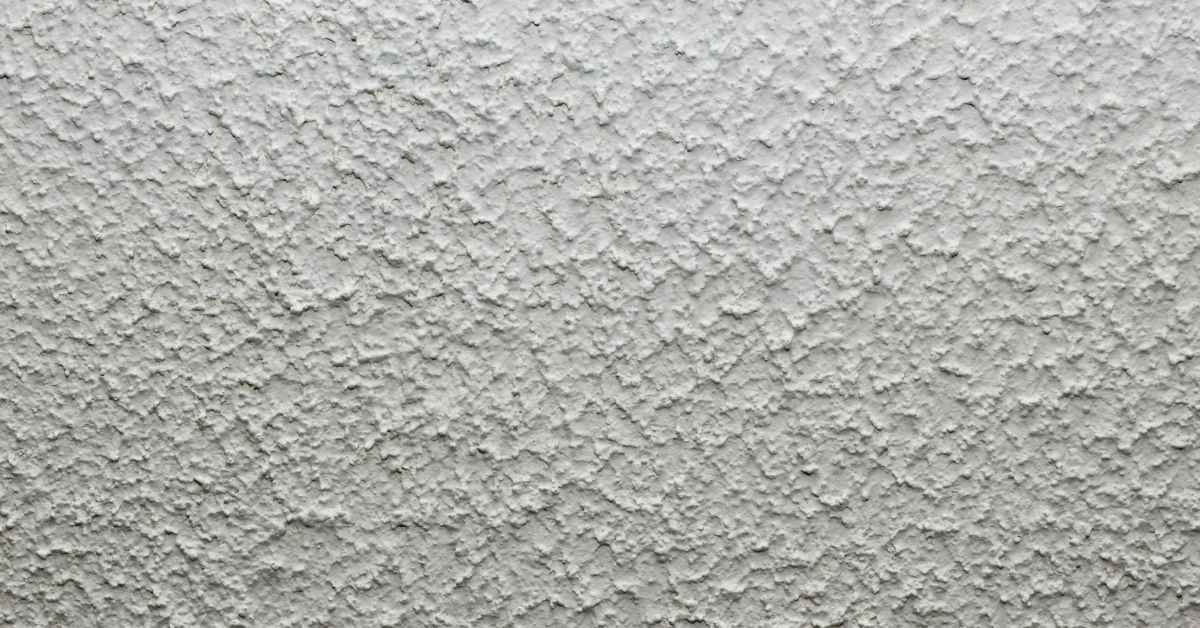
Surface finish cracks are usually hairline, follow drywall joints or plaster lath lines, and don’t affect framing. Crack patterns that align with framing, run through corners, or open near door/window openings suggest movement below the finish.
Document width, length and whether cracks reopen after being taped or skim-coated. If cracks widen, coincide with door binding, or appear after changes in moisture, treat them as potential structural signs and consider a professional inspection rather than simple cosmetic repair.
DIY tools and materials checklist
The essential DIY tools and materials cover measuring, monitoring, and basic repair for small cracks, from tape measures and crack-width gauges to moisture meters and flashlights. You’ll find common repair materials like epoxy or polyurethane injectables, hydraulic cement, patch compounds, fillers, and sealants, plus a caulk gun and mixing tray for mixing as needed. Prep and safety gear like PPE, drop cloths, brushes, and proper ventilation round out the kit for safer, cleaner work.
Having the right tools and materials on hand speeds up repairs and helps you properly assess crack status and moisture before patching. It also supports a cleaner, more durable job and makes future maintenance easier with organized storage and clear labeling.
Measurement and monitoring tools
Get the right measuring kit before you start. Accurate records tell you if a crack is stable or getting worse.
- Tape measure Use it for length and offset measurements. Look for a 25–30 ft steel tape. Keep it clean and lock it when measuring overhead.
- Crack-width gauge Reads hairlines to 1/8″ increments. Buy a plastic or metal gauge or print a scale. Rent precision calipers for masonry tasks over $20/day.
- Combination level Check plumb and run with a 24″ level. Choose one with vials readable in low light. A magnetic edge helps on metal framing.
- Chalk line / straightedge Marks long runs and checks bow. Use a 6–8 ft straightedge for visual alignment. Snap lines before repairs to keep work square.
- Permanent marker / paint pen Label crack ends and dates. Use weatherproof paint pens for exterior work. Don’t mark finished surfaces where stain matters.
- Flashlight / headlamp Illuminate crevices and hairline surface pores. Pick one with a focused beam and adjustable brightness. Headlamps free both hands for measuring.
- Moisture meter or hygrometer Detect damp conditions near cracks. Look for masonry-capable probes. Avoid using wood-only meters on concrete.
- Phone or camera Photo-log progress and measurements. Use date-stamped images and a steady tripod. Back up photos offsite.
Repair materials for small cracks
Choose materials that match the crack type and movement. The wrong product leads to re-cracking, poor bond, or staining.
- Acrylic caulk Good for cosmetic, non-structural hairlines. Look for exterior-grade, UV-resistant formulas. Avoid where structural movement or water pressure exists—caulk will split.
- Masonry crack filler Designed for mortar and brick hairlines. Pick polymer-modified fillers for flexibility. Using standard acrylic here often leads to poor adhesion and flaking.
- Hydraulic cement Stops active leaks fast by expanding as it sets. Use for water-bearing cracks in foundations. Don’t use as a final surface—it’s brittle and may shrink over time.
- Concrete patch compound For surface-level spalls and wider cracks. Choose latex-modified or polymer-enriched mixes. Improper mixing or thin application causes delamination.
- Epoxy injection Bonds and restores structural cracks. Use low-viscosity epoxy for tight cracks; follow manufacturer VOC and cure specs. Avoid on active or wet cracks—epoxy won’t bond to moisture.
- Polyurethane injection Flexible and seals damp, leaking cracks. Good for water control and movement. Wrong choice (rigid epoxy) on active leaks can lead to repeat failures.
- Acrylic/waterproof sealant For curb appeal and surface weatherproofing. Pick breathable, masonry-safe seals for exterior walls. Non-breathable products can trap moisture and cause staining.
- Caulk gun & mixing tools Needed to apply cartridges and mixes cleanly. Use a good-ratio caulk gun and a mixing paddle for powders. Using the wrong tool makes neat, durable repairs impossible.
Step-by-step DIY fixes for non-structural cracks
Non-structural cracks are hairline or small static cracks that stay under a defined width and do not widen over time, typically under about 1/8 inch. These can be safely addressed with a step-by-step DIY sealant protocol, but only if there are no signs of movement, active leaks, or mortar separation. The plan covers assessment, surface prep, crack widening when appropriate, choosing polyurethane or epoxy for concrete, and a clear sequence of sealing steps with precautions and curing guidance.
Having a practical, repeatable process matters because it helps you seal cracks effectively without triggering future damage, while also preventing moisture intrusion and dampness. It also outlines the right tools, materials, and safety gear, plus aftercare milestones like curing times and when to re-seal or escalate to a pro for persistent widening or complex patterns.
Step-by-Step Repair Process
Follow this sequence to safely seal non-structural cracks and leave a tidy, durable finish.
- Inspect and measure the crack. Confirm it’s under 1/8″ and not widening; mark date and width for later monitoring.
- Clean the area. Remove loose material, dust and efflorescence with a wire brush and vacuum so sealant bonds.
- Prepare the crack for sealant. For slightly wider cracks insert a backer rod; for hairlines roughen lightly so filler adheres.
- Choose the right product. Use a flexible masonry sealant for tiny cracks or epoxy/polyurethane for deeper holes; read label for suitable substrate.
- Apply sealant neatly. Use a caulk gun or injection kit per instructions; tool the bead for full contact and a flush finish.
- Allow proper cure time. Keep area dry and protected; check manufacturer curing times before painting or loading.
- Clean up and document. Remove tape, tidy tools, and photograph the repair with date for future inspections.
Sealing hairline and shrinkage cracks (<1/16″ to 1/8″)
These tiny cracks are usually surface shrinkage. Start by brushing and blowing out dust. Wipe with a damp rag and let dry.
Use a flexible, paintable masonry caulk or acrylic-latex filler. Apply a thin bead and tool it smooth so the filler contacts both edges. Keep the filler shallow — hairlines don’t need deep packing. Allow full cure, typically 24–48 hours, then paint if desired. Recheck after seasonal cycles for reopening.
Using epoxy or polyurethane injection kits (up to ~1/4″)
Injection repairs fill deeper but static cracks and can restore strength or stop leaks. Clean the surface, then install injection ports along the crack per kit spacing.
Mix resin exactly as directed and inject from the lowest port upward until resin flows from the next port. Allow recommended cure—epoxy can take 24–72 hours; polyurethane for leak sealing may foam and set faster. Remove ports and shave cured resin flush. Dispose of excess resin and clean tools immediately following safety instructions.
Patching larger non-active cracks with hydraulic cement or mortar
For cracks wider than 1/4″ that are not actively moving, use hydraulic cement for quick water-stopping or a mortar patch for durable finish. Clean deeply and dampen the crack before application.
Mix to the manufacturer’s consistency; hydraulic cement sets fast so work in small batches. Press material firmly into the void to eliminate air pockets, strike flush, and tool edges to match the surface. Cure per directions and avoid loading the patch until fully set. If cracking repeats, have a professional evaluate underlying causes.
DIY limitations and safety — when not to proceed
If you see visible movement, large or growing cracks, doors or windows sticking, water intrusion, or clear signs of structural settlement, you must pause and reassess, because these thresholds signal possible safety risks and may indicate underlying damage that worsens with DIY attempts.
Safe DIY tasks are limited to surface cleaning and minor sealing with appropriate products, while high‑risk actions involve structural assessment, piering, or load‑bearing changes that require licensed professionals, with clear boundaries between what you can do and what you should not attempt.
Red flags that should trigger a professional evaluation include stair-step cracks, horizontal cracks, cracks wider than 1/4 inch, bowing walls, foundation settlement indicators, and slab heave, all of which merit expert judgment rather than self‑installation fixes.
Before proceeding, document conditions with photos, note dates and weather conditions, avoid overloading affected areas, and set temporary safety measures to keep occupants away from hazards, while considering how ongoing conditions might affect nearby structures.
Understand the insurance and warranty implications of DIY repairs and check with your insurer or homeowners’ association before touching structural elements, since improper work can void coverage or warranties and create longer-term exposure.
If any red flag is present or uncertainty persists, stop DIY immediately and contact a licensed structural or foundation expert to schedule a professional inspection, ensuring safety, accuracy, and accountability for the project.
Recognizing active movement and severe symptoms
If cracks are widening, stair-stepping, or you see fresh gaps appearing, stop work immediately. Active movement means the foundation is shifting now — not a static cosmetic crack. Look for doors and windows that suddenly stick, new separation at sill plates, or gaps between walls and floors.
Horizontal cracks, bulging or bowed walls, and large openings wider than 1/4″ are signs of structural distress. These are not DIY repairs; attempting to shore or patch while the structure moves can make things worse. Document the condition with date-stamped photos and brief notes before touching anything.
Safety hazards and permit considerations
Excavation near footings, cutting load-bearing elements, or adding new loads risks collapse and injury. Don’t dig, jack, or alter supports without an engineer’s plan. Temporary shoring done wrong can shift loads to other parts of the house.
Many structural fixes require permits and stamped drawings. If insurance, warranty, or a homeowners’ association are involved, notify them before work begins. When in doubt, stop and call a licensed foundation contractor or structural engineer to assess permitting and engineered repair options. Safety first: unpermitted structural work can void coverage and create liability.

When to call a professional: red flags and triage rules
Key takeaway: differentiate red flags by category and use a simple triage rule to decide urgency. If you see horizontal or stair-step cracks widening, or new or growing movement within months, treat it as urgent; isolated surface cracks or damp basements without movement can wait for a general homeowner assessment. Bring a quick evidence toolkit to the pro and document location, direction, width, and any changes over time.
Context and why it matters: knowing what to measure and observe helps you decide when to call a professional and what to bring to the visit. Expect a visual inspection, potentially a masonry or moisture assessment, and clear recommendations on monitoring, soil or sewer tests, or a structural engineer if needed. Escalate when multiple red flags appear or movement is sustained or accelerating, and use a targeted repair or inspection as a preventative step.
- Clear red-flag thresholds to watch for:
- Horizontal cracks or stair-step cracks through masonry that widen by more than about 1/4 inch (6 mm) within a 4–8 week period, or any crack that continues to open after initial repair attempts.
- Cracks that run through footings or foundation walls, or new cracks that appear after nearby excavation or heavy construction.
- Doors or windows that progressively jam, stick, or separate from frames; any ongoing tilt or bowing of walls.
- Water intrusion with active movement (water pooling, new damp areas) paired with cracking or settlement indicators.
- Visible soil movement, rising moisture, or foundation settlement signs that persist or worsen over weeks.
- Simple triage rule: if any single item above is present, treat as urgent and contact a professional promptly. If none are present, schedule a homeowner assessment to monitor for 1–3 months, and document any minor changes.
- Evidence toolkit to bring to the pro: photos with dates, measurements (crack width at multiple points, crack length, and the distance between openings), notes on direction of cracks, and a basic sketch of where each crack is located (including room and orientation). Include a log of events such as after heavy rain, earthquakes, or nearby construction, and a record of any prior repairs or waterproofing efforts.
Immediate-call situations
If cracks are widening quickly over days to weeks, pick up the phone now. Rapid growth, sudden large gaps at corners, or walls leaning or tilting are signs the structure may be actively moving.
Horizontal cracks through foundation walls, stair-step cracks in masonry, large separations at sill plates, or water pouring into the basement demand immediate professional attention. Doors and windows that suddenly jam or separate from frames along with visible floor or ceiling sag are also urgent.
Even if you’ve handled small surface repairs before, these symptoms suggest active settlement, load transfer, or a failing foundation system. Minimize use of the affected area, record measurements and dates, and call a pro right away.
Professional specialists to consult
Start with a structural engineer when safety or cause is unclear—especially for horizontal cracks, large movement, or ambiguous load issues. Engineers diagnose cause and recommend whether structural repair is needed.
For execution, contact an experienced foundation contractor for underpinning, piering, or wall stabilization. Use a waterproofing contractor when the primary issue is water intrusion without structural movement—interior/exterior drains, sump systems, grading fixes.
If masonry failure is isolated to brick or block, a qualified mason can handle repointing and localized rebuilds after an engineer signs off. For major problems, expect a two-step path: diagnostic visit by an engineer, then bids from contractors to implement the fix.
Professional repair options explained (what to expect)
Professional crack repair starts with a clear assessment to distinguish structural from surface cracks and to determine the most appropriate method, not just a quick fix. Inspectors use visual surveys, crack measurements, moisture checks, and, when needed, diagnostic tools or structural engineer consultations to guide decisions about injections, reinforcement, underpinning, or other repairs.
Understanding typical timelines, preparation, access needs, and curing expectations helps homeowners anticipate disruption and budgeting, whether work is interior or exterior, involves temporary stabilization, or must account for weather and moisture conditions. Knowing about warranties, aftercare, and maintenance plans clarifies what is protected and how to monitor recurrence, so quotes can be compared on value and long-term performance rather than upfront price alone.
Crack injection vs waterproofing vs structural repair
Injection (epoxy or polyurethane) fixes gaps in otherwise stable concrete. It stops water and restores tension in non-moving cracks. Use injection when cracks are narrow, not actively widening, and a professional inspection confirms no settlement or wall tilt.
Waterproofing addresses moisture entry, not movement. Exterior membranes, drainage and interior sealants keep water out but won’t stop a failing foundation. Choose waterproofing when leaks accompany non-structural cracks.
Structural repair — underpinning, piers, wall anchors, or reinforcement — is required when cracks come with sinking slabs, progressive widening, bowing walls or misaligned doors. These methods change load paths or stabilize soil. A contractor should outline why injection or waterproofing alone won’t suffice and show evidence (measurements, monitoring, or engineer input) before starting work.
Underpinning, piering and slabjacking basics
Underpinning and pier systems transfer foundation loads to deeper, stable soils. Technicians expose footing points, install steel or helical piers, and connect them to the foundation. Expect excavation at perimeter or interior access holes and temporary bracing. These fixes are for settled foundations and uneven floors.
Slabjacking (mudjacking or polyurethane foam) raises sunken slabs by pumping material beneath the slab to re-level it. It’s less invasive than full underpinning but best for localized settlement of slabs and driveways. Both methods require soil evaluation and can need permits. Disruption includes heavy equipment, noise, and curing or set times before full load is restored.
Carbon fiber and wall-stitching methods
Carbon-fiber straps or plates bond to masonry or concrete to resist tensile forces and stop further outward movement. Installers grind a channel, epoxied-in plates or straps, and cover with finish. It’s strong, low-profile, and works well for bowed or cracked basement walls that are stable but need reinforcement.
Wall-stitching uses stainless bars across cracks embedded in resin or grout to re-establish continuity in block or brick walls. It’s a good choice when cracks run through mortar joints or individual units and when underpinning isn’t required. Both approaches are less disruptive than major excavation but require surface prep and curing time. Ask contractors for load ratings and monitoring plans before hiring.
Cost guide and decision matrix: DIY kits vs professional scope
This section compares costs and risks between DIY crack kits and professional services, outlining rough price bands for DIY sealants, epoxy injectors, and crack-isolation kits versus professional inspection, mobilization, injections, and underpinning work. A simple decision matrix weighs cost, risk/irreversibility, time to fix, permanence, and warranty to show which path tends to fit DIY or pro outcomes. The goal is to help homeowners decide based on upfront price and long-term reliability rather than cost alone.
DIY is reasonable for small, non-structural cracks that are accessible and not leaking, where a homeowner can follow product instructions and safety precautions. Pro intervention becomes advisable when red flags appear, such as stair-step or horizontal cracks, widening cracks, movement, water intrusion, or repeated DIY failures. A lightweight flow asks: Is there movement? Is there water intrusion? What is the crack type? and guides decisions toward DIY steps or scheduling a professional inspection, with rough price anchors and expected warranties to frame decisions.
Typical DIY kit and material costs
Material choice dictates performance. Cheap products can save money up front but lead to cracking, staining, or poor adhesion that forces repeat fixes.
- Epoxy injection kits $40–$150. Use for narrow, non-moving cracks. Look for structural-grade, two-part epoxies; cheap resins often shrink or delaminate.
- Polyurethane sealants $20–$70. Best for wet or hairline leaks. Pick moisture-curing formulas; non-curing types will not stop water long term.
- Hydraulic cement $8–$25/bag. Good for active seepage patches. Use fresh, mix to spec; old or over-diluted cement will crumble.
- Crack isolation kits $30–$120. Include backer rod and adhesive membranes. Ensure compatible adhesives; wrong combo leads to bubbling and failure.
- Ported injection fittings $10–$40/set. Needed for epoxy injections over larger areas. Cheap fittings leak or pop off under pressure.
- Basic tools $20–$150.
- Safety gear $15–$60.
Typical professional cost ranges and factors
Professional prices vary by region, access and the problem scale. Expect small injection repairs to run roughly $400–$2,000 depending on linear feet and moisture control needs.
Waterproofing or full wall membrane installs commonly cost $1,500–$10,000. Carbon-fiber reinforcement or wall-stitching jobs often fall in the $800–$6,000 range, influenced by wall length and labor rates.
Major foundation work — underpinning, piering, slabjacking — typically starts around $5,000 and can exceed $50,000 for complex jobs. Factors that move price: access difficulties, required permits, diagnostics (structural engineer), and seasonal demand.
Budgeting checklist and value considerations
Weigh short-term savings against long-term risk. A cheap DIY patch may hold for cosmetic cracks but can mask underlying movement that hurts resale and insurance claims.
Ask if the fix comes with a warranty and who honors it. Professionals often provide limited warranties and documentation useful at sale time. DIY saves labor but offers little formal recourse if the problem recurs.
Use this rule: for low-cost, non-structural issues choose DIY; for any sign of movement, water intrusion, or repeated failure budget for a pro inspection. Factor in permit costs and potential rework when estimating total lifetime cost.
Preventive measures to avoid future cracks
Effective prevention starts with controlling water flow around the foundation to reduce the forces that push against walls, protecting adjacent soil and subsurface structures. Focus on proper grading, extending downspouts, diverting surface water away from the base, and improving soil drainage to lower hydrostatic pressure that contributes to cracking, and mitigating frost heave impacts. Attention to exterior grading, conservative mulch usage, and seasonal maintenance helps reduce recurrence risk and preserve the integrity of the foundation over time.
Maintaining a gentle slope away from the home, avoiding moisture-retentive planting too close to walls, and scheduling regular inspections keeps the foundation drier, more stable, and better prepared for weather extremes, even in challenging climates. For DIYers, this means implementing repeatable tasks like inspecting gutters, clearing downspouts, placing splash blocks correctly, and addressing surface pooling promptly after heavy rain or rapid thaw before cracking appears. Ongoing monitoring and timely minor repairs reduce long-term damage and help you recognize when to call a professional for drainage assessment or foundation evaluation if water-related indicators persist, and supports responsible homeownership.
Grading, gutters, and downspout strategies
Start by creating a consistent slope away from the foundation: aim for at least 6 inches drop in the first 10 feet. Check after heavy rains — low spots show where water will pool and work against the foundation.
Keep gutters clean and inspect them twice a year. Extend downspouts at least 4–6 feet from the wall or tie them into a safe drainage route. Use rigid extenders or buried PVC to move water well away from the house.
Fix settled soil and compaction near the foundation with compacted fill and a gentle slope. Avoid piling soil up against masonry or using grading that creates a basin. Small, consistent adjustments prevent hydrostatic pressure and repeat cracking.
Landscaping and tree-root best practices
Plant shrubs and perennials at least as far from the foundation as their mature height. Trees should sit well outside the root zone that can pull moisture or heave soil; when in doubt, move them farther away.
Choose low-water, shallow-rooted plants near the house. Avoid thick mulch layers directly against the foundation — they trap moisture. Use gravel or a narrow planting strip to keep soil drier next to walls.
Install root barriers when necessary to deflect aggressive roots and protect footings. Space plantings to allow air and sunlight to dry the soil between irrigation cycles.
Long-term moisture control systems
French drains collect and redirect subsurface water away from the foundation. Install them downslope of problem areas, sloped to a discharge point or storm system.
Sump pumps handle water that reaches the basement. Use battery backup in climates with winter freezes or power outages. Test pumps seasonally and keep the pit clear.
Exterior waterproofing membranes and proper exterior grading are long-term fixes for persistent wet walls. Combine surface drainage with subsurface systems for a layered defense against water-driven cracking.
Project planning, timing and follow-up monitoring for DIY repairs
Effective project planning for DIY repairs starts with thorough pre-repair assessment, a realistic timeline that respects dry, moderate weather, and a structured follow-up monitoring routine to catch recurrence of movement early. Before lifting tools, catalog all cracks with photos and measurements, note spacing and movement patterns, identify whether DIY is appropriate or if professional evaluation is warranted, and decide on materials and methods such as patching, sealing, epoxy or polyurethane injections, surface prep steps, application sequence, and required curing times. Set up a simple monitoring log for during and after work, record dates, measurements, and photos, and plan protection from moisture and weather during cure, with lightweight plumb lines or string to detect shifts.
A disciplined plan also covers safety, PPE, ventilation, electrical and plumbing checks, and clear escalation triggers that stop DIY work and prompt professional input for large stair-step cracks, wide openings, or ongoing movement. Finally, document everything in a repair diary, store photos and measurements, and schedule follow-ups at 1, 3, 6, and 12 months to guide decisions about interim re-evaluation. This approach helps you stay organized, make informed material choices, and catch trouble early, reducing risk, downtime, and the need for major remediation later.
Seasonal timing and curing considerations
Work when temperatures are steady and above the minimum specified on the product label—typically 40–50°F (5–10°C) for most masonry sealants and 50–60°F (10–15°C) for some epoxy systems. Avoid freeze–thaw cycles and prolonged rain; moisture and rapid temperature swings disrupt adhesion and slow cure.
Humidity matters. High humidity can extend open times and drying; low humidity speeds skin-over but may trap solvents inside thicker pours. Plan cures around several dry days and use temporary covers or tents to protect repairs from unexpected showers.
Match materials to the season: choose cold-weather rated products for cooler months or delay work for warm, dry periods when possible. Factor manufacturer cure times plus an extra 24–48 hours for safety before exposing repaired areas to water or load.
Post-repair monitoring plan
Start a simple log the day you finish: date, location, crack width, and a photo. Re-check at 1 month, 3 months, 6 months and 12 months. Take the same photo angle and measure with the same tool so trends are clear.
Look for increases in width, new step or diagonal cracks, settling at doors/windows, or fresh water stains. Use a thin ruler or crack gauge and a pencil line on concrete to spot movement. If movement continues between checks, call for a professional re-evaluation.
Keep records of weather during curing and any interim repairs. If you see recurring widening or new structural signs, stop further DIY work and escalate—ongoing movement is an escalation trigger, not a DIY fix.
Common DIY mistakes and how to avoid them
This section helps DIYers distinguish cosmetic surface cracks from structural foundation cracks, outline clear diagnostic cues, and follow a practical repairs checklist for concrete sealing, epoxy injections, or patching that keeps repairs durable, safe, and long-lasting while avoiding common missteps. It emphasizes quick signs you can reliably assess without tools, such as crack width, pattern, and movement, while flagging cases that require a licensed professional, and it stresses thorough planning, documenting crack location with photos, cleaning the area, selecting a repair method, and assembling materials before you start.
The guide also calls out frequent repair mistakes to avoid—over- or under-filling, skipping surface prep, using the wrong product, neglecting ongoing movement or water intrusion, and misapplying sealants or mortars—so your work minimizes future failures and downtime. Finally, it ties safety and scope together with practical advice on drainage, grading, soil moisture management, and a simple crack-monitoring plan, so DIYs can observe progress, detect re-cracking early, and know when to bring in a pro for complex foundation issues.
Sealing before fixing drainage or root causes
Slapping sealant over a crack and walking away is a common mistake. Surface work hides symptoms while the soil and water problems behind the wall keep getting worse.
Address grading, guttering, downspouts and any aggressive roots before permanent repairs. If you must seal temporarily, use a reversible patch and mark the date. Permanent fixes require stopping water and movement first; otherwise patches will fail and you’ll spend more later.
Using the wrong material for an active crack
Material choice decides whether a repair holds or splits under movement. Rigid products are fine for static, hairline cosmetic cracks but disastrous on active ones.
- Rigid epoxy resins bond strongly but will crack if the wall moves. Look for tensile strain ratings and avoid on active cracks. Wrong use causes refailure and visible splits.
- Flexible urethanes allow movement and seal water. Check elongation percentage and UV resistance. Good choice where slight shifting occurs.
- Semi-flex mortars bridge wider gaps while accepting minor movement. Verify compressive strength and set time. Misuse leads to debonding or crumbling.
- Hydraulic cement stops active leaks fast but is rigid when cured. Use for emergency plugs, not for cracks that will shift. It can pop out if movement continues.
- Elastomeric sealants stretch well and resist moisture. Look for adhesion to concrete and paintability. Wrong product selection causes staining and weak bonds.
- Wrong temperature products won’t cure properly and either remain soft or crack. Check application temperature ranges. Improper curing ruins the repair.
Poor surface prep and incorrect application technique
Even the right product fails on a dirty, wet or dusty surface. Clean the crack, remove loose material, and dry when the manufacturer requires it.
Follow mixing ratios and pot life exactly. Over-thinning, cold-weather application, or moving parts before cure time are frequent jobsite errors. Use basic tools and take the time to read instructions; it saves rework and keeps repairs durable. Do the prep right and the patch will perform.
Region-specific considerations: soil, climate and local codes
Region-specific risk factors such as expansive clay soils, freeze-thaw cycles, high groundwater, and seasonal moisture shifts strongly influence foundation crack patterns, the timing of inspections, and the urgency of repair across different locales, so homeowners can anticipate which signs matter first and how climate interacts with soil to drive movement. Mapping common crack types to regional causes clarifies why climate-driven soils can mimic or mask structural movement, with stair-step cracks often signaling differential settlement due to swelling clays and horizontal or stepped cracks suggesting lateral soil pressures or drainage failures, plus tips to recognize when moisture alone could be the culprit. A practical diagnostic flow—surface checks, moisture and drainage observations, historical weather patterns, and a stepwise decision tree on when to attribute issues to the surface versus the structure—equips readers to stage inspections, document findings, and know when permit-ready evaluations are needed.
- Regional checklists to consult: identify your soil type (clay, silt, sand,/organic materials) using county soil maps or the USDA Soil Survey; note whether soils are expansive or reactive, as these drive swelling/shrinkage patterns.
- Climate factors to track: local freeze-thaw frequency, average seasonal rainfall, drought cycles, and coastal exposure (salt spray) that influence deterioration and movement timing.
- Groundwater and drainage: assess water table height changes, surface grading, downspout placement, gutter condition, and exterior drainage paths to anticipate hydrostatic pressure and moisture-driven movement.
- Local code and permitting basics: determine which repairs require permits, whether underpinning or structural reinforcement needs licensed contractors, and what plan-review criteria exist in your area.
- Inspection cadence: establish a baseline inspection after major weather events, with follow-ups after seasons of heavy rainfall or drought, plus an annual check for visible cracks, moisture signs, and drainage performance.
Be mindful of local regulations and permits: many crack repairs, underpinning, or soil stabilization projects require licensed contractors, plan reviews, and inspections, and knowing where to verify licensing and permit criteria prevents project holds. This region-aware framing supports cost planning and remediation choices—drainage improvements, soil stabilization, and code-compliant approaches—while highlighting red flags that should trigger a professional assessment and documentation you can submit for permits or inspections.
Clay soil and drought-rewet cycles
Expansive clays shrink in dry spells and swell when soaked. That movement often shows as diagonal or stair-step cracks near foundation corners and under concentrated loads. Watch timing: cracks that open in summer and close after rain point to active soil movement.
Mitigation focuses on controlling moisture swings. Keep irrigation, gutters and grading steady; avoid letting downspouts dump close to the foundation. For active problems, soil moisture management and targeted underpinning are practical next steps—diy fixes only buy time unless you stabilize the soil.
High groundwater/coastal or cold climates
High water tables and coastal salt exposure accelerate concrete deterioration and cause horizontal cracks from hydrostatic pressure. In cold climates, freeze-thaw cycles lead to spalling and hairline surface cracks that can mimic deeper movement. Note when cracks appear—after storms, tides or freeze cycles—and inspect masonry surfaces for frost scaling.
Address with improved drainage, perimeter waterproofing and breathable sealers appropriate to salt or freezing conditions. Buried membranes and sump systems are often required for high groundwater; in freeze areas use materials rated for freeze-thaw resistance.
Checking local codes and permit requirements
Major repairs—underpinning, structural reinforcement, deep excavation or permanent drainage systems—often need permits and licensed contractors. Start by calling the local building department or checking their website for foundation, drainage and retaining wall rules.
Document your findings with photos, dates and simple sketches; inspectors expect that record when reviewing permit applications. If a repair affects structural elements, get a permit and hire licensed pros. Small surface patching usually doesn’t, but confirm locally before you start.
Visual checkpoints and printable quick reference (for field use)
This visual quick reference helps homeowners assess cracks with a concise checklist and a color coding system to distinguish foundation problems from surface flaws. It clarifies risk indicators and how to interpret crack appearances at a glance, covering crack types such as hairline, diagonal, stair-step, horizontal, and wide or sunken sections, plus a simple method to estimate width using a coin or small ruler and note immediate actions. It also guides you to document surrounding symptoms, stay safe, and decide when escalation to a professional is warranted, including when DIY intervention is inappropriate.
It offers a field-ready workflow you can print or view on a phone, with dedicated sections for crack observations, photos, measurements, symptom notes, and a clear ‘When to escalate’ line, plus space for timestamped entries and location mapping. This quick reference helps DIYers prioritize safety, capture evidence that supports a professional evaluation, and track progress as issues evolve, so you can time remediation or a professional site visit more effectively. Maintaining drainage checks around the foundation, monitoring soil moisture, applying temporary stabilization only when safe, and scheduling regular evaluations reduces risk and supports long-term prevention.
One-page triage checklist
Keep a single-sheet layout you can print or save to your phone. At the top put a photo slot area with fields for timestamped images, then three short fields: location (north wall, basement corner, etc.), crack type (hairline, diagonal, stair-step, horizontal, sunken) and estimated width.
Include a simple sizing cue: coin used (penny/dime) or small ruler marking. Add two monitoring date lines for follow-up measurements and a short symptom row for doors/windows sticking, moisture signs, or brick movement.
End with a bold recommended next step line: Monitor (recheck in X weeks), Temporary DIY (safe, non-structural steps), or Call a pro (inspect within 48 hours). Keep it tight so you can fill it on-site in under a minute.
Photo examples to compare (suggested shots)
Take a wide-angle shot showing the crack in context — full wall or foundation face — from about 6–10 ft so a pro sees scale. Follow with a close-up perpendicular to the crack at 6–12 inches that includes a coin or ruler for scale and a clear timestamp. Always capture any nearby features: door/window frames, step edges, or displaced brickwork.
For interior cracks shoot the room corner, the crack detail, and the affected door/window jamb. For basements photograph the crack plus any water staining or efflorescence and the floor-to-wall junction. Label each image filename with location and date to speed quotes and assessments.
Conclusion
A clear path forward now keeps your home safe, durable, and looking right, and it keeps you from wasting time or money on the wrong fix.
Move through this plan in order: verify crack type and movement, measure width and track pattern, note timing and any related basement or wall changes, inspect room-by-room for related signs, assemble your DIY kit, and test fixes on a small area before committing. Keep a simple log with photos for follow-up checks and schedule re-inspection after rain or thaw cycles to catch new movement early.
Common mistakes to avoid are trying to patch structural cracks like a surface crack, skipping safety gear or lockout procedures, and ignoring signs that movement is ongoing or getting worse. Always start with a test patch in a hidden area, never exceed your local code limits, and stop if you see widening cracks, doors or windows sticking more, or water intrusion—these are red flags.
When to call a professional will save you time and money: if you see wide cracks (roughly 1/4 inch or more), stair-step patterns, displacement, new cracks after a period of stability, significant water intrusion, or any doubt about structural integrity. If in doubt, triage with a quick phone call to a qualified pro and schedule a visit. You’ve got this—act now to protect your home and avoid bigger problems down the line.
FAQ
How can I tell if cracks are foundation or just surface?
First, check the pattern. Foundation cracks go through the wall and may run in lines from top to bottom. Look for doors and windows that stick or jam as a clue something bigger is moving.
What signs require a pro?
Big cracks, cracks wider than a quarter inch, or ones that keep growing mean trouble. If you see the floor slope, walls bow, or new cracks appear after a heavy rain, call a pro. Don’t try to jack up or “seal” serious movement yourself.
What should I do right now if I find cracks?
Take clear photos from different angles and measure the width with a ruler. Note when you first saw them and whether they’re expanding. For anything beyond small hairline cracks, stop any major DIY fixes and get a foundation specialist on site.
Can weather cause surface cracks but not foundation problems?
Yes. Freeze-thaw cycles and dry heat can crack paint or plaster on the surface. If the crack goes through to the brick or concrete or keeps widening, that’s a sign to check the foundation, not just weather.