Skip to content
Crafting-with-Concrete-banner
  • Home
  • Blog
  • About This Blog
  • Privacy Policy
  • Contact
  • Categories
    • Concrete
    • Masonry (Brick & Block)
    • Stucco
    • Plaster (Interior)
    • Tools & Equipment
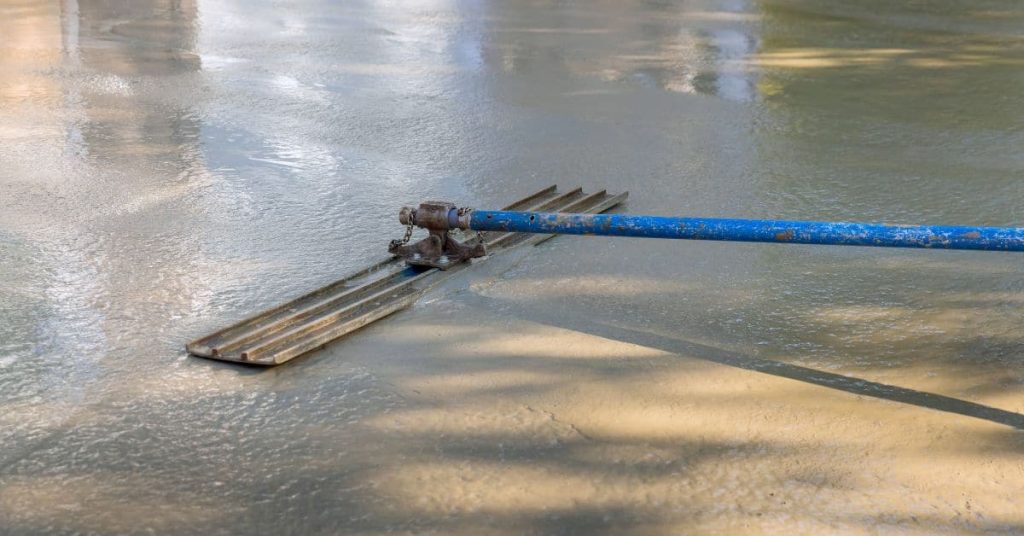
Long-handled finishing tool resting on a wet concrete slab

How Big a Concrete Batch Can You Actually Place Before It Sets?

Concrete / Matt L.

Plan a manageable DIY concrete batch from your crew’s real placing, transport, screeding, and finishing capacity—not from mixer size or bag count.

How Big a Concrete Batch Can You Actually Place Before It Sets? Read More »
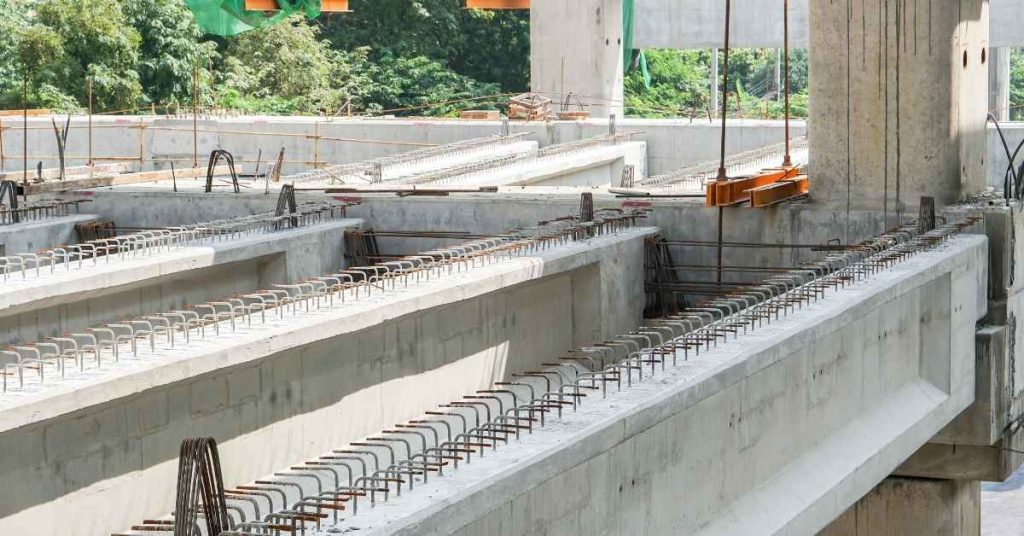
Reinforcing bars project from unfinished concrete beams and walls at a construction site.

Concrete Fibers or Rebar? Choosing Reinforcement by Function, Not by Appearance

Concrete / Matt L.

Concrete fibers, welded wire reinforcement, and rebar can all help concrete perform better, but they are not automatic substitutes. Learn which function each system serves and what to verify before a pour.

Concrete Fibers or Rebar? Choosing Reinforcement by Function, Not by Appearance Read More »

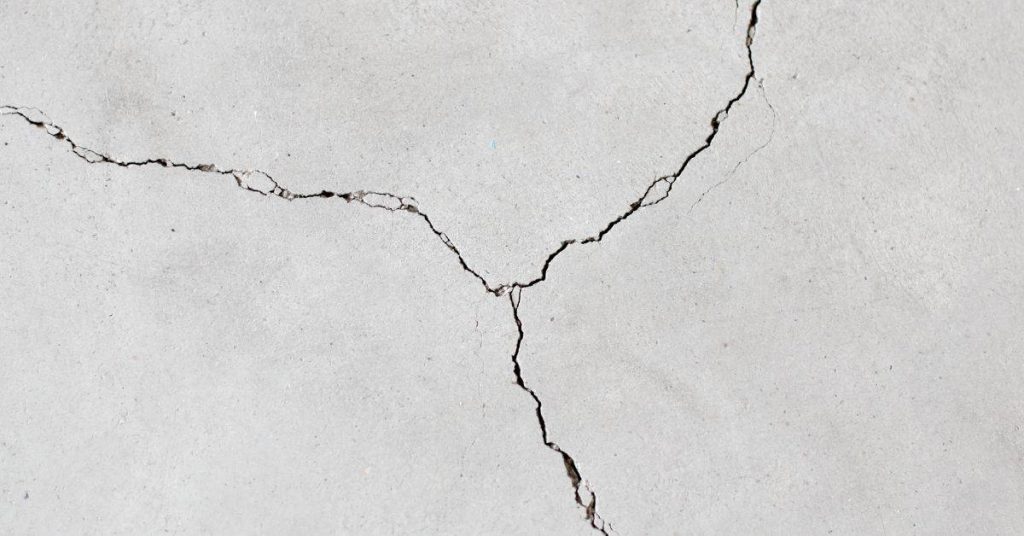
Branching cracks meet at a junction on a light-gray concrete surface.

Concrete Cracks Around Pipes, Windows, and Corners: Finding the Stress Concentration

Concrete / Matt L.

Learn why concrete cracks often start at pipe penetrations, window openings, and inside corners, how to map the pattern, identify movement or water issues, and know when to seek assessment.

Concrete Cracks Around Pipes, Windows, and Corners: Finding the Stress Concentration Read More »

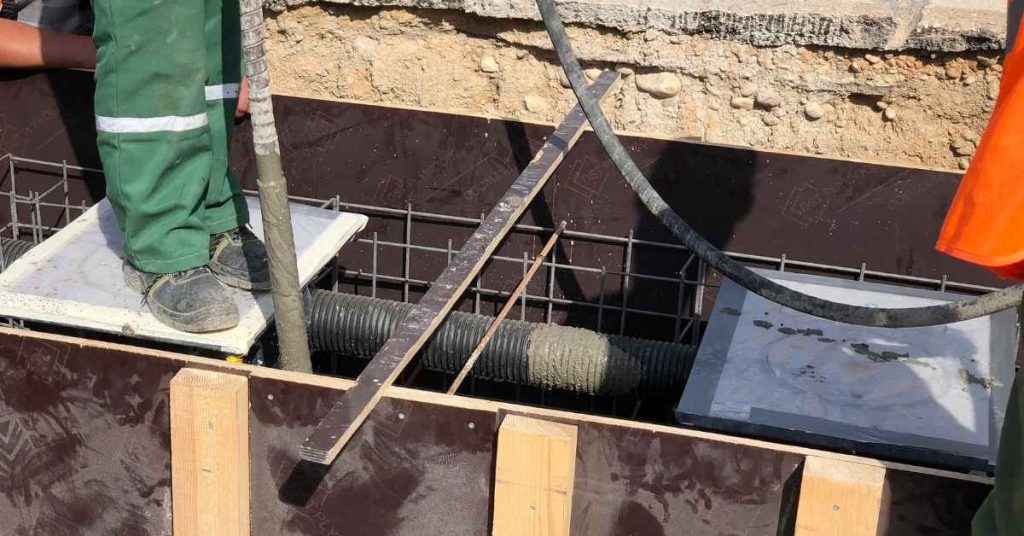
Workers and a concrete hose positioned above reinforcing steel inside concrete formwork

Rebar on the Ground: How to Check Whether Reinforcement Is Actually in the Right Place

Concrete / Matt L.

A practical pre-pour and during-pour inspection guide for checking rebar or wire mesh layout, support, cover, elevation, and displacement.

Rebar on the Ground: How to Check Whether Reinforcement Is Actually in the Right Place Read More »

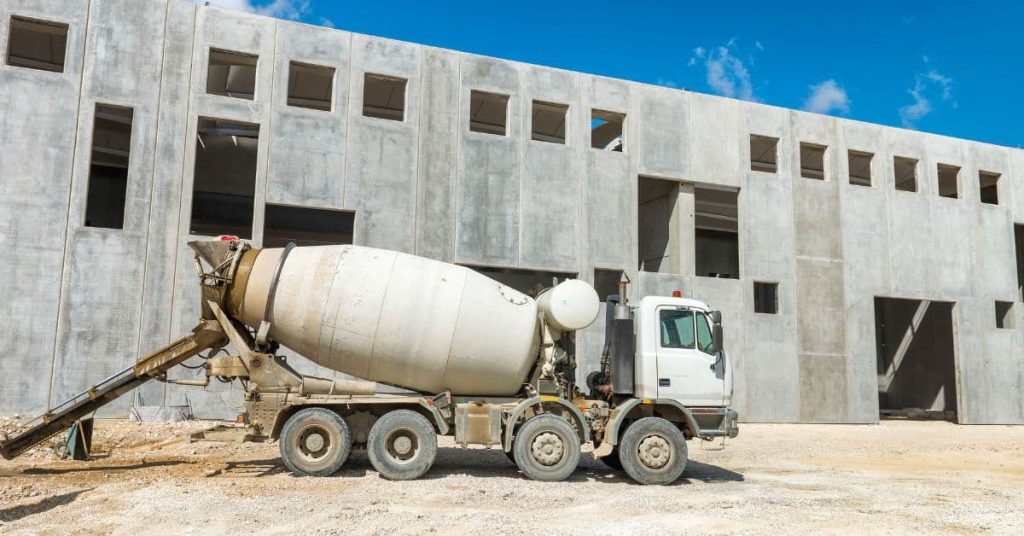
Concrete mixer truck with its discharge chute extended beside an unfinished concrete building

How to Plan a Concrete Pour When the Pump, Chute, or Access Is the Bottleneck

Concrete / Matt L.

Plan ready-mix concrete delivery for difficult sites by mapping the route, checking truck and pump access, assigning crew roles, sequencing placement, and preparing for delays.

How to Plan a Concrete Pour When the Pump, Chute, or Access Is the Bottleneck Read More »

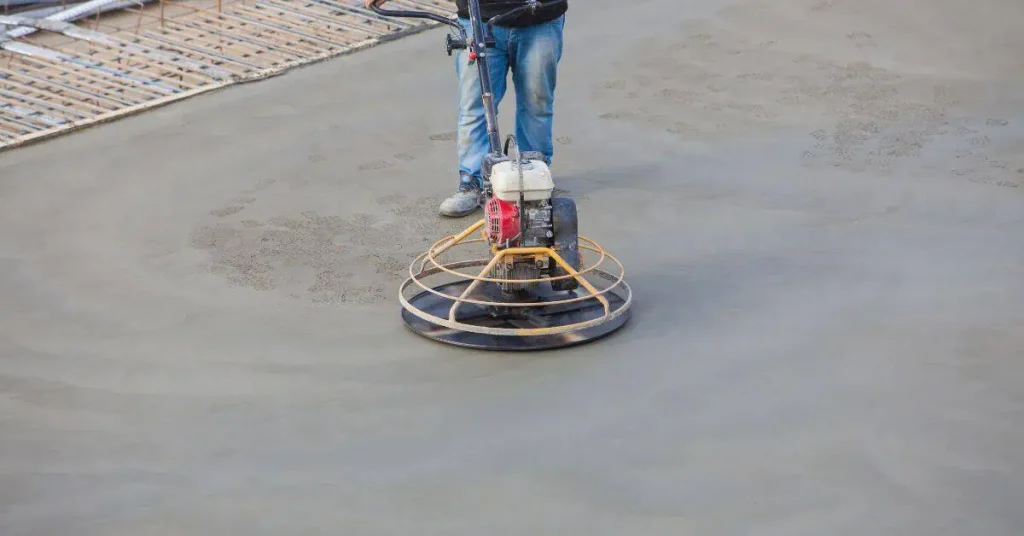
Worker operating a power trowel on a fresh concrete slab

Rain During a Concrete Pour: When to Cover, Wait, Remove Water, or Stop Finishing

Concrete / Matt L.

Rain during a concrete pour does not automatically ruin the slab. Learn when to stop finishing, cover fresh concrete, manage standing water, resume work, and seek evaluation.

Rain During a Concrete Pour: When to Cover, Wait, Remove Water, or Stop Finishing Read More »

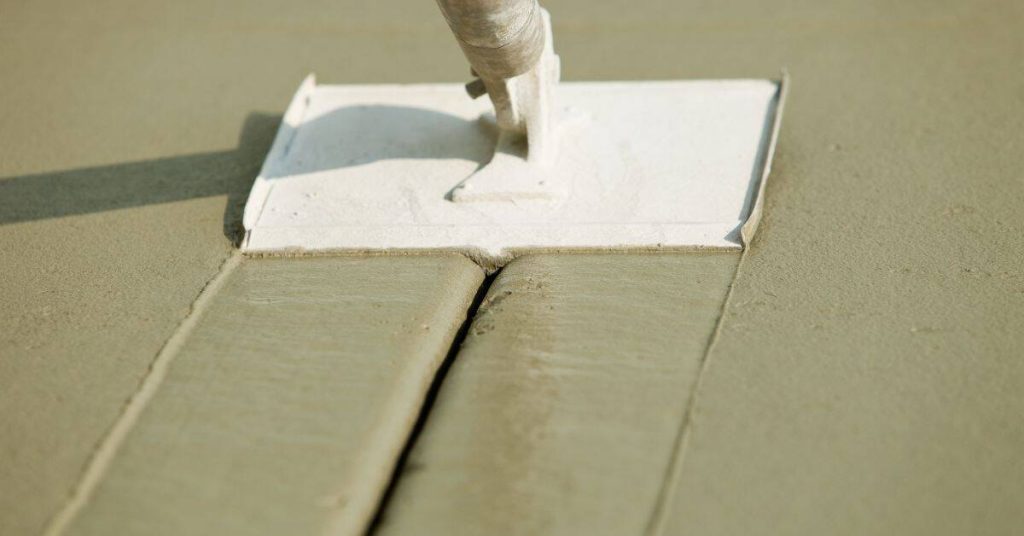
Hand float smoothing freshly placed concrete beside a straight line in the slab surface

When a Concrete Pour Stops: Cold-Joint Decisions for Delayed Placements

Concrete / Matt L.

What to do when a concrete pour is delayed: protect the placement, assess whether the layers can still integrate, and decide whether to continue, form an approved construction joint, or recast.

When a Concrete Pour Stops: Cold-Joint Decisions for Delayed Placements Read More »

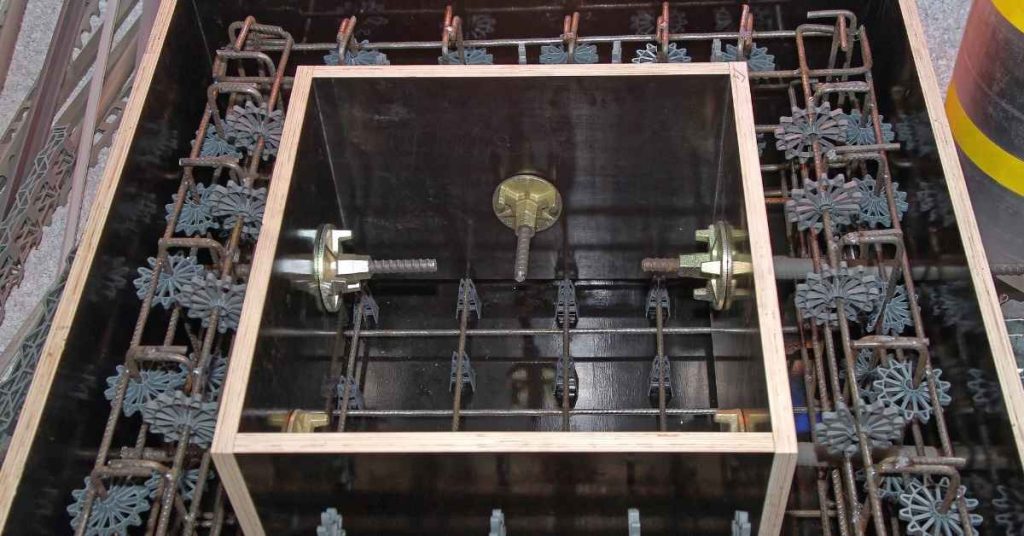
Open concrete form showing reinforcing steel, tie hardware, and plastic spacers before pouring.

Honeycombing or Form Leakage? How to Diagnose Concrete Voids After Stripping Forms

Concrete / Matt L.

Learn how to distinguish concrete honeycombing, rock pockets, paste loss, fins, and form leakage after stripping forms—and when a patch is not an adequate response.

Honeycombing or Form Leakage? How to Diagnose Concrete Voids After Stripping Forms Read More »

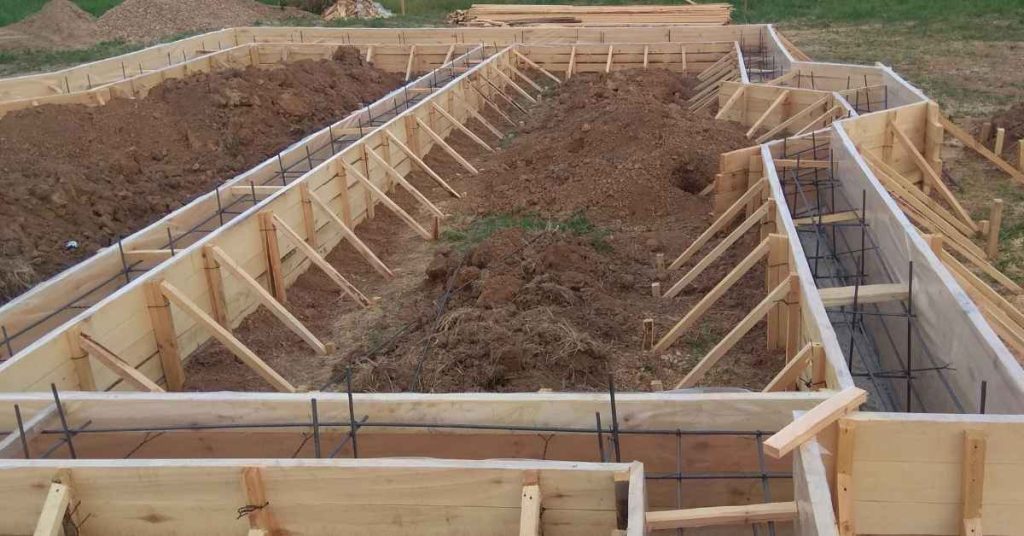
Foundation formwork with exposed reinforcing bars and diagonal wood braces before concrete placement

Concrete Placement Around Congested Rebar: Preventing Voids and Rock Pockets

Concrete / Matt L.

Learn how to plan concrete placement around tightly spaced rebar, anchors, sleeves, and corners so concrete flows, consolidates, and does not leave hidden voids or rock pockets.

Concrete Placement Around Congested Rebar: Preventing Voids and Rock Pockets Read More »

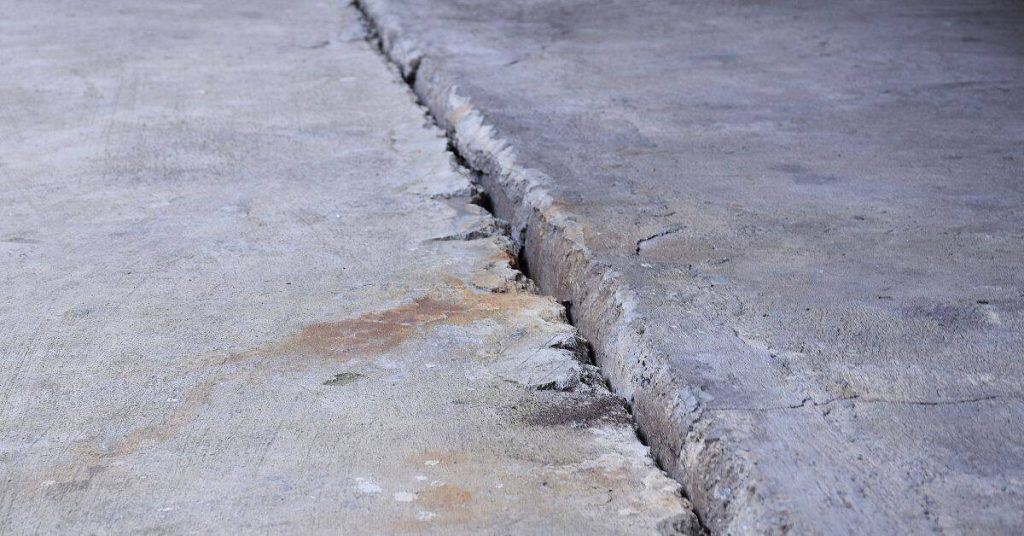
Wide cracked and uneven concrete slab with spalled edges

Concrete Repair Material Compatibility: When a Stronger Patch Makes the Slab Worse

Concrete / Matt L.

A high-strength concrete patch can still crack, debond, or distress the old slab if its stiffness, shrinkage, moisture behavior, or movement does not suit the repair. Learn what to compare before choosing a repair material.

Concrete Repair Material Compatibility: When a Stronger Patch Makes the Slab Worse Read More »

1 2 … 729 Next →
Copyright © 2026 craftingwithconcrete.com | Powered by Astra WordPress Theme