Concrete

Concrete is where I keep my step-by-step guides for planning, pouring, and finishing concrete projects.

Topics include base prep, forms, reinforcement, thickness, mixing and placing, finishing, curing, sealing, and long-term durability. I also cover troubleshooting—what to do when concrete cracks, scales, dusts, or cures unevenly.

If you’re new to concrete, start with the planning and prep articles. They prevent most of the expensive mistakes.

white concrete pump boom arm over metal railing of landing

Rebuilding Old Concrete Landings: When to Overlay and When to Start Over

Introduction Overlaying is applying a new concrete surface on top of an existing landing when the slab is solid and the structure is sound. Start over when there are extensive cracks, hollow spots, or signs of movement that would undermine a new layer. Assessing condition is the first step before choosing overlay or replacement. Evaluate

Rebuilding Old Concrete Landings: When to Overlay and When to Start Over Read More »

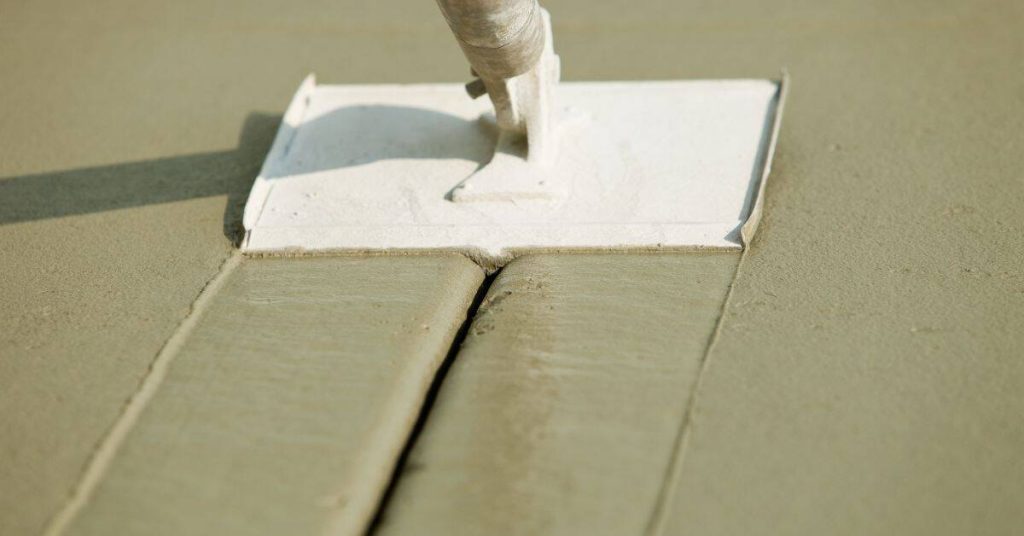
Smooth concrete driveway slab with visible expansion joints

Concrete Driveway Thickness Choices: Matching Load, Soil, and Budget

Introduction Concrete driveway thickness is the minimum concrete depth chosen to support expected loads safely. In practice, you balance what you plan to drive over it, the soil under it, and your budget. This approach keeps the project practical and within what your site can handle and your wallet can cover. Standard thickness recommendations vary

Concrete Driveway Thickness Choices: Matching Load, Soil, and Budget Read More »

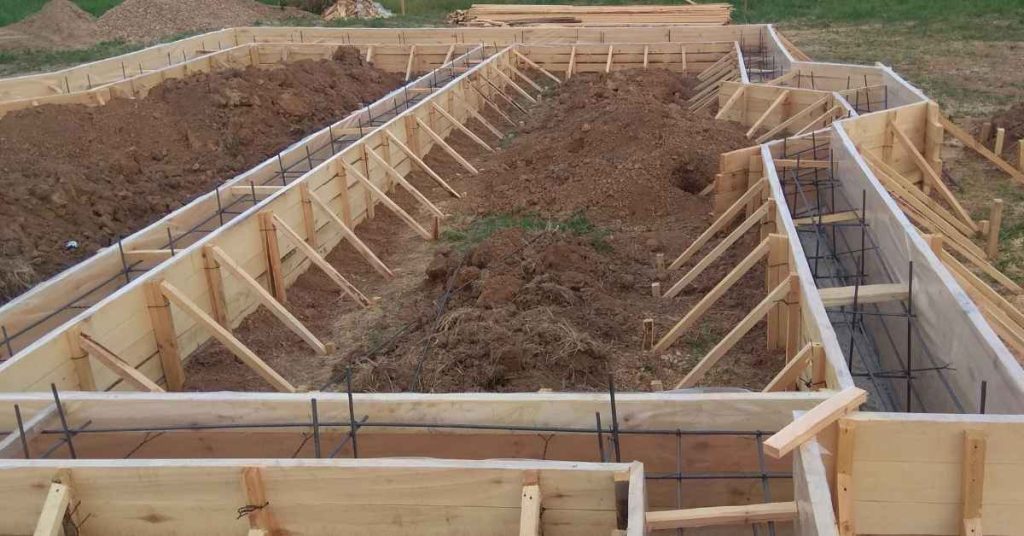
Wooden concrete forms with rebar for foundation footing

Concrete Footing Options for Decks and Sheds: Tubes, Pads, and Pier Blocks Compared

Introduction Concrete footings for decks and sheds come in three common forms: tubes, pads, and pier blocks. These options provide a stable base that transfers load to the ground and can be installed with basic tools. Choose between them based on the project size, soil, and local requirements. Each option has its own installation steps,

Concrete Footing Options for Decks and Sheds: Tubes, Pads, and Pier Blocks Compared Read More »

Worker pouring concrete over rebar on construction site

Planning Concrete Pours Around Weather: Simple Rules for Weekend Builders

Introduction Planning concrete pours around weather means scheduling and preparing to pour concrete when conditions are favorable and safe. This article helps weekend builders anticipate rain, wind, and cold, and plan work days accordingly. It keeps the job simple and avoids costly delays. Cold weather can slow setting and affect strength, so plan around forecasts

Planning Concrete Pours Around Weather: Simple Rules for Weekend Builders Read More »

Concrete slab with wooden formwork and steel rebar grid

Concrete Project Roadmap: From First Sketch to Finished Slab for DIYers

Introduction A concrete project roadmap is a step-by-step plan from initial sketch to a finished slab that you can build yourself. Key takeaways Assess slab condition and moisture before adding framing or deck over concrete. Verify load paths and local code requirements for new structures atop slabs. Plan proper joint layout and control cut spacing

Concrete Project Roadmap: From First Sketch to Finished Slab for DIYers Read More »

Various hand tools laid out on a concrete surface

Jobsite water control on concrete and masonry projects: hoses, sprayers, and ways to keep cleanup sane

Introduction Jobsite water control on concrete and masonry projects means managing hoses, sprayers, and cleanup to keep the work area clean and safe. Plan how you will rinse tools, wash down dust, and drain or divert water so it stays where you want it. Keep a simple setup in mind for when you pause work

Jobsite water control on concrete and masonry projects: hoses, sprayers, and ways to keep cleanup sane Read More »

Precast concrete wall panels stored outdoors under cloudy sky

Concrete dust respirator habits: storage, filter changes, and staying protected on off-and-on tasks

Introduction Concrete dust respirator habits are the routines you follow to store, maintain, and use your respirator so you stay protected when working with dusty concrete. Store it in a clean, dry place and inspect seals and straps before each use. Check manufacturer instructions for any care steps and avoid exposing the respirator to extreme

Concrete dust respirator habits: storage, filter changes, and staying protected on off-and-on tasks Read More »

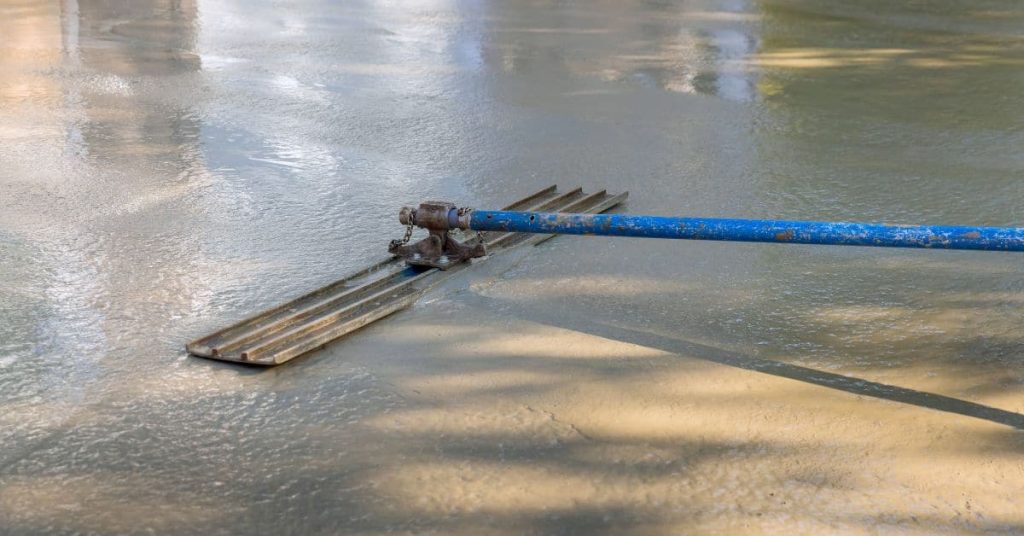
Worker using concrete screed to smooth freshly poured concrete

Sprayers for concrete curing compounds: tip selection and cleanup that avoids clogs

Introduction Sprayers for concrete curing compounds are tools used to apply liquid sealers evenly over fresh concrete to control evaporation. When selecting a sprayer, choose one compatible with curing compounds and pay attention to tip size and spray pattern to minimize clogs. Follow the manufacturer’s guidance for setup and maintenance to support even coverage and

Sprayers for concrete curing compounds: tip selection and cleanup that avoids clogs Read More »