
Concrete Guides: Start Here
This hub collects my most practical concrete guides in one place—prep, forms, reinforcement, placing, finishing, curing, sealing, and repairs.
If you’re new to concrete, don’t start with the pour. Start with the prep and planning guides first. That’s where most “mystery problems” are born.
Start here
Prep & planning (before you pour)
- Concrete on fill dirt: settlement risk tests you can do with a post hole
- Concrete near downspouts: slopes, splash blocks, and how to stop undermining
- Vapor barrier under slabs: when it matters and how to tape seams
- Rebar chairs and supports: keep steel off the ground
Mix, set time & finishing
- Concrete mixing in 5-gallon buckets: repeatable ratios for small projects
- Concrete set time vs temperature: a quick DIY chart you can use on site
- Concrete finishing timing: when to float and trowel
- Concrete bleed water: finishing timing to avoid dusting, blisters, and flakes
- Concrete dusting floors: why the surface powders and how to harden it
Control joints & cracking
- Control joint spacing: practical layout rules that reduce random cracks
- Control joint depth rules that reduce random cracking
- Concrete crack stitching: when staples + epoxy beat “fill and forget”
Curing & protection
- Concrete curing time for sealing, paint, and loads
- Concrete curing with plastic: how to avoid wrinkles, stains, and soft spots
Sealers, coatings & surface prep
- Concrete Surface Profile (CSP): what it means and how to achieve it
- Sealing concrete outdoors: penetrating vs film-forming
- Peeling concrete sealer: moisture and prep mistakes that cause failure
Latest concrete posts
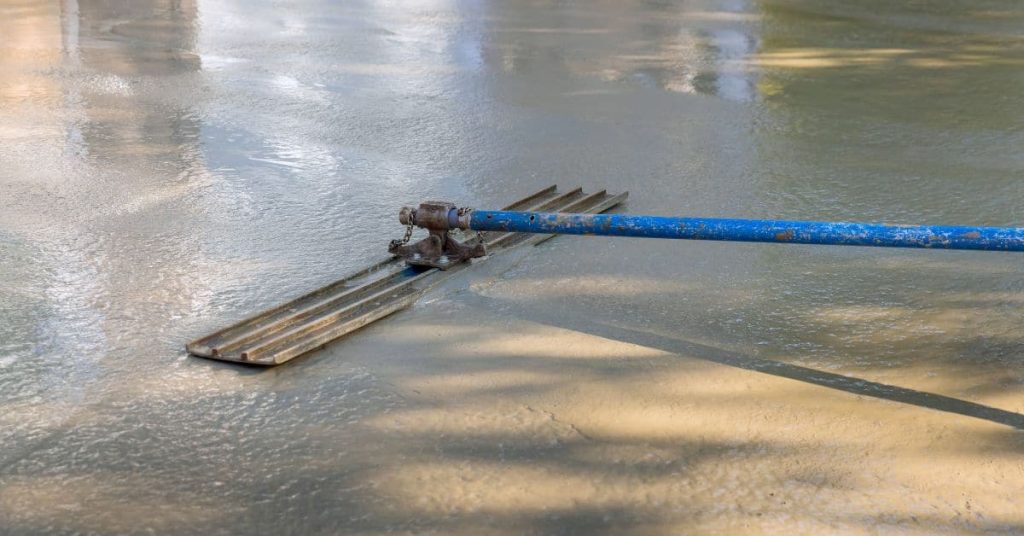
How Big a Concrete Batch Can You Actually Place Before It Sets?
Plan a manageable DIY concrete batch from your crew’s real placing, transport, screeding, and finishing capacity—not from mixer size or bag count.
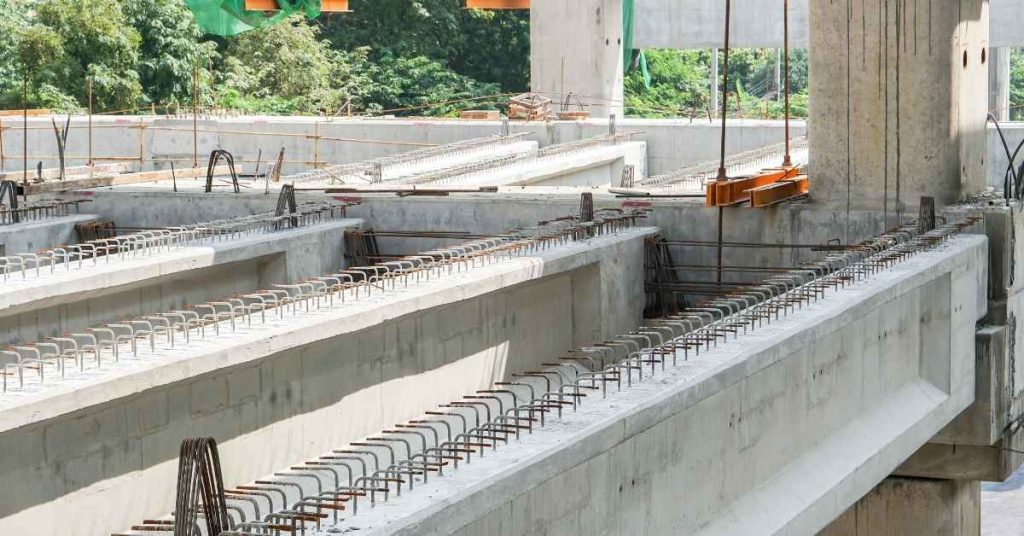
Concrete Fibers or Rebar? Choosing Reinforcement by Function, Not by Appearance
Concrete fibers, welded wire reinforcement, and rebar can all help concrete perform better, but they are not automatic substitutes. Learn which function each system serves and what to verify before a pour.
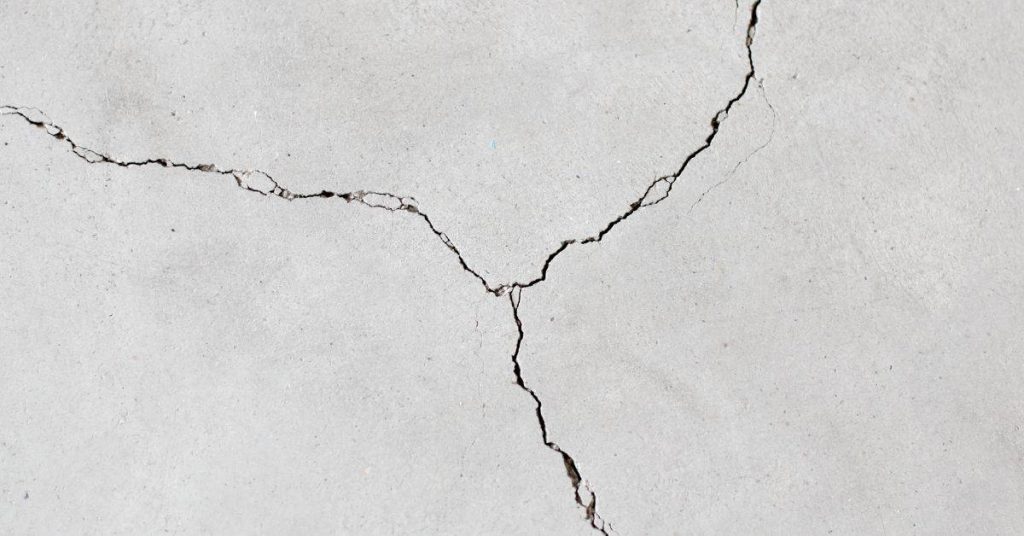
Concrete Cracks Around Pipes, Windows, and Corners: Finding the Stress Concentration
Learn why concrete cracks often start at pipe penetrations, window openings, and inside corners, how to map the pattern, identify movement or water issues, and know when to seek assessment.
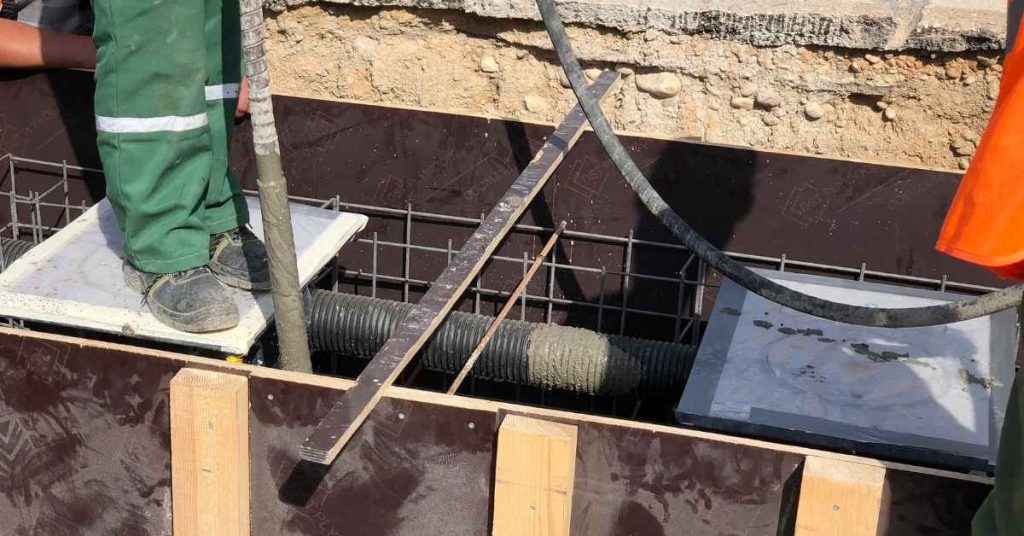
Rebar on the Ground: How to Check Whether Reinforcement Is Actually in the Right Place
A practical pre-pour and during-pour inspection guide for checking rebar or wire mesh layout, support, cover, elevation, and displacement.
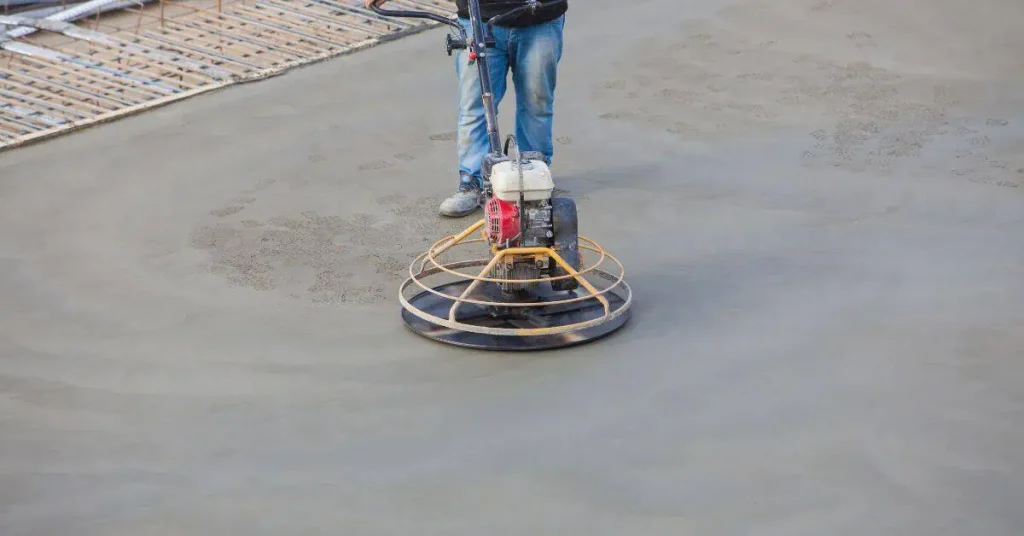
Rain During a Concrete Pour: When to Cover, Wait, Remove Water, or Stop Finishing
Rain during a concrete pour does not automatically ruin the slab. Learn when to stop finishing, cover fresh concrete, manage standing water, resume work, and seek evaluation.
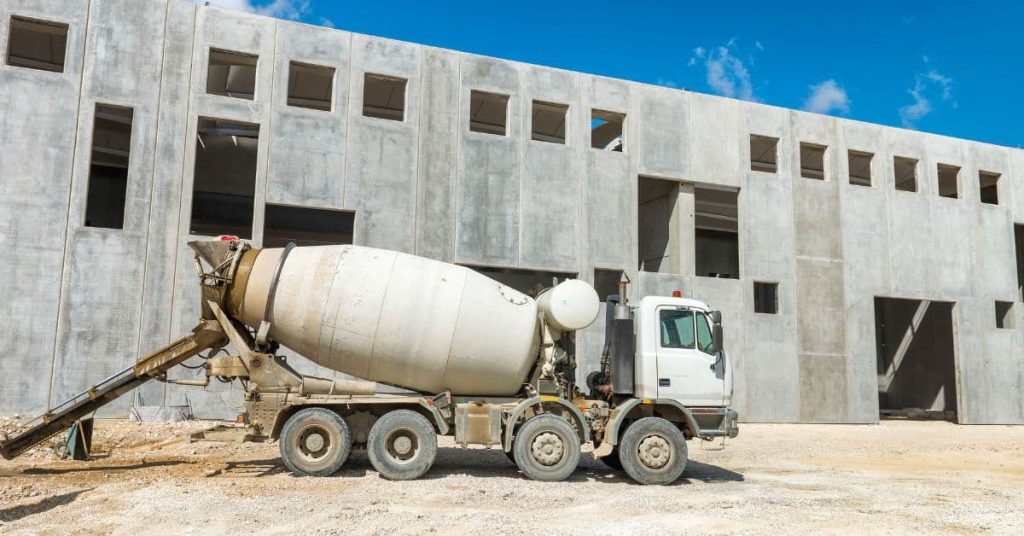
How to Plan a Concrete Pour When the Pump, Chute, or Access Is the Bottleneck
Plan ready-mix concrete delivery for difficult sites by mapping the route, checking truck and pump access, assigning crew roles, sequencing placement, and preparing for delays.
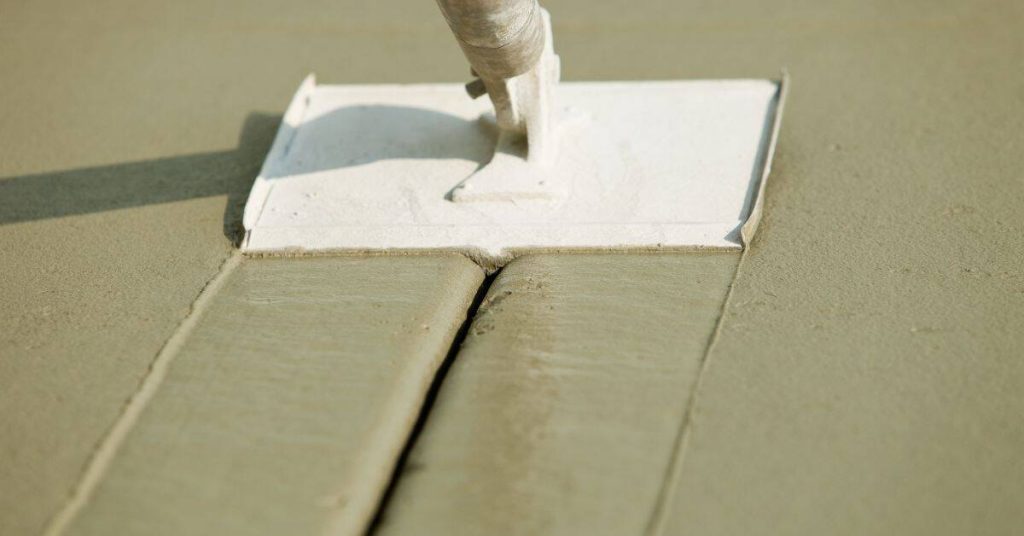
When a Concrete Pour Stops: Cold-Joint Decisions for Delayed Placements
What to do when a concrete pour is delayed: protect the placement, assess whether the layers can still integrate, and decide whether to continue, form an approved construction joint, or recast.
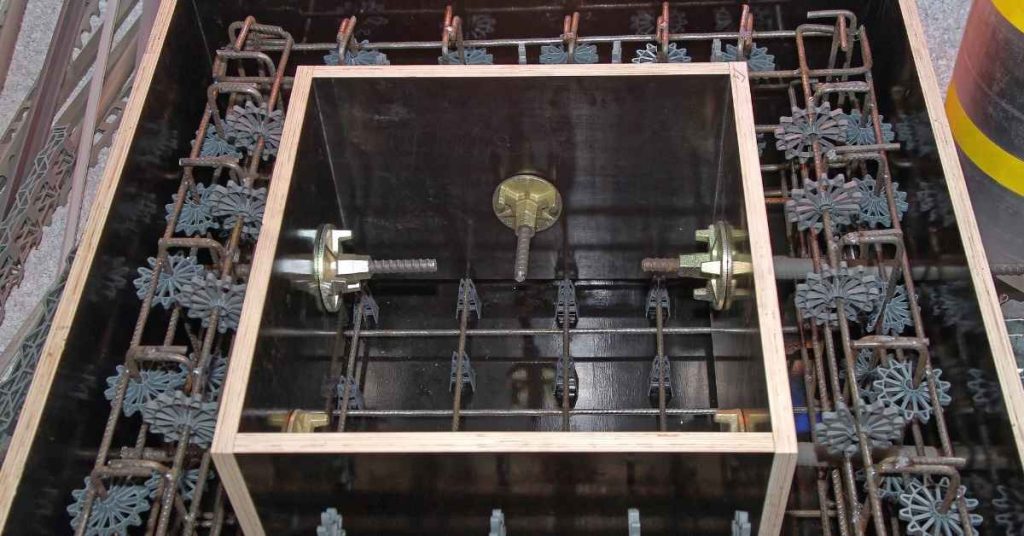
Honeycombing or Form Leakage? How to Diagnose Concrete Voids After Stripping Forms
Learn how to distinguish concrete honeycombing, rock pockets, paste loss, fins, and form leakage after stripping forms—and when a patch is not an adequate response.
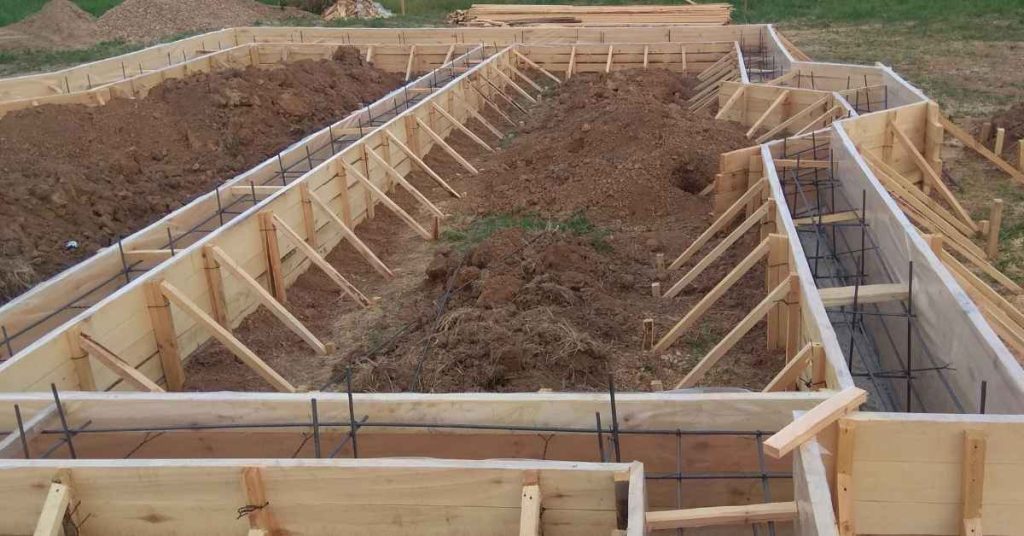
Concrete Placement Around Congested Rebar: Preventing Voids and Rock Pockets
Learn how to plan concrete placement around tightly spaced rebar, anchors, sleeves, and corners so concrete flows, consolidates, and does not leave hidden voids or rock pockets.
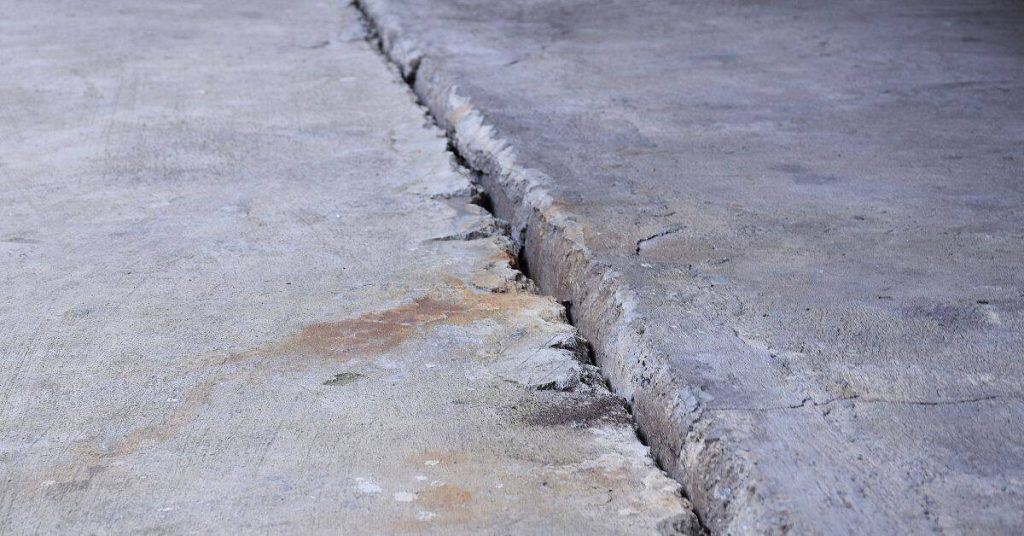
Concrete Repair Material Compatibility: When a Stronger Patch Makes the Slab Worse
A high-strength concrete patch can still crack, debond, or distress the old slab if its stiffness, shrinkage, moisture behavior, or movement does not suit the repair. Learn what to compare before choosing a repair material.