
Introduction
The process of injecting adhesive behind loose plaster can be a time-consuming task, but understanding the timeline can help you plan your project more effectively. Here’s a step-by-step breakdown of how long each stage takes.
Before we dive in, remember that the duration may vary depending on factors like the size of the affected area and the specific adhesive used.
The Injection Process Timeline
Now let’s break down the plaster injection process into a clear timeline:
- Preparation (30 minutes to 1 hour): This includes assessing the damage, gathering tools and materials, setting up containment, and preparing the adhesive.
- Injection (15 minutes to 1 hour per linear foot): The time taken depends on the size of the area. For instance, injecting adhesive behind loose plaster in a small room may take around 30 minutes to an hour, while larger areas could take several hours or even days.
- Curing (24 to 72 hours): After injection, you’ll need to allow the adhesive to cure. This process can take anywhere from one day to three, depending on the specific product and environmental conditions.
- Finishing (30 minutes to 1 hour per linear foot): Once the adhesive has cured, you’ll need to sand and prime the area before painting or wallpapering. This step also varies in duration based on the size of the affected area.
So, how long does plaster injection take in total? For a small room with minor damage, you might be looking at around 2 to 3 days. Larger areas or more severe damage could extend this timeline significantly.
Key takeaways
The preparation stage is crucial as it sets the pace for the entire project. Taking the time to properly assess the damage and gather necessary tools can save you from having to redo steps later, ultimately reducing the overall duration of your plaster injection project.
- Assess plaster looseness with tapping and probing before any injection attempt.
- Choose injectable resin compatible with plaster and follow manufacturer instructions.
- Prepare and protect adjacent surfaces; mask, containment, and ventilation basics.
- Inject slowly in small increments, pause to observe for bulging or migration.
- Verify bond by gently probing repaired area; look for uniform adhesion and no gaps.
- Wear eye protection, gloves, and respirator as required by materials; prioritize safety.
Table of Contents
- Introduction
- Key takeaways
- Quick Overview: When Injection Repair Is Appropriate
- Tools and Materials Checklist
- Pre-Repair Assessment and Preparation
- Injection Techniques Step-by-Step
- Visual Checkpoints and Verification After Injection
- Common Failure Modes and Troubleshooting
- Finishing and Cosmetic Repair After Successful Bonding
- Safety, Regulatory, and Preservation Considerations
- Conclusion
- FAQ
Quick Overview: When Injection Repair Is Appropriate
Injection repair is a good option when the plaster is still firmly attached to a solid substrate and the delamination is localized. It can buy you time without a full replaster in small, controllable areas. If the plaster feels soft or the substrate is crumbling, you’ll likely need a larger fix or structural work.
Use this as a decision-making checkpoint: assess adhesion at several spots, check for surrounding cracks, and measure the size of the loose area. When in doubt, verify with the product label or manufacturer instructions and consider local rules that govern plaster repair. If the delamination spans a large area or the lath or substrate is compromised, plan for replastering rather than injection alone.
Signs the plaster is delaminated but reparable
The first step in deciding if adhesive injection will work is knowing what to look for. Here are some signs that indicate your plaster might still be savable:
Hollow Sound: Gently tap on the affected area with a wooden dowel or handle of a brush. A hollow sound indicates that the plaster has lost its bond but hasn’t completely detached.
Limited Movement: If the loose plaster moves slightly when you press it, but snaps back into place, injection might be an option. Widespread movement usually means the problem is more severe and requires replastering.
Small Cracks: Fine cracks around the affected area are another sign that injection could work. These often form as the plaster starts to pull away from its substrate. However, if these cracks are wide or spiderweb-like, it might be a sign of structural issues.
When injection will likely fail
While adhesive injection can work wonders in many cases, there are situations where it’s not enough. Here are some clear indicators that you might need to consider other solutions:
Widespread Detachment: If large areas of your plaster are loose or falling off, injection won’t be enough to save them. This is a sign of extensive damage that requires replastering.
Wet Rot: If the area behind the plaster is damp or shows signs of mold, you’re likely dealing with wet rot. Injection won’t solve this problem; you’ll need to address the moisture issue first and possibly replace any damaged lath.
Crumbling Substrate: If the substrate behind your plaster (usually lath or drywall) is crumbling or falling apart, injection isn’t going to help. The substrate needs to be in good condition for the adhesive to bond properly.
Tools and Materials Checklist
Gather basic hand tools, a drill with appropriate bits, and a syringe or injection kit. Prioritize DIY-friendly options that you can source from a local hardware store. Have a bucket, mixing stick, and rags for cleanup ready.
Include safety gear like eye protection and gloves, and consider alternatives if a specific item is hard to find. Check product labels and instructions for compatibility with your plaster and substrate before buying. If you’re unsure, ask the supplier or consult the manufacturer data sheet for substitutions.
Recommended adhesives and their pros/cons
Choose the right adhesive for your job. Here’s a quick checklist.
- Epoxy: Strong, durable, resists moisture. Use when: Substrate is sound, no active leaks. Watch out: Can be toxic if not handled properly.
- Polyurethane: Flexible, bonds well to various surfaces. Use when: Plaster has minor cracks or movement. Watch out: Can yellow over time with UV exposure.
- Gypsum-compatible adhesives: Safe for plaster, no shrinkage. Use when: Plaster is the primary material. Watch out: May not be as strong as other options.
Quick rule: Always follow manufacturer’s guidelines for safe handling and application.
Nozzle, injector, and drill bit options
Select the right tools for your injection job. Here’s a quick checklist.
- Injection Nozzles: Choose from flat, round, or needlepoint tips. Use: Flat for large areas, round/needlepoint for narrow gaps.
- Injectors (Manual): Simple, cost-effective. Use when: Small jobs, low pressure needed.
- Injectors (Powered): Consistent pressure, less fatigue. Use when: Large areas, high-pressure application.
- Drill Bits: Select size based on plaster thickness. Rule of thumb: Bit should be 1/3 to 1/2 the plaster’s thickness.
Quick rule: Always match tool size to job requirements for best results.
Pre-Repair Assessment and Preparation
Start with a visual map of all delaminated areas, marking each spot with notes for access and direction. Test adhesion at multiple points to gauge how solid the plaster is. Document the area with photos and simple measurements for your records.
Check for moisture before you begin and address any damp spots first. Record readings and symptoms like efflorescence or staining as part of the prep. Review the manufacturer guidelines and local regulations for any moisture or substrate restrictions.
How to map and mark hollow areas
Before you start injecting adhesive, you need to locate the loose areas. Grab a tapper or a small hammer with a rubber head.
Tap gently across the plaster. You’ll hear a dull thud where it’s solid and a hollow sound where it’s delaminated. Mark these hollow spots with a pencil or chalk for later reference.
For larger areas, you can use a moisture meter to scan for dampness. This helps identify hidden issues behind the plaster.
Preparing the surface and edges
Before applying adhesive, ensure your surface is clean and ready. Use a stiff brush to remove any loose debris or dust.
Wear gloves for this step as the debris can be sharp. If there are flaking edges, gently stabilize them with some masking tape to prevent further crumbling during injection.
Now, use a damp cloth to wipe down the surface. This removes any remaining dust and opens up the plaster’s pores for better adhesive penetration.
Injection Techniques Step-by-Step
Begin by drilling shallow ports in a grid pattern over the delaminated zone, keeping depth and spacing conservative. Insert the adhesive through the ports and allow it to fill any voids until you see steady resistance. Follow the sequence recommended by the product instructions and note the curing timeline you’re told to expect.
Watch for common missteps like over-pressurizing or incomplete filling; adjust technique to avoid air pockets. If you’re unsure about port placement or material compatibility, verify with the label or manufacturer instructions. Keep the work area clean and ventilated during the process.
Step-by-Step Process
This section guides you through the injection process, from preparation to cleanup.
- Inspect the area and mark hollow spots. Ensure safety by turning off power to nearby outlets.
- Drill injection ports at marked locations. Keep drill angle consistent and depth controlled.
- Mix adhesive according to manufacturer’s instructions. Wear gloves and a mask for safety.
- Insert nozzle into first port, apply pressure, and observe squeeze-out. Stop if you see no fill or excessive squeeze-out.
- Repeat until all ports are filled. Clean up tools and materials immediately after finishing.
Port placement and drilling technique
Proper port placement is crucial for successful injection. Drill at a consistent angle, usually 45 degrees to the wall.
Space ports about 6-8 inches apart, or less if hollow spots are smaller. Check plaster depth before drilling to avoid going too deep.
Drill just deep enough to reach the back of the loose plaster. Avoid drilling into studs or other structural elements.
Mixing and injecting adhesive
Follow manufacturer’s mixing instructions for ratios and times. Wear gloves and a mask during mixing.
Load the injector with mixed adhesive, attach nozzle to port, and apply steady pressure. Observe squeeze-out at adjacent ports to ensure adequate fill.
Stop injecting when no more squeeze-out is visible or you hear air escaping. Wipe away excess adhesive immediately.
Post-injection clamping and curing
After injecting, use temporary screws with washers or clamps to brace the plaster. Apply pressure evenly across the repaired area.
Protect the surface from moisture and direct sunlight during curing. Follow manufacturer’s guidelines for typical cure times.
Inspect the repair after initial cure time. If satisfied, remove clamps or screws and apply a fresh coat of paint.

Visual Checkpoints and Verification After Injection
After the initial fill, tap test the repaired area and listen for a solid, knife-edge sound rather than hollow tones. Gently press around the bonded zone to check for movement or soft spots. Note any areas that still feel loose and may require a secondary pass.
Set a reasonable schedule for checks—early after cure and again after a full curing period specified by the product. If results aren’t meeting the expected bond, consult the product instructions and consider re-injection. Verify any timelines or test methods with the label or manufacturer instructions.
What to look for in the first 24–72 hours
After injection, monitor your walls closely. Here’s what to check in the first few days.
- Adhesive bleed: Check if adhesive is seeping out of holes. If yes, it means the plaster is absorbing the adhesive, indicating a good bond.
- Plaster movement: Gently push and tap the repaired area. No movement or hollow sound indicates successful bonding.
- Discoloration: Look for any discoloration around the injection points. This could indicate moisture, which might affect bond strength.
- Cracking: Keep an eye on cracks near the repaired area. If they widen or new ones appear, it may suggest ongoing movement.
- Temperature and humidity: Monitor room temperature and humidity levels. Extreme conditions can affect curing and bonding.
- Clamping: Ensure clamps are still secure and applying even pressure to the repaired area.
- Holes filling up: Check if holes are filling with adhesive. If not, you may need a secondary injection.
- Surface feel: Gently touch the surface. It should feel solid and stable, not spongy or soft.
Quick rule: If you notice any of these issues within 72 hours, don’t panic. Just keep monitoring and follow up as needed.
Long-term monitoring and follow-up fixes
After the initial 72 hours, continue to monitor your repaired plaster over weeks and months. Here’s what to check.
- Cracking: Keep an eye on cracks near the repaired area. If they widen or new ones appear, it may suggest ongoing movement or a failed bond.
- Plaster movement: Gently push and tap the repaired area periodically. No movement or hollow sound indicates a strong bond.
- Moisture: Check for any signs of moisture around the injection points or on the surface. Excessive moisture can weaken bonds over time.
- Temperature changes: Monitor room temperature changes. Extreme conditions can affect plaster and adhesive long-term.
- Secondary injection: If you notice any signs of movement, cracking, or moisture, consider a secondary injection to reinforce the bond.
- Regular inspections: Make it a habit to inspect your repaired plaster every few months. Prevention is better than cure.
- Addressing issues promptly: If you notice any problems, address them immediately to prevent further damage or failure of the repair.
Quick rule: Regular monitoring and prompt action can help maintain a strong bond and prevent future issues.
Common Failure Modes and Troubleshooting
Most failures come from poor adhesion, trapped moisture, or using an adhesive that isn’t compatible with the substrate. Another frequent issue is incomplete filling leaving voids that compromise the bond. Inadequate surface preparation can also undermine the repair.
For each problem, adjust the approach: dry/moisture management, switch to the proper adhesive, or improve port layout to ensure full filling. If you encounter repeated failures, compare your method to the product data sheet and seek guidance from the supplier or a building professional. Don’t proceed with cosmetic finishing until the bond passes verification steps.
Fixing partial adhesion or voids
If your injection isn’t holding, you might have voids – empty spaces where the adhesive can’t bind. Here’s how to tackle this:
Detect voids: Tap the wall. Hollow sounds indicate voids.
Re-drill and re-inject: If voids are small, drill new holes nearby, clean them, and inject again. Use a smaller nozzle to reach those spots.
If voids are large or widespread, abandon injection. You’ll need to re-lathe the area instead.
Dealing with moisture, salts, and contamination
Moisture and soluble salts can wreck your repair. Here’s why and how to deal with them:
Moisture prevents adhesion. Salts can dissolve in new moisture, causing the plaster to fall off again.
Pre-treatment: Before injecting, prepare the surface. Remove any loose material and clean the area thoroughly. If there’s dampness, find and fix the source first.
If you find visible signs of salts, like white deposits, halt the repair. You’ll need to pre-treat with a salt inhibitor before injecting.
Finishing and Cosmetic Repair After Successful Bonding
Once the adhesive has cured, you’ll want to address the surface to match surrounding plaster. Patch any minor indentations and feather edges to blend with the wall. Plan your joint finishing steps around the size of the repair and your preferred texture.
Prime the repaired area before painting and choose a finish compatible with historic or sensitive plaster if applicable. Check manufacturer and label recommendations for sealing or priming products, and consider test patches to ensure color and texture match. If you’re unsure, verify materials and procedures with local guidelines or a professional.
Plaster Patching and Skim-Coat Tips
Now that your adhesive is cured, it’s time to repair the surface. You want a seamless finish here, so take your time.
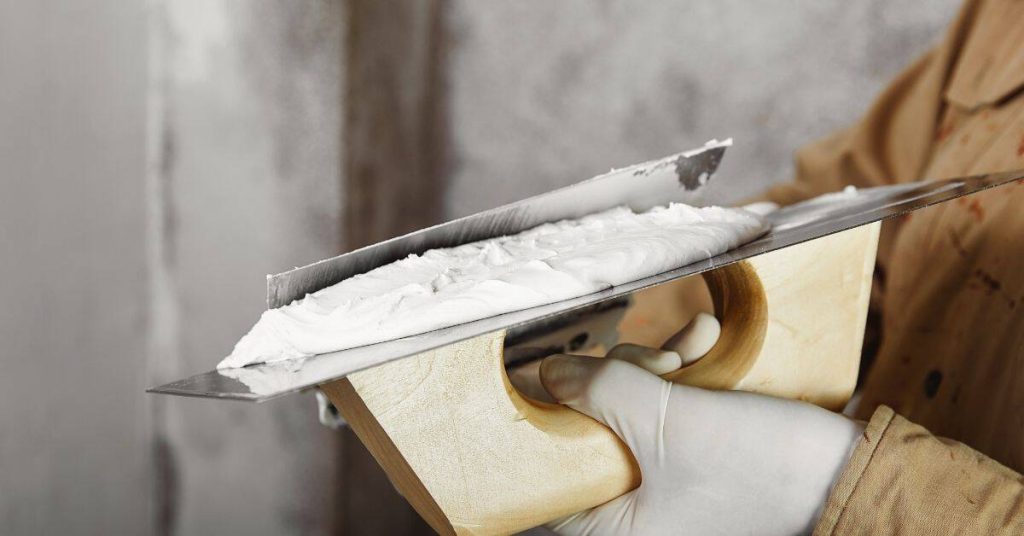
For small holes or cracks, use a quick-setting joint compound. For larger areas, opt for a lightweight spackling compound. Apply with a wide-blade taping knife, working in thin layers.
Pro tip: Don’t overfill the voids. You can always add more, but you can’t take it away once it’s dry.
Preventing Visible Repair Lines and Color Mismatches
Once your patch is dry, you’ll want to blend the repaired area with the rest of your wall. Start by lightly sanding the patched area with fine-grit sandpaper.
To match the texture, use a damp sponge or a textured roller over the patch. Let it dry, then prime the entire area to seal it and prepare for painting.
Pro tip: When matching paint, don’t rely on memory. Take a small sample of the existing paint to your hardware store to get an exact match.
Safety, Regulatory, and Preservation Considerations
Work in a well-ventilated area and wear appropriate PPE, including eye protection and gloves. Keep disposal in line with local rules for construction waste and hazardous materials. If moisture is involved, take extra precautions to avoid promoting mold growth.
For historic plaster or listed buildings, use preservation-friendly methods and consult any conservation guidelines. Check with local authorities about permitted work and required inspections. When in doubt, rely on the product label and manufacturer instructions as your primary reference before proceeding.
Working with historic or fragile plaster
If your home has historic or delicate plaster, tread carefully. Consult a conservator before starting any work. They can advise on low-impact adhesives and preservation techniques.
Document the state of your walls before you begin. Photos and notes will help track changes and aid in future repairs.
Use archival-quality materials whenever possible. These are designed to last and won’t harm historic surfaces.
When to call a professional
Know your limits. If the damage is extensive, you’re dealing with structural concerns, or there’s a chance of encountering hazardous materials like asbestos or lead paint, stop and call in an expert.
As a rule of thumb, if more than 20% of the plaster is affected, it’s time to seek professional help. Similarly, if you suspect any structural issues, don’t hesitate to contact a structural engineer or architect.
If there’s even a slight chance that asbestos or lead paint might be present, do not proceed. These materials are highly hazardous and require specialized handling by trained professionals.
Conclusion
The core idea here is simple: a careful, well-executed adhesive injection protects your walls, keeps the plaster in place, and avoids costly repairs later. Safety and durability stay in your hands when you move deliberately and test before you trust the result.
First, inspect the area and plan a conservative pattern, confirm the material and tool setup, then prepare containment and PPE, mix and load the adhesive to the right consistency, place ports at measured intervals, inject slowly while watching for movement, wipe up excess as it appears, allow full cure, and finally complete finishing to blend with the surrounding wall. Do this in a small section first to verify bond and timing before proceeding wider; keep injections steady and never force material through blocked paths.
Common mistakes to avoid include over-pressurizing the system, which can push plaster loose or crack paint; skipping a test area or cure check; and using the wrong adhesive or wrong viscosity for the plaster. Use PPE, work with dry conditions, and keep a close eye on any unexpected swelling or cracking during and after injection. If anything looks off, pause, reassess, and protect nearby finishes from adhesive seepage.
If the repair would require extensive infiltration, unpredictable substrate movement, or structural concerns, consider calling a professional instead of pushing on. When you’re unsure or the area is large, a qualified pro can save time and prevent damage. Stay patient, stay safe, and you’ll restore strength and appearance without the guesswork.
FAQ
When is injecting adhesive behind loose plaster a good idea, and when should I stop?
Use injection to rebind plaster that’s firmly backing and showing hollow spots, not crumbling or bowing. If the plaster moves easily or shows wide gaps, stop and reassess, or call in a pro. Check the manufacturer instructions for what the product can and cannot do on plaster surfaces.
What should I look for on the adhesive label before buying?
Read that it is intended for plaster or masonry bonding and rated for interior use. Look for surface prep requirements, cure times, and any temperature or humidity notes. If unsure, ask the store staff or consult the manufacturer’s datasheet and follow local guidelines.
What are the common mistakes that cause injection to fail?
Using the wrong adhesive for plaster, under- or over-pressurizing, or not cleaning loose material first. Skipping surface prep or not sealing the injection ports can also lead to poor bonding. If you see new cracks or missing bond, reassess before continuing.
How do I finish after the bond grips, without causing new problems?
Repair the surface to match surrounding plaster and avoid over-wetting the area. Let any patches cure fully before repainting, and follow the product’s guidance for curing times. If you notice texture or color differences, plan for minor cosmetic blending with compatible materials.