
Introduction
Slab foundations and crawl spaces are two different foundation options, and the right choice depends on climate, soil, and budget.
You’ll learn how to weigh the pros and cons, assess site conditions, and apply practical rules of thumb to decide which setup fits your project.
The guidance covers what to expect in terms of installation considerations, durability, and routine care to help you make an informed decision.
Key takeaways
- Slab: single-level concrete pad; no basement/crawl space.
- Crawl Space: small, accessible area under the house for plumbing/utility access.
- Slab pros: cheaper, easier to build, less prone to moisture issues.
- Slab cons: difficult to repair/replace utilities, no space for storage.
- Crawl Space pros: accessible utilities, extra storage space, better resale value in some areas.
- Crawl Space cons: more expensive, prone to moisture/mold issues if not properly sealed/ventilated.
- Climate & site: slab preferred in warm/humid regions; crawl space in cooler/drier areas.
Table of Contents
- Introduction
- Key takeaways
- What Is a Slab Foundation?
- What Is a Crawl Space Foundation?
- Advantages of Slab Foundations
- Disadvantages of Slab Foundations
- Advantages of Crawl Space Foundations
- Disadvantages of Crawl Space Foundations
- Cost Comparison: Slab vs Crawl Space
- Climate & Site Considerations
- Structural Implications for Home Design & Resale Value
- Energy Efficiency, Insulation & Indoor Air Quality
- Maintenance, Accessibility & Safety Concerns
- Common Mistakes & Planning Checklist Before Choosing
- Case Studies & Decision Scenarios
- Tools, Materials Checklist & Visual Checkpoints for DIYers
- Benefits of Crawl Space Foundations
- Slab Foundation vs. Crawl Space Foundation
- Conclusion
- FAQ
What Is a Slab Foundation?
Slab-on-grade refers to a concrete floor poured at ground level without separate footings, while monolithic slabs are poured as one continuous pour with integrated footing support. Monolithic slabs provide better edge support and frost protection compared to slab-on-grade foundations that rely on soil bearing or minimal edge frames.
Climate and soil conditions significantly influence the choice between these types of slabs. Slab-on-grade is common in warmer, stable soils, whereas monolithic slabs are preferred where frost heave poses a risk or additional strength is needed.
Typical Slab Construction Process
The first step involves thorough site preparation and grading to ensure proper drainage. This includes leveling the ground and setting up formwork for concrete edges.
What to check: Ensure the ground is compacted properly (you’ll see a firm, stable surface) and that the formwork is secure and level.
Reinforcing materials like rebar or welded wire mesh are placed inside the formwork, followed by a vapor barrier installation to prevent moisture intrusion.
What you’ll see:
- Rebar or wire mesh grid within the formwork
- Vapor barrier laid out and secured
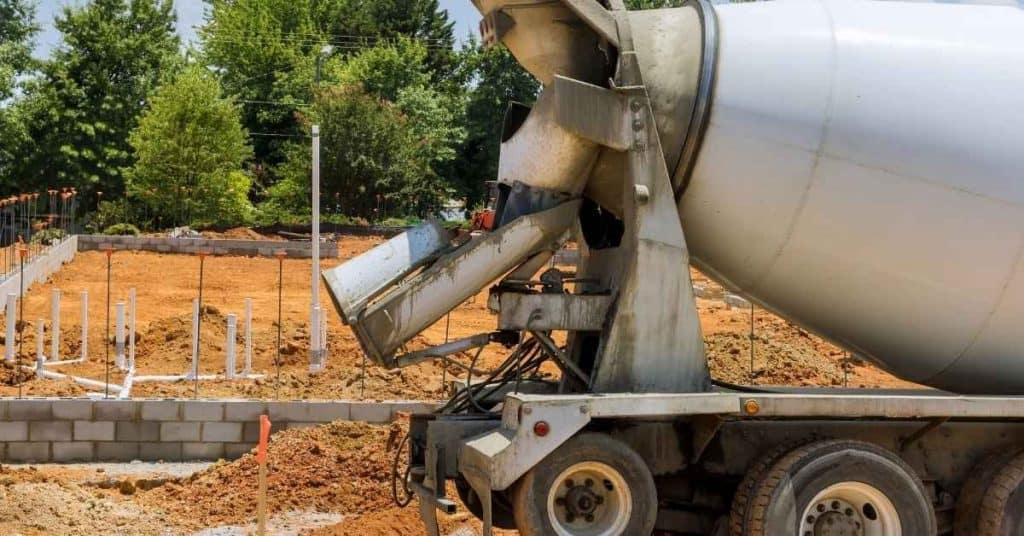
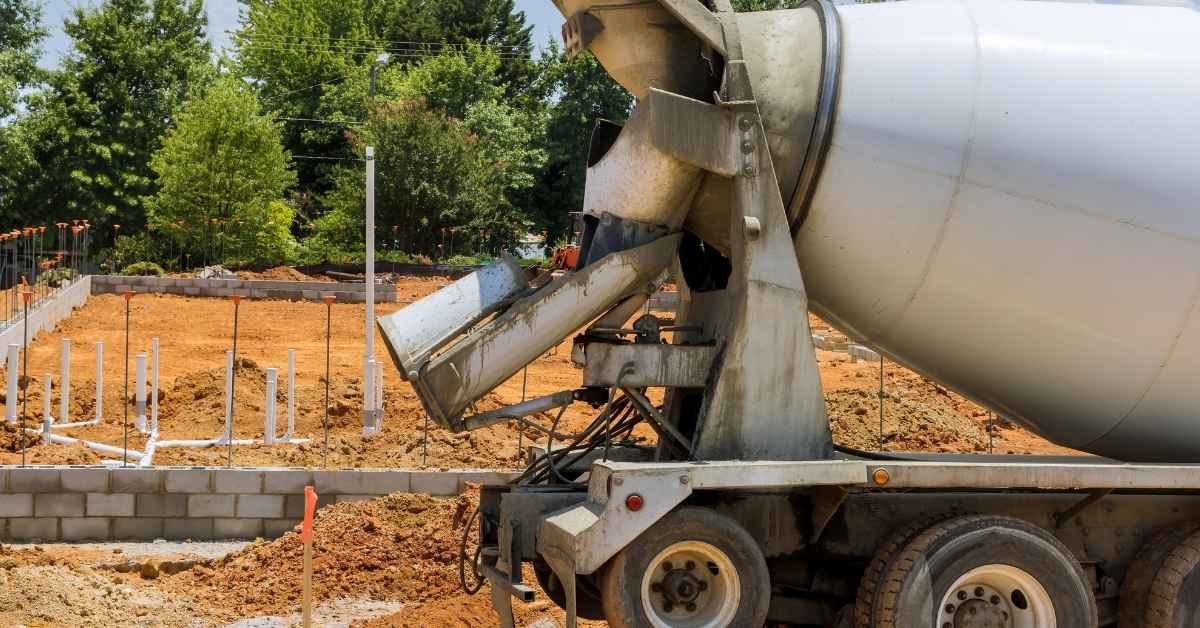
- Concrete trucks ready for pouring
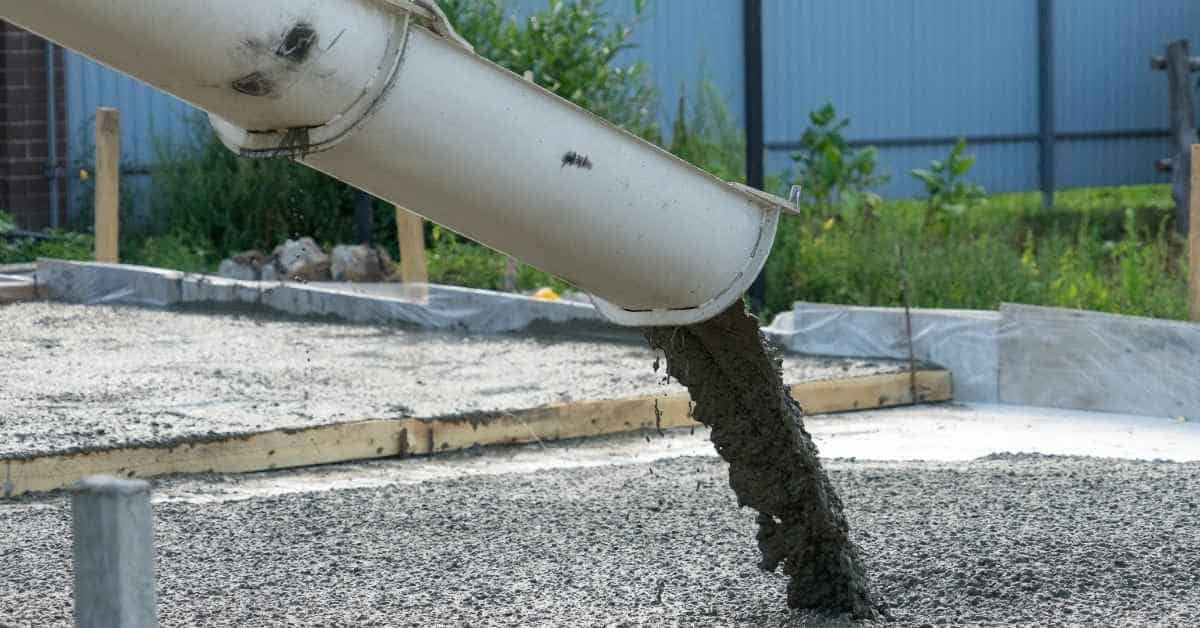
Concrete is then poured into place, leveled, and smoothed over. Proper curing without disturbances is crucial for several days after pouring.
Common mistake: Not allowing the concrete to cure properly can lead to a weak foundation susceptible to cracks and structural issues.
Variations (Floating Slab, Post-tensioned, Slab with Footings)
A floating slab rests directly on the ground in stable soil conditions where frost heave risk is minimal. To check if your site has suitable soil, look for:
- Consistent soil type across the site
- No visible signs of expansive soils or rock outcrops
- Stable groundwater levels
If you notice any of these signs, consider a different foundation type.
Post-tensioned slabs use high-strength cables for reinforcement after pouring, ideal for larger structures requiring extra strength. You’ll see:
- Cables running through the slab in a grid pattern
- Anchorages at both ends of each cable
- Tensioning equipment on-site during installation
Common mistake: Not accounting for additional structural loads from heavy equipment or future additions. Consequence: Cracking and structural damage.
A slab with footings includes additional support below ground level to distribute weight and prevent settling issues in poor soil conditions. You’ll see:
- Footings poured at specific intervals beneath the slab
- Footings extending wider than the slab above
- Additional reinforcement around footing-slab junctions
Common mistake: Assuming footings are unnecessary in ‘stable’ soil with high clay content. Consequence: Differential settling, leading to cracks and structural issues.
Call a professional when dealing with complex soils, high water tables, structural piering needs, or post-tension systems to ensure proper installation and safety.
What Is a Crawl Space Foundation?
A crawl space foundation sits above ground with a short clearance under the house, using vertical posts or piers and beams to support the floor. It’s chosen for unstable soil, moisture concerns, or when under-floor access is needed. Proper management of settlement and drainage is crucial.
DIYers should understand key components: footings or grade beams, vertical posts or piers, bearer beams, floor joists, vapor barrier, damp-proofing, an access hatch, ventilation, and insulation. Moisture control and proper insulation are critical for preventing issues like mold, pests, and energy inefficiency.
Climate plays a significant role in choosing between vented and encapsulated crawl spaces. In humid climates, encapsulation is often preferred to manage moisture levels effectively.
Crawl Space Construction Basics
Crawl space footings are typically reinforced concrete pads or grade beams that handle soil pressure and moisture. Perimeter walls rise from these footings, usually made of poured concrete or cinder blocks, providing a solid base for floor joists.
Access hatches near corners or along exterior walls allow easy maintenance and inspections. Vents help manage air circulation but must be balanced with vapor barriers to control moisture levels. Ensure clearances between the ground and bottom of joists prevent water accumulation.
What to check during crawl space construction:
- Ensure footings are level and deep enough to avoid frost heave.
- Check perimeter walls for plumb and proper alignment with footings.
- Verify floor joists are securely attached to the top of the perimeter walls.
Common mistake: Neglecting to install a vapor barrier. This can lead to excessive moisture, mold growth, and compromised structural integrity.
Encapsulated vs Vented Crawl Spaces
Vented crawl spaces rely on natural airflow for moisture management, which can lead to humidity issues in humid climates. Encapsulated crawl spaces are sealed with vapor barriers and often insulated, reducing moisture problems and energy loss.
What to check:
- Presence of open vents (sign of a vented space).
- Plastic sheeting on walls and floors (indication of an encapsulated space).
- Insulation in the space, especially on walls and floors.
Decision rule: If you live in a humid climate, consider encapsulating your crawl space to prevent moisture buildup.
Common mistake: Not insulating an encapsulated crawl space. This can lead to increased heating costs due to heat loss through the floor above.
Advantages of Slab Foundations
Slab foundations reduce upfront costs and accelerate construction by eliminating formwork and weather delays. They also resist moisture migration in humid climates, ensuring long-term stability.
Vapor barriers and basic insulation are common features to manage moisture control in flood-prone areas. Proper design is crucial for thickness, reinforcement, and integration with HVAC systems, so choose options that suit your climate, soil conditions, and future access needs.
Cost and Construction Speed
Slab foundations typically cost less upfront due to reduced material and labor requirements compared to crawl space foundations. No wood framing or vapor barriers are needed in the crawl space area.
The construction process is faster with slabs, simplifying site preparation and saving weeks on your project timeline for quicker home access and better cash flow management.
What to check:
- Site conditions: Slab foundations are ideal for flat or gently sloping sites with stable soil.
- Climate: They perform well in warmer climates where frost heave is not an issue.
- Budget: If cost efficiency is a priority, slab foundations may be the way to go.
If you’re considering a slab foundation, avoid this common mistake:
Not accounting for proper insulation and moisture barriers. Without these, your home can suffer from heat loss, condensation, and even mold growth.
Resistance to Pests and Rot
A slab-on-grade foundation minimizes pest issues like termites by eliminating wood framing in contact with the ground.
What to check:
- Look for any cracks or gaps in the concrete, as these can be entry points for pests.
- Inspect the exterior of your home for signs of termite activity, such as mud tubes or damaged wood.
- Check for moisture levels around the foundation; excessive water can lead to mold growth and attract pests.
Decision rule: If you notice any cracks, gaps, or signs of pest activity, address them promptly to prevent infestations.
Common mistake: Neglecting regular inspections and maintenance. This can lead to undetected pest issues that cause structural damage and health hazards.
Disadvantages of Slab Foundations
Slab foundations limit access for plumbing, electrical work, and insulation upgrades, making repairs costly and disruptive due to the need to cut through concrete.
In cold climates, moisture cycling can cause slab cracks or poor lift during frost events if proper drainage and vapor barriers are not installed. Repairs often require invasive methods like crack sealing or underpinning with heavy equipment.
Access and Repair Challenges
Slab foundations hinder access to plumbing and electrical systems, complicating repairs and upgrades. Cutting through concrete for pipe replacement adds significant cost and time.
If issues arise, finding the problem can be difficult without proper access, leading to higher repair costs due to extensive work under concrete.
What to check:
- Cracks in the slab or walls
- Uneven floors or sloping
- Wet spots on the floor, indicating possible plumbing leaks
- Musty odors, suggesting mold growth due to undetected water issues
Decision rule: If you notice any of these signs, consult a professional immediately for an inspection.
Common mistake: Ignoring small cracks or minor unevenness in the slab. These can indicate underlying structural issues that may worsen over time, leading to costly repairs and potentially compromising the home’s safety.
Comfort and Insulation Limitations
The thermal mass of slab foundations can make floors feel cold in colder climates. Improving insulation often requires costly solutions like radiant heating systems or thick foam layers beneath the slab.
What to check:
- Floor temperature variations throughout the day and night
- Presence of drafts or cold spots in the living area
- Energy bills for heating during colder months
Decision rule: If you notice significant floor temperature fluctuations and high heating costs, consider investing in under-slab insulation or alternative heating methods.
Common mistake: Neglecting to address perimeter insulation can lead to moisture buildup, potentially causing mold growth and structural damage. Always ensure proper drainage and ventilation around the slab’s edges.
Advantages of Crawl Space Foundations
Crawl space foundations provide easy access to plumbing, electrical, and HVAC lines for inspection, repairs, and upgrades. They also allow for effective insulation under the floor and moisture control, enhancing comfort.
Moisture control is critical; ensure tight sealing with vapor barriers and proper ventilation to prevent mold growth. Regular maintenance and drainage improvements are essential for long-term durability and lower energy bills.
Utility Access and Flexibility
Crawl spaces offer easy access to utilities like plumbing, electrical wiring, and HVAC systems. This accessibility is crucial during construction and beneficial over time, making repairs less disruptive and costly.
Better Options for Insulation and Mechanicals
Effective insulation under the floor joists or along crawl space walls can significantly improve thermal efficiency. Properly placed HVAC units and other mechanical systems within the crawl space help distribute conditioned air evenly, reducing energy bills and enhancing comfort.
What to check:
- Ensure insulation R-value meets local building codes (check with your local authority).
- Check for proper vapor barrier installation to prevent moisture buildup.
- Verify HVAC unit is sized appropriately for the home’s square footage.
- Confirm mechanical systems are securely fastened and have adequate clearance from combustibles.
Decision rule: If you’re building in a humid climate, prioritize closed-cell spray foam insulation to prevent moisture intrusion.
Common mistake: Not installing a proper vapor barrier can lead to condensation, mold growth, and reduced insulation effectiveness. Always use a 6-mil polyethylene sheet or equivalent as a vapor barrier.
Disadvantages of Crawl Space Foundations
Crawl space foundations require more maintenance and have higher risks of moisture, mold, pests, and structural issues compared to slab foundations. Regular checks are essential to prevent long-term costs and indoor air quality problems.
DIY homeowners should establish a seasonal inspection schedule to monitor for signs of moisture or pest activity. Implementing measures like vapor barriers, dehumidifiers, and sump pumps is crucial for maintaining the space’s integrity. Ignoring these issues can lead to significant structural damage and health risks.
Moisture, Mold, and Decay Risks
Crawl spaces are prone to moisture from condensation or groundwater seepage, leading to mold growth that affects indoor air quality and poses health risks like allergies and respiratory problems. Regular inspections can help catch these issues early before they cause major damage.
What to check:
- Visible water stains on walls or floors
- Musty odors indicating mold presence
- Warped or rotting floor joists, subfloor, or other structural components
Decision rule: If you notice any of the above signs, inspect your crawl space immediately and address moisture issues promptly to prevent further damage.
Common mistake: Neglecting to install a proper vapor barrier. This can lead to increased moisture levels, encouraging mold growth and decay.
Costs for Encapsulation and Maintenance
Encapsulating a crawl space involves several steps that contribute to its overall cost:
- Installing vapor barriers to prevent moisture intrusion.
- Sealing gaps around pipes, vents, and other openings to ensure airtightness.
- Adding dehumidifiers to control humidity levels.
Costs vary significantly depending on the size of your crawl space. Regular inspections are crucial to maintain its condition:
- Check for moisture buildup, which can lead to mold growth and structural damage.
- Inspect for pest activity, as crawl spaces can be attractive nesting grounds for rodents and insects.
Decision Rule: If you notice standing water or excessive humidity during inspections, install a dehumidifier immediately to prevent mold growth.
Common Mistake: Neglecting regular inspections can lead to undetected moisture problems, resulting in costly repairs and potential health hazards from mold. Always prioritize routine checks to maintain your crawl space’s integrity.
Cost Comparison: Slab vs Crawl Space
The cost of a slab versus a crawl space foundation varies based on upfront installation and long-term maintenance expenses. For a slab, expect costs to range from $ per square foot for an 1,800 sq ft home. Crawl spaces typically cost more at $ per square foot.
Factors such as climate, soil quality, site access, and local building codes significantly influence these prices. Ensure you obtain detailed bids that include concrete, reinforcement, insulation, vapor barriers, drainage systems, excavation, labor, permits, and any necessary frost protection measures. Compare multiple quotes to understand the full scope of work required.
Initial Build Cost Factors
The initial cost for a slab foundation includes higher expenses due to thicker concrete pours and reinforcing steel. For crawl spaces, extensive site preparation and excavation are often needed, driving up costs further.
What to check:
- Soil conditions: Poor soil may require additional footings or retaining walls.
- Site access: Tight or steep sites can increase labor and equipment time.
- Local climate: Cold regions may need extra insulation for crawl spaces, adding to costs.
Decision rule: If your site has poor soil conditions or limited access, consider a slab foundation due to its lower upfront costs despite higher material expenses.
Common mistake: Overlooking the need for additional footings or retaining walls in poor soil conditions can lead to costly repairs and structural issues down the line.
Long-term Maintenance and Lifecycle Costs
Maintaining either foundation type over time involves different types of costs.
- Slab: Fewer maintenance issues, but can develop cracks in expansive soil areas or freeze-thaw cycles. Regular inspections help detect cracks early.
- Crawl Space: Faces moisture-related problems like mold and rot, requiring regular treatments and encapsulation systems to prevent these issues. Energy efficiency may also vary with added insulation layers or vapor barriers.
If you notice any of the following in your slab foundation, consider immediate inspection and repair:
- Cracks wider than a hairline (1/8 inch).
- Uneven floors or doors that stick.
- Water pooling on top of the slab.
When planning for a crawl space, ensure it’s properly ventilated and insulated to prevent moisture buildup. A common mistake is neglecting regular inspections, leading to undetected mold growth and structural damage.
Climate & Site Considerations
Frost depth, soil type, flood risk, and regional humidity all push you toward one foundation type or another, setting your long-term stability, repair access, and energy performance. A slab needs careful frost design and proper drainage, while a crawl space lets you stay above the frost line but adds venting and moisture control tasks.
Understanding soil drainage and bearing capacity helps plan for moisture movement and settlement under concrete or crawlspace encapsulation and pest barriers to keep winter air out. This guides where you invest in drainage, vapor barriers, dehumidification, and routine inspection to avoid rot or mold later.
Best Choices for Cold/frost-prone Climates
In cold climates, crawl spaces may offer advantages as they are typically elevated above the frost line. This means you don’t have to dig as deep into the ground, saving on excavation costs and reducing foundation damage risk from frost heave.
What to check:
- Local building codes for minimum slab thickness in cold climates.
- Soil type and its freeze-thaw expansion potential.
- Availability of qualified contractors experienced in insulated foundations.
When the average annual temperature is below freezing, consider:
- Insulated slab-on-grade foundations to prevent soil from freezing beneath the slab.
- Thicker concrete with embedded insulation for added protection against frost heave.
- Using a radiant floor heating system to keep the slab warm and prevent freezing.
Common mistake: Neglecting to account for thermal bridging, which can occur when cold air enters through gaps or cracks in the foundation. This can lead to increased energy bills and potential structural damage over time.
Best Choices for Warm, Humid, or Flood-prone Areas
In warm, humid climates, slabs are often preferred due to their ability to resist moisture and prevent mold growth. Slab foundations also provide a stable base in areas with expansive soils that shift with humidity changes.
What to check:
- Soil type: Expansive soils can cause slab issues over time.
- Moisture content: High moisture can lead to mold and structural damage.
- Local building codes: Some areas may have specific requirements for foundations.
Decision rule: If the soil is expansive or moisture levels are consistently high, consider a slab foundation. When flooding is a risk, opt for raised crawl spaces or pilings to elevate the structure.
Common mistake: Not considering local climate and soil conditions when choosing a foundation type can lead to costly repairs and structural damage over time.
Structural Implications for Home Design & Resale Value
Slab foundations often allow for more open floor plans with fewer load-bearing walls, while crawl spaces may offer more flexibility for room depth but can present challenges in routing mechanical systems, ducts, and storage. Foundation choices may influence ceiling height options, with slabs typically delivering a lower, flat ceiling and crawl spaces offering more headroom for mezzanines, dropped ceilings, or loft-like features.
Storage under a crawl space or the potential for tall crawl areas can boost usable square footage, while slabs limit underfloor storage and may push equipment into basements or mechanical rooms. For resale, buyers weigh long-term costs of moisture control, insulation, and upkeep, and lenders consider foundation risk as part of the appraisal and loan decision. Work with a structural engineer to set floor heights, ceiling-to-floor clearances, and plan for future expansion or resale scenarios.
Impact on Interior Layout and Additions
A slab foundation limits your ability to move plumbing lines easily as pipes are typically embedded within the concrete or run through accessible channels above it. If you’re planning major renovations, consider these factors:
- Check if existing utilities can accommodate changes without extensive rerouting.
- Evaluate the structural integrity of the slab to ensure it can support additional weight from expansions.
- Assess the feasibility and cost of breaking up concrete for major renovations.
On the other hand, a crawl space offers more flexibility:
- You can dig down into the ground to create or modify basement spaces without disturbing existing infrastructure.
- Expanding your home is easier as you don’t have to worry about breaking up concrete or dealing with embedded utilities in the slab.
- Potentially lower costs for expansions due to less disruption and reconstruction work.
Common mistake: Overlooking the need for structural engineering when planning major renovations on a slab foundation. Consequence: Unexpected costs, delays, or even safety issues if not properly addressed.
Resale and Market Preferences
In colder climates, homes with crawl space foundations often appeal more to buyers due to better insulation options against cold temperatures, potentially boosting resale value. To check if this applies in your area:
- Look at recent sales data for similar homes with crawl spaces versus slabs.
- Consider the local climate and energy efficiency standards.
- Evaluate the demand for crawl space access among buyers in your region.
If you’re in a colder climate and see higher sales prices for crawl spaces, prioritize this foundation type to attract more buyers.
In warmer regions, slab-on-grade foundations may be preferred due to their simplicity and reduced risk of moisture issues. To assess if a slab is the better choice:
- Investigate local market trends for slab foundations.
- Check if there’s a higher demand for slabs in your area’s warmer climate.
- Consider any unique benefits a slab might offer, like radiant heating or integrated mechanical rooms.
When moisture issues are common in your area, opting for a slab can help avoid costly repairs and maintain resale value.
A common mistake is assuming that one foundation type will always be more desirable. However, this overlooks local market preferences and climate-specific considerations. As a result, you might end up with a home that’s less appealing to buyers when it comes time to sell.
Energy Efficiency, Insulation & Indoor Air Quality
Slab-on-grade foundations lose heat mainly at the slab edges and through moisture pathways, while crawl spaces suffer heat loss from moisture movement, insulation gaps, and air leakage; climate matters because dry, warm regions favor slabs when slab-edge and under-slab insulation keep heat in, whereas cold, wet areas benefit from conditioning or encapsulated crawl spaces to manage humidity and vapor drive. Outline practical insulation strategies for each: edge insulation around the slab, under-slab rigid foam, and robust perimeter detailing for slabs, and crawl-space encapsulation with vapor barriers, subfloor sealing, venting or conditioned air strategies to reduce heat loss and improve IAQ.
These choices affect indoor air quality by controlling moisture, radon risk, mold potential, and ventilation needs, and the level of insulation changes comfort and energy use, so consider upfront costs versus long-term savings and plan for drainage, vapor barriers, and dehumidification as ongoing maintenance. In practice, dry climates make slabs efficient with solid edge and under-slab insulation, while cold, wet regions often work better with a sealed crawl space and active ventilation; get local code guidance and consult a foundation or energy professional for site-specific plans.
Insulation Strategies for Slabs
To improve energy efficiency and indoor air quality, start with edge insulation around the slab’s perimeter. This blocks heat transfer through concrete edges, reducing cold drafts in winter.
Under-slab rigid foam is another key strategy. It prevents moisture from seeping up into your home and helps maintain a consistent temperature underfoot. Consider adding radiant-floor heating systems for an extra layer of comfort and efficiency.
Insulation and Ventilation Strategies for Crawl Spaces
Crawl space encapsulation is a must to prevent moisture issues. Seal the walls with vapor barriers, and install dehumidifiers to control humidity levels.
Venting crawl spaces can help in some climates but may introduce more moisture than it removes. Instead, consider conditioning the space by adding insulation and sealing gaps to keep it dry year-round.
Maintenance, Accessibility & Safety Concerns
Maintenance for each foundation is a practical, ongoing job. You need a clear checklist for cracks, moisture intrusion, and insulation, plus concrete steps for moisture control, sealing, and timely repairs. Access and safety drive the work, with crawl spaces needing good height, doors, lighting, and clean pathways, while slab work focuses on shutoffs, cleanable joints, and surface repairs; plus plan for climate effects like drainage, venting, and pest defense to keep the system Durable and compliant.
This matters because routine maintenance directly affects warranties, insurance, and liability, and messy upkeep can become costly claims later. By logging simple observations and fixing tasks—annual inspections, seasonal checks, and upgrades to vapor barriers, drainage tweaks, or dehumidifiers—you build a track record that speeds future work and protects your home. Knowing when to bring in a pro for structural or moisture issues, following confined-space rules, and documenting procedures keeps you safer and reduces risk while you keep the foundation solid through changing weather and pest pressures.
Routine Inspection Checklist
Regular checks keep your foundation healthy and safe. Here’s what to look for:
- Crack detection: Inspect walls, floors, and corners for hairline cracks.
- Mold and mildew signs: Look for dark spots or a musty smell.
- Pest activity: Check for holes, droppings, or insect trails.
- Moisture intrusion: Feel the floor; dampness can signal leaks.
- Vapor barrier condition: Ensure it’s intact and not damaged.
- Sump pump operation: Test if water collects in low areas.
- Foundation leveling issues: Notice any uneven surfaces or gaps.
- Door access points: Confirm doors open easily without obstruction.
- Lighting fixtures: Check bulbs work, wiring is safe.
- Pathway clearances: Ensure there’s enough space to move around.
- Drainage system check: Look for clogs or blockages near the foundation.
- Insulation quality: Verify it’s still effective and not damaged.
If you notice any movement, stop immediately and consult a professional.
Safety Concerns (CO, Mold, Structural Hazards)
Crawl spaces can pose risks like carbon monoxide from combustion appliances. Ensure proper ventilation and regular checks to prevent buildup.
Slab foundations face drainage issues that could lead to water damage or structural problems. Keep an eye on grading around the slab to ensure water flows away from your home.
Mold growth is a common issue in both types of foundations, especially in humid climates. Address any moisture intrusion promptly to prevent mold and its associated health risks.
Common Mistakes & Planning Checklist Before Choosing
Common mistakes trip homeowners up before choosing a foundation: assuming one size fits all, underestimating drainage and site prep, and ignoring how future plans or resale needs will change the job. Use a practical decision framework for slab versus crawl space that weighs soil bearing, moisture control, insulation, and access for repairs. Build a concise planning checklist around accurate site survey (soil, slope, drainage, frost line), budget with hidden costs, codes and permit steps, and climate considerations that affect long-term performance.
This guidance helps you turn notes into action: conduct a real site survey, compare bids with clear questions for contractors, and align the foundation choice with future plans like additions or finishing. It flags risk: crawl spaces can invite moisture, mold, and pests; slabs can complicate rehab, utility routing, and floor level tolerances. Read this with a goal to minimize surprises, then use it to decide where to start, how to improve bids, and how to talk about the project with your crew—see What Is a Slab Foundation? and What Is a Crawl Space Foundation? for context.
Mistakes to Avoid (One-size-fits-all, Poor Drainage, Ignoring Soil Tests)
To prevent costly foundation issues, consider these specific checks and observations:
- Soil Composition & Stability: Check for signs of instability like cracks or settling. If the soil is loose, sandy, or has a high clay content, it may not support a slab effectively.
- Drainage Patterns & Slope: Observe how water flows around and away from the site. A flat or poorly draining area may lead to water damage if not addressed.
One common mistake is overlooking local climate impacts on foundation durability. For instance, in areas with freezing temperatures, a crawl space might be more susceptible to moisture problems than a slab foundation.
Ignoring soil tests can have severe consequences such as structural issues and costly repairs down the road. Always conduct thorough soil tests before making a decision.
Pre-build Planning Checklist
A thorough pre-construction plan is essential to ensure your foundation meets all necessary requirements.
- Conduct an accurate site survey: Inspect the soil for compaction, organic matter content, and rock depth. You’ll see variations in color, texture, and density that indicate different soil types.
- Determine the frost line depth: Consult local building codes or a professional engineer to find your area’s frost line. This is crucial for proper insulation against freezing temperatures, preventing foundation heaving or settling.
Create a detailed drainage plan to prevent water damage and foundation issues. Consider the slope of the land, existing drainage patterns, and potential problem areas like low spots or downspout locations.
- Map out utility lines: Contact your local utility companies to mark underground lines before digging. This ensures safety and avoids costly repairs.
- Plan access points: Consider where you’ll need access for construction, maintenance, and future upgrades (e.g., plumbing, electrical).
- Budget for hidden costs: Allocate funds for permits, inspections, site improvements, and unexpected expenses. Research average costs in your area.
Review local building codes and obtain necessary permits before starting construction. Common mistakes include overlooking specific foundation requirements or failing to pull the right permits, leading to delays, fines, or even demolition.
Incorporate climate considerations: Design your foundation to withstand typical weather conditions in your region, such as extreme temperatures, heavy rainfall, or snow melt. This enhances durability and longevity.
Stopping to reassess any unexpected movements or issues during the planning phase can prevent major problems later on.
Case Studies & Decision Scenarios
Think of this section as quick, concrete guidance: clear decision drivers like site type (soil stability, drainage, site prep), climate (freeze‑thaw, humidity), and budget (initial cost versus long‑term maintenance) shape whether a slab or crawl space wins. We’ll sketch 1–2 short, realistic case prompts where a slab is preferred and 1–2 where a crawl space wins, each with factors such as soil type, moisture, access, and insulation potential, then map a simple decision flow from site assessment to foundation recommendation that highlights trade‑offs in cost, energy efficiency, and future repairs.
In practice, you’ll also compare risk profiles and long‑term costs for moisture, pests, insulation and fuel bills, plus how easy it is to access or retrofit later, with quick site cues for coastal versus inland, clay versus sandy soils, urban lots with space constraints, and rural lots with grading challenges. Expect annotated diagrams or photos to guide your eye, a few myths debunked (no, slab is not always cheaper and crawl spaces can dry under the right design), and a practical takeaway: use the prompts and notes here to decide up front and avoid costly rebuilds later.
Small Budget, Warm Climate — Slab Success
In a warm climate with stable soil conditions, a slab foundation can be the most cost-effective choice for homeowners on a tight budget. The initial construction costs are lower compared to building a crawl space because there’s no need for additional framing and insulation.
What to check: Ensure soil is compacted properly before pouring concrete; inspect for any signs of instability or soft spots. Also, consider the load-bearing capacity of the soil to support your structure.
- Check local building codes for minimum slab thickness requirements.
- Ensure proper reinforcement (rebar) is used to prevent cracking.
- Consider adding a vapor barrier to prevent moisture from rising into the living space.
- Inspect for any signs of termite activity or other pests before construction begins.
Decision rule: If your budget is tight and climate is consistently warm, choose a slab foundation when soil conditions are stable.
Common mistake: Neglecting to include proper reinforcement in the concrete mix can lead to cracking over time. This can compromise the structural integrity of your home and may require expensive repairs.
The long-term maintenance costs for a slab are generally lower too. With fewer components to inspect and maintain, homeowners save on regular upkeep and repairs compared to crawl spaces which require more attention to insulation and ventilation.
Cold Climate Renovation — Crawl Space Retrofit
In cold climates with high humidity, converting an existing foundation into a conditioned crawl space can significantly improve energy efficiency and accessibility. This renovation involves sealing the perimeter walls to prevent air leaks and installing insulation between floor joists.
For example, in a rural area where grading issues make slab construction impractical due to poor drainage, retrofitting an unconditioned crawl space with proper insulation and vapor barriers can reduce heating costs by up to 30 percent. This also prevents moisture buildup that could lead to mold or structural damage.
The added benefit of converting to a conditioned crawl space is improved accessibility for maintenance tasks like checking plumbing pipes and electrical wiring. By keeping the crawl space dry and well-insulated, homeowners can easily access these areas without worrying about damp conditions.
Tools, Materials Checklist & Visual Checkpoints for DIYers
A slab foundation sits directly on grade with a poured concrete slab, while a crawl-space foundation uses footings, walls, and a ventilated space beneath the house. Know the core elements and when each is used, so you set homeowner expectations and spot red flags during a survey. Keep a practical on-site kit: essential hand tools, power tools, safety gear, inspection ladders, moisture meters, and level or laser tools, plus concrete-related materials and crawl-space needs such as encapsulation, insulation, drainage, and sump considerations.
This section also maps you to visual checkpoints for footing checks, slab flatness and cracks, crawl-space access and clearance, moisture signs, insulation and air sealing, and venting or drainage conditions. Use the quick maintenance flow to decide DIY vs professional help for issues like settlement cracks, water intrusion, pest activity, or insulation gaps. Sticking to PPE rules and knowing when to call a licensed pro keeps you safe in confined spaces and out of code trouble.
Tools and Materials to Inspect or Prep Foundations
Inspecting your foundation requires the right tools and materials for accurate and safe assessment. Here’s what you need:
- Moisture meter: Detect dampness in concrete or wood.
- Laser level: Check slab flatness and alignment. What to check: Cracks, uneven surfaces; What you’ll see: Gaps, warping, or sloping.
- Shovel: Dig around the perimeter of your foundation.
- Vapor barrier sheets: Prevent moisture intrusion if needed. When water intrusion is detected, install vapor barriers to prevent further damage.
- Rebar and wire mesh: Reinforce new concrete pours. If reinforcement is required, use rebar and wire mesh to strengthen the concrete.
- Safety glasses, gloves, hard hats: Protect yourself during inspection and repair.
- Ladders or scaffolding: Access high areas like vents.
- Flashlight or headlamp: Inspect dark crawl spaces. Common mistake: Overlooking dampness in hard-to-reach areas; Consequence: Undetected moisture can lead to mold growth and structural damage.
- Tape measure: Check dimensions accurately.
- Hammer and nails: Secure vapor barriers temporarily.
- Sump pump with battery backup: Essential for flood-prone areas. If you live in a flood-prone area, install a sump pump with a battery backup to prevent flooding.
If any part of your foundation shows signs of movement or damage, stop and address the issue immediately. Consult a professional if unsure about how to proceed.
Visual Checkpoints Diagram Ideas
Taking clear photos during your inspection helps track changes over time and aids in identifying potential issues early. Here’s what you should capture:
-
- The perimeter grade around the foundation to ensure proper drainage.
- Vents or openings for air circulation and moisture control.
- Cracks on the slab surface, noting their location and width.
- Crawl space access hatch showing clear entry points and any obstructions.
- Footing checks at various corners of your foundation to ensure stability.
- Sump pump area with all components visible for easy inspection.
- Insulation quality in the crawl space, looking for gaps or damage.
If you notice significant changes from previous photos or signs of water intrusion, it’s time to address these issues promptly. Regular inspections are key to maintaining a healthy foundation.
Benefits of Crawl Space Foundations
Crawl space foundations offer practical benefits you can see on the job: encapsulation improves moisture control, conditioned air and insulation boost long‑term energy efficiency, and access is easier for plumbing, electrical, and HVAC maintenance than you’ll get with some other foundations. Upfront install costs are real, but you’re buying ongoing savings from lower heating and cooling loads and fewer surprises when you remodel or repair in the future. Expect better climate control, fewer drafts, and a safer, drier underhouse space that makes everyday work less messy and more predictable.
This matters on the ground because moisture and indoor air quality hinge on good planning: vapor barriers, proper venting, and sensible insulation choices reduce mold and radon risks when done right, especially in damp or flood-prone zones. A crawl space also reduces some structural headaches by accommodating drainage grading and appropriate foundation depth, which helps in freeze‑thaw climates and wet soils. Regular maintenance—seasonal checks, pest control, dehumidification, and confirming encapsulation integrity—stays cheap in the long run and protects your investment by catching issues before they become big repairs.
Footing Design and Concrete Work for Crawl Space Foundations
When pouring footings for a crawl space, start by setting up forms that will support the weight of wet concrete. Ensure your forms are sturdy enough to handle the pressure without shifting.
What to check:
- Verify formwork is level and square using a laser level or water bubble.
- Check that anchor bolts are properly placed, aligned, and secured within the forms.
- Ensure rebar is correctly positioned and tied to provide adequate reinforcement.
What you’ll see:
- Forms should hold their shape without warping or bending under pressure.
- Anchor bolts should be visible, level, and evenly spaced within the forms.
- Rebar should be securely tied in place, running continuously through the footing.
Common mistake: Pouring concrete too quickly can lead to improper curing and reduced strength. This may result in cracks or instability over time.
Next, place rebar inside the formwork to reinforce the concrete and add anchor bolts at specified intervals to secure the mudsill later on. Ensure these bolts are level and properly spaced for stability.
Avoid common mistakes like pouring too quickly or not allowing enough time for curing. Proper curing is crucial for strength and durability, so cover your footings with plastic sheeting overnight if needed.
Moisture Control, Vapor Barriers, and Drainage to Maximize Crawl-Space Benefits
To keep your crawl space dry, start with a proper vapor barrier. Lay down thick plastic sheeting over the ground before pouring concrete footings or laying piers.
Install exterior drainage systems like French drains around the perimeter of your foundation to direct water away from the walls and prevent seepage into the crawl space.
A sump pump can also be a good investment if you live in an area prone to flooding. It will help remove excess water that accumulates in low spots within the crawl space.
Air Sealing, Insulation, and Ventilation for Energy Efficiency and Health
To improve energy efficiency and indoor air quality, seal gaps around pipes, ducts, and electrical wiring that enter the crawl space from above. Use caulk or foam to fill these openings.
Install insulation between the foundation walls and sill plate to prevent heat loss in winter and gain in summer. Choose materials like rigid foam board for durability and effectiveness.
Ventilation is key to maintaining healthy air quality. Install vents that allow fresh air to circulate while preventing moisture buildup. Proper ventilation helps reduce mold growth and keeps your home comfortable year-round.
Slab Foundation vs. Crawl Space Foundation
A slab foundation is a solid, poured concrete pad that bears the load right on grade, with no true crawl space, while a crawl space builds a raised floor with an underfloor cavity that may be finished or left open. Choose slab in flat, well-drained sites with moderate frost risk and predictable moisture, and when you can manage grading and a good vapor barrier; crawl spaces suit uneven terrain, poor drainage, or climates with deeper ground freezing and seasonal moisture swings. Also consider how each system handles soil type, drainage, insulation, and how it ties into grading, moisture control, joint performance, and potential settlement over time.
Beyond price, think about climate resilience, local codes, and long-term maintenance, such as crack monitoring, joint performance, moisture control, insulation strategy, and the risk of pests or mold under the floor. Drying and energy performance differ: slabs often require vapor barriers and slab-edge insulation to limit thermal bridging, while crawl spaces need encapsulation, controlled ventilation, and careful insulation to avoid damp indoor air and higher humidity. This choice affects accessibility for plumbing and wiring, future remodels, and how easy repairs or additions will be, so walk the site with a contractor, plan utilities, and forecast foundation-related costs before you pour or trench.
Site prep and foundation planning for slab vs crawl space
Before deciding between a slab or crawl space, start with soil testing to understand the ground’s load-bearing capacity. Frost depth is crucial; in cold climates, deeper footings are needed under slabs but not as much for crawl spaces.
Drainage planning is key. Slope the land away from your foundation to prevent water pooling around it. For a slab, ensure proper grading and install perimeter drains to manage groundwater effectively. With a crawl space, focus on directing surface runoff away from the structure and consider installing vapor barriers under the floor.
Consider local building codes and climate resilience when choosing between these options. Slabs are often preferred in warm climates where frost isn’t an issue, while crawl spaces offer more flexibility for cold regions with deep freezing cycles.
Slab foundation: step-by-step pouring, reinforcement, and curing
Pouring a slab requires careful planning. Start by setting up formwork to define the edges of your concrete pour. Install rebar or welded wire mesh for added strength.
- Place vapor barriers under the slab to prevent moisture from rising into your home.
- Order concrete and have it delivered on-site in manageable batches.
- Pour the concrete evenly, using a screed board to level it out. Finish with a float or trowel for a smooth surface.
- Add control joints at regular intervals to prevent cracking as the slab dries and shrinks.
Proper curing is crucial. Keep the new slab moist and covered for several days after pouring to allow the concrete to set properly without drying out too quickly.
Crawl space setup: encapsulation, ventilation, drainage, and access
Encapsulation: Seal off crawl spaces from the outside to control moisture levels. Install vapor barriers under floor joists and along walls to prevent dampness.
- Check for gaps or holes in the barrier; repair as needed.
- Ensure barrier extends at least 6 inches up the wall.
- Seal vents leading into the crawl space.
Ventilation: Controlled ventilation is crucial to maintain a dry environment. Install exhaust fans or use dehumidifiers to manage moisture levels.
- Install fans with humidity-sensing capabilities for automated control.
- Maintain fan filters and clean them regularly.
- Consider using dehumidifiers in high-moisture areas.
Drainage: Proper grading and water management are essential to prevent groundwater issues. Ensure proper drainage around your home’s perimeter and install sump pumps if necessary.
- Grade soil away from the foundation at a slope of at least 6 inches over 10 feet.
- Install downspout extensions to direct water away from the foundation.
- Check and maintain sump pump functionality regularly.
Access: Install access panels or doors for easy entry during maintenance and repairs. Ensure support columns are evenly spaced and securely anchored to provide a stable base.
- Use insulated access doors to prevent air leakage and maintain energy efficiency.
- Anchor columns to the ground using concrete, gravel, or other suitable materials.
- Maintain even spacing between columns (typically every 6-10 feet).
Common mistake: Neglecting to maintain proper ventilation can lead to mold growth and increased moisture levels, compromising the structural integrity of your home.

Conclusion
Choosing between a slab and a crawl space comes down to safety, durability, and long-term maintenance. Pick the option that fits your site, climate, and budget, and you’ll protect the structure and your investment for decades.
Start by checking the soil and drainage, compare the real costs and long-term upkeep for slab vs crawl space, verify access for maintenance, and plan for moisture control, insulation, and ventilation. Do this in plain steps: assess site conditions, confirm your local frost line and moisture risks, verify utilities and grading, outline a simple insulation and air-quality plan, and set a realistic budget with a contingency for changes.
Common mistakes to avoid include rushing the grading or drainage work, skipping a proper vapor barrier or moisture management, and underestimating insulation and access needs. Follow safety rules: shut off and verify utilities, wear proper PPE, test small areas before larger work, and never cut corners on critical details like drainage, backfill, or load-bearing connections.
If you’re unsure about soil conditions, drainage design, or structural details, call a licensed contractor or structural engineer before moving forward. A thoughtful, well-planned approach now prevents costly fixes later and keeps your project on solid ground—literally and financially.
FAQ
Which is cheaper, slab or crawl space foundation?
Generally, a slab foundation is cheaper. It uses less materials and labor. But remember, you might have to spend more on heating and cooling.
Can I build my own crawl space for cheap?
I wouldn’t recommend it. You could mess up the integrity of your home’s structure. Always hire a pro for this.
Do I need to vent a crawl space?
Yes, you do! It helps prevent moisture buildup and dampness. Don’t risk mold growth in your home.
Which is better in hot climates, slab or crawl space?
A slab foundation can help keep your home cooler in hot areas. Concrete naturally absorbs the heat during the day and releases it at night.