
Introduction
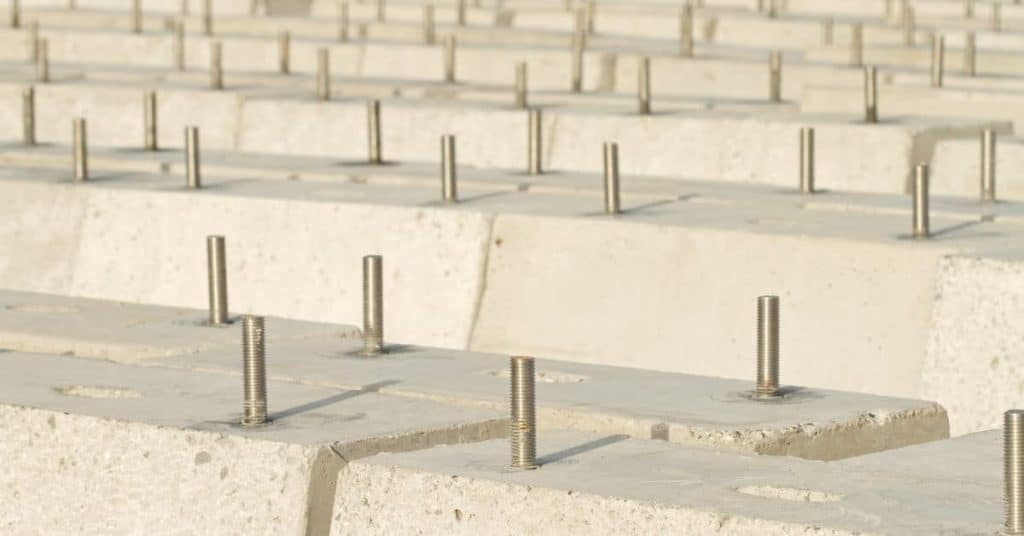
Position anchor bolts for pergola posts so they stay clear of edges and provide a strong, stable connection.
The article walks through practical layout tips, spacing guidelines, and common-sense rules of thumb you can apply when setting posts.
You’ll learn how to plan bolt patterns, avoid edge proximity, and adjust layouts to fit different post sizes and foundation conditions.
Key takeaways
- Choose sunny, level site with firm soil and clear post layout.
- Mark layout using string, stakes, and compass for true alignment.
- Use correct anchor type per soil and pergola load requirements.
- Pre-drill clearance holes and verify bolt spacing against posts.
- Level posts before tightening, brace temporarily, and protect anchor heads.
- Seal, backfill, and reinstall beams without disturbing anchors.
Table of Contents
- Introduction
- Key takeaways
- Site selection and planning for anchor layout
- Tools, materials, and anchor options
- Measurements, angles, and marking for accurate bolt placement
- Laying out anchor positions on footings and posts
- Installing anchors and setting pergola posts
- Leveling, bracing, and installing beams while protecting anchor placement
- Troubleshooting, safety, costs, and finishing touches
- Conclusion
- FAQ
Site selection and planning for anchor layout
Select a pergola location with soil conditions, drainage, and utilities in mind. Consider setback distances from edges and nearby features to avoid edge conflicts. Gather initial measurements to support a clear anchor layout plan.
Create a grid or diagram that shows pergola footprint, post spacing, and planned anchor coordinates. Document site constraints such as slopes or potential obstructions. This planning helps ensure solid footing and proper edge clearance before drilling begins.
Assessing soil and footing type
The first step in planning your pergola anchor layout is understanding the soil you’re dealing with. Different soils require different footing sizes and bolt embedment depths.
Clay and silty soils need larger footings to spread the load, while sandy soils can support smaller ones. If you’re unsure, consult a geotechnical engineer.
For soft or unstable soil, consider using concrete piers instead of pads. Piers go deeper into the ground and provide better stability for your pergola posts.
Layout relative to property and obstructions
Once you’ve measured out your pergola footprint, it’s time to mark the post grid. But remember, you need setbacks from edges, nearby structures, sidewalks, and underground services.
Mark each post location with a stake or spray paint. Then, step back and visualize how your pergola will sit in relation to these features. You don’t want anchors too close to edges as this can cause splitting or torque transfer.
Stay at least 2 feet away from property lines, and check local codes for setback requirements near structures and sidewalks. Also, mark any underground services so you know where not to dig.

Tools, materials, and anchor options
List the tools and materials needed for each anchoring method you might use. Include post-base anchors, cast-in-place bolts, wedge anchors, and epoxy-set anchors, with notes on edge clearance and sleeve considerations. Check concrete strength requirements and any sleeve needs from manufacturer instructions.
Compare edge clearance, load transfer, and installation complexity for each option. Note curing or setting times and maintenance considerations. Confirm any permits or ratings required for your chosen method with local guidelines and product data sheets.
Tools and materials checklist
Before you start, make sure you have all the right tools and materials. This list will help you stay organized and avoid delays.
- Measuring tape: To ensure accurate measurements for anchor placement.
- Level: To keep your posts plumb and level.
- Pencil: For marking out measurements on the slab.
- Drill/hammer drill: With a suitable masonry bit for drilling through concrete.
- Anchor templates: To ensure consistent anchor placement and size.
- Anchors: Choose the right type based on your chosen method (post-base, cast-in-place, wedge, or epoxy-set).
- Bolt length/diameter: Ensure bolts are long enough to embed properly into the concrete and provide adequate support.
- Washers: To distribute load evenly on the post and prevent damage.
- Grout (if using cast-in-place bolts): To fill around the bolt and provide additional strength.
Quick rule: Always double-check your measurements before drilling. A few extra minutes can save you from costly mistakes.
Material specs and code considerations
The materials you choose will greatly impact the longevity and safety of your pergola posts. Here are some key factors to consider.
- Bolt embedment depth: Aim for at least 5-7 times the bolt diameter for optimal strength. Check local codes for specific requirements.
- Minimum edge distances: To prevent cracking, keep anchors at least 2-3 inches from any edges or faces of the slab. Consult local building codes for precise measurements.
- Hardware material: Use stainless steel or galvanized hardware to resist corrosion and prolong the life of your anchors.
- Concrete strength: Ensure your concrete has a minimum compressive strength of 3000 psi for optimal anchor performance.
- Anchor sleeve size: Match the sleeve size to your chosen bolt diameter to provide a snug fit and prevent movement.
Wrong material warning: Using subpar materials can lead to cracking, staining, or weak bond strength, compromising the safety of your pergola posts.
Measurements, angles, and marking for accurate bolt placement
Confirm the post base plate dimensions and the exact center-to-edge and center-to-center measurements to guide layout. Ensure edge clearances are planned for both footing and post locations. Use reliable reference points for accurate centers.
Outline transfer methods such as chalk lines, templates, or laser references to prevent drift. Document any angles or offsets needed for alignment with base plates. Prepare a repeatable marking sequence for consistency across posts.
Establishing datum lines and squaring the layout
Start by setting your baseline. Use a string line or laser level to create a straight reference from one end of your pergola run to the other.
Next, use the 3-4-5 method or a laser level to ensure your layout is square. Measure three feet along your baseline, then four feet perpendicular to it. If the resulting diagonal measures five feet, you’re square.
Confirm this by measuring both diagonals. In a perfect square, they should be equal in length. If not, adjust your layout until they are.
Templates and offsets for consistent hole placement
Use this checklist when drilling holes to ensure consistency across all posts.
- Check post base plate dimensions: Ensure you’re using the correct size drill bit that matches your anchor bolts.
- Mark edge clearances: Measure and mark the required distance from each edge where you don’t want a bolt. This prevents stress fractures in your posts.
- Measure center-to-edge: From your marked edge clearance, measure to the center of where you want your hole. Mark this point.
- Measure center-to-center: Determine how far apart you want your bolts. Measure and mark this interval from your first center mark.
- Create a template (optional): If you’re drilling multiple holes, consider creating a template using a scrap piece of wood with the hole pattern marked out.
- Use post-base plate as a jig: You can also use the actual post base plate as a guide. Place it on your footing or post and trace around it. Drill through the traced holes.
- Check for level and plumb: Before drilling, ensure your post is level and plumb. Any error here will affect your hole placement.
- Avoid overlaps: Ensure your bolt pattern doesn’t land too close to edges or overlaps with other elements like beams or rafters.
- Document offsets: Note any needed offset or stagger for alignment with base plates. This is crucial for maintaining a consistent layout.
Quick rule: Always double-check your measurements and marks before drilling. It’s easier to adjust now than later.
Laying out anchor positions on footings and posts
Mark anchor positions on footings and at the bottom of posts with a consistent grid. Use a chalk line, string line, or layout template to keep spacing and edge clearances uniform. Verify alignment before any drilling or setting occurs.
Keep embedment depth in mind and account for sleeves or post-base hardware. Double-check form edges to prevent cracking and ensure marks transfer cleanly from footing to post. Plan for quick adjustments if marks drift during form removal.
Minimum Edge Clearance Guidelines and Examples
Clearances from form edges are crucial to prevent cracking. Verify local standards, but here’s a general guideline: maintain at least 2 inches (5 cm) between anchor bolts and footing edges.
Why? Concrete needs space to cure evenly without stress. Too close, it may crack under load or when freezing/thawing.
For small footings (16×16 inches (40×40 cm)) or large bolts (>1/2 inch/13 mm), reduce clearance to 1.5 inches (3.8 cm). But never go below 1.5 inches.
Visual Checkpoints Before Drilling or Casting
Before you drill or cast, double-check your layout. It’s easier to fix now than later.
- Edge Clearance: Measure from form edges to marks. Too close? Adjust.
- Post Center Alignment: Ensure marks align with post centers. Off-center? Recheck.
- Bolt Length vs Post Thickness: Check bolts aren’t too short or too long for posts. Wrong length? Change them.
- Sleeve/Sealer Fit: Confirm protective sleeves or sealers fit post bases. Too tight? Adjust.
- Post Base Hardware: Ensure post-base hardware fits within clearances. Too big? Redesign.
- Stagger Pattern: Check multiple posts’ marks aren’t too close. Crowded? Stagger them.
- Load Path Alignment: Verify marks align with beam and brace layout. Misaligned? Recheck.
- Level/Plumb: Use a level, laser, or plumb bob to check alignment. Off? Adjust.
Quick rule: If in doubt, recheck. It’s cheaper than fixing mistakes later.

Installing anchors and setting pergola posts
Compare options such as drill-and-epoxy, wedge anchors, and casting bolts into new concrete, noting their suitability for your substrate and design. Consider how each method affects base plates, alignment, and load transfer. Ensure com