

Introduction
A drainage gap between concrete and wooden posts keeps water away and slows rot. This article shows a practical, hands-on approach to creating that gap so lumber stays dry. You’ll learn simple steps, material considerations, and what to check on site.
Choose a method that creates a visible, unobstructed gap under the post. Check your plan against what the post rests on and what environment you have, and adjust to keep water away. If in doubt, verify with the product instructions and local rules before you mix or pour.
Key takeaways
- Provide a continuous drainage gap between concrete and wood posts to prevent rot.
- Use spacers or plastic shims to maintain air and water flow clearance.
- Install a protective barrier or flashing to direct moisture away from timber.
- Keep metal connectors sealed and coated to reduce corrosion near soil contact.
- Regularly inspect for cracks, settling, and trap moisture behind the post base.
- Safety: use eye protection and gloves; stop work if structural concerns arise.
Table of Contents
- Introduction
- Key takeaways
- Why a Drainage Gap Matters for Wood Posts Set Against Concrete
- Design Principles for an Effective Drainage Gap
- Materials and Standards Explained
- Tools and Materials Checklist (DIY-Friendly)
- Step-by-Step Installation Guide for New Posts
- Retrofitting Existing Wood Posts to Add a Drainage Gap
- Inspection, Maintenance, and Troubleshooting
- Code, Site, and Environmental Considerations
- Conclusion
- FAQ
Why a Drainage Gap Matters for Wood Posts Set Against Concrete
Direct contact between concrete and wood can trap moisture next to the timber. That moisture encourages conditions that fungi and rot love. A deliberate gap promotes drainage and air flow, which helps keep the wood drier over time.
By separating the post from the wall, you create a buffer that reduces capillary wicking and sustained dampness. This simple setup makes the treated wood less likely to deteriorate prematurely. Think of the gap as a small but steady ally against decay.
How rot and fungal decay develop at the concrete-wood interface
When wood comes into direct contact with concrete, it creates a perfect environment for moisture retention. Concrete is porous and can absorb water, which then gets trapped between the two materials.
This trapped moisture encourages the growth of fungi and bacteria that feed on the wood’s cellulose. As they digest the wood fibers, they produce decaying acids that further break down the wood, leading to rot.
The process is accelerated by the lack of air circulation in the gap between the concrete and wood. Fungi thrive in dark, damp environments with little airflow.
Failure modes caused by direct concrete contact
Direct contact between concrete and wood can lead to several failure modes:
Capillary Wicking: Moisture from the concrete can wick up into the wood through capillary action, even if the surface appears dry. This can cause rot to spread higher up the post.
Trapped Moisture: Water can become trapped in the gap between the concrete and wood, leading to prolonged exposure of the wood to moisture, which encourages decay.
Accelerated Preservative Breakdown: If the wood has been treated with preservatives, direct contact with alkaline concrete can cause these chemicals to break down more quickly. This leaves the wood unprotected against rot.
Design Principles for an Effective Drainage Gap
The core goals are separation, ventilation, and a defined drainage path. Plan how water will move away from both the wood and the concrete. A clear drainage route helps prevent puddling and prolonged wetting of the timber.
Choose details that minimize direct wicking from concrete into wood and promote air circulation. Consider where the gap starts and ends, and how flashing or barriers fit into the design. Your choices determine how effectively water is shed and evaporates.
Gap geometry and airflow/drainage path basics
The gap’s size and shape are crucial for ventilation and drainage. Aim for a consistent, uniform space between the concrete and wood.
Airflow prevents moisture buildup. Check local building codes and product instructions for recommended dimensions. A common starting point is a 1/4″ to 3/8″ gap.
Ensure the gap extends the full height of the wood post, allowing water to drain freely. No dead ends where water can pool.
When to use a sleeve, physical separation, or mechanical anchor
Choose the right method based on your site’s conditions and load requirements:
Sleeves (plastic or metal) are easy to install but can be expensive. They provide good ventilation and drainage but may not suit heavy loads.
Physical separation, like spacers, is simple and cheap. It allows airflow but might not be suitable for high loads or where alignment is critical.
Mechanical anchors are robust and can handle heavy loads. They’re more complex to install but provide excellent support and ventilation. Consider them for critical structural elements.
Materials and Standards Explained
Material choices matter for durability and compatibility. Look for treated wood suitable for ground contact and concrete-friendly barrier options. Pair these with concrete classes and fasteners that resist corrosion in damp environments.
Always check product labels, manufacturer instructions, and local standards for compatibility. If in doubt, verify with the supplier or code authority what works best with your setup. Use this guidance to avoid ad hoc, incompatible pairings.
Wood treatment compatibility with alkaline or wet conditions
The preservative treatment on your wood posts is crucial when they’re set against concrete. Concrete is alkaline and can stay damp, so you need a treatment that handles these conditions.
Look for lumber treated with alkaline-resistant preservatives. These protect the wood from decay caused by high pH levels in concrete. Check manufacturer guidance to ensure their product is suitable for contact with wet or alkaline surfaces.
Also, consider using pressure-treated lumber with a high retention level of preservative. This provides extra protection against rot and fungal decay that could occur due to moisture buildup at the concrete-wood interface.
Concrete mixes, sealants, and additives that affect moisture behavior
The porosity of your concrete mix affects how much moisture it retains. This can impact the longevity of your wood posts. Here’s what to consider:
Use a low-porosity concrete mix. These mixes retain less water, reducing the risk of excess moisture around your wood posts.
Consider adding water-repellent admixtures during mixing. These can help reduce the amount of water absorbed by the concrete, further minimizing potential issues with your wood posts.
Applying a concrete sealant after pouring can also help prevent moisture from migrating into the concrete and towards your wood posts. Always check supplier data sheets for performance details and compatibility with your chosen mix and additives.
Fasteners, sleeves, and barrier materials to prevent corrosion and wicking
The right hardware and non-absorbent sleeves can prevent corrosion of your fasteners and moisture wicking that could lead to wood rot.
- Stainless steel or galvanized fasteners: Use these for their excellent resistance to corrosion. Look for fasteners with a specified coating and high zinc content in the case of galvanized ones. Avoid using plain carbon steel, as it can rust quickly.
- Non-absorbent sleeves: Use these around your fasteners to prevent moisture from wicking up into the wood. Opt for sleeves made of plastic or composite materials. Avoid sleeves that can absorb and retain water, like those made of organic materials.
- Barrier materials: Apply a bituminous coating or polyethylene film between the concrete and wood to prevent moisture migration. These barriers should be compatible with both your concrete and wood treatment.
- Avoid using fasteners that extend into the concrete. This can cause cracking, staining, and a weak bond due to corrosion and moisture wicking.
- Regularly inspect your hardware. Check for signs of rust or other damage. Replace any faulty fasteners promptly to prevent further issues.
Tools and Materials Checklist (DIY-Friendly)
Gather excavation tools, measuring devices, and levels so you can establish a true line and level. Include forms or sleeves if you plan to set the post away from the concrete. Have drainage media and sealants on hand to finish the gap cleanly.
Prepare PPE and any site-specific items required. Remember that quantities and specifications depend on post size and site conditions, so adapt as you work. Use this list to keep the job moving safely and steadily.
Safety equipment and site-prep essentials
Before you start, ensure everyone’s safety and prepare the site. Here’s a quick checklist.
- Hard hat: Protect against falling objects.
- Eye protection: Shield eyes from debris and concrete splash.
- Gloves: Prevent cuts and protect hands from chemicals.
- Steel-toed boots: Safeguard feet from heavy objects and sharp edges.
- Ear protection: Reduce noise levels from power tools.
- Locate utilities: Call 811 before digging to avoid hitting underground lines.
- Stabilize work area: Ensure the site is level and stable for safe working.
- Barricade area: Keep unauthorized personnel out.
Quick rule: Always prioritize safety. Never skip PPE or pre-site checks.
Recommended forms, sleeves, and drainage media
Choose the right forms, sleeves, and drainage materials to ensure a successful pour. Here’s what you need.
- Forms: Use adjustable, non-absorbent forms like steel or plastic for easy removal.
- Sleeves: Opt for non-absorbent, corrosion-resistant sleeves like PVC or HDPE to prevent wicking and rot.
- Drainage media: Choose from gravel, open-cell foam, or drainage mats that allow water flow but not soil intrusion.
- Form ties: Use adjustable ties to maintain form spacing during the pour.
- Leveling tools: Ensure forms are level and plumb for a smooth, even surface.
- Vibrating screed: Smooth out concrete surface and eliminate air pockets.
- Concrete sealant: Apply a compatible sealant to prevent moisture migration into the wood post.
Quick rule: Always follow manufacturer recommendations for best results.
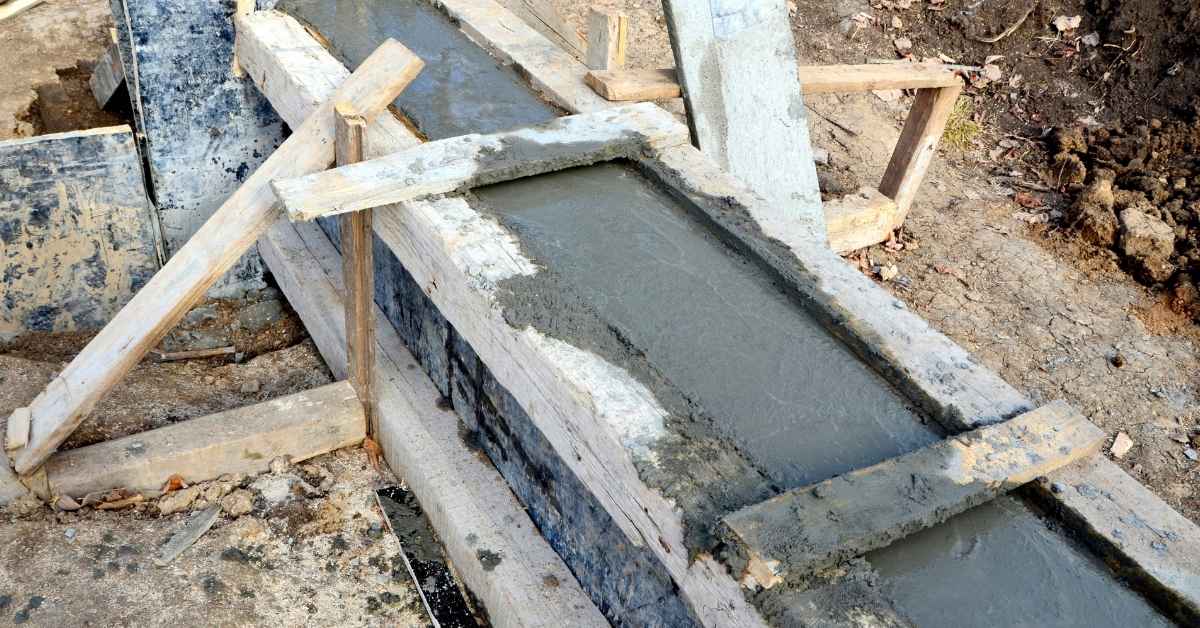
Step-by-Step Installation Guide for New Posts
Start with layout and careful excavation to place the post where you want, keeping the drainage gap intact. Build a stable form or sleeve that preserves the gap during setting. Set the post and verify alignment before backfilling.
Backfill in stages while maintaining the gap, then finish with proper grading to direct water away. Check drainage along the wall and around the post regularly as you complete the work. Confirm that the gap remains unobstructed after final touches.
Step-by-Step Installation Process
This section walks you through the installation of new posts, from prep to finish.
- Safety first: Clear area, wear gloves and safety glasses. Check for underground utilities.
- Lay out post locations accurately using your plans or stakes. Square up corners if needed.
- Mix concrete according to package instructions. Use a shovel and wheelbarrow.
- Pour concrete into forms, filling them about 2/3 full. Vibrate with a screed or leveling tool to remove air bubbles.
- Insert post, ensuring it’s plumb and centered in the form. Use a level and check diagonals.
- Fill remaining form space with concrete, vibrating as you go. Top off with a trowel if needed.
- Cover forms with plastic sheeting to retain moisture. Let cure for 3-7 days before backfilling.
- Remove forms carefully once cured. Check post alignment and adjust if necessary.
Excavation, Base Preparation, and Forming with Drainage in Mind
Digging the right hole is key to a strong, dry post. Here’s how:
Width and depth: Excavate 1/3 wider than your form, and deep enough for post length plus 6-8 inches of concrete.<