

Introduction
Paint sealers can backfire by trapping moisture, leading to issues most DIYers don’t anticipate.
In this guide, you’ll learn how moisture interacts with sealers, how to spot warning signs, and practical steps, tips, and rules of thumb to prevent moisture-related failures.
Key takeaways
- Assess moisture sources first: leaks, condensation, hydrostatic pressure before painting
- Basement walls require vapor barriers and sealing prior to paint coats
- Choose breathable paints for damp basements to avoid trapping moisture
- Perform moisture tests: RH, surface moisture, and moisture meter guidance
- Prep must include cleaning, mold treatment, and relative humidity stabilization
- If in doubt, consult a pro for mold, structural, or waterproofing concerns
Table of Contents
- Introduction
- Key takeaways
- Why basement and concrete walls behave differently than interior walls
- When paint helps — and when paint traps moisture
- Diagnose before you paint — tests every DIYer should do
- Prep work that prevents paint from backfiring
- Best paint types for basement walls — pros, cons, and lifecycle costs
- Tools, materials, and safety checklist for basement painting projects
- Step-by-step DIY painting workflow (prep through verification)
- When to call a pro — mold, structural issues, and waterproofing beyond paint
- Conclusion
- FAQ
Why basement and concrete walls behave differently than interior walls
Below-grade concrete walls behave differently from interior drywall because they sit in constant contact with soil moisture and groundwater, so they’re under pressure rather than freely drying to the interior. Capillary suction is like a thirsty sponge pulling tiny water up through the wall from damp soil; vapor drive is the humid air moving from the soil into the basement; hydrostatic pressure is water pressing against the wall from outside. Key terms you should know are capillary suction, vapor drive, hydrostatic pressure, moisture vapor transmission, efflorescence, and saturation point, all of which describe how moisture travels and changes inside concrete.
Basement and concrete walls are more porous, stay exposed to groundwater, and have temperature and moisture gradients that limit natural drying to the interior, unlike painted interior walls. Interior paints fail here because they aren’t breathable, trap moisture, don’t adhere well on damp surfaces, and contend with expansion and contraction from temperature swings. Your painting plan should favor moisture-tolerant or breathable primers, careful surface prep that respects moisture presence, and a clear distinction between vapor barriers and breathable coatings, plus checks like damp spots or efflorescence before you start.
Capillary moisture, vapor drive, and hydrostatic pressure explained
Capillary suction is water being pulled from wet soil into concrete like a sponge. On a wall you’ll see rising damp lines, dark patches from the ground up, or persistent wetness low on the wall.
Vapor drive is moisture movement as vapor from a warm, damp soil into cooler indoor air. It shows as widespread dampness, condensation, or white powdery deposits called efflorescence.
Hydrostatic pressure is groundwater physically pushing against the wall. That causes steady seepage, wet floors at the base, or actual weeping through cracks. Each mechanism needs a different fix—surface paint won’t stop the pressure or the vapor source.
Porosity, alkalinity, and concrete movement — effects on paint
Concrete is naturally porous; it soaks up water and salts. Paint laid over that surface can fail because it can’t form a consistent bond to a variable substrate.
Fresh or old concrete is also alkaline. High pH attacks some coatings and causes blistering or whitening. Breathable masonry products tolerate alkalinity better than ordinary interior paints.
Finally, concrete expands and contracts with temperature and moisture. Those micro-movements crack rigid coatings. Use flexible, moisture-tolerant primers or coatings rather than standard wall paint.
Common signs that moisture is active vs. surface-only dampness
Active moisture signs: continuous damp patches, water weeping after heavy rain, consistent efflorescence, and musty odors. These point to groundwater, vapor drive, or leaks behind the wall.
Surface-only dampness is temporary: discolored areas after a spill, condensation that dries with ventilation, or paint flaking only where water contacted the surface. No salt deposits or steady wetness.
Do a simple test: tape a 2×2 foot plastic sheet to the wall for 24–48 hours. If the wall under the plastic darkens or beads water, moisture is moving through the wall rather than just on its surface.
When paint helps — and when paint traps moisture
Waterproof claims aren’t magic. Real waterproofing means a system that lets moisture escape, not just a film that blocks water. Paints can help the surface look protected, but they won’t stop rising damp or trap moisture behind a crack or blister.
Do moisture testing, inspect the wall for cracks, and repair them before coating. Use priming and breathable topcoats, and don’t overbuild the film, or you’ll trap moisture. Keep humidity under control during cure and ventilate well to avoid blisters, odor, or hidden damp.
How elastomeric and epoxy coatings work — benefits and blind spots
Elastomeric coatings are thick, flexible films that bridge hairline cracks and move with substrate expansion. They excel at hiding minor movement, reducing water penetration from light splashes, and providing a durable finish on exterior concrete.
Epoxy creates a hard, low-permeability film that resists solvents, abrasion, and direct liquid intrusion. It’s great for finished basements and high-traffic concrete floors where chemical resistance and abrasion protection matter.
Blind spots: both can trap vapor coming from inside the wall or ground. Elastomeric’s flexibility can mask active leaks and epoxy’s impermeability can hold moisture against the concrete, promoting blistering, mold, or paint failure if the underlying moisture source isn’t fixed.
Case studies: real DIY failures from painting over active moisture
Example 1: A homeowner applied epoxy to a basement wall with rising damp. The epoxy gloss sealed the surface but after months blistering and peeling appeared. The coating hid a salt-stained, wet substrate. The missed test: no moisture meters or plastic-sheet test were run.
Example 2: Another DIYer used elastomeric on a poured wall with hairline cracks and intermittent seepage. The coating held initially but mold and mildew grew behind the film where ventilation was poor. The missed steps: crack injection and exterior drainage evaluation.
Lesson: visible success can be temporary when active moisture is present. Tests and simple repairs were skipped in both cases.
Decision rule: when to paint vs. when to fix waterproofing first
Start with two quick checks: plastic-sheet test (72 hours) and a pin or infrared moisture reading. If condensation or rising damp is indicated, don’t paint — fix drainage, interior dehumidification, or exterior waterproofing first.
If tests show only surface dampness or occasional humidity and the substrate is clean, dry, and repaired, painting with a breathable primer and finish may be acceptable. For persistent moisture above 4–6% equilibrium or visible efflorescence, prioritize repairs.
Rule of thumb: paint to protect aesthetics and slow minor penetration; repair when moisture is active. When in doubt, pause and consult a pro for hydrostatic or structural issues.
Diagnose before you paint — tests every DIYer should do
Moisture and vapor pressure drive paint seal failure, so you diagnose before you paint. Start with a low‑cost toolkit: a wall moisture meter, a simple hygrometer, and a 24–48 hour plastic‑sheet test to spot active moisture. Use a clear, step‑by‑step approach to observe condensate, dampness, or mold hints and to document what you find.
Check surface behavior too—water beading versus absorption, stains, efflorescence, and any old paint delamination. Interpret the results by asking what readings or observations mean for your project: if moisture is active, delay sealing, improve ventilation, and choose primers or methods suited to damp substrates. This matters because undetected moisture makes even good paint sealers fail, wasting time and money and creating a bigger job later.
The plastic sheet (ASTM-like) moisture test
Tape a 2×2 ft clear plastic sheet tightly to the wall with a waterproof tape so edges are sealed. Leave it undisturbed for 24–72 hours; shorter times catch high vapor drive, longer helps slow seepage show through.
After removal, inspect the back of the sheet and the wall under it. Visible condensation on the plastic means vapor is moving through now. Darkened or persistently damp wall paper, powdery residue, or mold hints under the sheet indicate active moisture in the substrate rather than surface-only dampness.
Salt/efflorescence and probing for active leaks
White, powdery salts (efflorescence) signal water carrying minerals through the wall. Light dusting can be old; fresh, wet salts or streaks after rain point to ongoing movement.
Use a screwdriver or awl to probe mortar joints and suspect areas. Soft, crumbling mortar or active weeping means liquid entry. Map locations, photograph them, and avoid sealing until you stop the source or consult a pro if you find hydrostatic or structural leakage.
Simple humidity and surface-temperature checks (tools and thresholds)
Basic instruments quickly show vapor risk. Cheap options are effective on-site; you can rent better meters if needed.
- Digital hygrometer Measures room RH. Keep indoor RH under 60% before sealing; sustained readings above 65% warn of vapor problems.
- Wall moisture meter Pin or pinless models detect moisture percent. Readings above 16–18% in wood or high values in concrete suggest wait-and-dry.
- Infrared thermometer Shows surface temps. A wall surface >4–6°F cooler than room air often means condensation risk.
- Thermo-hygrometer probe Tracks dew point. If wall surface is at or below dew point, vapor will condense there.
- Rental moisture logger Records trends over days. Good for borderline cases; rent for $20–$50/day at tool stores.
Prep work that prevents paint from backfiring
Prep right or you will pay later: decontaminate the surface, repair cracks and chips, and fix any moisture source before you coat, then clean, degrease, and create a dust-free, dry surface while checking for moisture with simple tests to decide if you need vapor mitigation. You’ll also seal cracks and spalls with the right patch materials, profile the surface for adhesion, and set up barriers and ventilation so moisture and vapor don’t get trapped under the coating.
That sequence isn’t optional—it’s how you prevent peeling, bubbling, and moisture-driven failures. moisture tests like alkali bleed, ASTM D4263 tape tests, or calcium chloride kits tell you if you should delay coating or add vapor control. Prioritizing repairs (hairline cracks, efflorescence, or spalling) and choosing compatible patch materials with proper curing times keeps trapped moisture from showing up later. A solid vapor plan, humidity management, and temporary venting during prep and coating protect the job from high humidity or radon issues. Finally, proper surface profiling through etching or mechanical profiling, plus the right primer and solvent compatibility, maximizes adhesion and minimizes delamination risk.
Cleaning, efflorescence removal, and surface etching
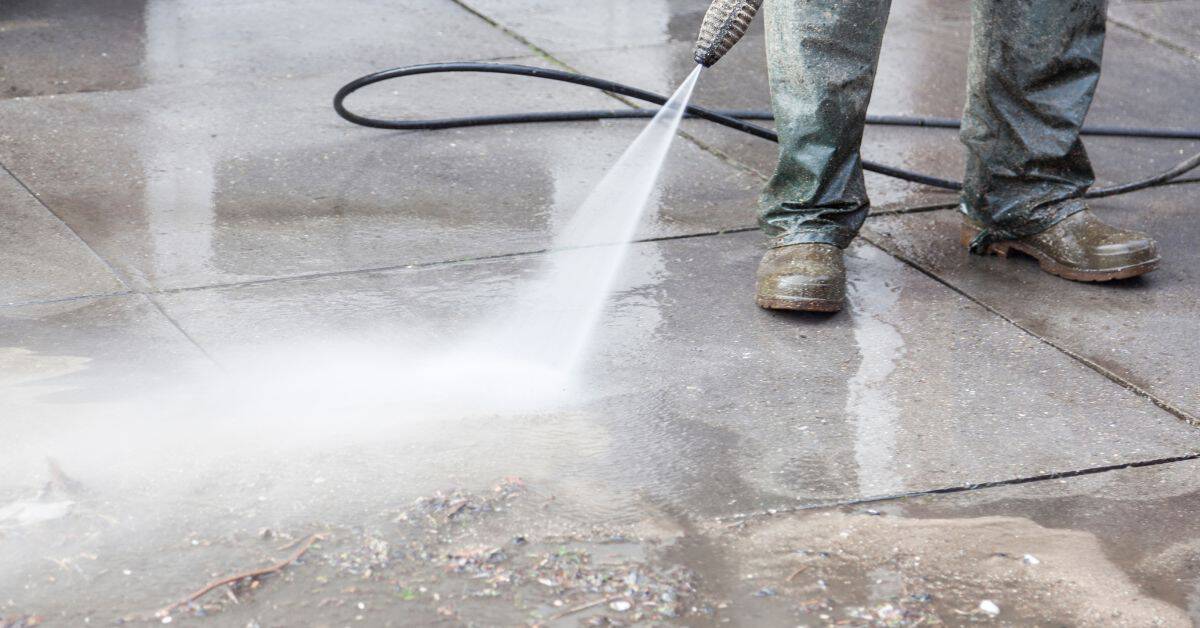
Start by scrubbing loose dirt, dust and salt deposits with a stiff brush and a mild trisodium phosphate (TSP) or commercial concrete cleaner. For light efflorescence, a wire brush and water will often do; for heavier salt crust use a purpose-made efflorescence remover or diluted muriatic acid only when safer alternatives fail.
When you use acid, dilute it per label directions, work in ventilated areas, and neutralize and rinse thoroughly. If you prefer lower-risk options, a commercial acid-free concrete cleaner or oxalic acid works on rust and organic stains. Rinse and allow full drying—coating over salts or residue invites future paint failure.
Repairing cracks, joints, and porous block cores
Prioritize active leaks and hairline cracks first. For dynamic cracks use a flexible urethane or silicone caulk designed for masonry. Static cracks and spalls take hydraulic cement or cement-based patching compounds; press material into the defect and tool to match the plane.
Hollow cores in CMU should be filled with a compatible block filler or grout if they’ll be coated; simply painting over voids traps moisture. For wide foundation or structural cracks consult a pro—epoxy injections or structural repair may be required. Let patches cure fully to manufacturer times before sanding or coating.
Priming for adhesion and alkali resistance
Concrete and CMU are alkaline and porous. A good masonry primer or block-filler evens porosity and blocks alkali that breaks down latex binders. Choose a primer labeled for masonry/concrete and high-alkali resistance; for epoxy or urethane topcoats follow manufacturer pairing rules.
Apply primer to a clean, dry surface at the recommended spread rate and allow the full dry time. Skipping primer increases blisters and delamination risk because the paint can’t form a uniform bond with the substrate.
Best paint types for basement walls — pros, cons, and lifecycle costs
For basement walls that sweat or leak, elastomeric coatings, 2‑part epoxy, acrylic latex with primer, and hybrid products are the real options, each handling moisture, alkali, and surface porosity in its own way. Elastomerics flex with movement but seal tightness varies, epoxies resist moisture well but need careful surface prep, acrylics demand a proven primer and proper sealing, and hybrids try to balance durability with easier repairs and faster cures.
We’ll think through lifecycle costs up front: upfront dollars per square foot, surface prep needs, typical lifespan, and when you’ll want a recoat or maintenance touch, plus the labor hours a job like this typically requires. Then we weigh suitability to your wall conditions, from humidity and cracks to alkali exposure, and call out important pitfalls like coatings trapping moisture or failing after improper primer or sealant use. The goal is a practical decision framework you can apply on site, helping you pick a system that minimizes long-term trouble while staying within budget and keeping the project moving.
Cost and lifecycle math you can use in the field
To compare options clearly, estimate a 4‑year to 20‑year projected budget per 100 square feet of basement wall, and then scale to your total wall area. Use the simple calculator below as a starting point, then refine with local material and labor quotes.
- Upfront material costs (per sq ft) — Elastomeric: $1.50–3.50; Epoxy/Polyaspartic: $3.00–6.00; Acrylic latex with primer: $1.00–2.50; Hybrid systems: $2.00–4.00. Include primers and moisture-tolerant sealants as needed.
- Prep and surface repair (per sq ft) — Cleaning, efflorescence removal, crack filling, patching, and priming typically add $0.50–1.50 per sq ft for elastomerics and acrylics, or $1.50–3.50 per sq ft for epoxy/hard coatings requiring deeper prep.
- Labor hours (per 100 sq ft) — Roughly 6–12 hours for elastomeric or acrylic systems (prep, coats, touch-ups); 12–24 hours for epoxy/polyaspartic systems (more meticulous prep and longer cure times). Widen this range for larger walls or complex cracks.
- Maintenance/recoat interval — Elastomeric: 7–15 years; Acrylic: 5–10 years; Hybrid: 8–15 years; Epoxy/Polyaspartic: 10–20+ years (subject to substrate and moisture). Plan for a full recoat or touch-up at the end of the interval or sooner if coating fails.
- Total projected cost over 5–20 years (per 100 sq ft) — Elastomeric: roughly $200–$1,000; Epoxy/Polyaspartic: $600–$2,400; Acrylic: $150–$600; Hybrid: $400–$1,200. These ranges assume typical prep and two coats, plus one maintenance touch-up if needed.
Example calculation (rough, per 100 sq ft): Elastomeric coating at $2.50/sq ft plus $1.00/sq ft for prep, plus 8 labor hours at $25/hour equals about $450 initial. Over 10 years with a mid-range maintenance touch-up, estimate $600–$900 total. Epoxy at $4.50/sq ft with $2.50 prep and 18 labor hours may run $1,150–$1,700 initially, with potential $600–$1,200 extra for a later maintenance cycle if moisture becomes an issue. These numbers depend heavily on substrate condition and moisture control effectiveness.
We’ll think through lifecycle costs up front: upfront dollars per square foot, surface prep needs, typical lifespan, and when you’ll want a recoat or maintenance touch, plus the labor hours a job like this typically requires. Then we weigh suitability to your wall conditions, from humidity and cracks to alkali exposure, and call out important pitfalls like coatings trapping moisture or failing after improper primer or sealant use. The goal is a practical decision framework you can apply on site, helping you pick a system that minimizes long-term trouble while staying within budget and keeping the project moving.
Elastomeric masonry paint — when it’s the right choice
Elastomeric coatings are your go-to when you need flexibility and crack-bridging. They stretch with masonry, hide hairline cracks, and resist water penetration from the outside. On interior basement walls they help slow seepage but are not a substitute for fixing active water paths.
Prep is critical: clean efflorescence, repair voids, and use a compatible high-alkali primer for adhesion. Expect moderate labor for patching and multiple coats; lifespan is typically 7–15 years on sound substrates. Be realistic about expectations—if moisture is coming from a failed drain or hydrostatic pressure, elastomeric can temporarily contain dampness but will eventually fail if the source isn’t fixed.
Epoxy and polyaspartic coatings — durability vs. breathability trade-off
Two-part epoxies and polyaspartics give a tough, stain- and impact-resistant surface. They’re ideal for floors and sealed, dry basement walls where heavy wear or chemical resistance matters. However, these systems are low-perm and can trap vapor behind the coating, which risks delamination or blistering if moisture pressure exists.
Testing for moisture and using moisture-tolerant primers or vapor-permeable systems where needed prevents backfire. Cure times and ventilation matter—cloth masks aren’t enough for strong VOCs; follow safety data sheets. Lifespan can exceed 10–20 years under correct conditions but requires top-notch prep and dry substrates.
Acrylic latex and breathable masonry paints — best for dry, interior-only situations
Acrylic latex and breathable masonry paints offer easy application, low odor, and good vapor permeability. They’re suited to basements that are dry, have controlled humidity, and no active salt problems. These paints let trapped moisture escape and reduce the risk of paint failure caused by vapor pressure.
Priming for alkali resistance and proper surface prep still matters. Expect lower upfront cost and simpler repairs, but shorter lifespans than thick elastomeric or epoxy systems—typically 5–10 years depending on conditions. Use them when you’ve diagnosed low moisture and want a practical, maintainable finish.
Safety and ongoing maintenance reminders
- Test moisture levels before coating. Use a moisture meter and look for active leaks or hydrostatic pressure; address water paths before coating.
- Ventilate well during application and cure. Use appropriate PPE, especially with epoxies and solvent-based products.
- Seal joints, cracks, and gaps to prevent moisture migration behind coatings. Recheck for new cracks after seasonal shifts and recoat as needed within the expected maintenance window.
- Keep a written record of products used, dates, and surface conditions to guide future maintenance and re-coating decisions.
Tools, materials, and safety checklist for basement painting projects
Essential tools for prep and application include scrapers, putty knives, a wire brush, a sander or sanding pad, a moisture meter, level, measuring tape, painter’s tape, drop cloths, rollers, brushes, a handheld or roller sprayer, a shop vacuum, and a dedicated cleanup bucket. Have concrete patching compounds, masonry primer compatible with your sealer or paint, epoxy or polyurethane sealers if needed, moisture barriers, mold cleaners, suitable coatings for below-grade walls, caulk, and PPE-friendly cleaners ready. Pack proper disposal bags and a simple spill kit, and plan safe handling for epoxy fumes and mold exposure.
This checklist helps you avoid repeats of bad prep and messy coatings down the line, especially in damp basements with mold risk. It keeps you safer by clarifying PPE, ventilation, and step-by-step sequence from surface prep to curing, so you don’t skip crucial stages. It also emphasizes disposal and containment to protect your family and the space, and says straight up when moisture is too high or flooding is present and a pro is needed.
PPE and ventilation when using high-VOC products or dealing with mold
When you use solvent-based sealers or remove mold, protect your lungs, eyes, and skin. Don’t guess at protection — choose gear by application and exposure time.
Respirators: Use a half- or full-face respirator with organic-vapor cartridges for solvent coatings; N95 or P100 for dusty mold cleanup. Provide fresh-air breaks every 45–60 minutes and swap cartridges per manufacturer limits. Ventilate to move at least 4–6 air changes per hour when coating; run a fan or inline ducting to the outside.
Gloves and eye protection: Chemical-resistant gloves (nitrile or butyl for epoxies/solvents) and sealed safety goggles. Long sleeves, pants, and a cap keep skin from splashes. Keep a spill kit and eyewash close by and double-bag heavily contaminated rags for disposal according to local rules.
Tools and application tips that improve adhesion and finish
Right tools cut rework. Match tool to the product and the surface profile.
- Wire brush/grinder — Removes loose mortar and efflorescence. Use medium-bristle or diamond cup wheel; avoid over-grinding. Wear dust control and vacuum attachments to limit airborne salts.
- Hand scraper/putty knife — Clears paint ridges and fills small voids. Use 3–6″ sizes for good leverage. Keep a separate dedicated bucket for cleanup to avoid solvent cross-contamination.
- Random-orbital sander — Smooths patched areas and creates key for primers. Use 80–120 grit for masonry. Rent for big jobs; expect $30–$50/day plus abrasives.
- Moisture meter — Confirms readiness before priming. Look for concrete-specific probes and read both % and relative scale. Test multiple spots, not just one.
- Rollers and brushes — Provide control on block and smooth surfaces. Use 3/8″–1/2″ nap for textured masonry and synthetic brushes for solvent or latex. Keep a brush for trims and a roller for large areas.
- Handheld sprayer — Speeds coverage for sealers and paints. HVLP or airless for heavy coatings; set tip per manufacturer. Practice on cardboard first and mask nearby openings.
- Shop vacuum — Removes dust and debris before coating. Use HEPA-rated for mold work. Empty into sealed bags and dispose per rules.
Material specs and standards to watch for (VOC, ASTM, mold inhibitors)
Labels tell you if a product belongs on a damp basement wall. Read specs or you risk peeling, staining, or trapped moisture.
- VOC content — Indicates fumes and ventilation needs. Low-VOC (<50 g/L) is safer for occupied spaces; solvent products often exceed this. If you must use high-VOC, increase ventilation and PPE.
- ASTM or AASHTO claims — Look for concrete or masonry testing references. Standards-backed primers/sealers are more likely to bond and breathe. Avoid generic products that omit test references.
- Masonry/elastomeric label — Designed for movement and salt migration. Elastomeric helps hairline cracks but can hide ongoing water problems. Don’t use it over active leaks.
- Mold-resistant additives — Factory-treated paints list EPA-registered or ISO claims. These slow mold on the film; they don’t replace moisture control. For heavy contamination, remove mold first.
- Epoxy/polyurethane specs — Check permeability and cure time. High-durability coatings often have low vapor-permeability and can trap moisture. Choose based on moisture readings and intended use.
Step-by-step DIY painting workflow (prep through verification)
Step-by-step DIY painting workflow walks you from initial moisture and porosity testing, through surface repairs and priming, into paint application, and ends with verification and long-term monitoring you can print and check off. Moisture behavior and sealer performance drive every decision, so each phase includes specific moisture checks, drying cycles, vapor barriers, and climate control before you proceed. You’ll follow a concrete, printable checklist covering surface prep (cleaning, etching, blasting or grinding as needed), moisture mitigation, repairs for cracks or efflorescence, primer selection with test patches, application technique, and post-job tests.
Keep your tools ready, run quick pass/fail criteria for moisture readings and pull-off adhesion tests, and log results so you can spot when rework is needed without guessing. Understanding why moisture matters helps you see red flags like trapped humidity, delayed tack, or poor cure, and it guides you on re-priming, re-coating, or resealing before failure sets in. The post-job monitoring plan should spell out scheduled checks, signs of moisture intrusion to watch, cure time targets, when to recoat or reseal, and simple documentation you can keep on site.
Step-by-Step Process
A compact, do-it-yourself sequence from inspection to verification that keeps moisture front and center.
- Safety & inspection: Put on PPE and measure RH and wall moisture with a meter. You want RH <60% and substrate <4% (concrete), or flag for drying. A failing read pauses work.
- Clean & prep: Remove dirt, efflorescence, and loose paint by scrubbing or grinding. Clean surfaces promote adhesion; run a quick touch test for dust.
- Moisture mitigation: Run dehumidifier cycles and seal leaks; install temporary vapor control if readings stay high. Check meters daily until stable.
- Repair work: Fill cracks, remove spalls, and treat efflorescence per manufacturer instructions. Smooth repairs and let them dry to the same moisture baseline as surrounding wall.
- Primer test patch: Apply primer to a 1–2 ft2 area; allow full tack-free time. Do a pull-off or tape test; failure means change primer or dry longer.
- Paint application: Follow recoat windows and film-build targets. Keep coats thin; inspect for blistering while curing.
- Final verification & cleanup: Run adhesion tests and document readings and photos. Pack tools and note follow-up monitoring dates.
Day-by-day timeline for a typical basement wall project
Plan 3–7 days for a small wall and up to 2 weeks for larger or damper spaces. Day 1 is inspection, cleaning, and setting up dehumidification. Expect to run drying for 24–72 hours depending on readings.
Day 2–4 cover repairs and primer test patches. Allow primers to meet tack-free and adhesion targets before proceeding. If moisture readings rebound extend drying time and don’t paint.
Day 4–7 is painting: apply base coats within the manufacturer’s recoat window and monitor for 24–48 hours between coats. Final cure and verification occur over the following 7–14 days for full moisture-related confidence.
Visual checkpoints during and after painting
Watch for immediate defects: wet-looking spots, crawling edges, or small blisters while paint is curing. These often indicate trapped moisture or high RH.
After tack-free, perform a simple pull-off: press strong tape to the painted surface, pull sharply—if paint lifts, adhesion failed. Also scan for discoloration, salt blooms, or raised texture where moisture wicks through.
Keep photographic records and meter logs. Spot test any suspect area before full rework to confirm moisture source.
Post-paint monitoring and what triggers re-opening a wall
Monitor for 30–90 days with weekly RH and wall moisture checks. Look for new blisters, salt stains, or persistent elevated readings near painted areas.
Trigger re-opening if moisture rises above baseline, adhesion tests fail, or visual evidence of trapped moisture appears. When that happens, remove coatings safely by sanding or stripping, dry the substrate, treat salts, then re-prime with a compatible, moisture-tolerant system.
Document dates, readings, and photos. That record tells you whether the issue was a transient condition or an installation failure needing more invasive repair.
When to call a pro — mold, structural issues, and waterproofing beyond paint
Call a pro when moisture problems go beyond paint: active leaks, recurring moisture intrusion, or water pooling that won’t clear up with basic sealant. Mold growth above health thresholds, bulging walls, or a drainage system that has failed are clear signs it’s time for expert help.
A good contractor will have proper licensing, a defined scope (mold remediation, structural repair, or waterproofing), and a plan for inspections, methods, timelines, and warranties. Don’t ignore these signs or chase quick DIY fixes—the right pro will diagnose root causes (grading, gutters, membranes) and prevent bigger, pricier failures.
Mold remediation vs. surface cleaning — how to decide
Small, isolated mold patches on non-porous surfaces and no health symptoms can usually be cleaned by a competent DIYer after following safety precautions. If mold covers more than roughly 10 square feet, or you detect persistent musty odors and occupants report symptoms, treat it as a remediation job, not a wipe-down.
Also consider testing when visible colonies are widespread or when previous fixes failed. High spore counts or contaminated insulation, drywall, or framing typically require a certified remediator. They will contain the area, remove affected materials, and provide clearance testing you can’t get from surface cleaning alone.
Foundation repairs and exterior drainage solutions
Standing water, repeated basement seepage, or hydrostatic pressure are signs you need more than paint. Core fixes include restoring grade and surface drainage, repairing or replacing gutters and downspouts, exterior excavation and membrane repair, and installing or upgrading interior drains and a sump pump system.
Coatings and sealers can be part of the solution, but they’re secondary. Address the source first—fix the footing-to-grade detail and relieve hydrostatic pressure—then apply appropriate waterproofing membranes or elastomeric coatings as recommended by the contractor or engineer.
Insurance and code implications of painting over water damage
Painting over water-stained or moldy surfaces without documenting the problem can void insurance coverage for future related claims. Insurers expect visible mitigation steps or professional reports when damage is significant. Get a claim documented or a paid inspection before cosmetic fixes if you plan to file a loss.
Major structural or waterproofing repairs may trigger permits. Local building codes often require licensed contractors for foundation, structural, or permanent drainage work. Ask for scopes, permits, timelines, and warranties before hiring—paperwork protects you if the problem returns.
Conclusion
If you want lasting results, start with the moisture reality first, fix what you find, and then choose the right paint and technique so you don’t trap water or create new problems. A solid prep and smart product choice keep damp walls durable, looking good, and safer for everyone in the home.
First, run through the practical check in order: confirm moisture levels with the tests you discussed, repair cracks or damage, remove efflorescence or loose material, clean and dry the surface, apply a basement-appropriate sealer or primer if needed, pick a paint type proven for basement walls, and then paint only when the wall is dry and air is circulating, finishing with a thorough verification of cure and moisture after the job. Throughout, follow the safety plan, use PPE, and ventilate well while you work.
Common mistakes to avoid are painting damp walls, skipping the diagnosis or tests, and choosing a finish or primer that isn’t rated for concrete or basement conditions. Don’t rush through prep, and don’t skip moisture tests just to save time. Keep safety rules simple: test in a small area first, work only on dry days or dry sections, and never ignore cracking, mold, or water intrusion—these are signs you may need professional help.
If you encounter mold growth, visible leaks, or structural concerns, or if moisture keeps returning after treatment, call a pro. Sometimes the correct move is to pause, address waterproofing or structural issues, and bring in an experienced contractor. With careful prep, smart product choices, and disciplined testing, you can finish strong and keep your basement walls looking good for years to come. You’ve got this—stay steady, stay safe, and stay focused on the next practical step.
FAQ
Will moisture get trapped under a paint sealant?
Yes. If the surface isn’t fully dry, the moisture gets trapped under the sealer. This leads to peeling, bubbles, and spots that never stay flat.
How do I tell if a surface is dry enough before sealing?
Give it time. Check with a moisture meter or scratch test and trust the feel of the wood. When it’s below the recommended moisture level, you’re in the clear.
Can humidity ruin the sealant on a painted surface?
Yep. High humidity slows curing and can force moisture into the coating. Sealants shouldn’t be applied in damp conditions or you’ll pay later with a cloudy or soft finish.
What should I do if moisture already shows under the sealant?
Stop and fix the root cause. Remove the old sealant, dry the surface thoroughly, and reseal only when dry. If in doubt, wait longer and recheck before you coat again.