
Introduction
Water damage affects many homes, and understanding the statistics helps you prioritize prevention.
In this guide you’ll learn how water damage occurs, what the data says about common causes and costs, and practical steps you can take to protect your home.
Key takeaways
- Regularly inspect roofs and gutters to reduce hidden water intrusion year-round.
- Patch leaks promptly; even small drips double repair costs over time.
- Install a whole-house dehumidifier in damp basements to prevent mold.
- Install smart water sensors on appliances and sump pumps to detect leaks.
- Review homeowner insurance policies for limited exclusions and water damage riders.
- Maintain proper grading and exterior drainage to direct runoff away from foundation.
Table of Contents
- Introduction
- Key takeaways
- National and yearly water damage statistics
- Top causes of home water damage
- Climate trends and flood risk
- Costs: repair, restoration, and long-term damage expenses
- Insurance: coverage, exclusions, and claims best practices
- Detection, warning signs, and health risks of hidden water damage
- Prevention, mitigation, and emergency response for homeowners
- Types of water damage
- Conclusion
- FAQ
National and yearly water damage statistics
National water damage data come from sources like Triple-I, FEMA, ISO, and NFIP, focusing on how often claims occur, how many claims per 100 policies, and how those figures trend year to year. You’ll see distinctions between flooding, indoor leaks, and other water events, along with what changes in risk look like across the country.
For homeowners and renters, this matters because it flags where risk is rising and where preventive steps pay off. Use the trends to prioritize inspections, maintenance, and insurance choices, but keep in mind data gaps and reporting lags can affect year-to-year changes.
Claim frequency and severity by year
The latest data shows that water damage claims have been on the rise over the past few years. In 2019, there were approximately 500,000 claims filed nationwide, but this number jumped to around 700,000 by 2021.
The severity of these claims has also increased. The average claim size in 2019 was about $5,000, whereas it rose to nearly $8,000 in 2021. This uptick is partly due to more severe weather events and the higher cost of materials.
Recent trends show that flooding caused by hurricanes and heavy rainfall has led to a significant portion of these claims. For example, areas hit by Hurricane Ida saw a spike in water damage claims compared to previous years.
Regional and state-level differences
The frequency and cost of water damage claims vary widely across the country. States like Florida, Texas, and Louisiana consistently report high numbers due to their exposure to hurricanes and heavy rainfall.
In contrast, states in the Midwest and Northeast see higher rates during winter months when freezing pipes are a common issue. For instance, Minnesota and Wisconsin often have spikes in claims related to burst water lines.
Insurance premiums also reflect these differences. In coastal areas prone to flooding, homeowners typically pay more for flood insurance compared to inland regions where such risks are lower.
Household-level risk stats (probability and common exposures)
The odds of a home filing a water damage claim vary based on location and construction age. For example, homes in flood-prone areas have a higher chance of experiencing significant water damage compared to those in non-flood zones.
Data shows that about 10% of all homes will file at least one water damage claim over the course of 10 years. This risk is even higher for older homes with outdated plumbing systems, which can be more prone to leaks and bursts.
Common exposures include roof leaks, basement flooding, and burst pipes during cold weather. Homeowners should regularly check their roofs, gutters, and heating systems to prevent these issues from becoming major problems.
Top causes of home water damage
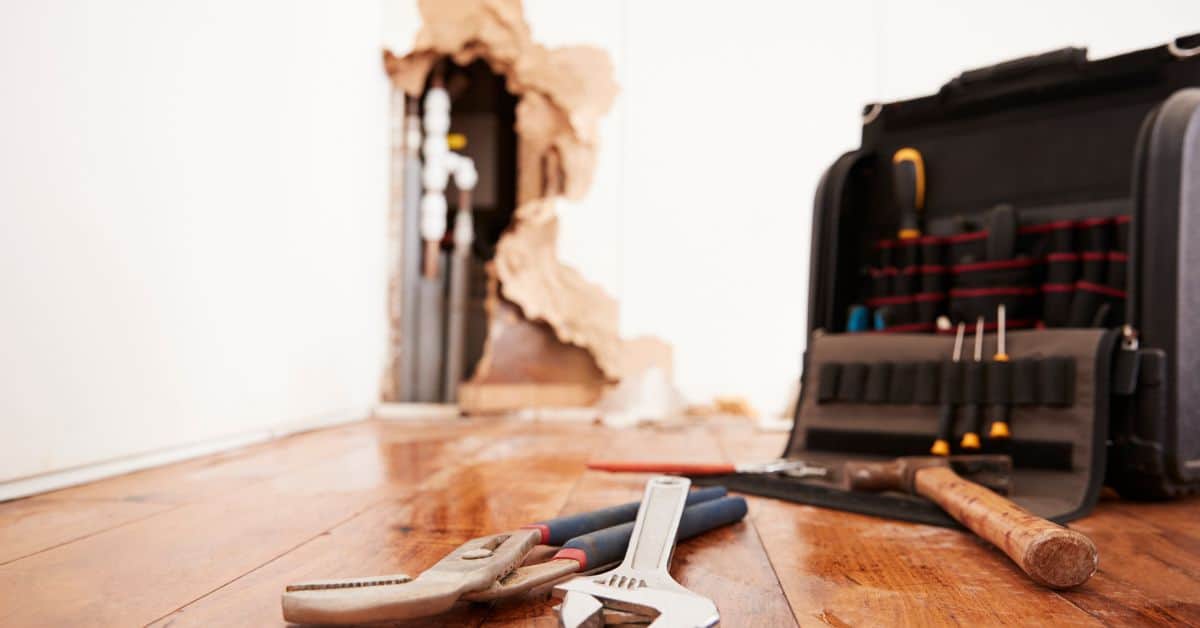
Water damage in a home usually starts with six common culprits: plumbing leaks, appliance failures, clogged gutters, roof leaks, freeze/thaw cycles, and storms or floods. Some causes hide behind walls or ceilings, so you won’t see trouble until you have a stain or a soggy spot. Where you live and how you maintain things will tilt which of these shows up first, but each one ranks high in most homes.
Watch for warning signs like wet spots, stains, or bubbling paint and address them before they bloom. Do regular checks—appliance pans, gutter cleaning, roof maintenance, and insulation—to cut risk and keep your claim notes tidy. For any numbers or policy specifics, check the product label or data sheet, or talk to your insurer; if a number isn’t published, use a practical rule of thumb and note it came from the source.
Interior failures (pipes, appliances, HVAC)
Plumbing leaks and appliance malfunctions are among the most frequent causes of water damage in homes. According to industry reports, these issues account for about 25% of all claims related to water damage.
Warning signs include musty odors, damp spots on walls or ceilings, and unexplained increases in your water bill. Regular maintenance can prevent many problems. Check pipes and hoses annually, replace old appliances before they fail, and ensure your HVAC system is serviced regularly.
Prevention is key. Install leak detectors near washing machines, dishwashers, and water heaters to catch issues early. Keep an eye on the condition of your plumbing fixtures and address any signs of wear or corrosion immediately.
Exterior and weather-related causes
Storms, heavy precipitation, and rising groundwater are significant threats to a home’s structural integrity. Climate trends indicate an increase in extreme weather events, making these risks more prevalent than ever.
Roof leaks often start with small issues like missing shingles or damaged flashing that allow water to seep into the attic or walls. Regular inspections can catch these problems early and prevent costly repairs later on.
Ensure your gutters are clear of debris and properly angled to direct water away from your foundation. This simple maintenance task can save you thousands in damage repair costs over time.
Human error and maintenance-related causes
Mistakes like blocked drains, ignored leaks, or failing to maintain your home’s systems can lead to significant water damage. These issues are often preventable with regular upkeep.
- Blocked gutters: Clean them regularly to avoid overflow during heavy rains.
- Neglected roof repairs: Inspect and fix any damage as soon as it’s noticed.
- Inadequate insulation: Check for drafts around windows and doors, and insulate pipes in cold climates.
- Ignoring small leaks: Address them immediately to prevent larger issues down the road.
Avoid these common pitfalls by staying vigilant about your home’s maintenance needs. A little effort now can save you a lot of trouble later.
Climate trends and flood risk
Climate trends are driving more intense rainfall and higher runoff, pushing water toward building envelopes and foundations. Flood risk is expanding beyond coasts to rivers, urban areas, basements, and crawlspaces. Heavy downpours change how water enters and damages structures, especially under higher hydraulic pressure.
For DIY homeowners, that means you must check site drainage, grading, and slope away from the house, plus reinforce foundation waterproofing, gutters, and sump systems. Use credible data from NOAA, IPCC, and FEMA as regional context to spot trends in heavy rainfall, and translate that into concrete and drainage fixes you can do now. Concrete-focused tips: seal cracks, choose appropriate mixes for wet seasons, and plan curing around frequent rain; install backflow prevention and ensure downspouts connect to proper outlets.
Increasing heavy precipitation and urban flooding
The trend towards more frequent and intense rain events is a major concern for homeowners, especially those in urban areas. These downpours can overwhelm city drainage systems, leading to rapid water accumulation on streets and in basements. As the ground becomes saturated from prolonged or repeated rainfall, it loses its ability to absorb additional moisture, causing surface runoff to increase dramatically.
Basement flooding is a common issue during heavy rains because many urban homes are built with basements that act as catchments for water seeping through foundation walls and floors. This not only damages personal belongings but also poses serious health risks due to mold growth and contaminated water. To mitigate this risk, homeowners should ensure their sump pumps are functioning properly and consider installing additional drainage systems around the property.
First-floor flooding can occur when stormwater backs up through sewer lines or overflows from nearby bodies of water like rivers or lakes. This type of flooding often happens suddenly without much warning, making it crucial for homeowners to have a plan in place. Regularly inspecting and maintaining your home’s drainage system is key to preventing such issues.
Sea level rise and coastal impacts
The rising sea levels pose significant risks for coastal communities, increasing the likelihood of flooding during high tides and storm surges. Nuisance flooding, which occurs even without major storms, is becoming more frequent as water levels continue to climb. This means that low-lying areas near the coast are at higher risk of experiencing regular flooding events.
Seasonal storms can be amplified by warmer ocean temperatures, leading to stronger hurricanes and tropical storms that bring heavier rainfall and storm surges. Coastal homeowners need to take proactive measures such as elevating electrical components, reinforcing windows, and ensuring proper drainage away from the home’s foundation.
To stay informed about your specific flood risk, consult local flood maps provided by FEMA or other regional agencies. These resources can help you understand the likelihood of flooding in different parts of your community and guide you in making necessary preparations to protect your property.
Heat, freeze cycles, and infrastructure aging
The combination of extreme heat and cold weather can cause significant stress on a home’s infrastructure. Pipes are particularly vulnerable as they expand and contract with temperature changes, leading to leaks or even bursts during severe freezes. Older homes with outdated plumbing systems face an even greater risk.
Roofs also suffer from the constant expansion and contraction caused by daily temperature fluctuations, which can lead to cracks in shingles and other roofing materials over time. This not only increases the chance of water infiltration but also accelerates wear and tear on your roof’s structure.
To protect against these risks, homeowners should regularly inspect their plumbing for signs of wear or damage, especially before winter sets in. Insulating pipes can help prevent freezing and bursting during cold snaps. Additionally, maintaining a well-maintained roof with regular inspections and repairs is essential to keep water out and extend the life of your home’s protective covering.
Costs: repair, restoration, and long-term damage expenses
Costs break into three bands: minor repair (cosmetic drywall repair, repaint), restoration (water extraction, drying, minor mold remediation), and reconstruction (structural repairs, foundation work). The price you see hinges on severity and the big drivers—mold remediation, structural repairs, flooring and insulation replacement, HVAC/electrical dressings, plumbing fixes, and material quality. Also, the type of water (clean, gray, or black) changes both costs and timelines; check the product label/datasheet or local rules for specifics.
Delays inflate costs through secondary damage and can affect resale value over time, especially with mold spread or warped framing. Knowing typical insurance outcomes, deductibles, and what gets reimbursed helps you plan and avoid nasty surprises. Think long-term: proactive measures like sump pumps, interior drainage, vapor barriers, and moisture monitoring pay off by lowering future annual costs and protecting value.
Typical restoration cost bands
When it comes to water damage, the costs can vary widely depending on the severity. A small leak might only require a few hundred dollars for drywall repair and painting. For moderate water intrusion, you’re looking at around $2,000 to $5,000 for extraction, drying, and minor mold remediation.
For catastrophic floods or major structural damage, costs can skyrocket into the tens of thousands. This includes everything from tearing out walls and floors to replacing HVAC systems and electrical work. The more severe the water damage, the higher the cost due to extensive labor and materials needed for reconstruction.
Remember: It’s crucial to act fast when you spot a leak or flooding. Early intervention can save thousands by preventing secondary damage like mold growth and structural weakening.
Mold remediation and long-term structural repairs
Mold is one of the biggest hidden costs in water damage restoration. If not addressed quickly, it can spread throughout your home causing health issues like respiratory problems and allergies.
Minor mold remediation might cost around $1,000 to $2,500 for cleaning and disinfecting affected areas. However, if the mold has grown extensively or is in hard-to-reach places, costs can easily exceed $5,000.
Structural repairs due to water damage are another major expense. These can range from fixing cracked walls ($1,000-$3,000) to replacing a damaged foundation ($20,000-$40,000). The longer you wait, the more likely these costs will increase as structural issues worsen.
Hidden costs homeowners overlook
Water damage restoration isn’t just about fixing what’s broken. There are several hidden costs that can add up quickly, such as the need for temporary housing if your home is uninhabitable.
You’ll also face inventory replacement costs for damaged belongings like furniture and electronics. This can easily run into thousands of dollars depending on how much was lost or ruined by water damage.
Another overlooked cost is the potential loss in property value due to structural issues or mold contamination, which could affect future resale prices negatively. Additionally, insurance premiums might increase after filing a claim for significant water damage.
Insurance: coverage, exclusions, and claims best practices
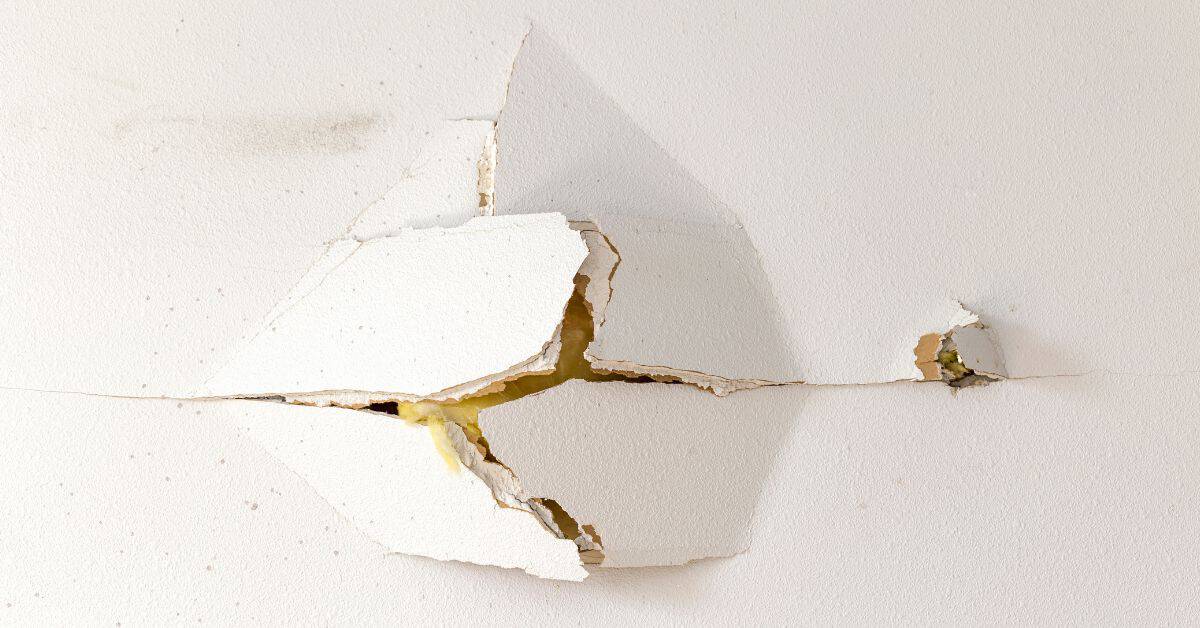
Homeowners insurance covers some water damage, but flood insurance is separate. Understand the difference between NFIP or private flood policies, what perils they cover, and how claims are triggered. Expect common exclusions like flood events, sudden discharge, or maintenance issues, and know how deductibles apply.
For DIYers, the practical takeaway is to document damage, know when to file, and compare policy structures because coverage limits shape repairs. Decide when to add or increase protection based on your home’s risk (basements, grading, sump pumps) and weigh upfront mitigation against insurance contingencies.
What typical homeowners policies cover
Your standard home insurance covers sudden and accidental water damage, like burst pipes or appliance leaks. But it doesn’t cover gradual damage from things like seepage or poor maintenance.
You’ll find mold coverage is limited too. Most policies cap the amount they’ll pay for mold cleanup at a few thousand dollars. If you have a basement prone to dampness, consider adding extra coverage.
Remember, sudden water damage means something unexpected and quick—like a pipe bursting. Gradual damage is slow over time, like from a leaky roof or poor drainage around your foundation.
Flood insurance and when it’s required
NFIP (National Flood Insurance Program) covers flood damage if you’re in a high-risk area. It’s often mandatory for homes with federally backed mortgages.
Private flood policies offer more coverage options and might be cheaper or better suited to your needs. Check rates from both NFIP and private insurers to see which fits best.
If you live near water, hillsides, or in a low-lying area, you’re at risk for flooding. Even if not required by law, it’s wise to have flood insurance if you’re in a high-risk zone.
Filing a claim: documentation and common mistakes
Making a water damage claim can be tricky. Here are some common errors to avoid:
- Lack of photos. Take lots of pictures before cleanup starts. Document the extent of the damage clearly.
- No inventory list. Keep an itemized list of damaged items. Include receipts or appraisals if possible.
- Delaying the claim. Report damage as soon as it happens to avoid penalties and missed deadlines.
- Misunderstanding coverage limits. Know your policy’s limits for water damage repair and mold cleanup.
Work closely with your insurance adjuster. Be honest about what happened, but also push back if you feel the assessment is too low.
Detection, warning signs, and health risks of hidden water damage
Hidden water damage shows up in places you can’t see every day—think behind finishes in roof, attic, walls, foundation, and crawlspaces. It’s not always a puddle; it’s moisture intrusion that hides, plus obvious leaks you miss because it’s slow or intermittent. Quick checks include looking for damp spots, staining, paint or wallpaper issues, warped surfaces, or white mineral deposits on masonry.
This matters because mold and related allergens can ride along with hidden moisture, especially with poor ventilation. Use consumer tools like moisture meters, infrared or thermal imaging, and basic hygrometers to spot trouble before it grows. Do quarterly checklists and escalate if you see persistent dampness, visible mold, or any sign of movement or new leaks, and talk to a licensed pro to contain and fix the source while you minimize exposure.
Visual and sensory warning signs
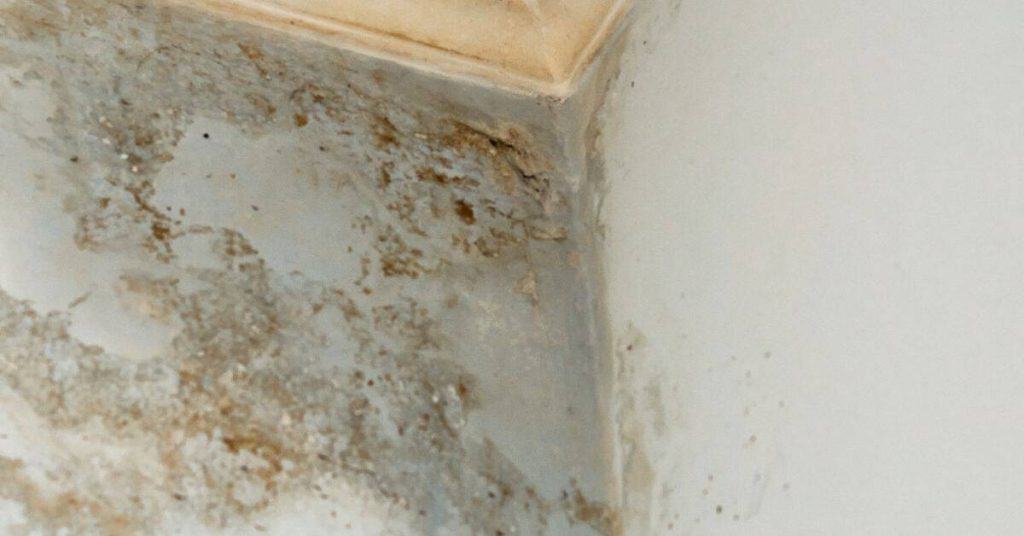
Spotting hidden water damage early is key to preventing bigger issues down the line. Look for stains on ceilings, walls, or floors—especially around windows, doors, and corners where moisture tends to collect.
Bubbling paint, peeling wallpaper, and warped flooring are also clear signs of trouble. Don’t ignore musty odors; they often indicate hidden mold growth behind finishes. Pay attention to condensation on windows and walls, especially in bathrooms or kitchens—this can be a sign of poor ventilation or high humidity.
Efflorescence—a powdery residue on masonry—is another indicator that moisture is moving through your home’s structure. Keep an eye out for these signs during routine checks to catch issues before they become major problems.
Tools and DIY detection methods
To detect hidden water damage, you need the right tools. Start with a consumer-grade moisture meter to check wood for dampness. Set it to measure wood moisture content; aim for below 19%.
- Mold testing kits: These help identify mold spores in the air or on surfaces. Use them if you suspect hidden mold growth but can’t see it.
- Infrared camera: Detects temperature differences, showing where moisture is hiding behind walls or under floors. Rent one for a few days to scan your home’s critical areas.
- Toilet dye test: Drop food coloring into the tank and check the bowl after 10 minutes. If you see color in the bowl, there’s a leak—fix it pronto!
- Hygrometer: Measures indoor humidity levels; aim for around 30-50% RH to prevent mold growth.
- Mold inspection checklist: Use this to systematically check your home’s critical areas. Focus on basements, crawlspaces, and bathrooms first.
Health impacts and when to call a pro
Mold can cause serious health issues like respiratory problems, allergies, and asthma attacks. If you spot visible mold or persistent musty odors, it’s time to act fast.
If your home has high humidity levels (above 50%), consider using dehumidifiers to reduce moisture. Poor ventilation is a major risk factor for mold growth—ensure all areas have proper airflow.
When in doubt, call a professional water damage restoration company. They can assess the situation and provide safe remediation services if needed. Don’t wait until health issues arise; address any signs of hidden water damage immediately to protect your home and family’s well-being.
Prevention, mitigation, and emergency response for homeowners
This section covers keeping water out of your home with a practical prevention plan: a simple maintenance checklist, smart upgrades, and a ready emergency response. It highlights a maintenance routine for filters, vents, gutters, and downspouts; home upgrades like sealants, a sump pump with battery backup, and backflow preventers; and landscape grading that directs water away from the foundation. It also includes an actionable emergency response plan you can adapt to your home.
Knowing the water types and failure points helps you target fixes for roofs, plumbing, basements, and crawl spaces. Use the editable prevention checklists, upgrade timelines, seasonal checklists, and an emergency plan template to prioritize actions, reduce damage, and support quick decisions when a flood threat hits. Check the product labels and local guidance for exact instructions, and reference insurance considerations and mitigation steps that can lower claims over time.
Routine maintenance checklist and retrofit priorities
Use this checklist every spring to prevent water damage before the rainy season.
- Clean gutters: Check for debris. Clogged gutters can overflow, causing foundation issues.
If skipped: Water pools around your home’s base. - Inspect vents: Look for cracks or missing screens. Ventilation is key to prevent moisture buildup.
If skipped: Mold and mildew thrive in damp conditions. - Check downspouts: Ensure they direct water away from the foundation. Downspouts should extend at least 6 feet from your home.
If skipped: Water can seep into basements or crawl spaces. - Seal cracks: Fill any gaps in walls and floors with waterproof sealant. Cracks let moisture in, leading to structural damage.
If skipped: Moisture enters the structure causing long-term issues. - Install sump pump: A battery-powered backup ensures continuous protection during power outages.
If skipped: Flooding can occur if your primary system fails. - Grade landscape: Ensure soil slopes away from your home’s foundation to prevent water accumulation.
If skipped: Water pools around the house, leading to basement flooding. - Inspect roof: Look for missing or damaged shingles. A leaky roof can cause significant damage over time.
If skipped: Roof leaks can lead to extensive interior damage. - Check appliance hoses: Inspect for wear and tear, especially washing machines and dishwashers.
If skipped: Burst pipes can flood your home in minutes.
Quick rule: Regular maintenance is cheaper than repairs after water damage strikes.
Emergency steps during and after an event
When a flood or leak occurs, act fast. First, shut off the main water valve to prevent further damage.
Next, turn off electricity at your home’s breaker box to avoid electrical hazards. If you’re unsure how to do this safely, call a professional immediately.
Document everything by taking photos and videos of the affected areas. This will be crucial for insurance claims and restoration estimates.
Use fans and dehumidifiers to dry out wet areas as quickly as possible. Rapid drying can prevent mold growth and structural damage.
Tools, materials checklist and hiring pros
This list helps you prepare for temporary water mitigation before calling in professionals.
- Sandbags: Stack them around entry points to block floodwaters. Essential for immediate protection.
If skipped: Water can enter your home unchecked. - Tarpaulins: Cover damaged areas to prevent further moisture intrusion. Quick and effective solution.
If skipped: Damage worsens, leading to more costly repairs. - Pump system: Rent a powerful pump to remove standing water quickly. Essential for basement flooding.
If skipped: Water remains, causing extensive damage. - Mold inhibitors: Apply these after drying to prevent mold growth. Vital for post-flood cleanup.
If skipped: Mold can spread rapidly, affecting your health and home’s value. - Drywall saw: Cut out wet sections of drywall to speed up drying time. Necessary for rapid recovery.
If skipped: Wet walls take longer to dry, increasing mold risk.
Quick rule: Always hire certified professionals for major repairs and restoration work.
Types of water damage
Water damage in concrete is best understood in three types: clean, gray, and black water, each with different risk levels for floors, walls, basements, and joints. The main sources are plumbing leaks, appliance failures, roof or gutter seepage, foundation cracks, and hydrostatic pressure, and water moves through concrete via pores and capillary action. Look for staining, efflorescence, or spalling as telltale signs that moisture is wicking and damaging the surface or embedded structures.
Expect to test in concrete environments with visual checks, moisture meters, and humidity readings, plus watching for moisture migration into adjoining materials. Act quickly with containment, controlled drying, dehumidification, and temporary barriers, but stop short of risky interventions that could cause more damage if you’re unsure. If you see structural cracks, large seepage, mold inside wall cavities, or moisture persists after basic mitigation, bring in a pro and check insurance implications; for prevention, focus on surface sealing, proper grading, sump pump maintenance, and routine inspections.
Recognizing water-damage categories (clean, gray, and black water) and their safety implications
Clean water damage is the least harmful but can still cause significant structural issues if left unattended. It comes from sources like burst pipes or rainwater that don’t pose immediate health risks.
Gray water falls in between clean and black water, often originating from washing machines or dishwashers. This type of water contains contaminants and may carry bacteria, making it unsafe for direct contact without proper protection.
Black water is the most dangerous, typically resulting from sewage backups or floodwaters contaminated with chemicals and pathogens. It requires immediate containment to prevent health hazards like infections and respiratory issues.
When dealing with any type of water damage, safety first. Wear protective gear such as gloves, masks, and boots before touching affected materials. Contain the area to stop further spread and call in professionals if unsure about handling black or gray water safely.
Early warning signs and immediate mitigation steps for all types of damage
The first sign of trouble is often visible staining, efflorescence (white powder on concrete), or musty odors. These are red flags that water has infiltrated your home.
Once you spot these indicators, act fast to prevent further damage. Start by shutting off the main water supply and electricity if necessary to avoid electrical hazards.
Contain the affected area with plastic sheeting and dehumidifiers to control moisture levels. Use fans to circulate air and speed up drying times. A simple checklist can help you stay organized: turn off utilities, contain damage, start drying immediately.
Maintaining a routine inspection schedule is key to catching issues early before they escalate into major problems. Regular checks for leaks around plumbing fixtures or signs of water intrusion in basements are crucial preventive measures.
Conclusion
Water damage isn’t just a nuisance—it hurts safety, durability, and curb appeal. The steps you take now protect your home from costly repairs and hidden health risks.
Make this your practical plan: check for signs after storms or heavy rain, start a fast drying and monitoring routine, document every finding and fix, and keep insurance and contractor notes in one place. Start with a small, controlled check in a quiet area, then move to the basement, attic, and around major appliances. Verify detectors work, seal and redirect leaks, remove standing moisture, and track progress until the area stays dry.
Common mistakes to avoid are pushing through drying or repairs without verifying moisture levels, using heat or blowers too aggressively in fragile spaces, and ignoring hidden leaks behind walls or under floors. Safety rules are simple: test first in a small spot, shut off water if you suspect a supply line, and never mix quick fixes with long-term prevention. If you see mold growth, signs of structural rot, or electrical hazards, pause and call in pros.
If a situation involves major flooding, complex plumbing, widespread mold, or uncertain insurance coverage, don’t push on alone. A qualified professional can prevent costly mistakes and shorten restoration time. Stay focused, stay safe, and act now to protect your home’s future and value.
FAQ
How common is water damage for homeowners?
Water damage is one of the top headaches for homeowners. Claims cost thousands on average, and many go unreported until it’s too late.
How fast can water damage happen?
Water spreads quickly once a leak starts. In minutes, it can soak drywall, warp wood, and set up mold in damp spots.
Which areas are most at risk?
Bathrooms, kitchens, basements, and laundry rooms see the most leaks. Cold snaps crack pipes, and poorly maintained gutters overflow into the house.
What can I do to protect my home?
Fix leaks fast. Install a shut-off valve and water alarms on main lines and under sinks. Do regular inspections so small problems don’t turn into big floods.