
Introduction
A well-planned roofing project starts with understanding the timeline. Knowing how long each phase takes helps you schedule your work, order materials, and plan for weather changes.
This guide walks you through the duration of common roofing tasks, from preparation to completion, so you can set realistic expectations and stay on track.
The Roofing Timeline: Step-by-Step Duration
The total time for a roofing project depends on several factors, including the size of your roof, the type of material used, and any existing damage. Here’s a breakdown of each phase:
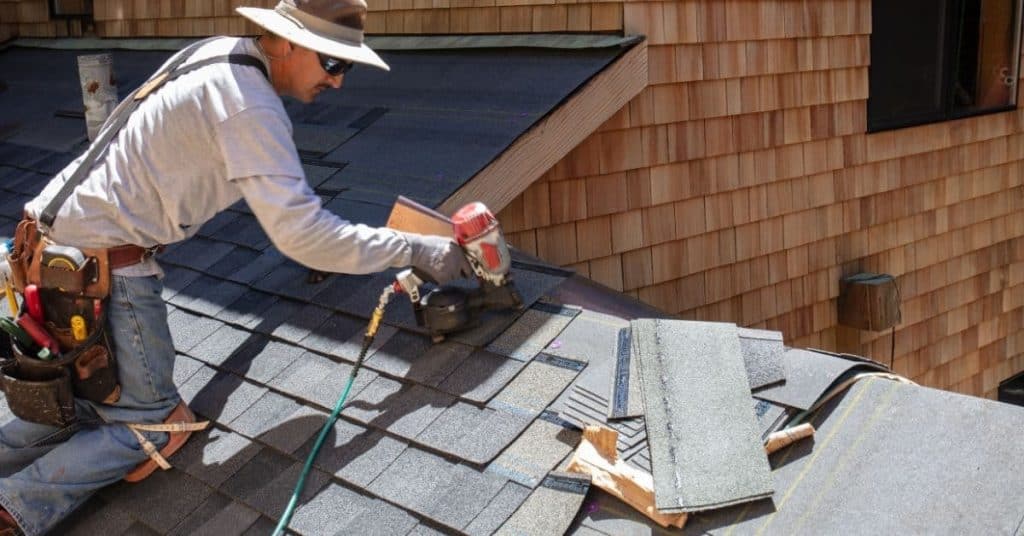
- Preparation (1-3 days): This includes removing old materials, inspecting the roof structure, and preparing the surface for new installation.
- Underlayment Installation (1 day): Installing a waterproof barrier to protect your roof from moisture.
- Shingle or Tile Installation (2-4 days): The duration varies depending on the material. Asphalt shingles are typically faster, while tiles can take longer.
- Ridge Capping and Flashing (1 day): Installing ridge caps to protect the peaks of your roof and applying flashing around chimneys, vents, and other openings.
- Cleanup (1-2 days): Removing debris and ensuring your property is clean and safe.
The total duration for a typical residential roofing project ranges from 3 to 7 days. However, this can be extended due to weather delays or complex repairs.
Key takeaways
Proper preparation is key to staying on schedule. Allow enough time for inspecting your roof and gathering materials before starting any work.
- Prioritize weather window planning; avoid work during rain, wind, or extreme heat.
- Verify local codes and permits before starting any roof project.
- Inspect materials for damage on arrival; reject defective shingles or underlayment.
- Get written warranty terms and understand coverage periods and exclusions.
- For DIY, assess risk vs. professional help; retain safety gear and fall protection.
- Compare contractor credentials; request licenses, insurance, and multiple project references.
Table of Contents
- Introduction
- Key takeaways
- Roofing Industry Overview and Current Market Size
- Common Roof Types and Material Performance Stats
- Installation, Repair, and Replacement Frequency
- Cost Statistics and Budgeting Guidance
- Safety, Insurance, and Liability Statistics
- Energy Efficiency, Sustainability, and Environmental Impact Data
- Contractor Quality, Warranty, and Fraud Statistics
- DIY Vs. Professional Roofing: Risk and Success Rates
- Conclusion
- FAQ
Roofing Industry Overview and Current Market Size
The roofing field is shaped by growth in new construction, home renovations, and demands for durability. You’ll see how market size reflects activity across residential and commercial projects. This section helps homeowners understand why statistics matter for planning and budgeting.
Look for guidance on where to verify figures—manufacturer reports, trade associations, or local building data—to interpret trends accurately. I’ll keep the discussion grounded in practical implications for you as a homeowner or DIYer working with a contractor.
Market segmentation by material and service
The roofing market is segmented by the type of material used and the services provided. The right material choice affects your home’s appearance, durability, and energy efficiency.
- Asphalt shingles: Common, affordable. Look for 20-30 year warranties. Avoid in high-heat areas due to cracking.
- Metal roofing: Durable, long-lasting. Consider PVDF or Kynar 500 coatings for longevity. Not suitable for low-pitch roofs.
- Tile (clay/ concrete): Premium, durable. Check for frost resistance in cold regions. Heavy, requires proper support.
- Slate: Luxury, long-lasting. High initial cost but can last over 100 years. Fragile, needs careful handling.
- Installation services: New roof installation. Ensure contractors are licensed and insured for quality workmanship.
- Repair services: Fixing leaks, damaged areas. Regular maintenance extends your roof’s lifespan.
- Replacement services: Full roof replacement when repairs aren’t feasible. Consider upgrading to better materials.
Regional and seasonal demand patterns
The demand for roofing services varies geographically and seasonally, driven by climate, natural disasters, and local building trends.
Climate plays a significant role. In cold regions, ice dams and snow loads impact roof choice and maintenance needs. Hot climates require materials that reflect heat and resist cracking.
Natural disasters, like hurricanes or hailstorms, spike demand for repairs and replacements in affected areas.
Building trends also influence local markets. For instance, the growing popularity of solar panels has increased demand for roofing materials that can accommodate them.
Common Roof Types and Material Performance Stats
Different roof types behave differently in wear, climate, and maintenance needs. We’ll outline the main options and what to expect from each in plain terms. This helps you weigh durability, cost, and energy use without getting lost in tech notes.
For performance figures like life spans or energy ratings, verify with product labels, data sheets, or manufacturer guidelines. I’ll point out practical ranges and what to check when you’re comparing bids.
Asphalt Shingle Statistics and Performance
Asphalt shingles are a popular choice among homeowners due to their affordability and wide range of styles. Here’s what you need to know about their performance:
Lifespan: Typically lasts 20-30 years, depending on climate and installation quality.
Market Share: Accounts for around 75% of residential roofs in the U.S., making them the most common choice.
Cost: Ranges from $1.50 to $4 per square foot, installed.
Pros/Cons: Inexpensive and easy to install (pro), but less durable than other materials (con).
Metal, Tile, and Alternative Materials Comparison
Choosing the right roofing material is crucial for longevity and performance. Here’s a quick comparison:
- Metal Roofs: Durable (lasts 40-70 years), energy-efficient, but more expensive ($5-$12 per sq ft). Avoid in areas with frequent hail.
- Tile Roofs: Long-lasting (50-100 years), fire-resistant, but heavy and costly ($6-$14 per sq ft). Not suitable for all roof structures.
- Slate Roofs: Extremely durable (75-200 years), natural look, but very expensive ($8-$20 per sq ft) and heavy.
- Synthetic Shingles: Inexpensive alternative to slate or tile, lasts 30-50 years, but may not be as durable as real materials.
- Solar-Integrated Roofs: Combines energy production with roofing, expensive ($10-$20 per sq ft), but can save on electricity bills long-term.
Installation, Repair, and Replacement Frequency
Roofs don’t last forever, and timing often hinges on climate, maintenance, and quality of install. We’ll cover typical life cycles and how wear shows up in real life. This context helps you plan budgets and service intervals with reasonable expectations.
Common repair triggers and replacement rates vary by material and use. Always confirm any timing claims with manufacturer instructions or local code guidance before scheduling work.
Typical causes of roof failure and repair rates
Roofs fail due to a few common reasons. Age is the most obvious one. Most roofs last around 20-30 years, depending on material.
Weather plays a big role too. Extreme heat, cold, wind, and rain can all cause damage over time. Hail can be particularly destructive.
Poor installation is another common culprit. A shoddy job at the start means trouble down the line. Studies show that around 60% of roof failures are due to installation errors or defects.
When to repair vs. replace: data-driven guidance
Deciding between repair and replacement can be tough. Here are some stats that might help:
If less than 30% of your roof is damaged, repairs are usually the way to go. But if it’s more than that, you’re better off replacing.
Another indicator is remaining lifespan. If your roof has 10-20 years left on its expected life, repair might be best. But if it’s older than that, replacement could be the smarter choice.
Cost Statistics and Budgeting Guidance
Budgeting for roofing means understanding what drives price beyond the sticker quote. We’ll describe broad cost factors like material choice, roof complexity, and labor scope. This sets a frame for realistic estimates from pros or DIY efforts.
When you see numbers tied to costs, use them as references and verify on product labels, supplier quotes, or contractor breakdowns. I’ll suggest safe ranges to consider while you compare options.
Cost drivers and regional price differences
The cost of roofing varies greatly depending on several factors. Let’s break them down.
Materials make up a significant chunk of your budget. Asphalt shingles are the cheapest, while metal or tile can double or triple that cost.
Labor is another big driver. It varies by region – expect to pay more in cities with higher cost of living.
The complexity of your roof also matters. Steep slopes, multiple dormers, or skylights increase labor time and thus price.
Return on investment and resale impact
Replacing your roof can bring a solid return on investment. According to Remodeling Magazine’s Cost vs. Value report, you’ll recoup around 60% of costs nationwide for an asphalt shingle replacement.
Upgrading your roof can also boost your home’s resale value and curb appeal. Buyers prefer well-maintained roofs – it signals a cared-for home overall.
High-end materials like metal or tile can add even more value, but they might not be cost-effective for all homes or locations. Do your research to find the sweet spot in your market.
Remember, ROI and resale impact vary by location. What works in one area may not in another. Always consider local trends and preferences.
Safety, Insurance, and Liability Statistics
Roof work carries inherent safety risks, and insurance plays a big role in protecting you and workers. We’ll summarize general trends that matter for planning and risk management. This helps you discuss coverage and safety with your crew or contractor.
Check claims trends and liability information with your insurer or state or local authorities to confirm requirements. Use this section to guide questions you should ask before starting a project.
Roofing-related accident and injury data
Roofing work is physically demanding and dangerous. Falls are the leading cause of accidents, accounting for over 70% of injuries.
In 2019 alone, there were 146 fatal falls in construction, with roofers making up a significant portion.
Other common hazards include electrocution from power lines, burns from hot tar, and cuts or punctures from tools. Always use proper safety gear like harnesses, hard hats, and non-slip boots.
Insurance claims, coverage trends, and what homeowners should check
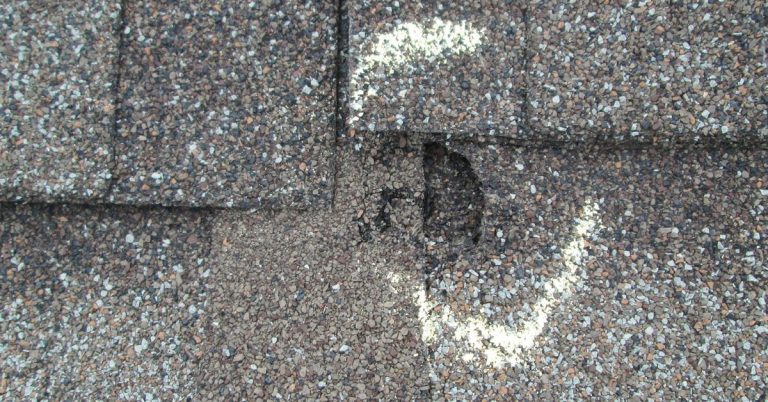
Most roofing insurance claims are due to storm damage (wind, hail, rain). According to the National Oceanic and Atmospheric Administration, insured losses from severe weather events have been increasing.
Between 2010 and 2019, the average annual cost of these claims rose by over 50%, reaching $38 billion in 2019.
When reviewing your policy, ensure you’re covered for:
- Wind and hail damage
- Water damage from leaks (but note that some policies exclude this)
- Roof replacement or repair costs
- Living expenses if your home becomes uninhabitable during repairs
Energy Efficiency, Sustainability, and Environmental Impact Data
Roofing choices affect heating and cooling needs, and thus long-term energy use. We’ll compare how common materials perform in insulation and heat gain control. This helps you align a roof with comfort and utility bills in mind.
For eco metrics or sustainability claims, verify from product data sheets or manufacturer sustainability reports. I’ll point out practical implications you can discuss with suppliers and installers.
Energy savings and cool roof statistics
Cool roofs can save you big on energy bills. Here’s how:
Reflective coatings can cut heat gain by up to 70%. That means less air conditioning use, especially in hot climates.
Insulation upgrades also make a difference. Proper attic insulation can reduce heating and cooling costs by 20-30%. Payback periods vary but often range from 1-4 years.
Recyclability and lifecycle environmental impacts
Different roofing materials have different end-of-life stories. Here’s a quick compare:
Asphalt shingles, the most common, aren’t easily recycled. Most end up in landfills.
Metal roofs, on the other hand, are 100% recyclable at the end of their long lives (50+ years). They also reflect heat and reduce energy use.
Clay and concrete tiles are heavy but durable. Some can be recycled or reused, reducing waste. Their production has a higher carbon footprint though.
Contractor Quality, Warranty, and Fraud Statistics
Not all roofers perform the same, and warranties vary in coverage. We’ll highlight how contractor reliability shows up in outcomes and service terms. This equips you to vet providers and avoid surprises.
Look for this information in written warranties and contractor disclosures, and verify with the manufacturer or trade associations if needed. I’ll suggest specific questions to help you separate solid bids from risky ones.
Warranty types, typical coverage, and claim rates
Roofing warranties come in two main types: manufacturer and workmanship. Manufacturer warranties cover defects in materials, while workmanship warranties cover installation errors.
Manufacturer warranties typically last 20-50 years, depending on the material. They usually require proper maintenance to remain valid. Common reasons for denial include improper installation or lack of maintenance.
Workmanship warranties, offered by contractors, usually last 1-10 years. They cover labor and installation costs. Claims may be denied due to storm damage or normal wear and tear.
Prevalence of roofing scams and red flags
Roofing scams are common, especially after severe weather events. The Better Business Bureau reports a rise in complaints about roofing contractors each year.
Common scam tactics include:
- Door-to-door solicitation with high-pressure sales tactics.
- Lowball estimates followed by steep price increases once work begins.
- Demanding full payment upfront.
Red flags to watch for include lack of a physical address, no licensing or insurance, and refusal to provide references or proof of insurance. Always check credentials and get multiple estimates.
DIY Vs. Professional Roofing: Risk and Success Rates
Choosing between DIY and hiring a pro changes risk, timing, and cost. We’ll compare typical safety considerations and potential results from each path. This framing helps you decide based on practical realities rather than assumptions.
Always verify local rules, permit requirements, and insurance implications before any self-work or contractor engagement. I’ll keep the discussion focused on what to check and how to weigh success rates against your own experience and tools.
When DIY is appropriate and safe practices
DIY roofing isn’t always the best choice, but for simple tasks, it can save you money. Here are some low-risk jobs suitable for homeowners:
Inspecting your roof: You can do this safely with a pair of binoculars from the ground or using a ladder to get a closer look.
Cleaning gutters: This task only requires a ladder, gloves, and some elbow grease. Be sure to use a sturdy ladder and have someone spotting you.
Always remember:
- Wear appropriate safety gear like a harness when working at heights.
- Never work on a wet or icy roof.
- Keep your tools in good condition to prevent accidents.
Benefits of hiring licensed professionals
While DIY might seem appealing, there are significant benefits to hiring a licensed professional:
Longevity and durability: Licensed contractors have the training and experience to ensure your roof lasts. They know how to install materials correctly, preventing leaks and other issues.
Warranty protection: Many manufacturers require that their products be installed by licensed professionals for warranty coverage. This protects you in case of defects or improper installation.
Fewer callbacks: Licensed contractors are less likely to make mistakes, reducing the need for follow-up repairs and saving you time and money in the long run.
Conclusion
Starting with safety and a clear plan keeps your roof durable, looks right, and saves you money in the long run. Know the common types and their performance, and match your approach to the roof’s age, exposure, and energy goals.
Do this: inspect the roof surface and edges for damaged shingles or flashing, check for leaks inside and around vents, verify attic insulation and ventilation, estimate material needs using square footage plus waste factor, budget for the expected labor and permits, and schedule a fall or dry season inspection after any major weather event. If you are unsure, get a professional opinion before you cut or seal anything. Start small—test a hidden area with a simple patch, then expand only if you’re confident and weather is cooperative, and always use proper fall protection when working on slopes. Put safety first and document any findings for future repairs or warranty claims.
Common mistakes to avoid are rushing repairs in wet weather, ignoring flashing or attic ventilation, and skimping on underlayment or proper fasteners. Always use footwear with good grip, keep the work area clear, and resist the urge to climb on a tired ladder or to pry loose one shingle without replacing its sealant or waterproofing. If a job requires height, long-term sealing, or structural work, consider hiring a pro; otherwise, proceed only with a solid plan, the right tools, and a second set of eyes to spot hidden issues.
In the end, know when to call a contractor—if the roof is heavily aged, the slope is steep, or there are widespread leaks, flashing failures, or structural concerns, bring in a licensed roofer for a proper assessment and warranty-backed work. Stay deliberate, stay safe, and you’ll protect your home’s shell and your budget while you finish strong.
FAQ
What are common signs a roof may need replacement vs repair?
Look for widespread leaks, failing shingles, curling edges, and obvious structural sag. If you see multiple problem areas, or water damage inside, it’s time to evaluate replacement. Always check manufacturer guidance and local rules before any major decision.
How do I choose between asphalt, metal, or other roof types for a DIY project?
Consider local climate, roof pitch, and your budget. Asphalt is common and easier to install for many DIYers; metal can last longer but may require different fasteners and underlayment. Always follow product labels and install instructions, and verify any local requirements.
What safety steps are essential when inspecting or working on a roof?
Use sturdy footwear, fall protection if the roof is steep or high, and never work alone in risky conditions. Keep a clean workspace and secure tools. If in doubt, pause and consult manufacturer guidelines and local regulations.
How can I estimate roof life and plan maintenance without exact numbers?
Look for a maintenance schedule and obvious wear patterns, then set conservative intervals for inspections and minor repairs. Check warranty terms and manufacturer recommendations for suggested service windows. For any spec, rely on the product label, datasheet, or installer instructions.