

Introduction
What’s new in residential roofing materials is the latest mix of options that affect durability, price, and how easy a roof is to install. In plain terms, you’ll see traditional shingles alongside metal offerings that emphasize longer life or unique looks, with practical tradeoffs. As you plan, look for manufacturer guidance, local codes, and what your roof needs in terms of slope, weather, and maintenance.
Standing seam metal roofing can give a sleek, weather-tight look when installed correctly. Its pros and cons hinge on seam details, substrate, and fasteners, so check manufacturer instructions and local rules for your project. Stamped metal shingles mimic traditional looks, but confirm weight, attachment methods, and compatibility with your roof structure.
Key takeaways
- Standing seam metal roofs resist wind and rain but require professional seam maintenance.
- Stamped metal shingles mimic traditional tiles with lighter weight and easier install.
- Asphalt remains budget-friendly but shorter life; inspect for curling and granule loss.
- Tile and slate offer durability but require roof structure checks for weight.
- Choose vents, underlayment, and insulation compatible with your roofing to prevent condensation.
- Safety: never walk a roof in wet conditions; use fall protection systems.
Table of Contents
- Introduction
- Key takeaways
- Quick Overview of Current Roofing Options
- Deep Dive: Metal Roofing Types and Tradeoffs
- Non-Metal Materials: Asphalt, Tile/Slate, Wood, and Composites
- Durability, Maintenance, and Safety Considerations
- Cost Factors and Long-Term Value
- Local Rules, Codes, and HOA Considerations
- Environmental Impact, Energy Performance, and Incentives
- Common Homeowner Mistakes and How to Avoid Them
- Conclusion
- FAQ
Quick Overview of Current Roofing Options
Define the core roofing categories for residential homes, including asphalt shingles, metal variants, tile or slate, wood shakes, and synthetic/composite options. Note baseline performance traits like durability, aesthetics, cost, and installation complexity for each type.
Highlight recent innovations and coatings across these categories, such as cool-roof products, reflective finishes, polymer-modified shingles, metal coatings, and synthetic materials. Discuss what these mean for DIYers in terms of options, maintenance, and expected results. Outline practical decision factors readers will care about, including climate, roof pitch, home style, local codes, budget, and maintenance expectations, and how these influence material choice. Briefly address installation readiness, venting, underlayment compatibility, weight concerns, and roof deck condition, while advising professional assessment where needed. Set expectations for deeper sections to follow, such as pros/cons, lifecycle costs, maintenance tips, and material-specific gotchas, and flag common issues like maintenance schedules, warranty caveats, and color fading. Include a quick visual aid idea, like a simple grid or checklist, to preliminarily narrow options before diving deeper.
What counts as ‘new’ or trending
When we say ‘new’ or ‘trending’, we’re talking about recent advancements and innovations in residential roofing materials. This isn’t just about new products hitting the market, but also about established materials gaining wider popularity due to improved performance or cost-effectiveness.
For instance, advanced coatings like cool-roof products are trending because they help reduce energy costs by reflecting heat away from your home. Engineered composites and wider adoption of metal variants are also big trends.
To verify if a product is truly new or just a rebrand, look for its introduction date on the manufacturer’s website or check industry publications that cover new products. Ask your local supplier when they started stocking it.
How to use this guide
This guide is designed to help you make an informed decision about your roofing material based on your priorities. Here’s how to navigate:
Budget-conscious? Start with the cost comparison and installation complexity sections. We’ll break down upfront costs and long-term value for each material.
Looking for longevity? Dive into the durability and lifecycle cost sections. We’ll discuss expected lifespans and maintenance requirements for each option.
Concerned about appearance or sustainability? Check out the aesthetics and eco-friendliness sections. We’ll cover how different materials look and their environmental impact.
Need to comply with local rules? Refer to the building codes section. We’ll outline what you need to know about local regulations for each material.
Deep Dive: Metal Roofing Types and Tradeoffs
Map the section around key metal options—standing seam, stamped metal shingles, zinc, aluminum, copper, and painted/coil-coated panels—and compare aesthetics, longevity, maintenance, and installation differences side by side. Provide quick-reference pros and cons for each type to help readers scan fast.
Offer practical guidance on when to choose each type for residential projects, citing typical applications such as standing seam for long life or coastal/high-UV areas, and zinc/aluminum/copper accents for premium looks. Include installation considerations like substrate prep, seam versus panel fastening, insulation/ventilation impact, flashing details, and retrofit versus new-build constraints. Address performance factors by material, including corrosion resistance, thermal expansion, weathering, wind uplift, fire rating, and maintenance cycles, plus expectations for warranties and life spans. Outline cost and lifecycle considerations with rough order-of-magnitude ranges and how coating or refresh needs factor in. Provide practical gotchas and installation pitfalls, such as slope limits, deck/rafter compatibility, sealant choices, and the value of reputable installers and proper flashing. Conclude with finish options, color longevity, and a small decision aid to pick the right metal type.
Standing Seam vs Stamped Metal Shingles
When it comes to metal roofing, you’ve got two main styles: standing seam and stamped metal shingles. Let’s dive into their differences.
Standing Seam: These roofs have vertical panels with raised seams that run vertically up the roof. They’re known for their sleek, modern look and durability. They require minimal maintenance but need proper installation to prevent water intrusion. Ideal for contemporary or industrial-style homes on slopes of 2:12 or steeper.
Stamped Metal Shingles: These mimic the look of traditional asphalt shingles or slate tiles. They offer a more classic aesthetic and can be used on lower-pitched roofs (as low as 3:12). Maintenance is similar to standing seam, but they may show dirt or discoloration over time.
Specialty Metals: Zinc, Copper, and Aluminum
For a touch of luxury, consider these premium metal options. Each has its unique properties:
Zinc: Known for developing a natural patina over time, zinc roofs are low-maintenance but more expensive. They’re ideal for historic or high-end homes.
Copper: Another premium choice, copper develops a beautiful green patina and is highly durable. It’s often used in accents or on high-end projects due to its cost.
Aluminum: Lightweight and corrosion-resistant, aluminum is great for coastal areas. It can be painted to match any color but may show scratches during installation.
Coatings and Finishes: PVDF, Kynar-Like, Cool-Roof Paint
Modern metal roofing often comes with advanced coatings for added protection and performance:
PVDF (Polyvinylidene Fluoride) & Kynar 500: These high-end coatings provide excellent UV resistance, longevity, and warranty transferability. They’re ideal for long-life, low-maintenance roofs.
Cool-Roof Paint: This reflective paint reduces energy costs by reflecting sunlight away from the roof. It’s great for hot climates but may require reapplication every 5-10 years.
Always verify coating specs to ensure you’re getting what you pay for.
Non-Metal Materials: Asphalt, Tile/Slate, Wood, and Composites
Compare non-metal options—asphalt shingle, tile/slate, wood shakes or shakes, and composites or engineered materials—by durability ranges, typical lifespans, climate suitability, and maintenance needs. Note how each material fits different budgets and performance expectations.
Cover structural implications and install considerations, including weight per square foot, required deck/rafter reinforcement, attic ventilation impact, underlayment choices, and common fastening methods. Discuss aesthetic options and how profiles, textures, and colors suit various home styles and neighborhoods. Identify pros, cons, and common gotchas like fire ratings, hail resistance, moisture risks, wind uplift, noise, and potential insurance or code implications. Include real-world use cases such as asphalt for budget builds, tile/slate for Mediterranean climates, wood for rustic or premium looks, and composites for longevity with variable climates. End with a decision framework and gotchas, including life-cycle costs, warranty terms, installer expertise, slope requirements, and disposal considerations.
Asphalt shingle updates and architectural options
Modern asphalt shingles have come a long way. Today, you’ve got options like architectural, laminate, and fiberglass-backed varieties.
Architectural shingles are thicker, with added dimension for a more premium look. They last longer too – up to 50 years with proper maintenance.
Laminate shingles have multiple layers fused together, boosting durability and wind resistance. Check warranties; some offer lifetime coverage against manufacturing defects.
Fiberglass-backed shingles are stronger, more fire-resistant, and can withstand higher winds. Always check the Class A fire rating for peace of mind.
Tile and natural slate
Tile and natural slate roofs are built to last – centuries even. But they’re heavy, so your structure needs to handle it. Expect to reinforce rafters and decking.
Clay tiles are traditional, durable, and energy-efficient due to their thermal mass. They work great in hot climates but can crack in freezing temperatures without proper installation.
Concrete tiles mimic the look of clay at a lower cost. They’re heavier though, so check your structure’s load-bearing capacity.
Slate is pricey but incredibly durable and beautiful. It’s suitable for historic homes or high-end builds. Always use experienced installers to avoid damage during installation.
Wood shake and synthetic composites
Real wood shakes offer a rustic, natural look that’s hard to beat. But they require regular maintenance – think staining, sealing, and cleaning.
Cedar is the most popular choice due to its rot resistance and longevity. It’s pricey though, and fire-resistant treatments can be costly too.
Synthetic composites mimic wood’s look but need none of the maintenance. They’re made from recycled materials, making them eco-friendly. Plus, they won’t rot or split like real wood.
Fire resistance is a concern with both real and synthetic wood. Always check fire ratings and consider Class A for safety. And remember, some insurance companies may require it.
Durability, Maintenance, and Safety Considerations
Describe real-world lifespan determinants such as installation quality, local climate, ventilation, moisture control, and ongoing maintenance practices. Emphasize how these factors interact to influence longevity.
Explain routine maintenance tasks, inspection frequency, gutter cleaning, debris removal, branch trimming, moss control, sealant checks, and vent penetrations. Address safety risks during installation and homeowner inspections, including fall hazards, ladder stability, surface conditions, electrical or ventilation hazards, and personal protective equipment recommendations. Encourage following manufacturer and contractor guidance for maintenance schedules and warranty requirements. Offer decision points for action, such as red flags that trigger a professional assessment and how to coordinate with a licensed roofer for safe inspection or repairs.
Maintenance checklists by material
Regular maintenance is key to extending your roof’s lifespan. Here are tailored checklists for common materials.
- Asphalt shingles: Inspect for curling, cracking, or missing tabs; check fasteners and sealant around vents/stacks every 6 months.
- Metal roofs: Look for rust, dents, or loose panels; inspect sealants around penetrations annually.
- Tile/slate: Check for cracked or broken tiles; ensure mortar is intact at hips and ridges every year.
- Wood shakes: Inspect for warping, splitting, or missing shingles; clean debris from valleys twice a year.
Quick rule: Always follow your specific roof material’s maintenance schedule provided by the manufacturer.
Safety and fall-prevention best practices
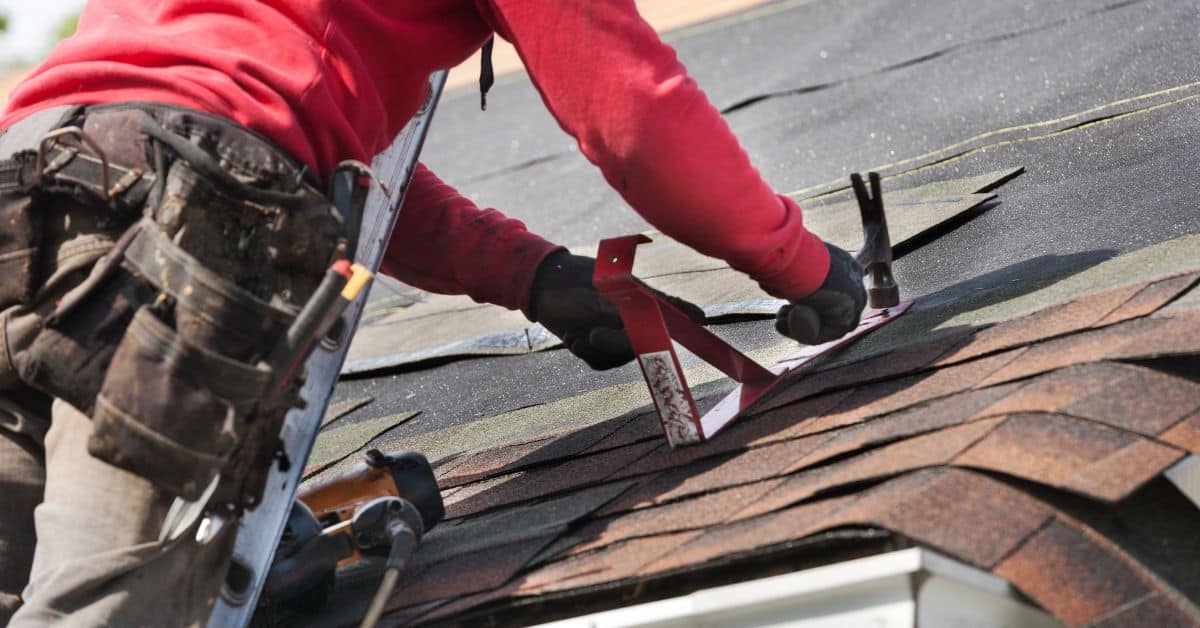
Roof work is dangerous. Hire professionals for any major tasks. If you must go up there, use a stable ladder, secure it at the top, and wear non-slip shoes.
Never: Work on a wet or icy roof. Always have someone with you in case of emergencies.
If you notice soft spots, persistent leaks, or loose fasteners, stop. Call a licensed roofer for an inspection.
When poor installation causes premature failure
Improper installation can shorten your roof’s lifespan. Here are common errors to watch out for:
Flashing: Inadequate flashing around chimneys, vents, and skylights leads to leaks.
Underlayment: Wrong or insufficient underlayment can trap moisture, causing rot and mold.
Fasteners: Using incompatible fasteners can lead to loosening, warping, or even panel failure. Always ensure your roofer uses the right materials for your specific roof type.
Cost Factors and Long-Term Value
Identify primary cost drivers for residential roofing, including material type, roof complexity, tear-off versus overlay decisions, labor, coatings, and warranty terms. Note how each driver tends to scale with size and complexity, without quoting specific prices.
Explain upfront versus long-term value and how initial cost can be offset by longevity, energy efficiency, reduced maintenance, and warranty protections. Include a simple lifecycle-cost framework that compares multi-decade costs rather than just first-year quotes. Provide a practical workflow for estimating local costs, outlining steps to gather material price ranges, installation premiums, and potential savings from overlays or avoided tear-offs. Emphasize getting multiple local quotes, verifying scope, and clarifying warranty coverage and transferability. Discuss risks and hidden costs like permitting, disposal, scaffold rentals, weather delays, and any surcharge for unusual roof geometry or sensitive historic properties.
Tear-off vs Overlay vs Re-roof Considerations
A full tear-off removes the existing roof, allowing for a fresh start. It’s ideal when the old roof has reached its end or if there are structural issues.
An overlay involves laying new shingles over the old ones. It’s cheaper but only allowed if the original roof is in good condition and your local building codes permit it.
A re-roof combines aspects of both, removing some layers and adding new material on top. It’s a balance between cost and structural integrity.
Consider: Your roof’s current state, local codes, and any warranties that may be voided by overlays.
Cost Gotchas and Hidden Expenses
Permit fees can sneak up on you. Check local codes before starting.
Deck repairs might be needed if the old roof’s weight has damaged it. Inspect beforehand.
Ventilation upgrades may be required to meet modern building standards. Factor this in.
HOA or historical homes: Special requirements can add costs. Plan accordingly.
Calculating Long-Term ROI and Resale Impact
Energy-efficient materials can lower utility bills, saving you money over time. Consider the potential energy savings.
A durable roof reduces maintenance costs. Factor in reduced repairs or replacements.
Curb appeal affects resale value. A new roof can boost your home’s market price.
No fixed numbers: ROI varies by location, material, and home specifics. Estimate based on your unique situation.
Local Rules, Codes, and HOA Considerations
Map the regulatory landscape early by identifying applicable building codes (IBC/IRC), fire ratings, wind uplift requirements, ice-damming provisions, and any local amendments that affect roofing materials and fasteners. This helps avoid mismatches later.
Assess material eligibility under code constraints, determining which roofing types suit your climate and roof slope, and note any tests or endorsements that influence selection. Review HOA CC&Rs for approved materials, colors, profiles, and installation methods, and document permit-to-complaint processes to prevent design conflicts. Plan for acceptable underlayment, ventilation, and flashing details mandated by codes or HOAs, and outline inspections and compliance documentation. Create a pre-quote planning checklist covering code/HOA constraints, acceptable product lists, installer qualifications, warranty implications, and documentation needs to keep projects moving smoothly.
Permits, fire ratings, and wind resistance
Before you start any roofing project, check with your local building department. You’ll need to know if a permit is required.
Fire Ratings: Your chosen material must meet the required fire rating for your area. Ask contractors for code-compliant documentation.
Wind Resistance: Ensure your roofing material can withstand typical wind speeds in your region. Most codes require Class F (90 mph) or higher.
Working with your HOA or historic district
If you live in an area governed by a Homeowners Association (HOA) or is part of a historic district, their rules may dictate what roofing materials and colors you can use.
HOA Concerns: Common issues include color, texture, and visible fasteners. Submit samples and product specs to your HOA for approval.
For historic districts, maintain the original look and feel of the neighborhood. Check with local preservation societies or historical commissions for guidelines.
Environmental Impact, Energy Performance, and Incentives
Discuss environmental impact and recyclability by material, end-of-life options, and regional disposal or recycling programs. Note any material-specific considerations that affect landfill diversion and reuse.
Cover embodied carbon and lifecycle thinking, such as manufacturing footprint and material sourcing, and encourage choosing materials with transparent lifecycle data and local fabrication when possible. Explain cool-roof reflectance and thermal performance, including how roof color and finish affect heat gain and cooling load. Describe attic interactions, insulation, and ventilation considerations for energy savings, and outline how to locate rebates, tax credits, and utility programs, along with product EPDs or energy-performance ratings. Provide quick guidance for DIY readers on evaluating existing roof performance and coordinating with pros for ventilation and insulation tweaks to maximize long-term energy savings.
Recycling and disposal options
When it comes to the end of your roof’s life, knowing its recycling potential is crucial. Here’s what you need to know:
Asphalt shingles are the least recyclable, with only about 10% being recycled into asphalt for road paving. Most end up in landfills.
Metal roofs, on the other hand, are highly recyclable – around 95%. Check local recycling centers or scrap yards to find a home for your old metal roofing.
Concrete tiles can be crushed and reused as aggregate in new concrete mixes. Some manufacturers even offer take-back programs for their tiles.
Energy efficiency and cool-roof choices
Cool roofs can significantly reduce energy costs by reflecting sunlight and re-emitting absorbed heat. Here’s how:
Roof reflectance determines how much sunlight is reflected away, while emissivity dictates how quickly a roof releases absorbed heat. High reflectance and emissivity lead to lower attic temperatures and reduced cooling loads.
Consider cool-roof options when replacing your roof, especially in hot climates. Look for ENERGY STAR-rated products or those with high Solar Reflectance Index (SRI) and Thermal Emittance (TE) values.
Incentives, rebates, and certification programs
Many local, state, and federal programs offer incentives for energy-efficient roofing. Here’s how to find them:
Start with your local utility company. They often provide rebates or special financing for energy-efficient upgrades.
Check out ENERGY STAR‘s list of certified products and their website’s rebate finder tool. Also, explore the U.S. Department of Energy’s database of state, local, and utility energy efficiency programs.
Look for third-party certifications like ENERGY STAR, Cool Roof Rating Council (CRRC), or GreenGuard to validate performance claims. These can help you make informed decisions and take advantage of available incentives.
Common Homeowner Mistakes and How to Avoid Them
Identify frequent material-selection errors, such as choosing the wrong roof for climate, load, and maintenance needs, and explain how to verify performance specs and residential suitability. Provide concrete steps for validating material performance data.
Highlight contractor-hiring missteps, including missing licenses or insurance, skipping references, vague scopes, and unclear contract terms. Address warranty and coverage pitfalls, explaining what is guaranteed, transferability, and typical exclusions. Discuss maintenance timing and expectations, emphasizing appropriate inspection intervals and seasonal windows for safe service. Cover code, permit, and warranty gotchas, including local rules and documentation needed for warranty validation. End with a thorough due-diligence checklist before signing, such as written estimates, site assessments, product samples, third-party certifications, installer credentials, lead times, and permit planning.
Choosing based on price alone
The lowest bid isn’t always the best deal. It might mean subpar materials, inexperienced labor, or hidden fees. Ask bidders:
- What’s included in their estimate?
- Are there any additional costs down the line?
- Why are they cheaper than others?
Overlooking ventilation, underlayment, or flashing
These might seem minor but they’re crucial. Inadequate ventilation traps heat and moisture, leading to rot. Poor underlayment lets water in. Skimping on flashing opens up leaks.
Insist on quality materials for these components. They’re cheap insurance against costly repairs later.
Contractor red flags and verification steps
Beware of contractors who can’t show a license or references, or have vague warranty language. Here’s how to verify:
- Check their license with your state’s licensing board.
- Ask for references and follow up on them.
- Read the warranty carefully. Vague terms could mean trouble down the line.
Conclusion
Your roof is a weather shield and a visible part of your home. Pick the option that balances safety, durability, and curb appeal, and plan for a job you can stand behind for years to come.
First, inspect what you already have and know your local rules. Check the current roof type, note any HOA or code requirements, and set a clear budget and schedule. Decide on the material family that fits your climate and maintenance tolerance, verify underlayment and ventilation needs, map out steps from surface prep to finish, and lock in safety gear and fall protection before you set foot on the ladder. Confirm warranties, confirm access to tools you’ll actually use, and plan for debris containment and inspection after any weather events.
Common mistakes to avoid include rushing through underlayment or flashing, skipping a proper safety plan, and ignoring ventilation or insulation needs. Always treat any ladder setup, roof access, or material handling as high risk and use a fall-arrest system, non-slip footwear, and a buddy on the ground. Do not cut corners on fasteners or sealant, and never porch-paint or alter roof edges without knowing drainage implications.
When in doubt, call a pro for critical steps such as structural checks, complex flashing, or high-slope work. If you push ahead, do so with a conservative plan and a hard stop for weather changes. Stay practical, stay safe, and you’ll finish with a roof that protects, lasts, and looks right.
FAQ
What are the key characteristics of standing seam metal roofing?
Standing seam uses tall interlocking panels with concealed fasteners. It expands and contracts with temperature, so clips and seam design matter. Look for manufacturer installation guides to confirm proper support and flashing details.
What are the advantages and disadvantages of standing seam metal roofs?
Advantages include strong weather resistance and a long potential lifespan with minimal maintenance. Disadvantages include higher upfront cost and more complex installation, which can affect retrofit projects. Confirm warranty terms and required substrate prep with the product specs.
What are stamped metal shingles and how do they differ from other metal options?
Stamped metal shingles imitate traditional shingles but are made from metal sheets stamped into shapes. They’re generally lighter and faster to install than loose panels, with a different look and sometimes different edge details. Check the product’s installation notes, warranty, and compatibility with your roof deck.
Do zinc roofs offer real benefits, and what should I check before choosing zinc?
Zinc roofs resist corrosion and develop a natural patina that some homeowners like. They can have a long service life but vary in cost and availability, and not all substrates work the same way. Always verify substrate compatibility, coating/warranty details, and local applicability with the zinc product datasheet or the installer’s instructions.