
Introduction
Precast concrete steps offer a durable, cost-effective option with price factors that matter.
This guide explains how costs are determined, the key advantages, and the practical factors that affect price so you can plan and compare options.
Key takeaways
- Precast steps arrive ready to install, reducing on-site formwork and curing time.
- Costs vary by thickness, tread width, reinforcement, and customization options.
- Compare: precast tends to lower labor, but transport adds freight and handling constraints.
- Installation requires level base, proper anchors, and adherence to local codes.
- Environmentally, precast avoids on-site waste but transport emissions matter.
- Budgeting should include delivery, hoisting, and potential core drilling costs.
Table of Contents
- Introduction
- Key takeaways
- Quick overview: What are precast concrete steps?
- How much do precast concrete steps cost? (price ranges and what to expect)
- Key factors that affect the price of precast steps
- Advantages of precast concrete steps
- Installation process and practical considerations
- Comparison: precast steps vs poured-in-place, wood, and steel options
- Environmental, regulatory, and long-term considerations
- Budgeting tools, supplier selection, and real-world examples
- Conclusion
- FAQ
Quick overview: What are precast concrete steps?
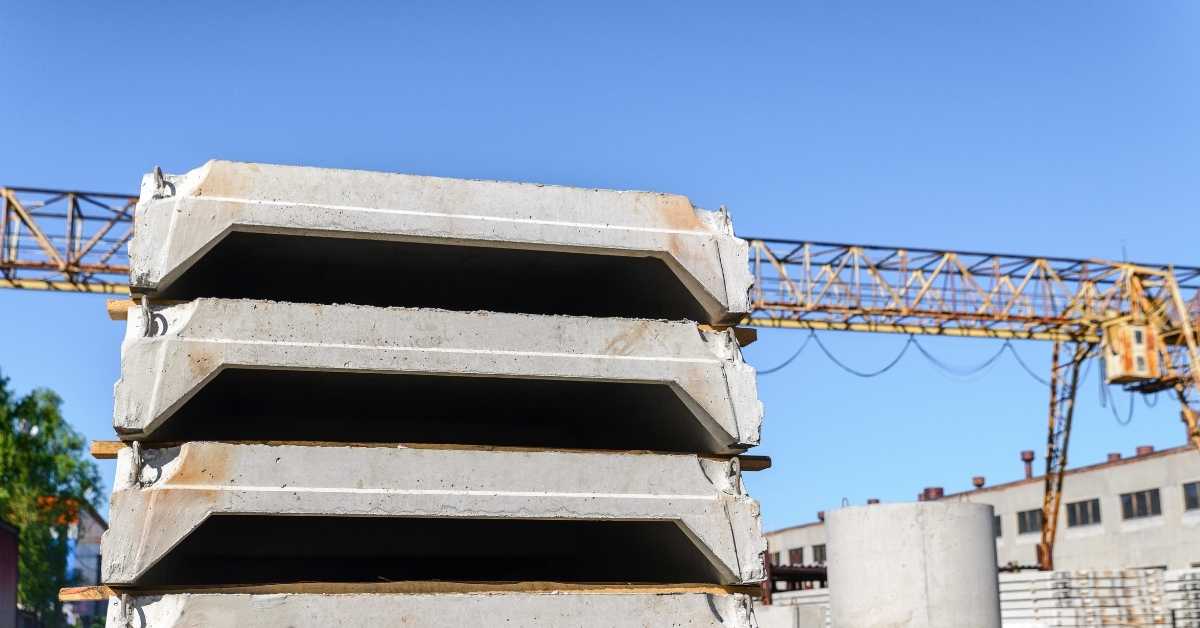
Precast concrete steps are factory-made components that form part or all of a stair assembly. They are molded in controlled settings and cured before shipment to the jobsite. Typical products include single treads, monobloc stair flights, and landing assemblies.
This approach contrasts with poured-in-place steps and influences cost, delivery logistics, and finish options. Understanding how they are manufactured helps set expectations for durability, installation speed, and potential limitations on site. Consider common labeling and standards you might see on the product data sheet or label when evaluating options.
Typical product types and uses
Precast concrete steps come in various configurations to suit different needs. Here are the common types:
Individual Steps: These are single treads cast separately, allowing for easy installation of straight or curved staircases. They’re ideal for residential entries where you need a specific rise and run.
Straight Flights: Precast in long sections, these flights include multiple steps at once. They’re perfect for commercial stairwells, providing quick installation with minimal on-site work.
Modular Systems: These are pre-assembled staircases with landings, designed for exterior access or when you need a complete staircase solution. They offer speedy installation and come in various styles to match your home’s aesthetic.
How precast differs from poured-in-place and other materials
The material choice significantly impacts your stairs’ durability, appearance, and longevity.
- Precast vs. Poured Concrete: Precast offers consistent quality due to factory-controlled conditions. It’s faster to install but may lack the customization of poured concrete, which can be shaped on-site.
- Precast vs. Wood: Precast is more durable and low-maintenance than wood. However, it lacks wood’s warmth and flexibility in design. Avoid wood for exterior stairs due to rot and pest issues.
- Precast vs. Steel: Precast provides better fire resistance and noise insulation than steel. While steel is stronger, precast offers more design options and doesn’t corrode like steel can.
How much do precast concrete steps cost? (price ranges and what to expect)
Cost drivers include unit price per step or module, delivery charges, installation labor, site prep, and finishing options like textures or anti-slip surfaces. Other factors such as minimum orders and access can shift totals. You’ll want to gather itemized quotes to compare accurately.
To build a price range, you should check exact unit prices, delivery terms, installation availability, and lead times. Ask suppliers about any required foundations or substructure work and how weather or seasonal conditions might affect scheduling. Use these checks to form low, mid, and high scenarios without guessing numbers.
Typical cost components to expect in quotes
The quote you receive for precast concrete steps will include several line items. Here are the common ones:
Fabrication: This is the largest chunk, covering materials (cement, aggregates, reinforcement) and labor to cast the steps.
Reinforcement, Finish, Lifting Hardware: These add to the total cost. Reinforcement beefs up the steps, finish gives them their look, and lifting hardware makes installation easier.
Transport, site prep, installation, and permits also factor in. Transport can vary based on distance. Site prep might include forming or leveling. Installation labor is usually a significant part of the quote. Permits depend on local regulations.
When you can expect economies of scale
Precast concrete steps follow the classic economy of scale principle: more you buy, less they cost per unit. Here’s why:
Standardized molds mean lower setup costs for each step. Repeatability in production reduces waste and labor time. So, if you’re installing a long staircase or multiple staircases, expect savings.
Custom one-off steps, on the other hand, break this rule. They need unique molds, increasing fabrication cost. Expect to pay more per unit for these.
Here’s a simple way to estimate economies of scale: Ask suppliers for pricing based on quantity. You might see something like:
– 1-5 steps: $XXX each
– 6-20 steps: $XX each
– 21+ steps: $X each
Key factors that affect the price of precast steps
The core price drivers are material costs and reinforcement that go into the step modules. Fluctuations in cement, aggregate, and steel can influence per-step pricing. Expect some variation based on the chosen finish and depth of the tread.
Other influences include manufacturing complexity, batch size, curing time, and tolerances. Logistics like distance from the plant and site access also impact final numbers. Factor in installation needs and potential site adjustments during planning.
Dimensions, weight, and structural requirements
The size of your precast steps directly impacts material costs. Larger steps need more concrete, aggregate, and steel reinforcement.
Thicker steps cost more due to increased material usage. They also require longer curing times, adding to labor costs.
Load rating matters too. Steps designed for heavy loads use more reinforcing steel, driving up the price.
Design complexity and customization
Custom designs with unique molds or complex shapes cost more due to increased setup time and waste.
Architectural finishes, integrated nosings, anti-slip features, colorants, and special aggregates all add to the price. Each requires additional materials and labor.
Complex designs may also need longer curing times or specialized equipment, further increasing costs.
Transportation, site access, and installation complexity
The distance from the precast plant to your site affects transportation costs. Longer hauls mean higher fuel and labor expenses.
Tight access or multi-story placements require cranes or rigging, adding to installation costs. Working hours may also be restricted due to traffic control needs, increasing labor costs.
Steps that need site adjustments or additional components (like landings) will cost more as these tasks require extra on-site labor.
Advantages of precast concrete steps
One major benefit is faster installation with reduced on-site disruption. Factory-controlled production minimizes on-site variation and ensures consistent thickness and finish. Long service life and low maintenance are common selling points.
Safety features such as non-slip textures and rail integration options support code compliance. Aesthetic flexibility allows textures, finishes, and colors to blend with multiple architectural styles. Over the life of the project, precast can offer predictable maintenance and durable performance.
Speed, scheduling, and reduced on-site labor
Precast concrete steps are cast off-site. This means other site work can happen simultaneously, speeding up your project timeline.
Installation is quick too: Precast steps slot into place, reducing installation time by half compared to poured-in-place. Less labor on-site means lower labor costs and less schedule risk due to weather delays.
With precast, you’re not at the mercy of the weather. Steps can be cast in any conditions, ready for installation when your site is prepared.
Quality control, durability, and maintenance savings
Precast steps are made in a controlled factory environment. This means better quality control: uniform thickness, consistent strength, and no cold joints.
Durability is top-notch: Precast concrete resists wear, fire, and corrosion. It’s designed to last with minimal maintenance. You won’t need to replace or repair steps due to weathering or damage as often as other materials.
Curing conditions in the factory are ideal too. This means better strength development over time, further enhancing durability and reducing long-term maintenance needs.
Design flexibility and finish options
Precast concrete steps offer a wide range of textures, colors, and finishes. From smooth to textured, you can match your project’s aesthetic needs.
Integrated treads are available too. This means no need for separate tread installation, saving time and labor on-site.
Customization is easy: Precast concrete can reproduce architectural details cost-effectively. From intricate patterns to custom logos, your steps can reflect your project’s unique style.

Installation process and practical considerations
A typical sequence starts with site prep, followed by setting foundations or supports, then placement of the precast units and final detailing. Plan for curing, sealing, and any required inspections before handover. Coordination with other trades is essential to avoid delays.
Key decisions at each step include anchor types, drainage, and edge conditions. Accessibility for lifting equipment, weather contingencies, and storage space on site influence timing. Prepare for potential coordination with railing, framing, and utilities early in the project.
Site prep, foundations, and anchoring
Before precast steps arrive, prepare your site. Survey the area to ensure accurate placement. Level the ground where steps will sit. If needed, excavate for footings or bearing pads.
Foundations: Precast steps need solid support. Concrete or masonry footings are best. Ensure they’re level and deep enough to bear step weight.
Anchoring: Steps must be securely anchored. Choose anchor types (bolts, brackets) based on step design and foundation material. Consider expansion bolts for concrete foundations. Attach anchors before steps arrive to avoid delays.
Lifting, rigging, and safety requirements
Precast steps are heavy. You’ll need a crane or forklift. Select the right size based on step weight and access. Lifting points are pre-set; use them to avoid damage.
Temporary bracing: Steps may need temporary bracing during installation. This keeps them stable until permanent anchors are in place.
Safety measures: Keep the