
Introduction
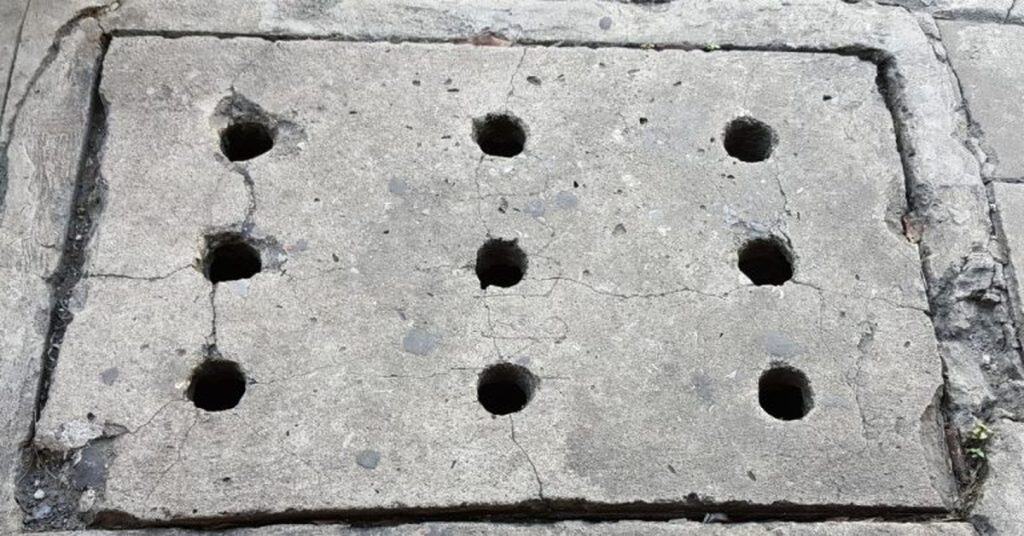
Small slope details on a concrete stair landing prevent puddling.
The guide walks through practical ways to shape the landing, set proper gradients, and position drainage so water flows away from the stairs, helping you keep surfaces dry and safe.
Key takeaways
- Ensure positive slope away from stairs of at least 1/8 inch per foot.
- Use a broomed or troweled finish that resists surface water pooling.
- Install a dedicated drain or channel with proper trap seal and slope.
- Form edges with chamfers or drips to direct water away from openings.
- Select high-slope concrete mix and weather-resistant sealants for exterior use.
- Inspect quarterly, clean debris, and reseal joints before freeze-thaw cycles.
Table of Contents
- Introduction
- Key takeaways
- Why Proper Drainage Matters for Concrete Stair Landings
- Designing the Right Slope: Principles and Practical Details
- Concrete Pouring and Forming Techniques for Consistent Slopes
- Drainage Solutions: Drains, Channels, and Edge Details
- Material Choices, Weather Resistance, and Finishes
- Maintenance, Inspection, and Repair Best Practices
- Safety, Compliance, and Cost Considerations
- Project Planning: Tools, Materials Checklist, and When to Hire Pros
- Conclusion
- FAQ
Why Proper Drainage Matters for Concrete Stair Landings
Proper drainage on a concrete stair landing isn’t cosmetic—it’s a safety and longevity requirement. By preventing standing water, directing runoff away from doors and walking zones, and keeping a slight positive slope with a textured surface, you’ll dry faster and reduce slip risk.
This matters because consistent traction across the landing matters in wet or icy conditions, and good drainage helps prevent freeze-thaw damage and moisture-related cracking. It also supports longer-lasting joints and coatings, makes maintenance easier, and reduces liability by showing you’ve designed and kept the system clear and functional; plan field checks for slope, runoff, and downspout or scupper locations, and establish a simple routine to keep the drainage clear.
Safety and code-driven reasons
Proper drainage on concrete stair landings isn’t just about keeping your feet dry. It’s crucial for safety and compliance with building codes.
Slip resistance: Standing water reduces traction, making surfaces slippery, especially when wet or icy. A well-designed drainage system maintains consistent traction across the landing, preventing slips and falls.
Building codes: Local codes often require a minimum slope for stair landings to ensure proper drainage. Check your local code for specific requirements. In many areas, it’s 1/4 inch per foot or more.
ADA considerations: The Americans with Disabilities Act (ADA) also has guidelines for accessible routes, including slopes and surfaces that minimize slip hazards.
Long-term durability and maintenance impacts
Proper drainage extends the life of your concrete stair landing and reduces maintenance costs. Here’s how:
Cracking prevention: Standing water can seep into cracks, freeze, and expand, causing more damage. A slight positive slope helps water drain away, reducing the risk of cracking.
Efflorescence control: When water evaporates from concrete, it leaves behind salts that form a white powdery deposit called efflorescence. Proper drainage reduces these deposits, keeping your landing looking clean and well-maintained.
Rework costs: Standing water can lead to deterioration of the landing’s surface, joints, and coatings. This can result in costly rework or replacement. A small slope helps prevent this damage, saving you money in the long run.
Designing the Right Slope: Principles and Practical Details
Keep the slope downward and away from the door to push water off the landing. Target a practical range like roughly 1–2%, adjusted for landing size and how the door swings. Plan the direction so water drains away from thresholds and toward a drain or edge.
Small landings need a single clear drainage path; larger ones may use dual gradients or a central drain with edge slopes. Think about edge detailing, safety edging, and where a drain sits; this affects accessibility and maintenance. Verify slope with strings, levels, or a laser after setup and test with water; check for low spots and seasonal movement.
Target slope values and safe ranges
The ideal slope for concrete stair landings is small but positive, typically between 1% to 2%. This range promotes water runoff while maintaining accessibility. A steeper slope can cause tripping hazards.
Why keep it shallow? A gentle slope ensures the landing remains safe and accessible, especially for those with mobility issues or using wheeled objects like strollers or suitcases.
Always verify local building codes to ensure your chosen slope complies with regulations. Some areas may require a minimum slope to prevent water pooling.
Choosing slope direction and drainage paths
The slope’s direction should guide water away from the doorway and toward a designated drain. Here are some options:
Toward a stair run: Suitable for larger landings with a central drain. Water flows down the stairs, preventing puddling.
Channel drain at the edge: Ideal for smaller landings. The slope directs water into an integrated channel drain at the landing’s perimeter.
Exterior edge with safe drip line: For landings adjacent to a building’s exterior, slope toward an edge with a safe drip line to prevent water from running down the wall.
Designed low point and hidden drain: Larger landings can have a central low point feeding into a hidden drain. This option requires careful planning and may need additional grading work.
Avoiding common slope mistakes
Here are some frequent errors in stair landing drainage and how to prevent them:
- Over-sloping: A steep slope can cause tripping hazards. Keep the slope within the recommended range.
- Creating trip hazards: Be mindful of changes in elevation at the edges of the landing. Ensure transitions are smooth and gradual to prevent trips.
- Directing water toward building envelopes: Water running down walls can cause damage over time. Always slope away from buildings.
- Ignoring seasonal movement: Frost heave and other seasonal movements can affect the landing’s slope. Design with these factors in mind or plan for periodic maintenance.
Regularly inspect your landing for any signs of wear or changes in elevation to prevent drainage issues.
Concrete Pouring and Forming Techniques for Consistent Slopes
Master the pour with a clear plan for small slopes and stable forms, then use a two-pass screed, careful vibration, and checks at multiple points to avoid low spots. Keep forms aligned and adjustable, and check the final height with a straightedge so you don’t tear into the surface. Re-screed any detected low spots before you finish the surface and cure.
This matters because a consistent drainage slope prevents puddles and edge run, and it helps align with thresholds and adjacent surfaces. A well-planned pour saves time, reduces rework, and gives you a smoother, more durable finish that’s easier to maintain and seal. Check the label or instructions on your forms, screed, and cure products to confirm handling and timing for your setup.
Setting forms and screed guides for slope control
Lay your formwork first, ensuring it’s square, level, and plumb. Use shims or tapered forms to set the desired cross-slope.
Install slope rails or screed sticks at the target 1–2% angle away from the surface. Check elevations with a simple carpenter’s level or laser level during placement.
Pro tip: Use string lines for added accuracy, especially on longer landings.
Finishing techniques to prevent puddling
After the initial screed, use a finish float to consolidate and level the concrete. Work in small sections, moving from one end of the landing to the other.
Use a magnesium or wood float for the final pass, working perpendicular to your slope direction. This helps prevent creating depressions that could trap water.
Pro tip: Avoid overworking the surface, as this can cause it to become too smooth and lose its traction.
Drainage Solutions: Drains, Channels, and Edge Details
This section compares passive drainage options—scuppers, slot drains, trench drains, and perimeter edge detailing—and shows when each shines on small landings. You’ll learn where to place them, the typical materials you’ll see, and the kind of maintenance they require.
Placement logic matters—position drains relative to stairs, thresholds, and known low spots to make gravity work. Edge channels and micro-ramps help prevent puddles and keep debris from building up near doorways. If in doubt, check the product label or manufacturer instructions and apply simple, safe guidelines for slope and drainage capacity.
Integrating Discrete Drains and Trench Channels
For small-slope landings, consider using discrete drains or trench channels to handle water runoff. Here’s how:
Discrete Drains: These are point drains usually placed at the lowest spot on your landing. Make sure they’re sloped into the drain (1/4″ per foot). Backfill around them with gravel, then concrete. Leave a 2″ gap between the back of the drain and the formwork to allow for proper curing.
Trench Channels: These are linear drains that run along the edge or centerline of your landing. They should be sloped into the channel (1/8″ per foot). After placing rebar, install the channel, then pour concrete around it. Ensure it’s properly sealed at both ends.
Edge Details and Flashing to Protect Adjacent Structures
Proper edge detailing is crucial to prevent water from seeping behind walls or under doors. Here’s how:
Sealing Edges: Apply a bead of sealant along the top edge of your landing, where it meets the wall. This prevents water from migrating behind the wall and causing damage.
Flashing: Install flashing at the base of any walls or door thresholds that adjoin your landing. Flashing should slope away from these structures to direct water away. Never slope water towards them, as this can cause leaks.
Material Choices, Weather Resistance, and Finishes
Choose a concrete mix that resists freeze-thaw and deicing chemicals, using air-entrained concrete for durability while keeping a low slump for a smoother yet slip-resistant surface. Match the water-cement ratio with aggregate choices that balance strength and finishability, and plan surface profiles like a broom finish, light trowel, or integrally poured slope to promote water shedding. Don’t forget to consider finishing early enough to avoid trapping water or creating high-traction pockets.
Surface treatments and finishes matter: penetrating sealers vs film-forming sealers, and anti-slip options such as textured broom, stamped patterns, or epoxy overlays in dry zones, all interact with water shedding and maintenance. Make sure the chosen finish won’t seal water in pores and that joints and edges are detailed to prevent water ingress; maintain proper slope and drainage paths and plan for re-sealing and cleaning over time. If in doubt, check product labels and manufacturer instructions for compatibility with deicing chemicals, UV exposure, and your climate.
Mix design and additives that improve durability
The right mix design is crucial for a durable concrete landing. Start with a proper cementitious content – around 6 to 8 bags of cement per cubic yard of concrete. Too little cement weakens the concrete, while too much makes it brittle.
Air entrainment is vital in freeze-thaw regions. It introduces tiny air bubbles into the concrete, allowing water to expand without breaking the surface. Ask your supplier for a mix with 5-8% air entrainment.
Admixtures can boost durability further. Consider using a corrosion-inhibiting admixture if you’re using rebar, and a water reducer to improve workability without sacrificing strength. Always check spec ranges; I can’t give you exact mixes as they vary based on your location and climate.
Surface finishes and anti-slip options
The finish you choose affects water runoff and slip resistance. A broom finish creates a textured surface that sheds water well but can trap dirt. It’s great for driveways, but not ideal for stairs where it might cause trips.
A textured trowel finish or exposed aggregate provides better traction and allows water to drain off easily. They’re good choices for stair landings, especially in areas prone to rain or snow melt.
For dry zones, consider non-slip coatings like epoxy overlays with grit embedded in the surface. These provide excellent slip resistance but can be more expensive than other options.
Maintenance, Inspection, and Repair Best Practices
This section lays out a simple, practical maintenance rhythm for slopes and drains: a seasonal checklist and quick-fix repairs for low spots and cracks. Each season, you inspect slope integrity, drain access, and debris, and you note any drift or standing water. Keep a lightweight log and set reminders so you know when issues repeat or worsen.
You’ll verify grates and trench drains, clear blockages, and test flow after rain or irrigation, then address rust on metal parts as needed. Check surface and slope with a level or string line, document deviations, and plan patches or resealing at low spots before they grow. The payoff is fewer surprises, longer service life of the drainage system, and clearer guidance for tweaks or upgrades, all while you work with readily available patching compounds and sealants. Remember to use PPE and pay attention to weather conditions when applying materials, and check labels for temperature guidance and cure times.
Visual checkpoints and routine maintenance tasks
Inspect your concrete stair landing regularly to ensure proper drainage. This checklist helps you maintain slope integrity, keep drains clear, and prevent puddling.
- Check for puddles: After rain or irrigation, look for standing water. Puddles indicate a low spot or inadequate slope.
- Inspect staining: Discoloration can signal water buildup, which may lead to cracks or damage.
- Check crack patterns: Hairline cracks are normal, but wide or jagged ones need attention. They can indicate settling issues or excessive stress.
- Clear debris from drains: Remove leaves, dirt, and other blockages to maintain proper water flow.
- Inspect drain grates: Ensure they’re secure and unobstructed. Rust or corrosion may require replacement.
- Check outlet clearance: Make sure the drain’s exit point is clear of obstructions, like soil or grass.
- Test water flow: After rain or irrigation, observe water flowing towards and through the drain. If it pools or flows slowly, there may be a blockage or insufficient slope.
- Inspect sealant around drains: Cracked or missing sealant can allow water to seep beneath the concrete, causing damage.
- Trim nearby vegetation: Overgrown plants can block drains and cause water buildup. Keep the area clear.
Quick rule: Regular visual checks and simple maintenance tasks can prevent minor issues from becoming major problems.
Repair techniques for puddling and low spots
When your concrete stair landing develops puddles or low spots, these repair techniques can help restore proper drainage.
- Minor depressions: Fill with a polymer-modified concrete patch. This flexible material bonds well to existing concrete and resists further settling.
- Hairline cracks: Seal with an epoxy or polyurethane injection sealant. These fillers expand slightly as they cure, creating a strong bond with the surrounding concrete.
- Bonded overlays: For deeper low spots, apply a thin bonded overlay. This involves grinding the area, applying a primer, and then pouring a thin layer of new concrete.
- Reseal around drains: If sealant is cracked or missing, apply a new bead to restore water shedding.
- Consult a contractor for regrading: If puddling persists after repairs, the slope may have settled excessively. A professional can assess and address this issue.
Quick rule: Address low spots and puddles promptly to prevent further damage and maintain your stair landing’s longevity.
Safety, Compliance, and Cost Considerations
Safety implications, code touchpoints (clearances, slopes, thresholds), and cost drivers set the framework for drainage upgrades. Expect PPE requirements, trip and fall hazards near the landing, edge and guard considerations, and working distances when handling drainage components.
This matters for DIY readers because it helps you plan permits, inspections, and budget, while guiding placement of drainage devices and waterproofing details. Thinking through phased work, weather, and material compatibility now reduces rework and risk later.
Common code and accessibility checkpoints
Use this checklist before starting any concrete work to ensure you’re in line with local codes and accessibility standards. It’s best to verify these points with your local inspector.
- Maximum Cross Slopes: Check that all walking surfaces have a cross slope no steeper than 2%.
- Threshold Heights: Ensure no step or threshold is higher than ½” (12mm) at any point.
- Handrail/Guardrail Height: Verify that all handrails and guardrails are between 34″ to 38″ (860mm to 965mm) high.
- Landing Size Requirements: Make sure each landing is at least 36″ x 48″ (910mm x 1220mm).
- Grip Size of Handrails: Confirm that the handrail has a diameter or width between 1.5″ to 2″ (38mm to 51mm) for easy gripping.
- Handrail Continuity: Ensure handrails are continuous and do not have any gaps wider than 4″.
- Ramps vs Stairs: Check if a ramp is required instead of stairs based on local codes (usually for slopes steeper than 1:20).
- Protrusions Along Paths: Make sure there are no protrusions along paths that could cause tripping, like rebar sticking out.
Quick rule: Always double-check with your local inspector to ensure you’re following the most up-to-date codes and standards for your specific area. Skipping these checks can lead to costly rework or even project delays.
Budget factors and estimating work scope
When planning your concrete project, budgeting is key. Here’s what you need to consider:
Drain hardware – This includes everything from gravel to pipes. Check product labels for quantities needed per cubic yard of concrete.
Concrete rework – Expect some waste and reworking, especially if you’re a DIYer. Allocate around 5-10% extra for this in your budget.
Waterproofing – This is crucial to prevent cracks and leaks. Check local rules and manufacturer instructions to decide on the best method and product.
Labor – If you’re hiring, get quotes from multiple contractors. If DIY, factor in your time and any equipment rentals.
Factors that can raise costs:
Confined access – Tight spaces mean less efficient work and may require special equipment. Check if your site has these issues.
Complex drainage – Intricate systems need more planning, materials, and time. If your project is complex, consider hiring a professional for advice.
Project Planning: Tools, Materials Checklist, and When to Hire Pros
A solid plan starts with your scope: what drainage you want for the landing, how a gentle slope affects tool and material choices, and what local conditions could require extra steps. Make a concise tools and materials checklist that covers hand tools, measuring and marking gear, level and string, trowels and mixing accessories, safety gear, and any specialty plumb or bulk items you’ll actually use. Know which materials you’ll need, from concrete mix or patch material to drainage components, waterproofing options, fasteners, sealants, and the adapters you’ll need for stairs, then check labels and manufacturer guidance for each product.
Permit and inspection planning matters: ask when a permit is typical for small slabs or drainage work, what inspection points to expect, and what plans, photos, or renderings to assemble before the job starts. DIY versus pros comes down to skill, access, and time; assign tasks like grading, formwork, and proper slope to trained help when the job risks misalignment, drainage failure, or unsafe workspaces. Site readiness and safety round out the plan: protect the surrounding area, pick a weather window, ensure material access, and keep fall hazards and equipment out of reach of kids while you work.
Tools and materials checklist
Before you start, make sure you have all the necessary tools and materials to ensure a successful concrete stair landing drainage project.
- Level/laser: To ensure accurate measurements and slope. Inaccurate leveling can lead to puddling and improper water flow.
- Screeds and forms: For shaping and containing the concrete. Improper formwork can result in an uneven surface and poor drainage.
- Drain components: Such as grilles, trench drains, or discrete drains to collect and direct water away from the landing.
- Sealers: To protect the concrete from moisture and prevent cracking. Skipping sealers can lead to premature deterioration of the concrete.
- Safety gear: Including gloves, safety glasses, and ear protection for operating power tools.
- Concrete mix/patch materials: Choose a mix designed for outdoor use and with proper water-to-cement ratio to ensure durability.
- Water-permeable slope/gradient products: To create a gentle, continuous slope away from the house. Incorrect slope can cause puddling and improper drainage.
- Fasteners and concrete adapters for stairs: To secure the landing to the stairs and ensure proper alignment.
Quick rule: Always double-check your list before starting any work. Missing a crucial item can set your project back significantly.
When to hire a pro and permit considerations
Knowing when to engage professionals and understanding permit requirements can save you time, money, and potential headaches.
- Structural concerns: If your landing is part of the building’s structure or supports significant weight, consult an engineer. Neglecting structural integrity can lead to serious safety issues.
- Falling within building envelope: Check local codes if your landing is attached to or part of your home’s exterior walls. Permits may be required for such work.
- Complex drainage needs: If you’re dealing with a large area, multiple levels, or unique drainage challenges, consider hiring a professional drainage contractor.
- Permit requirements: Check with your local building department to see if permits are needed for small slabs or drainage work. Failing to obtain necessary permits can result in fines and forced project halts.
- Inspection points: Be prepared for inspections at various stages of the project, such as before pouring concrete and after completion.
- Documentation: Have plans, renderings, or photos ready to show inspectors. Inadequate documentation can delay inspections and approvals.
Quick rule: When in doubt, consult a professional. It’s better to be safe than sorry when dealing with structural elements and permits.
Conclusion
Solid drainage on a concrete stair landing protects safety, keeps the surface looking good, and prevents costly repairs from puddling and water damage. Focus on small, practical slope details now so the steps stay dry, durable, and easy to maintain.
Check that the final setup follows the intended slope: aim a gentle drop away from doors, check with a level or straightedge at key points, confirm that drains, channels, and edge details are installed, pour and cure with the proper form, and verify the system with a small water run-off test before opening to regular use. Then document a simple maintenance check and a quick repair plan for after the first season of use.
Common mistakes to avoid include pouring without validating the slope and drainage path, skipping edge details or channeling, and closing the form before the surface cures firm. Do not rush curing or seal too early, and always wear the right PPE, test in a small area first, and avoid heavy loads until the concrete has gained strength. If you’re unsure about grading, drainage connections, or local compliance, it’s smart to bring in a pro rather than risking irreversible damage.
When to call a professional: if the site has complex drainage, close spacing of steps, or you’re unsure about local codes and proper testing. Stay steady, follow the checks, and you’ll finish strong with a landing that drains well, lasts, and protects your investment.
FAQ
How much slope should the landing have?
A small slope is all you need. Aim for about 1% to 2% away from the door so water runs off instead of puddling.
Do I need a drain on the landing?
Yes. If the area is large or sits near a doorway, install a drain or a simple trench to carry water away. A drain helps prevent standing water and freeze damage.
What mistakes cause puddling on a landing?
Not enough slope, flat spots, or not grading the base away from the door. Poor compaction or skipping proper forms also traps water and creates puddles.
How do I test drainage after pouring?
Pour water on the finished surface and watch where it goes. It should flow toward the low point and drain away; if it ponds, fix the slope before it cures.