

Introduction
Integral waterproofing additives are incorporated into the concrete mix to reduce water ingress by altering the pore structure, not by coating the surface.
This article explains what they can and cannot do in real-world conditions and highlights practical considerations for selection, mix design, and curing.
You’ll learn how to evaluate suitability, plan mix steps, and apply general guidelines to predict performance in typical building applications.
Key takeaways
- Understand additives are admixtures, not replacements for proper concrete curing and sealing.
- They reduce permeability but do not eliminate all water ingress in harsh conditions.
- Compatibility varies with cement type, aggregates, and other admixtures; test batches recommended.
- Provide realistic performance limits; temperature, moisture, and crack width influence results.
- Specification should specify dosage, placement, curing, and required performance criteria.
- Cost analyses consider lifecycle benefits, maintenance needs, and alternative waterproofing methods.
Table of Contents
- Introduction
- Key takeaways
- What integral waterproofing additives are
- How they work in concrete and mortar
- Proven benefits and realistic performance expectations
- What integral waterproofing additives do NOT do
- Compatibility, interactions, and risks
- Design and specification guidance
- Installation, curing, and quality control best practices
- Cost, lifecycle considerations, and when to choose alternatives
- Conclusion
- FAQ
What integral waterproofing additives are
Integral waterproofing additives are materials added to cementitious mixes to improve how the concrete handles water. They come in different families, like crystalline, hydrophobic, and pore-blocking types, each with its own way of working. In plain terms, they become part of the mix rather than sitting on the surface.
These additives are incorporated during batching or mixing, so they are distributed throughout the hardened concrete. You’ll typically add them according to the product instructions and official labeling. Always verify the exact dosage and method with the manufacturer or project data sheets before use.
Types and mechanisms
Integral waterproofing additives fall into three main types, each working differently to keep water out:
Crystalline formation additives react with moisture in the concrete to form crystals that fill capillary pores and cracks, blocking water ingress.
Water-repellent agents create a hydrophobic barrier on the surface of the concrete, making it difficult for water to penetrate. They don’t affect the concrete’s permeability but prevent water absorption.
Pore reducers work by reducing the number and size of pores in the concrete, making it denser and less permeable to water.
Typical product forms and dosing
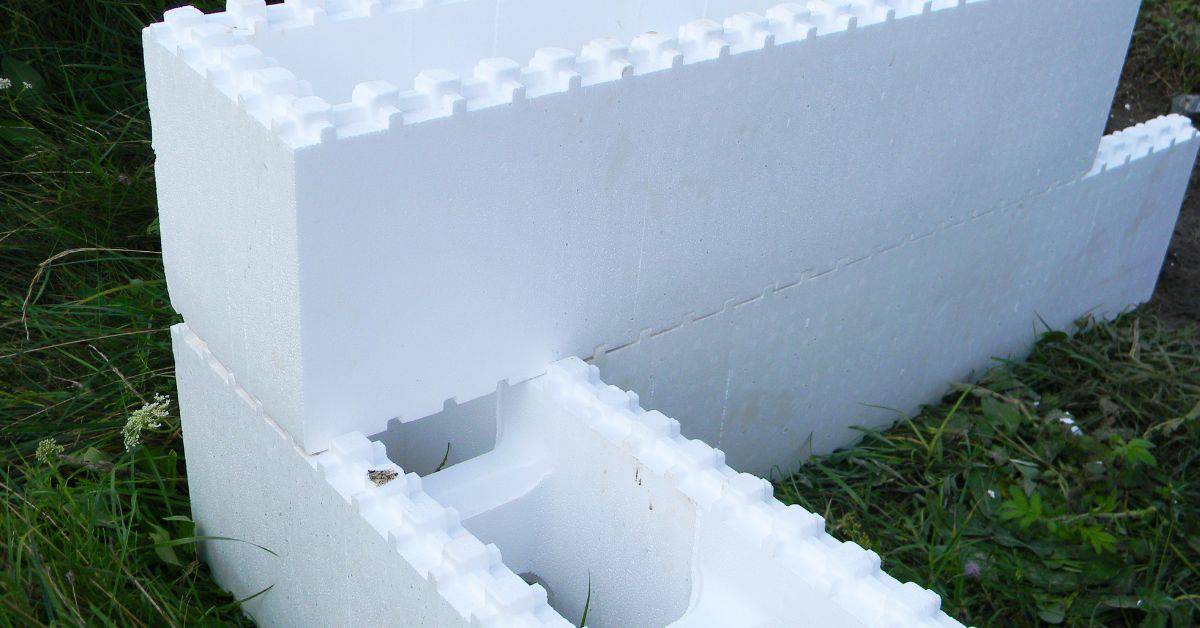
Integral waterproofing additives come in two main forms: liquid and powder. Both are typically added during the mixing process:
Liquid additives are usually dosed at rates between 0.5 to 2 liters per cubic meter of concrete, depending on the product’s concentration and desired level of waterproofing.
Powder additives are typically dosed at rates ranging from 1 to 5 kilograms per cubic meter. Always check the manufacturer’s label for specific dosing instructions.
Liquid additives are usually easier to incorporate into the mix, but powder forms can be more convenient for storage and handling on-site.
How they work in concrete and mortar
The additives influence the cement matrix by altering how water moves and how pores form. They can reduce capillary pathways or change pore connectivity, which slows water ingress. Some products also modify hydration by contributing compounds that become part of the solid microstructure.
As a result, moisture paths are strained and water storage within the matrix is reduced. This changes how the material behaves under moisture and temperature cycles. Check the product label or data sheet for specifics on your chosen additive.
Interaction with cement hydration
The integral waterproofing additives don’t just sit there in your concrete mix. They get right into the action, changing how the cement hydrates.
Accelerators, for instance, speed up the reaction. This can help you pour faster on site, but it’s a balancing act – too fast and you might not get enough strength.
Some additives promote specific hydration products. These could be more water-resistant crystals that fill in gaps better than standard hydration products. But remember, every additive has its own recipe for change.
Effects on permeability and capillary suction
Waterproofing additives cut down on two big enemies of water resistance: capillary suction and permeability.
Capillary suction is like a tiny straw sucking up water. Additives can clog these ‘straws’ with crystals or other barriers, stopping water from wicking upwards.
Permeability is about how easily water can move through the concrete. Additives reduce this by filling in gaps and making the cement matrix denser. Less gaps means less places for water to hide and cause trouble later on.
Proven benefits and realistic performance expectations
Common benefits include lower water absorption and better resistance to repeated freezing and thawing under typical conditions. You may also see less efflorescence where moisture transport is a concern. Remember, real-world results depend on mix design, curing, and service conditions.
Do not expect miracle results from a single additive in all situations. Performance can vary with thickness, exposure, and construction practices. Verify performance claims with test results and manufacturer guidance relevant to your project.
Durability and long-term performance
Integral waterproofing additives boost your concrete’s durability over time. But remember, their effectiveness depends on several factors.
Concrete quality: Start with a strong mix design. Additives can’t fix poor-quality concrete.
Curing: Proper curing is crucial. It helps the additives do their job and keeps your concrete strong.
Exposure conditions: The more your concrete’s exposed to water, the better these additives work. But they won’t prevent cracks caused by settlement or other structural issues.
Examples of suitable applications
Integral waterproofing additives shine in these common scenarios:
Basements and foundations: They’re great for preventing water seepage through concrete walls and floors.
Water-retaining structures: Think retaining walls, ponds, or reservoirs. Additives help keep water in.
Slabs on grade: For garage slabs, patios, or driveways, they reduce water absorption and help prevent freeze-thaw damage.
But remember, additives aren’t a cure-all. They’re most effective when used with good construction practices and proper design considerations.
What integral waterproofing additives do NOT do
They do not turn a poorly designed mix into a watertight structure. If the base concrete has design flaws, additive alone won’t fix them. They also cannot replace coatings or membranes where those products are required for waterproofing.
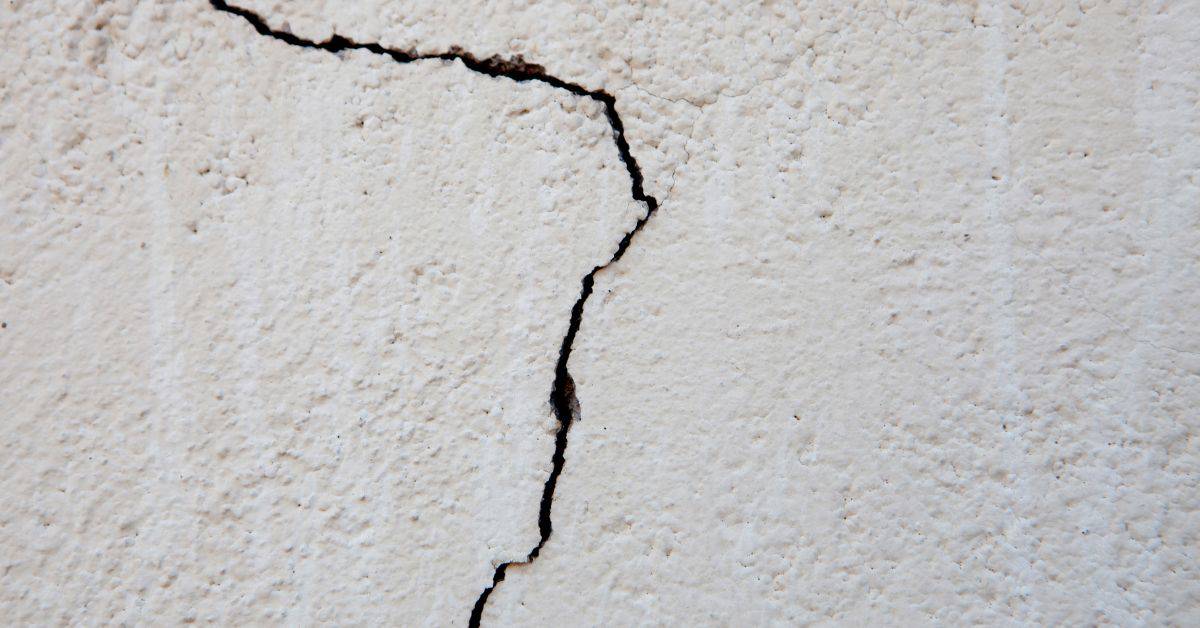
Additionally, they do not seal active cracks or restore structural integrity by themselves. Do not rely on additives to fix cracks without proper crack repair and detailing. Always cross-check with project specs and code requirements.
Not a substitute for proper mix design or detailing
Integral waterproofing additives are powerful tools, but they’re not magic. They won’t turn a poorly designed concrete mix into a watertight barrier.
Proper mix design is crucial. Too much water in your mix can lead to permeability issues, and that’s where these additives fall short. They can’t fix a bad mix.
Same goes for detailing. Additives won’t make up for inadequate cover, poorly designed joints, or shoddy reinforcement work. Those aspects need to be right too.
Not a crack-sealing solution
Integral waterproofing additives are great at preventing water ingress through concrete’s natural pores and capillaries. But they’re not designed to bridge active structural cracks.
Active cracking requires mechanical repair or flexible sealants. Additives won’t fill those gaps or stop the movement that causes them.
Think of it like this: additives make concrete waterproof from the inside out, but they can’t fix damage that’s already happened on the surface.
Compatibility, interactions, and risks
These additives interact with other materials in the mix, including supplementary cementitious materials and other admixtures. Compatibility matters for achieving the intended performance. Some combinations can lead to unexpected results if not specified correctly.
Overdosing or improper sequencing can alter set times or reduce early strength. There can also be changes in workability or finishing characteristics. Always follow manufacturer guidelines and confirm with product datasheets before batching.
Testing for compatibility
Before you dive into using integral waterproofing additives on your project, it’s crucial to test their compatibility. This ensures they play nice with your chosen cement and other admixtures.
Start by running lab trials. Check slump – that’s the workability of your fresh concrete. Measure setting time too. And don’t forget compressive strength and permeability tests. These will give you a good idea if everything’s mixing well together.
But don’t stop at labs. Do some field mock-ups. See how it behaves in real-world conditions. It’s the best way to catch any surprises before they hit your main project.
Avoiding common mistakes
Even with the best products, mistakes can happen. Here are some common ones you should steer clear of:
- Incorrect dosage – Too little and you won’t get the waterproofing effect. Too much and you might mess with set time or strength. Stick to the manufacturer’s guidelines.
- Adding at wrong stage – Add too early, it could react with cement before concrete is mixed. Too late, it might not mix well. Aim for when aggregates and cement are well combined.
- Poor mixing – Insufficient or uneven mixing can lead to clumps or ineffective waterproofing. Make sure your additive is evenly distributed throughout the batch.
- Not accounting for temperature – Both concrete and additive temperatures matter. Follow product guidelines to ensure you’re within safe ranges.
Remember, these are common mistakes. But with a bit of care and attention, they’re easy to avoid.
Design and specification guidance
When specifying additives, clearly state the performance criteria you expect, such as reduced permeability or lower absorption. Include the test methods you want to see, like absorption or permeability testing, in the project documents. Provide sources for the approved products and acceptable dosage ranges.
Use precise wording in specs to avoid ambiguity, and reference manufacturer instructions or data sheets. Consider including curing and compatibility notes to ensure the mix performs as intended on site. Always align with local rules and project requirements.