Simple Tests to Check If Your Garage or Basement Waterproofing Is Working

Simple Tests to Check If Your Garage or Basement Waterproofing Is Working

Introduction

You can tell if your garage or basement waterproofing is working by looking for water intrusion after rain.

In this article you’ll learn simple checks you can perform, what signs to watch for, and how to tell when air leaks or structural issues might be involved.

The guide walks through practical tests you can do at home, with easy-to-follow steps and practical tips to improve your conditions.

Key takeaways

  • Start with a dry baseline: note any past damp spots and odors.
  • Perform quick visual checklist: cracks, efflorescence, staining, mold, and peeling paint.
  • Flood-safe tests: spray water gradually around foundation seams to observe seepage.
  • Check sump pump and discharge: run to verify operation and outlet clear.
  • Humidity baseline: monitor basement RH with hygrometer, target 30–50% range.
  • Exterior grading and gutters: ensure slope away from walls and downspouts.
Table of Contents

Quick visual inspection checklist

This quick visual inspection focuses on identifying clear moisture indicators on floors, walls, and ceilings—such as damp patches, staining, efflorescence, peeling paint or wallpaper, mold growth, and warped or buckled materials—and on noting whether issues are localized or widespread to guide urgency and planning. It also prompts a swift check of water-related entry points and drainage interactions, including floor-to-wall cracks, gaps around plumbing penetrations, poor or clogged gutters, downspouts discharging near the foundation, and inadequate grading directing water toward the structure, so you can gauge whether the problem is active intrusion or remnants of past leaks.

Understanding these visible cues helps a DIY or jobsite reader prioritize when to monitor, DIY-fix, or call in a pro for remediation or diagnostic moisture testing, supported by a simple, repeatable documentation protocol: take time-stamped photos, note moisture sources, and rate severity as minor, moderate, or severe to guide next steps. This approach also clarifies where to focus attention first, what to measure or monitor over short intervals, and how to communicate findings clearly to contractors or moisture-testing professionals, ultimately reducing guesswork and accelerating effective remediation decisions.

Walls — cracks, efflorescence, and peeling paint

Look for hairline versus structural cracks. Hairline, map-like cracks and flaking paint often signal moisture wicking through the wall. Wider, stair-step or offset cracks point to settlement and need a structural check.

White, powdery deposits are efflorescence. It means water carried minerals through the masonry — active or recent moisture. Peeling or bubbling paint and soft spots under the surface are clear signs the waterproofing is compromised.

Note whether damage is isolated or runs along a whole wall. Isolated patches can be patched; widespread mineral staining or repeating peeling usually needs professional fixes.

Floors — stains, delamination, and pooling patterns

Dark stains, tide lines, or rusty discoloration on concrete point to recurring moisture paths. Look for concentric rings or tracks that show where water enters or flows along the slab.

Peeling or flaking floor coatings indicate trapped moisture or vapor drive from below. Tile grout that lifts or vinyl that bubbles often means subfloor moisture. Delamination next to walls is a red flag.

Note pooling patterns after rain — if water collects toward the foundation or under a downspout, the grading or drainage needs correction. Photograph puddles and their location relative to entry points.

Ceiling and joint checks

Ceiling stains, sagging drywall, or brown rings mean leaks from above or condensation in ductwork. Fresh damp spots feel cool to the touch and may drip; older stains are usually dry but still indicate past intrusion.

Inspect sill plates, beam pockets, and where walls meet floors for gaps, rot, or crumbling sealant. Gaps around plumbing penetrations and poorly sealed joints let water travel along framing.

Document each joint and ceiling stain with a timestamped photo and rate severity. Small, dry stains can be monitored; active dripping or structural sag requires immediate action.
Back to top ↑

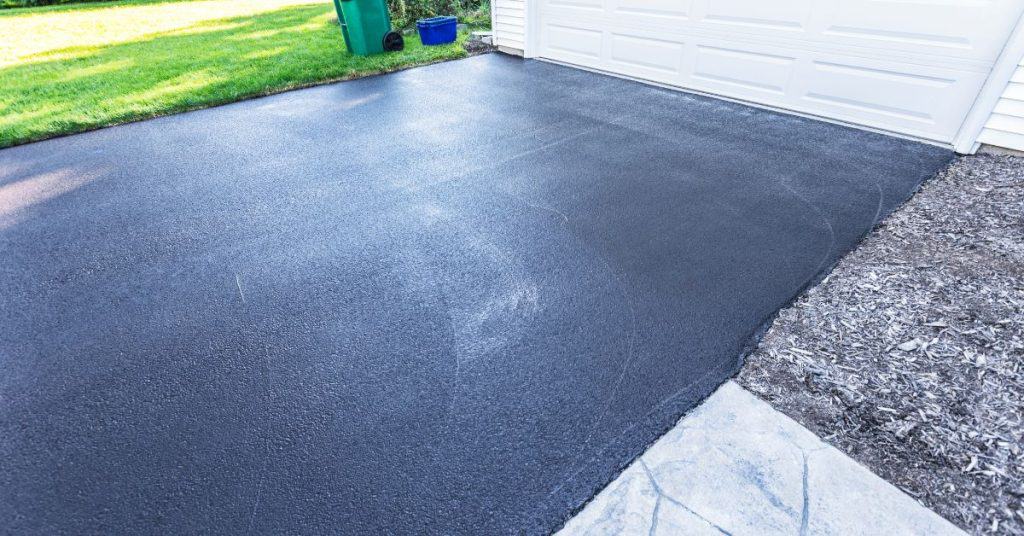
Freshly paved asphalt driveway in front of white garage door
Inspect driveway surface for cracks to ensure proper waterproofing

Simple DIY moisture tests anyone can do

These simple DIY moisture tests let you spot active moisture penetration without professional gear by using inexpensive plastic sheets taped to concrete walls or floors and checking for changes after 24–48 hours. You’ll compare wall and floor areas, note whether dampness persists under the sheet or if droplets form quickly, and decide if DIY fixes are enough or a pro is needed based on specific patterns like ongoing damp spots. The setup uses a few items: clear plastic sheeting, painter’s tape, a dry towel, and a hygrometer if you have one, with straightforward steps that cover both wall and floor testing.

Why this matters is that it helps you separate ongoing moisture from historical damp spots and provides a practical, low-cost screening method you can perform in basements, garages, or other concrete spaces. The tests give quick results that guide next steps, from improving ventilation and humidity control to tracing moisture origin and deciding between DIY remedies or when to call a professional. Remember these are screening tools, not a full assessment, and results should be interpreted in the context of climate, ventilation, and building age while you plan safe remediation.

Plastic sheet (tarp) condensation test

Cut a clear plastic sheet about 2 ft square. Press it flat against a clean area of concrete wall or floor and seal all edges with painter’s tape. Mark the start time and leave it in place for 24–72 hours.

When you remove the sheet look for water droplets on the underside, dark damp patches, or continued wetness on the concrete. Condensation (droplets on the plastic) points to humid air; wet concrete under the sheet points to active water penetration or capillary rise. Record results and repeat in a different spot if needed.

Tape or aluminum foil patch test

For a quick isolation, press a small square of heavy-duty aluminum foil or taped plastic over a suspicious spot. Ensure the edges are sealed tight so air can’t circulate under the patch. Run this after a dry period and again after rain or a hose test outside.

If the area under the patch becomes damp soon after external wetting, you likely have a leak path. If it stays dry but surrounding surfaces show moisture, the issue is likely airborne humidity. Use the patch to pinpoint leak timing before small DIY repairs or calling a pro.

Moisture meter spot checks

Use a pin or pinless moisture meter to take readings on walls and floors at several heights and locations: near joints, halfway up the wall, and at the slab edge. Cheap meters give a good screening value; professional devices are better for precise moisture content readings.

Look for readings well above typical dry concrete levels (consult your meter manual). Consistently high spots or rising values after drying indicate active intrusion. Tip: log readings, compare before/after weather events, and use results to decide on DIY sealing or professional evaluation.

Back to top ↑

Active water-entry tests (hose, downspout, and simulated rain)

Active water-entry tests use a controlled exterior hose-down, simulated rainfall patterns, and downspout checks to locate leaks around foundation walls, joints, windows wells, and interior drainage paths. By delivering adjustable water flow at representative pressures and following a planned sequence (perimeter, corners, high walls, and downspout connections) while monitoring basements or garages for dampness, you define what counts as a successful test and clearly differentiate active leaks from condensation or surface dampness.

These tests yield practical benefits for a DIY or jobsite reader by guiding safe setup, documenting evidence, and prioritizing fixes; using a standardized log (area, time, flow, leaks, photos) helps track progress and compare exterior waterproofing vs. interior remediation needs. Understanding test results supports smarter decisions about resealing, repairing, or upgrading drainage, with clear next steps based on observed failures and safety considerations to prevent slip hazards and electrical issues.

Downspout and gutter overflow simulation

Start at the highest downspout and run water into the gutter with a garden hose set to a steady flow. Aim for a continuous stream long enough to fill and overflow the gutter sections — about 5–10 minutes per run — to mimic a heavy storm pulse.

Watch where water exits the system and how quickly it reaches the ground. Check low spots, splash blocks, and discharge points for pooling near the foundation. Inside, have someone monitor likely leak areas and the sump alarm while you run the test.

Tip: If overflow routes water toward the foundation, mark the location and note whether the discharge needs extension, regrading, or a downspout splash block to keep water away from the wall.

Hose test along foundation walls

Wet one 6–10 foot section of wall at a time with a medium-pressure nozzle, starting at the lowest corner and working around the perimeter. Hold the spray 2–3 feet from the wall and run for at least 10 minutes to let water find weak points.

Inside, inspect joints, corners, and floor-wall connections every few minutes. Time-to-detection helps locate the leak: quick seepage points to through-cracks or poor seals; delayed dampness suggests capillary paths through masonry.

Tip: Log the section, start time, flow setting, and any visible interior dampness or droplets to prioritize repairs and avoid re-testing the same spot immediately.

Simulated roof/runoff test for garages

Simulate concentrated roof runoff by directing a hose from a ladder or elevated surface to discharge over garage exposures, aiming at gutters, roof edges, and the door threshold. Use short, repeated bursts to reproduce peak runoff and concentrate on threshold seams and sill plates.

Check the door bottom, threshold seal, and the perimeter where the wall meets the slab. Inside, watch for seepage along the floor edge and behind trim; also confirm that floor drains and backflow devices handle the influx without backup.

Tip: If water tracks under the threshold or through the door, note whether the fix is exterior regrading, threshold replacement, or interior flashing and prioritize accordingly.

Back to top ↑

Sump pump and drainage system checks

This section outlines practical tests and observations to verify that the sump pump, sump pit, float switch, interior drains, and related components are operating correctly during typical water intrusion scenarios, including gentle rises and simulated surges, while noting how often cycles occur, any delays or stalls, and signs of wear or obstruction that could affect performance.

You should inspect not only the mechanical action but also the electrical and drainage context—ensuring a clean pit, a freely moving float, a properly grounded outlet, and a reliable backup power option—so that the system responds promptly and reliably when real flooding pressure arises, rather than silently failing.

Float/power and capacity test

Lift the float by hand or pour water into the pit until the float rises. Watch the pump start, run smoothly, and stop when the float drops. Note any hesitation, grinding, or short-cycling — those are signs of mechanical or float problems.

Estimate capacity by timing how long the pump takes to remove a known volume (use a 1‑ or 2‑gallon bucket). Calculate GPM and compare to the pump rating. Finally, check the circuit: confirm the outlet is grounded and the pump doesn’t trip breakers when under load.

Backup systems and alarm checks

Trigger the battery backup with the main power off or use the backup’s test button. Confirm it runs long enough to handle expected outage durations and that the battery voltage is within spec. Replace weak batteries; they fail faster than pumps.

Test audible and remote alarms by silencing then reactivating them. Ensure sensors are mounted where rising water actually reaches them and that app or SMS alerts are linked and tested. Respond to false alarms by cleaning sensors or repositioning them.

Interior drain tile/weep hole verification

Find floor drains, cleanouts, and the connection points to the sump. Run a slow flow of water into a floor drain and watch the sump for steady inflow — that confirms the interior tile is draining into the pit.

If flow is weak or stops, inspect cleanouts and vacuum standing water from the tile entry. Probe exposed weep holes and check for sediment. Ensure pipe joints are sealed so water enters the sump and not the wall cavity. Accessible cleanouts make future checks simple.

Back to top ↑

Basement/garage humidity and condensation assessment

Basement and garage humidity should be monitored with simple, repeatable checks to tell condensation from leaks and to gauge ongoing moisture risk. Place indoor hygrometers near walls away from vents, and establish a short baseline plan that covers seasonal RH targets and how they drift in summer and winter. Use a straightforward schedule: daily quick checks and weekly logs during peak humidity months to keep trends clear and actionable.

Readings guide action: surface moisture, window fogging, and temporary spikes help distinguish condensation from persistent damp spots or water intrusion. Track RH, surface moisture, and visible moisture after rain events, noting time of day, ventilation activity, and dehumidifier use to tailor short-term steps such as increasing ventilation, running a dehumidifier, or sealing exterior sources. Differentiate basement vs. garage needs, addressing garage door drafts and vehicle moisture with separate ventilation strategies while considering airflow barriers, vapor diffusion through concrete, and whether humidity originates from indoor activities or exterior moisture ingress.

Where to place hygrometers and target RH levels

Put hygrometers near exterior walls and low points in the room — about 4–6 inches off the floor if possible — and away from registers, direct sunlight, or obvious drafts. In a garage, place one near the door and one near where cars are parked. In a basement, place sensors near finished walls and near any visible damp spots.

Target relative humidity (RH) is roughly 30–50% in winter and 40–60% in summer. Basements often run higher due to cool concrete and ground moisture; readings above 60% are a flag. Use daily quick reads and log a weekly average during spring/fall when swings are largest. If a sensor near a wall consistently reads several points higher than a midpoint sensor, that points to surface-driven moisture rather than general air humidity.

Overnight condensation and cold-surface checks

Check surfaces first thing in the morning after a still night. Look for fogging on windows, beads on metal pipes, or damp rings on concrete. Those are classic signs of condensation forming on cold surfaces when warm, humid air meets them.

If you see surface moisture, trace whether it appears only during certain hours or after indoor activities. Condensation often clears with improved ventilation or added insulation on cold pipes and walls. Persistent wet spots that don’t dry, show staining, or smell musty suggest true water ingress and should trigger sealing exterior sources or a professional inspection. Use a hygrometer reading alongside your visual check to confirm whether the issue is air humidity or actual leaks.

Back to top ↑

Mold, odor, and occupant-health indicators

Trapped moisture creates conditions for microbial growth that can affect occupant health, so signs of mold, dampness, and wet patches should not be ignored. Visible mold, staining, or musty odors point to different stages of growth, while latent spores may linger even after surfaces appear dry, affecting air quality and risk assessment. Odor alone is an early warning, not a diagnosis, but it should prompt closer inspection of walls, ceilings, and hidden cavities for moisture patterns and staining.

DIY screening can start with a simple checklist: check for elevated humidity with a hygrometer, inspect surfaces for moisture, condensation, staining, peeling paint, or mineral deposits, and note odor changes, then document locations for future reference. Proceed with dehumidification, drainage improvements, and exterior sealing for immediate moisture control, and call a licensed contractor if there are structural cracks, large growths, or persistent symptoms in vulnerable occupants.

Visual mold inspection and black stains

Look first at cold, hidden spots: behind shelving, under carpets, along cove joints, and inside utility closets. Active mold often appears fuzzy or powdery, grows in irregular patches, and can be black, green, brown, or white. Dirt or old staining is usually flat, dusty, and won’t smear when lightly disturbed.

Do a gentle smear test with a damp paper towel on a small area. If pigment smears or a musty residue lifts, it’s likely active growth. Photograph and note size, color, and location. If stains reappear after cleaning, presume ongoing moisture and inspect the surrounding wall/floor assembly.

Tip: Warped materials, paint peeling, or powdery mineral deposits nearby point to chronic moisture — not just surface dirt.

Musty odors and odor-source tracing

Start with a slow sniff walk: crawl along the floorline and trace the smell uphill — odors concentrate toward the source. Check walls, carpet edges, stored boxes, and HVAC returns. Smell changes when you open doors or move items; that helps isolate a specific zone.

Turn off HVAC and fans, then re-check. If the odor fades when dehumidifiers run or improves after airing, it’s moisture-linked. If opening a closet or lifting carpet concentrates the smell, remove and inspect the substrate. Note: Odor alone isn’t a diagnosis but demands closer inspection.

Document where and when the smell is strongest and take photos for follow-up or a pro visit.

Simple air sampling and when to call a pro

Home DIY: use clear tape or a sterile swab to sample visible patches or questionable surfaces. Press tape to the area, seal in a zip bag, and label. Swabs can be sent to inexpensive labs for a presence/absence check. These methods are quick screening tools, not definitive counts.

Call a professional when you find widespread growth (>10 sq ft), structural cracks channeling water, or if occupants have persistent symptoms. Pros use spore traps, lab quantification, and moisture mapping to locate hidden colonies and recommend remediation.

Decision rule: small, isolated spots you can clean safely yourself; structural damage, large infestations, or health-risk households need licensed remediation and testing.

Additional testing guidance and timelines: If mold or moisture concerns exist, formal mold testing and indoor air quality (IAQ) monitoring can help confirm the extent and help prioritize work. For DIYers, start with a professional assessment if visible growth exceeds a few square feet, or if occupants have asthma, allergies, or other health risks. When formal testing is hired, expect inspectors to conduct: targeted surface sampling, air sampling with lab analysis, moisture mapping, and a review of building envelope integrity. Results typically take days to a couple of weeks, depending on laboratory turnaround. Remediation timelines depend on moisture sources: address leaks or drainage issues promptly, and plan containment and remediation by licensed professionals if significant growth, structural damage, or hidden moisture is found. After detection, implement a remediation plan that includes moisture control, removal of affected materials, cleaning or disposal of contaminated items, and a robust moisture-management strategy to prevent recurrence. Keep all testing results, photos, and work instructions for future reference or landlord records.

Document where and when the smell is strongest and take photos for follow-up or a pro visit.

Back to top ↑

Concrete block basement wall with some tools and wooden stairs
Unfinished basement walls can show early signs of moisture problems

Exterior grading, gutter, and downspout evaluation

Exterior grading, gutter, and downspout evaluation focuses on verifying that the soil around the foundation slopes away from the wall, with a noticeable fall in the first 5–10 feet, while identifying low spots where water may pool or back up against the footing. It also covers checking that gutters are clean and leak-free, that downspouts discharge away from the foundation, and that extensions or splash blocks are in place to direct water farther from the wall. Planning for improvements should note re-grading needs, extending downspouts, and any drainage additions, then prioritize tasks by impact and ease of implementation while outlining a practical testing approach.

Why this matters: proper exterior drainage reduces basement and crawlspace moisture, prevents erosion around the footing, and minimizes the chance of vegetation or mulch against the wall trapping moisture. For a DIY or jobsite reader, understanding the system as a whole helps you scope fixes, schedule work around weather, and verify effectiveness after improvements by simulating runoff with a hose or sprinkler. Regular checks and timely adjustments keep water away from the foundation and extend the life of the landscape and structure.

Grading slope measurement and quick fixes

Take a 5–10 foot tape and a level or string line to check fall away from the foundation. Aim for roughly 4–6 inches drop over 10 feet (about 2%). Mark low spots where water pools or the ground is flat against the wall.

For quick fixes, add compacted fill soil against the foundation and slope it away. Create a shallow swale to carry water around problem areas. Use short-term mulch or gravel only where it won’t trap moisture against the wall.

Do not pile soil against siding or vents; maintain a clear gap and compact the new material so it won’t settle back toward the foundation.

Gutter capacity and downspout discharge checks

Run water through the gutters with a hose and watch for overflow, leaks, and slow flow caused by leaves. Check that gutters are pitched toward downspouts and that seams and hangers are secure.

Inspect downspouts to ensure they discharge at least 3–4 feet from the foundation. Use rigid extensions or splash blocks to move flow away. If water pools near the footings, consider adding buried pipe or connecting to surface drains.

Tip: A temporary downspout extension or a length of flexible corrugated pipe is an easy, inexpensive trial before committing to buried drains.

Hardscape and driveway runoff assessment

Walk the perimeter during or after a rain and watch how paved surfaces move water. Driveways, patios, and walkways can slope toward the house and dump runoff at the foundation line.

Simple remedies include cutting a shallow channel or installing a trench drain at the edge of the hardscape. Regrading the adjoining soil so it meets the hard surface on a slope away from the house often solves the problem.

If replacement is required, prioritize options that send stormwater to a safe discharge point or an existing storm system rather than the foundation.

Back to top ↑

Prioritization and decision framework — which tests first and why

Prioritization and decision framework provides a simple triage rubric that links visible symptoms such as drips, condensation, and musty odors to moisture levels and risk factors, guiding homeowners on which tests to run first and with what urgency. It outlines quick-start, safe checks and a clear prioritization matrix that orders tests by risk and actionability, plus practical test protocols and escalation rules.

This approach helps DIYers confidently categorize severity, record readings, and map problem areas into a prioritized action plan with realistic timelines and cost estimates. It emphasizes practical steps, repeatable testing cadence, and when to pursue dry-out measures or call in a professional for waterproofing or structural repair. By documenting results and decisions, homeowners can communicate findings clearly to contractors and avoid delays while staying in control of the process.

If you see water now — immediate containment tests

Stop further damage first. Identify the source by isolating zones: turn off indoor water, check the sump and pump, and run a short hose test outside to see if water enters through walls or floor joints. If water is pouring in, place buckets and direct flow to the sump or outside.

Do a quick crack inspection: mark active leak points and press a dry paper towel against suspected spots to confirm flow. Use a flashlight and feel for cold, wet patches along epoxy joints or mortar lines. Record photos and times—that helps decide if this is a quick patch or a pro call.

If containment holds, perform a temporary patch with hydraulic cement or a waterproof tape, then monitor for recurrence over 24–48 hours before moving to diagnostic tests.

If you smell or see mold but no visible water

Start with humidity and condensation checks. Place a hygrometer near the odor and on cold surfaces overnight to catch overnight condensation cycles. Compare readings to target RH previously discussed to see if high humidity alone explains the mold.

Next, probe for hidden leaks: inspect behind drywall, around penetrations, and along floor-wall joints for soft spots or staining. Use a basic moisture meter to map relative moisture; focus on contrasts — wet spots vs. dry areas give you a trail to follow.

If meter readings stay low but odor persists, schedule an air or surface sample with a pro. Otherwise treat localized areas with drying, cleaning, and dehumidification while you plan further action.

Annual maintenance vs. emergency response

Set a seasonal checklist: gutters, downspouts, grading, sump function, and a basic moisture meter sweep. These annual checks prevent most problems and are DIY-friendly if no active leaks or structural issues are present.

Escalate immediately if you detect active leaking, recurring saturation after rain, structural cracks wider than 1/8 inch, or sump failure. Those are red flags that need a contractor or structural engineer. Rule of thumb: if you can stop it with a bucket and patch, treat it as maintenance; if it returns or worsens, treat it as an emergency.

Document findings and set timelines: quick fixes within days, pro evaluation within 1–2 weeks for recurrent or high-risk issues.

Back to top ↑

Quick DIY fixes, temporary seals, and common permanent repairs

Quick DIY fixes focus on curbing immediate moisture entry without long‑term commitment: identify active leaks, apply temporary interior or exterior sealants, improve drainage with downspout extensions and splash blocks, and deploy temporary barriers like plastic sheeting while avoiding fixes that fail in cold or shifting soils. Distinguish between rapid, low‑cost seals for intermittent dampness and more durable methods for persistent or hydrostatic pressure issues, then map quick fixes to intermediate repairs and major fixes with practical cost and time benchmarks. Planning notes highlight that quick fixes can be completed in hours to days, while intermediate and major repairs scale in time and investment depending on wall type, access, and moisture source.

This section gives you a practical decision guide for a DIY or jobsite path, plus a simple testing plan to verify effectiveness after work. By outlining common permanent options—epoxy or polyurethane injections for narrow cracks, cementitious or polyurethane coatings, exterior membranes with proper surface prep, and interior options like French drains or vapor barriers when humidity dominates—you’ll know what to prioritize and when to bring in a pro. The emphasis on a clear testing sequence, observation periods, and documentation helps you benchmark results, adjust approaches, and keep moisture management consistent across installations.

Temporary plugs, patching compounds, and sealants

Use hydraulic cement for active, small leaks at joints or holes; it sets fast and expands to stop flowing water. For hairline cracks or damp spots, a silicone or polyurethane caulk gives a short-term flexible seal. Expect these fixes to last months to a few years depending on movement and freeze/thaw.

Clean and dry the surface as much as possible before applying. For deep holes, pack with a quick-setting mortar then finish with a sealant. Do not rely on surface caulk where hydrostatic pressure is present — that requires a permanent treatment.

Keep records of location, product used, and date. These stopgaps buy time to plan a permanent repair and are ideal for intermittent leaks or emergency containment.

Drainage upgrades and exterior solutions

Address water at the source when possible. Regrading to slope soil away from the foundation, extending downspouts, and adding splash blocks are low-cost, effective first steps. Expect a day to a week for most DIY grading and gutter work.

For persistent problems consider exterior drains or a perimeter French drain and an exterior waterproof membrane. These are more invasive and often require excavation; plan for several days to weeks and moderate to high cost depending on access and wall type.

Budget factors: soil condition, landscaping, and how deep you must dig. Simple downspout fixes run cheap; exterior membrane installs are the larger investment but stop water before it reaches the wall.

When crack injections or structural repairs are needed

Choose epoxy or polyurethane injections for isolated structural or water-bearing cracks in concrete. Use epoxy for structural bonding and polyurethane for active water leaks. These techniques are effective for narrow to medium cracks and typically completed in hours to days by a pro.

If cracks are widening, stair-stepped, or accompanied by bowing walls or foundation settlement, you need structural repair — underpinning, wall anchors, or helical piles. Those jobs take weeks and are significantly more expensive.

Decision tip: measure crack width over time. Stable hairline cracks can often be injected; progressive movement requires an engineer and structural remedy. Record costs and contractor warranties before committing.

Back to top ↑

Safety precautions and when to call a professional

Safety comes first when performing DIY moisture testing, mold checks, or handling chemical sealants, and you should establish a clear, well-lit work area with proper PPE, ventilation, and exit routes before you begin. Follow basic precautions and testing guidelines: avoid over-pressurizing cracks, don’t seal active leaks mid-test, and document moisture sources carefully without disturbing the structure, while planning to stop immediately if conditions worsen or if you notice unfamiliar chemical smells, excessive dust, or electrical hazards.

Know the homeowner thresholds that signal it’s time to call a professional—cracks wider than about 1/8 inch, persistent active leaks, new or expanding water stains, mold growth, musty odors, or significant efflorescence; these cues help you avoid dangerous misinterpretations and escalating damage. Use a quick decision flow to separate basic moisture checks from structural or hydrostatic concerns, and recognize what pros typically assess, such as cracks, foundation movement, drainage, and vapor barriers. Finally, document findings with dated photos, measurements, moisture readings, and a concise list of observed conditions to share clearly with a contractor or inspector, ensuring accurate guidance and avoiding miscommunication during the next steps.

Electrical, mold, and confined-space hazards

Turn off power to the area before testing near outlets, switches, sump pumps or hardwired lights. Wet conditions and extension cords are a dangerous mix. If you see sparking, burning smells, or charred wiring, stop and call an electrician.

Large or growing mold colonies are not a DIY job. Disturbing heavy mold can spread spores. Wear an N95 or better respirator, gloves, and eye protection for small checks, but seek remediation for widespread contamination.

Basements and garages can trap exhaust and chemical fumes. Ensure good ventilation and keep a clear exit path. If you feel lightheaded, nauseous, or notice poor airflow, leave immediately and get professional help. Small tests should never create new hazards.

What to expect from a professional inspection

A qualified inspector will look beyond surface stains. Expect a structural check of cracks, a moisture survey with meters, and tests for hydrostatic pressure and drainage performance. They may run a camera in drains or the perimeter drain and probe exterior grading where accessible.

Inspections typically include written observations, prioritized recommendations, and an estimated cost range for fixes. A basic visit runs 60–90 minutes; more complex jobs need longer and may require follow-up testing.

Be ready to show maintenance history and any photos or readings you took. This saves time and helps the pro focus on likely failure points.

Documentation and next steps after a pro visit

Get a clear, dated report with photos, moisture readings, and a list of recommended actions. Note which items are urgent (active leaks, structural movement) versus routine maintenance. Keep copies for insurance or resale.

Request at least two quotes for major repairs and ask each contractor to reference the report. Prioritize fixes that stop water entry first, then drainage and long-term prevention.

Record measurements, locations, and the timeline for work. A concise checklist and the inspector’s contact details make follow-up smoother and protect you if problems reappear.

Back to top ↑

Maintenance schedule, checklist, and DIY record-keeping

This section establishes a climate-aware maintenance cadence that balances pre-wet-season checks, post-storm inspections, exterior drainage adjustments, and interior vapor management to keep waterproofing resilient throughout the year. It includes quick daily to weekly checks for new damp spots, efflorescence, musty odors, or unusual condensation around windows and walls, plus an annual deep inspection of foundations, cracks, joints, sump pump function, weep holes, drainage slopes, and gutter/downspout condition, with notes on any changes that affect performance or risk. Homeowners are guided to document findings and follow a clear safety framework and decision tree for when to escalate to professional help.

A simple DIY test routine—controlled water tests along foundation walls, targeted moisture readings near problem areas, and monitoring indoor relative humidity—lets homeowners verify waterproofing performance and build a practical log documenting tests, repairs, materials, costs, photos, and next due dates in a consistent format. Clear safety guidelines and a basic decision tree help distinguish routine maintenance from issues requiring a professional for active seepage, structural cracking, or repairs beyond sealant and small cracks, supporting safer, cost-conscious decisions on the jobsite and easier coordination with contractors when needed.

Seasonal checklist (spring, fall, winter prep)

Keep a simple cycle: prep before the wet season, inspect after big storms, and winterize before freezing weather. Focus on exterior drainage, sump and backup power, and interior humidity control.

Spring: clear gutters and downspouts, check grading and extend downspouts away from the foundation, run a hose test along low spots. Fall: clean leaves, test and charge sump pump battery, service dehumidifier, and seal small gaps around penetrations. Winter: insulate exposed pipes, ensure sump pump float moves freely, and protect external drains from ice and debris.

Record any changes, like new cracks, settled soil, or repeated damp patches. Note dates so you can compare season-to-season and spot trends early.

Tools and materials checklist

Bring a compact kit for routine checks and simple tests. Keep basic items on hand and rent specialized gear only when needed.

  • Garden hose Use for controlled water tests along foundation walls. Run for 5–10 minutes per section. Tip: avoid testing during heavy rain.
  • Moisture meter Measures relative moisture in walls and floors. Choose one with concrete/wood settings. Keep batteries charged; $30–$150 retail.
  • Plastic sheeting For taped vapor tests on walls and floors. Cut 2–3 foot squares and tape edges. Leave 24–48 hours to check under-surface moisture.
  • Screwdriver/probe Check weep holes, sealant condition, and soft spots. Use to clear debris gently. Wear gloves and eye protection.
  • Sump pump tester Simulates flow and verifies float action. Manual bucket test works; electronic testers rent for larger systems. Tip: test annual and after storms.
  • Camera or phone Document damage and setup for records. Take wide and close shots with date stamps. Backup photos to cloud or folder immediately.

How to document results and monitor improvements

Keep a simple log with date, location, test type, result, and next due date. Short entries beat long notes — consistency matters more than detail.

Use photos with a ruler or tape measure in frame and a dated filename. Record numeric readings from moisture meters and RH sensors so you can chart changes over months.

Track repairs with materials, cost, and who did the work. If an issue repeats despite fixes, the record helps decide when to call a professional.

Back to top ↑

Man in blue coveralls testing garage door operator mechanism
Testing garage door mechanisms ensures effective basement waterproofing

Conclusion

You should finish with a clear plan you can act on now: protect people, protect the structure, and protect your wallet by avoiding costly mistakes.

Start by moving through a simple, honest sequence: verify visual signs and seals, try a small moisture test, run active tests on a limited area, check the sump and drainage, note humidity and any condensation, scan for mold or odors, then confirm exterior grading and gutter work, decide what to fix first, and keep a simple log of every test and fix you try.

Common missteps to avoid are skipping safety gear or safe testing procedures, treating a temporary seal as a permanent fix, and pushing repairs beyond your comfort zone when water is still actively intruding. Use caution in any area with standing water, electricity, or heavy dampness, test in a small area first, and never mix makeshift repairs with critical components like the sump or drainage without a plan.

If water pressure stays high, the basement or garage shows ongoing seepage after your fixes, or you’re unsure about the safety of the electrical, contact a professional rather than guessing. Stay practical, document every step, and keep the space dry—your best concrete result is a safe, dry, durable space you can use with confidence.

Back to top ↑

FAQ

How can I tell if my garage or basement waterproofing is working during rain?

Watch for leaks on walls and floors during and after a heavy rain. Look for dripping, damp spots, or damp-smelling walls. If you don’t see anything after a long storm, that’s a good sign, but don’t assume it’s perfect.

What about damp smells or mold appearing after rain?

Damp smells and mold mean moisture is getting in somewhere. Fix the source first—think drainage, cracks, and ventilation. Don’t spray on a cheap sealant and call it a fix.

Is waterproofing paint or coating enough to keep water out?

No. Paint can hide a problem, but it won’t stop water. You need proper drainage, a good seal on cracks, and ideally a membrane or barrier with a drainage plane.

What should I check after a heavy rain to confirm things are solid?

Check floors for standing water and walls for new damp spots. Inspect fresh water seepage at the foundation, and test interior drains or sump pumps. If you see water, stop and reassess before it costs more to fix.

Back to top ↑