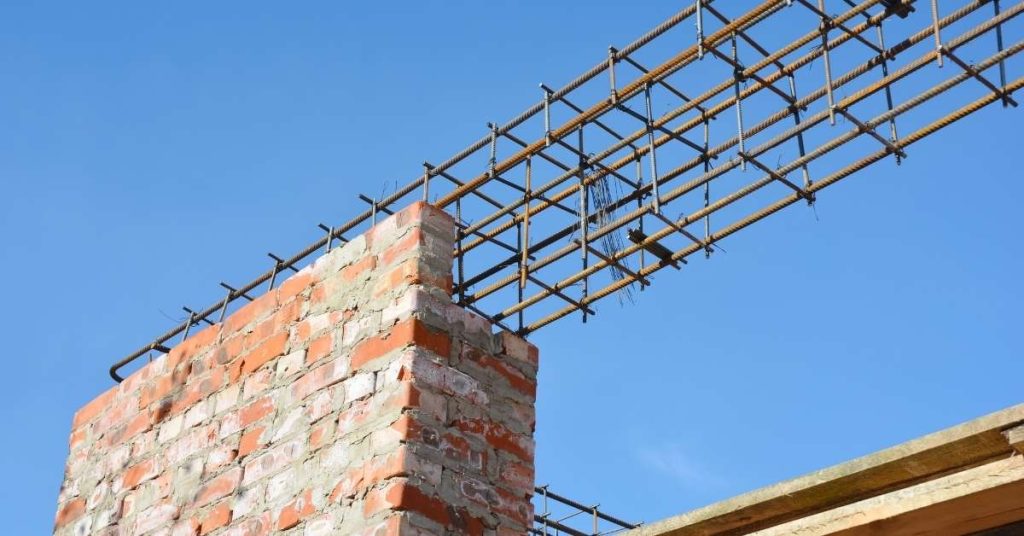
Brick wall with exposed rebar frame against blue sky

Repairing Settlement Cracks Along a Garage Stem Wall: Drainage Checks and Patch Strategy

Introduction

Repairing settlement cracks along a garage stem wall means checking why water is pooling, fixing drainage, and then sealing and patching the cracks so the wall stops moving and water stops getting in. Start by looking for low spots, clogged drains, downspouts that dump by the foundation, and any gaps at the slab-wall joint, and follow product labels and manufacturer instructions for materials you choose. Keep it DIY-level: clean the crack, route or widen narrow gaps if needed for a good bond, and use compatible sealants or patch mortars per their instructions.

Water from poor grading, clogged gutters, slab settling, or a damaged foundation can all feed these cracks and make them worse, especially when snow melts. Practical fixes include rerouting roof runoff, improving surface grading away from the garage, installing or clearing drains as appropriate, and sealing the crack after the area is dry; check local rules and product directions where requirements or specs matter.

Key takeaways

  • Assess drainage around garage; fix pooling before patching, prevents hydrostatic pressure.
  • Inspect for voids behind stem wall; backfill with proper material to stop settlement.
  • Plan for snowmelt: ensure garage floor slopes toward proper drainage routes.
  • Patch strategy: seal cracks with compatible concrete repair products and trowel flush.
  • Wear eye/hand protection; keep area ventilated; avoid mixing indoors near living spaces.
  • DIY vs professional: evaluate access to tools, safety, and code compliance before starting.
Table of Contents

Why Settlement Cracks Along a Stem Wall Matter

Settlement cracks in a garage stem wall can create both structural and moisture risks that affect how the foundation carries load and how dry the interior stays. These cracks may reduce bearing continuity, allow wall movement, and form direct channels for water, leading to mold, rot, or interior dampness.

Early diagnosis stops minor defects from becoming major repairs by clarifying whether a crack is primarily cosmetic, moisture-driven, or a sign of deeper movement. Document crack width, length, orientation, and any progression over time, and check exterior drainage conditions before deciding whether sealing is a short-term fix or a structural solution is needed.

How settlement cracks differ from hairline or shrinkage cracks

Settlement cracks are serious business. They’re not like those tiny, harmless hairline cracks you see in new concrete. Here’s how to tell them apart:

Width and orientation: Settlement cracks are wider – usually more than 1/8 inch. They often run diagonally or horizontally, unlike shrinkage cracks that typically go up and down.

Progression: Settlement cracks keep getting bigger over time. Shrinkage cracks stay the same size once they appear. If a crack is growing, it’s likely settlement-related and needs attention.

When cracks indicate structural movement

Some cracks are just ugly. Others are signs of trouble. Here’s when to worry:

Widening over time: If a crack is getting wider, that’s a red flag. Measure it every few months to track changes.

Misaligned doors or windows: Cracks combined with doors or windows that stick or won’t close properly could mean your garage wall is moving. That’s not good.

Vertical cracks or stair-step patterns: These can signal serious foundation movement. If you see them, don’t wait – get a pro involved right away.

Back to top ↑

Pre-Repair Inspection: Drainage-First Checklist

Start with a systematic run-down of exterior and interior drainage so you address the source of moisture before attempting any patching. Walk the perimeter to confirm grading direction, look for standing water or erosion at the stem wall, and inspect gutters, downspouts, and their discharge paths for blockages or short drops.

Perform simple movement tests like a controlled hose-down or runoff test to observe how water behaves during flow, and check inside the garage for damp spots, efflorescence, or a non-functioning sump or perimeter drain. Record photos, measurements, and test outcomes so you can set a clear gate: don’t patch until surface and subsurface drainage problems that feed the crack are fixed or mitigated.

Exterior drainage visual checkpoints

Before you start patching, use this checklist to inspect your garage’s exterior for signs of poor drainage.

  • Gutters: Ensure they’re clear and securely attached. Check for rust or damage that could cause leaks.
  • Downspouts: Verify they extend at least 5-6 feet away from the stem wall to direct water away from the foundation.
  • Elbows: Inspect downspout elbows. They should be clear and not blocked, allowing water to flow freely.
  • Splash pads/blocks: Confirm they’re in place at the end of each downspout to prevent water from splashing back onto the foundation.
  • Roof runoff paths: Check for proper water flow off the roof. Water should run away from the stem wall, not towards it.
  • Grading: Ensure the ground slopes gently away from the stem wall to encourage water runoff.
  • Erosion: Look for signs of soil erosion around the foundation that could indicate poor drainage.
  • Standing water: Check for any pooling or standing water near the foundation, especially after rain events.

Quick rule: If you spot any issues here, address them before patching to prevent re-cracking.

Interior and immediate slab checks

Before starting repairs, use this checklist to inspect the interior of your garage for signs of moisture or structural issues.

  • Wall cracks: Inspect for new or widening cracks in the stem wall. These could indicate ongoing settlement or movement.
  • Floor slope: Check if the floor slopes towards the wall. If it does, water may be pooling against the foundation.
  • Moisture/dampness: Feel along the base of the stem wall for any dampness or moisture. This could indicate a leak or poor drainage.
  • Efflorescence: Look for white, powdery deposits on the stem wall. These can form when water evaporates, leaving behind salt deposits.
  • Sump pump: Test your sump pump to ensure it’s working properly and removing water from the foundation.
  • Weeping tiles: If you have weeping tiles, check for any clogs or obstructions that could prevent proper drainage.
  • Interior cracks: Inspect interior walls and ceiling for new cracks. These could indicate structural movement.

Quick rule: If you find signs of moisture or structural issues, address these before patching to prevent re-cracking.

Back to top ↑

Diagnosing the Cause: Settlement, Voids, or Hydrostatic Pressure

Narrowing the cause starts with pattern recognition and basic in-field checks: note crack orientation, whether it’s widening, and if it correlates with wet periods or changes in soil around the wall. Use simple tactile tests—tap zones for hollow sounds, check for sagging slabs, and observe moisture at crack faces—to differentiate voids beneath the slab from groundwater pressure pushing on the wall.

Combine those clues with drainage context and safe, non-destructive checks to decide when to escalate to a structural or geotechnical pro. If you find rapid progression, clear signs of subsurface voiding, or uncertain load paths, document measurements and photos to share with the specialist before any major repair work.

Simple tests and documentation to perform

Start by documenting the cracks. Take photos with dates, measure widths, and sketch their locations.

Timed water tests can help pinpoint if water intrusion is a primary driver. Pour water at the base of the stem wall, wait 24 hours, then check for moisture or dampness.

Use a crack mapping technique to monitor movement over time. Mark cracks with chalk lines and recheck them periodically.

When to call a pro for soil or foundation evaluation

If you notice persistent movement or cracks that are rapidly widening, it’s time to bring in a professional.

Large cracks, especially those wider than 1/4 inch, or bowed walls, should also raise red flags. These could indicate significant structural issues.

If you’re unsure about the source of water intrusion, or if it seems to be coming from below the slab, don’t hesitate to call a pro. They have specialized tools and knowledge to assess soil conditions and foundation integrity.

Back to top ↑

Drainage Remediation Options Before Patching

Before patching, prioritize fixes that stop water from reaching the stem wall: regrade soil to shed water away, extend downspouts and add splash blocks, and repair or clear gutters so roof runoff doesn’t concentrate at the foundation. Small, quick fixes like temporary downspout extensions or surface swales let you test whether water flow improves before committing to larger solutions.

If surface measures don’t eliminate pooling, consider installing or upgrading subsurface options such as a French drain or checking the interior footing drain and sump for functionality. Complete and document drainage work, then run a controlled water test; only when the wall area remains dry under reasonable flow conditions should you proceed with permanent crack repairs.

Surface grading, gutters, and downspout strategies

First things first: regrade the soil around your garage stem wall. It should slope at least 6 inches over 10 feet away from the foundation to direct water away.

Maintain your gutters too. Ensure they’re clean, secure, and directing water at least 5-10 feet away from the foundation via downspout extensions or splash pads.

Check local codes for exact distances. Some areas may require more. Always follow manufacturer guidance on downspout extenders too.

Subsurface solutions: French drains, sump pumps, and permeable layers

If surface fixes aren’t enough, consider subsurface drainage. A French drain can help relieve hydrostatic pressure around your foundation.

In areas with high groundwater, you might need an interior sump pump. Ensure it’s discharging water far away from the foundation – at least 20 feet if possible.

Adding a layer of gravel or other permeable material around your foundation can also help. This allows water to drain rather than pooling and putting pressure on your walls.
Back to top ↑

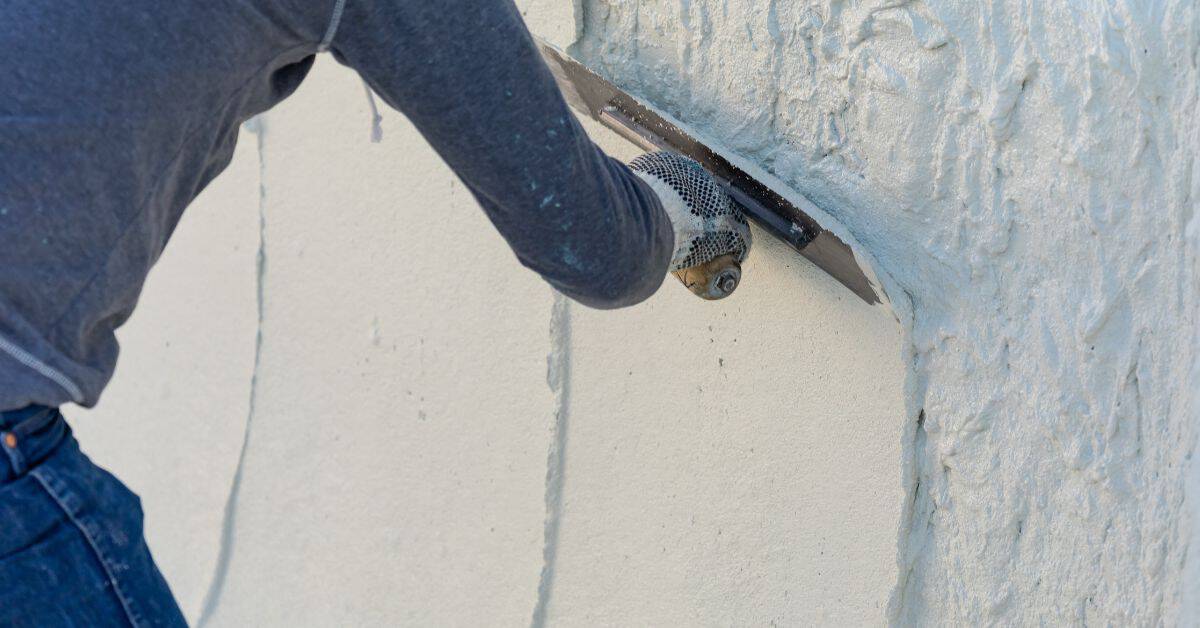
person applying stucco texture to outdoor wall with trowel

Patch Strategies for Settlement Cracks in a Stem Wall

Select a patch method based on the crack classification and confirmed cause: cosmetic surface seals for stable, dry hairline cracks; injection systems for mid-width cracks that are dry or only slightly damp; and structural repair when movement or load transfer is suspect. Ensure drainage fixes are in place first so the chosen patch is not undermined by recurring water pressure or soil movement.

Match the material and application to surface prep needs and movement expectations, and verify product suitability by checking the manufacturer’s technical guidance. Set criteria for professional referral if the crack remains active, shows displacement, or if the repair method requires structural anchoring beyond typical DIY scope.

Non-structural crack repairs: best practices

For hairline or static cracks, focus on surface preparation and using flexible materials. Clean the area thoroughly, removing any debris or loose material.

Use flexible sealants like acrylic or silicone for non-structural cracks. They can bridge minor movements without failing. Apply evenly, following the manufacturer’s instructions.

Check adhesion and fill after application by running a finger along the crack. If it feels smooth and even, you’ve done it right.

Structural or movement-related repairs: injection and reinforcement

For active leaks or when reinforcement is needed, consider epoxy/urethane injections. These high-capacity materials can fill wider cracks and resist further movement.

Professional installation is often recommended for structural repairs due to the complexity of the process and the need for specialized equipment.

If underpinning or reinforcement is necessary, consult a professional. They can assess the situation and recommend appropriate actions like installing rebar or epoxy anchors.

Step-by-step practical patch workflow

This sequence helps ensure your repair is thorough, long-lasting, and addresses the root cause of the crack.

  1. Document the crack’s type, pattern, location, and any visible moisture. This helps track progress and identify recurring issues.
  2. Dry and clean the crack area. Remove any debris or loose material to ensure a strong bond with your repair material.
  3. Repair or improve drainage as needed based on your earlier checks. This prevents recurring movement and ensures long-term performance.
  4. Select your patch method based on your diagnosis: surface seal, epoxy/urethane injection, or structural repair.
  5. Perform the patch using the chosen material, following manufacturer’s instructions. If at any point you’re unsure, consider calling a professional to avoid costly mistakes.
  6. Monitor the crack post-repair for visible progression or moisture changes. This helps ensure your repair is holding and allows early intervention if it isn’t.

Back to top ↑

Tools, Materials Checklist and Material Guidance

Assemble inspection and repair tools: basic hand tools for cleaning and shaping the crack, a grinder or chisel for enlarging keyways, injection equipment if using two-part systems, and PPE such as eye protection and a dust mask. Gather material categories—cementitious repair mortar, epoxy or polyurethane injection compounds, hydraulic cement for active leaks—and choose products rated for exterior concrete and the expected moisture conditions.

Read product labels or the technical data sheet to confirm suitability for structural cracks, moisture tolerance, surface prep requirements, and compatibility with existing concrete or coatings. Keep a simple checklist to record lot numbers, cure instructions, and any manufacturer limitations so you can follow correct prep, application, and curing steps for reliable adhesion and performance.

Essential tools for DIY inspections and minor repairs

Before you start, make sure you have these basic tools to perform initial checks and small patch jobs safely and effectively.

  • Trowel & Margin Trowel: For applying and smoothing repair materials. Skip this and you’ll struggle with an uneven finish.
  • Hammer & Chisel: To remove loose concrete and create a clean surface for patching. Without these, you might not get a solid bond.
  • Grinder with Diamond Blade: For cutting and removing damaged concrete. Don’t skip this; it’s crucial for a neat, safe job.
  • Utility Knife: To score and cut back cracked surfaces. Miss this step and you’ll have an unsightly repair.
  • Gloves & Eye Protection: Safety first! Protect your hands and eyes from debris and chemicals.
  • Dust Mask: Keep your lungs clear of concrete dust during grinding and patching.
  • Small Flashlight: Inspect hard-to-reach angles and check for hidden damage. Skip this, miss potential problems.
  • Moisture Meter: Confirm moisture levels before patching. Ignore this and your repair might fail due to excess moisture.

Quick rule: Always wear safety gear when using power tools or handling chemicals.

Choosing materials and understanding product claims

Selecting the right patching material is crucial. Here’s how to understand manufacturer claims and choose wisely.

  • Crack Width: Match the repair method to crack width. Too small? Injection might be best. Too wide? Use concrete repair mortar.
  • Movement: Consider movement when choosing a material. Elastic materials are better for moving cracks.
  • Moisture Tolerance: Check if the product can handle moisture. Skip this and your patch might fail in wet conditions.
  • Freeze-Thaw Resistance: Ensure the product can withstand freeze-thaw cycles, especially in colder regions.
  • Exterior-Grade Use: Confirm the product is suitable for exterior use. Skip this and your patch might not last outdoors.
  • Cure Time: Consider how long you’ll need to wait before using the patched area again.
  • Surface Prep & Primer: Follow any recommended prep steps or primers for a strong bond. Miss this and your patch might not stick.
  • Warranty & Compatibility: Check if the product has a warranty and is compatible with existing concrete and coatings.

Quick rule: Always request technical data sheets for performance in wet or variable conditions.

Back to top ↑

DIY Vs. Professional Intervention: Decision Guide

Decide based on risk, symptom severity, and your skills: routine cleaning and surface patching of stable, non-structural cracks is commonly within reach for a competent DIYer, while signs of active movement, wide offsets, or structural distress call for a licensed professional. Use measurable criteria—crack progression, displacement, and water intrusion—to guide whether to proceed or to pause and consult an engineer.

Document crack behavior with photos, basic measurements, and notes on surrounding drainage so you can present clear information to a contractor or engineer if needed. If work will affect load paths, require permits, or involve subsurface stabilization, verify contractor credentials and obtain the necessary professional evaluation before starting repairs.

Tasks generally safe for DIY

As a homeowner, you can tackle certain tasks around your garage stem wall cracks without hiring a professional. These low-risk jobs help maintain your property and buy time while you decide on bigger repairs.

Cleaning and sealing non-structural cracks: If cracks are less than 1/4 inch wide, they’re likely non-structural. Clean them with a wire brush, then seal with an elastomeric caulk to prevent water intrusion.

Basic gutter cleaning: Keep your gutters clean and free-flowing to ensure proper water drainage away from the stem wall. Use a ladder and gloves for safety.

Temporary water diversions: If you notice persistent water pooling near the stem wall, create a temporary diversion using gravel or a small trench to redirect water away from the foundation until you can address the root cause.

Signs you must hire a pro

Some garage stem wall crack symptoms require immediate professional attention. If you notice any of these signs, don’t hesitate to call in a licensed contractor or structural engineer.

Active structural movement: Widening cracks (over 1/4 inch), diagonal cracks, or cracks that run through multiple walls indicate active movement and potential structural damage. Consult a professional immediately.

Significant water ingress: Persistent water pooling around the stem wall, water stains on interior walls, or musty odors could signal hydrostatic pressure buildup. A pro can assess the situation and recommend appropriate drainage solutions.

Unclear cause: If you can’t determine why cracks are forming or worsening, it’s best to consult a professional. They have the expertise to diagnose complex issues and provide tailored repair strategies.

Back to top ↑

Costs, Timeline, Common Mistakes, and Maintenance Plan

Understand the main cost drivers—materials, labor, and any required drainage or waterproofing work—and that site conditions and access can change project scope and timing. Build a phased timeline that covers inspection, drainage fixes, corrective work, and appropriate cure times, while allowing for weather-related delays and material lead times.

Avoid common mistakes like skipping drainage fixes, poor surface preparation, using incompatible materials, or rushing cure times; instead, schedule follow-up inspections after heavy rain and maintain drains, gutters, and grading. Keep a short maintenance checklist with seasonal checks, documented repairs, and criteria for re-evaluating if new or worsening cracks appear.

What impacts cost and how to get accurate estimates

Repairing settlement cracks along a garage stem wall involves several cost drivers. First, consider the materials. You’ll need repair mortar, patch compounds, crack injection gear, waterproofing, drainage components, and sealants. Larger cracks or exposed foundations may require more materials, driving up costs.

Labor is another significant factor. If you’re a DIYer, your time is free but valuable. Contractors charge hourly rates, which can vary greatly. Accessibility also plays a role; if the repair site is hard to reach, labor costs may increase.

To get accurate estimates, ask for itemized quotes. This breaks down costs so you can compare bids easily. Always check references too – a good contractor should have satisfied customers willing to vouch for their work.

Common mistakes and how to avoid them

Before diving into repairs, understand some frequent errors to steer clear of. These can lead to ineffective repairs or even more damage.

  • Repairing cracks before fixing drainage issues. Water causes settlement cracks; ignoring this root problem leads to recurring issues.
  • Using wrong materials. Incompatible patch materials won’t bond properly, leading to failed repairs.
  • Inadequate surface preparation. Without proper cleaning and priming, patches won’t adhere well.
  • Skipping proper curing. Curing allows patches to gain full strength; skipping this step weakens repairs.
  • Failing to address recurring water intrusion. Persistent water problems must be fixed or they’ll cause more cracks.

To avoid these mistakes, always fix drainage issues first. Use recommended materials and follow manufacturer guidelines for application and curing. Regularly inspect your garage stem wall for signs of water intrusion.

Post-repair monitoring and routine maintenance

Maintaining your repaired garage stem wall involves regular checks to catch any recurrence early. Here’s a simple maintenance plan:

Routine visual inspections. After heavy rains, walk around your garage and check for new cracks or signs of water intrusion.

Gutter upkeep. Ensure gutters are clean and directing water away from the foundation. Consider installing downspout extensions if needed.

Annual drain/grading checks. Once a year, inspect your drainage system – French drains, sump pumps, etc. – to ensure they’re functioning properly. Regrade soil around the garage if necessary.

If new cracks appear, follow this troubleshooting flow: first, check for water intrusion. If present, address the drainage issue immediately. Then, reassess the crack’s severity and decide whether to repair it yourself or hire a professional.

Back to top ↑

Conclusion

Repairing settlement cracks is about keeping water out, protecting the wall, and preserving a solid, safe space in your garage. Do the work with a clear plan, use the right drainage checks, and patch only after you’ve confirmed the cause and chosen a safe method.

Proceed with a simple pulse of action: start with a drainage check and verify grading, gutters, and downspouts; inspect the soil away from the wall for proper drainage; test a small patch in a hidden spot first; assemble your PPE and the toolbox, clean and prep the crack, choose a patch method that fits the crack type, apply and cure as directed, then monitor for a few weeks and recheck drainage and grading after rain.

Two common mistakes to avoid are rushing into patching without confirming the drainage issue or moisture source and drying the crack without cleaning out dust and loose material first. Always test patches in a small area, wear eye protection and gloves, and work only when the wall and ground are dry. Never mix patch products in a damp space, and don’t stone anything in place that can’t be reworked later.

If you uncover active hydrostatic pressure, ongoing drum-tight monitoring after heavy rain, or cracks that keep widening, call a professional instead of forcing a DIY fix. Stay methodical, keep safety first, and you’ll conserve cost and avoid costly damage—your garage will stay dry, solid, and presentable.

Back to top ↑

FAQ

What causes water pooling near a garage stem wall, and how do I tell which issue to fix first?

Pooling can come from poor surface grading, clogged or overflowing drainage, or cracks letting water in. Check where water pools after rain or snowmelt, then trace back to the highest point of water flow. Start with surface grading and gutters, then look at any cracks that could channel water toward the wall.

What are solid drainage improvements I can do around a garage stem wall?

Redirect water away from the wall with proper grading, downspout extensions, and splash blocks. Clean and clear foundation drains if you have them, and fix any gutter leaks or sagging downspouts. If water keeps collecting at the footing, you may need a perimeter drain or additional drainage paths, guided by what the site will support.

How should I seal and repair cracks in a stem wall to stop leaks and movement?

Seal the crack after you’ve addressed drainage. Use a crack filler or patch product rated for concrete foundations, following the label for depth and cure time. For active or moving cracks, you may need a flexible sealant and a parge or patch along the wall; always follow product instructions and local guidance.

Can snowmelt cause damage to the stem wall, and what’s the prevention plan?

Yes, melted snow can pool and freeze, pushing water into cracks or voids. Improve drainage paths for meltwater, keep sidewalks clear of snow, and ensure downspouts direct melt away from the wall. Use deicing sparingly and avoid salt directly on the patch area, as it can degrade concrete over time.

Back to top ↑

More about this topic