
Introduction
A parge coat is a thin cement-like coating applied to foundation walls to seal, smooth, and protect them. This article walks you through the basics of mixing, prepping the surface, and controlling cracks so you can do it safely and effectively. You’ll tackle foundation wall prep, choosing a parging mix, and applying a thin, even coat.
Clean the wall first by removing loose material and addressing cracks as needed before you start. Follow the product instructions for mixing, aiming for a workable, damp consistency and keeping the surface damp as you work. Have the right tools ready—trowel, hawk, scratch or brush, and a finish tool—and apply in thin, even coats, watching for pinholes and ready for touch-ups.
Key takeaways
- Inspect foundation walls for cracks, moisture, and loose material before parging.
- Clean and dampen surface, remove efflorescence, and apply primer per manufacturer.
- Gather trowels, hawk, mixer, mixing bucket, and parging compound for consistent batches.
- Mix parging in small batches, add water gradually until a workable consistency.
- Apply in thin, even coats, press to fill voids and control cracks.
- Cure under proper conditions, keep surface protected, and seal after full cure.
Table of Contents
- Introduction
- Key takeaways
- What a Parge Coat Is and When to Use It
- Planning and Assessment Before Starting
- Tools and Materials Checklist
- Surface Preparation in Detail
- Mixing the Parging Compound
- Application Techniques and Crack Control
- Drying, Curing, Sealing, and Finishing Touches
- Quality Control, Maintenance, Cost Considerations, and Safety
- Conclusion
- FAQ
What a Parge Coat Is and When to Use It
A parge coat is a thin cementitious layer applied to the surface of concrete or masonry foundations. It provides a protective and cosmetic finish at a light thickness. It is not a substitute for structural repair or waterproof membranes.
Use it to shield against moisture intrusion, improve appearance, and smooth irregular walls for minor repairs. Remember its limitations: it won’t fix structural cracks or major water problems. Compare with stucco, waterproofing membranes, or full repointing to choose the right path for your wall.
Purpose and benefits
A parge coat is a thin layer of cement-based mixture applied to foundation walls. It’s not just about looks, though that’s part of it.
Protection is key. Parging seals out moisture, preventing water from seeping into cracks or pores in the wall. This helps prevent freeze-thaw damage and keeps your foundation strong.
Parging also covers imperfections. It fills small cracks and smooths rough surfaces, giving your walls a neat, uniform appearance. Plus, it provides a better base for painting or applying other finishes.
Limitations and when not to use parging
Parging is great, but it’s not a fix-all. There are times when you should not use it.
If your walls have structural issues, like significant cracks or leaning, parging won’t solve the problem. You’ll need to address these issues first, often with the help of a professional.
Parging isn’t a substitute for full waterproofing either. If your foundation is leaking badly, you might need a waterproof membrane before parging.
Lastly, if your walls are in really bad shape, it might be time to replace them rather than parge. Parging can’t fix everything, and sometimes it’s better to start fresh.
Planning and Assessment Before Starting
Begin by defining the exact areas to parge, the desired thickness, and the finish quality. This guides material choices and labor needs. Keep expectations realistic for a non-structural coating.
Check the forecast and plan around curing conditions to maximize adhesion. Assess the wall for cracks, dampness, efflorescence, or flaking concrete. Flag areas that need repair or extra prep work before coating.
Inspecting walls and identifying issues
Before you start parging, a thorough wall inspection is crucial. You’re looking for any issues that could compromise the final result or cause problems down the line.
Delamination – where the old parge coat has started to peel off – needs immediate attention. Active leaks should be fixed before applying any new coating. Large voids or honeycombing in the concrete need filling, and sources of movement like settling or expansive soils must be addressed first.
Active leaks can cause your parge coat to fail prematurely. Movement can lead to cracking and delamination over time. Take care of these issues before you start applying the new parge coat.
Timing, permits, and weather considerations
Timing is everything when it comes to parging. Extreme temperatures and rain can ruin your work. Avoid working when the temperature is below 40°F (4°C) or above 90°F (32°C). Also, keep an eye on the forecast for rain – you don’t want any unexpected showers washing away your hard work.
Check local codes and permit requirements before starting. Some areas may require permits for exterior wall modifications. It’s better to know upfront than face a stop-work order mid-project.
Extreme temperatures can affect the curing process, leading to weak spots or cracking. Rain can wash away the parge coat before it has a chance to cure properly. Plan your work around these factors for best results.
Choosing the right material and system
The materials you choose will greatly impact the final result of your parge coat. You have two main options: premixed parging products or site-mixed mortars.
- Premixed Products: These are convenient but can be more expensive. They’re great for small jobs and ensure consistency in the mix. However, they may not be suitable for larger projects where cost is a factor.
- Site-Mixed Mortars: These give you more control over the mix design and can be less expensive for larger projects. But they require more effort and skill to get the mix right.
- Bonders or Reinforcement: If your walls have delamination issues, consider using a bonding agent to improve adhesion. Reinforcement may also be needed if there are large voids or cracks.
- Wrong Material: Using the wrong material can lead to problems like cracking, staining, or weak bond. Always check compatibility with your existing substrate and any damp-proofing layers.
Tools and Materials Checklist
List all required hand tools, mixing gear, and finishing supplies so you can gather everything ahead of time. Include trowels, hawk, brushes, and a margin trowel, plus measuring and marking tools. Add a drill with paddle mixer and a mixing bucket for your parge mix.
Include consumables like parge or mortar mix, bonding agents if needed, water, additives, and backer rods for joints. Don’t forget PPE, drop cloths, and masking materials. Have a staging plan to keep tools organized and accessible.
Essential Tools and Power Equipment
Before you start, ensure you have all the necessary tools to complete your parge coat application efficiently and safely.
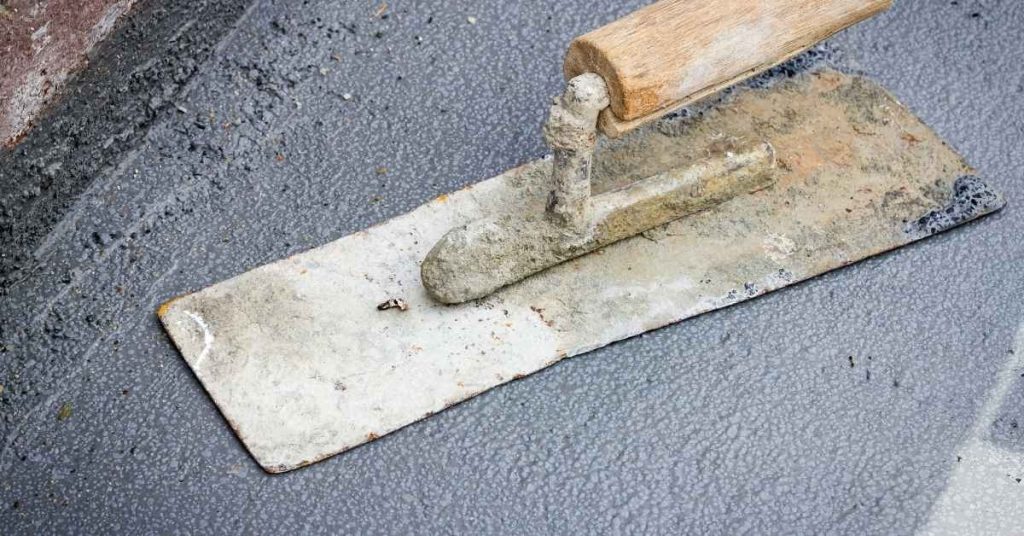
- Trowels (4″ – 12″): For applying and spreading the parge mix. Skipping these can make application difficult.
- Margin Trowel: To create a clean edge around windows, doors, and other openings.
- Hawk: Holds the parge mix while you’re working with trowels. Without it, you’ll struggle to keep your hands clean.
- Scrapers: To remove excess material and create a smooth finish.
- Mixing Paddle (for drill): To mix the parge coat in small batches. Using a wrong attachment can lead to improper mixing.
- Float (wood & magnesium): For smoothing and leveling the parge coat. Skipping this can result in an uneven finish.
- Brushes: To clean up edges and apply bonding agents. Without them, you’ll struggle to maintain a neat appearance.
- Safety Gear (gloves, eye protection): Protect yourself from injuries and chemicals. Skipping these can lead to accidents or health issues.
Quick rule: Always prioritize safety gear before starting any task.
Materials, Additives, and Accessory Supplies
Having the right materials on hand ensures a successful parge coat application. Here’s what you’ll need:
- Parge Mix or Mortar (Type S or N): Choose a mix designed for your climate and application. Using the wrong type can lead to cracking or delamination.
- Bonding Agent: To improve adhesion between the parge coat and the foundation wall. Skipping this can cause peeling.
- Fibers or Meshes (optional): For added strength and crack resistance. Omitting these may result in a weaker coating.
- Temporary Supports: To hold the parge coat in place while it sets, especially on vertical surfaces.
- Joint Materials (caulk or backer rods): To fill and seal expansion joints. Skipping this can lead to cracking at joint locations.
- Plasticizers or Additives: To modify the parge mix’s properties as needed. Using the wrong additives can affect the coat’s performance.
- Bonding Cement (if applicable): For priming the surface before applying the parge coat. Skipping this can result in poor adhesion.
Quick rule: Always follow the manufacturer’s guidelines for mixing and application to ensure optimal results.
Surface Preparation in Detail
Create a comprehensive cleaning protocol to remove dust, grease, efflorescence, and loosely bonded material. Use the right brushes and, if needed, a pressure wash on a safe setting. Ensure the wall dries adequately before coating.
Profile the surface to create a rough, uniform key without gouging. Identify cracks and defects and plan repairs before applying the parge coat. Confirm moisture levels are suitable for bonding and plan ventilation as needed.
Cleaning, removing efflorescence, and preparing the substrate
Start by removing any loose material with a wire brush or stiff broom. Be thorough but don’t gouge the surface.
Efflorescence, those white salt deposits, need to go too. Use a pressure washer with a wide-angle nozzle and low PSI – around 500-1000 PSI – to wash them away. Safety first: wear eye protection and keep your distance.
If grease or oil is present, use a degreaser suitable for masonry. Rinse well afterwards. Let the surface dry completely before moving on. This could take a few days depending on weather conditions.
Repairing large defects and treating cracks
Inspect your walls for any voids, hollow spots, or large cracks. Mark them clearly so you don’t miss any.
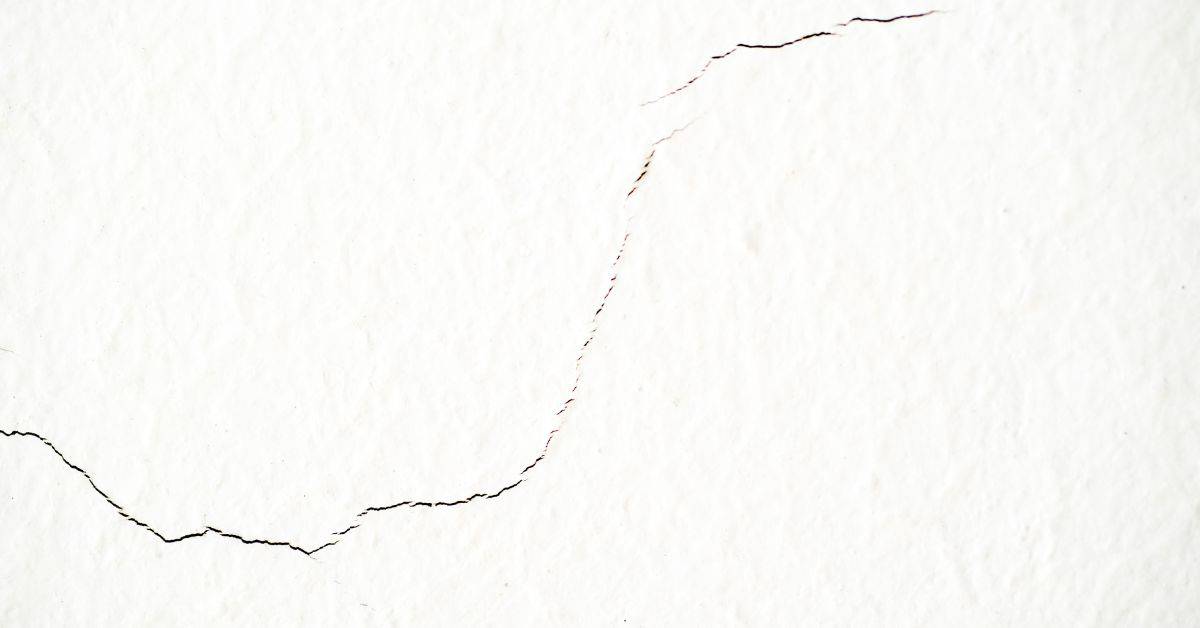
For small to medium-sized cracks, use a wire brush to clean out debris. For larger ones, consider using a grinder with a diamond blade to open them up and ensure proper filling. Always wear safety gear when grinding.
Use an appropriate patch or epoxy for the crack size. Follow manufacturer’s instructions for mixing and application. Let it cure as directed before proceeding.
Moisture checks and priming/bonding
Check for rising damp or high moisture content using a moisture meter. If readings are high, address the issue – improve drainage, ensure gutters are functioning, etc. – before parging.
Once dry, apply a compatible bonding agent or primer to enhance adhesion. Choose one based on your substrate’s porosity and the parge mix you’re using. Follow manufacturer’s guidelines for application and drying times.
Note: Prime or bond only when temperatures are between 50°F (10°C) and 90°F (32°C), and humidity is below 80%.
Mixing the Parging Compound
Decide on a practical batch size that keeps mix consistency from one area to the next. Plan the sequence of adding powder and water and choose your mixing method to avoid lumps. Keep the mix within workable pot life as you go.
Test the mix for the right consistency by feel and straightedge checks, avoiding overly wet or dry results. Manage batches to prevent cold joints and waste. Follow safety guides for ventilation and skin protection during mixing.
Mixing method and consistency cues
Start by adding half the required water to your mixing tub. Then, gradually add the parging powder while stirring with a drill mixer or hand-mix tool.
Key: Add powder slowly to avoid lump formation. Keep the speed steady to maintain an even mix.
Once all powder is added, let it absorb water for 2-3 minutes before mixing again. Then, add the remaining water and mix until y