
Introduction
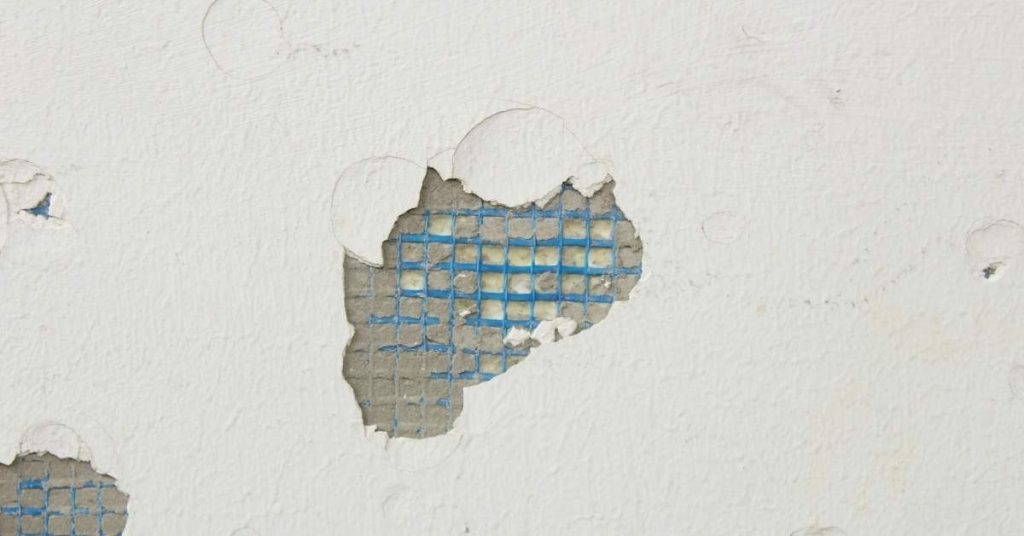
This article explains how to repair stucco after removing a satellite dish, focusing on filling holes, embedding mesh, and matching color. You’ll work from the outside in, prep the area, and choose the right patching compound for your surface. Plan for a gradual build up and smooth finish, then check local rules or manufacturer guidelines for compatibility.
You’ll learn practical steps to apply patch, reinforce with mesh, and feather the edges to blend with the surrounding wall. Check the product label and local requirements for curing times and painting recommendations, and adjust for your climate. If in doubt, consult the manufacturer instructions or a local pro to confirm suitable materials.
Key takeaways
- Inspect and clean damaged area before patching and ensure stable surrounding stucco.
- Remove loose material, fit a backing board, and secure with appropriate mesh.
- Wear eye protection and gloves when mixing patch materials to prevent injuries.
- Dampen surrounding stucco slightly to minimize rapid moisture loss during patching.
- Apply base, scratch, and finish coats per manufacturer guidelines and curing times.
- Test color match with a small blended area and adjust with care.
- Allow proper environmental drying and review any local rules before final finish.
Table of Contents
- Introduction
- Key takeaways
- Quick Overview and Scope: When This Guide Applies
- Tools and Materials Checklist
- Preparing the Hole and Surrounding Stucco
- Installing Mesh, Lath, and Backing
- Applying Patch Coats: Base, Scratch, and Finish
- Color Matching and Blending Strategies
- Drying, Curing, and Environmental Considerations
- Troubleshooting, Visual Checkpoints, and When to Hire a Pro
- Conclusion
- FAQ
Quick Overview and Scope: When This Guide Applies
This guide covers common stucco finishes used on residential exteriors and typical satellite-dish damage like holes or gouges from mounting brackets. It is focused on small to moderate repairs where the surrounding stucco is structurally sound. DIY repair is appropriate when you can access the area safely and the damage does not involve major cracking or water intrusion.
Look for damage patterns such as edge crumbling, rusting fasteners, or loose patches, which may indicate more extensive issues. If the patch area is large or the substrate shows moisture damage, consult the manufacturer instructions and local codes, or hire a professional. Use this guide to set expectations for repair steps and when to seek pro help to avoid warranty or structural problems.
Types of Stucco and Satellite Mount Systems
First, let’s understand the two main types of stucco you might be dealing with:
Traditional Cement Stucco: This is a mix of cement, sand, and water. It’s strong but can crack over time.
Synthetic/EIFS (Exterior Insulation and Finish System): This is a synthetic exterior wall cladding system that provides insulation and drainage. It’s less prone to cracking but can be damaged by moisture.
Now, satellite mounts. They typically use one of these systems:
Bracket Mounts: These attach directly to the stucco using screws or bolts. They’re common on traditional cement stucco.
Saddle Mounts: These sit on top of the dish and are secured with straps. They’re often used on EIFS systems as they don’t penetrate the surface.
Assessing Damage Size and Substrate Condition
Before you start repairs, you need to assess the damage:
First, measure the hole size. Use a tape measure or a piece of paper to get an accurate reading.
Next, check for any underlying issues. Remove any remaining brackets and look for:
Rust: This could indicate water intrusion or old, rusted hardware.
Rot: In EIFS systems, moisture can cause the foam insulation to rot.
Based on your findings, categorize the repair:
Small Patch: Holes up to 6 inches in diameter with no underlying issues.
Medium Repair: Holes larger than 6 inches or minor substrate damage like rusted hardware.
Structural: Extensive rot, cracks, or other signs of significant structural damage. This requires professional help.
Tools and Materials Checklist
Start with a sturdy cleanup kit: a hammer and chisel, wire brush, utility knife, and protective gear like gloves and eye protection. Have mixing tools, a cement mixer or bucket, and trowels for applying patch materials lined up for the job size. Choose patch material and mesh or lath that match the existing stucco system.
For small repairs, you may use premixed patch compounds and lightweight mesh; for larger patches, you may need lath, bonding agents, and base coats. Always verify product labels and manufacturer instructions for compatibility with your stucco type and substrate. When in doubt, check local building rules or HOA guidelines before starting the repair.
Recommended tools
Before you start, gather these essential tools to ensure a smooth repair process.
- Utility knife: For cutting old stucco and preparing surfaces. Skip this and you’ll struggle with clean cuts.
- Trowel (1/2″ & 3/4″): For applying and spreading stucco mixes. You need both sizes for different stages of the job.
- Hawk: To hold and carry stucco mix to your trowel. Don’t forget this; it’s a game-changer.
- Scrub brush: For cleaning surfaces before repairs. Neglect this step, and your repair won’t stick.
- Power drill (with mixing paddle): To mix stucco mixes quickly and efficiently. Without one, you’ll be mixing by hand for ages.
- Safety glasses: Protect your eyes from debris during cutting and sanding. Don’t take chances with your vision.
- Dust mask/respirator: To protect against stucco dust. Inhaling this can cause serious health issues.
- Tape measure: For accurate measurements when cutting mesh and determining repair size.
- Level (4′ or longer): To ensure your repairs are even and flush with the existing surface. A wonky level leads to a lumpy finish.
Quick rule: Always prioritize safety gear, then gather tools based on repair size and complexity.
Materials and product options (mesh, bonding agents, stucco mixes, finishes)
Choose the right materials to match your existing stucco system for a seamless repair.
- Mesh: Metal lath vs. fiberglass mesh. Metal lath is stronger but can rust; fiberglass won’t rust but isn’t as strong. Choose based on repair size and substrate condition.
- Bonding agent: Use a compatible bonding agent to ensure your new stucco adheres properly to the old. Skip this, and your repair could peel off.
- Scratch/base coat: Match the existing stucco type (sand/cement or acrylic) for a consistent finish. Mixing types can cause compatibility issues.
- Finish stucco: Choose a finish that matches your existing texture and color. Mismatches are obvious and hard to fix later.
- Paint/coating: Ensure your chosen paint or coating is compatible with your stucco system. Incompatibility can lead to peeling or discoloration.
Quick rule: Always select products that are compatible with your existing stucco system for a seamless, long-lasting repair.
Safety gear and prep supplies
Protect yourself and keep your work area clean with these essential safety gear and prep supplies.
- Hard hat: Protect against falling debris during cutting and sanding. Don’t risk a head injury.
- Work gloves: To protect hands from cuts, scrapes, and burns. Gloveless hands are vulnerable hands.
- Ear protection: To muffle loud power tool noises. Prolonged exposure can cause hearing damage.
- Drop cloths: To protect surrounding areas from stucco dust and debris. Cleanup is easier with drop cloths.
- Masking tape: For protecting edges and creating clean lines during repairs. Without it, you’ll struggle with a neat finish.
- Temporary weather protection: To shield your repair from rain or direct sunlight while curing. Exposure can cause cracking or discoloration.
Quick rule: Always prioritize safety gear and prep supplies to protect yourself and ensure a clean, professional-looking repair.
Preparing the Hole and Surrounding Stucco
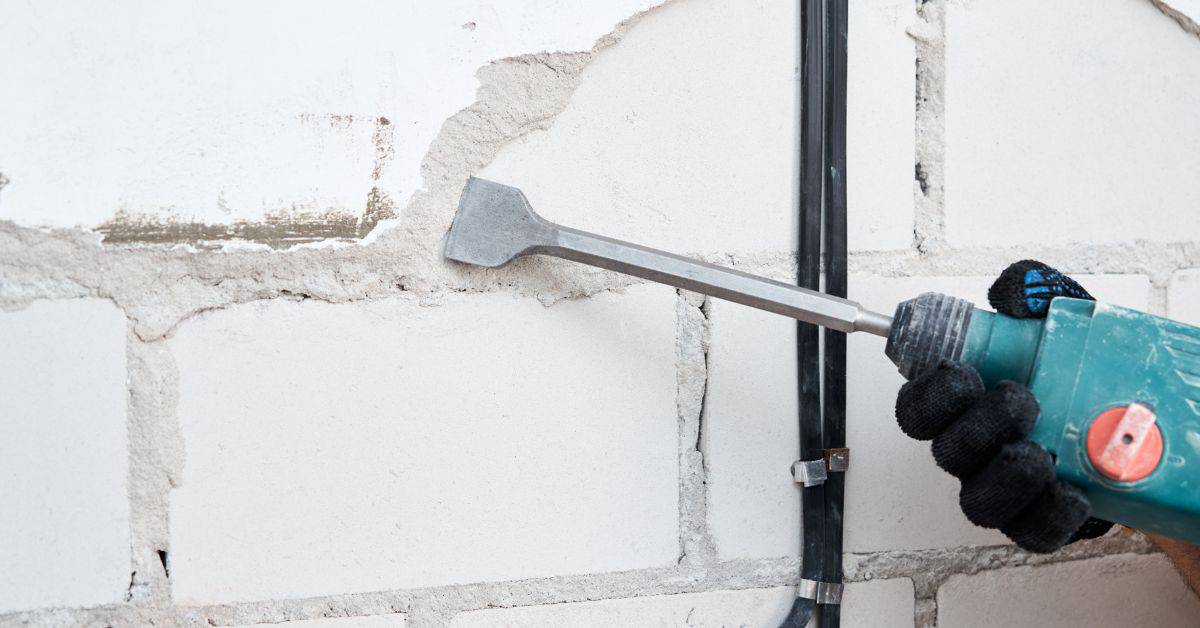
Carefully remove loose or damaged material around the hole with a chisel and brush away dust. Do not tear back more than necessary; use a margin to ensure a solid edge for bonding. Clean edges help the patch adhere and resist future cracking.
Inspect for concealed moisture or mold behind the damaged area. If you find dampness, dry out the area and address the source before patching. Follow product instructions for surface prep primers or bonding agents as needed.
Cleaning, removing rust, and cutting back damaged stucco
Start by scraping off any loose or crumbling stucco around the hole using a stiff-bristle brush. Be careful not to damage surrounding intact material.
If there are rusted fasteners, use a wire brush to remove as much rust as possible. A little elbow grease goes a long way here.
Now, cut back the damaged stucco with a utility knife or oscillating tool. You want to create a clean edge that’s about 2-3 inches beyond the hole. Be sure not to overcut into good material.
Dealing with lath, sheathing, and water-damaged backing
Before you start patching, inspect the area behind the stucco. You’re looking for any damaged lath or sheathing that needs replacing.
If you find any rot or damage, replace it now. Use a reciprocating saw to cut out the bad section and install new pieces using galvanized nails or screws.
Important: If there’s water damage, check for mold. If present, treat it before proceeding. Water-damaged backing won’t support your patch properly.
Installing Mesh, Lath, and Backing
Place the mesh or lath so it extends beyond the patch area with proper overlap onto sound stucco. Secure it with appropriate fasteners or adhesive compatible with the substrate. Ensure the backing is continuous to prevent future delamination.
Attach methods vary by substrate, such as masonry, wood sheathing, or cement board. Use the recommended fastener type and spacing from the product instructions. Check that the mesh is taut and free of wrinkles before applying patch coats.
Choosing the Right Mesh or Lath
First, you need to decide between fiberglass mesh and metal lath. Fiberglass is lightweight, flexible, and resistant to corrosion. It’s great for small repairs and synthetic stucco systems.
Metal lath, on the other hand, is stronger and more rigid. It’s ideal for larger repairs or when using cement-based stucco. Always choose a mesh or lath that’s compatible with your existing stucco system.
Overlap, Embedment, and Anchoring
Start by overlapping the new mesh or lath onto the existing one. A 6-inch overlap is usually sufficient to ensure a strong bond.
Next, embed the mesh into the base coat. This ensures it’s well-bonded and won’t peel off later. Use a notched trowel to press the mesh firmly into the wet base coat.
For anchoring, use corrosion-resistant fasteners like stainless steel or galvanized screws. Drive them through the mesh into the substrate at 6-inch centers. This prevents movement and ensures a solid attachment.
Applying Patch Coats: Base, Scratch, and Finish
Mix and apply the base coat to rebuild the substrate thickness, following the product’s guidelines for mixing and pot life. Use a straightedge to feather the edges so the patch blends with the surrounding surface. Allow the base coat to cure per the manufacturer’s timing before the next layer.
Apply the scratch coat and a finish coat in thin, even layers, keeping a consistent buildup with the existing stucco. Treat each layer as a separate cure period and avoid overworking when the material begins to set. Reference the product instructions for bonding and curing requirements.
Mixing and applying the base/scratch coat
The base coat is your first layer of repair. It’s crucial to get it right for a strong, durable finish.
Mix your stucco according to the manufacturer’s instructions. You want a consistency like thick peanut butter – not too runny, not too stiff.
Apply t