
Introduction
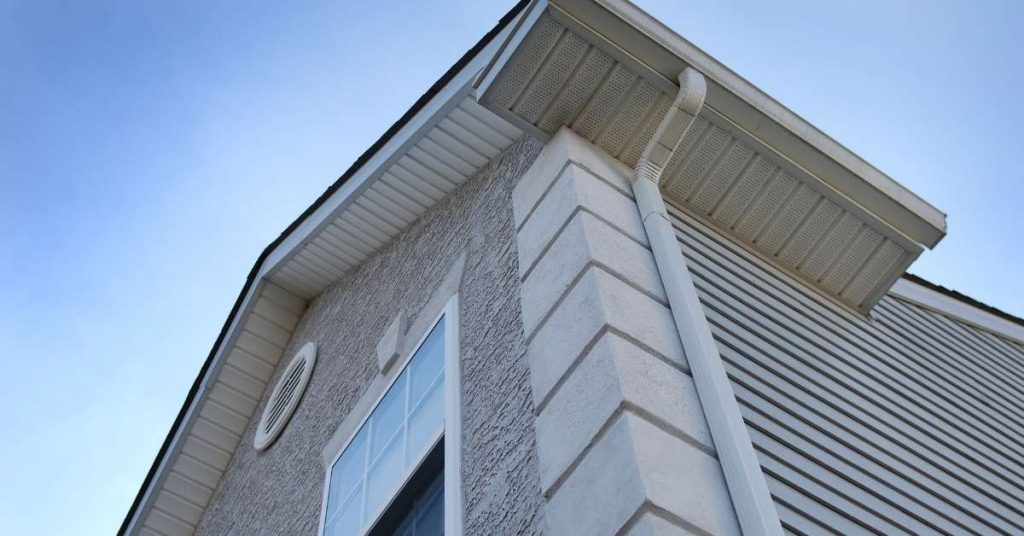
Outside corner stucco damage refers to cracks or chips at the corner where two exterior walls meet. The goal is to make a repair that stays strong and looks even, without the chip coming back. This article walks you through practical, hands-on steps you can follow with common tools.
You’ll want to check if metal corner bead is exposed after the stucco, and plan to cover or seal it as needed. We cover damage types, repair methods, and the tools and materials you’ll likely use, with safety in mind. Always verify product labels, manufacturer instructions, and local rules for patching, mud mixes, and curing to keep repairs durable.
Key takeaways
- Inspect corners for cracked stucco, rusting metal, or bulging beads and gaps.
- Use corner bead first to set true edge for durable, long-lasting repairs.
- Wear eye protection and dust mask; gather hawk, trowel, chisel, mesh.
- Patch damaged areas with compatible stucco mix and embed metal bead securely.
- Protect exposed metal with primer and paint or sealant per manufacturer guidelines.
- Finish with texture matched to surroundings and inspect after weather cycles.
Table of Contents
- Introduction
- Key takeaways
- Understanding Outside Corner Stucco Damage and Why Corners Fail
- Assessing Damage and Deciding on Repair Scope
- Tools and Materials Checklist
- Preparing the Surface for a Long-Lasting Repair
- Installing Corner Bead Correctly for Strength and Longevity
- Mixing and Applying Stucco for Durable Outside Corners
- Finishing, Texture Matching, and Corner Protection
- Long-Term Durability Strategies and Maintenance
- Conclusion
- FAQ
Understanding Outside Corner Stucco Damage and Why Corners Fail
Exterior corners take a lot of abuse and they show it first. Common failure modes include impact damage, substrate movement from shrinkage or settling, and moisture-driven issues like leaks or freeze-thaw cycles. Poor installation can also set the stage for faster deterioration.
Visually you may see hairline cracks, chipped edges, exposed corner beads, or bulging stucco. Each sign points to a root cause such as bad adhesion, improper bead alignment, or inadequate backing. A quick on-site check helps distinguish moisture problems from movement and guides the repair plan.
Common damage types
Stucco corners show damage differently than flat walls. Here’s what to look for:
Cracking: Hairline cracks are early signs. Wider, longer cracks mean bigger problems.
Spalling: Chips or flakes of stucco falling off. Small chips can grow into larger issues.
Exposed bead: Corner beads should be hidden. If you see them, it’s a sign of trouble.
Delamination: Stucco peeling away from the substrate. It looks like loose wallpaper. This is serious.
Why corners chip out more than flat walls
Corners take a beating. Here’s why:
Structurally, corners bear concentrated stress from wind and movement. Poor installation amplifies this.
Environmentally, corners are exposed to more weathering. Rain, snow, and sun hit corners harder than flat walls.
Moisture collects at corners too. This causes expansion and contraction, weakening the stucco.
Proper installation can’t prevent all damage, but it can reduce it significantly.
Assessing Damage and Deciding on Repair Scope
Start with a surface survey: look for crack patterns, peeling, or moisture staining. Move to functional tests to judge movement and soundness of the backing and lath. The goal is to separate minor patches from more involved repairs.
Define criteria for spot patches, bead replacement, or a full re-coat. Check adhesion, patch thickness, and inspect lath and substrate for rust, rot, or loose components. Use a simple decision tree to guide your next steps and note any concerns for a contractor.
Damage Inspection Checklist
Before starting any repairs, follow this checklist to assess the damage accurately.
- Visible cracks: Check for hairline or wide cracks. Hairline cracks may only need spot patching, while wider ones could indicate a bigger issue.
- Peeling stucco: If stucco is peeling off, it’s a sign of poor adhesion. This might require a full re-coat.
- Moisture intrusion: Look for water stains or damp areas. Moisture can cause serious damage and may need professional assessment.
- Loose stucco: Tap the stucco gently. If it sounds hollow, there might be a void underneath that needs filling.
- Rust on lath: Check for rust on the metal lath. Rust can weaken the structure and may require replacement of affected areas.
- Sound test: Tap the stucco firmly with a hammer. A dull thud indicates good adhesion, while a hollow sound suggests delamination.
- Movement or displacement: Check if corners are misaligned or show signs of movement. This could indicate structural issues that need professional attention.
- Check corners from multiple angles and lighting conditions: Some damage may not be visible at first glance. Inspect corners thoroughly to ensure no minor damage is overlooked.
Quick rule: If in doubt, err on the side of caution and consider a more extensive repair rather than risking further damage.
Repair Options and When to Replace the Corner Bead
Based on your inspection, you have a few repair options:
Spot patching: If damage is minor (e.g., hairline cracks, small areas of peeling), spot patching may be sufficient. Ensure the patch is thin and blends with the existing stucco.
If the underlying lath is sound and there’s no moisture intrusion or rust, a partial bead replacement might be all you need. However, if the bead is damaged or compromised, it should be replaced to ensure a strong repair.
Full corner rebuild: If your inspection reveals extensive damage (e.g., large areas of peeling, moisture intrusion, rusted lath), a full re-coat with new corner beads may be necessary. This ensures the strongest, most durable repair.
Quick rule: If you’re unsure about any aspect of the repair, it’s better to replace the entire corner bead to ensure a solid, long-lasting repair.
Tools and Materials Checklist
Gather the basics: trowel, margin trowel, hawk, mixing tubs, a chisel, utility knife, wire brush, bucket, and eye protection or a respirator. Have a blister of water handy for mixing and cleanup.
Core materials include a cementitious stucco mix or repair mortar, bonding agent, a suitable patch or skim coat, reinforcing mesh or corner bead, lath if needed, and a compatible finish coat or primer. Check patch compatibility and surface prep requirements on the product label.
Essential tools
Before you start mixing and pouring concrete, ensure you have all the necessary tools at hand. Use this checklist to verify your equipment on site.
- Trowels (hand floats): Check for durability and size options (12″ – 24″). Ensure they’re in good condition with no cracks or bends.
- Hawk: Verify it’s large enough to hold a standard concrete mix (usually around 3/8″ – 1/2″ thick). Check for stability and strength.
- Corner trowel: Confirm it has a sharp edge for easy corner work. Inspect for any dull or damaged edges.
- Mixing bucket: Ensure it’s clean, undamaged, and large enough to hold your concrete mix (typically 5-gallon buckets).
- Drill mixer: Check if it has a powerful enough motor for your mix size. Verify the paddle is in good condition.
- Fasteners (anchors, bolts, screws): Confirm they match your project’s requirements and are of high quality to prevent failures.
- Measuring tape: Ensure it’s accurate and long enough for your project. Check for any broken or missing parts.
- Level: Verify it’s precise and suitable for your project size. Inspect for any damage or inaccuracies.
Quick rule: Always inspect your tools before starting work to avoid costly delays and rework due to damaged or unsuitable equipment.
Material selection and specs explained
Before you head to the store or start mixing, use this checklist to ensure you’ve got the right materials for your concrete project. This will save you time, money, and prevent costly mistakes.
- Corner Bead Type: Check if you need metal, PVC, or polymer corner bead. Match with your wall material (drywall, plaster, etc.) to ensure compatibility.
- Stucco Product: Choose between traditional cement-based stucco and synthetic acrylic stucco. Both have different application methods and maintenance needs.
- Cement Type: Verify if you need Portland cement or a blended cement for your project. Check local codes to ensure compliance.
- Aggregate Size: Measure the aggregate size (sand, gravel) needed for your mix design. Smaller aggregates are used for thinner mixes and vice versa.
- Water-Cement Ratio: Calculate or check the recommended water-cement ratio for your project to ensure proper strength and workability.
- Admixtures: Identify if you need air-entraining agents, accelerators, or other admixtures. Check manufacturer instructions before adding.
- Fiber Reinforcement: Determine if your project requires fiber reinforcement (steel, synthetic) to enhance strength and durability.
- Concrete Color: Choose a concrete color that matches your design. Check if you need integral colors or surface-applied stains.
Quick rule: Always check manufacturer specifications, local codes, and product labels to ensure compatibility and compliance before purchasing materials.
Preparing the Surface for a Long-Lasting Repair
Assess the damage extent and substrate condition to tailor the repair approach. Identify moisture intrusion, rust, or rot behind the stucco before you start.
Remove all loose or cracked stucco to create a solid edge for patches. Clean the surface with a gentle brush or low-pressure wash and dampen before applying patches. Address metal components with appropriate treatment or replacement to ensure a solid bond.
Substrate prep steps
Start by removing all loose, cracked, or friable stucco around the corner. Use a chisel and hammer to chip away at the damaged material until you have a solid, sound edge for interlocking patches.
Clean the surface thoroughly using gentle brushing or low-pressure washing. Remove dust, debris, algae, and efflorescence without saturating the wall. A wire brush can help with stubborn dirt.
Inspect the lath or sheathing behind the stucco. If you find rust or rot, treat it accordingly. For rust, use a rust inhibitor and ensure a clean, stable metal-to-stucco bond. If there’s rot, replace the affected material before proceeding.
Planning for seasonal and weather conditions
Temperature and humidity play a big role in adhesion and curing of your repair. In cold weather, stucco can’t set properly. Aim to work when temperatures are above 50°F (10°C) and falling.
High humidity can also affect the curing process. If possible, avoid working in high humidity conditions or during rainy seasons. If you must work in these conditions, consider using a breathable primer or moisture barrier.
Temporary protection is crucial if you’re working on an exposed corner. Use plastic sheeting or tarps to protect the repair from rain and other elements until it’s fully cured.

Installing Corner Bead Correctly for Strength and Longevity
Choose the bead type and profile that suits your climate and stucco mix. Consider corrosion resistance for exposed corners and opt for a suitable bead if movement is expected.
Embed the bead so it is fully encased by stucco and flush with the wall face. Use proper fasteners for the substrate and align the bead true to avoid distortion. Protect the bead during the first coat to prevent gaps and cracking.
Choosing and attaching the corner bead
The first step is choosing the right corner bead. Metal beads are durable but can rust if not protected. Vinyl beads flex with movement, ideal for areas with frequent expansion and contraction.
Fastened vs Adhesive: Fastened beads use screws or nails, providing better hold. Adhesive beads stick to the surface, good for light-duty applications.
Attach the bead using appropriate fasteners: sturdy masonry screws for blocks, corrosion-resistant staples/hammered nails for lath or wood. Space them evenly, about 4-6 inches apart. Follow manufacturer’s instructions for exact spacing and alignment.
Preventing exposure of metal edge and corrosion
The key to preventing corrosion is keeping the metal bead fully embedded. Use a deep enough embedment so no edges are exposed after stucco application.
For metal beads, use rust-resistant screws or galvanized staples/nails. Coat exposed edges with a rust-inhibiting primer before embedding.
After applying the first scratch coat, ensure it’s flush with the bead and covers the bead flanges completely. This helps prevent exposure and maintains a strong bond.
Mixing and Applying Stucco for Durable Outside Corners
Explain the purpose of basecoat, scratch coat, and finish coat and how corner beads influence bonding. Keep in mind that coat sequences affect strength and longevity.
Maintain consistent workability by balancing water, aggregate size, and pot life. Prepare the substrate, verify adhesion, and plan for proper curing and protection from rapid drying or rain.
Mixing best practices
Always follow product directions. Consistency is key for a strong, durable mix.
Adjust for local climate: Warmer temps need less water; cooler temps may require more.
If unsure, check the manufacturer label and do small test batches to get it right.
Applying base, intermediate, and finish coats
The base coat goes on first, bonding with the substrate. It’s usually thicker.
The intermediate (scratch) coat follows, keying into the base. It’s scratched to improve bond with the final coat.
The finish coat is the top layer, providing color and texture. Feather joints into existing stucco for a cohesive look.
Finishing, Texture Matching, and Corner Protection
Texture and color matching start with observing the surrounding finish and choosing a compatible texture approach. Decide on skim coat texture or patch texture that blends with the existing wall.
Use appropriate coatings and plan for color tests in inconspicuous areas. Protect repaired corners with reinforced details and proper sealants to shield from impacts and moisture after the repair.
Texture and color matching techniques
First, assess the existing stucco finish. Look at texture, sheen, and color.
For texture, decide if you’ll use a skim coat or patch texture. Plan your application method – spray or trowel – to match the surrounding finish.
Test small patches of different textures before committing to a full finish. This helps avoid abrupt transitions that could lead to chipping.
For color, test samples on an inconspicuous area. Account for sunlight fade and document pigment ratios for future repairs.
Protective measures post-installation
After repair, protect your corners from impacts and moisture. Reinforced corner bead or protective trim can help.
Ensure flashing integrity to keep water out. Use proper sealants around windows, doors, and other openings.
Consider landscaping adjustments, too, like trimming back shrubs or adding barriers to reduce impact risk.
Follow manufacturer’s guidelines for post-repair curing. This helps maintain the longevity of your repair.
Long-Term Durability Strategies and Maintenance
Establish a regular inspection routine to catch cracks early and document progression. Clean and reseal joints as needed and monitor for signs of moisture or movement. Plan for timely maintenance to preserve flexibility and shedding capability.
Address structural movement and substrate stability by identifying continuing shifts and applying appropriate joints and repairs before patches. Prioritize proper water management and review flashing, slope, and drainage to prevent recurring damage.
Routine inspections and small repairs
Regularly inspect your stucco corners to catch minor issues early. This checklist helps prevent small problems from turning into major failures.
- Spring: Check for winter damage. Inspect corners, joints, and paint.
- Summer: Ensure gutters/downspouts are functioning properly. Check for signs of water intrusion.
- Fall: Clean out joint sand. Reseal joints if needed.
- Winter: Inspect corners before freezing temperatures. Apply breathable sealant if necessary.
- Post-storm: Check for damage. Repair any loose or missing pieces.
- Post-freeze-thaw: Inspect corners for cracks. Seal as needed.
- Moisture signs: Look for discoloration, peeling paint, or soft spots.
- Crack progression: Document crack size and location over time.
Quick rule: Address minor issues promptly to prevent them from worsening.
Common repair mistakes to avoid
Learn from these common mistakes to ensure your repairs last.
- Insufficient prep: Skipping substrate prep leads to poor adhesion. Always prepare the surface properly.
- Improper bead embedment: Incorrectly installed corner bead can cause cracking. Ensure it’s fully embedded and secured.
- Incorrect mix: Using the wrong stucco mix can result in weak repairs. Follow mixing guidelines carefully.
- Rushed curing: Allowing repairs to dry too quickly can lead to cracking. Let them cure slowly, as directed.
Understand these mistakes and how to avoid them to ensure your repairs are strong and long-lasting.
Conclusion
Strong, well‑built outside corners protect the wall system, look right, and keep water out. The core idea is to plan, prepare, and install the corner bead and stucco correctly so the repair lasts and safety isn’t compromised.
First, inspect the damage to define the repair scope, then gather the tools and materials you actually need, clean and prepare the surface, install the corner bead correctly, mix and apply the stucco in workable batches, finish with matching texture, and protect the new work as it cures to prevent premature failure.
Common mistakes to avoid are skimping on the corner bead or flashing, skipping proper surface preparation or adhesion testing, and rushing the mix or cure without safety gear. Always wear eye protection and gloves, test in a small area first, work in good light and dry conditions, and don’t use a patch that’s too thick or too wet for the weather.
If you see significant cracking, obvious rust on metal components, or moisture behind the stucco, it’s time to call a professional. Otherwise, stay focused on the stepwise plan, keep things dry during curing, and you’ll end up with a durable, good‑looking corner that stands up to the elements. Stay steady, do the job right, and you’ll feel confident with the result.
FAQ
What kinds of damage show up at outside stucco corners, and what should I look for first?
Cracks that run along the edge, chipped edges, or loose corner bead are common. Also look for exposed metal, rust stains, or any moisture intrusion around the corner. If you see movement when you press the edge, that’s a red flag you need to address before finishing.
How can I repair a damaged outside corner without chips returning?
Start by cleaning the area and removing loose material. Reinstall or replace the corner bead if it’s bent or exposed, then apply a proper base coat and built-up stucco around the corner. Use a compatible finish coat and texture to seal and protect the edge from future chipping.
What tools and materials do I need for a solid corner repair?
Gather a hawk or mixing tray, trowels, corner bead with appropriate fasteners, compatible stucco base and finish coats, bonding agent, and a rubbing/stiff brush for texture. Have a damp sponge on hand to clean edges before curing. Always check labels for compatibility with your existing stucco system.
What steps can I take to prevent future cracking or chipping at corners?
Ensure proper surface prep, use a metal corner bead that’s well-secured, and back-fill with enough stucco to cover the bead and blend into the wall. Maintain a clean, crack-free control joint near the corner and avoid over-troweling the edge, which can create weak points.