
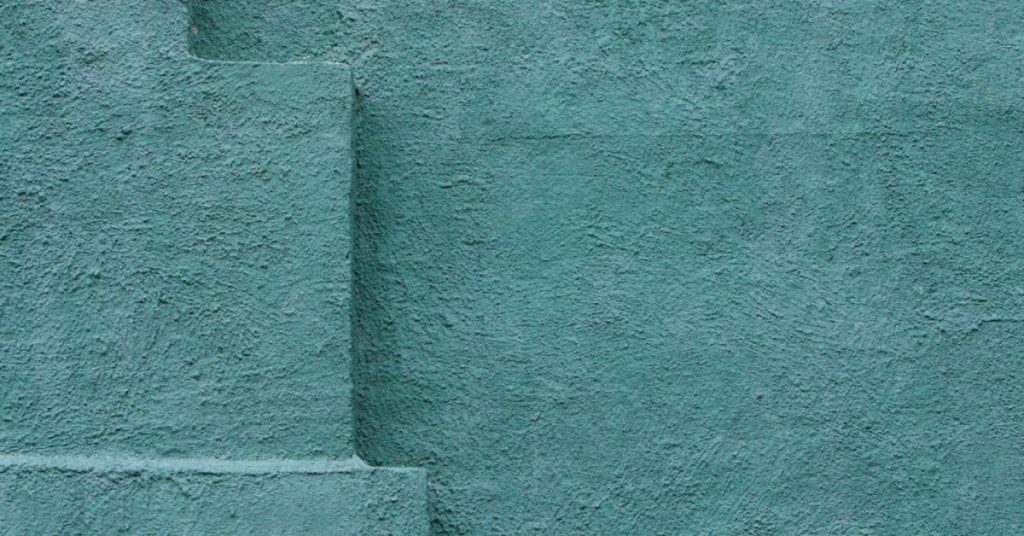
Introduction
This is the process of rebuilding a damaged stucco texture after pressure washing.
You’ll assess the damage, prepare the surface, and re-apply texture to match the rest of the wall. Work in small sections and let your patch dry before finishing. Prepare the area by cleaning loose material and dampening the surface, then apply a patch compound that matches the texture. Trowel in stages, blend edges, and let it cure according to the product label and local rules. If the texture is tricky, practice on a scrap patch first and adjust with tools.
Key takeaways
- Assess damage area and document textures before any repair or repainting.
- Contain dust and debris with plastic, drop cloths, and ventilation during work.
- Use proper bonding agents and compatible plaster to match existing finish.
- Work in shaded, dry conditions and avoid contractor-grade crack filler under sun.
- Follow manufacturer guidance for mixing, application thickness, and cure times.
- Test textures on scrap areas and blend edges for seamless transitions.
Table of Contents
- Introduction
- Key takeaways
- Understanding Pressure Washing Damage to Stucco
- Safety, Prep, and Containment
- Tools and Materials Checklist
- Material Specs and Mixing Guidance
- Matching and Recreating Common Stucco Textures
- Step-by-Step Repair Techniques
- Curing, Drying, and Finishing (Paint/Seal)
- Troubleshooting, Prevention, and When to Call a Pro
- Conclusion
- FAQ
Understanding Pressure Washing Damage to Stucco
High pressure can remove the soft, outer fibers of stucco and push it back into the surface. You may see texture loss, blisters, or small chips where the finish has been abraded away. This isn’t always a sign of structural failure, but it does require assessment of both the face coat and underlying mesh or lath.
Look for common patterns like feathered edges, spalling, and uneven surfaces. Remember that texture loss is about cosmetic damage, while structural failure involves the substrate or support system. When in doubt, verify the recommended pressure range and techniques from the product label or manufacturer instructions.
Common damage types (erosion, pitting, delamination)
High-pressure washing can alter your stucco’s surface in several ways. Here are the common issues you might face:
Erosion: This is when the texture of your stucco starts to wear off, leaving smooth patches. It feels less rough and bumpy than unaffected areas.
Pitting: Pits are small holes or indentations in the surface. They can be shallow or deep, depending on the severity of the damage. You’ll feel these with your fingers as you inspect the area.
Exposed aggregate and delaminated coats: In some cases, pressure washing might expose the aggregate (small stones) in the stucco mix or cause the top coat to peel off, leaving a rough, uneven surface.
Distinguishing cosmetic vs structural issues
Not all damage is created equal. Some can be fixed with a simple touch-up, while others require professional help. Here’s how to tell the difference:
First, look for cracks. Hairline cracks are usually cosmetic and can be repaired by you. But if they’re wide or zigzag, it might indicate structural issues that need a pro.
Next, check for movement. Gently push on the affected area. If it feels spongy or moves, there’s likely damage to the substrate or scratch coats that needs professional repair.
Lastly, consider the extent of the damage. If more than 10% of your stucco is damaged, it might be best to call in a pro. They have the tools and experience to assess and fix major issues.
Visual checkpoints for initial inspection
Before you start any repairs, it’s crucial to document the damage. This checklist helps ensure you don’t miss anything:
- Photograph affected areas: Take pictures from different angles and distances to capture the full extent of the damage.
- Measure crack length: Use a tape measure to record how long each crack is. This helps track progress during repairs.
- Check crack depth: Gently probe cracks with a flathead screwdriver or similar tool to estimate their depth. Be careful not to cause more damage.
- Measure affected area size: Calculate the square footage of damaged areas to determine how much material you’ll need for repairs.
- Look for patterns: Pressure washing can cause consistent damage across your stucco. Identifying these patterns helps pinpoint the source of the problem.
- Check for moisture: Use a moisture meter to test affected areas. Excessive moisture can indicate underlying issues that need addressing.
- Inspect corners and edges: These areas are often more vulnerable to damage. Make sure they’re included in your inspection.
- Document any other anomalies: Note anything unusual, like discoloration or soft spots, as these could indicate hidden issues.
Quick rule: Always inspect and document damage before starting repairs. This helps you understand the full extent of the problem and track your progress.
Safety, Prep, and Containment
Wear eye protection, gloves, and a dust mask or respirator as needed. Secure nearby doors, windows, and plants to prevent overspray damage.
Containment is important to protect the landscape and improve cleanup. Lay tarps, use barriers, and keep a clean path for debris to minimize trips and injuries on the jobsite.
Personal protective equipment and fall protection
Safety’s our top priority. Here’s what you need:
- Hard Hat: Protects against falling debris. Get one with a chinstrap for extra security.
- Eyeware: Safety glasses or goggles keep dust and debris out of your eyes.
- Gloves: Work gloves protect hands from cuts, scrapes, and rough surfaces. Get ones with good grip for better handling.
- Ear Protection: Earplugs or earmuffs reduce noise levels from power tools.
- Fall Protection: When working above 6 feet, use ladders with stabilizers and top safety rails. For higher areas, consider renting a scaffold ($20-50/day). Always maintain three points of contact.
Protecting adjacent surfaces and landscaping
Keep your work area clean and protect nearby surfaces:
Use plastic sheeting or drop cloths to cover windows, trim, and plants. Secure them with tape to prevent dust from getting underneath.
For dust containment, set up a HEPA vacuum system ($50-100/day) near your work area. This helps keep dust levels down and prevents it from spreading.
To contain runoff, lay out tarps or plastic sheets on the ground beneath your work area. This catches any debris or water that might drip off.
Surface cleaning and drying before repair
Before you start repairing, ensure the surface is clean and dry:
Use a soft-bristle brush or broom to remove loose debris. Gently sweep from top to bottom.
For tougher spots, use a pressure washer with low PSI. Keep the nozzle at least 12 inches away from the surface to avoid further damage.
Before applying any patching material, perform a simple moisture check: Tape a small piece of plastic on the area and leave it overnight. If it’s damp in the morning, wait for the stucco to dry completely before proceeding.
Tools and Materials Checklist
Build a core kit with hand tools for patching, a hawk and knife, and a stiff brush for surface prep. Sound coverage includes a spray bottle, mixing containers, and a margin trowel for small repairs.
Consider optional power tools such as a light d/a sander or oscillating tool, plus texture rollers, brushes, or knockdown blades. For patching and texture work, select compatible patch products and accessory tools according to the product label and local rules.
Essential hand tools and mixing gear
Before you start your concrete work, ensure you have all the necessary tools and equipment. This checklist will help you verify everything is in order.
- Trowels ( various sizes ): Check for straight edges and no bends. A good trowel should feel balanced in your hand.
- Hawks ( large, medium, small ): Ensure they are flat, with no cracks or warping. The handle should be securely attached.
- Floats ( large, medium, small ): Inspect for smooth surfaces and secure handles. A float’s surface should be even and unblemished.
- Concrete Mixer ( electric or gas ): Test the motor by running it briefly. Check for proper mixing action and no excessive vibration.
- Wheelbarrow: Ensure all wheels turn smoothly, and the tub is free of cracks or holes.
- Concrete Brush ( stiff-bristled ): Verify bristles are firm and not falling out. The handle should be secure.
- Tape Measure: Confirm it’s in good working order by measuring a known distance accurately.
- Level: Check that the bubble is centered when placed on a flat surface.
Quick rule: Always inspect your tools before starting work. Damaged or poorly maintained tools can lead to costly rework and poor finished results.
Recommended materials and product types
Before you start any concrete repair or resurfacing project, use this checklist to ensure you have the right materials. This will save you time, money, and prevent costly mistakes.
- Pre-mixed patch compounds: Check labels for “fast-setting” or “rapid-set” options if speed is crucial. Confirm they’re suitable for your specific repair type (e.g., cracks, holes, spalls).
- Cement-lime mortars: Ensure the mix ratio is 3:1 cement to lime. Check if it’s appropriate for your job; it’s best for small repairs and resurfacing.
- Bonding agents: Verify they’re compatible with your existing concrete surface and the repair material you’re using. Skip this, and your patch may not stick.
- Acrylic topcoats: Check if they’re UV-resistant and suitable for your climate. Make sure they’re designed to seal and protect your specific repair type.
- Concrete primer: Confirm it’s designed for your project (e.g., interior, exterior, vertical surfaces). It helps adhesion and prevents moisture issues.
- Concrete sealer: Ensure it’s suitable for your climate and job type. Check if it provides the desired protection (e.g., waterproofing, stain resistance).
- Concrete repair additives: If using, check they’re compatible with your mix and provide the benefits you need (e.g., increased strength, faster setting time).
- Properly cured concrete: Before applying any materials, ensure the surface is clean, dry, and free of contaminants. Skip this, and your repairs won’t bond properly.
Quick rule: Always check product labels and manufacturer instructions to ensure you’re using the right material for your specific job. Skipping this can lead to costly rework and project failure.
Consumables and cleanup supplies
Before you start mixing concrete, make sure you have all the consumables and cleanup supplies on hand. This will help keep your job site clean and efficient.
- Masking tape: To protect adjacent surfaces from concrete splatter. Check that it’s wide enough to cover the area effectively (at least 2″ width).
- Drop cloths or plastic sheeting: For covering the ground and surrounding areas. Ensure they’re large enough to catch any spills and secure them in place.
- Cleaning solvents: Such as muriatic acid for removing concrete residue. Always check the manufacturer’s instructions for safe handling and storage.
- Disposal bags: For collecting waste materials like plastic wrap, gloves, and other debris. Make sure they’re heavy-duty to handle the weight of wet concrete.
- Eye protection: Safety glasses or goggles to protect your eyes from dust and splatter. Ensure they meet ANSI Z87.1 standards.
- Gloves: To protect your hands from concrete burns and chemicals. Check that they’re durable enough for the job at hand.
- Respirator or dust mask: For protecting against concrete dust inhalation. Make sure it fits properly and provides adequate protection (check manufacturer’s instructions).
- Wheelbarrow or mixing tub: For transporting and mixing concrete. Ensure it’s in good condition with no leaks or cracks.
Quick rule: Always have twice as many drop cloths and disposal bags on hand than you think you’ll need. It’s better to have extras and not use them than to run out mid-job.
Material Specs and Mixing Guidance
Choose patch materials that are compatible with your existing stucco and substrate. Read the label for cure times, pot life, and application thickness guidance before mixing.
Follow manufacturer instructions and perform small test batches to verify color and texture match. If any spec is unclear, check the data sheet or ask the supplier for guidance.
Choosing pre-mixed vs field-mixed patches
Pre-mixed patches are convenient, saving you time and effort. They’re ideal for small repairs where consistency is crucial.
Pros: Ready to use, consistent texture, quick application.
Cons: Limited color options, may not match existing finish perfectly, less flexibility in customizing mix.
For larger repairs or when you need a perfect match, field-mixed patches are the way to go. They allow for more control over the mix but require more effort and time.
Bonding agents, additives, and pigments
Additives enhance your patch’s performance. Bonding agents improve adhesion, retarders slow curing for longer working time, and pigments match color.
Testing: Always test small samples before applying to the entire area. Mix a small batch with each additive, let it cure, then check for compatibility and color match.
Color matching: Start with a close match, then adjust with tints or stains until you get a perfect match. Remember, colors can look different when dry.
Follow manufacturer guidelines for mixing ratios. If unsure, consult a professional or contact the product’s technical support.
Mixing and consistency checkpoints
Before applying your patch, ensure it has the right consistency for easy application and good adhesion. Use this checklist:
- Water content: Add water gradually, checking consistency after each addition.
- Mud consistency: The mix should be like peanut butter – not too wet, not too dry.
- Textureability: Squeeze a handful; it should hold its shape briefly before breaking apart.
- Adhesion test: Apply a small amount to the surface, let it sit for 10 minutes, then try to remove it. It should stick firmly.
- Color check: Ensure the mix matches the surrounding stucco.
- Curing time: Check if the mix cures within the recommended time frame.
- Working time: Make sure you have enough time to apply and finish the patch before it hardens.
- Cleanup: Test how easy it is to clean tools and hands after application.
Quick rule: If in doubt, test a small patch first. It’s better to spend extra time checking than rushing into a poor repair job.

Matching and Recreating Common Stucco Textures
Study the texture you want to reproduce and note the key characteristics, such as grit, sweep, or splash patterns. Use the right tool to begin the application and work in targeted zones for a seamless blend.
Apply in layers as needed to build the texture to a matching appearance. When in doubt, refer to the tool and texture technique recommendations in the product instructions or supplier tips.
Smooth and Sand Finishes
For smooth or sand finishes, you’ll need a straight edge trowel and a float. The key is to achieve grain uniformity.
Tool Selection: Use a 6-inch or 12-inch straight edge trowel for applying the stucco mix. A magnesium or aluminum float will help smooth out the surface.
Application Technique: Apply the mix with the trowel, then use the float to spread and level it. Work in small sections to avoid overworking the material. For sand finishes, embed sand grains evenly into the wet stucco before it dries.
Dash, Spanish, and Skip-Trowel Finishes
Recreating irregular textures like dash or Spanish requires a different approach. You can use spray or hand methods.
Spray Method: Use a hopper gun to apply the stucco mix. The gun’s nozzle size and air pressure will determine the texture. For dash, use a larger nozzle; for Spanish, use a smaller one.
Hand Method: Apply the mix with a trowel, then use a textured tool like a dash brush or comb to create the desired finish. Work in small sections and maintain consistent pressure for even texture.
Visual Checkpoints for Texture Matching
Before your repaired section cures, use this checklist to ensure a good match with the existing stucco.
- Texture Scale: Compare the new texture to the old. It should be similar in size and depth.
- Shadowing: Check how light and shadow play on both surfaces. They should cast shadows similarly.
- Edge Blending: Ensure the new repair blends seamlessly with the existing stucco at the edges.
- Color Match: While you can’t check this visually, ensure your pigment matches before applying.
- Cracking Pattern: Stucco naturally cracks. Make sure your repair has a similar cracking pattern.
- Surface Imperfections: Stucco often has minor imperfections. Ensure yours match the existing ones.
- Moisture Content: Check if both surfaces feel equally damp to the touch.
- Curing Time: Allow both surfaces equal time to cure before final inspection.
Quick Rule: If it looks right, feels right, and has the same moisture content, you’re on the right track.
Step-by-Step Repair Techniques
Start with small spot repairs to test the patch and texture. Build up material gradually and blend edges into the surrounding finish for a uniform look.
For larger areas, apply a skim coat in thin layers and feather out the edges. Always follow the product guidance and verify any timing or sequence requirements in the label or instructions.
Step-by-Step Repair Process
Follow this clear, numbered sequence to repair your stucco texture damage like a pro.
- Inspect and prep: Check for any underlying issues. Remove loose material and clean the area.
- Safety first: Put on gloves, goggles, and a dust mask.
- Mix your compound: Follow the guidelines from earlier in this article to create a consistent mix.
- Apply the patch: Use a trowel or hawk and knife to apply the compound, following the existing texture.
- Let it cure: Allow the patch to dry according to the manufacturer’s instructions. Check for any missed spots or areas that need blending.
Small Spot Repairs and Patching
Fix localized damage with these straightforward steps.
First, cut out the damaged area using a utility knife or oscillating tool. Be careful not to damage surrounding stucco.
Next, prepare the substrate. Remove any loose material and clean the surface. Apply a bonding agent if necessary.
Now, apply your compound. Use a trowel or hawk and knife to create the desired texture. Blend the edges with surrounding stucco using a damp sponge or brush.
Repairing Large Areas and Full-Surface Skim Coats
Tackle extensive damage with these planning and application tips.
Plan your work. Section off the area into manageable parts. Start from the top and work your way down to avoid drips or runs.
When applying, feather the edges. This helps blend the new compound with the old stucco, preventing visible seams.
Maintain consistent texture by using a trowel or hawk and knife with the same technique throughout. Work in small sections to keep the compound from drying too quickly.
Feathering, Blending, and Edge Work
Master these techniques to create seamless repairs that won’t show up once painted.
When feathering edges, use a damp sponge or brush to blend the new compound into the old stucco. Work in small circular motions to avoid leaving visible lines.
For blending, use a drywall knife or trowel to smooth out any texture inconsistencies. Work from the center of the patch towards the edges, using light, even strokes.
Finally, disguise repair edges. Use a paintable caulk to fill any small gaps between the new and old stucco. This helps prevent visible seams once painted.
Curing, Drying, and Finishing (Paint/Seal)
Allow adequate curing time before applying primers or finishes, and protect the surface from rapid temperature changes. Keep the area monitored for any signs of cracking during cure.
Choose primers, paints, and sealers that are compatible with your patch material and existing stucco. If you’re unsure about compatibility, verify with the product data sheet or contact the manufacturer for guidance.
Curing times and environmental considerations
Curing is crucial for your stucco repair to gain strength. Here’s what you need to know:
Temperature matters: Ideal curing temp is 50-80°F (10-27°C). Below 50°F, cure time doubles.
Humidity and direct sun: Keep the area moist during curing. Direct sunlight speeds up drying but can cause cracking if not properly managed.
Verify dryness before topcoats: Use a moisture meter to ensure your repair is ready for painting or sealing. It should read 15-18% MC (moisture content).
Primers, paints, and breathable sealers
Choosing the right finish is key to a durable, long-lasting repair.
Cement-based primers: These are best for stucco. They create a bond between your patch and existing surface.
Use 100% acrylic latex paints for color. They’re flexible and won’t crack over time. Test on a small area first to ensure adhesion and color match.
Breathable sealers: These protect against moisture but allow your stucco to breathe. Apply after painting, following manufacturer’s instructions.
Final visual quality checklist
Before signing off on your project, run through this quick checklist:
- Color match: Ensure the repaired area blends seamlessly with existing stucco.
- Texture uniformity: Check for consistency in texture across the entire surface.
- Adhesion: Gently scratch or tap the repair. No flaking or peeling should occur.
- Absence of lap lines: Ensure there are no visible seams between old and new stucco.
- No cracks: Inspect for any hairline cracks that may have formed during drying.
- Even surface: Check for dips or high spots. Use a level if needed.
- No mildew: Ensure there’s no signs of mold or mildew growth, especially in shaded areas.
- Paint/Sealer adhesion: Gently scratch the topcoat. It should not peel off.
Quick rule: If it looks good and feels right, it probably is. But double-check to be sure.
Troubleshooting, Prevention, and When to Call a Pro
Identify common failures such as inconsistent texture or cracking and assess whether it’s cosmetic or indicative of deeper issues. Plan preventative steps like proper masking and controlled moisture exposure for future projects.
Know when the job exceeds DIY scope, such as large structural concerns or ongoing moisture problems. Use the decision points from product instructions or local codes to determine if a professional is warranted.
Common failures and corrective steps
Stucco repairs often fail due to improper techniques or materials. Here’s how to tackle common issues:
Cracking: Fill with a flexible, acrylic-based patching compound. Apply using a putty knife, feathering out to blend with surrounding texture.
Flaking: Remove loose material gently. Apply a bonding primer before patching to ensure adhesion. Use a stiff-bristle brush to agitate the surface and promote better bonding.
Color mismatch: Match the existing color as closely as possible. If you can’t, consider repainting the entire area for consistency. Always test your mix on a small, hidden area first.
Preventing future pressure-washing damage
Pressure washing can damage stucco if not done carefully. Here’s how to protect your finish:
Pressure: Use no more than 1200-1500 PSI for stucco. Higher pressures can erode the surface and cause damage.
Nozzle selection: Choose a wide-angle, low-pressure nozzle (40° or wider). This distributes water evenly and reduces the risk of gouging.
Distance: Keep the wand at least 12-24 inches from the surface. Closer distances can cause damage, especially if you’re using too much pressure.
When to seek professional evaluation
Some stucco issues are beyond the scope of DIY repairs. Here’s when to call a pro:
Widespread delamination: If large areas of your stucco are peeling or separating from the substrate, it could be a sign of structural issues that require professional assessment.
Structural cracks: Cracks wider than 1/8 inch or those that run vertically may indicate structural problems. A pro can determine if there’s an underlying issue that needs to be addressed.
Moisture intrusion: If you notice water stains, mold, or mildew, it could mean moisture is getting behind your stucco. This requires professional diagnosis and repair to prevent further damage.
Conclusion
Repairing stucco after pressure washing damage is about steady, deliberate work that preserves safety and durability. Focus on sealing a strong finish that resists cracking and staining, so you protect your home and your wallet in the long run.
Inspect the damaged area, prep and contain the work zone, mix and match textures carefully, apply in thin, controllable coats, cure properly, and finish with paint or sealer once the surface is dry. Test patches on a small area first, work in calm weather, and keep the texture consistent with what surrounds it. Never rush the cure or skip the containment steps, and keep cleanup tight to avoid reopening the work later.
Common mistakes to avoid are rushing texture replication, over-wetting or under-mixing patch material, and skipping the small-area test and weather checks. Always wear eye protection and a mask, work with controlled coats, and clean tools promptly to prevent stains or set-up on live surfaces. If anything feels risky—structural cracking, water intrusion behind the finish, or uncertain texture matching—pause and reassess before proceeding.
If the damage seems beyond patching, or you’re unsure about texture, cure times, or sealing compatibility, it makes sense to bring in a pro. A quick call can save costly mistakes and rework. Stay steady, follow the steps, and you’ll end up with a durable, good-looking finish you can trust for years to come.
FAQ
Can I retexture stucco without removing the old texture completely?
Yes, you can often build over the damaged areas, but you must clean and prime the surface first. If the old texture is loose, remove it where it flakes off and feather the edges so the new texture bonds well.
What should I do if the pressure-washed area has hairline cracks or spalling?
Fill cracks with a compatible patch mix or stucco repair product per the label. For spalling, remove loose material, smooth the edge, and apply repair material in thin, even passes so you don’t trap moisture.
How do I choose the right texture topping or finish for a seamless match?
Start with a texture topping or patch that’s labeled for exterior stucco repair. Test on a small area first, adjust thickness, and spray or trowel in layers to mimic the surrounding finish. Check manufacturer instructions for recommended application methods.
When is it safe to prime and paint after repair?
Wait for the repair to dry according to the product instructions and the jobsite conditions. If in doubt, check the surface for dryness to the touch and absence of tack before applying primer or paint. Use a primer compatible with the repair material and the exterior finish.