
Introduction
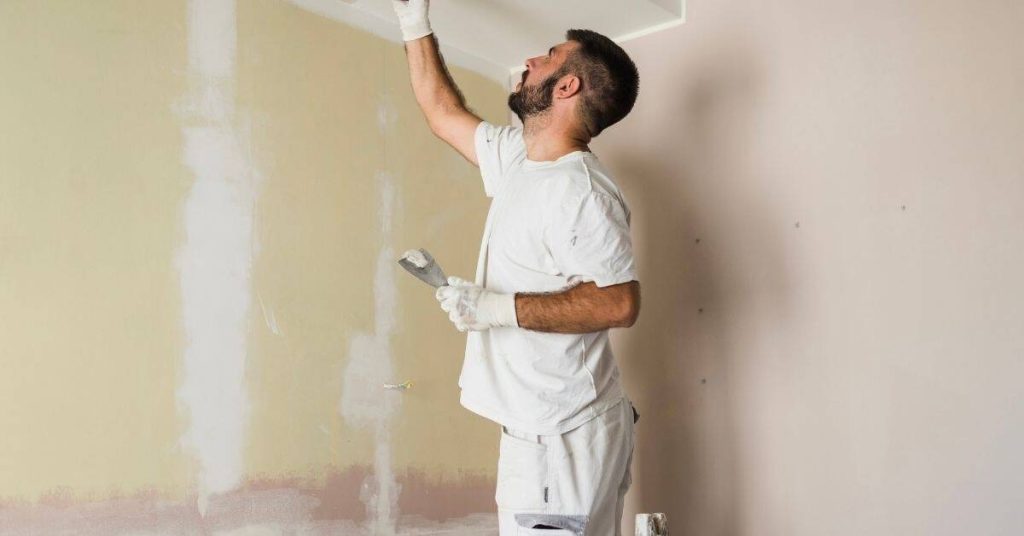
Patching lime plaster is the process of repairing damaged areas so the new work matches the old finish. Work with lime plaster that matches the existing mix and color, and test color while it’s still workable to avoid a mismatch. Use feathered, gradual transitions and don’t overfill; the goal is a seamless repair.
Prepare the area by cleaning loose material and dampening the surface, then mix a small batch that resembles the surrounding plaster. Apply a thin initial skim coat, then blend the edges into the old plaster before it stiffens. Observe curing and avoid rapid drying; check product labels, manufacturer instructions, or local guidance if you need specifics.
Key takeaways
- Inspect lime plaster color variations under natural light before patching.
- Work in small batches to prevent color drift during mixing.
- Use a test patch on a hidden area and compare after drying.
- Record texture, color, and finish when patching for later reference.
- Protect adjacent surfaces and wear eye/skin protection when working with lime.
- Control moisture and avoid over-wetting to minimize color drift risk.
Table of Contents
- Introduction
- Key takeaways
- Understanding Lime Plaster Color and Why Repairs Mis-Match
- Assessing the Existing Plaster Before Patching
- Tools and Materials Checklist
- Mixing Strategies to Match Color and Tone
- Texture and Finish Matching Techniques
- Creating and Evaluating Test Patches
- Application and Blending Techniques for Seamless Integration
- Finishing, Maintenance, and Troubleshooting Color Drift
- Conclusion
- FAQ
Understanding Lime Plaster Color and Why Repairs Mis-Match
Lewd color changes in lime plaster aren’t just about surface paint. The pigments, binders, and aggregate interact with the plaster matrix over time. Carbonation and moisture shifts can alter how a patch reads next to the old plaster, even when the surface looks even up close.
Age and prior treatments leave clues in texture, sheen, and contrast. The way lime plaster breathes affects color as it dries and rehydrates. Look for signs of previous coatings, moisture patterns, or efflorescence that hint at why a repair may stand out at first glance.
Pigments, binders, and aggregates
Lime plaster’s color comes from natural pigments mixed with the lime binder. The tone of the lime itself – putty or fat – also plays a part.
The sand or grit used can affect the final hue too. It might be pinkish from iron oxide, or gray due to quartz content.
Matching these components is crucial for a seamless repair. A slight difference in any of them will show up as a color mismatch.
Effects of curing, carbonation, and aging
New lime plaster looks different because it hasn’t cured yet. Curing is when the lime reacts with CO2 in the air – a process called carbonation.
Over time, this changes the plaster’s tone and sheen. It might start off looking chalky but ends up with a warm patina.
Aging also plays a role. Sunlight can fade colors, while moisture can darken them. Previous treatments like washing or sealing can alter appearance too.
Assessing the Existing Plaster Before Patching
Start with a quick bedrock check: identify the plaster type and the layers you’re dealing with. Is it lime on lime, or is there a cement bound underlayer? Note any delamination or hollow spots that affect adhesion and color stability.
Inspect surface conditions that influence appearance, like dusting, cracking, or protruding aggregate. Flag areas that need deeper investigation or conservation input before you patch. Document obvious trouble spots for a plan of attack.
Identifying plaster type and layer structure
Before you start patching, figure out what you’re dealing with. Lime plasters can be tricky.
First, look for any signs of previous repairs or layers. Lime-cement plasters might have a more uniform finish than lime-only ones. Check if there are any old paint or render layers on top.
Feel the surface. Lime plasters can be soft and crumbly, while cement plasters are harder. If it’s too hard to tell, try a simple scratch test: gently scrape a small area with a coin or nail. Lime-only plaster should come off easily.
Visual checkpoints and moisture testing
Before you start patching, make sure your wall is dry and stable. Moisture can ruin your color match and adhesion.
- Check for efflorescence: White, powdery deposits mean there’s moisture moving through the plaster.
- Look for cracks or delamination: These could hide underlying moisture issues.
- Feel the wall: If it feels cold or damp to touch, there might be a problem.
- Check behind furniture: Moisture can hide behind heavy objects.
- Use a moisture meter: Stick one into the plaster. readings over 15-20% could mean trouble.
- Test with a simple DIY method: Tape a clear plastic bag to the wall, leave it for 24 hours. If it’s damp inside, there’s moisture moving through.
- Check your gutters and downspouts: Clogs or leaks could be causing the problem.
- Inspect your roof: Leaks up top can cause issues below.
Quick rule: If you’re unsure, wait. Patching in damp conditions will only lead to more problems down the line.
Tools and Materials Checklist
Gather the basics: lime plaster mix, appropriate sands, and pigments intended for historical work. Have clean water, mixing sticks, and a trowel or hawk ready for blends. Include a plumb line or straight edge to keep edges aligned as you patch.
Consider optional test instruments for color and moisture, such as a small color sample kit or a simple moisture meter. Always verify product suitability for historic plaster and exposure conditions by checking the label or manufacturer instructions. Avoid unverified products on vintage surfaces.
Essential materials for color-matched patches
Before you start mixing your patch material, use this checklist to ensure you’ve got the right ingredients to match your existing concrete. This will save you time and prevent costly rework.
- Lime Type: Check the label for either Hydrated Lime (Type S) or Air-Entraining Lime (Type N). These are commonly used in concrete mixes. Ensure it’s fresh; old lime can cause weak patches.
- Cement: Match the type and brand of cement used in your original mix, if possible. If not, use a similar type (e.g., ASTM C150 or C595) to avoid strength or color discrepancies.
- Sand Gradation: Use a sand with similar gradation as your existing concrete. Check the fine aggregate size on the product label; it should be close to your original mix’s gradation (e.g., 3/8″ or 1/2″).
- Natural Pigments: To match the color, you’ll need natural iron oxide pigments. Check the manufacturer’s instructions for recommended dosages based on cement and aggregate types.
- Water: Use clean water from a known source to maintain consistency in your mix. Avoid using water with unknown or varying qualities.
- Admixtures (optional): If your original mix contained admixtures for air-entrainment, water reduction, or other properties, ensure you include the same type and dosage in your patch material.
- Fiber Reinforcement (optional): If your existing concrete contains fibers, consider adding them to your patch material. This helps improve strength and reduce cracking.
- Proportioning: Ensure you’re using the correct proportions of cement, sand, aggregate, and water for your mix design. A common ratio is 1:2:3 or 1:3:5 by volume (cement:sand:aggregate).
Quick rule: Always match the original concrete’s proportions as closely as possible to avoid visible patches and maintain structural integrity.
Tools and optional testers
Before you start mixing and applying your concrete patch, use this checklist to ensure you have the right tools and optional testers for a successful job.
- Tape measure: Verify dimensions of the area to be patched. Inaccurate measurements lead to insufficient or wasted material.
- Level: Check if the surface is level before patching. An unlevel surface can cause the patch to crack or fail.
- Broom: Ensure you have a stiff-bristled broom for proper aggregate distribution and removal of excess material.
- Shovel: A sturdy shovel is needed for mixing and transferring concrete. Check its condition to avoid damage during use.
- Wheelbarrow or mixing tub: Verify you have a suitable container for mixing. Inadequate size can lead to improperly mixed concrete.
- Color swatch: Compare with the existing surface color to ensure accurate matching. Skipping this can result in noticeable patches.
- Small containers: Use these for test mixes to check consistency, color, and workability before applying to the entire area.
- Hygrometer or pH strips: Optional but recommended. Check moisture content (hygrometer) and pH level (strips) of the existing concrete. Incorrect readings can affect patch adhesion and durability.
Quick rule: Always check your tools and materials before starting any job to avoid costly mistakes and rework.
Mixing Strategies to Match Color and Tone
Begin by matching the composition of the surrounding plaster as your first step. Prepare small test batches to compare color and texture side by side with the existing work. Record how each batch looks as it cures to guide the next adjustments.
Keep mixing method consistent and control water content as a key variable. If the batch looks off, adjust in tiny increments and re-check under similar lighting. Document any changes you make for future patches.
Match by composition before tinting
Before you start fiddling with pigments, get the base right. Replicate your original plaster’s binder-to-sand ratio and aggregate size.
The binder is what holds everything together – usually lime putty or hydrated lime. The sand gives it body, and the aggregates (like hair or horsehair) add strength.
Use a consistent sand-to-binder ratio across your patches to maintain similar workability and finish. And keep aggregate sizes uniform for even texture.
Small-batch tinting and incremental tests
Now that you’ve got your base mix sorted, it’s time to match the color. Start small – really small.
Mix tiny batches of your base plaster with a pinch of pigment at a time. Use neutral lighting when comparing samples to avoid color distortion.
Test on substrate samples – little bits of leftover plasterboard or lath work great. This way, you’re matching color and tone.
Keep notes on each test batch’s pigment proportions. Once you’ve nailed the hue, scale up your mix to match your patch size.

Texture and Finish Matching Techniques
Texture makes color read correctly, so reproduce the surface feel with your tooling. Use the same stamp, scratch, or comb marks that appear on the existing plaster. Check how the finish lightens or darkens as it cures and matches it to the nearby area.
Use DIY-friendly checkpoints to compare texture, edge feathering, and overall finish. Step back and view the patch from typical viewing distances. Fine-tune the texture until it looks continuous with the surrounding plaster.
Reproducing aggregate and tool marks
To mimic the original surface, match sand texture and use similar tooling or strokes.
- Match sand size: Use same-sized sand as existing plaster. Tip: Ask for specific sizes at your local hardware store.
- Use same trowel: Replicate original tool marks by using the same trowel type and size. Rent or borrow to save cost.
- Recreate strokes: Mimic original stroke direction and pressure for consistent texture.
- Scratch coat technique: Apply first layer (scratch coat) with same tooling as existing plaster. Tip: Work in small areas to maintain consistency.
- Brown coat application: Use same trowel and strokes for the second layer (brown coat).
- Float coat finish: Use a float or darby to smoothen top layer, replicating original finish. Rent floats for around $20-$30