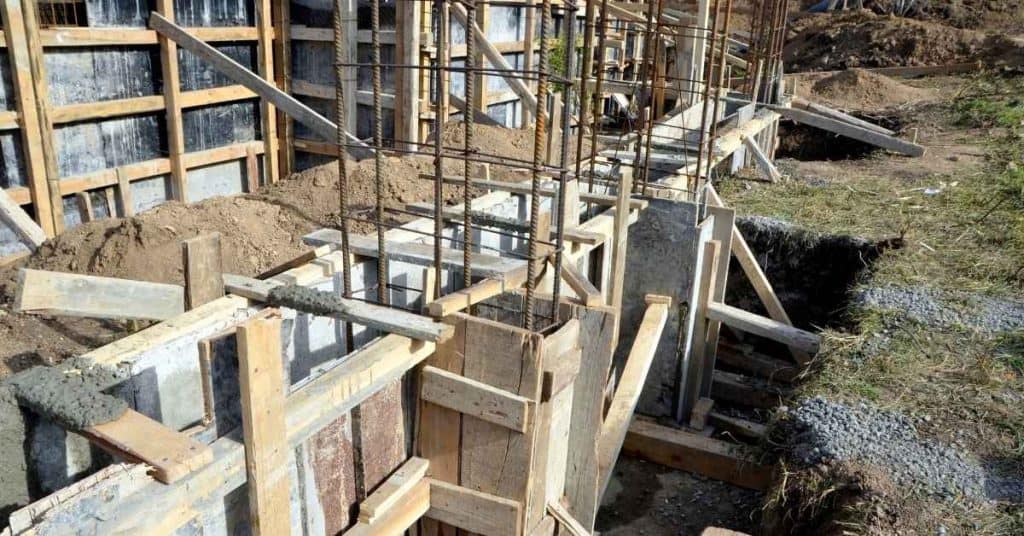
Concrete formwork and rebar reinforcement at construction site

DIY Concrete Rebar Cover Fixes: When Grinding Helps and When You Must Patch

Introduction

DIY concrete rebar cover fixes means deciding whether grinding to expose and clean the surface is enough or whether you must chip out and patch back to proper cover; start by confirming how deep the corrosion or delamination goes and whether the rebar is structurally compromised. If the trouble is only surface rust and thin spalls, careful grinding, cleaning, and using a proper bond method can work; if rust has sectioned the bar or the cover is badly delaminated, plan to remove and replace the concrete to restore strength.

Prep is everything—remove loose concrete, clean or replace corroded steel, and choose a bonding approach that suits the damage, whether a mechanical key plus a patch mortar or a compatible bonding agent; follow the product label and local rules for compatibility and cure. Lightly wetting the concrete before applying patch material is often needed, but check manufacturer instructions and err on the side of damp, not saturated, for best adhesion.

Key takeaways

  • Decide repair, grind, or full replacement based on cover integrity and structure.
  • Plan permits and safety by checking local rules and PPE requirements for site work.
  • Prepare a tools and materials checklist to avoid mid-task trips to supply.
  • Surface prep matters: dry, clean, and roughen profile to accept bonding.
  • Choose bonding methods: mechanical keying or chemical bonding per substrate and safety.
  • Wet the surface when necessary to improve adhesion and workability.
Table of Contents

Decide: Repair, Grind, or Full Replacement

Start by assessing how much concrete cover and reinforcement are affected before choosing a path: grinding, a localized patch, or full replacement. Look for clear signs like exposed or heavily corroded rebar, active spalling, movement, or load-bearing elements that could be compromised.

Use a short checklist while inspecting cracks, rebar position/condition, concrete cover, and evidence of shifting; if you cannot verify rebar depth or corrosion level, stop and consult the product label or a structural pro. If damage is limited to surface glaze or small delaminated areas, grinding or a small patch is often sufficient; if reinforcement is compromised or cracks indicate structural distress, replacement and licensed evaluation are required.

Assess structural soundness and movement

Before you start any work, check your slab for signs of ongoing movement. Wide cracks (1/4″ or more) that run through the thickness of the concrete, or cracks that are growing over time, may indicate a serious problem.

Look for loss of support at edges or under the slab. If there’s significant movement or settlement, you might need full replacement rather than repair.

Remember: Small hairline cracks (less than 1/8″) are usually okay and can be addressed with grinding or patching.

Evaluate rebar exposure and corrosion severity

Check for exposed rebar. If it’s only at the surface, you might be able to grind it off and protect it. But if there’s significant section loss or deep rust pitting, you’ll need to repair or replace the damaged area.

Look closely at any exposed rebar. Shallow surface rust can often be addressed with grinding and protection. But if corrosion has eaten away at the rebar itself, that’s a serious problem.

Note: Even minor exposure can lead to further corrosion over time, so it’s important to address it properly.

When to call a structural engineer or inspector

If you find exposed reinforcement over significant areas (more than a few square feet), suspect load-bearing issues, or see visible spalling around supports, stop work immediately and consult a licensed professional.

Professional evaluation is also required if you notice extensive corrosion, uncertain rebar depth, or signs of structural movement. These are serious issues that could lead to catastrophic failure if not addressed properly.

It’s always better to err on the side of caution when it comes to your home’s safety. Don’t hesitate to call in an expert if you’re unsure about any aspect of your concrete repair.

Back to top ↑

Planning, Permits, and Safety Essentials

Plan the job sequence and confirm permit needs and local rules before you cut metal or grind concrete; check municipal code, permit office guidance, and any inspection requirements that cover dust control and temporary barriers. Assign responsibility for permit filing and inspections early so scheduling and notifications don’t delay work.

Set up containment, vacuum-assisted dust control, PPE, and a lockout/tagout plan for grinders and power tools; confirm respirator type and other safety gear per product data sheets or manufacturer guidance. Also map site logistics: traffic control, utility locations, sequencing around live services, and contingency plans for weather or noise limits.

Permits, codes, and material standards to check

The right materials ensure a strong, lasting repair. Local codes and standards guide your choices.

  • Local Building Codes: Check for required concrete cover and repair standards in your area.
  • Concrete Mix Design: Use the same mix as the original slab to maintain strength and durability. Tip: Consult product datasheets or a pro if unsure.
  • Rebar Size and Spacing: Match existing rebar size and spacing for structural integrity.
  • Adhesives and Sealants: Use compatible, high-quality products to prevent bonding issues. Avoid: Low-grade materials that can cause cracking or staining.
  • Concrete Repair Products: Choose products rated for your specific repair task (grinding vs patching).

PPE and safe grinding practices

Protect yourself from dust, sparks, and noise with the right PPE.

Respiratory Protection: Wear a NIOSH-rated respirator or dust mask to filter out concrete dust. Tip: Change filters regularly.

Eye and Ear Protection: Protect your eyes from debris with safety glasses or goggles, and use earplugs or earmuffs for noise reduction.

Gloves and Clothing: Wear gloves to protect hands from cuts and vibration. Use long sleeves and pants to shield skin from sparks and debris. Safety tip: Secure loose clothing to prevent it from getting caught in tools.

Containment, waste handling, and environmental precautions

Control dust and runoff, collect debris, and dispose of material responsibly.

Dust Control: Use enclosures, wet methods, or vacuum-assisted tools to minimize dust. Tip: Follow local regulations for dust control during grinding.

Waste Collection: Collect grinding debris in designated containers and dispose of it according to local regulations. Avoid: Letting concrete dust enter waterways or storm drains.

Contaminated Material Disposal: Segregate contaminated material for proper disposal. Follow local guidelines for handling hazardous waste, if applicable.

Back to top ↑

Tools and Materials Checklist

Gather safety gear plus the grinders, discs, vacuum, trowels, mixing buckets, brushes, and measuring tools you’ll need before you start so the job flows without interruptions. Verify tool ratings and abrasive compatibility using manufacturer instructions and confirm vacuum and dust-collection capability for the grinder you plan to use.

Choose patch materials and bonding agents that the product data sheets say are suitable for rebar-cover repairs, and prepare gauges or calipers to measure cover depth and crack widths. Include a cleanup and disposal plan that follows local rules for concrete dust and waste, and pack spare PPE, consumables, and an organization checklist for the site.

Grinding and prep tools

Before you start grinding, make sure you have the right tools to remove rust and delaminated concrete safely and efficiently.

  • Angle grinder: Essential for removing rust and damaged concrete. Use one with adjustable speed control.
  • Grinding discs (sharpening & flap): For cutting through rust and concrete. Flap discs are gentler on the surface.
  • Dust collection system: Mandatory for safety and cleanliness. Use a shroud or dust extractor attachment.
  • Chisels (optional): For removing large chunks of damaged concrete before grinding.
  • Wire brushes: To remove loose rust and debris after grinding.
  • Handheld shot blaster (alternative): For heavy-duty rust removal. Use with proper ventilation and protection.
  • Grinders with dust shrouds: For minimizing dust, use with a vacuum or dust extractor.
  • Safety gear: Include safety glasses, gloves, and ear protection.

Quick rule: Always wear appropriate PPE when grinding. Never grind without proper dust control.

Repair materials and bonding products

Choose the right repair mortars, corrosion inhibitors, and bonding primers to ensure a strong, lasting fix.

  • Patching mortar: Select a polymer-modified, non-shrink mix suitable for rebar cover. Check datasheets for freeze-thaw resistance.
  • Corrosion inhibitor: Apply before patching to prevent future rusting. Choose one that’s compatible with your chosen mortar.
  • Bonding primer: Use a surface-penetrating primer to improve adhesion of the repair mortar. Check for compatibility with both old and new concrete.
  • Epoxy rebar coatings (optional): For severe corrosion, apply an epoxy coating to protect exposed rebar before patching.
  • Mixing ratios: Follow manufacturer’s guidelines for accurate mixing. Incorrect ratios can weaken the repair.
  • Cure times: Allow sufficient curing time (usually 24-72 hours) to ensure full strength development.

Quick rule: Always check product datasheets for compatibility and suitability before purchasing.

Measuring, visual, and testing aids

Use these simple tools to document damage accurately and confirm repair quality.

  • Rebar cover gauge: Measure rebar clearance to ensure it’s within code requirements. Inadequate cover can lead to corrosion.
  • Depth probe: Determine the depth of damaged concrete for accurate grinding and patching.
  • Straightedge & levels: Check for level surfaces before and after grinding, and during patch application.
  • Moisture meter: Test for moisture in the concrete to prevent delamination of the repair. High moisture can weaken the bond.
  • Laitance test kit (optional): Check for laitance – a weak, powdery layer that can form on concrete surfaces. Remove it before patching.
  • Feeler gauges: Use to measure small gaps or spaces accurately.

Quick rule: Always double-check measurements and visual inspections to ensure accurate repairs.

Back to top ↑

Surface Preparation: When Grinding Helps

Grinding is effective when the issue is surface glaze, laitance, light contamination, or the need to establish a textured profile for bonding; its role is to expose sound concrete without removing structural cover. If grinding would expose reinforcing or require removing more than the surface layer, consider patching or ask a pro, and check the grinder and disc manufacturer guidance before proceeding.

Use grinding to create the required surface profile for your bonding method, then clean, vacuum, and moisture-check the area per product instructions before placing new material. If grinding creates micro-cracks, exposes rusted rebar, or leaves embedded debris, stop and reassess—those are signs a patch or deeper repair is needed.

Using grinders to remove rust, scale, and loose concrete

Grinding is your best bet when you’ve got exposed rebar with rust or scale. Here’s how to do it right:

Start with a diamond cup wheel. It’ll chew through rust, scale, and even light concrete spalls. But go slow – we’re talking 3000-4000 RPM.

Around rebar, feather your edges. You want to remove just enough to create a mechanical key without cutting into the steel or damaging the surrounding concrete.

Keep your grinder level and steady. Too much pressure can overcut, leaving you with a weak surface. And remember – safety first. Wear gloves, goggles, and ear protection.

Alternatives and complements to grinding

Grinding’s great, but sometimes you need something more. Here are a few alternatives:

Chipping is good for removing heavy concrete spalls or delaminated coatings. Use a chisel and hammer, or an air chisel if you’ve got one.

Needle scalers can reach into tight spots that grinders can’t. They’re perfect for getting rid of loose material in narrow cracks or around embedded items.

Shot blasting is another option. It uses high-velocity shot (like steel grit or glass beads) to clean and profile the surface. It’s great for large areas, but it’ll make a mess – so contain it properly.

Cleaning and neutralizing contaminants

Before you grind or patch, you’ve got to clean the surface. Here’s how:

For oil stains, use a degreaser. Apply it, let it soak, then scrub and rinse. For salts, use muriatic acid diluted with water (1:6). Be careful – it’s strong stuff.

Organic stains need a bleach solution (1:4). Let it sit, then scrub and rinse. After cleaning, always rinse with fresh water and let it dry.

Sometimes, you’ll need to prime or seal the surface before patching. This is especially true if you’ve got a lot of porosity or you’re dealing with contaminants that could interfere with bonding.

Back to top ↑

Wooden concrete form with rebar and dirt ground

Bonding New Material to Existing Concrete

Deciding between mechanical and chemical bonding depends on substrate condition: roughening and dowels help where mechanical interlock is possible, while adhesives or polymer modifiers are used where better adhesion is required. Always confirm compatibility and application instructions on the product label or technical data sheet for the bonding agent and the patch material.

Prepare the surface by removing laitance and contaminants, checking moisture, and applying any required scratch coat or primer as directed; improper timing or wetting can ruin the bond. After placement, follow curing guidance and consider simple pull-off or adhesion checks to verify the interface before returning the area to service.

Mechanical bonding and creating a key

To make new concrete stick to old, you need to give it something to grab onto. This is called creating a ‘key’. Here’s how:

Roughen the surface. Use a diamond blade on an angle grinder or a chipping hammer to rough up the existing concrete. You want to expose fresh aggregate and create a profile for the new mortar to hold onto.

Be careful not to undercut too much – you don’t want to weaken the existing concrete. A good rule of thumb is to remove about 1/8″ to 3/16″. Also, make sure to clean off all dust and debris after roughening.

If you’re applying a thin layer (less than 1/2″), consider adding a scratch coat. This is a thin layer of cement-sand mix that you scratch into the existing concrete with a broom or brush. It gives the new mortar something to bond with.

Chemical bonding agents and primers

When you’re bonding new material to existing concrete, chemical bonding agents and primers can be your best friends. They help create a strong bond between the old and new surfaces.

Polymer-modified primers, like acrylic or vinyl-based ones, are great for most jobs. They’re easy to apply and work well with many materials. Use them when you’re bonding things like concrete overlays, toppings, or patching compounds.

Epoxies are heavy hitters, reserved for tough situations where you need extra strength. They’re ideal for industrial floors, heavy-duty repairs, and areas with high chemical exposure. Always check the manufacturer’s instructions to ensure they’re compatible with your existing concrete.

Latex additives can be mixed into new concrete or applied as a primer. They improve bond strength and flexibility. Use them when you want to enhance the bond between old and new concrete, or when you need some extra give in your repair.

No matter which one you choose, always follow the manufacturer’s instructions for application and recoat windows. Don’t be a hero; wait the recommended time before applying the next layer. Rushing it can mess up your bond and leave you with a weak spot.

Choosing the right method for rebar repairs

When it comes to fixing damaged rebar in existing concrete, you’ve got a few methods to choose from. The best one depends on how bad the damage is and what materials you’re using.

For minor issues like small cracks or rust spots, you can usually get away with using a chemical bonding agent. These are easy to apply and can be found at most hardware stores. Just make sure to check the label and follow the manufacturer’s instructions.

If the damage is more severe – like broken rebar or large gaps – you’ll likely need to create a mechanical bond. This involves cleaning the area, creating a key (roughening the surface), and using new rebar with proper overlap. It’s more work but it’s also stronger.

If you’re mixing methods or combining systems, consult datasheets or a pro. Some combinations don’t play nice together and can weaken your repair. Better safe than sorry, right?

Back to top ↑

Repair Techniques: Grinding-Only Fixes Vs. Patching Procedures

Use grinding-only fixes for shallow, non-structural defects where rebar cover remains adequate and there is no active corrosion; if rebar is exposed, corroded, or the defect penetrates to the reinforcement, plan a patch and possible rebar repair. Verify rebar condition and cover depth with gauges or by following manufacturer inspection guidelines before choosing the method.

For patching, follow a clear sequence: prepare substrate, treat or replace damaged rebar per guidance, apply bonding agent or scratch coat if required, place compatible patch material, and cure as the product instructions specify. For both approaches, document depths and steps, control dust, and conduct final checks for adhesion and coverage before considering the repair complete.

Grinding + protect: shallow corrosion and minor cover loss

If you’ve got shallow rust spots or minor rebar cover loss, grinding and protecting is your best bet. Here’s how:

First, grind away loose rust and damaged concrete using a grinder with a metal brush attachment. Be careful not to grind too deep.

Next, clean the area. Use a wire brush or compressed air to remove any dust. Then, apply a corrosion inhibitor or coating to protect the exposed steel.

Finally, seal it all up with a compatible topcoat to match your existing concrete. Document the depth and coverage achieved for future reference.

Localized patching and rebar repair

For localized damage, you’ll need to patch and possibly repair your rebar. Here’s a step-by-step guide:

Expose and prepare the damaged rebar by chipping away loose concrete. Clean or treat any exposed steel with a suitable primer.

If needed, install splice or supplementary reinforcement. This helps distribute stress evenly across the repair area.

Now, apply your patch mortar in thin layers, ensuring each layer is well-compacted and level. Allow it to cure according to the manufacturer’s instructions.

Large repairs and rebar replacement

For extensive damage, you might need to cut out and replace sections. Here’s how:

First, cut out the damaged area using a saw or chipping hammer. Be sure to expose enough sound concrete for proper bonding.

If necessary, handle dowels or lap splices. These help transfer stress from the old to the new concrete. For extensive or structural work, consult an engineer for repair details.

Prepare and clean the exposed surfaces, then apply a suitable bonding agent. Install any replacement rebar, ensuring it’s properly aligned and supported. Apply your patch mortar in layers, allowing each layer to cure before applying the next.

Back to top ↑

Quality Checks, Common Mistakes, and Cost/Time Considerations

Finish inspections should verify surface cleanliness, patch thickness, bond integrity, and moisture conditions; use tapping, feeler gauges, or a moisture meter and follow product test recommendations to confirm quality. Look for telltale failure signs like new hairline cracks, soft edges, delamination, or discolored patches, and if in doubt consult technical data sheets or a contractor.

Avoid common DIY errors: over-grinding, leaving dust or oils, using incompatible mixes, and skimping on curing—these all shorten service life and increase long-term cost. When repairs involve significant reinforcement damage, wide-area work, or load-bearing elements, weigh the time and risk against hiring a licensed pro and use a simple risk checklist to decide.

Visual and simple functional checks after repair

After your concrete rebar repair, it’s crucial to perform some quick, easy checks to ensure everything is holding up. Start by tapping the patch with a hammer or screwdriver handle. A solid sound indicates good bonding; a hollow one might mean delamination.

Next, inspect visually. Look for any cracks, inconsistencies in color/texture, or signs of separation at the edges. Also, check that the patch is level with the surrounding concrete.

Use a feeler gauge to verify the patch thickness matches your plan. And keep an eye on the area over the next few days and weeks for any new cracks forming.

Common DIY mistakes and how to avoid them

Even with the best intentions, DIY repairs can go wrong. Here are some common pitfalls:

  • Aggressive grinding: Over-grinding can damage rebar and create dust that hinders bonding.
  • Leaving contaminants: Dust, oils, or other debris can prevent patch material from adhering properly.
  • Wrong patch mix: Using incompatible materials can lead to poor adhesion and durability.
  • Inadequate curing: Skimping on curing time allows moisture loss and weakens the patch.
  • Improper rebar coverage: Insufficient concrete cover leaves rebar exposed to corrosion.
  • Neglecting joint/edge feathering: Sharp transitions cause stress points, leading to early wear.

To avoid these mistakes, follow your repair plan closely, keep your work area clean, and give your patch ample time to cure.

Cost, time, and when to hire a professional

Main factors affecting cost and time include the extent of corrosion, tools needed, materials required, and cleanup. Here’s a breakdown:

Materials: Patch mix, sealants, bonding agents, and equipment rental can add up.

Labor: Time spent preparing, repairing, and curing can vary greatly depending on the repair size and complexity.

When to hire a pro: If you’re dealing with structural concerns, rebar corrosion, large-area repairs, or safety issues, consider hiring a licensed contractor. They have specialized training, equipment, and experience to handle complex jobs safely and efficiently.

Back to top ↑

Conclusion

Ground or patch with confidence by sticking to tested steps: protect people, protect the repair, and make it last. Durability and appearance come from correct prep, proper bonding, and conservative testing before you trust the fix.

First, decide your path: verify surface prep readiness, confirm the correct method for bonding or patching, check permits if required, and plan your sequence so you don’t rush a cure or overlook safety. If you grind, do a small test area first, clean the dust and debris, and verify the concrete surface is ready before applying any patch or additional material. If you patch, mix and apply only as much as you can finish in one session, and cure with proper coverage as directed by the patch product. If you replace, line up materials, sleeves, and bevels in advance and budget time for full cure before load is applied.

Common mistakes to avoid include grinding too aggressively or too long in one spot, which can overheat and weaken the concrete; skipping a test patch and guessing at bonding quality; and rushing the cleanup or cure without following product instructions. Safety rules are simple: wear eye and skin protection, control dust, recheck the work area for loose concrete or protruding reinforcements, and never proceed if you’re unsure about bonding or cure conditions. Test a small area first and keep the work area well-ventilated and dry.

If the job would require unknown concrete conditions, questionable bonding surfaces, or you’re unsure about permits or codes, call a professional and get a quick quote on performance and cure times. When you know the steps, what to test, and how to pace the work, you can finish with a durable, safe repair that looks right and lasts. Stay deliberate, stay safe, and you’ll finish strong.

Back to top ↑

FAQ

Can I tell if the concrete can be repaired or if it must be replaced?

Look for deep cracks that keep widening, spalling concrete, or rebar that’s exposed or moving. If the damage is localized and the rest of the slab is solid, patching and rebar cover work can be fine. If the structure shows movement or large, structural cracks, plan for replacement and consult a pro for a verdict.

What’s the right surface prep before patching rebar cover?

Remove all loose material and dust. Roughen the surface so the patch material can grab, and clean away grease or paint. If you can, dampen the area so it’s not bone dry, but don’t leave standing water.

Should I use mechanical bonding or a chemical bonding method for the patch?

Mechanical bonding relies on a rough profile, chipping, or anchors to grip. Chemical bonding uses an adhesive or epoxy that cures with the cement. Check the product instructions and local rules to match the right method to your patch and exposure.

Do I need to wet the surface before patching, and how wet is too wet?

Light dampness helps most patch products grab, but avoid standing water or a soupy concrete surface. If the area is visibly damp, you’re in the right zone; if liquid sits on top, surface prep should wait or dry out first.

Back to top ↑

More about this topic