
Introduction
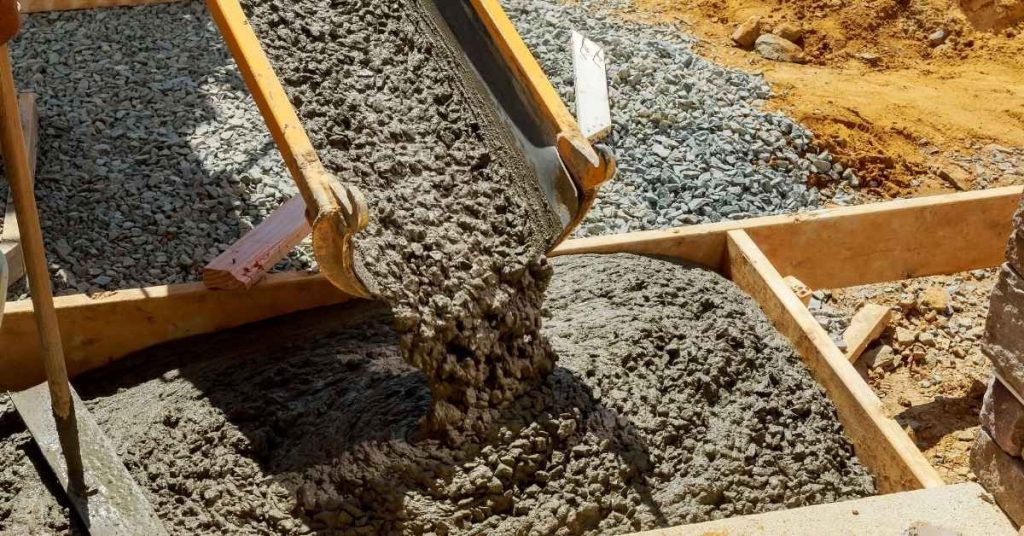
Concrete steps are built by casting each riser and tread with forms that include a nosing and proper crack control. This guide gives a plain‑language overview you can use on a DIY job site. Pay attention to how you set up riser forms and where the nosing sits.
Crack control on landings comes from control joints, proper curing, and consistent reinforcement where required. Check local rules and product labels for gaps, mixes, and sequencing. If in doubt, consult manufacturer instructions or your local building authority.
Key takeaways
- Plan riser form types and select materials matching stair width and load.
- Detail nosing profile choices for slip resistance and code compliance.
- Use proper crack control measures at landings with joints and sealant planning.
- Always wear PPE and follow formwork safety procedures during installation.
- Coordinate concrete mix considerations and additives per project site requirements.
- Ensure pouring, vibration, and curing steps protect steps and landings integrity.
Table of Contents
- Introduction
- Key takeaways
- Project Planning and Design Considerations
- Riser Forms: Types, Materials, and Selection
- Riser Formwork Installation Techniques
- Nosing Details, Profiles, and Safety Compliance
- Concrete Mix Considerations and Additives
- Pouring, Vibration, and Curing Techniques for Steps and Landings
- Crack Control Strategies at Landings
- Maintenance, Inspection, and Common Mistakes to Avoid
- Conclusion
- FAQ
Project Planning and Design Considerations
Begin by outlining the project scope for DIY concrete steps, landings, and nosing details. Identify dimensions, materials, and finish options, plus dependent elements like rebar spacing, formwork, and drainage. Note any site-specific constraints such as grade, soil bearing, or moisture to flag early.
Review applicable codes and accessibility guidelines and assemble a checklist for permits, inspections, and stakeholder approvals. Consider IRC/ACI guidelines, ADA/ANSI considerations, and headroom or nosing requirements. Assess site conditions and expected loads from foot traffic and equipment to shape the design package and sequencing.
Site survey and dimensional planning
The first step in building concrete steps is understanding your site. Measure everything carefully.
Start by measuring the rise (height) and run (depth) of each step. The total rise will determine how many steps you need. The run should be consistent throughout, typically around 10-12 inches for comfort and safety.
Mark out landing sizes at the top and bottom. landings should be at least as deep as your treads to accommodate a full stride.
Check the slope of your site. If it’s too steep, you might need to terracing or adjust your design. Also, consider drainage paths to prevent water from pooling around your steps.
Code and accessibility requirements
Before you start building, check local codes and accessibility guidelines. These vary by location, so don’t assume one size fits all.
Riser height: Typically 6-7 inches max. Check your jurisdiction’s limit.
Tread depth: Usually around 10-12 inches. Again, confirm with local codes.
Nosing projection: Often 1/2 inch, but can vary. Make sure nosings aren’t too sharp to prevent tripping.
Accessibility guidelines (like ADA or ANSI) might apply if your steps are public or part of a multi-family dwelling. They often require handrails and specific dimensions.
Confirm all these limits with your local building department to avoid costly rework.
Tools and materials checklist
Before you start mixing concrete, make sure you have everything you need. Here’s a quick checklist:
- Tape measure: To ensure accurate dimensions.
- Level: For checking formwork and ensuring steps are level.
- String line or laser level: For setting consistent riser heights.
- Shovel, wheelbarrow, and mixing tools: For handling concrete.
- Form materials (wood, screws, nails): To create your step forms.
- Reinforcement (rebar, wire mesh): To strengthen your steps.
- Finishing tools (trowel, edger): For smoothing and finishing the concrete surface.
- PPE (gloves, safety glasses, ear protection): To protect yourself from hazards.
- Concrete mix: Ensure you have enough for your project. Consider ordering pre-mixed or using a calculator to get it right.
Quick rule: Always double-check your measurements and calculations before starting. It’s easier (and cheaper) to fix mistakes on paper than in concrete.
Riser Forms: Types, Materials, and Selection
Define the exact scope for riser form options, comparing plywood panels, metal forms, and plastic/reusable modular systems. Evaluate durability, installation/tear-down speed, surface finish quality, and impact on riser geometry and nosing details. Include a practical view of reuse potential versus initial cost.
Establish selection criteria based on riser height, landing width, loads, mix flow versus stiffness, and exposure conditions. Consider nosing treatments and when to prioritize long-term durability over upfront price. Outline workflow for measurement, layout, and setup to ensure proper alignment and consistent wall thickness.
Custom vs Modular Forms
When it comes to riser forms, you’ve got two main choices: custom-built or modular. Each has its pros and cons.
Custom (Site-Built): You can build your own forms on-site using plywood or other materials. This gives you total control over size and fit. But it’s time-consuming, and they won’t last as long as factory-made ones.
Modular: Factory-made forms are quick to install, come in standard sizes, and can be reused many times. They’re more expensive upfront but save you time and labor. However, they might not fit your exact dimensions perfectly.
Material Specs and Standards Explained
Choosing the right riser form material is crucial for a smooth finish and long-lasting results. Here’s what to look for:
- Stiffness: Forms need to hold their shape under pressure. Check the material’s stiffness rating.
- Corrosion Resistance: If you’re working in harsh conditions, ensure your forms can withstand exposure without rusting or degrading.
- Surface Finish: The form’s surface will imprint onto your concrete. Look for a smooth, even finish that matches your desired texture.
- Manufacturer Data Sheets: Always consult these to understand the material’s properties and limitations.
- Local Standards: Check local building codes and standards to ensure your chosen material complies.
Riser Formwork Installation Techniques
Discuss material and fabrication choices for riser forms, including timber, plywood, and steel, and how each affects rigidity and edge quality. Address how these choices influence reuse and edge detail retention. Provide guidance on achieving crisp edges and accurate riser profiles.
Cover accurate sizing, alignment, and layout to match stair geometry, with consistent riser height, tread width, and form-to-form joints. Include bracing, supports, and methods to resist fresh-concrete pressure. Talk through joint detailing, sealing, and form release planning for clean edges.
Leveling, squaring, and bracing
Start by ensuring your riser forms are level and square. Use a laser level or water level for accuracy. Square the forms using a 2×4 as a straight edge and shims to adjust.
Brace the forms properly to prevent movement during concrete placement. For timber forms, use 2x4s diagonally nailed at both top and bottom. For steel or plywood, use adjustable braces or temporary supports.
Check for plumb using a level on all four corners of each form. Adjust as needed before bracing.
Preventing blowouts and leakage
Seal joints between riser forms with a bead of silicone or construction adhesive to prevent leakage. Stagger fastenings on adjacent forms to create a tight seal.
Use temporary supports like wedges or props at the base of each form to hold them in place and resist concrete pressure. Inspect these supports regularly during placement.
Check for any gaps or weak points before pouring. Look for signs of movement, warping, or improper sealing. Address any issues immediately to prevent blowouts or excessive leakage.
Nosing Details, Profiles, and Safety Compliance
Describe nosing profiles and dimensions, including radii or bevels, and how transitions integrate with treads and risers. Explain edge treatments and how nosing interfaces with adjoining surfaces to reduce trip hazards. Note how nosing choices affect finish quality.
Address slip resistance, texture options, and testing methods to meet local codes. Discuss visibility, contrast, and tactile indicators where required, plus lighting considerations for edge perception. Review safety compliance and accessibility requirements, including ADA/ABA standards and documentation for inspections.
Nosing profiles and trim options
The nosing profile is crucial for comfort and safety. Here are your main options:
- Rounded: Smooth, easy on feet but can be slippery when wet.
- Beveled: Provides a clear edge, good for visibility, but can catch toes if not careful.
- Recessed insert systems: Allows for different materials (e.g., wood, metal) for added durability and aesthetics. Make sure inserts are securely fastened to prevent movement.
Choose based on your needs – durability, comfort, or aesthetics. For installation, ensure nosing integrates smoothly with risers and treads, maintaining consistent thickness transitions.
Slip resistance and visibility treatments
Slip-resistant surfaces are a must for safety. Consider these options:
- Broom finish: A standard, textured surface created by dragging a broom across wet concrete.
- Exposed aggregate: Adds grip but can be rough on bare feet. Use caution in areas with high foot traffic.
- Anti-slip additives: Can be mixed into the concrete or applied as a surface treatment. Always test for local code compliance.
For visibility, use contrasting strips or colors at edges. Tactile indicators are required on landings and at changes in direction. Ensure lighting is adequate to enhance perception of nosing details.
Concrete Mix Considerations and Additives
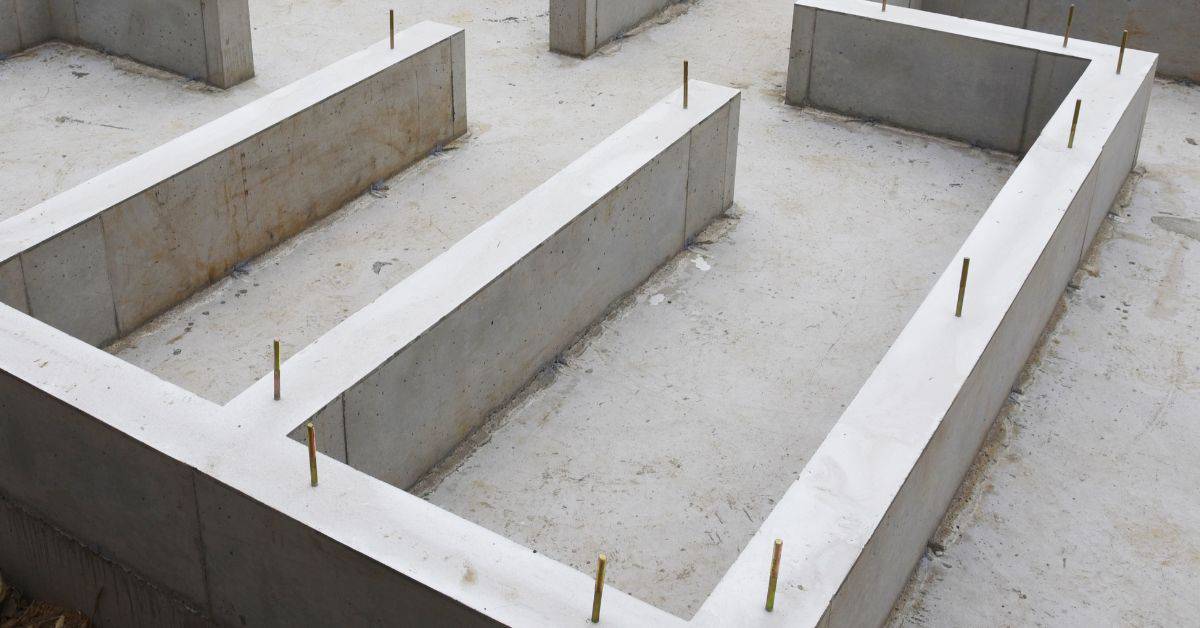
Outline target performance for workability, strength, and set times, tying these to loads, ramps, and form conditions without specifying numbers. Explain how mix choices influence edge finish and crack resistance. Emphasize documenting performance against targets across batches for landings and nosing work.
Discuss mix design levers like water-cement ratio, cement type, aggregates, and compatible admixtures, noting their impact on durability and surface quality. Include guidance on admixtures and fibers for crack mitigation and plastic shrinkage control. Mention practical planning for trial mixes and field testing.
Selecting Strength and Workability Targets
First, match your mix to the job’s demands. Heavy traffic? Go for high strength. Smooth finish needed? Opt for good workability.
Slump: For landings and nosings, 4-6 inches is good. Too much slump can cause segregation, too little makes placement tough.
28-day Strength: 3000-4000 psi should do for most steps. Check your local codes for exact needs. More strength means better durability under heavy loads and harsh weather.
Set Times: Initial set in 1-2 hours, final set in 6-8 hours is ideal. This gives you time to finish pouring and vibrating without rushing.
Admixtures and Fibers for Crack Control
Admixtures and fibers are your secret weapons against cracks. Here’s how they work:
Plasticizers (Superplasticizers): These boost slump, making your mix easier to place without adding water. More water means more shrinkage cracks.
Retarders/Accelerators: Retarders give you more time to pour and finish. Accelerators speed up setting for quick turnaround. Follow manufacturer dosing instructions.
Air-entrainment Agents: These create tiny air bubbles in the concrete, making it resistant to freeze-thaw damage and reducing shrinkage cracks. Too much air weakens strength, too little doesn’t protect against cracking.
Fiber Reinforcements (Polypropylene, Macro-synthetic): Fibers control plastic shrinkage cracks as the concrete sets. They also strengthen your mix, improving long-term durability. Follow manufacturer recommendations for dosing and mixing.
Pouring, Vibration, and Curing Techniques for Steps and Landings
Outline the pour sequence for steps and landings, including form setup, edge alignment with nosing, slump and air content checks, and alignment with adjacent finishes. Emphasize plan for a clean transfer from forms to final surfaces. Keep pace with job-site rhythms and weather constraints.
Detail vibration and consolidation practices tailored to narrow forms, including rod placement and internal vibration use. Caution against over-compactness that can cause surface issues. Describe finishing progression, curing strategies, and inspection steps to verify acceptability before form removal.
Placing and consolidating concrete in confined forms
Stair forms are tight spaces. Place concrete carefully, from the bottom up.
Use a small vibrator or hand tamping to consolidate. Avoid segregation and voids. Keep it level with adjacent finishes.
Check for proper slump – not too wet, not too dry. Air content should be right too.
Finishing and edge treatment
Start with a stiff-bristle broom for texture, then use a float to smooth. Keep nosing profiles intact.
Use a trowel lightly – overworking can cause crazing. Maintain slip resistance.
For edges, use a straight edge tool to strike off excess concrete. Ensure proper alignment with adjacent finishes.
Curing methods to minimize shrinkage cracks
Apply a seal or curing compound soon after finishing, while concrete is still plastic. Retain moisture.
Keep temperature in check – not too hot, not too cold. Cover with plastic if needed.
Monitor drying progress. Re-wet and re-cover as necessary to control shrinkage cracks.
Crack Control Strategies at Landings
Identify a crack-control philosophy for landings, with emphasis on joint spacing relative to nosing and anticipated traffic. Align joint locations with stair geometry to minimize random cracking. Plan for saw-cut, formed, or pre-formed joints as appropriate.
Explain reinforcement layout, including where mesh or fibers help arrest crack widths and what spacing and cover are required. Address substrate preparation, bonding, and surface profile to promote integrity at transitions. Include nosing and tread details that reduce joint-induced cracks, plus environmental and constructability considerations for inspections and remedies.
Control joints and joint layout
Placing control joints right is key to stopping cracks at landings. You’ve already learned about landing size and support. Now, let’s focus on where and when to cut those joints.
Location matters: Control joints should be placed every 6-8 feet along the landing perimeter and at each stair interface. At landings, run them parallel to the wall. At stairs, follow the treads’ direction. Always check your specific product’s recommendations.
Timing is crucial: For saw cuts, do them after the concrete has reached initial set (about 3-6 hours). For formed joints, wait until the concrete has gained some strength before removing the forms (usually 1-3 days). Always refer to your mix’s specific cure time and local climate conditions.
Reinforcement and dowels
To keep cracks at bay on your landing, you need to transfer loads properly. Here’s how:
Continuous Reinforcement: Run rebar continuously from the slab above into your landing. This helps distribute loads evenly. Check your local building codes for required reinforcement ratios.
Localized Mesh: Place welded wire mesh at the landing’s surface. It limits crack widths and adds strength. Use a mesh size that fits your needs, typically #4 or #6.
Dowels: Install dowels to connect the slab above with your landing. They prevent cracking due to shrinkage and load transfer. Use dowel bars at least 1/2″ in diameter, spaced no more than 18″ apart. Make sure they’re properly anchored into both the slab and the landing.
Subbase preparation and drainage
Before you pour that concrete landing, you gotta set it up right. That means getting your subbase in tip-top shape.
Check base compaction. You want it uniform, no soft spots. Use a plate compactor if needed. Aim for at least 95% compaction. Less than that and you’re asking for settlement-induced cracks later on.
Now, support’s crucial too. Make sure your landing’s got enough beef underneath to hold its own weight and whatever traffic it’ll see. Check local building codes for exact numbers, but a safe range is around 2″ to 4″ of well-compacted base material for every inch of concrete thickness.
Lastly, don’t forget about drainage. Water’s the enemy here, so you gotta give it somewhere to go. Slope your subbase away from the landing, at least a 1/8″ drop per foot. And if you’re pouring on grade or have a high water table, consider adding a layer of drainage material like gravel or crushed stone.
Maintenance, Inspection, and Common Mistakes to Avoid
Define a practical maintenance cadence for concrete steps, including daily use checks, seasonal reviews, and post-weather event inspections. Assign tasks to responsible personnel or trades. Emphasize documenting observations for accountability.
Provide a simple visual inspection checklist focusing on riser form integrity, nosing wear, edge defects, hairline cracks, spall, joint sealant, drainage, and surface slipperiness. List common mistakes and practical fixes, plus safety, documentation, and communication tips to support future renovations.
Routine Inspection Checklist and Repair Triggers
Inspect your concrete steps regularly to maintain their longevity. Use this checklist every 6 months or after severe weather events.
- Nosing Condition: Check for wear, chips, or cracks. Replace if severely damaged.
- Riser Alignment: Ensure risers are level and plumb. Adjust if necessary to prevent tripping hazards.
- Joint Performance: Inspect joint sealant for gaps or cracks. Reseal if needed.
- Drainage: Check water flow from landings. Clear any blockages.
- Surface Slipperiness: Test with wet feet to ensure non-slip treatment is effective. Reapply if necessary.
- Edge Defects: Inspect edges for spalling or chipping. Repair as needed.
- Hairline Cracks: Monitor crack growth. Seal if cracks are less than 1/8 inch wide.
- Spall: Check for flaking concrete. Repair to prevent further deterioration.
Quick Rule: Address minor issues promptly to prevent major repairs later.
Cost Analysis and Material Selection Trade-offs
Consider long-term costs when selecting materials for your concrete steps. Here’s a checklist to help you decide:
- Form Systems: Reusable forms cost more upfront but save in the long run.
- Nosing Treatments: Precast nosings are durable but expensive. Cast-in-place is cheaper but may require more maintenance.
- Reinforcement: More reinforcement means higher initial costs but better durability.
- Maintenance: Regular maintenance adds to upfront costs but extends step life.
- Concrete Mix: High-strength mixes cost more initially but reduce long-term repairs.
Quick Rule: Balance initial costs with long-term savings and durability when selecting materials.
Common Mistakes and Mitigation Techniques
Avoid these common pitfalls to ensure your concrete steps last:
- Insufficient Bracing: Inadequate bracing leads to form movement, causing uneven steps. Use proper bracing and support.
- Wrong Mix Design: Incorrect mix proportions lead to weak, cracking concrete. Consult a professional for mix design advice.
- Inadequate Curing: Poor curing causes rapid drying, leading to cracks and reduced strength. Follow proper curing procedures.
- Premature Loading: Walking on or loading steps too soon can cause damage. Allow concrete to cure fully before use.
- Inadequate Support During Form Removal: Removing forms too early causes steps to settle unevenly. Wait until concrete has gained sufficient strength.
- Skipping Edge Protection: Without edge protection, steps can chip or spall during construction. Install temporary edge protection.
Quick Rule: Follow best practices and consult professionals to avoid common mistakes.
Conclusion
Solid results come from solid planning, careful formwork, and disciplined curing. By sticking to tested steps from planning to crack control, you protect safety, durability, and the look of your steps and landings.
Start with a practical checklist in plain language: confirm your design and load expectations, choose riser form types and materials that fit your scope, inspect and install the formwork true to level and alignment, verify the nosing profile and safety details, lock in the concrete mix plan and any additives per the design, set up rebar or spacing as required, dry-fit and brace forms, protect the area and yourself with proper PPE, pour in manageable sections, compact without over-vibrating, cure with appropriate moisture or coverings, and finally inspect for cracks and wear while keeping up maintenance. Do this in the order you would actually execute the work, pausing to recheck alignments and tolerances before you move to the next step.
Two or three common mistakes to avoid are rushing the setup, which leads to misalignment and cracking; under- or over-compacting the concrete, which creates air voids or segregation; and skipping proper curing, which weakens the surface and invites early cracks. Always guard the edges and forms, stay off fresh concrete, and follow a simple rule: protect the work like it’s your own home’s first impression. For safety, safety first and test in a small area before expanding any technique, and never compromise form stability or exposure conditions to speed up the job.
If the project involves complex riser profiles, significant load, or unique site conditions, don’t push past your limits. When in doubt about form accuracy, curing, sealing, or crack-control strategies, call in a professional. A focused check now saves time, money, and costly mistakes later. Stay steady, follow your plan, and you’ll finish with stairs that feel solid, look right, and last.
FAQ
What should I consider when choosing riser forms for concrete steps?
Pick forms that fit your stair width and the exact rise you’re aiming for. Check the form’s support, ease of release, and how it handles nosing and landings. If in doubt, read the manufacturer instructions and follow local recommendations.
How do I get proper nosing details on my stairs?
Make sure the nosing projects enough to improve grip and safety, but not so much it breaks scale or creates tripping hazards. Use a nosing profile that matches the stair length and your tread depth. Verify with product labels or instructions for the correct radius, edge, and if any chamfers are required.
What are practical crack control methods at landings?
Use control joints or proper joint placement at landings as advised by the mix and formwork supplier. Keep joints at consistent spacing and seal them after curing if the product calls for it. If you’re unsure, check the concrete mix sheet, form supplier notes, and local guidelines for jointing and sealing.
What spec details matter for building compliant stairs?
Know the total rise, run, and the resulting slope. Confirm the handrail height options and any required landing dimensions with the manufacturer instructions or local rules. If you see conflicting guidance, ask the supplier or a qualified pro before proceeding.