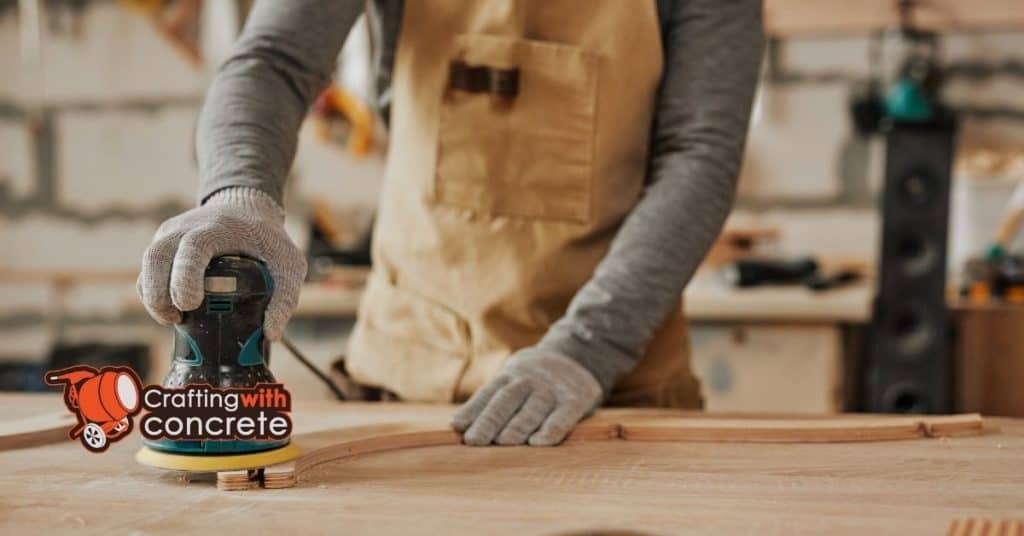
Wet-Sanding Counters Without Clouds of Dust

Wet-Sanding Counters Without Clouds of Dust

Introduction

Wet-sanding countertops creates a dust-free finish by using water to trap fine particles.

The guide walks through setting up your workspace, selecting grits, and performing the technique to minimize mess while achieving a smooth, durable surface.

When to choose wet-sanding vs dry-sanding

Wet-sanding is the safer choice for many porous or resin-rich countertops because water traps dust and minimizes airborne particles during grinding. Materials such as granite, quartz, marble, concrete, epoxy resins, and surfaces with high dust-prone edges benefit from wet methods when their porosity, hardness, or resin content drives dust generation and edge lifting risk.

The core trade-offs involve dust suppression versus moisture management, with the risk of watermarking or etching on delicate finishes and the need to clean slurry. Practical checks include whether a sealer or coating is present, whether the job is at a kitchen island or in a workshop, ambient dust levels, and whether a deeper scratch or a light polish is desired. Always verify water access, material compatibility with water-based processes, and whether moisture could affect the finish or metal edges before starting, and know when to switch to dry-sanding for fine polishing.

Material decision guide (granite, quartz, epoxy, laminate)

Different countertop materials react very differently to wet or dry sanding. Pick the right consumable and tool for the substrate and you’ll get a durable, even finish. Pick the wrong one and you’ll see stains, cracks, delamination, or ruined polish later.

  • Granite / Natural stone — Used for polishing chips, seams and flattening minor wear. Look for diamond polishing pads graded by micron or grit (50–3000 grit) and stone-safe sealers; check pad compatibility for wet use. Wet-sanding is usually best—keeps silica dust down and gives a better polish; dry-sanding will throw dangerous silica dust and can overheat the stone. Price: pads $15–60 each; variable-speed polisher rental $25–75/day. Wrong pads or dry work = etch marks, silica exposure, and a dull, pitted surface.
  • Engineered quartz — Used for smoothing seams, light rework, and final polish on resin-rich slabs. Look for diamond pads labeled “engineered stone” or low-aggressive resin grades and use water to cool; avoid acidic cleaners. Wet-sanding usually works, but avoid aggressive deep grinding because you’ll expose more resin and change appearance. Price: pads $20–80; homeowner polisher fine for small areas. Too-aggressive grit or wrong pad = visible resin halos, glossy mismatch, and weakened seam bonds.
  • Epoxy resin surfaces — Used for leveling and finishing cured castings or countertop repairs. Choose abrasive pads that cut resin (coarse diamond then finer) and expect clogging; use lots of water and a soft backing to avoid heat build-up. Wet-sanding controls dust and heat; do not wet-sand uncured epoxy or you’ll introduce contaminants. Price: pads $15–50; you may want a random-orbit sander and a polisher—rent if you don’t own one. Wrong abrasives or dry-sanding = severe clogging, burning, and a poor bond for topcoats.
  • Laminate surfaces — Used for feathering edges and scuffing in repairs only. Use fine-grit wet/dry sandpaper or abrasive scuff pads designed for laminates; look for “non-delaminating” or “laminate-safe” on the label. Do NOT wet-sand laminate seams or you risk delamination; keep sanding dry and light, or use a solvent-safe filler. Price: sandpaper $5–15 per pack; a cheap sanding block or palm sander is fine. Wetting laminate = swelling, edge blowout, and ruined finish.
  • Diamond polishing pads — The go-to abrasive for stone and resin. Check grit or micron rating and whether pads are segmented for wet use. Choose resin-bond vs metal-bond depending on substrate hardness; segmented wet pads remove slurry better. Price: $15–60 per pad; buy a set (4–7 grits) for consistent results. Cheap pads wear fast and leave uneven polish or scratches.
  • Sanding blocks & papers — Used for laminate, small epoxy touch-ups and smoothing edges by hand. Look for waterproof (wet/dry) paper and specific grits (120–2000) printed on back; flexible foam blocks help keep even pressure. Hand-sanding is low-cost ($5–30); keep it light and consistent. Using coarse paper on delicate surfaces causes gouges and visible sanding marks.
  • Sealants & cleaners — Used to finish stone or prep quartz/epoxy before polishing. Check labels for stone compatibility, penetrating vs surface seal, and cure time; solvent-based products need ventilation. A poor sealer or wrong cleaner will stain or prevent adhesion of polishes and repairs. Price: $10–40 per bottle; use manufacturer-recommended products. Wrong chemistry = staining, poor sheen, or failed topcoat adhesion.

Pro tip: Buy a small set of graded abrasives (coarse to fine) matched to your material, store pads flat and dry, and always test on an off-cut or hidden corner. If you don’t already own a polisher, rent one for the job—cheap homeowner drills are okay for light touch-ups, but heavy removal or polishing needs the right tool to avoid heat damage.

Surface condition cues (scratches, etches, dull finish)

Look first with your eyes and then with your hand. Hold the countertop at an angle to catch reflections; scattered light and a broken reflection means the surface is scuffed or etched. Run your fingernail or a soft cloth over the area: if the nail catches in a groove you have a visible scratch that needs correction. If the surface feels smooth but looks cloudy, you’re dealing with micro-scratches or a dulled finish, not deep gouges.

Match the aggressiveness to what you find. For shallow clouding and fine micro-scratches, start with the mildest grit—think 400–600 wet or 600–800 dry—and work up to 800–1500 to restore gloss. Deeper scratches and light etches need coarser correction first (220–400) to remove damage, then progressively finer grits to polish out the haze. Avoid jumping grits or skipping polish steps; you’ll just leave visible sanding marks.

If you’re unsure whether to wet-sand or dry-sand for a specific material, check the material guide earlier in the article and remember this rule: wet methods help control heat and dust on sensitive or glossy surfaces, dry can be faster on tough, non-porous stone. Whatever you choose, don’t press hard, don’t linger on edges, and stop when the defect visibly disappears—over-sanding is the fastest way to make a small repair into a big problem.

When to avoid DIY wet-sanding

These are the common mistakes I see that turn a small sanding job into a costly repair. If you followed the earlier advice on material and surface cues, this list tells you when to stop and call a pro.

  • Large or deep damage — Wet-sanding won’t fix big chips, deep scratches, or gouges. You’ll grind through too much material and make the problem worse. Let a pro handle repairs or resurfacing.
  • High‑value stone — Expensive granite, marble, or prized slabs can be ruined by one bad pass. If the surface has sentimental or resale value, hire someone with experience on that specific stone.
  • Structural issues — Cracks that move, delamination, or loose seams aren’t cosmetic. Wet-sanding treats the surface only. If the slab shifts or flexes, call a fabricator or structural repair tech.
  • Skipping grit progression — Jumping grits to save time leaves visible swirl marks and uneven gloss. Always follow a measured progression or you’ll spend more getting it right later.
  • Wrong tooling or pads — Using the wrong diamonds, pads, or too-aggressive abrasives causes uneven removal and edge rounding. Match tools to the material or rent proper equipment and test on an offcut.

Double-check these points before you start. If any of them apply, hiring a pro is usually safer and cheaper than fixing a DIY mistake.

Rectangular sanding block pressed along a wood plank surface.Hand-held rectangular sanding block smoothing a wooden plank surface to achieve an even, smooth finish.

Tools and materials checklist

A solid tools and materials checklist for dust-minimizing wet-sanding on concrete countertops centers on a compatible core setup, an adjustable, continuous water-feed option, the right backing pads, and a reliable dust containment method. Include a suitable power tool (such as a variable-speed grinder or dedicated wet-sander), compatible backing pads, and a splash guard or containment system that works with your substrate and sealer stage. Plan a safe grit ladder—rough leveling around 120–200, smoothing at 400–800, and glossing at 1500–3000—paired with diamond or silicon-carbide pads and steady water lubrication to keep dust down and surfaces even.

Knowing why these choices matter helps DIYers stay efficient and safe: proper water management, containment, and masking protect adjacent edges and fittings while reducing cleanup time and surface staining from slurry. A clear vacuuming plan (preferably HEPA-equipped) and smart disposal keep the work area clean and compliant, and thoughtful masking prevents etching around sinks, taps, and backsplashes. Finally, a focus on PPE, ventilation, and routine maintenance—cleaning tools, rotating pads, and checking water flow—keeps the project moving smoothly and minimizes wear on tools, so you finish with a durable, high-quality surface.

Abrasives and grit progression (diamond pads, wet sandpaper)

Pick your starting grit based on how much you need to remove. For heavy flattening or old coatings, start around 200–400 grit. For shaping or smoothing before polish, move through mid grits (400–1000). For final polishing on stone, epoxy or clear finishes, work up to 200–3000 grit depending on the shine you want. Diamond pads are faster on stone and concrete; wet sandpaper works best on metal and finished wood.

Work in small steps and check the surface often. Run a water rinse or wipe between grits so you see the true scratch pattern. If a scratch from the previous grit is still visible, repeat that grit — don’t skip grits. Skipping saves time now and guarantees extra work or a bad finish later.

Match grit choice to the material and outcome: for concrete/stone aim 200→400→800→1500→3000 for a high polish; for epoxy or clear coats use 400→800→1200→2000→3000; for metal/paint use 600→1000→2000. Keep pressure even, use the right pad type, and replace worn discs — a tired abrasive will ruin your finish faster than you think.

Power tools and accessories (variable-speed polisher, backing pads, hoses)

These are the motorized tools and fittings you’ll use to abrade and finish surfaces quickly. Keep speeds low for wet work, match backing pad size to your diamond pads, and use water-feed to cut dust and heat. If you already covered abrasives earlier, just pair them correctly and don’t skip water.

  • Variable-speed polisher — The main motor that spins diamond pads or abrasives. Recommended working RPM/OPM ranges (guidelines): 3″–4″ pads: 800–1,500 RPM; 5″–7″ pads: 600–1,200 RPM. For dual-action polishers, operate roughly 1,200–1,800 OPM for polishing steps and 600–1,200 OPM for cutting; always stay at the low end for coarse cutting on resin-rich surfaces. For stone grinding use lower RPM to limit heat—start slow and increase only if slurry flow and pad cooling are excellent. Rent a 7–9″ pro unit for $50–$100/day if you don’t own one.
  • Backing pads — Foam or rubber plates that hold the diamond pads in place. Match diameter (3″, 4″, 5″, 7″ etc.) and choose pad stiffness by task: stiff rubber backing for aggressive cutting (200–400 grit range) and medium-to-soft foam for finishing (800–3000 grit). A simple rule: the finer the grit, the softer the backing. Buy correct size for your pad system ($10–$40 each).
  • Water-feed hose & adapter — Supplies water to the pads to cut dust and cool the stone. Recommended feed: low-volume continuous trickle ~0.1–0.5 GPM at the pad for small polishers; larger 7″ grinders may need 0.5–1.0 GPM if using a full splash guard. Use a threaded adapter or purpose-built splash guard. Keep the flow constant—surge flow damages polish and creates excess slurry. Expect $15–$60 for adapters or guards.
  • Wet/dry vacuum with HEPA — Collects slurry and dust at the source when you can’t fully water-feed. Use a HEPA-rated hopper for silica control and a short stiff hose for strong suction. Optional but smart for indoor jobs; $100–$400 to buy or rent cheaper.
  • Pad conditioner / sandpaper brush — Keeps diamond pads clean and cutting freely between grits. Use briefly on the pad face or a conditioning puck every 10–20 minutes under wet conditions. Optional and cheap ($5–$25); saves time.
  • Power cords & GFCI — Heavy-duty cord and a ground-fault interrupter to power the polisher safely around water. Use 12–14 gauge extension cords and a GFCI rated for outdoor use.
  • Pressure guidance (hand vs machine) — Hand-pressure reference: “light” = ~2–5 lbs of force (resting finger pressure), “medium” = ~6–10 lbs, “heavy” = >10 lbs (avoid). For machine work, let the tool weight do most of the work—apply light downward force (2–6 lbs) and keep pad flat to avoid edge rounding or heat. Use a bathroom scale on the pad in a test area to feel the force if unsure.
  • Speed controller or soft-start — An inline controller or polisher with soft-start to prevent torque kick and splash. Optional if your tool has an adequate variable-speed trigger; controllers run $30–$120.

Pro tip: Match pad diameter and backing pad stiffness to the grit sequence you already chose. Rent the heavy polisher for big jobs, buy backing pads and hoses, and always run water-feed plus a HEPA vacuum when possible — combo fluency saves time and keeps the finish from coming back to haunt you.

Containment, water management & PPE

Keep water and slurry under control from the first scrape. Lay down waterproof tarps to catch sprinkles and drops, and angle them so dirty water runs into a designated bucket or floor drain you control. Don’t let slurry hit landscaping or storm drains — you’ll regret it come cleanup time.

Have a couple of buckets ready, a stiff squeegee to herd water, and a shop-vac with a wet filter for the heavy stuff. Use the vac to pick up pools and the squeegee to push the rest to your buckets. If you’re using polishers or wet sanding (see abrasives and power tools above), expect more slurry than you think.

Wear proper PPE at all times. Gloves and goggles are non-negotiable. If you’re running tools that create mist or fine dust, wear a respirator — a dust mask won’t cut it. No shortcuts: wet messes plus power tools equals more exposure than you want.

Minimalist DIY kit (for small, low-risk jobs)

  • 3″ hand sanding block, waterproof sandpaper 400–1500 (one sheet of each grit 400, 800, 1500), spray bottle, 2× 5-gallon buckets, 2 disposable liners, one 5″ foam backing pad (soft), and one microfiber drying cloth. Cost: ~$40–$80.
  • Use hand block and light pressure (~2–5 lbs). Limit scope to spots under ~1 ft² and avoid seams or high-value stone. If work grows, stop and rent tools or call a pro.

Workspace setup and containment to minimize dust spread

Create a clearly bounded work area with durable dust barriers, such as plastic sheeting and painter’s tape, plus a temporary door or curtain and tracked entry/exit to minimize creep into adjacent rooms. Protect surfaces by fully covering cabinets, backsplashes, and adjacent flooring with drop cloths or film, and seal cracks or seams where dust could migrate, using edge protectors to prevent scuffs. Implement a practical dust and slurry plan with a dedicated drainage and collection setup—think a bucket with water, squeegee, or portable wet-dry system—and position a shallow trench or tray to capture runoff away from cabinets and floors, while designating damp-cleaning methods and HEPA-filtered vacuums for the containment zone.

This approach helps keep the work contained, reduces the spread of dust to living spaces, and makes cleanup faster and safer by focusing on surfaces, water management, and controlled tool usage. It also gives you a predictable, repeatable workflow that minimizes surprises and protects nearby rooms from contamination. By planning containment, surface protection, and disciplined wet-work, you create a smoother, more efficient project with clearer boundaries and less rework.

Physical containment (tarping, plastic sheeting, doors/windows)

Start by isolating the work area with overlapping plastic sheeting from floor to ceiling. Run the sheeting across doorways and tape seams tight so you create a true sealed zone. If you skip full overlap you’ll still get dust and slurry tracking into the rest of the house.

Cover every vulnerable surface: floors, built-ins, HVAC registers, and nearby windows. Use heavy contractor-grade tarp on floors under grinders and wet work, and single-sheet plastic on walls and furniture. For windows and vents, seal all gaps with tape and add an outer layer of sheeting to catch overspray and slurry.

Make a plan for entry and exit. Create a one-way path with a covered drop zone for tools and a separate wipe-off station for shoes or boots. If you need to keep a doorway usable, install a zippered plastic door or a magnetic flap—don’t rely on a loosely taped curtain. Protectors fail when you treat containment like an optional extra.

Ventilation and electrical safety around water

Keep air moving without turning your dust problem into a house-wide problem. Create a clear ventilation path that pulls air out of the work area and vents it outdoors. Do not point box fans at open doors or into other rooms — that just spreads dust. If you’ve set up plastic containment or tarping, run one exhaust fan to the outside and let make-up air come in through a controlled gap, not through the rest of the house.

Use filtration when you can. A HEPA-rated air scrubber or a shop vac with a HEPA filter reduces airborne dust near the source. If the job produces very fine dust, consider a small negative-pressure setup so contaminated air stays out of common areas. Don’t rely on HVAC systems for cleanup; shut furnace and A/C circulation off or isolate the ducts to avoid contaminating them.

Electricity and water are a bad mix. Always plug tools and lights into outlets with GFCI protection — either built-in, at the breaker, or via a portable GFCI. Keep cords and power strips off the floor and away from wet spots. Use only outdoor-rated extension cords if you need one, and test GFCIs before you start. If water’s present where you need to work, cut power to that circuit first or use battery-powered tools to avoid shocks. Don’t be lazy here — a cheap GFCI or a minute to verify cords are dry can prevent a trip to the ER.

Water supply and slurry capture strategies

Pick the right feed, troughs, and capture gear and you control the mess. The wrong hose, cheap trough, or no proper vac will cause runoff, stains, weak bonds, or clog drains — and cost you time and money fixing it later.

  • Controlled flow valve — A ball valve or inline flow regulator attaches to the hose to give a steady, low-volume feed for wet cutting or grinding. Look for brass or stainless with 1/2″ or 3/4″ NPT threading and a fine adjustment handle. Cheap plastic valves leak or snap, causing sudden surges that throw slurry everywhere; expect $10–$40.
  • Adjustable nozzle — Use a shut-off/push-pull nozzle that lets you switch between mist and steady stream on the gun. Check for metal construction and a rubber grip; labeled GPM (gallons per minute) or adjustable flow is a plus. Don’t use a worn nozzle — high flow eats materials and creates more slurry to capture.
  • Polyethylene troughs — Rigid HDPE collection troughs or long plastic gutters channel slurry to a capture point. Look for UV-stable HDPE, 4–6mm wall thickness, and built-in drain fittings. Thin garden gutters warp and leak; expect $30–$120 depending on length and quality.
  • Collapsible berms — Low-sill rubber/foam berms or vinyl dams stop spread on floors and thresholds. Choose chemical-resistant vinyl or nitrile foam and heights 2–4″ for small jobs. Cheap foam soaks and disintegrates; use these where permanent troughs aren’t practical, $20–$60 each.
  • Wet/dry shop-vac — A rated wet/dry vac with a float shut-off and HEPA-style filter captures liquid slurry and dust. Pick one 5–8 peak HP or 4–6.5 gallon for small jobs, or 8–12 gallon for larger. Household vacs will burn out; rental 8–12 gal units are $25–$60/day, buy good ones $100–300. Wrong vacs mean ruined motors and airborne dust later.
  • Discharge pump — Submersible trash pump or small 1/3–1/2 HP pump moves captured slurry to a disposal container. Look for solids-handling rating and corrosion-resistant housing. Hand-pumping is slow and messy; a cheap pump saves hours and prevents spills, $80–$250.
  • Sealable buckets/liners — 5-gallon HDPE buckets with screw lids and disposable plastic liners collect slurry for disposal. Check for food-grade or chemical-resistant labeling and tight lids. Don’t dump slurry in yard or storm drains — it will stain and violate codes; buckets cost $3–$10, liners $5–$20 per roll.
  • Corrosion fittings — Use stainless or brass hose fittings, camlocks, and quick-connects where slurry will sit. Look for 304 stainless or brass and EPDM or Viton seals. Aluminum or cheap zinc fittings corrode and lock up, causing leaks and replacement costs; fittings run $5–$40 each.
  • Absorbent pads — Heavy-duty chemical absorbent pads or mats for final cleanup around troughs and pumps. Choose oil/chemical rated pads that resist shredding and wick well. Don’t rely on shop towels — they saturate and spread contaminants; pads $10–$40 per box.

Pro tip: Buy hoses, valves, and fittings in metal where they contact slurry, store bags and liners dry and off the floor, and mix on a plastic tarp or in a sealed bucket. If you don’t own a big wet/dry vac or pump, rent one — it’s cheaper than replacing tools or redoing stained work.

Surface preparation and repairs before wet-sanding

Prepare the surface by cleaning thoroughly to remove oils, residues, and dust, then assess any chips or voids and fill them with epoxy or cementitious patches to create a smooth base for wet sanding. Check adhesion and moisture, mask surrounding edges, and decide if a light dry inspection or full wet prep is needed before sanding starts, keeping tool choices and masking priorities in mind.

This careful prep matters because it prevents dust, clouding, or delamination and helps you achieve an even, chip-free result with staged sanding from coarse to fine grips, using the right orbit sander, foam pads, and controlled water. It also guides you on when to use a bonding agent or primer, how to handle porous versus non-porous surfaces, and the proper curing times after filler to ensure lasting results. A clear masking plan and dust containment reduce cleanup and protect adjacent surfaces for a cleaner, more professional finish.

Cleaning and decontamination

Start by removing grease, wax, and any old sealer remnants. Use a strong degreaser or solvent recommended for your substrate — follow label directions and work in a ventilated area. Don’t be timid: oil and silicone will ruin wet-sanding results if they’re left behind.

Rinse thoroughly and let the surface dry. After rinsing, go over the area with a lint-free cloth dampened with isopropyl alcohol or a dedicated panel wipe. Do a small test spot first to make sure the cleaner won’t attack the paint or filler.

Before you wet-sand, do a final visual and tactile check. Run your hand over the surface; if it still feels slick or shows streaks, clean again. A contaminant-free surface and a proper final wipe are the difference between a smooth finish and wasted work.

Filling chips, seams and leveling issues

Small chips in paint or gelcoat need a different fix than a big gouge. For fiberglass or gelcoat use a polyester or vinylester repair paste; for wood use a marine-rated epoxy or wood filler; for metal use a two-part epoxy or automotive body filler. Match the product to the substrate and the flex of the panel—wrong choice will crack as soon as you sand or flex the surface.

Apply filler slightly over-height and let it fully cure before sanding. Curing time and temperature matter: epoxy that feels tack-free is not ready for fine sanding. Follow the manufacturer’s cure schedule, and if you’re in cold conditions add heat or extra time. Poorly cured filler sands gummy and will clog wet sandpaper or pull out in the sander.

Remove high edges and seams with a hand block or sanding sponge to get a flat runout, then wet-sand to feather into surrounding material. Check adhesion and compaction before you wet-sand—press on a patched area, tap it, look for voids—because sanding won’t fix a bad bond. If seams show movement or voids, dig them out and re-fill properly rather than trying to skim over them.

Masking and protecting adjacent hardware

Before you wet-sand, stop and mask anything you don’t want slurry or water on. Use 3M painter’s tape or automotive-grade masking tape for metal edges and fixtures — it sticks well and peels clean. For faucets and handles wrap with a few layers of plastic sheeting or heavy-duty trash bag and tape the edges tight to the counter so water runs away from the hardware, not into it.

Protect sinks and cabinets with a rigid barrier where possible. A folded piece of cardboard or a thin plastic panel taped to the countertop edge diverts slurry into your work area and keeps cabinets dry. If you must protect inside the sink, lay down a silicone mat or thicker plastic that won’t move when you drop tools on it. Don’t rely on a single thin strip of tape to stop water — that’s a rookie move.

Check your seals as you go. Give taped edges a light tug; if tape lifts, reseal with fresh tape or add a second layer. Once masking is done, you can proceed to the wet-sanding steps covered earlier, confident the fixtures and woodwork are protected from slurry and moisture.

Step-by-step wet-sanding technique

Step-by-step wet-sanding technique guides you through a logical grit progression to restore a scratched or dull countertop surface, starting with a rough cut to knock down deep scratches and moving through finer grits for a smooth sheen. Keep the surface consistently wet with a light mist and a thin water film, using even circular or figure-eight motions with light to medium pressure, and allow brief dwell times at each grit before moving on. Regularly wipe and re-wet, monitor the slurry, and slow down to check for uniform scratch removal and gloss as you approach the final polish.

This approach matters on the job because it reduces the risk of swirl marks, uneven hazing, and heat buildup while controlling slurry waste and water management. By understanding how to choose grit based on scratch depth and material, you can tailor the sequence for granite, epoxy, or concrete and achieve a professional finish with fewer passes. Proper surface checks, re-wetting cues, and cleanup steps protect adjacent areas and ensure a durable, high-gloss result without damaging coatings or sealers.

Step-by-Step Process

This sequence walks you through wet-sanding a painted or clear-coated surface from setup to final check so you get a flat, scratch-free finish ready for polish or recoat.

  1. Lay out tools and PPE, mix water with a small drop of dish soap in a spray bottle, and label grit order on tape. You need an organized flow to avoid contaminating finer grits with coarse debris. Check by running your hand over the sandpaper edge—no grit chunks or tears. Stop and call a pro if the surface has deep rust, structural damage, or old delamination you didn’t expect.
  2. Start with the coarser wet grit listed in your plan and keep the area soaked while sanding with light, even pressure. This removes visible orange peel and high spots without burning through the finish. A correct pass shows uniform slurry and no dry scratches. If you’re hitting bare metal consistently, stop and consult a professional painter.
  3. Rinse frequently and switch to the next finer grit once the surface looks uniformly dulled and coarse scratches are gone. Moving up grit refines the scratch pattern so polishing can remove them later. Check by wiping with a clean microfiber—scratches should appear finer and evenly distributed. If scratches don’t improve after several grits, call a pro for assessment.
  4. Work in overlapping passes across the entire panel, keeping pressure light and the paper flat to avoid gouges. Overlap prevents feathered edges and uneven levels. Stop when the finish shows a consistent matte sheen with no deep cross-scratches. If you develop waves or a wavy reflection, pause the job and get a pro’s opinion.
  5. After the final grit, flush the area thoroughly, dry with a clean microfiber, and inspect under good light for consistent haze. This confirms you removed the earlier scratch pattern and prepped the surface for polish. A proper result has a uniform haze with no visible coarse scratches. If you see discoloration or bare spots, call a professional before proceeding.
  6. Allow any exposed primer or repair materials to flash or cure per manufacturer time before polishing or recoating; typically 30–60 minutes for surface flash, longer for heavy fillers. Respecting cure avoids trapping moisture or solvents under a new coat. Verify by lightly touching an out-of-the-way spot—no tackiness or residue should remain. If cure times are unclear, consult product instructions or a pro.
  7. Finish with a light polishing step or apply your next coat, then inspect at arm’s length and in bright, angled light for haze or remaining scratches. Polishing removes the fine uniform haze and reveals the final gloss. Stop when the reflection is smooth and free of linear scratches. If polishing produces heat burns or the finish dulls, stop and get a professional detailer or painter involved.

Pro tip: Keep separate labeled buckets and paper for each grit and change water often—cross-contamination is the fastest way to ruin your work and force a repaint.

Initial sanding pass and grit order

Start with a grit that matches the material and damage. For soft clearcoat or fresh paint start around 800 grit; for bare metal, primer or heavy orange peel start closer to 200–400. A typical progression I use is 200 → 400 → 800 → 1500+, but adjust up or down one step if the surface is mostly smooth or heavily pitted.

Keep the surface wet and use light, even strokes. Don’t gouge — let the paper do the work. After each grit, wipe the area and check for deep scratches. If scratches from the previous grit are still visible, repeat that grit instead of moving up. Skipping grits just means more work later.

Finish the pass by ensuring uniform dullness across the panel. If you see shiny spots or compound build-up, re-sand those areas with the same grit until they match. When the whole area looks consistently abraded, move to the next finer grit and follow the same checks. Don’t rush—surface prep beats polishing to hide mistakes.

Hand technique vs machine technique (pressure, strokes, speed)

Hand sanding gives you control. Use steady, even pressure with the pad flat to the surface. Make short strokes and keep each pass overlapping the last by about 50% so you don’t dig grooves. Rinse and check your progress frequently — you want a uniform matt finish, not high and low spots.

Machine sanding speeds and motion matter more than power. If you use a dual‑action polisher, run it low to medium speed (roughly 1200–1800 OPM) and keep the pad moving in slow, deliberate circles or gentle back-and-forth strokes. Avoid high RPMs — heat builds fast and will clog the paper or create uneven high spots. If you have a rotary, don’t push it; keep RPMs very low and only use rotary if you know what you’re doing.

Regardless of method, use a cross-hatch pattern: do one direction, then rotate 90° and repeat. That evens out scratches and makes the next buffing step simpler. If you started with the step-by-step grit order earlier, stay with that progression and match pressure and speed to the grit — lighter and slower as you move to finer papers.

How to check progress and visual cues to stop

Stop every few passes and wipe the area with a clean microfiber so you can actually see what’s happening. Look for a uniform scratch pattern that matches the grit you’re using — if you still see deeper, ragged scratches from the previous grit, keep sanding. If the scratches are even and fine across the whole panel, you can move up a grit.

Watch the gloss and reflection. The surface should shift from dull streaks to a consistent, even haze. When the haze is uniform and the light reflects evenly (no dim spots, no bright rings around deep scratches), you’re done with that grit. Run your fingernail lightly across the surface; if the nail catches a groove, keep sanding.

Check the slurry. It should be a thin, milky mix at first then become a clear, watery slurry as the scratches break down. If the slurry is still chunky or loaded with grit, you’re removing material unevenly — slow down, clean, and continue. Don’t rush to jump grits or you’ll carry deeper scratches up the ladder and waste time correcting them later.

Orange palm sander working on peeling blue paint surface.
Sanding helps remove peeling oil paint for a smoother, ready-to-finish surface.

Polishing and buffing for a streak-free finish

After wet sanding, follow a deliberate polishing workflow that moves from coarse to fine abrasives (for example, a defined grit sequence) to control stock removal, cut rate, and heat buildup on concrete countertops, then select pad types—felt, microfiber, or resin—that best suit the chosen abrasive and finish goal. Pair those pads with appropriate polishing compounds (diamond paste or ceramic/oxide-based) and outline rotation speeds, application methods, and pass counts to minimize swirl, holograms, and surface scratching while driving toward the desired sheen range (matte, satin, or high gloss).

This approach matters on a DIY or jobsite because it translates to predictable results, fewer touch-ups, and safer dust and water management during a wet-wet process. Include test panels at the outset to verify the look before full-area work, and establish a simple safety routine with PPE and water control to keep dust down. When issues like haze, holograms, or dull spots appear, rely on targeted re-polishing with the appropriate grit and pad, then adjust the compound or speed to restore uniform reflectivity without over-sanding.

Compounds, pads, and final grit polish

For natural stone (granite, marble) stick with diamond abrasives. Start with coarse diamond pads only if you need to remove chips or heavy scratches, then work up through 200, 400, 800, 1500 and finish with 3000 grit or a diamond polishing paste. Use stiffer backing pads for the cutting grits and a soft foam or felt pad for the final polish. For marble use a finer progression and consider tin-oxide or diamond paste for the glossy finish.

Engineered quartz takes a different tack: avoid overly aggressive open-coat abrasives that will gouge the resin. Use resin-bonded diamond pads rated for engineered stone, moving 100, 200, 400, 800, 1500 and finishing around 3000–5000 grit depending on desired sheen. Finish with a low-abrasion polishing compound and a soft foam pad. Don’t rush the steps — skipping grits leaves swirl marks that a final polish can’t hide.

Epoxy and solid surface need non-loading pads and cream or liquid polishing compounds. Start around 400–800 grit to flatten high spots, progress to 1500–3000 grit, then use a fine buffing cream with a soft foam or microfiber pad. Work at moderate speed, keep the surface cool, and wipe frequently to check progress. If you see haze, back down one grit, then repolish; and remember: avoid high speed and too much pressure — they melt epoxy and ruin finishes.

Sealer and polish compatibility (quick matrix)

  • Granite / Natural Stone — Use diamond pads; sealer: solvent or waterborne penetrating stone sealer (check label “stone safe”). Avoid solvent topcoats over untested polish. Test adhesion with a simple water-drop test then a small polish sample.
  • Engineered Quartz — Use resin-bond diamond pads; sealer: generally not required—avoid solvent-based sealers; use manufacturer-recommended cleaners. Never apply stone sealers unless manufacturer allows.
  • Epoxy — Use non-loading pads and cream polishes; topcoat: compatible epoxy or polyurethane recommended. Avoid solvent-based stone sealers—check manufacturer’s chemical resistance chart.
  • Laminate — Use fine wet/dry paper for feathering; do not use penetrating stone sealers; use laminate-safe scuff products and light-density polishes only.

Test method for existing sealer/topcoat: wipe a small hidden area with acetone for 10–15 seconds; if finish softens or dulls, a solvent-borne sealer/topcoat is present—proceed with caution and consult product SDS or manufacturer before continuing.

Removing haze and achieving uniform gloss

Work with a low-speed, light pressure touch for the final pass. Keep the pad flat and move steadily across the panel. If you grind or hover in one spot you’ll burn the clear or reintroduce swirls. Think slow, steady, and shallow—this is touch-up, not heavy correction.

After buffing, wipe the surface with a clean microfiber towel and a final cleaning agent designed to remove oils and polish residue. Check the panel from different angles and under bright light or sunlight. Look for haze, feathered edges, or glossy streaks and go back with another light pass only where needed.

Pay special attention to edges, seams, and painted curves where haze hides. If you already used the right compounds and pads earlier, you’re only removing residue now—don’t try to correct heavy defects at this stage. If haze persists, a slightly more aggressive polishing step may be needed, but do it sparingly and re-clean before calling it done.

Protective coatings and sealers (when and which)

If your surface is porous stone (travertine, unfilled marble, limestone) or outside where weather and stains matter, use a penetrating stone sealer. For interior polished stone you can skip it unless spills are frequent. For epoxy floors, skip stone sealers and use a compatible epoxy or polyurethane topcoat or a paste wax made for epoxy. Test a small area first — products behave differently on different substrates.

Prep is simple: clean thoroughly, remove any polishing compound haze or residue, and make sure the surface is fully cured. Apply thin, even coats with the right tool — sprayer or roller for liquid sealers, soft cloth for wax. Let each coat dry fully and follow the product’s recoat schedule. Don’t rush; heavy coats cause blushing, tackiness, or poor adhesion.

Maintenance intervals (general guidance): granite/natural stone reseal every 1–3 years depending on traffic and stain testing; engineered quartz: no sealer required, use manufacturer cleaner; epoxy topcoats: inspect annually, recoat as needed (2–5 years typical). Keep manufacturer documentation—repeated wet-sanding or improper compounds can void warranties; always check warranty terms before aggressive DIY polishing.

Cleanup, drying, and post-project inspection

Efficient cleanup begins with precise slurry disposal, including containment, compliant disposal options, and steps to prevent runoff, followed by rinsing and filtering, and safe disposal of concrete-laden water to protect drains and plumbing. It also covers cleaning the surface and tools, removing wet slurry from countertops without re-sanding, choosing effective cleaners, and using microfiber cloths for a final wipe-down to neutralize residue. Finally, it outlines a drying strategy to avoid streaks and dark patches, using air circulation and, if needed, heat or dehumidification, plus the ideal wait time before testing the finish.

This matters because thorough cleanup reduces dust, prevents staining, and sets up a reliable inspection and sealing step, saving time and preventing costly rework. The post-sanding inspection checklist—uniform sheen, absence of cloudy patches, no visible scratches or swirl marks, and a water test for sealer readiness—helps you catch issues early. Knowing when to apply sealant or topcoat after drying, and how to re-check for dust under a seal, gives you confidence that the finish will be smooth, even, and durable long after the project ends.

Capturing and disposing wastewater responsibly

Consolidated step-by-step DIY filtration & disposal (small jobs) — an actionable routine you can follow:

  1. Position collection troughs/berms under the work area and route to a 5-gallon bucket lined with a filter bag (geotextile sock or 100–200 micron filter). Use a second bucket as overflow.
  2. Run work until buckets reach ~70% full, then stop. Let the slurry sit undisturbed for settling time: 2–6 hours for small jobs; overnight for heavier loads. The heavier solids will settle; decant clearer water from the top.
  3. Decant slowly to a separate clean bucket. If the decanted water is still cloudy, repeat settling or pass through a 50–100 micron coffee/fine-mesh filter. For final rinse use small amounts of clean water only.
  4. Scoop or shovel the settled solids onto a tarp and let them dry spread thin (1–2 days depending on weather). Once dry, bag solids in labeled bags for landfill pickup or approved disposal. Keep receipts.
  5. Do NOT pour slurry or decanted water to storm drains, gutters, or garden beds. If municipal sewer discharge is considered, call your local utility first — many require pre-approval or pretreatment permits for industrial slurry.

Common filter choices and specs: geotextile filter socks (100–200 micron) for primary capture; nylon paint strainer (50–100 micron) for secondary filtering; coffee/paint strainers (20–50 micron) for final decant. Settling times depend on particle loading—heavier loads need longer settling and often a flocculant (follow product SDS and wear gloves).

When industrial disposal or permit is likely required: projects producing large volumes (>100 gallons) of slurry, work involving chemical additives (oils, solvents, paints), or any discharge to municipal sewers usually require contacting local environmental or public works offices for guidance and possible industrial pretreatment permits. If solids show unusual color, odor, or sheen (indicating oils/solvents), treat as contaminated—hire a licensed waste hauler.

Drying techniques to prevent water spots

Don’t let water sit and bake on the surface. After you finish rinsing (and after you’ve handled cleanup and wastewater capture), start drying while surfaces are still wet. Work from top to bottom so drips don’t ruin areas you already finished.

Use a soft microfiber drying cloth and a good rubber squeegee. Pull the squeegee in straight passes, then follow immediately with the microfiber to remove the thin film left behind. Change or rinse the cloth often so you’re not just smearing minerals back onto the surface.

If you have hard water, do a final quick rinse with bottled/deionized water or a diluted vinegar rinse, then dry right away. Avoid drying in direct midday sun when water will flash-dry and leave streaks. If a spot appears, re-wet and dry again; don’t buff dried mineral residue, you’ll just make it worse.

Final inspection checklist and photo cues

Walk the area like a picky homeowner. Verify even gloss across each panel — no dull spots or shiny runs. Look for residual scratches, dust nibs, or debris trapped in the finish. Check seams for full contact and straight lines, not gaps or ragged edges. Confirm edges and transitions sit smooth and return to appropriate surfaces with no over-tinting or ragged build-up.

Use photos to prove the job. Take one wide shot of the whole run, then close-ups at 6–12 inches for seams and edge detail. Photograph at low angles across the surface with a directional light or flash to reveal micro-scratches and gloss inconsistencies. Include a scale or hand in one close-up so anyone reviewing later can judge tolerances.

Decide on fixes quickly. If you see runs, sanding marks, or imperfect seams, document them, correct while the materials are still manageable, then re-photograph. Remember the housekeeping basics already covered — waste capture and drying — before you sign off. Don’t cheat the final pass; a rushed finish will show in photos and cost more to fix later.

Safety, health risks, and PPE (explicit guidance)

Silica exposure from concrete dust poses both immediate respiratory irritation and long-term risks like silicosis, so wet-sanding reduces airborne dust but does not eliminate danger; plan for continuous water spray, dampened surfaces, contained slurry, barriers, and proper cleaning to keep dust and slurry under control, while recognizing that PPE is a required line of defense. Properly fitted respirators (P100 or N95 with a good face seal depending on dust level), eye and face protection, chemical-resistant gloves, and hearing protection are essential, with clear guidance on when each item must be used and how to inspect seals and filters before use.

Understanding OSHA and NIOSH limits helps you judge acceptable mitigation when working on home projects, and it matters because DIY environments often lack professional ventilation and containment; this section emphasizes practical checks like respirator fit tests, routine inspection of seals and water delivery, safe cleanup procedures, and steps to take if exposure occurs, including disposal of contaminated wastewater and dust so you can protect yourself and others without overpromising tools or resources.

Respiratory protection and silica considerations

Even with wet-sanding, you can still breathe dangerous dust. If the material contains silica, or you’re cutting, grinding, or working long enough to create a cloud, treat the job like a silica exposure. Wetting reduces airborne dust but doesn’t eliminate it. If you see mist, slurry splash, or dried dust nearby, put a respirator on.

Respirator selection and use (measurable guidance):

  • Short, low-intensity tasks (<15 minutes cumulative) on low-silica materials in good ventilation: N95 respirator (NIOSH-certified) may be acceptable.
  • Longer tasks (>15–30 minutes), confined spaces, visible mist/splashes, or known silica-containing materials: P100 (HEPA) cartridge respirator or equivalent with an elastomeric half-mask is recommended.
  • For heavy continuous dust, unknown contaminants, or solvent mists: supplied-air respirator or powered air-purifying respirator (PAPR) — engage a safety professional.
  • Fit-testing / checks: perform a user seal check every time you don the respirator and a formal fit test at least annually (qualitative or quantitative). Replace disposable N95s after heavy use or when soiled; replace P100 cartridges per manufacturer guidance or when breathing resistance increases (roughly every 8–40 hours depending on exposure). Store spare cartridges dry and sealed.

Material hazard screening before work:

  • Test for silica: assume natural stone and concrete contain respirable silica. For engineered stone or unknown slabs, request a material data sheet or sample testing from the fabricator if in doubt.
  • Test for lead/legacy coatings: if countertops have old paint or coatings installed before 1978, use a lead test kit (EPA-recognized) or send a sample for lab testing before sanding; if positive, use lead-specific containment and respiratory protection and consider hiring a certified lead abatement contractor.
  • Review Safety Data Sheets (SDS) for all cleaners, fillers, and compounds used; note required PPE, incompatible chemicals, and first-aid measures.

Personal and slip hazards around water

Wear non-slip footwear every time you work near water. Wet surfaces make good shoes useless. Choose boots with deep tread and replace them when the soles smooth out. Keep feet dry where you can by using rubber boots or a quick-change pair for wet tasks.

Protect your hands and eyes. Use durable gloves that still let you grip wet tools. Wear eye protection when cutting, grinding, or hosing off concrete — splash and chips are common. If you’re already using respiratory protection for dust or silica, keep the same discipline: don’t skip one type of PPE while doing another job.

Prevent falls and electrical shocks by thinking about where water sits and where power runs. Move cords and tools off the ground or up high, use GFCI breakers or portable GFCI cords, and shut power off before you dunk anything. Keep a clear, dry walkway and one person watching when someone works on a wet slope or near deep water. No heroics — stop and secure the area if conditions get slick or visibility is poor.

First aid and emergency planning

If someone gets a cut, stop work and control bleeding first. Apply direct pressure with a clean cloth. For deep cuts, gaping wounds, or persistent bleeding, call emergency services right away. Clean small cuts with water, cover with a sterile dressing, and get a tetanus shot if you’re unsure of the last booster.

For chemical exposures from solvents, cleaners, or coatings, flush the area with lots of water immediately and remove contaminated clothing. For chemicals in the eye, hold the eyelid open and rinse for at least 15 minutes before seeking medical care. Don’t try to neutralize chemicals with other products—just rinse and get professional help.

After slips or falls during sanding, check for head, neck, or back pain and signs of concussion. If there’s loss of consciousness, vomiting, confusion, or worsening headache, call emergency services and don’t move the person unless they’re in further danger. Keep a stocked first-aid kit, an eyewash bottle, a charged phone on site, and one person assigned to know emergency contacts and nearest ER. Review and practice this plan before work starts.

Wastewater from wet-sanding consists of water mixed with cement dust and incidental chemicals, and it should be treated as slurry that requires solids removal before disposal. Define and separate solids from liquids, using temporary containment and shielding, then use sedimentation or filtration to reduce solids content and enable safer on-site reuse or proper drainage. Compliance starts with identifying applicable local, state, and federal rules for wastewater, stormwater, and hazardous waste, and planning disposal routes such as municipal sewer with approval, dedicated slurry pits, or licensed services.

This matters on a DIY or jobsite basis because improper handling can lead to fines, contamination, and environmental harm, along with complex reporting and permit requirements that vary by municipality. Following best practices—spill prevention, secondary containment, appropriate PPE, SDS review for additives, and diligent documentation of disposal methods and supplier certifications—helps you stay compliant and protects workers and the surrounding environment. A simple compliance checklist prompts you to confirm discharge allowances, permit needs, legal disposal destinations, and required records, supporting safer, cleaner projects from start to finish.

Filtering and solidifying slurry for disposal

Let the slurry sit so the solids drop out, then remove the clearer water on top. For small jobs use a cheap filter bag or a geotextile sock tied to a standpipe. For larger volumes set up a settling tank or a temporary drying bed and move slurry in with a pump. If you need faster separation, a flocculant will make solids clump and settle; follow product instructions and wear gloves.

After most water is off, press or squeeze the bags, or rake solids onto a tarp to dry. Spread the solids thin and turn them so they dry faster. When they’re damp but not soupy you can mix with clean fill or bag them for pickup. Avoid compacting wet slurry into tight containers that trap moisture—let it breathe so it stops smelling and ferments less.

Before you haul anything, check local disposal rules and get a quick test if the slurry had chemicals or oils. Don’t dump filter water down storm drains or into ditches. If you’re unsure, call your local environmental office—better to ask than get fined. Pack and label solids if a contractor takes them, and keep receipts or manifest papers until you’re sure everything cleared legally.

Avoiding landscaping and sewer contamination

These are the common screw-ups I see that lead to ruined lawns, fines, or blocked sewers. Short and blunt: don’t let wastewater wander. Fix these things before you start.

  • Skipping containment — Letting slurry or rinse water run free will soak beds and paths. Set up tubs, basins, or lined pans to catch water and move it to an approved disposal point rather than letting it splash onto soil.
  • Dumping in drains — Pouring into storm or yard drains ends up in streams and can get you fined. Transport wastewater to municipal collection or approved disposal; never assume a drain is safe.
  • Underestimating runoff — Water follows low spots and will find your planted areas overnight. Check slopes, use temporary berms or sandbags, and position containment downhill from sensitive landscaping.
  • Using porous containers — Thin bags or cracked tubs leak. Use solid, intact tubs or lined containers and test them before filling. Replace anything that wobbles or drips.
  • Reapplying dirty water — Spraying or watering with contaminated washout kills plants and compacts soil. Either treat and dispose as covered earlier or use clean water only for irrigation.

Double-check these points before you work. A few minutes of setup saves yards, drains, and headaches—and keeps you out of trouble.

When permits or professional disposal are required

If you’re doing a small backyard job, you’ll usually handle slurry by filtering or solidifying and disposing as we already covered. For anything larger, commercial, or with unknown contaminants, stop and check rules. Call your local environmental or building department before you pour or haul—permits and limits can vary block to block.

Know when you must hire a pro: large volumes, waste that smells or looks chemical, groundwater or sewer discharges, or projects tied to commercial sites. Those cases often need an industrial pretreatment permit, landfill approval, or a licensed hazardous-waste contractor to pick up material and provide a signed disposal ticket.

Don’t guess. Ask for written disposal instructions, keep any manifests or tickets, and get a soil or slurry sample tested if contamination is possible. Cutting corners on permits or using the wrong landfill can cost far more than calling a pro up front.

Typical timeline, cost breakdown, and budgeting tips

Plan a realistic timeline for a 6–8 ft countertop project, breaking work into prep, sanding, wet sanding passes, final polish, and cleanup, with separate estimates for rental tools versus owned tools. Build a clear cost model with line items for consumables, tool costs, and potential savings from bundling, and present low, median, and high ranges to reflect skill and complexity.

Use a simple formula (hours × rate + materials) to estimate total cost and compare rental package versus a DIY-ready kit to identify break-even points. Include practical tips to control dust and protect surrounding surfaces, plus risk flags such as substrate condition or epoxy coatings that could alter timing or budget, plus quick-check milestones and a printable checklist to stay on schedule.

Labor timeline by task and countertop size

Think of the job as a sequence: prep, sanding passes, polishing, then cleanup. For a quick reminder of costs and broader timelines, refer back to the parent section; here I’ll only give the hands-on hours you need to schedule. These are realistic crew-hours for an experienced two-person team working straight through.

Small job (single 6–8 ft run): prep 1–2 hours, sanding 2–3 passes totaling 1.5–2.5 hours, polishing 1–1.5 hours, cleanup 0.5–1 hour. Medium job (L-shape or two runs, 10–15 ft): prep 2–3 hours, sanding 3–4 passes totaling 3–4 hours, polishing 1.5–2.5 hours, cleanup 1–1.5 hours. Large job (island plus perimeter, 20+ ft): prep 3–5 hours, sanding 4–6 passes totaling 5–7 hours, polishing 2.5–4 hours, cleanup 1.5–2 hours. Add 30–60 minutes per job for tool setup and tear-down.

You need to check a few things before the crew arrives: check base compaction and mounting stability, clear the area, and arrange power and waste access. If the countertop has chips, seams, or heavy repairs plan for extra sanding and patch time. Make sure ventilation is available and expect a short cure/dry window before light use. If you want the job done in a single day, book extra hours; rushing those sanding passes is the fastest way to get poor results.

Cost example: DIY vs rental vs professional

Quick reality: a DIY run for sanding or grinding kitchen counters usually costs $40–$120 in abrasives (discs, pads) and consumables, plus about $20–$60 for basic PPE (respirator, gloves, goggles). If you buy a grinder or polisher new you add $150–$400; renting the same tools is often $40–$100/day. Factor in an extra day or two for mistakes — time is money.

Renting tools and doing the work yourself drops cash outlay but raises the risk and time. Typical rental package (grinder, dust shroud, vacuum) runs $60–$150/day; add $30–$80 for a good dust extractor if not included. If you’re not confident, pay attention to setup: poor mounting, wrong grit progression, or skipping PPE will cost more in repairs than you save.

Bill-of-materials and quantities (example — 8 ft run)

  • Diamond pad set (5–7 grits): 1 set (pads reusable for small jobs). Expect 1–2 pads per grit for an 8 ft run if pads wear faster on resin/epoxy.
  • Wet/dry sandpaper for hand work: 1 sheet each of 400, 800, 1500 (more if patching multiple spots).
  • 5-gallon buckets: 2 lined (one for settling, one for decant).
  • Filter socks/geotextile (100–200 micron): 1–2 for primary capture.
  • Disposable liners: 1 roll (10–20 liners). Reusable items: 2 microfiber cloths, 1 squeegee, 1 small wet/dry vac (rental if needed).
  • Estimated water use: small spot fixes 5–15 gallons; full 8 ft wet-sanding ~20–50 gallons depending on flow and cleanup method (capture and reuse reduces need).

These counts help you decide whether to rent or buy. If you expect to reuse pads or do more projects, invest in good pads and a polisher; otherwise rent for the day.

Ways to save money without sacrificing safety

If you only need a tool for one or two steps, renting tools beats buying them. Rent the heavy stuff — tile cutter, wet saw, or plate compactor — for the day you need them. Spend the rental money and save on storage and maintenance. Book rentals in advance so you don’t pay last‑minute premiums or sit idle when the crew arrives.

Buy items you reuse: quality knee pads, a good respirator, and reusable drop cloths pay off over multiple jobs. Cheap one‑time safety gear often fails. Prioritize PPE and properly rated gloves and masks first. Skip decorative extras and single‑use gadgets until the job is done and the surface is proven solid.

Do cheap where it won’t hurt the finished job; spend where it protects it. Simple checks like check base compaction and dry‑fit layouts save money by preventing rework. If something looks risky or out of your skill range, call a pro — a short call can prevent an expensive tear‑out later.

Common mistakes, troubleshooting and when to hire a pro

Common mistakes in wet-sanding concrete countertops include poor dust management, using the wrong grit sequence, letting moisture intrude behind the seal, residues that contaminate the surface, and skipping thorough surface prep before sealing. When troubleshooting, look for a cloudy finish, scratch marks, pinholes, fish-eye, uneven sheen, and edge or overhang problems, and apply quick remedies like thorough cleaning, re-sanding with the correct progression, and moisture control before resealing. After weighing the time lost, risk of etching or gouges, and the complexity of re-sanding versus resin touch-ups, use these guidelines to decide whether to push ahead with DIY refinishing or hire a professional.

A DIY approach can work for small, well-contained defects, provided you follow a disciplined repair playbook that covers before/after checks, safe tool use, water control techniques, and patching or re-sanding tiny flaws before they grow. This matters on the jobsite because small mistakes easily become costly refinishing, require longer downtime, or complicate warranties if not caught early, and it helps you decide when to escalate to professional refinishing for a flawless, uniform finish.

Over-sanding, heat damage and uneven gloss fixes

Too much sanding eats the finish and leaves low spots; too little leaves orange peel. If you see thin areas or ridges, stop and re-level the surface with a finer abrasive and a flat block. Sand only until the surface is even, then feather the edges so the next coat lays down smooth. Don’t rush this — fixing it later takes more work than a proper prep now.

Heat damage shows as cloudy, blistered, or soft areas. Cool the room, let the finish cure fully, and test small spots before you touch them. For small blisters or soft patches, cut back to solid material, fill depressions with a compatible filler, sand flush, and apply a thin build coat. For large or widespread heat damage, you’re often better off stripping and recoating than spot-fixing.

Uneven gloss usually comes from inconsistent sanding, wrong polish pad, or contaminants. Light scuff-sand, clean with a tack rag, then correct the shine by repolishing with a matching pad and compound. If repolishing doesn’t match adjacent areas, you may need to blend by sanding and recoating the whole panel for a uniform finish. When in doubt, refer back to basic troubleshooting or call a pro—no point wasting time fighting an impossible patch job.

Quick troubleshooting flowchart

Start by looking at the defect from arm’s length. If you see swirl marks or light haze: reduce pad speed and switch to a softer pad, then re-check. If the mark lightens but stays, move to a finer abrasive and test in an inconspicuous spot. If the defect is only in one area, isolate and treat that patch rather than reworking the whole floor.

If you notice deep scratches, gouges, or finish lifting: stop sanding. Check whether the issue is surface-only by running a fingernail along the edge. If the nail catches, you probably need a local repair or a deeper cut-and-refinish. If the finish peels back across a wide area or the substrate looks compromised, skip DIY escalation and call a pro.

Color streaks, blotchy sheen, or uneven gloss? Test a small nearby section with the next-finer grit and a neutral pad. If the sheen evens out, continue cautiously. If heat marks, over-sanding or stubborn streaks were already suspected earlier, refer to the fixes covered above and avoid repeating the same technique. When in doubt—multiple problems, large area affected, or unsure what caused it—stop and get a professional inspection. Better to pay once than ruin the whole floor.

Clear thresholds for hiring a professional

  • Damage area greater than 10% of the countertop surface or any single defect >12″ long or >3″ wide.
  • Scratch or gouge depth where a fingernail catches and measured >0.5 mm (use a feeler gauge or visual reference).
  • Seam separation exceeding 1/16″ (≈1.6 mm) or any visible movement when pressed.
  • Presence of lead or other regulated contaminants, confirmed by test kits or SDS — require certified abatement contractors.
  • Unexpected sludge/oily/chemical-laden slurry or volumes >100 gallons — call licensed waste hauler and check permits.
  • Work that must be completed under warranty conditions for engineered stone or proprietary epoxy systems — consult manufacturer-certified pros to avoid voiding warranty.

Hiring criteria for professionals

Don’t hire the first person with a truck. Ask for proof of experience with projects like yours and for references you can call. Look for trade certifications or manufacturer training on finishes and prep. If they can’t show a portfolio of recent work or refuse to give contacts, move on.

Always confirm active liability insurance and workers’ comp. A contractor without coverage is a financial risk to you. Get a copy of the insurance certificate and verify the policy dates and limits. Also insist on a written estimate that breaks out labor, materials, and cleanup so there are no surprise charges.

Ask three direct questions on the first call: how they’ll avoid the common mistakes you already read about, what prep and drying times they schedule, and what warranty they offer on labor. If their answers are vague or defensive, they’re not the right fit. Trust experience, clear communication, and a simple, written plan over salesy promises.

Unfinished white wooden basement stairs, dusty and scuffed.
Unfinished white wooden basement stairs, scuffed and dusty, missing a handrail, showing surfaces that need sanding and finishing.

Conclusion

Wet-sanding with proper containment and clean water handling keeps dust down, protects your lungs and finish, and avoids costly mistakes on countertops. Do the work in the right order, test a small area first, and don’t skip masking, clamps, and a good light so you don’t miss flaws or create scratches you can’t fix.

Check that you have the right setup and materials, then proceed in this flow: seal the area and create a contained work zone, prep the surface and repair any damage, choose the correct wet-sanding grits and method, perform the step-by-step pass, then polish and buff for clarity, and finish with thorough cleanup, drying, and a post-project inspection. If anything feels uncertain, pause and re-check the surface in a relaxed test area before continuing.

Common mistakes to avoid are using dry sanding in a wet setup, skipping PPE or ventilation, and rushing through steps or skipping surface repairs. Always test a small spot first, keep water running to rinse abrasives, and respect the limits of your surface—if you see clouding, gouges, or stained swirls after a pass, back off to a milder grit and re-evaluate. If the project demands edges, complex profiles, or materials you’re unsure about, don’t push past your comfort zone—calling a pro can save time and finish quality.

For readers and editors: add a short troubleshooting gallery (before/after photos showing scratch patterns by grit, acceptable vs unacceptable finishes, and slurry-filter setup). Photographic examples accelerate diagnosis and reduce callbacks — plan to include 6–10 labeled images for the next revision.

FAQ

What tools do I need for wet-sanding counters without dust?

Grab a sanding block or a small orbital sander, fine-grit sandpaper (start around 400 and go up), a spray bottle, and a damp sponge. A simple plastic sheeting drop cloth helps keep the mess down. Work with steady, light passes and keep the surface wet.

How do I protect myself and the work area?

Wear eye protection and a mask to block fine mist. Keep windows open or run a fan away from the dust plume, and cover nearby surfaces. Don’t skip the water; dry sanding kicks up clouds you don’t want.

What’s the best way to control the dust while sanding?

Keep a constant fine mist on the surface and move the sander slowly. Wipe frequently with a damp cloth to remove slurry. If you see clouds forming, stop, re-wet, and start again.

What are common mistakes to avoid?

Don’t dry-sand or skip the water. Don’t rush the finish or press hard with the sander. Don’t skip sealing the counter after final polish; uneven sheen shows up fast.