
Introduction
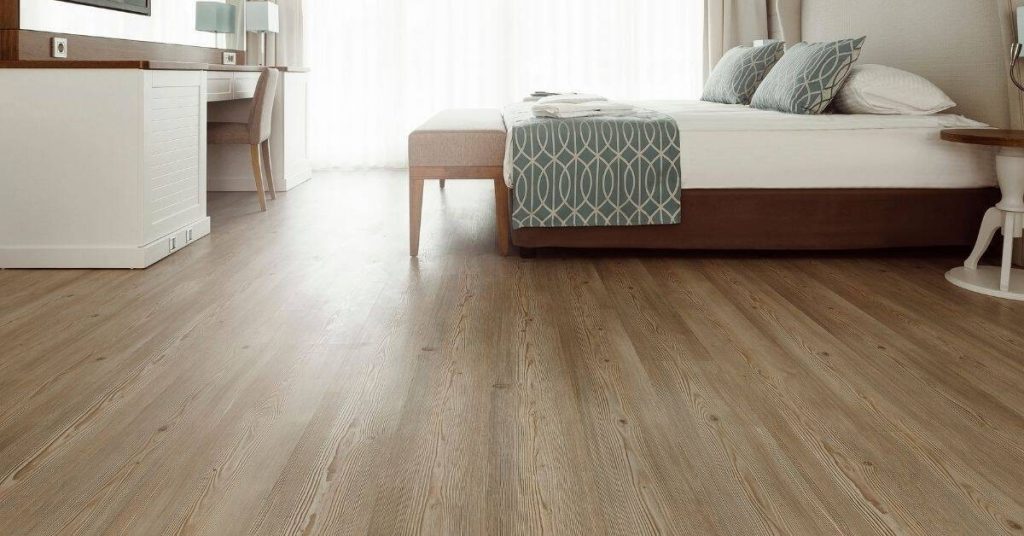
Waterproof engineered wood flooring offers durable, stylish moisture resistance suitable for many rooms.
This guide explains how to choose core materials and finishes, walks you through practical installation and maintenance steps, and highlights common mistakes to avoid so you can achieve lasting performance.
Key takeaways
- Choose a watertight core and sealed surface for durable, water-resistant performance.
- Ensure installation space is dry, clean, and properly acclimated to avoid gaps.
- Use compatible underlayment and vapor barrier to prevent moisture transfer.
- Follow manufacturer’s sequencing when cutting, locking, and tapping seams to prevent gaps.
- Maintain humidity within advised range to reduce plank cupping and warping.
- Plan for expansion gaps at walls and fixtures as recommended.
Table of Contents
- Introduction
- Key takeaways
- Why Choose Waterproof Engineered Wood?
- Types of Waterproof Engineered Wood Materials
- Tools, Materials, and Prep Checklist
- Step-by-Step Installation Guide
- Common Mistakes and How to Avoid Them
- Maintenance, Longevity, and Repair
- Costs, Budgeting, and Value Considerations
- Conclusion
- FAQ
Why Choose Waterproof Engineered Wood?
Waterproof engineered wood is built with a moisture-resistant core and a protective top layer that helps it stand up to indoor dampness far better than standard engineered wood or solid hardwood. It behaves like engineered wood in how it expands and contracts with humidity, but it is designed to resist water exposure more consistently and to require less frequent maintenance when spills happen. The key difference is a combination of core construction, wear-layer protection, and sealing methods that reduce swelling, cupping, and edge checks in spaces where moisture or humidity fluctuates.
Look for real-world cues on product labels and manufacturer notes: explicit waterproof claims, recommended installation methods, warranty language, and any advised limits on moisture exposure. It matters in kitchens, bathrooms, basements, laundry rooms, and high-traffic halls—places where moisture, spills, and foot traffic collide—yet it also has limits that you must respect with proper underlayment, acclimation, surface prep, and control of humidity. If something sounds vague, check the label or datasheet, compare claims against independent tests if provided, and lean toward installations with a clear perimeter sealing plan and guidance on humidity management.
Waterproof vs. Water-Resistant vs. Traditional Engineered
When you’re looking at engineered wood flooring, the first thing to nail down is whether it’s truly waterproof, just water-resistant, or a standard product that doesn’t offer any moisture protection.
A waterproof floor can handle spills and minor flooding without warping, swelling, or delaminating. This makes it ideal for rooms like bathrooms, kitchens, and basements where water is part of daily life. Water-resistant flooring offers some defense against moisture but isn’t built to withstand prolonged exposure. Traditional engineered wood lacks any special treatment for water resistance.
For a truly waterproof floor, check the manufacturer’s claims carefully. Look for specific performance details like how it handles standing water and whether it’s certified by organizations that test these properties rigorously.
Key Performance Features to Look For
The wear layer is a critical feature in any waterproof engineered wood. It should be thick enough to handle heavy traffic and resist scratches, typically around 0.6mm or more.
The core construction also matters. A multi-layered plywood core provides stability against moisture and temperature changes better than single-layer HDF cores. This helps prevent cupping and warping over time.
Finish type is another important factor. Look for a UV-cured finish that’s durable and easy to maintain. It should be resistant to stains, scuffs, and fading from sunlight.
The locking system ensures the boards stay tightly together even when moisture levels change. A tongue-and-groove system with a waterproof seal works best in high-humidity areas.
Pros and Cons Compared with Vinyl, Laminate, and Solid Wood
Waterproof engineered wood stands out for its durability and appearance compared to vinyl, laminate, and solid hardwood.
Pros
- Durable against moisture and wear.
- Natural look of real wood without the maintenance.
- Stable in humid environments.
- Easier installation than solid wood.
- Holds up well under heavy foot traffic.
- Better resale value compared to vinyl or laminate.
Cons
- More expensive upfront.
- Limited repair options if damaged.
- Not suitable for all moisture levels without proper installation.
- May not be as warm underfoot as solid wood.
- Less variety in plank patterns compared to laminate or vinyl.
- Requires regular cleaning and maintenance.
In summary, waterproof engineered wood is a great choice if you need the look of hardwood with added protection against moisture. It’s ideal for areas like kitchens and bathrooms where water resistance is crucial.

Types of Waterproof Engineered Wood Materials
The waterproof engineered wood family starts with the core: veneer-core plywood, HDF or high-density fiberboard, and particleboard. Each core handles moisture differently, which drives swelling behavior and long-term stability under wet conditions. Surface veneers and overlays—thin wood layers, wear layers, and coatings like UV-cured polyurethane or moisture-resistant laminates—play a big role in water resistance and wipe-clean reliability, while core protections like edge sealing and resin or wax impregnation help limit moisture creep.
In practice, expect installation in damp spaces to hinge on how the product is built and finished, not just the top veneer. This matters for DIY folks because acclimation, humidity range, and the right rating or certification signal real waterproof performance, not just water resistance. Use a simple framework to compare pros, cons, maintenance needs, and warranty expectations, and always check the label or datasheet for specifics on your chosen product and its suitability for basements, bathrooms, or kitchens.
Core Constructions (HDF, SPC, Waterproof Plywood)
The core of your waterproof engineered wood flooring is crucial for its durability and stability in wet environments. HDF (High-Density Fiberboard) cores are dense and moisture-resistant, making them ideal for areas like bathrooms or basements where water exposure is common. They resist swelling and maintain structural integrity even when exposed to high humidity.
In contrast, SPC (Stone Polymer Composite) cores offer superior waterproofing due to their synthetic composition. These cores don’t absorb water at all, ensuring that your flooring remains stable and free from warping or delamination in wet conditions. For those who prefer the look of traditional wood, waterproof plywood cores provide a natural aesthetic while still offering robust moisture protection.
The choice between these core types depends on your specific needs. HDF is great for moderate exposure to water and provides a cost-effective solution. SPC offers unparalleled waterproofing but can be more expensive. Waterproof plywood strikes a balance, combining traditional aesthetics with reliable moisture resistance.
Surface Finishes and Protective Coatings
The surface finish of your waterproof engineered wood flooring is key to its longevity and ease of maintenance. UV-cured polyurethane coatings provide a tough, durable layer that resists scratches and stains while maintaining the natural beauty of the wood. This type of coating is ideal for high-traffic areas where durability is paramount.
Another option is aluminum oxide finishes, which offer excellent wear resistance and can be applied in multiple layers to enhance protection against daily wear and tear. These coatings are particularly effective at preventing scratches and maintaining a smooth surface over time.
Ceramic finishes provide an additional layer of moisture resistance by creating a barrier that prevents water from penetrating the wood surface. This makes them especially useful for kitchens or bathrooms where spills are common. Each type of finish has its strengths, so choose based on your specific needs for durability and ease of maintenance.
Format Options (Click-Lock, Glue-Down, Pre-Finished)
The installation format you choose can significantly impact the waterproof performance and repairability of your engineered wood flooring. Click-lock systems are popular for their ease of installation and ability to create a seamless look without nails or glue. They also allow for easy replacement of individual planks if damaged.
Glue-down installations offer superior stability but require more preparation and can be challenging to repair once set. This method is ideal for areas with high moisture levels, as the adhesive bonds securely and prevents water from seeping underneath the flooring.
Pre-finished options come ready to install right out of the box, saving time on site prep and finishing. They are often more durable due to factory-applied protective coatings that enhance scratch and stain resistance. However, repairs can be trickier since you lose the flexibility of applying additional finishes or sealants.
Tools, Materials, and Prep Checklist
This section gives you the practical pre-install checklist you need before any flooring goes down, so you’re not scrambling later when you discover moisture or substrate issues. It covers moisture testing gear (pinned vs non-pinned concrete meters), approved underlay types, damp-proof membranes, and the right adhesives or mechanical fasteners, plus the safety gear you wear on the job, so your setup is complete and compliant. Gather those items, read the labels, confirm compatibility with your subfloor and the chosen product, and establish a simple staging plan so you’re ready to cut, dry-fit, and proceed without backtracking.
This matters because moisture, substrate condition, and proper acclimation drive long-term performance and help you avoid gaps, squeaks, warping, or failed adhesion. Use this guide to check calibration steps, acclimation times (as recommended on the label), expansion gaps, and room-specific considerations like ventilation, heat sources, and door clearances, so your plan matches what you actually install. Keep the plan realistic by confirming a room-by-room layout, waste management, and a quick pre-line audit to ensure all items are ready before you start laying boards and trimming transitions.
Underlay and Damp Proof Membrane Recommendations
Before laying your waterproof engineered wood flooring, make sure you have the right underlays and membranes for your subfloor.
- Concrete slab: Use a vapor barrier. Check it’s thick enough to block moisture. Missing this can lead to floor damage from dampness.
- Timber subfloor: Choose foam or cork underlay. Confirm it’s level and free of gaps. Skipping this step means uneven flooring.
- Damp proof membrane (DPM): Install before the vapor barrier if needed. Ensure it covers all areas, especially edges. Omitting DPM can cause moisture issues later on.
- Liquid-applied barrier: Apply evenly over concrete. Check for any thin spots or gaps. Missing this step leaves your floor vulnerable to water damage.
- Vapor barrier thickness: At least 6 mils thick. Measure with a ruler. Too thin and moisture can seep through.
- Underlay compatibility: Match underlay type to flooring material. Check manufacturer’s guidelines. Mismatching can void warranties.
- Expansion gaps: Leave around walls, pipes, and fixtures. Measure with a tape measure. Skipping this causes buckling or warping.
- Air sealing: Seal all edges and penetrations. Use caulk or foam sealant. Neglecting this lets moisture in.
Quick rule: Always use the right underlay for your subfloor type to prevent moisture issues.
Tools and Safety Equipment
Before starting installation, gather all necessary tools and safety gear to ensure a safe work environment.
- Safety glasses: Wear during cutting. Check they fit snugly. Missing this can cause eye injuries.
- Dust mask: Use when sanding or sawing. Confirm it filters out dust particles. Not wearing one leads to respiratory issues.
- Knee pads: Protect knees while working on the floor. Ensure they fit comfortably. Skipping this can cause knee pain.
- Utility knife: For cutting underlay and flooring. Check blade is sharp. Dull blades are dangerous.
- Circular saw: Use for trimming edges. Confirm it’s properly calibrated. Misuse leads to accidents.
- Tapping block: To install planks tightly. Ensure it fits your hammer size. Missing this can damage flooring.
- Mallet or rubber mallet: For tapping in place. Check handle is secure. Using a metal tool risks damaging the floor.
- Vacuum cleaner: Clean up sawdust and debris regularly. Confirm it’s powerful enough. Not cleaning can cause slips and falls.
Quick rule: Always wear safety gear and use tools correctly to avoid injuries.
Step-by-Step Installation Guide
This section walks you through a clear, stepwise sequence from site assessment to finishing touches, with decision points for glue-down, floating, and nail/clip methods tailored to waterproof engineered wood on concrete. You’ll see how to check moisture, flatness, humidity, and surface cleanliness before choosing a method. It emphasizes critical prep, underlayment choices, and safe expansion gaps.
Doing it right matters because the wrong method or skipped prep can cause warping, gaps, or squeaks. You’ll get a practical flow you can follow day by day, plus tips for acclimation, vapor barriers, and edge transitions. If something looks off, you’ll know what to re-evaluate and when to switch methods, with safety and inspections in mind.
Step-by-Step Installation Process
This sequence guides you through the installation process, ensuring a smooth and professional finish.
- Start by clearing out the room. Remove all furniture and obstacles to give yourself plenty of space to work.
Quick check: The floor should be completely clear with no tripping hazards. - Test moisture levels using calibrated meters. Ensure your concrete slab is within acceptable thresholds for waterproof engineered wood flooring.
Quick check: Moisture readings are below 75% relative humidity. - Acclimate the boards in a controlled environment, like an air-conditioned room, for at least two days before installation.
Quick check: Boards feel stable and not overly dry or damp to the touch. - Prepare your subfloor by grinding any high spots or filling low areas with self-leveling compound. Ensure it’s flat within 3/16 inch tolerance.
Quick check: Use a straightedge to confirm flatness across the entire area. - Lay out the flooring, starting from the center of the room and working your way outward. Cut pieces carefully around obstacles like pipes or doorways.
Quick check: Joints are staggered and cuts fit snugly without gaps.
Pre-Installation Steps (Moisture Testing, Acclimation, Subfloor Prep)
Begin by testing the moisture levels of your concrete slab using a calibrated meter. Ensure it’s below 75% relative humidity to prevent future issues.
Next, acclimate your flooring boards in an air-conditioned room for at least two days before installation. This ensures they match the indoor environment and won’t warp or crack later on.
Note: Avoid direct sunlight during this period as it can dry out the wood too quickly.
Prepare your subfloor by grinding high spots or filling low areas with self-leveling compound. Aim for a flat surface within 3/16 inch tolerance to ensure a smooth finish.
Installation Sequence (Layout, Laying, Transitions, Finishing)
Lay out your flooring starting from the center of the room and working outward. This helps minimize gaps at the edges.
Cut pieces carefully around obstacles like pipes or doorways to fit snugly without leaving large gaps.
Note: Use a sharp saw for clean cuts that won’t chip easily.
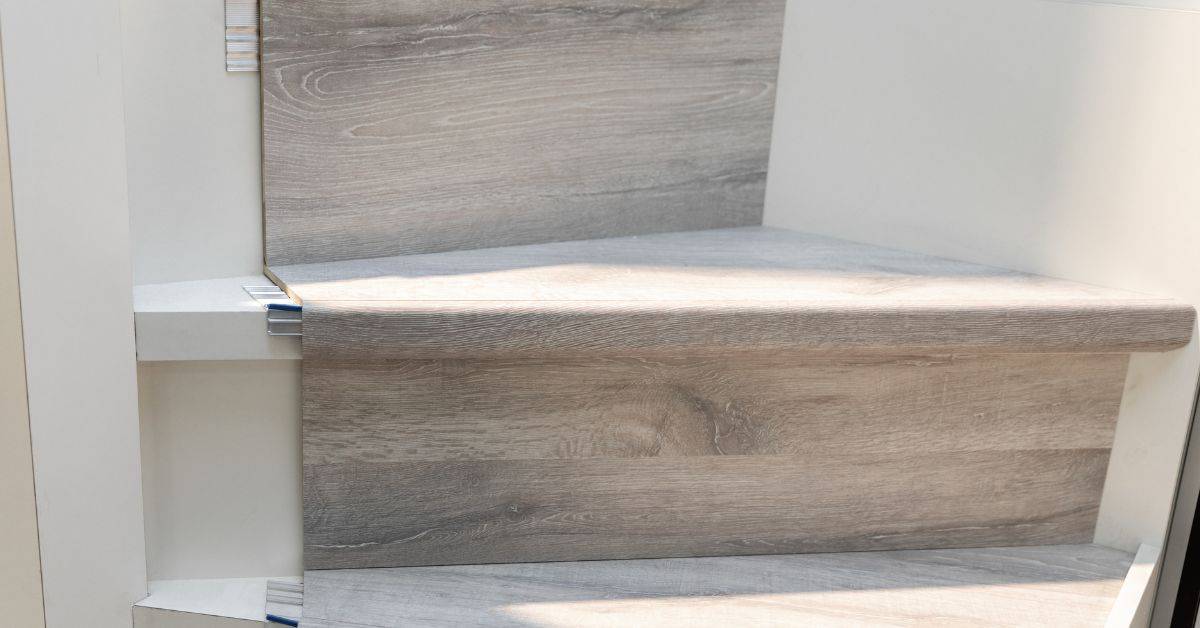
Install transition strips where your flooring meets other surfaces, such as tile or carpet. Ensure they’re level and securely fastened to prevent tripping hazards.
Post-Installation Checks and First-Time Care
Inspect your completed job for any gaps, uneven spots, or loose boards. Address these issues immediately before they become bigger problems.
Avoid placing heavy furniture on the new flooring until it has fully acclimated to its environment, typically 24-48 hours after installation.
Note: This allows the wood to settle and prevents any potential warping or cracking.
Clean your floors with a damp mop and mild detergent. Avoid using harsh chemicals that could damage the protective coating of your waterproof engineered wood flooring.
Common Mistakes and How to Avoid Them
Top mistakes compromise waterproofing in DIY engineered wood projects: skipping subfloor moisture testing, neglecting proper underlayment, using incompatible waterproof products, improper acclimation, and small leaks that become big issues. For each, do practical preventative actions: run moisture and substrate flatness checks before you start, verify adhesive and membrane compatibility, install the membrane with clean seams, and fix leaks or spills before proceeding.
Understanding why these failures matter helps you plan and work cleanly, even under timing and space limits. Environmental factors like humidity in basements, slab moisture, and seasonal shifts drive risk, so focus on acclimation, dehumidification if needed, and stopping spills quickly; check the label or datasheet for exact steps.
Mistakes During Prep and Installation
Preparation and installation are critical phases where many mistakes happen. Here’s what to avoid:
- Poor acclimation. Failing to let the flooring adjust to your home’s environment can lead to warping or cracking. Ensure proper acclimation by keeping boxes open in a controlled room for at least 48 hours before installation.
- Inadequate subfloor leveling. Uneven surfaces cause gaps and squeaks. Use self-leveling compound to smooth out high spots and fill low areas.
- Wrong underlay choice. Using an incompatible or insufficiently waterproof underlayment can compromise your floor’s protection. Always select a membrane that matches the flooring type and room conditions.
- Improper fastener use. Incorrect nails, staples, or adhesives can damage the wood or weaken joints. Follow manufacturer guidelines for spacing and depth to ensure secure installation.
Maintaining these standards during prep and install will save you from costly repairs later on.
Mistakes in Product Selection and Use
Selecting the wrong product or misusing it can lead to premature wear. Here’s how to avoid common pitfalls:
- Wrong room type. Not matching flooring to room conditions (e.g., moisture levels, foot traffic) leads to damage. Choose products designed for high-humidity areas like bathrooms and kitchens.
- Overstated waterproofing. Believing all engineered wood is equally waterproof can result in water damage. Verify the product’s specific waterproof rating before purchase.
- Trusting small samples. Small-scale tests may not reflect long-term performance under real-world conditions. Always check full-size samples and manufacturer warranties for assurance.
Making informed choices upfront will ensure your floor performs as expected over time.
Long-Term Care Mistakes
Inadequate maintenance can shorten the lifespan of your engineered wood flooring. Here’s what to avoid:
- Harsh cleaners. Using abrasive or acidic products damages protective coatings and causes wear. Stick to mild, pH-neutral cleaning solutions designed for hardwood floors.
- Standing water. Allowing spills to sit too long can seep into joints and cause warping or discoloration. Clean up any liquid immediately with a damp cloth.
- Inadequate humidity control. Extreme dryness or moisture levels affect wood stability, leading to cracks or cupping. Use dehumidifiers in humid areas and humidifiers in dry climates to maintain balanced conditions.
Maintaining proper care practices will keep your floor looking new for years to come.
Maintenance, Longevity, and Repair
Regular maintenance keeps your floor looking and performing, so set a simple schedule for cleaning, moisture control, seasonal checks, and light protective measures like furniture pads and area rugs to minimize wear. Lifespan depends on conditions: humidity swings, temperature changes, foot traffic, and exposure to water all wear away finishes and planks at different rates, so give yourself a rough range for typical home use versus kitchens, baths, or entryways. When damage occurs, you have options: assess whether to repair at board level or replace with matching planks, understand refinishing limits for waterproof engineered wood, and consider warranty language before tossing it.
In practice that means set priorities—diagnose damage early, safely remove damaged planks, choose matching replacements, reseal or refinish to blend, and keep spills cleaned fast to prevent staining. This proactive mindset saves money and headache, helps you avoid overreacting to minor wear, and gives you a clear path for prevention, moisture management, and recognizing early signs of problems.
Cleaning and Routine Care by Finish Type
To keep your waterproof engineered wood flooring looking its best, start with a regular cleaning schedule. Use a soft-bristled broom or vacuum to remove dirt and debris daily. For more thorough cleanings, use a damp mop with a mild pH-neutral cleaner designed for hardwood floors. Avoid using harsh chemicals like ammonia or bleach as they can damage the protective seal.
For oil-based finishes, apply a light coat of a recommended floor polish every six months to maintain shine and protect against wear. For water-resistant urethane finishes, stick to dry mopping with a microfiber cloth to avoid excessive moisture that could compromise the waterproofing layer. Always test cleaning products on an inconspicuous area first.
Regularly check for signs of moisture intrusion such as cupping or bubbling and address them immediately by drying out the affected areas thoroughly. Use dehumidifiers during humid seasons to maintain indoor humidity levels between 30% and 50%. This range helps prevent warping, cracking, and other damage.
Repair and Refinishing Options
If your waterproof engineered wood flooring shows minor scratches or wear spots, you can often repair them without replacing the entire plank. Sanding down damaged areas and applying a touch-up stain is usually sufficient for light damage. However, if the finish has been compromised by water exposure or deep gouges, refinishing might not be an option.
For severe damage such as warping or splitting, you’ll need to replace individual planks rather than attempting to refinish them. When replacing damaged boards, ensure that you source matching planks from the same batch if possible. This helps maintain a consistent look throughout your flooring.
If extensive refinishing is required due to widespread wear or water damage, consider consulting with a professional installer who can assess whether full plank replacement or complete floor refinishing is necessary. Always check your warranty before undertaking major repairs as some manufacturers may cover certain types of damages under their warranty terms.
Costs, Budgeting, and Value Considerations
Costs come from material grade and thickness, the waterproofing layer, fasteners, underlayment/DPm, and any specialized concrete prep or moisture mitigation steps. Plan around these drivers and use a detailed line-item approach to spot savings without skimping on durability.
Knowing these factors helps you plan room by room, sequence tasks, and trim waste without hurting quality. Watch underlay choices and moisture barriers for compatibility with your slab or engineered wood; mistakes here bite later. Always check the label or datasheet for recommended prep, installation methods, and warranty limits.
Typical Cost Components and What Affects Price
The cost of waterproof engineered wood flooring is driven by several key factors. The most significant are the quality and thickness of the material, which can vary widely in price depending on the grade you choose. Higher-end finishes will naturally come with a higher price tag due to better durability and aesthetics.
Another major factor is the installation method. Floating floors tend to be less expensive than glue-down or nail-down options because they require fewer tools and specialized skills. However, if your concrete slab needs extensive prep work like leveling or moisture mitigation, this can add significant costs. For example, installing a damp-proof membrane (DPM) under the flooring is essential for waterproofing but adds to the overall budget.
Site conditions also play a role in determining total project cost. If you have an uneven concrete surface that needs leveling, expect additional expenses from materials like self-leveling compound and labor hours spent on prep work. Similarly, moisture testing and remediation steps can add up quickly if not planned for ahead of time.
Finally, the layout complexity impacts costs too. Complex designs with lots of cuts or intricate patterns will require more material and take longer to install, driving up both material waste and labor expenses. To keep costs down while maintaining quality, focus on efficient room sequencing and optimizing your floor plan to minimize waste.
How to Get Accurate Quotes and Compare Offers
To ensure you get a fair price for your waterproof engineered wood flooring project, it’s crucial to request detailed itemized quotes from contractors. This way, you can see exactly what each part of the job will cost, from materials to labor.
When comparing offers, look beyond just the total price and consider warranty coverage as well. A good contractor should provide a clear warranty on their workmanship and the flooring material itself. Ask for samples if possible, so you can inspect the quality firsthand before committing.
Also, verify that contractors are properly licensed and insured to protect yourself from potential issues down the line. Don’t hesitate to ask about their experience with similar projects and request references or past work examples if available.
To make an informed decision, take your time reviewing all offers carefully. Compare not just costs but also the level of service each contractor provides, including communication quality, responsiveness, and overall professionalism. This approach helps you find a reliable partner who will deliver high-quality results without breaking the bank.

Conclusion
Lock in a durable, good-looking floor by following clean, proven steps here. The right material choice, careful prep, and proper installation protect your investment and keep water from sneaking in where it shouldn’t.
Make your install go smoothly by treating this like a simple workflow: verify moisture tolerance and acclimation for your boards, prep the subfloor and underlayment, set a straight starting line, lay boards in a tight, staggered pattern, fasten or glue per the material instructions, cut carefully at edges, and seal edges and transitions where needed. Check room conditions, organize tools, dry-fit a couple of rows, then proceed in clear, steady passes. Prioritize safety, test a small area first, and stop if anything looks off before you go wider.
Common mistakes to avoid include neglecting moisture testing or acclimation, skipping subfloor prep, rushing cuts or misaligning boards, and skimping on edge gaps or fasteners. Keep simple safety rules: work in a well-ventilated area, wear eye protection when cutting, and never force boards. If you encounter uneven slabs, structural issues, or lot-wide moisture problems, don’t push ahead alone—call a pro. With the right steps, you’ll get a floor that stands up to life, looks clean, and pays you back over time.
FAQ
Should I use a moisture barrier under waterproof engineered wood flooring?
Yes. Use a quality underlayment with a vapor barrier as part of the install. Follow the manufacturer’s instructions for your subfloor type so the floor can move correctly.
Can I install waterproof engineered wood over concrete?
Only if the concrete is clean, dry, and properly prepared. Use a suitable subfloor and a moisture barrier, and follow acclimation guidelines for the boards.
What mistakes kill a wood floor’s waterproofing?
Gaps and improper expansion space invite water in. Skipping joints sealant and failing to seal around edges also hurts. Don’t ignore puddles or standing water on the surface.
How long does waterproofing last, and can I extend life?
Maintenance matters. Clean spills quickly, avoid standing water, and use the cleaners recommended by the manufacturer. Repair damaged boards and reseal or replace as needed to keep the waterproofing effective.