Roof Waterproofing: DIY Guide, Tools, and Common Mistakes

Roof Waterproofing: DIY Guide, Tools, and Common Mistakes

Introduction

DIY roof waterproofing provides an effective, affordable way to protect your home from leaks. The guide explains how to assess your roof, choose suitable methods and materials, and avoid common mistakes with practical steps and tips.

Key takeaways

  • Inspect roof surface for cracks, chips, and loose flashing before waterproofing.
  • Choose compatible sealant types for roof material and climate conditions.
  • Clean debris and dry surface thoroughly to ensure adhesive bonds.
  • Apply primer if required by sealant manufacturer and substrate.
  • Seal joints, ridges, and penetrations with continuous bead patterns.
  • Schedule inspections after rainfall to confirm waterproofing effectiveness.
Table of Contents

Why Roof Waterproofing Matters

A poorly waterproofed roof invites leaks, mold, and rot. When water sneaks into hidden spots, insulation loses effectiveness and humidity climbs, which can degrade indoor air quality and comfort. Proper waterproofing slows these problems, protects the roof structure, and can improve energy efficiency over time. Look for signs that urgent action is needed, such as persistent drips after rain, damp ceilings, or new stains that wasn’t there before. The goal is to keep water out of the attic and interior spaces before hidden damage becomes costly to fix.

For DIYers, understanding where water tends to hit—flashing, seams, joints, and penetrations—helps you plan the work safely and effectively. A good approach pairs inspection with simple maintenance: seal or replace vulnerable joints, address any ponding on flat sections, and watch for peeling paint or musty odors that point to hidden moisture. Acting early can extend the roof’s life, reduce ongoing repairs, and improve comfort and resale value. If you notice widespread leaks, signs of structural distress, or extensive ponding, the smart move is to bring in a professional for a thorough assessment.

Early warning signs and damage indicators

If you notice persistent dampness or water stains on your ceiling after it rains, that’s a clear sign of potential leaks. Another red flag is the presence of mold or mildew growth around windows, vents, or in corners where moisture tends to accumulate.

Soft spots or sponginess underfoot when walking on the roof can indicate rotting wood due to prolonged exposure to water. Bubbling or peeling paint inside your home also points towards underlying issues that need immediate attention.

Acting quickly is crucial once you spot these signs, as delaying repairs could lead to more extensive damage and higher costs down the line.

Cost vs. long-term savings

While initial waterproofing can seem like a significant investment, it pales in comparison to the ongoing maintenance and repair expenses you’ll face if your roof isn’t properly protected.

A well-sealed roof not only extends its lifespan but also improves energy efficiency by reducing heat loss or gain through leaks. This means lower utility bills over time, which can offset the initial costs.

In high-risk scenarios such as an old roof with multiple leaks or extensive ponding water, professional intervention might be necessary to avoid further damage and ensure proper waterproofing. While this may seem costly upfront, it’s often cheaper than dealing with major repairs later on.
Back to top ↑

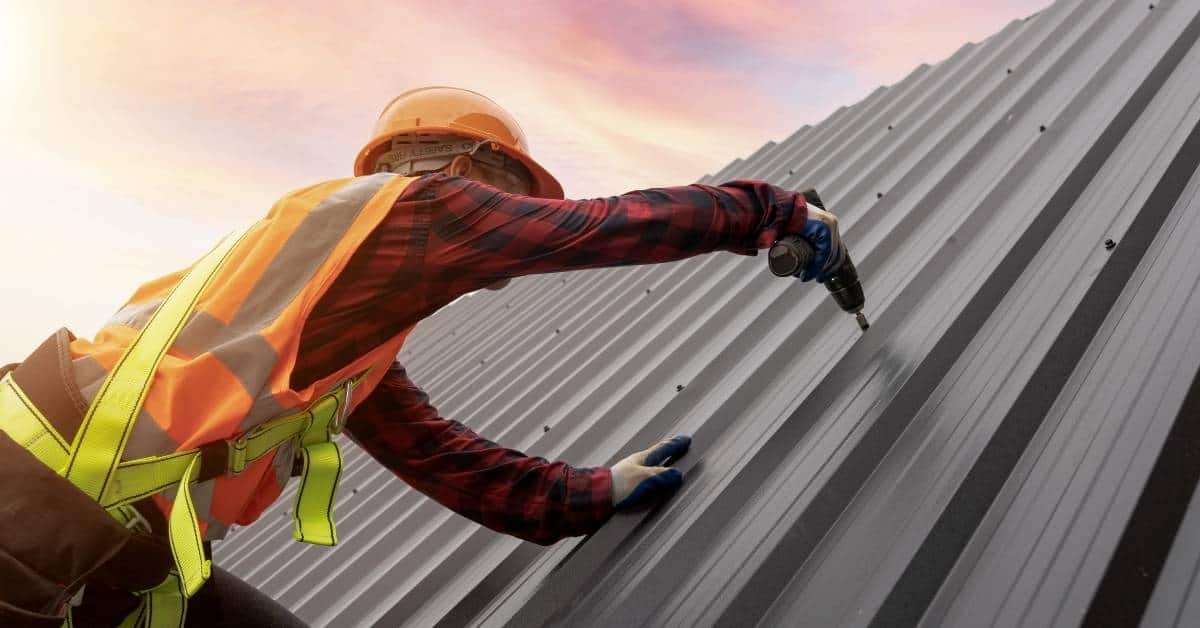
Worker in safety gear drilling screws into metal roof
Proper tool use is essential for effective roof waterproofing tasks

Tools and Materials Checklist

This section lays out the core tools and materials you’ll need for common roof waterproofing jobs, plus safe substitutes if you don’t have specialized gear. You’ll want everyday items like a tape measure, chalk line, utility knife, caulking gun, putty knives, wire brush, brushes or rollers, a mixing paddle, a wet/dry vacuum, and a cordless drill with suitable bits. Also gather roof-friendly sealants, primers, waterproofing membranes or coatings, flashing, and patch compounds, along with gutter sealant and any optional primer or activator the manufacturer might call for.

Safety gear and setup matter just as much as the gear itself, so include PPE, non-slip footwear, fall protection for pitched work, sturdy ladder setup, and a buddy plan. Surface prep and compatibility checks should guide your choices: verify the roof surface, clean and dry the substrate, remove debris, and test how sealants or membranes play with existing coatings and warranty terms, noting climate and UV exposure. If you lack specialized gear, consider DIY-friendly alternatives or rental options, but be aware of caveats and warranty implications, especially around field-applied vs. membrane-fastening methods and lot-number documentation for future claims. Planning a clear, step-by-step workflow helps with budgeting, scheduling around weather, and tracking disposal or hazards, so you avoid backtracking and keep the project moving smoothly.

Essential hand and power tools

Before you start your roof waterproofing project, make sure you have the right tools on hand to get the job done safely and effectively.

  • Tape measure: Check for accurate measurements; missing this can lead to material waste.
  • Chalk line: Mark straight lines for cutting or marking materials; skipping this step leads to messy cuts.
  • Utility knife: Cut through sealants and membranes easily; without it, you’ll struggle with precision cuts.
  • Caulking gun: Apply sealant evenly; missing this means hand application is slower and messier.
  • Putty knives: Spread sealants and patch compounds smoothly; skipping these can lead to uneven coverage.
  • Wire brush: Clean surfaces before applying materials; not cleaning properly leads to poor adhesion.
  • Brushes/rollers: Apply coatings evenly; missing this means you’ll have a hard time getting an even coat.
  • Mixing paddle: Blend sealants and primers thoroughly; skipping mixing can cause uneven application.
  • Wet/dry vacuum: Clean up messes efficiently; without it, cleanup is slow and tedious.
  • Cordless drill: Install fasteners for flashing or other attachments; missing this means manual installation takes longer.

Quick rule: Always have the right tools ready to avoid delays and ensure quality work.

Waterproofing materials and membrane types

Selecting the correct waterproofing material is crucial for ensuring your roof remains protected from water damage. Here’s what you need to know before starting your project.

  • Liquid-applied: Easy to apply, flexible; check compatibility with existing surfaces; skipping this can lead to poor adhesion and leaks.
  • Bituminous: Durable, heat-resistant; test for UV stability; missing this means premature degradation.
  • EPDM/TPO: Long-lasting, resistant to chemicals; verify installation methods; skipping proper installation can cause failures.
  • Metallic flashing: Prevents water from pooling around roof edges; ensure correct placement and sealing; missing this leads to leaks at vulnerable points.
  • Silicone sealant: Versatile, non-corrosive; test for adhesion on your specific substrate; skipping testing can cause failure over time.
  • Acrylic coating: Breathable, UV-resistant; check for proper drying conditions; missing this leads to poor curing and durability issues.
  • Polyurethane sealant: High-strength bonding; test for flexibility on your roof type; skipping testing can result in cracks under stress.
  • SEBS-based membranes: Flexible, durable; verify compatibility with existing coatings; missing this means potential adhesion issues.

Quick rule: Always test materials for compatibility and proper application to ensure long-term performance.

Safety gear and fall-protection equipment

Your safety is paramount when working on a roof. Ensure you have the right protective gear before starting any work.

  • Harness: Use full-body harness; inspect for wear and tear; skipping this can lead to serious injury or death.
  • Anchors: Install secure anchor points; check stability regularly; missing this means inadequate protection against falls.
  • Non-slip boots: Wear sturdy, slip-resistant footwear; inspect soles for wear; skipping this can cause slips and falls.
  • Helmets: Use hard hats with chin straps; check for cracks or damage; missing this means head injuries are more likely.
  • Gloves: Wear cut-resistant gloves; inspect for holes or tears; skipping this can lead to cuts and abrasions.
  • Eye protection: Use safety glasses or goggles; check lenses for cracks; missing this means eye injuries are more likely.
  • Ladder setup: Ensure ladders are stable and secure; inspect rungs and feet; skipping this can lead to falls from heights.
  • Buddy system: Work with a partner or have a standby person nearby; missing this means no one is there to help in case of an emergency.

Quick rule: Always inspect and wear all safety gear before starting any roof work.

Back to top ↑

Accurate measurement sets the baseline for waterproofing. Use laser/LRF tools, a tape for spot checks, and reputable digital measurement services to generate reliable material estimates and coverage calculations, then check local permit requirements and inspector expectations for slope, flashing, and drainage.

This matters because wrong measurements or missing approvals can trigger rework or failed inspections. Use permit portals, schedule inspections, and verify deliverables with authorities—drawings, slope maps, area calculations, and detail notes—and know when to bring in a licensed roofer or structural engineer.

How to measure and map your roof accurately

Before you start waterproofing, take the time to measure your roof. This ensures you have enough materials without waste.

  • Use a drone or EagleView report: Get an aerial view of your roof for accurate measurements. Confirm with local building codes and regulations.
  • Laser/LRF tool check: Use laser tools to measure slope, pitch, and dimensions accurately. Avoid tape measures in hard-to-reach spots.
  • Calculate surface area: Multiply length by width for each section of the roof. Skip this step and you’ll run out of materials or have leftovers.
  • Determine drainage layout: Identify low points where water collects to ensure proper slope. Overlook this, and your waterproofing will fail.
  • Map roof penetrations: Note vents, skylights, chimneys, and other obstacles on your map. Missing these can cause leaks.

Quick rule: Always double-check measurements with digital tools to avoid mistakes.

Pre-installation roof inspection checklist

Before you start waterproofing, inspect your roof for any issues that need fixing first. This prevents future problems and saves money in the long run.

  • Check deck condition: Look for cracks or rot. Repair before waterproofing to avoid leaks.
  • Evaluate flashing integrity: Inspect around chimneys, vents, and skylights for gaps or rust. Missing this step can lead to water damage.
  • Inspect gutters and downspouts: Ensure they are clear of debris and properly attached. Clogged gutters cause roof damage.
  • Look at existing layers: Check the condition of old membranes or shingles. Overlook this, and your new waterproofing won’t stick.

Quick rule: Address all issues before applying any new materials to avoid costly repairs later.

Permits, codes, and insurance considerations

Before you start waterproofing, make sure you understand local building codes and permit requirements. This prevents legal issues and ensures your work is up to code.

  • Check for necessary permits: Review city regulations online or at the permitting office. Missing this step can lead to fines.
  • Comply with building codes: Follow local guidelines on waterproofing materials, slope requirements, and drainage systems. Non-compliance can void warranties.
  • Review insurance coverage: Ensure your homeowner’s policy covers DIY work. Improper installation may not be covered by insurance.

Quick rule: Always verify permits and codes before starting any waterproofing project to avoid legal issues.

Back to top ↑

Step-by-Step Roof Waterproofing Process (DIY)

Identify roof type and system choice early: decide whether a membrane or a liquid-applied system is best for the roof material, slope, climate, and existing surface, and map out safety and access. Then move through thorough surface prep: clean, dry, and smooth the substrate, repair cracks or damaged decking, and address flashing and penetrations before any material goes down. Plan the materials and detailing: choose membranes or coatings, primers, seam tapes, fasteners, sealants, and edge details, and outline how penetrations, vents, skylights, and gutters will be treated during the workflow.

Follow the step-by-step workflow by method: outline the exact sequence for membrane installation or for liquid systems, including priming, adhesion or base coats, textures, and seam or top coats, with clear cues on cure times where provided by the product label. Detail transitions and penetrations with a plan for flashing at edges and roof-to-wall joints, and for intersections with vents, chimneys, skylights, and gutters, plus drainage slope and any required weep holes. Include quality checks, safety, and contingencies so you know how to test adhesion or cure, respect weather windows, manage wind or ladder safety, avoid common DIY mistakes, and perform a finish inspection.

Step-by-Step Process

This sequence ensures your roof waterproofing project runs smoothly from start to finish, covering all critical steps.

  1. Conduct a thorough safety check and prep the work area. Lay down tarps for protection, wear fall-protection gear, and ensure ladder stability.
  2. Clean the surface thoroughly with a pressure washer or broom, then dry it completely before applying any waterproofing material.
  3. Inspect and repair all cracks, blisters, and damaged decking. Use patches to fill in gaps and ensure a smooth base for your membrane or coating.
  4. Prime the surface if required by the manufacturer’s instructions. This step ensures better adhesion of the waterproofing material.
  5. Lay out the membrane or apply liquid coatings according to the product specifications, ensuring proper overlap and coverage.
  6. Seal all seams and penetrations with seam tape or sealant as per your chosen method. Double-check for any gaps or missed spots.
  7. Clean up tools and materials immediately after use to avoid tripping hazards on the roof. Check that all waterproofing is in place before leaving the site.

Surface preparation and repairs

Before applying any waterproofing material, it’s crucial to clean the surface thoroughly. Use a pressure washer or broom to remove dirt, debris, and loose particles.

Dry the roof completely before proceeding. Moisture can cause issues with adhesion and performance of your waterproofing system. Check that no standing water remains after cleaning.

Inspect for any cracks, blisters, or damaged decking. Use patches or repair kits to fill in gaps and ensure a smooth surface. This step prevents leaks and ensures better coverage from the waterproofing material.

If required by your chosen product, prime the surface before application. Primers help improve adhesion and can prevent future issues with peeling or bubbling.

Membrane installation or liquid application steps

For sheet membranes, start by laying out the material according to your roof’s slope and direction. Ensure proper overlap at seams for a continuous barrier.

Use seam tape and sealant to secure overlaps and penetrations. Double-check all seams for any gaps or missed spots before moving on. This step is crucial for preventing water intrusion.

For liquid-applied systems, mix the coating according to manufacturer instructions. Apply it evenly using a roller or sprayer, ensuring full coverage without pooling or thin spots.

Maintain proper temperature and humidity levels during application and curing phases as specified by your product’s guidelines. This ensures optimal performance of your waterproofing system.

Flashing, transitions, and detail work

Proper flashing is essential for preventing water from entering vulnerable areas like valleys, chimneys, skylights, and vents. Install metal or rubber flashings around these features to create a watertight seal.

At roof-to-wall transitions, apply additional layers of membrane or coating to ensure continuous protection against moisture intrusion. Use sealant to secure any gaps between flashing and the waterproofing material.

For chimneys and skylights, install counter-flashing around the base to direct water away from the structure. Seal all joints with a high-quality sealant for added durability.

Ensure proper drainage at valleys by installing metal flashings that slope downward towards gutters or downspouts. This prevents pooling of water and potential leaks in these critical areas.

Back to top ↑

Close-up of stone slate roof under construction with blue tarp
Illustrates protection of roofing materials during waterproofing process

Sealants, Application Methods, and Best Practices

Sealants come in silicone, polyurethane, acrylic, and bituminous chemistries. Each has its own UV resistance, elasticity, aging behavior, and long-term performance on common roof substrates.

Choose based on substrate compatibility, climate, movement joints, temperature range, and compatibility with flashing. Outline approved application methods, surface prep, backer rods, bead sizing, and curing times. Mind weather limits and coverage tips; avoid common mistakes to prevent leaks and premature failure.

Choosing the Right Sealant for Your Roof

Selecting the best sealant starts with understanding your roof’s materials and climate. For example, silicone works great on metal roofs due to its flexibility and UV resistance. Acrylic is a good choice for wood or asphalt shingles because it dries quickly and forms a tough barrier.

When choosing between polyurethane and SEBS (styrene-ethylene-butylene-styrene), consider the roof’s movement. Polyurethane excels in areas with high thermal expansion, while SEBS is ideal where flexibility and adhesion to various substrates are crucial.

Your climate also plays a role—look for sealants that can withstand extreme temperatures without cracking or losing their bond strength. Always check compatibility charts before applying any new product to your roof.

Application Techniques and Tools

The right tool makes the job easier and ensures a quality sealant application. Here’s how to choose:

  • Caulk gun: Use for precise bead placement, especially around flashing or joints. Ensure your nozzle size matches the joint width.
  • Brush/roller: Ideal for large areas where you need even coverage. Clean and dry brushes work best to avoid drips.
  • Spray equipment: Great for fast application in open spaces but requires a steady hand to prevent runs or voids.

Optional tools like backer rods can help create proper joint depth, reducing material usage and improving seal integrity. Expect to spend around $50-$100 on basic spray equipment if you don’t already own it.

Curing, Testing, and Visual Checkpoints

After application, let the sealant cure according to manufacturer guidelines. This ensures a strong bond and optimal performance.

  • Cure time: Follow the product’s recommended curing period—usually 24-72 hours depending on temperature and humidity.
  • No precipitation: Avoid applying sealant in rainy or snowy conditions to prevent premature washing off.
  • Water test: Once cured, conduct a simple water test by spraying the area with a hose. Look for any leaks or gaps.

Mistakes like skipping curing time can lead to weak seals and future roof damage.

Quick rule: Always check sealant coverage and integrity before moving on to ensure watertightness.

Back to top ↑

Common Mistakes and How to Avoid Them

Common DIY roof waterproofing mistakes include skipping proper surface prep, picking the wrong material, neglecting flashing, using the wrong membrane, and bad tool handling. Each slip leads to leaks, failed seams, or quick deterioration after a storm. Quick fixes don’t last if you skip the fundamentals.

Understand why it matters: good prep, correct product compatibility, proper flashing, and careful sealing prevent costly rework. Use weather windows, test patches, and follow curing times and ventilation needs to reduce failures; check labels or datasheets for guidance if numbers aren’t provided. When the red flags show up—areas with active leaks, complex penetrations, or aging components—plan to call a pro rather than DIY, and document visible issues that may require rework.

Mistakes during installation

These are common errors that can compromise your roof’s waterproofing integrity.

  • Inadequate surface prep: Failing to clean and dry the surface before application leads to poor adhesion. Clean thoroughly, let it dry completely.
  • Gaps in seams: Leaving gaps between membrane sections allows water intrusion. Ensure proper overlap and use sealant for a watertight bond.
  • Inadequate flashing: Neglecting or improperly installing flashing around roof penetrations leads to leaks. Install flashing correctly, ensuring it covers all edges and corners.
  • Improper tool usage: Using the wrong tools can damage materials and reduce effectiveness. Use appropriate brushes, rollers, and sprayers for each material type.

Maintaining vigilance during installation is crucial to prevent these issues from compromising your roof’s waterproofing system.

Mistakes in planning and budgeting

These are common errors that can lead to project delays or financial strain.

  • Underestimating time: Rushing the job leads to mistakes. Allocate enough time for prep, application, and curing phases.
  • Omitting contingency materials: Not having extra supplies on hand causes delays. Always have a 10% buffer of all materials.
  • Inadequate tool budget: Failing to account for necessary tools can lead to subpar work. Budget separately for each type of equipment needed.

A well-planned and adequately funded project ensures smoother execution and better results.

Seasonal and climate mistakes

These are common errors that can affect the durability of your waterproofing system.

  • Applying in extreme heat: High temperatures cause materials to dry too quickly, leading to poor adhesion. Opt for cooler parts of the day or early morning.
  • Ignoring UV exposure: Direct sunlight can degrade certain materials over time. Use products with UV resistance and consider reflective coatings.
  • Failing to account for humidity: High moisture levels affect drying times and adhesion. Choose materials that perform well in humid conditions.

Awareness of seasonal factors ensures your waterproofing system remains effective year-round.

Back to top ↑

Safety Precautions and When to Hire a Professional

Safety is the foundation of any DIY roof project: you must have the right PPE, a clear pre-job safety briefing, and strict rules for working at height so you don’t turn a simple task into a fall or injury. When conditions get dicey or a step beyond your comfort level appears—like complex roof geometry, steep pitch, or signs of structural trouble—the plan is to pause and call a professional before you push your luck.

This section helps you build a practical framework you can actually use: how to set up ladders and fall protection, how to handle weather and surface conditions, and how to control access so kids or pets don’t wander onto the job. It also covers emergency planning, a stocked first aid kit, and clear criteria for escalating to a pro, so you’re not guessing on when DIY ends and professional help begins. Keeping notes, photos, and awareness of insurance implications helps protect you if something goes wrong, and it keeps the project from turning into a costly mistake you’ll regret later.

On-site safety plan and required PPE

Before you start any roof waterproofing, make sure your site is safe. Set up a clear safety plan that includes anchor points for fall protection, secure ladders at the right angle, and spotters to watch over workers on the ground.

Your personal protective equipment (PPE) should include a hard hat, non-slip boots, gloves, and eye/face protection. A pre-job site safety briefing is crucial; it helps everyone stay alert and follow the rules. Use a checklist to ensure consistency across all DIY projects.

Always check your tools and gear before starting work. Make sure everything is in good condition and fits properly. This isn’t just about safety—it’s about getting the job done right without interruptions or delays.

When professional help is recommended

There are times when DIY roof waterproofing crosses into territory better left to pros. If your roof has complex geometry, steep pitches, or visible structural damage, it’s time to call in the experts.

Also consider hiring a pro if you’ve had previous failed attempts at repairs or if extensive flashing work is required. Commercial roofs and multi-layer removal jobs are best handled by professionals who have the right equipment and experience.

Avoid DIY when ongoing leaks persist despite your efforts, as they may indicate deeper issues that need professional assessment and repair. Remember, a small investment in expert advice can save you big headaches down the road.

How to get and compare professional quotes

To ensure you’re getting fair value for your roof waterproofing project, request detailed quotes from multiple contractors. Ask about the scope of work, materials used, warranty details, and any necessary permits or inspections.

When evaluating contractors, look out for red flags such as vague descriptions, overly high prices without justification, or a lack of references. A reputable contractor should be able to provide clear information on all aspects of the job.

Comparing quotes isn’t just about finding the lowest price; it’s also about quality and reliability. Take your time to review each quote carefully before making a decision. This upfront effort can save you from costly mistakes later on.

Back to top ↑

Costs, Case Studies, and Maintenance Tips

Costs for this kind of project come from materials, tools, disposal, and labor, plus regional price swings and a bit of overhead. You’ll see membranes, sealants, and flashing as your main line items, but don’t forget safety gear, waste handling, and any fasteners. I’ll also share a simple success case and a failure case with plain language lessons so you can plan without blowing the budget.

The maintenance part matters most: follow a regular inspection cadence, clean debris, check for moisture, and re-seal or re-coat on schedule. Knowing when to DIY versus hire and what constitutes a solid job helps you avoid costly repairs later. If in doubt, check product labels and manufacturer instructions for approved methods.

Cost breakdown and budgeting guidelines

The biggest cost drivers for your concrete project are going to be the size of the area you’re working on and the type of materials you choose. For instance, a small patio will cost less than a large driveway or garage floor. Also, high-end decorative finishes like stamped concrete can add significantly more to your budget compared to plain gray concrete.

When planning your budget, make sure to factor in not just the concrete itself but also any necessary prep work like excavation and base compaction. These upfront costs are crucial for a solid foundation that will prevent future problems. It’s worth spending extra time and money here to avoid costly repairs down the line.

Another key aspect is labor costs, which can vary based on local rates and the complexity of your project. Simple forms might cost less than intricate designs or specialized finishes like epoxy coatings. Always get multiple quotes from reputable contractors to understand what you’re paying for and ensure fair pricing.

DIY and pro case studies / lessons learned

A homeowner in Springfield managed to pour a small patio by themselves using a rented concrete pump. They saved on labor costs but spent extra time preparing the site, ensuring proper base compaction and formwork was perfect. The result looked great after curing.

On the flip side, another DIYer attempted to install an elaborate walkway with intricate patterns without professional help. Despite following some online tutorials closely, they overlooked critical steps like checking for proper slope drainage and reinforcing the concrete properly. This mistake led to cracking and water damage within a year, forcing them to hire a pro to redo it.

Takeaway: While DIY can save money on labor, it requires thorough planning and adherence to best practices. Always check local building codes and consult with pros if you’re unsure about any part of the project.

Maintenance schedule and long-term checks

Keeping an eye on your concrete every few months can save you big headaches down the road. Start by doing a quick walk around to check for cracks, especially in corners or where there’s heavy traffic. If you spot any small cracks early, they’re easy to fix with some epoxy filler.

Check base compaction and drainage every spring before planting season starts. Make sure the ground isn’t settling under your concrete, which can cause uneven surfaces or cracks over time. Also, ensure water is draining away from the slab to prevent frost heaves in winter.

In fall, clean out any debris that’s collected around the edges and reseal expansion joints if they look worn. This keeps moisture out and helps prevent damage from freeze-thaw cycles. Don’t forget to inspect your concrete for stains or efflorescence too; these can be signs of deeper issues.

Back to top ↑

White window with clear glass and decorative vases on sill
Clean window frames emphasize the importance of proper sealing and maintenance

Conclusion

Careful roof waterproofing protects your home safety, durability, and curb appeal. When you finish, the surface should shed water reliably, look clean, and resist leaks for years to come.

First, verify local permits and access, then plan the work in clear steps: measure and map the roof, clean and dry the surface, test sealants on a small patch, apply primer if required, follow the product’s cure times, and finally inspect the seams and dry patches after the job. Do the work in good weather, use the right tools, and wear fall protection and eye protection at all times.

Two or three common mistakes to avoid are skipping prep, overloading or misapplying sealants, and working when the surface is wet or windy. Safety rules are simple: never rush the prep or application, test materials in a small area first, and keep all power tools dry and grounded. If you see damaged decking, sagging eaves, or you’re unsure about the slope and access, pause and reassess before proceeding.

If the roof is steep, wide, or the project would require more than one day or special access, call a professional. It’s safer and often cheaper in the long run to get expert help for complex jobs. Stay practical, stay safe, and you’ll protect your home and your time.

Back to top ↑

FAQ

Do I need to remove old shingles before waterproofing?

Yes. Expose the roof deck and fix any leaks first. Dry it well before you seal it up.

What tools are essential for DIY roof waterproofing?

Have a caulking gun, roofing cement, a sturdy trowel, a brush or roller, and safety gear. A utility knife and foam rollers help too. Don’t skimp on good primer if you’re using it.

Can I use regular house sealant on a roof?

No. Use products made for roofs and flashing. Regular sealants fail in weather and wind and will leak again.

How do I test for leaks after applying the waterproofing?

Run a hose along the area and watch for drips or stains from the inside. Give it some time and check from the attic if you have one. If you see water, fix it before calling it done.

Back to top ↑