

Introduction
Control joints are intentional gaps placed in a concrete slab to control where it cracks. When laying out a patio, driveway, or garage slab, plan the joints to create a clean, predictable pattern that follows the overall shape. Check local rules and the product instructions for allowable spacing and methods before you start.
Decide when to cut the joints based on the slab setting and environmental conditions, and mark them before pouring. Use a straightedge and chalk line to lay out joints in straight lines that align between sections and features, then cut or tool the joints using the recommended tool. Always consult the manufacturer instructions and local codes for any limits on joint depth, spacing, or timing.
Key takeaways
- Determine control joint placement early to prevent random cracks in slabs.
- Plan to cut joints after initial strength development but before cracking.
- Follow manufacturer guidelines and local code for joint spacing and depth.
- Use a square and chalk line to mark straight, evenly spaced joints.
- Keep cutting tools sharp and use dust control during joint cutting.
- Always wear eye protection and gloves when cutting or scoring concrete joints.
Table of Contents
- Introduction
- Key takeaways
- What Are Control Joints and Why They Matter
- Planning Joint Layout for Patios, Driveways, and Garage Slabs
- Control Joint Spacing and Depth Rules
- When and How to Cut Control Joints
- Tools, Materials, and Safety Checklist
- Common Mistakes and Troubleshooting
- Control Joints Vs. Expansion (Isolation) and Construction Joints
- DIY Planning Checklist and Sample Layouts
- Conclusion
- FAQ
What Are Control Joints and Why They Matter
Control joints are what we call contraction joints in concrete slabs. They’re designed to encourage cracking to happen in a controlled, predictable pattern rather than randomly across the surface. This distinction helps patios, driveways, and garage slabs stay cleaner and safer over time.
The idea is simple: controlled cracks relieve shrinkage and temperature stresses in a deliberate grid. By directing cracking, you reduce the chance of unsightly, uneven cracks that pop up near doors, edges, or transitions. Use them in the right places to balance aesthetics with long-term performance and ease of repair.
How control joints work in concrete
Control joints, also known as contraction joints, are deliberately introduced weaknesses in concrete slabs. They direct where cracking will occur due to drying shrinkage and temperature changes.
As concrete cures, it loses moisture and shrinks slightly. This process is called drying shrinkage. If not controlled, these forces can cause random cracks throughout the slab.
Control joints work by providing a weakened plane. When the slab starts to shrink or expand due to temperature changes, it will crack along these planes first. This prevents random cracking elsewhere in the slab.
Timing is crucial. Control joints should be cut after the initial set but before the concrete has fully cured. This ensures they’re deep enough to control cracks effectively.
When to use control joints vs. other joint types
Control joints are typically used in flatwork like patios, driveways, and garage slabs where cracking due to drying shrinkage and temperature changes is expected.
Expansion joints are used where two separate structures meet, allowing them to move independently. Isolation joints separate one slab from another, preventing stress transfer between them.
Construction joints are temporary joints created when pouring large slabs in sections. They’re filled with a joint filler after the concrete has cured to prevent water intrusion.
Control joints should be used whenever you have a continuous concrete slab that’s expected to shrink or expand, such as on patios, driveways, and garage slabs.
Planning Joint Layout for Patios, Driveways, and Garage Slabs
Start by measuring the slab footprint with attention to irregular edges and transitions to interior floors. Draw a scaled plan that shows perimeter forms and potential joint lines before pouring. Note doorways and fixed objects to avoid awkward intersections later.
Patios, driveways, and garages have different load profiles. Light cosmetic joints can work on patios, while driveways and garage slabs often need tighter spacing aligned with wheel paths. Map out a grid and decide between saw-cut, grooved, or formed joints—then document the sequence for the pour.
Determining joint pattern and orientation
First, decide on your joint direction. For patios, consider the layout’s aesthetic. For driveways and garages, align joints with wheel tracks to minimize cracks.
Choose panel shapes based on slab dimensions. Squares work best for square or rectangular slabs. Rectangles suit longer, narrower slabs.
Align joints with edges and features where possible. This helps control cracking and makes maintenance easier.
Accounting for openings, fixtures, and transitions
Garage doors need careful planning. Align joints with the door frame or use expansion joints to accommodate movement.
Avoid cutting joints through drains, utility boxes, or other fixed objects. Instead, run joints around these features.
At walkways or transitions to interior floors, use expansion joints to allow for independent movement of each slab section.
Control Joint Spacing and Depth Rules
In general, plan spacing around two to three times the slab thickness in inches, converted to feet, to control shrinkage cracks. For common slabs, approximate ranges can be inferred from thickness and expected loads, but verify against your project specifics. Consider how decorative finishes or reinforcement may adjust these numbers.
Joint depth typically runs about one quarter of the slab thickness. Check the timing window for your pour and cut after bleed water dissipates but before significant restraint develops. If the slab will carry higher loads, tighten spacing slightly and verify with the reinforcement layout as needed.
Standard spacing formulas and examples
The core rule of thumb for control joint spacing is roughly 2–3 times the slab thickness in inches, converted to feet. This helps control shrinkage cracks.
For example:
- A 4-inch thick slab would have joints spaced around 8–12 feet apart.
- A 5-inch thick slab would have joints at about 10–15 feet intervals.
- A 6-inch thick slab would need joints every 12–18 feet.
Joint depth and profile recommendations
Cut control joints to about one-quarter to one-third of the slab thickness. This helps relieve stress and prevents random cracking.
For instance, in a 4-inch thick slab, cut joints around 1 inch deep.
The groove width and shape depend on your finishing method:
- Broom-finished slabs typically use wider grooves (around 3/8 inch).
- Exposed aggregate or stamped finishes may require narrower, V-shaped grooves (around 1/4 inch wide at the top).
When and How to Cut Control Joints
There are two main timing approaches: early-entry saw-cutting soon after the pour and conventional timing later in the cure. Weather, slump, and equipment capability shift these windows, so confirm with the mix design and site conditions. Plan your cuts to align with the planned grid for clean results.
Compare saw-cut joints to grooved joints to decide which fits your project. Saw-cut joints are common for clean lines; grooved joints can be faster in some cases but require accurate groove placement. Prepare the surface, pre-mark lines, and then proceed with the chosen method within the appropriate window.
Tools and methods: grooving, early-entry saws, and dry-cutting
The right tools make the job easier. Here’s what you need for each method.
- Grooving: Use a concrete grooving machine or hand groover. Rentable ($50-$100/day). Cuts 1/4″ to 1/3″ deep, easy to use but slower than saws.
- Early-entry saw-cutting: Use an early-entry saw (like a Husqvarna K760). Rentable ($80-$150/day). Cuts 1/4″ to 1/3″ deep, faster but requires more skill.
- Dry-cutting: Use a dry-cut diamond blade on a circular saw. Affordable ($20-$50), cuts up to 1″ deep, no water mess but blade wears out quickly.
Step-by-step cutting procedure
Follow this sequence to ensure clean, effective control joints.
- Mark joint lines using a straight edge and chalk line. Ensure they align with design plans.
- Protect the finished surface around joints with painter’s tape to prevent chipping.
- For saw-cutting, use steady pressure and follow the line at a consistent speed (about 1-2 inches per second).
- For grooving, apply even pressure and maintain a straight path.
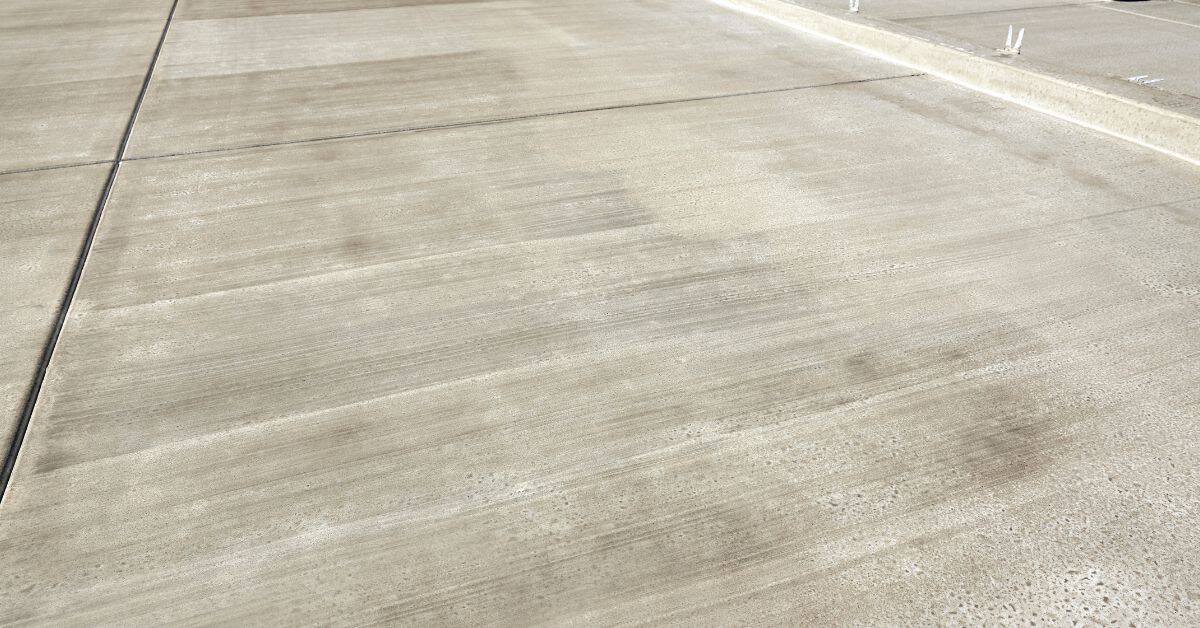
- Inspect cuts immediately after completion. Ensure they’re clean, straight, and correct depth.
Tools, Materials, and Safety Checklist
Essential tools include trowels, jointers or groovers, early-entry saws, backer rods, and sealants. Have protective gear appropriate for the job, including eye and hearing protection. Ensure tool compatibility with each slab type and the planned joint method.
Materials go beyond fillers and sealants; consider backer rods, curing considerations, and how these choices interact with color or texture of the slab. Prioritize safety on power saws and blades, and follow site setup best practices like barricades and lockout procedures.
Material specs and cost considerations
Before you start, understand the materials and their costs to avoid surprises.
- Sealants: Choose between silicone, polyurethane, or epoxy. Silicone is cheaper but less durable.
- Fillers: Use sand-cement mix for wide joints, polymer-modified for narrow ones. Avoid cheap fillers that crack easily.
- Saw blades: Diamond blades are best for concrete. Choose between wet and dry-cut types based on your method.
- Joint filler cost: Expect $0.50 – $2 per linear foot, depending on type and size.
- Sealant cost: Around $1 – $3 per linear foot, plus primer if needed.
- Blade cost: Diamond blades range from $20 to $100 each. Renting can save money.
- Labor and equipment: Hiring pros or renting tools adds to costs. Plan accordingly.
- Depth affects price: Deeper joints need more material, increasing cost.
Quick rule: Always compare prices per linear foot, not just total cost, as joint lengths vary.
Safety best practices and regulatory notes
Your safety and compliance are crucial. Check these before starting work.
- Blade guards: Ensure all power tools have proper guards in place to prevent accidents.
- Respirators: Wear one when cutting concrete to avoid inhaling dust.
- Heat precautions: Avoid working in extreme temperatures. Concrete sets slower in cold and too fast in heat.
- Local codes/HOA rules: Check if there are specific joint requirements for your area or community.
- Lockout/tagout: Ensure power tools are properly locked out before servicing to prevent unexpected start-ups.
- Work zone setup: Clearly mark the work area to keep others safe and away from hazards.
- Eye/face protection: Wear safety glasses or goggles to protect against debris.
- Hearing protection: Use earplugs or earmuffs when operating power tools.
Quick rule: Always prioritize safety over speed. Take your time and follow guidelines.
Common Mistakes and Troubleshooting
Common errors include panels that are too large, cutting too late or not at all, and depths that aren’t aligned with the slab thickness. Misplacing joints relative to reinforcement or edges can lead to stubborn cracks. Keep a clear plan to avoid these issues from the start.
Use practical checks during planning and execution, such as confirming spacing, depth, and alignment with reinforcement. After curing, inspect joints for straightness and continuity, and watch for soft spots near edges. If problems arise, consider temporary fixes or consult a professional for reinforcement guidance.
Fixes for missed timing or improper cuts
If you’ve missed the right time to cut control joints, don’t panic. Here’s what you can do:
Late Cuts: You can still add saw cuts after the slab has cracked. Use a wet saw with a diamond blade and make sure to cut all the way through.
Fillers: If cracks are too wide, use an epoxy crack filler. But remember, this is just a temporary fix. The best solution is always prevention.
When in doubt, consult a pro. They can assess the damage and recommend the best course of action.
Diagnosing crack patterns
Cracks aren’t always a sign of poor jointing. Here’s how to read them:
Poor Jointing: Cracks that follow your control joints are usually due to improper spacing or depth. These can often be prevented with better planning.
Settlement: Diagonal cracks or those that form a ‘stair-step’ pattern could indicate settlement issues. This might require additional reinforcement or underpinning.
Load Issues: Wide, deep cracks at the surface could be due to excessive load. This might need structural support or redistribution of weight.
Control Joints Vs. Expansion (Isolation) and Construction Joints
Control joints manage shrinkage cracks within slabs, while expansion or isolation joints are placed to allow movement between slabs or between the slab and structures. Construction joints are used to sequence multiple pours. These concepts are especially relevant for residential patios, driveways, and garages.
Think about where each joint type fits in your project. Align control joints with size and layout, place isolation joints near structures, and use construction joints when pours don’t occur simultaneously. Consider finishes and drainage as you plan to integrate these joints early on.
How to detail joints at edges and interfaces
Concrete slabs meet other structures and materials at various points. Here’s how to detail joints at these interfaces:
Foundations: Use expansion (isolation) joints here. They allow movement between the slab and foundation. Space them 10-20 feet apart, aligning with any control joints in the slab.
Walls and door openings: Isolation joints are also crucial here. Place them along the entire length of the wall or opening, spacing them every 6-8 feet. Ensure they’re continuous and well-defined to prevent cracking.
Door thresholds: Detail a 1/4-inch by 1/2-inch isolation joint at each threshold. This accommodates any minor movement without causing cracks in the slab or door frame.
Filling and sealing joints: when and how
Not all joints need filling or sealing. Here’s a guide:
Unfilled joints: Leave control joints unfilled to allow for slab movement. However, ensure they’re clean and free of debris to prevent water accumulation.
Compressible fillers: Use these in expansion (isolation) joints around structures or at slab edges. They accommodate movement without cracking the sealant. Apply them after the joint has been cut or formed.
Sealants: Seal joints to prevent water intrusion and weed growth. Use a flexible, elastomeric sealant that can withstand UV exposure and temperature changes. Apply it after the joint has been filled (if applicable) and the surface is clean and dry.
DIY Planning Checklist and Sample Layouts
Before pouring, run through a concise pre-pour planning checklist: measure the site, set edge forms, check subbase, and note any moisture or oil concerns. Record joint spacing ranges for each slab type to guide layout decisions. Document doorways and fixed objects so joints avoid them.
Mock-mark the layout on the subbase with chalk or string. Create simple sample layouts for common sizes like a patio, a single-car driveway strip, and a two-car garage slab. Weather windows, expansion considerations, and tool access should factor into how you adapt these layouts.
Visual checkpoints before, during, and after pour
Before you start pouring concrete, ensure everything is in order with this pre-pour checklist.
- Subgrade: Check for proper compaction and leveling. Soft spots or low areas can cause slab failure.
- Compacted base: Ensure it’s well-graded, stable, and free of debris to support the slab.
- Reinforcement placement: Verify rebar is properly placed, aligned, and secured for added strength.
- Joint markings: Confirm chalk lines are straight, evenly spaced, and match your layout plan.
- Edge forms: Check they’re secure, level, and properly braced to maintain slab dimensions.
- Moisture/oil checks: Ensure subbase is dry and free of contaminants that could weaken the bond.
- Formwork: Inspect for any cracks, gaps, or weak points that could compromise the pour.
- Concrete mix: Verify it’s the right consistency (not too wet or dry) and meets required strength.
Quick rule: Regular inspections help catch issues early, saving time and money in the long run.
When to hire a professional
While DIY is great for smaller projects, there are times when hiring a pro is best. Here’s when:
- Large slabs: Big slabs (like large patios or long driveways) require more expertise to control cracking.
- Heavy loads: If your slab will bear heavy loads (like a truck scale), pros have the know-how to reinforce it properly.
- Complex layouts: Intricate joint patterns or unique shapes may be better left to professionals.
- Unsure of timing or equipment: If you’re unsure about when to cut joints or lack the right tools, consider hiring a pro.
- Climate concerns: In areas with extreme temperatures or high humidity, pros can help mitigate expansion/contraction issues.
Quick rule: If you’re unsure about any aspect of your project, it’s always better to err on the side of caution and hire a professional.
Conclusion
Take control now by sticking to proven joint layouts and timing so your patio, driveway, and garage slab stay crack-free, safe, and looking right for years to come. The core idea is simple: plan, measure, cut with the right depth at the right time, and test as you go.
When you move from planning to doing, keep this checklist in your head as you work: map out the layout on the concrete surface, confirm joint spacing and depth with the rules you learned, mark the joints clearly, select the proper cutting method and tools, perform the cuts within the advised window, clean and dry the surface before cutting, and seal or finish after the concrete has cured as needed. Do each step in order, verify measurements at key points, and never skip the test patch or a dry-run in a small area.
Two or three common mistakes to avoid are skipping proper planning and layout checks, using the wrong joint spacing for the slab type, and cutting too soon or too late. Always follow the recommended depth and spacing rules, and keep the blade sharp and aligned. Safety rules matter too: wear eye and ear protection, keep hands clear of blades, work with dry, stable surfaces, and never rush cuts or push a tool beyond its limits.
If your project area is large, or if you’re unsure about the layout, slope, or joint isolation versus construction joints, consider bringing in a pro. When in doubt, pause and reassess, then proceed with a solid plan. With careful planning and steady work, you’ll finish with durable joints and confidence that you did it right.
FAQ
What exactly are control joints and why should I care on a patio, driveway, or garage slab?
Control joints are built spaces that give concrete a place to crack in a controlled way. They help prevent random cracking across the slab as it dries and settles. If you don’t include them, cracks can run in unpredictable patterns, making maintenance tougher.
When is the right time to cut control joints after pouring?
Cut joints after the concrete has stiffened enough that it won’t slump, but before it fully hardens. Don’t cut too early or too late, or you’ll invite random cracking. Follow the joint maker’s instructions or the label on the concrete mix for timing guidance.
What’s a sensible approach to joint spacing for different slabs?
Spacing should align with the slab size and anticipated shrinkage. Use longer spacing for larger slabs and shorter spacing for areas with tighter joints near structures. If you’re unsure, check the manufacturer’s guidance or local recommendations and err on the conservative side.
What are practical tips for creating clean contraction/control joints?
Use a proper joint cutter or saw, run joints straight, and keep them at a consistent depth. Clean out the cut and protect it from dust and moisture. If you can’t cut soon enough, consider forming a score line or using a suitable joint tool as a temporary measure—but verify it won’t weaken the slab edge.
How do control joints differ from expansion joints, and when would I use each?
Control joints are intentional cracks that relieve internal stresses within the concrete. Expansion joints are gaps that allow for movement due to temperature or moisture changes. Use control joints to control cracking; use expansion joints at interfaces with other slabs or fixed structures.
What safety steps should I follow when cutting control joints?
Wear eye protection, hearing protection, and a dust mask. Keep the cutting area clean to prevent tripping, and tie off or shield the work zone if you’re near bystanders. If you see rebar or hidden conduit, pause and adjust plans to avoid damage.