
Introduction
When it comes to installing a new roof, time is of the essence. Understanding the timeline and duration for both TPO and EPDM roofing installations can help you plan your project more effectively.
In this guide, we’ll break down the step-by-step process for each membrane type, so you know exactly what to expect and how long it will take to complete your roofing project.
For the full guide, see TPO Roofing Vs EPDM Roofing: Which Membrane Is Right for You – Where Each Works Best.
The TPO Roofing Installation Timeline
TPO roofing installation typically takes between 1-3 days, depending on the size of your roof and any additional factors like penetrations or accessories. Here’s a detailed breakdown of the process:
- Preparation (1 day): Inspect the roof deck, remove any debris, and install underlayment if necessary.
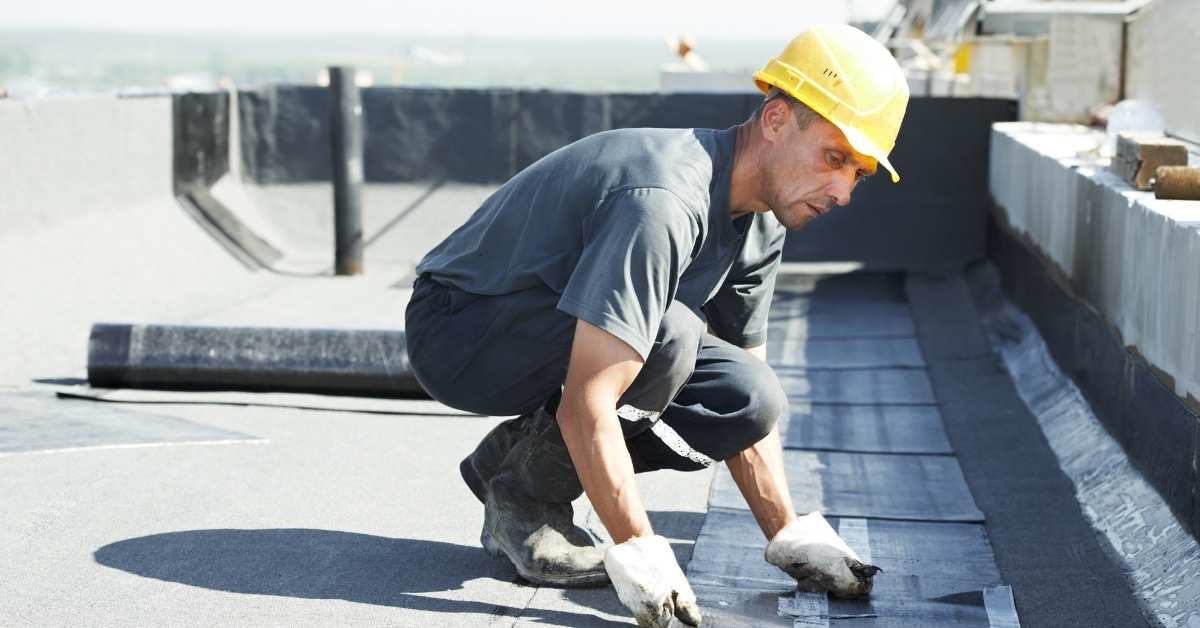
- TPO Membrane Installation (1-2 days): Unroll and secure the TPO membrane using mechanical fasteners or adhesive. Heat-weld seams as required.
Factors Affecting TPO Installation Duration
Several factors can influence the timeline for TPO roofing installation:
- Roof size: Larger roofs will take longer to install.
- Complexity: Roofs with multiple penetrations, curves, or other complexities may require additional time.
- Weather: Rain, snow, or extreme temperatures can delay the installation process.
The EPDM Roofing Installation Timeline
EPDM roofing installation usually takes between 1-2 days, depending on the size of your roof and any additional factors. Here’s a detailed breakdown:
- Preparation (1 day): Inspect the roof deck, remove any debris, and install underlayment if necessary.
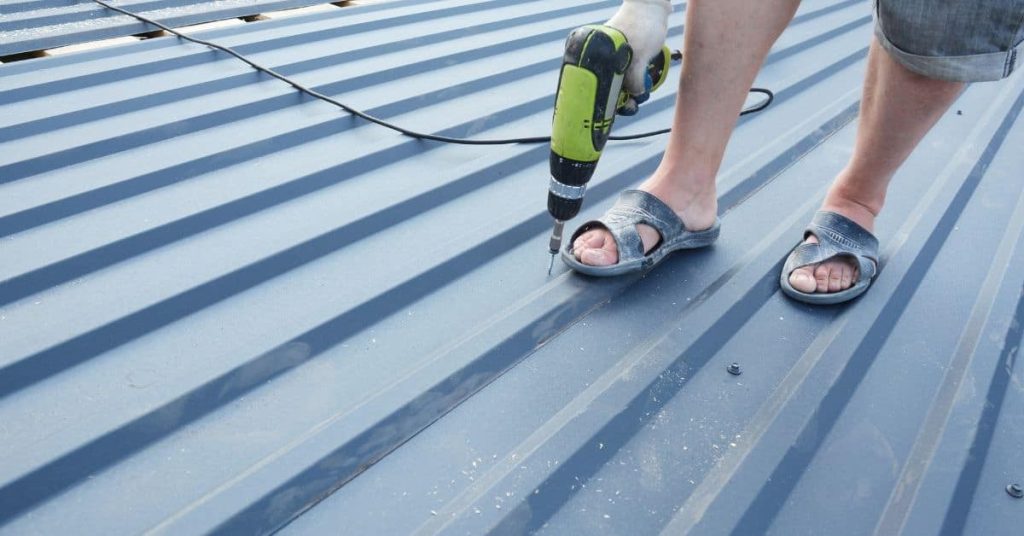
- EPDM Membrane Installation (1 day): Unroll and secure the EPDM membrane using mechanical fasteners or adhesive. Seal seams with tape or liquid sealant.
Factors Affecting EPDM Installation Duration
The timeline for EPDM roofing installation can be influenced by several factors:
- Roof size: Larger roofs will take longer to install.
- Complexity: Roofs with multiple penetrations, curves, or other complexities may require additional time.
- Weather: Rain, snow, or extreme temperatures can delay the installation process.
Key takeaways
The preparation phase for both TPO and EPDM roofing installations is crucial as it directly affects the overall timeline of your project. Ensuring that your roof deck is in good condition and installing any necessary underlayment before membrane installation begins can help streamline the process and minimize delays.
- TPO offers heat-welded seams, energy efficiency, and lighter weight for roofs.
- EPDM excels in durability in extreme climates and is easier to patch.
- TPO cools buildings better with reflective surfaces, reducing cooling loads and costs.
- EPDM installation is simpler for flat roofs, requiring fewer specialized tools.
- Lifecycle costs favor TPO when solar-ready membranes are installed and maintained.
- Environmental impact favors EPDM when recycled at end of service life.
Table of Contents
- Introduction
- Key takeaways
- What are TPO and EPDM?
- Durability and Lifespan: How Long Will Each Last?
- Energy Efficiency and Thermal Performance
- Installation Methods, Complexity, and Safety
- Cost, Maintenance, and Long-Term Value
- Environmental Impact and Sustainability
- Where Each Membrane Works Best — Use-Case Scenarios
- Cost-Benefit Checklist and Decision Matrix
- Conclusion
- FAQ
What are TPO and EPDM?
TPO is a thermoplastic single-ply membrane commonly used on flat and low-slope roofs. EPDM is a rubber-like single-ply membrane, frequently chosen for similar roof types. Colors vary; TPO leans toward white or light hues, while EPDM is often black but also available in lighter options.
Both are single-ply membranes, with different seam and installation approaches. TPO seams are typically heat welded or adhered, while EPDM seams are usually taped or adhered. The installation method matters because it influences performance and long-term durability under real-world conditions.
TPO basics (materials and common uses)
The choice of roofing membrane matters. It affects your roof’s lifespan, energy efficiency, and maintenance needs.
- Material: TPO is a blend of polypropylene and ethylene propylene polymers. It’s a thermoplastic, meaning it can be heated and cooled repeatedly without degrading.
- Color: TPO membranes are often white or light-colored to reflect heat and UV rays. This helps keep your building cooler in summer months.
- Reflective properties: TPO’s reflective surface can help reduce energy costs by up to 20% compared to traditional black roofs.
- Common uses: Contractors often specify TPO for flat and low-slope roofs on commercial buildings due to its durability, energy efficiency, and affordability. It’s also gaining popularity in residential applications.
- Avoid: Using the wrong material can lead to cracking under extreme heat or cold, staining from dirt buildup, and weak bonds at seams if not properly installed.
EPDM basics (materials and common uses)
The right membrane can make your roof last longer with less maintenance. Here’s what you need to know about EPDM.
- Material: EPDM is a synthetic rubber membrane made from ethylene, propylene, and diene monomer. It’s known for its durability and flexibility.
- Color: EPDM membranes are typically black but can also be found in white or other lighter colors to improve reflectivity.
- Long track record: EPDM has been used since the 1960s, making it a proven choice for flat and low-slope roofs.
- Common uses: Residential and commercial buildings alike use EPDM for its affordability, durability, and resistance to weathering. It’s often seen on schools, hospitals, and other large structures.
- Avoid: Using the wrong material can result in cracking from extreme temperatures, staining from dirt buildup, and weak bonds at seams if not properly installed or maintained.
Durability and Lifespan: How Long Will Each Last?
Expectations for TPO and EPDM vary with product quality and installation. Reinforced variants tend to endure more trim and traffic than standard options. Climate and maintenance levels also shape the real-world lifespan of each membrane.
Common failure modes include seam integrity, punctures, UV effects, and shrinkage or edge issues. Inspecting flashing, penetrations, and ponding areas helps identify potential problems early. Warranty scope and installation standards from the manufacturer matter as well.
Typical Lifespan Ranges and Warranty Expectations
TPO membranes typically last between 15 to 20 years, while EPDM can stretch up to 30 years. But remember, these are averages. High-quality products and top-notch installation can push these numbers higher.
Warranty is where you’ll find the manufacturer’s promise. It might range from 15 to 30 years for TPO, and up to 20 years for EPDM. But warranties often cover labor separately, so check those details too.
Real-world lifespan can differ from warranty claims due to factors like climate, installation quality, and maintenance. Always ask manufacturers about expected serviceability milestones under different conditions.
Common Failure Points and How to Avoid Them
Seams, punctures, heat damage, and poor installation are common culprits that shorten your roof’s life. Here’s how to steer clear:
- Seam issues: Poor adhesion or incorrect sealing can lead to leaks. Ensure proper seam preparation and use recommended adhesives.
- Punctures: Careless foot traffic, dropped tools, or sharp objects can cause punctures. Limit foot traffic during installation and use walk pads for maintenance.
- Heat-induced problems: UV degradation is a concern in sunny regions. Opt for membranes with UV stabilizers and consider light-colored roofs to reflect heat.
- Installation errors: Poor substrate preparation, incorrect membrane attachment (adhesive/fastener systems), or improper flashing can cause leaks. Ensure your contractor follows installation standards like those set by the Roofing Industry Committee for Codes of Practice (RICC).
Regular inspections and maintenance can help catch potential issues early, extending your roof’s lifespan.
Energy Efficiency and Thermal Performance
Reflectivity and emissivity drive how much heat a roof absorbs or sheds. White or light-toned TPO reflects more solar energy, while EPDM’s darker options absorb more heat. These factors influence cooling loads and indoor comfort on flat and low-slope roofs.
Material composition and thickness also affect thermal behavior, along with how the roof assembly handles temperature swings. Climate conditions determine whether high reflectivity or balanced insulation yields the best overall performance.
TPO Reflective Benefits and Cool-Roof Advantages
White TPO membranes are designed to reflect the sun’s heat, keeping your roof surface cooler. This is especially beneficial in warm climates where cooling costs can skyrocket.
Reflectivity, or albedo, is a key factor here. TPO’s high reflectivity reduces radiant heat gain on your flat roof surface, lowering daytime temperatures by up to 30°F compared to dark membranes like EPDM.
This means less heat transfer into your building, reducing cooling loads and potentially saving you money on energy bills. It also extends the lifespan of your HVAC system by running it less frequently.
EPDM Thermal Behavior and Cold-Climate Considerations
Black EPDM membranes absorb heat, making them suitable for colder climates. They can help maintain building warmth in winter months.
Emissivity, which measures a material’s ability to radiate absorbed heat back into the atmosphere, is important here. In cooler regions, EPDM’s low emissivity helps retain heat within your building at night, reducing heating costs.
However, for hot climates, EPDM’s dark color can be a disadvantage due to its high daytime heat absorption. To mitigate this, consider applying a reflective coating to boost its reflectivity and improve overall thermal performance.
Installation Methods, Complexity, and Safety
TPO and EPDM offer fully adhered, mechanically fastened, and ballasted installation paths. Each method has its own substrate prep, seam technique, and compatibility considerations. The choice shapes thickness, insulation compatibility, and roof geometry handling.
Crews need specific tools and skills, from heat-welding gear to ballast handling. Safety plans for fall protection, weather windows, and proper PPE are essential for both DIY and pro installations. Warranty implications vary by method and product.
Seaming and fastening: TPO welding vs. EPDM adhesives/taping
TPO and EPDM membranes require different seam techniques due to their material properties.
TPO: Uses hot-air welding for seams. This method requires skill and specialized equipment, like a heat-welding gun. It’s durable but can be sensitive to installer technique.
EPDM: Uses adhesives or tape for seams. Adhesive seaming needs careful surface prep and application, while taping is quicker but may not last as long. Both require skill to avoid leaks.
Roof penetrations, flashings, and detail work
Proper handling of roof penetrations and edge details is crucial for preventing leaks in both TPO and EPDM membranes.
TPO: Uses prefabricated boots and flashing for penetrations. Edge details require precise cutting and welding to prevent water intrusion. Quality flashings are a must.
EPDM: Uses similar boots and flashings, but edge details often involve taping or liquid applied systems. Again, quality workmanship is key to preventing leaks around penetrations and edges.