

Introduction
Hidden moisture intrusion behind stucco is the primary cause of cracks, not normal settling.
Understanding this shifts how you diagnose problems, prevent further damage, and choose safer repair methods.
The guide walks you through simple checks, practical tips for moisture control, and common-sense rules of thumb to protect your stucco walls.
Key takeaways
- Hidden moisture behind stucco—not surface water alone, check sheathing and flashing.
- Moisture and freeze-thaw cycles cause cracks and spalling from behind.
- Inspect visually and with targeted diagnostics; look for efflorescence, staining, soft edges.
- Seal penetrations, windows, doors to prevent recurring leaks; prioritize flashing.
- Choose breathable, water-repellent coatings; avoid non-breathable sealants on stucco.
- Plan drainage: gutters, grading, flashing and yard drainage during repairs.
- Budget time, permits, tools; differentiate DIY patching vs professional remediation.
Table of Contents
- Introduction
- Key takeaways
- The real culprit: trapped/hidden moisture behind stucco, not just surface water
- How moisture and freeze-thaw cycles actually damage stucco
- Inspecting stucco: visual cues and targeted diagnostics
- Sealing penetrations, windows, doors and common leak paths
- Water-repellent and breathable coatings: choosing the right product
- Managing drainage: gutters, grading, flashing and yard details
- Repair techniques — DIY patching vs. professional remediation
- Tools, materials, costs, time estimates and permits
- Safety, common DIY mistakes, long-term diagnostics and maintenance schedule
- Conclusion
- FAQ
The real culprit: trapped/hidden moisture behind stucco, not just surface water
The real culprits behind most stucco cracking aren’t just surface rain or impact. When flashing fails, drainage is blocked, or vapor barriers are compromised, hidden moisture builds behind the wall and drives cracks through hydrostatic pressure and hidden corrosion.
This article helps you spot the moisture-first pattern, quantify it with non-destructive checks, and map out fixes—from flashing repairs to WRB reseals and delamination repairs—before cracks widen or recur.
Red-flag indicators that hidden moisture is driving cracks:
- Repeated or widening cracks that show up after wet weather, thaw cycles, or high humidity, even when surface conditions seem dry.
- Visible delamination or peeling of stucco near flashing, corners, windows, or penetrations, suggesting substrate moisture release.
- Musty odors, visible mold growth, or dark staining on interior walls adjacent to exterior stucco assemblies.
- Soft spots, spongy or damp areas on interior walls or around base of walls where moisture behind the finish is suspected.
- Blocked or deteriorated weep screeds, failed flashings, or gaps in WRB that allow water to pool behind the stucco.
- Repeated interior condensation issues that correlate with exterior moisture events, indicating a moisture load behind the skin.
Escalation path to professional remediation when thresholds are exceeded:
- If hidden moisture is detected and persists after initial DIY checks and minor repairs, stop further cosmetic patches and consult a licensed stucco or façade specialist.
- When moisture indicators recur within 12–18 months or multiple areas show signs of delamination, mold, or persistent interior dampness, bring in a building envelope contractor or structural engineer for a site assessment and moisture mapping.
- For elevated moisture levels, compromised WRB continuity, or structural concerns (rot, corrosion, or framing damage), obtain written remediation plans, including flashing repairs, resealing, substrate drying strategies, and air/vapor barrier testing, before any re-cladding or patching.
- Budget realistically: plan for diagnostic fees, potential scaffold/scissor lift costs, material remediation (WRB reseal, flashing, lath and base coat repairs), moisture mitigation (drying and dehumidification), and potential replacement of damaged substrates. Request multiple quotes with scope, timelines, and warranty details.
- Document findings with photos and notes; ensure the contractor provides a moisture remediation certificate or warranty for repairs and a corrective action plan to prevent recurrence.
Jobsite tip: treat recurring cracks as a clue to investigate flashing, WRB continuity, and drainage paths rather than just patching the surface.

How moisture and freeze-thaw cycles actually damage stucco
Moisture reaches stucco through surface rain, capillary suction in the pores, and hidden moisture behind the coat, with absorption rates varying by finish and substrate. The timing of freeze cycles — late fall to early spring — governs how aggressively those pathways work against the wall system.
Understanding how moisture travels and where it hides helps you spot trouble before it visibly shows up as cracking or staining. Plan a proactive routine: map drainage, check flashing around openings, and track how fast surfaces dry after storms.
Freeze-thaw mechanics and pore pressure
Water that soaks into stucco sits in tiny pores and microcracks. When temperatures dip below freezing, that trapped water expands, pushing on the surrounding matrix and opening the tiniest fissures. Each cycle acts like a microscopic jackhammer, widening microcracks, promoting spall, and loosening coatings.
Over multiple cycles, those cracks interlink and grow, creating channels for more water to intrude behind the lath or reinforcing mesh. The result is a cycle fatigue that undermines bond strength. Practically, prioritize drainage and drying checks before winter, and watch for hairline cracks that widen after freezes.
Vapor movement, condensation, and salt attack
Moisture migrates as vapor through stucco and into the wall cavity; when warm, moist air meets a cooler substrate, it condenses behind the finish. That hidden moisture accelerates deterioration without obvious surface wetting.
Salts in that water crystallize in pores, generating crystallization pressures that push against the coating and backing. Over time, those pressures cause flaking, powdering, and accelerated bond loss. Early prevention hinges on controlled ventilation, reduced vapor drive, and limiting water entry so salts cannot build up behind the finish.
Inspecting stucco: visual cues and targeted diagnostics
A thorough visual survey is your first line of defense against unseen moisture. Start outside, tracing transitions at openings, flashings, and joints, then peek inside for damp halos, staining, or musty odors that echo exterior leaks. The goal is to map patterns, not chase scattered anomalies.
Use a disciplined, stepwise approach: note each area with scale, date, and weather context, then prioritize zones that show recurring or expanding symptoms. When in doubt, pause and verify with targeted diagnostics before framing repairs.
Visual checkpoints: cracks, staining, bulges, and delamination
Walk the perimeter slowly and examine transitions where different materials meet. Look for hairline versus stepped cracks, staining that travels downhill, efflorescence, bulges, or soft, tapped areas that hint at delamination.
Document every flaw with photos and scale, then sketch approximate crack locations. Mark patterns that repeat near windows or corners to flag systemic moisture ingress rather than isolated patches.
Diagnostic tools: moisture meters, thermal imaging, and probe tests
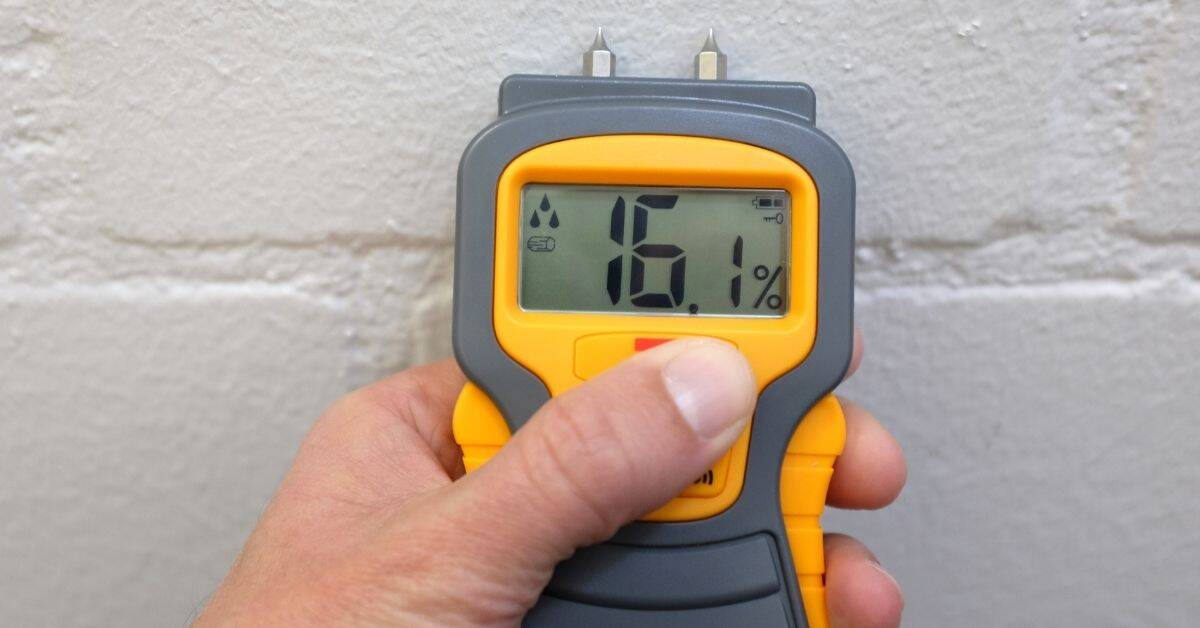
Start with non-destructive tools, reserving probes for ambiguous signs. Use pin and pinless moisture meters to locate wet pockets, a thermal camera to reveal cool bands, and an endoscope or small probe cut to confirm hidden rot behind stucco. Keep readings in a simple map for zones to test further.
Apply hygrometers to track humidity over 24–72 hours near suspect areas, and photograph each test setup for comparison over time.
When test results indicate deeper problems
High or widespread moisture readings, clear thermographic bands, or multiple wet cuts usually signal substrate or flashing failures beyond surface repair. In such cases, plan invasive checks of WRB, sheathing, and flashing, and prepare for professional intervention.
If you encounter soft framing, mold, or rot, halt more demolition and call a licensed contractor to prevent indoor air-quality issues and ensure a safe, durable fix.
Sealing penetrations, windows, doors and common leak paths
Gaps around openings—windows, doors, vents—are the first-line moisture entry points and improper sealing can trap humidity behind the stucco, leading to hidden damage over time. Common leak paths around penetrations and edges—flashing, caulk joints, backer rod placement, and weep screeds—contribute to cracking and moisture migration if not properly details are addressed during installation. A quick inspection checklist helps: look for gaps, cracks, deteriorated caulk, missing or damaged flashing, and any staining or efflorescence near openings.
For DIY readers, choosing compatible sealants and following a careful workflow matters: select suitable stucco sealants (silicone or polyurethane), properly prime substrates, use backer rods where movement is expected, and address movement joints to prevent future cracking. Emphasize a practical sealing workflow—prep, clean, prime, apply sealant, tool for a uniform finish, and cure times—while watching the weather window and temperature range. A proactive maintenance plan, including periodic re-sealing, after major weather events, and monitoring for new cracks or moisture signs, keeps openings watertight and helps preserve the integrity of the stucco surface.
Best-practice detail for window and door flashings
Start with a continuous sill flashing that directs water to the exterior. Install self-adhered or membrane flashing over the rough sill, then set the window so the bottom flange sits on that flashing. Make sure the sill is sloped to shed water.
Layer head and jamb flashings in a shingle sequence: sill first, jambs next, head last. Integrate the housewrap or WRB under the head flashing and over the jambs so any water runs out over the sill flashing. Where gaps remain, use backer rod and a compatible exterior sealant to compress and seal movement joints.
Tie in with weep screed or cladding terminations. At the base of walls cut the WRB to sit on the weep screed flange or into the drainage plane so any expelled water leaves the wall system. Avoid creating pockets where water can collect behind trim or siding.
Penetrations, vents, and utility flashings
Identify every roof-to-wall and wall-to-system penetration — gas lines, electrical conduits, dryer vents, and light fixtures are the usual suspects. Flash each penetration with a collar or boot sized to the pipe and tied into the WRB. For larger or irregular holes use a custom metal counterflashing sealed to the cladding.
Use closed-cell backer rod and a durable exterior sealant at moving joints. For vents and exhausts install a mechanical flange flashing with a waterproof gasket and then apply sealant over the outer edge only. If the penetration is through siding, run the WRB over the penetration flashing to force water outward rather than inward.
Test and revisit: after installation spray the area with a hose and check from the inside during a simulated wind-driven soak. Fix any leaks immediately — it’s cheaper now than ripping out wet framing later.
Water-repellent and breathable coatings: choosing the right product
Breathable coatings allow water vapor and moisture to escape from the stucco while still repelling liquid water, whereas non-breathable paints can trap moisture inside the substrate and accelerate deterioration in exterior assemblies. Silane and siloxane water-repellent treatments preserve porosity, minimize surface film buildup, and often outperform conventional coatings on stucco by promoting long-term moisture management, reduced cracking, and more consistent exterior appearance. Begin with a thorough surface assessment to identify existing coatings, clean surfaces, repair cracks, and ensure the substrate is dry and sound, then follow recommended surface preparation, weather windows, coat thickness, and cure times for reliable results.
In practice, breathable options are the safer default when drainage paths, gutters, flashing, and wall assemblies are designed to manage moisture, but non-breathable coatings may still be appropriate for small, well-ventilated areas or when moisture exposure is minimal. Know the maintenance rules: verify compatibility with sealants or caulk, plan appropriate recoat intervals, and watch for failure signs such as peeling, whitening, or ephemeral color changes that indicate moisture intrusion and coating breakdown. By weighing substrate condition, climate, and long-term moisture strategy, DIYers can select the right product and apply it with confidence, balancing performance, cost, labor, and future upkeep.
Which coatings prevent moisture and still allow drying
Pick coatings that block liquid water but let water vapor pass. Look for silane or siloxane water repellents and breathable masonry paints designed for stucco. Those products shed rain yet allow trapped moisture to evaporate.
Check the breathability rating or water vapor transmission value on the tech sheet. ASTM E96 (water vapor transmission) and ASTM D1653 are common tests you’ll see listed. Higher WVTR or permeance means better drying ability.
Quick rule: if a product lists silane/siloxane chemistry and has a good ASTM vapor transmission number, it’s usually the right choice for stucco. Avoid film-forming, non-breathable paints in wet climates.
Application tips, prep, and realistic performance expectations
Prep matters more than the fanciest product. Remove loose material, clean salts and mildew, and repair cracks before applying any coating. Prime if the manufacturer calls for it and follow recommended coverage and dry times.
Apply in dry weather and at temperatures within the product’s range. Multiple light coats beat one heavy coat. Keep tools clean and back-roll or brush into textured stucco to ensure penetration, not just surface wetting.
Know the limits: these coatings stop water intrusion and help walls dry, but they won’t fix structural defects, leaking flashings, or poor drainage. If moisture is coming from a failing substrate or roof/wall detail, address that first.

Managing drainage: gutters, grading, flashing and yard details
Effective drainage starts with grading the landscape so water moves away from the foundation, and with properly functioning gutters, downspouts, and flashing that direct moisture away from stucco. This section emphasizes assessing grading, cleaning and securing gutters, extending downspouts beyond the foundation, and checking flashing at roof-to-wall and window transitions to prevent moisture from piling up behind siding. By addressing yard layout, hardscape drainage, and minor soil moisture issues, you reduce trapped water behind the stucco and create a barrier against continual dampness.
A practical DIY plan includes post-storm checks, prompt repairs, and a seasonal routine for sealants or water-repellent treatments when appropriate, ensuring runoff stays clear of walls and never pools near foundations. Understanding how these elements interact helps you time maintenance, avoid costly damage, and maintain a drier interior and healthier exterior finish. Ultimately, coordinated grading, gutter care, flashing inspection, and yard drainage adjustments translate into fewer moisture problems, longer stucco life, and a safer, more resilient home during wet seasons.
Gutter/downspout best practices and splash blocks
Keep gutters sized and pitched so water moves fast and doesn’t pond. If gutters overflow at heavy rain, water can run down walls and soak the base of stucco. Check for sagging sections, blocked outlets, and improper slopes before you blame the siding.
Route downspouts to discharge at least 3–5 feet from the foundation. Use rigid downspout extensions, buried drains, or well-placed splash blocks to direct flow away. A splash block is fine for light runoff, but for heavy or concentrated flow use an extension or drain to prevent repeated saturation.
Tip: Position splash blocks on firm grade and angle them away from the wall. Replace worn blocks and secure extensions so they can’t flip and dump water against the stucco.
Grading, soil contact, and exterior landscaping fixes
Stucco needs clear space from soil and mulch. Maintain at least a 6-inch vertical clearance from finished grade to the bottom edge of the stucco or weep screed. Anything higher traps moisture against the finish and invites rot or staining.
Fix grade by adding soil away from the foundation or by cutting back planting beds to create a proper slope. Slope the ground 5% (about 6 inches over 10 feet) away from the house so water runs off, not toward the wall. Keep mulch, soil, and plantings pulled back and use rock or a concrete edge where needed to hold the slope.
Tip: If re-grading isn’t practical, install a drip edge or a small gravel trench to break capillary action and keep moisture from wicking into the stucco.
Repair techniques — DIY patching vs. professional remediation
Repair techniques for small cracks balance simple DIY patching with knowing when moisture, delamination, or structural issues require professional remediation. Recognize warning signs like wide cracks, bulging patches, moisture staining, and efflorescence, which indicate problems beyond cosmetic surface repair and the risk of DIY patches masking underlying moisture. For hairline cracks, use latex-based caulk, while wider gaps may need a cementitious patch, and plan proper curing, color matching, surface prep, and a breathable sealant after the patch dries.
This matters on a jobsite because proper patching relies on correct materials, substrate compatibility, and timely testing for moisture; skipping steps or choosing the wrong product can trap moisture and worsen damage. Follow a clear workflow: assess, clean, prime if needed, apply patch in layers with feathered edges, and seal after cure, while using PPE, weather windows, and moisture tests to decide whether to escalate to a pro for continued cracking, suspected rot, or delamination. A quick decision guide can help homeowners determine when to DIY versus hire a professional, and what qualifications and typical costs to expect.
Small-crack DIY: prep, materials, and curing times
Pick the right materials and prep is half the fix. The wrong filler or a dirty crack gives you more cracking, staining, or a weak bond that falls out when temperatures shift.
- Surface prep Remove loose stucco and dust with a wire brush and vacuum. Clean surfaces improve adhesion and prevent trapped moisture from causing failure.
- Crack gauge Measure width and depth before choosing a product. Small hairline cracks take paintable caulk; wider cracks need patch compound rated for exterior use.
- Sealants Use an exterior-grade silicone- or polyurethane-based sealant with UV resistance. Look for a product labeled for masonry or stucco and 25%+ joint movement capability. Wrong sealant can shrink, stain, or delaminate.
- Patching compound Choose an acrylic-modified cement or polymer patch for gaps over 1/8″. Check cure time and freeze/thaw rating. Ordinary interior spackle will crack and fall out.
- Mixing Follow manufacturer water ratio and mix to a workable paste. Over-thinning reduces bond strength; lumps cause voids and future cracking.
- Application Force material into the crack and tool it flush with a pointing trowel. Multiple thin passes beat one fat pass that skins over and traps moisture.
- Curing windows Expect tack-free in 2–8 hours and full cure in 24–72 hours depending on product and temperature. Avoid painting or wetting before full cure to prevent staining and adhesion loss.
- Finish coat Match textured stucco with a thin skim coat or textured spray and use masonry primer before paint. Wrong finish materials can show hairline shrinkage or fail to blend.
Large delamination and substrate repair: what pros do
When stucco is pulling off in large sheets you’re looking at a system failure, not a cosmetic crack. Pros remove stucco back to the lath or sheathing so they can inspect and fix the underlying damage.
Technicians strip away delaminated stucco, then evaluate the WRB (water-resistive barrier), flashing, and lath. Damaged WRB or improperly installed flashing gets replaced or patched, and lath is repaired or re-secured to provide a sound attachment for the new render.
After substrate repairs they apply base coats, embed proper mesh, and finish with specified portland or polymer-modified cement stucco systems matched to the original performance. Pros control cure, thickness, and tie-ins to avoid future pockets of trapped moisture and repeating failures.
These steps need trades experience, structural assessment, and tools to restore the system. Attempting full rehab without that know-how often leads to recurring delamination, hidden rot, and a bigger bill down the road.
Tools, materials, costs, time estimates and permits
Summarized here is a consolidated checklist that splits tools (hand tools, power tools, moisture-detection gear) from materials (epoxy/urethane crack fillers, stucco patch, sealants, water-repellent coatings, primers, moisture barriers) and flags safety gear such as gloves, goggles, respirator, and fall protection for ladders. It also outlines ballpark costs per square foot for DIY versus professional work, plus a simple budgeting approach and typical permit ranges where applicable. Finally, it lays out time estimates for prep, patching, curing, sealing, and follow-up maintenance, with note of weather delays and curing variability.
Context and benefit: understanding the full workflow—from assessment to finish, including decision points on DIY-friendly versus pro help, enables accurate scheduling and risk assessment on site. The guidance helps prioritize items, estimate labor hours, anticipate permit inspections, and document moisture-related work to support code compliance. Keeping these elements in view supports better planning, longer-lasting repairs, and clearer communication with clients or stakeholders.
Tools & materials checklist with product specs
Keep your kit lean and job-ready. Below are the must-haves, specs to look for, and practical tips from the yard.
- Moisture meter Reads moisture in wood, masonry, and drywall. Buy one that reads down to 0.1% and has a penetrating pin option. Tip: check multiple spots; rent a more advanced meter for big jobs.
- Tuckpointing tools Pointing trowel, jointer, and angles for mortar work. Use stainless trowels and a 3/8–1/2″ jointer for typical mortar joints. Warning: keep edges clean to avoid gouging surrounding brick.
- Breathable sealant Vapor-permeable masonry sealer prevents trapped moisture. Choose silane/siloxane products rated for brick masonry. Pro tip: avoid film-forming paints where salt migration is present.
- Hydraulic cement Fast-setting patch for active leaks and cracks. Use Type N for general repairs and waterproof hydraulic cement for active seepage. Note: it sets fast—mix small batches.
- Dehumidifier & fans Essential for drying after repairs. Use a 50–70 pint unit for rooms; industrial rental units for basements. Tip: run continuously until readings fall to target levels on your moisture meter.
- Scaffolding & ladders Safe access for higher work. Use scaffold rated for at least 2,000 lb and an A-frame or extension ladder meeting OSHA/ANSI. Rent scaffolding for multi-day jobs; it saves time and risk.
- Mortar & replacement brick Match mortar grade and brick size/color. Use pre-mixed Type N or custom mortar matched to existing compressive strength. Save sample bricks to order replacements to match face and weathering.
- Safety gear Gloves, eye protection, respirator, and fall protection. Use N95 or P100 for dust and proper harnesses when above single-story. Never skip PPE to save time.
Cost ranges, cost drivers, and timeframes
Expect a wide range: small DIY patch jobs run $50–$400 for materials. Typical contractor repairs start around $300–$1,200 for localized tuckpointing or flashing fixes and climb into several thousand dollars for larger wall rebuilding or extensive water damage.
Major cost drivers are the extent of hidden water damage, access and scaffolding needs, and whether structural work or specialty trades (masonry, waterproofing) are required. Restricted access (narrow alleys, second-floor work) and old or historic brick matching push costs up quickly. Labor is usually the single biggest line item with pros.
Time estimates: small patch or sealant jobs — a few hours to one day. Tuckpointing a single wall — 1–3 days. Larger wall repairs with drying and curing — 1–2 weeks. Allow additional time for mortar curing and substrate drying; add 24–72 hours for mechanical drying on damp walls.
Permits, warranties, and insurance implications
Permits are usually required for structural changes, large exterior repairs, or work that affects egress or major systems. Small maintenance—replace a few bricks or re-pointing—often doesn’t need a permit, but local rules vary. Check the local building department before starting.
Warranties depend on who does the work. Contractor warranties cover workmanship; manufacturer warranties cover materials. Get written warranties and keep invoices and before-and-after photos to back any claim.
For insurance: document existing damage and repair scope before work begins. If you plan to file a claim, notify your insurer early and use contractor estimates in writing. Keep receipts and moisture readings; they make claims and future warranty questions straightforward.
Safety, common DIY mistakes, long-term diagnostics and maintenance schedule
Safety comes first when inspecting and repairing stucco: use fall protection on ladders or roofs, manage electrical risks near damp areas, and screen for mold and hidden moisture with proper air quality precautions. A quick safety checklist and PPE recommendations—hard hat, gloves, eye protection, non-slip footwear, moisture meters, and respirators when needed—should be reviewed before any work, and common DIY mistakes such as skipping moisture tests, improper patching or sealing, overreliance on coatings without addressing root drainage, using incorrect stucco repair materials, and neglecting flashing and weep hole maintenance must be avoided. A practical, seasonal maintenance plan follows: spring inspections and repairs, summer moisture control and cleaning, fall sealing and gasket checks, and winter protection strategies, paired with simple do/don’t shortcuts to prevent recurrence.
Long-term diagnostics involve seasonal moisture checks, moisture meters, infrared imaging, and recognizing signs of hidden leaks behind stucco so you know when to call a pro for advanced diagnostics. This approach helps prevent stucco cracks, mold growth, and costly repairs by addressing drainage, ventilation, and point-of-entry issues before they worsen. It also empowers DIYers with a clear workflow, actionable steps, and safety-minded habits that keep exterior finishes durable while minimizing risk and surprise expenses over time.
Safety precautions: scaffolding, PPE, and mold handling
Work from a stable platform. Use properly erected scaffolding or a certified ladder and never improvise a working surface. Tie off when you’re above one story and keep tools and materials secured to prevent drops.
Wear the right PPE: a respirator rated for particulates, eye protection, gloves and long sleeves. For electrical work, use insulated tools and de-energize circuits before you touch wiring. Do not rely on memories about the breaker—verify with a tester.
Mold disturbance calls for containment and exhaust away from open areas. Minimize spread by misting the surface lightly, bagging debris, and cleaning with appropriate cleaners or calling a pro if contamination is extensive.
Top DIY mistakes and how to avoid them
These are the common slip-ups I see on job sites. Fix the cause, not just the look—otherwise the problem comes back faster than you think.
- Over-sealing surfaces — Sealing without fixing leaks traps moisture. Repair flashing and leaks first, then apply sealants where needed.
- Non-breathable coatings — Using impermeable paint on damp materials leads to blistering and rot. Choose breathable products for exterior and masonry substrates.
- Ignoring drainage — Water follows gravity; poor slopes and clogged gutters send water where you don’t want it. Clear gutters, extend downspouts, and ensure ground slopes away from foundations.
- Cosmetic-only fixes — Painting over stains without checking the substrate hides mold and rot. Probe, test moisture, and replace damaged material before refinishing.
- Poor fastening techniques — Wrong screws or fastener spacing leads to loose trim and leaks. Use recommended fasteners and follow spacing guidelines.
Watch for these mistakes and treat the root cause. It saves time and money in the long run.
Seasonal maintenance checklist and long-term monitoring tips
Set a simple annual routine and stick to it. Inspect after heavy storms, in spring for winter damage, and in fall for pre-winter prep. Look for loose flashings, blocked drains, and signs of fresh staining.
Keep a log of repairs, photos and moisture readings. Take a photo from the same spot each visit and note meter values to spot trends. Regular rechecks catch small leaks before they become major repairs.
Before winter, clear gutters, secure flashing, and service seals around penetrations. After thaw, re-inspect high-risk areas and update your log so seasonal patterns show up over time.
Conclusion
The core idea is simple: hidden moisture behind stucco drives cracking and damage, so you protect the structure by fixing what you can see and addressing the moisture sources safely and progressively. This isn’t glamorous work, but it is durable work—do the right checks, seal penetrations, manage drainage, and choose breathable, water-repellent coatings to keep moisture out without trapping it inside.
Do this next in a practical flow: start with a visual and targeted inspection for cracks, failed flashings, and wet spots; then seal penetrations around windows, doors, and any other leak paths; verify drainage and grading are carrying water away from the wall; apply the right coat that breathes while repelling water; finally, plan for patching or professional remediation if the damage is deep or widespread, keeping safety and permits in mind and testing a small patch first before committing to a full repair.
Avoid these common missteps: rushing repairs without identifying moisture sources, using non-breathable coatings that trap moisture, and skipping the small-area tests before full application. Always work in daylight, use a sturdy ladder, wear eye and skin protection, and never mix sealants or coatings in an uncontrolled way. If you’re unsure about flashing, grading, or large patches, don’t press ahead—poorly done work costs more and invites more damage.
If the damage is widespread, or you’re facing deep cracks, efflorescence, or signs of structural movement, call a professional instead of pushing through with DIY patches. A pro can confirm moisture sources, perform targeted remediation, and help with permits and long-term maintenance schedules. Stick to the plan, stay safe, and you’ll keep the stucco durable and looking good for years to come.
FAQ
What’s really causing stucco cracks, and is moisture always to blame?
Moisture is a big factor, but not the only one. Poor drainage and improper flashing let water soak in and push on the stucco. Look for cracking near corners and around windows where water tends to collect.
How can I tell if moisture is getting behind the stucco?
Check for white powder, damp spots, or musty smells inside the walls near the affected area. Look for rust on metal lath or blistering paint on the siding above the crack. A moisture meter can help confirm what’s behind the surface.
What quick fixes should I avoid that make moisture worse?
Don’t seal every crack with silicone or caulk and call it a day. Sealing without fixing drainage or flashing traps more moisture inside. Don’t ignore landscaping that directs water toward the house.
What’s the right approach to fix stucco cracks caused by moisture?
First fix the water path: improve grading, clean gutters, and repair flashing. Then repair or replace damaged stucco with proper mesh and base coats. Don’t skip a proper cure and paint that seals the system.