
Introduction
Weep paths are channels at the bottom of stucco details that drain moisture away.
Keeping them clear helps prevent water from backing up into the wall. This article shows a plain‑language, DIY approach to inspecting and cleaning them without tearing the finish.
Start by locating the bottom terminations and looking for dirt, debris, or packed soil.
Gently flush or sweep the path with a soft brush, and check that the weep openings remain unobstructed. If you see stubborn buildup, refer to the product label or manufacturer instructions for safe cleaning methods and avoid damaging the stucco.
Key takeaways
- Inspect weep paths regularly to prevent dirt buildup and moisture damage.
- Clear clogged terminations with a soft brush, then flush from top.
- Document maintenance: note locations, condition, and dates when performing care.
- Wear eye protection and gloves; avoid forceful chiseling that can damage stucco.
- Use manufacturer guidelines for bottom terminations and compatible cleaning methods.
- Seal and reseat terminations properly after cleaning to prevent future clogs.
Table of Contents
- Introduction
- Key takeaways
- Why Stucco Weep Paths Matter
- Identifying Clogged Bottom Terminations
- Tools and Materials Checklist
- Step-by-Step Cleaning Process
- Repairing and Reinstalling Bottom Terminations
- Preventive Maintenance and Long-Term Care
- Troubleshooting and When to Call a Professional
- Conclusion
- FAQ
Why Stucco Weep Paths Matter
Weep paths and bottom terminations are the built-in drainage routes at the base of a stucco wall. They carry moisture out of the wall cavity and help keep the interior dry. When these openings clog, trapped water presses against the stucco and framing, which accelerates rot, mold, and failure of the coating.
A clear drainage plane relies on unobstructed terminations. Blocked paths undermine venting and can force moisture inward, increasing the chance of staining, softening of edges, and costly repairs. Keeping terminations open is a simple, practical safeguard for the wall system.
How weep paths function within the wall assembly
The main job of a stucco weep path is to let water escape from your walls. Here’s how it works:
Water gets trapped in your walls all the time, especially during rain or when snow melts. The drainage plane – that’s the layer behind your stucco – guides this water downwards.
At the bottom of your wall, there are small openings called weep holes. These holes lead to the weep path, a narrow gap between the stucco and the wall itself. Water flows through these weep holes into the weep path, then out through the bottom terminations – those are the little slots you see at the base of your walls.
Common clogging sources and failure modes
Weep paths can get clogged with all sorts of stuff. Here are some common culprits:
Settled soil: When you first install your weep path, the soil around it might look nice and neat. But over time, it settles and can block those important bottom terminations.
Mulch: If you’ve got landscaping near your walls, mulch can easily find its way into the weep path and cause clogs. The same goes for leaves, grass clippings, and other yard debris.
Paint or finish buildup, insect nests, and improper landscaping – like planting shrubs too close to the wall – can also lead to clogged terminations. Keep an eye out for these issues to prevent water from getting trapped in your walls.
Identifying Clogged Bottom Terminations
Begin with a visual check for signs of moisture in the lower wall, staining, or loose stucco near the base. Look for compacted dirt buildup around the terminations rather than a uniform surface dirt layer.
Use a safe inspection routine: stand on solid ground or a stable ladder, work in dry conditions, and avoid leaning directly into openings. If you see reduced drainage, damp trips, or recurring wet patches, there may be a blockage below the surface that needs a closer look.
Visual and tactile inspection checklist
Before you start poking around, give your weep path a quick once-over. This helps spot obvious issues without disassembling anything.
- Visible debris: Check for dirt, leaves, or other visible blockages.
- Staining: Look for dark streaks or stains, which could indicate trapped moisture.
- Clogged ends: Inspect the very end of each termination to ensure they’re open and clear.
- Gentle probing: Gently poke the terminations with a thin tool (like a wire or skewer) to feel for blockages. If it doesn’t move freely, there might be a clog.
- Termination condition: Check if any terminations are broken, cracked, or missing.
- Water flow: Pour water into the weep path and watch for signs of blockages (like slow drainage or no drainage at all).
- Mold or mildew: Look for any greenish-black spots, which could indicate trapped moisture.
- Paint condition: Check if the paint is peeling or blistering near the weep path, which might suggest trapped moisture.
Quick rule: If you spot any of these issues, it’s time to dig deeper and clear those clogs.
Moisture indicators and secondary damage signs
Clogged terminations can cause moisture buildup, leading to various problems. Here’s what to look for:
Efflorescence: This is a white, powdery substance that appears on the surface of masonry when moisture evaporates, leaving behind salt deposits.
Soft sheathing: If your home has wood-based sheathing, trapped moisture can cause it to soften and rot. Tap it gently; if it feels spongy or gives way, there’s a problem.
Paint blistering: Trapped moisture under paint causes it to bubble up and peel off. If you see this near your weep path, it’s a sign of trouble.
Musty odors: A damp, musty smell is another clear indicator that moisture is getting trapped somewhere in your wall assembly.
Tools and Materials Checklist
Prepare a basic set of hand tools for cleaning and minor repair: brushes, a low-pressure nozzle or spray bottle, a bucket, gloves, and eye protection. A small flexible pick or plastic scraper helps dislodge debris without damaging the finish.
Optional items include a portable flashlight, a light air blower, and a short extension pole for dusting high areas. Always inspect tools for wear and replace damaged items. Wear appropriate PPE and follow manufacturer guidelines for any cleaners you use.
Essential hand tools and safety gear
Before you start, ensure you have the right tools to keep your maintenance work safe and effective.
- Stiff brushes: To scrub dirt from terminations. A stiff-bristled brush is crucial for dislodging packed dirt.
- Hand trowel or scraper: For minor repairs, a hand trowel or scraper helps remove loose material and apply new mortar.
- Shop vacuum with crevice tool: To suck up loosened dirt. A crevice tool helps reach tight spaces around terminations.
- Gloves: Protect your hands from debris and harsh chemicals in sealants.
- Eye protection: Safety glasses or goggles shield your eyes from flying debris and drips.
- Stable ladder or platform: For accessing high terminations. A sturdy, non-slip ladder ensures safe climbing.
Quick rule: Always prioritize safety gear to prevent injuries while working on your stucco weep paths.
Replacement parts and materials to have on hand
Having the right replacement parts and materials ensures you can fix any issues you find during maintenance.
- Spare termination trims: Matching your existing ones. Keep extras in case of damage or loss.
- Compatible sealant: Check manufacturer guidance to ensure it’s suitable for your stucco and weep path design.
- Flashing tape: For repairing damaged flashing or creating new barriers against water intrusion.
- Appropriate mortar or patch mix: Matching your existing stucco. Check local codes or manufacturer guidance for compatibility.
Quick rule: Always check manufacturer guidelines and local codes to ensure you’re using compatible materials for your specific stucco system.
Step-by-Step Cleaning Process
Start with a gentle rinse to avoid forcing water into the wall. Work from the top of the affected area down, using slow, sweeping motions to clear loose dirt from the surface and away from the terminations.
Access the bottom terminations carefully, remove lodged debris, and recheck drainage after each pass. Finish with a light rinse and a dry inspection to confirm the openings are clear and water is draining outward rather than into the wall.
Step-by-Step Cleaning Process
This step-by-step guide walks you through the process of cleaning your stucco weep paths and bottom terminations, ensuring water can flow freely without driving moisture into the wall.
- Prepare the area and ensure safety.
Reason: Protect finishes and work safely from ladders or scaffolding.
Sign it’s right: All electrical fixtures are isolated, plants are covered, and you’re ready to start. - Inspect weep paths and terminations.
Reason: Identify clogged areas and assess damage.
Quick check: Use your visual and tactile inspection checklist from earlier in the article. - Choose appropriate cleaning techniques.
Reason: Different methods suit different types of dirt and debris.
Sign it’s right: You’ve selected manual brushing, vacuuming with a crevice attachment, or low-pressure air. - Clean weep paths and terminations.
Reason: Remove dirt and debris gently to avoid forcing water into the wall.
Quick check: Monitor your progress and ensure you’re not causing damage. - Rinse, dry, and confirm flow.
Reason: Ensure all residue is removed and water can drain freely.
Sign it’s right: Water flows easily through terminations without backing up.
Preparation and Safety Precautions
Before you start cleaning, take these steps to protect your home’s finishes and ensure safe work conditions.
Protect finishes: Cover windows, doors, and landscaping with drop cloths or plastic sheeting to prevent damage from water or debris.
Isolate electrical fixtures: Turn off power to any nearby outlets or switches. Use tape or covers to protect them from moisture.
Work safely: If you’re using ladders or scaffolding, ensure they’re stable and secure before climbing. Always maintain three points of contact while working at heights.
Cleaning Techniques
Use these gentle cleaning methods to remove dirt and debris from your weep paths and terminations without forcing water into the wall.
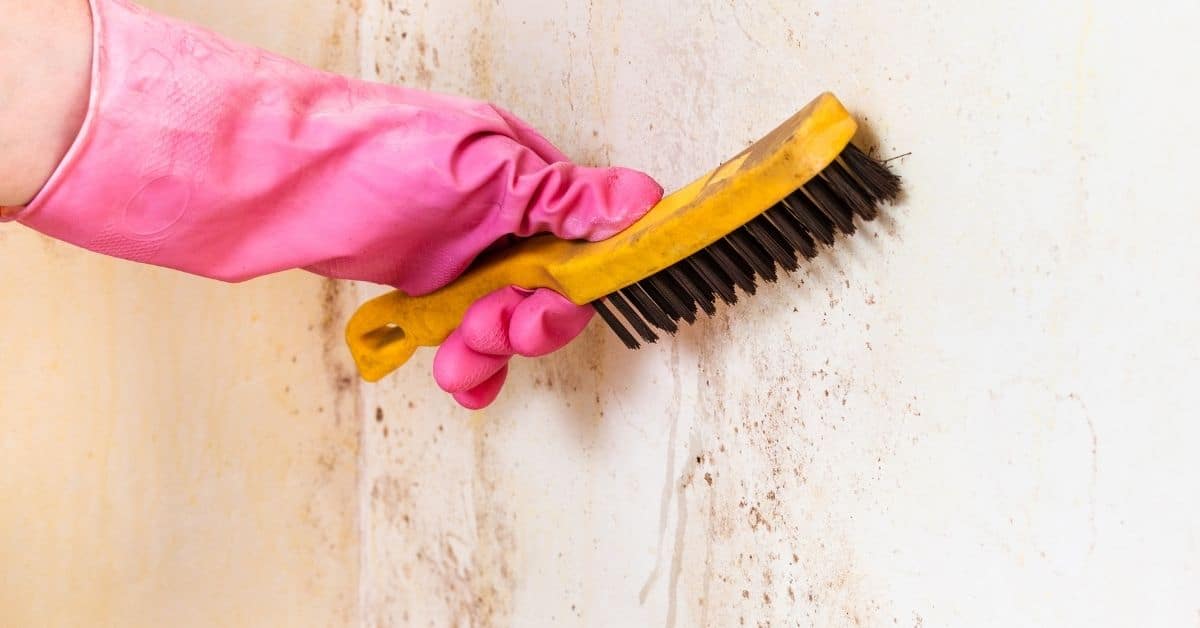
Manual brushing: Use a soft-bristled brush or broom to gently dislodge dirt. Work carefully, applying minimal pressure to avoid damaging the stucco.
Vacuuming with crevice attachment: Use a vacuum with a crevice tool to suck up debris. Be gentle and avoid pushing the nozzle too hard against the surface.
Low-pressure air: Use an air compressor with a nozzle designed for gentle cleaning. Hold it at least 6 inches away from the surface and use short bursts of air to dislodge dirt.
Rinsing, Drying, and Confirming Flow
After removing most of the debris, rinse and dry your weep paths to ensure they’re functioning properly.
Use a low-pressure water source or a damp cloth to gently rinse away any remaining residue. Be careful not to force water into the wall.
Allow the area to dry completely. This may take several hours or even overnight, depending on weather conditions.
Confirm flow: Once dry, pour water into the weep paths and terminations. Watch for any signs of backing up or slow drainage. If water flows freely, your cleaning job is complete. If not, you may need to repeat the process or consult a professional if the issue persists.
Repairing and Reinstalling Bottom Terminations
Assess whether the terminations are intact or damaged. If they are damaged or missing, plan to replace them and reseal with appropriate flashing and sealant per local guidance and product instructions.
Temporary fixes can address immediate drainage, but plan for a full replacement if the part shows excessive wear, cracking, or continuing blockage. Always verify compatibility with the existing siding system and follow the manufacturer or local code guidance for flashing details.
Assessing repair vs replacement
First, take a close look at your damaged bottom termination. The goal is to figure out if you can fix it or need to replace it.
Repair: If you see superficial cracks or loose trim, you might be able to get away with a repair. These are usually just cosmetic issues that won’t affect the drainage integrity.
Replace: On the other hand, if there’s corrosion on the metal, compromised flashing, or rotted substrates, it’s time for a replacement. These issues can lead to bigger problems down the line, like water damage and mold growth.
Best practices for flashing and sealing
Flashing and sealing are crucial steps in maintaining your weep path. Here’s how to do it right:
Start by placing the flashing underneath the stucco and behind the termination. This helps direct water out and away from your walls. Use a compatible sealant to ensure a good bond.
Remember, maintaining a continuous drainage path is key. Check manufacturer instructions or local codes for specific guidelines. A broken seal here can lead to clogging and moisture buildup.
Finishing and texture touch-up tips
Once you’ve fixed your bottom termination, it’s time to blend the patch with your existing stucco. Here are some simple methods:
For smooth finishes, use a trowel or putty knife to apply a thin layer of fresh stucco over the patched area. For textured finishes, use a hawk and trowel to apply the stucco in thin layers, matching the existing texture.
Pro tip: Be careful not to block the weep openings during repairs. These tiny holes are essential for drainage. Use masking tape or plastic sheeting to protect them while you work.
Preventive Maintenance and Long-Term Care
Establish simple, repeatable habits that keep weep paths open without heavy effort. Remove surface debris before it can migrate into the wall assembly and gently rinse areas to prevent buildup behind terminations.
Coordinate with landscape upkeep and exterior cleaning so soil and plant material don’t accumulate at the base. Use timing cues from your environment rather than fixed schedules to guide maintenance, and adjust as needed after rain events or heavy winds.
Trigger-based inspection schedule
Inspect your weep paths and terminations after specific events to keep them clear.
- Heavy storms: Check for debris buildup after heavy rain or wind. Clogged terminations can lead to water damage.
- Landscaping work: Inspect after tree trimming, planting, or soil grading. Dirt and debris can accumulate during these activities.
- Seasonal transitions: Spring and fall are good times to check. Melting snow or falling leaves can clog terminations.
- Debris accumulation: If you spot dirt, leaves, or other debris around the terminations, clean it up promptly. It could already be causing issues.
Quick rule: A little time spent inspecting and cleaning after these events can save you big repairs down the road.
Landscaping, grading, and debris control
Controlling dirt movement around your stucco starts with smart landscaping. Here’s how:
Grading: Ensure the soil around your home slopes away from the foundation. This prevents water (and dirt) from pooling and seeping into your weep paths.
Keep mulch and plantings at least 12 inches away from the stucco base. This reduces the amount of dirt and debris that can accumulate near the terminations.
Install a gravel border or drip edge around your home’s foundation. This helps to catch and redirect dirt, preventing it from entering the weep paths.
Upgrades to reduce clogging risk
Retrofitting your existing setup can minimize future clogging. Consider these options:
Improved trim profiles: Upgrade to trim profiles that better protect the terminations from dirt and debris. This could mean wider or more angled trims.
Insect screens: Install compatible insect screens over your weep paths. These allow water to drain while keeping out insects, dirt, and other debris.
Repositioned landscaping: If possible, move plantings or hardscaping features away from the terminations. This reduces the amount of dirt that can accumulate near them.
Troubleshooting and When to Call a Professional
Differentiate routine dirt buildup from deeper drainage failures or structural concerns. Persistent staining, crumbly edges, or recurring moisture in the wall after cleaning may indicate a bigger issue.
Document the problem with notes and photos before calling a contractor or building envelope specialist. Share observations, what you have tried, and any relevant product or flashing details so the pro can assess quickly.
Diagnosing persistent moisture, rot, or mold
If your weep path cleaning efforts don’t resolve recurring issues, it’s time to dig deeper. Inspect for:
Staining on interior walls or ceilings that keeps coming back. This could indicate a leak behind the stucco.
Soft or crumbling sheathing when you probe with a screwdriver. This suggests rot due to prolonged moisture exposure.
Persistent musty odors, even after cleaning and drying. Mold could be growing behind the stucco.
Signs of structural concerns or warranty-impacting damage
Some issues may affect your home’s structure or void warranties. Look for:
Widespread stucco delamination, where chunks are falling off or peeling away from the wall.
Extensive sheathing deterioration, with large areas of rot or soft spots.
Compromised flashing around windows, doors, and roof intersections. This can lead to water intrusion and structural damage.
Preparing to hire a pro: what to document and ask
Before calling in a professional, gather evidence and information:
Photograph problem areas from various angles. Include close-ups of any damage or defects.
Note DIY steps taken, so the pro knows what’s been tried already.
Ask contractors about their proposed scope, methods, and materials. Ensure they’re compatible with your existing systems.
Inquire about any warranty or insurance implications. Make sure you’re covered if further damage occurs during repairs.
Conclusion
Keeping the bottom terminations clear isn’t just about looks. It protects moisture management, preserves thickness and durability, and helps your stucco stay dry and long-lasting. Do the work right, and you reduce costly repairs down the line.
First, inspect each termination for dirt, debris, and signs of clogging. Test a small area with a calm, methodical clean, gather and check your tools, then rinse or wipe clear as needed. Recheck the flow after cleaning, reinstall any terminations properly, and finish with a simple preventive step to keep grime from coming back.
Common mistakes to avoid include using aggressive cleaners or tools that damage the finish, forcing debris through a clogged path, skipping a test patch, or rushing the reinstallation. Always wear eye protection and gloves, work from a stable ladder or platform, and keep the area dry when you test or reseal. Safety first means slow, deliberate work and never leaning on wet surfaces or loose stucco. Test a small area before wider use, and don’t rush the final reinstall.
If you discover hidden damage, suspect water intrusion behind the wall, or the terminations won’t align correctly after reinstallation, it’s time to call a professional. When in doubt, getting expert help now can prevent bigger problems later. Stay disciplined, stay safe, and you’ll keep the system working and the scope affordable.
FAQ
What should I check if I notice dirt buildup at the bottom of a stucco wall termination?
Look for packed dirt or debris in the weep path and around the bottom termination. If the path is blocked, clean it out gently and inspect for any material that could trap dirt. Keep the opening clear and free-flowing to allow moisture to escape.
How do I avoid damaging the weep path while cleaning?
Use a small brush or a plastic picker to remove debris without prying or chiseling. Do not dig hard into the stucco surface or the termination channels. If something seems stubborn, pause and check the manufacturer’s guidance for safe tools.
What regular checks should I add to my seasonal maintenance routine?
Inspect for dirt buildup, animal nesting, or vegetation around the bottom edge. Look for signs of water pooling or staining near the termination. Keep the area clean and unobstructed, and reseal only if you’re sure the original installation allows it.
When is it safer to call a professional rather than DIY cleaning or replacement?
If you see cracks, shifting, or damaged weep screens, or if blocks keep returning after cleaning, get a pro. For questions about product labels, installation specs, or local rules, confirm with the manufacturer or local building guidance before proceeding.