

Introduction
Proper backing is essential when repairing impact holes in stucco to restore strength and prevent cracking.
The guide walks you through selecting backing materials, preparing the hole, applying patch, and finishing to blend with the surrounding wall.
Key takeaways
- Inspect impact holes for stability before starting.
- Safety first: wear gloves, goggles, and a dust mask.
- Clean hole thoroughly to remove debris and improve adhesion.
- Use backing material that matches existing stucco texture.
- Apply backing in thin layers, allowing each to dry before next.
- Stagger repair layers for strength; tighten spacing as pours get taller.
- Inspect final repair visually and from a distance to ensure consistency.
Table of Contents
- Introduction
- Key takeaways
- Overview of stucco impact hole repairs
- Tools and materials checklist
- Safety and site preparation
- Preparing the impact hole for backing
- Installing the backing or filler base
- Applying stucco repair layers over backing
- Common mistakes and troubleshooting
- Costs, time estimates, and DIY vs. professional decisions
- Visual checkpoints and final inspection
- Conclusion
- FAQ
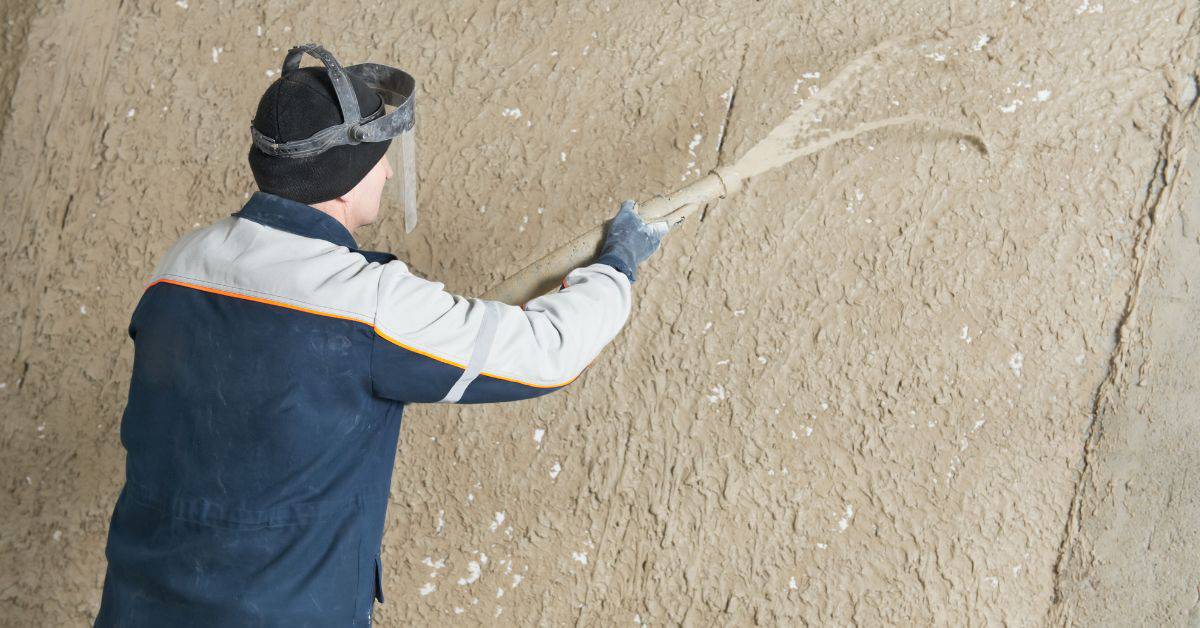
Overview of stucco impact hole repairs
An impact hole in stucco is a clearly damaged opening that is larger than a hairline crack and shows depth, loose material, embedded debris, and sometimes exposed lath or metal backing; it is not just weathering or shrinkage. Backing decisions hinge on depth, whether the hole reaches structural substrate, and whether hollow areas exist, so you’re not just filling a void but restoring rigidity and moisture resistance. The goal is a durable, weather-tight, load-bearing repair rather than a cosmetic patch, and the chosen backing method will directly affect finish quality, paint adhesion, and long-term performance, so plan accordingly and be honest about what your wall needs.
What matters on the job is recognizing when backing is required and picking a high-level option that suits the wall system, such as backer rod, expanding foam, cementitious backers, or mesh underlayment, each contributing to rigidity and continuity in the repair. This matters because a proper backing sets up for solid plaster or stucco overcoat, reduces future moisture intrusion, and helps the repair survive wind uplift and seasonal movement; skipping this step or choosing the wrong backing invites cracks and patch failure.
When to use backing versus surface patching
If the hole is larger than a quarter-inch wide and deep enough to expose lath or show hollow space behind it, you need backing. Loose substrate or exposed lath also calls for backing.
A shallow impact hole that’s less than an inch across and doesn’t go through to the lath can often be patched without backing. But if there’s any doubt about moisture intrusion or structural integrity, err on the side of using backing.
Concrete decision criteria for backing choices at a glance: use the following as a quick reference on site to decide which backing method to employ. These criteria help you pick between backer rod, expanding foam, cementitious backers, or mesh underlayment.
- Hole size: patching without backing is generally acceptable for holes < 1/4 inch in diameter that remain superficial; holes 1/4 inch to about 2 inches that reveal hollow behind the stucco should be backed; holes larger than 2 inches, or those that expose lath or substrate, require backing and often a reinforced approach.
- Depth and substrate: if the hole reaches the lath, hollow space, or structural substrate, backing is needed to restore rigidity; if the substrate feels sound and there’s no hollow behind the patch area, backing may not be required.
- Moisture history: signs of prior moisture (dark staining, efflorescence, musty odor) indicate you should back with a moisture-resistant system and sealants before patching.
- Movement and wind exposure: high-wind areas or walls with seasonal movement benefit from a reinforced backing system (mesh or cementitious backer) to resist cracking over time.
- Accessibility and repair height: for tight or overhead locations, consider simpler backer options first (foam with backer rod) to manage expansion and adhesion; for large openings or irregular shapes, cementitious backers with mesh provide better long-term performance.
How backing affects long-term performance
Proper backing prevents sagging and cracking by providing a solid base for your patch. It ensures that moisture can’t seep through the hole, which would otherwise cause rot or further damage.
A well-installed backing also helps maintain structural integrity over time. Without it, even small holes can weaken the stucco layer and lead to bigger problems down the line.
Tools and materials checklist
This section gives a complete shopping list for stucco repairs, with emphasis on backing materials, patch compounds, and the specialty tools you will need. Choose backing such as expanded metal lath, fiberglass mesh, or foam backer rod where appropriate, plus a compatible moisture barrier or primer to stabilize the repair cavity and keep moisture from wicking behind the patch. Grab cementitious patch products designed for stucco, matching hardness, porosity, and drying times to blend with the surrounding material, and pick the hawk and trowel, margin t knives, a 4-6 in. putty knife, a mixing paddle and bucket, a grinder or oscillating tool for bevels, and texture tools like stipple brushes or sponges, plus a way to install backing rods or foam where needed.
Why it matters: backing and proper primers lock the repair in place and prevent future failures; skip them and you will chase cracks or pop outs. Clear installation steps and the right bonding agents save you time and money by avoiding rework and color mismatches. Finish products for texture and color should be chosen to match the existing surface, and you should test a small patch first to confirm look and adhesion. For best results, always follow the patch mortar manufacturer’s compatibility notes with your chosen backing (for example, polymer-modified cementitious mortars generally perform best over metal lath or fiberglass mesh; lightweight, non-sag mortars are preferred for foam backer rod). Allow adequate curing in dry, frost-free conditions and protect from rapid drying or freezing during the first 24–72 hours, depending on product guidelines.
Backing materials (wire mesh, metal lath, foam backer)
Select the right backing material based on hole size and location to ensure a strong repair. Wire mesh or expanded metal lath is ideal for larger holes, while foam backer rod can be used in smaller gaps.
- Expanded metal lath: Provides structural support and helps bond patch compound.
- Fiberglass mesh: Lightweight alternative for small repairs.
- Metal lath: Offers durability and flexibility for large areas.
- Foam backer rod: Fills gaps, prevents water intrusion, and provides a smooth surface for patching.
- Moisture barrier or primer: Prepares the substrate for better adhesion of backing materials.
- Check compatibility with existing stucco to avoid issues later on.
- Ensure proper overlap at edges for stability.
- Secure metal lath using screws or staples, spaced about 6 inches apart.
- Use foam backer rod in tight spots where wire mesh won’t fit.
- Apply a thin layer of patch compound over the backing to create an even surface.
Stop and address any movement before proceeding with patching. Movement can compromise your repair, so ensure everything is stable first.
Patch compounds, bonding agents, and finishes
Select the right materials to match existing stucco texture and color for a seamless finish. Use cement-based patch mortars or pre-mixed stucco patches.
- Cement-based patch mortar: Provides strength and durability similar to original stucco.
- Pre-mixed stucco patch: Easy to apply, matches existing stucco texture well.
- Bonding agent: Enhances adhesion between new and old stucco for a long-lasting repair.
- Mortar mix: Suitable for larger repairs where pre-mixed patches may not suffice.
- Texture skim coat: Helps match the existing surface finish after patching.
- Color matching compound: Ensures the repaired area blends in with surrounding stucco.
- Texturing tools: Use stipple brushes or sponges to replicate original texture.
- Finish primer: Prepares the patched area for painting if needed.
Stop and address any movement before applying finishes. Movement can cause cracks, so ensure everything is stable first. Safety note: work in a well-ventilated area and wear eye protection, gloves, and a mask when mixing powders or grinding edges. Consider cost-impact: higher-quality polymer-modified mortars over metal lath tend to reduce rework, but budget accordingly and plan for curing time.
Tools: trowels, hawk, drill, screws, safety gear
Having the right tools ensures a smooth and efficient repair process. Use hand tools for applying backing and patch compounds.
- Trowel: For spreading patch compound evenly over backing materials.
- Hawk: Holds material while troweling to keep hands free.
- Mixing paddle and bucket: To mix cement-based patches or mortars.
- Drill with screwdriver bit: For securing metal lath or mesh in place.
- Screws or staples: Secure backing materials firmly to the substrate.
- Grinder or oscillating tool: For shaping edges and creating bevels.
- Margins t-knives: Useful for cutting and trimming excess material.
- Safety glasses and gloves: Protect eyes and hands during repair work.
Stop and address any movement before applying finishes. Movement can cause cracks, so ensure everything is stable first. When working at height, set up a sturdy ladder or scaffold and maintain three points of contact. Store materials off the ground and follow local code for disposal of excess mixed concrete and dust.
Safety and site preparation
Safety basics come first when working on exterior walls or at height. Wear proper PPE, set ladders and scaffolds correctly, and keep materials and tools under control. Cover surrounding surfaces and keep bystanders away to prevent damage and injuries.
This matters because it reduces accidents, keeps the job moving, and protects neighbors. Good site organization, weather checks, and hazard planning save time and prevent costly rework.
Personal protective equipment and ventilation
Before you start, make sure you have the right gear to stay safe on the job. Gloves protect your hands from rough edges and stucco dust, while eye protection shields your eyes from debris.
- Gloves: Use heavy-duty gloves for handling materials and tools. They’ll keep your hands clean and protected from sharp objects.
- Eye Protection: Wear safety glasses or a face shield to prevent dust and small particles from getting in your eyes.
- Dust Mask/Respirator: A respirator is essential when working with stucco dust. It keeps you breathing easy and prevents irritation.
- Hearing Protection: Earplugs or earmuffs can help if you’re using noisy tools like drills or grinders.
- Safety Footwear: Steel-toed boots provide protection from falling objects and sharp edges on the ground.
Rent safety gear if you don’t already own it, especially respirators for dust control. It’s worth the investment in your health.
Protecting landscaping, windows, and trim
Cover any plants or shrubs near the repair area with plastic sheeting to prevent stucco dust from settling on them. Use painter’s tape around window frames and door trims to keep paint and debris off.
For larger areas like patios or walkways, lay down drop cloths or tarps to catch falling materials. This prevents damage and makes cleanup easier when you’re done.
Take extra care with delicate surfaces like glass windows. Use a soft cloth to wipe away any dust that gets through the tape after work is complete.
Inspecting the hole and surrounding stucco
Before you start repairs, check the condition of the existing stucco around the impact hole. Look for any signs of moisture or structural damage that could affect your repair.
Use a screwdriver to gently probe the area around the hole. If it feels loose or hollow, there may be issues with the backing material behind the stucco. This needs addressing before you proceed with repairs.
Ensure that the existing stucco is securely attached to the lath or sheathing underneath. Loose connections can cause future problems and weaken your repair’s durability.
Preparing the impact hole for backing
The goal is a clean, stable, properly sized hole that accepts backing without looseness or edge crumbling, so plan the opening as a solid anchor point for the repair work at hand. Start by removing all loose or friable stucco around the opening, not just flaking bits, and cut a gentle step-down bevel to promote adhesion and reduce future cracking. Then assess the edge condition and shape, making edges straight and even, square or beveled as needed so the backing and patch material seat firmly.
To create a reliable foundation, follow a clear sequence and allow appropriate time for preparation tasks as needed by the patch system you’ll use:
- Assess and map the opening: Measure the hole’s width, height, and depth. Note any irregularities or moisture issues that could affect adhesion.
- Remove loose material: Scrape away all loose stucco and friable edges around the opening so the backing can seat flush.
- Shape the edge: Cut straight edges or bevels as required to ensure the backing sits evenly and the patch material can bridge the edge cleanly.
- Bevel and step-down edges: Create a light bevel along the inner edge to promote better bonding and reduce edge-cracking risk at the transition to the patch.
- Clean the cavity: Thoroughly remove dust, debris, and contaminants. A clean surface is essential for strong bonding with backing and subsequent patch material.
- Assess moisture and dry-time: Check for dampness. If damp, allow drying or use dehumidification as needed. If the patch system specifies surface dampening, lightly mist edges as directed to improve adhesive grip.
- Pre-fit and plan fasteners: Dry-fit the backing material to confirm fit. Plan where fasteners will penetrate into solid substrate around the perimeter, ensuring anchors have solid bite.
- Document tools and safety plan: Gather a scraper, stiff-bristled brush, vacuum, paint/patching knife, and appropriate PPE (gloves, eye protection, mask). Establish a clean, repeatable workflow to minimize rework.
Next, clean the cavity thoroughly: sweep, brush, vacuum, and wipe until all dust, debris, and contaminants are gone, because a dirty surface invites bond failure and patch premature failure. Moisture matters too—check for dampness, let it dry or dry-out as required, and lightly dampen edges if the adhesive or patch calls for it to improve grip. Finally, note tools, safety, and sequence: scraper, stiff-bristled brush, vacuum, paint or patching knife, and appropriate PPE, then follow a disciplined order to maintain a clean, efficient workflow.
Removing loose material and cutting a neat opening
Start by scraping away any loose stucco around the hole to create a stable base for your repair work.
- Material: Use a scraper or putty knife to remove debris from the damaged area, ensuring no loose pieces remain.
- Material: A stiff-bristled brush can help clean out small cracks and crevices that may have been missed with the scraper.
- Material: Vacuum up any remaining dust or particles to ensure a clean surface before proceeding.
- Material: Use a paint/patching knife to cut straight edges around the hole, creating a neat and even opening for your backing material.
- Material: A step-down bevel can be created with a scraper or putty knife to promote better adhesion of the patch compound.
Avoid using wet or damaged materials that could compromise the integrity of your repair.
Cleaning and treating the substrate
Thoroughly clean the area around the hole to remove any dust, debris, or contaminants. This ensures a strong bond between the backing material and the stucco.
If you notice rust on metal lath or signs of rot, treat these areas before proceeding with your repair work. Rust can weaken the structure, while rot needs to be addressed to prevent further damage.
Depending on the type of patch compound you’re using, a bonding agent may be necessary for optimal adhesion. Follow the manufacturer’s instructions carefully when applying this primer or adhesive.
Measuring and planning the backing installation
Measure the cavity to determine the size of your backing material, ensuring it fits snugly within the hole without any gaps. This helps prevent future cracks or leaks.
Choose a backing material that is appropriate for the size and depth of the hole. Wire mesh or metal lath are common choices, but ensure they fit well with the existing stucco surface.
Plan where to place fasteners securely into solid substrate around the perimeter of your repair area. This helps anchor the backing in place and ensures a strong bond between layers.
Installing the backing or filler base
Start by sizing the hole and choosing a backing material that fits the void and substrate: wire mesh or metal lath for strength, or foam for large or soak-prone gaps. Prep the site: remove loose stucco, clean dust, water-saturate if needed, and bevel the rim so the backing seats solidly. Fasten the backing to solid edges, keeping it flush behind the surface plane so the scratch coat bonds cleanly.
Install with attention to edge overlap and compatibility with your stucco mix and thickness. The right backing makes the repair hold up over time, resists movement, and eases subsequent coats and curing. Skipping solid backing invites sagging, cracks, and a weak bond, which wastes time and money.
Attaching wire or metal lath to the substrate
Cut and shape your metal lath to fit snugly around the hole, ensuring it overlaps with existing stucco for a strong bond. Use corrosion-resistant screws or staples to secure the lath firmly to wood framing or masonry backing.
Make sure the lath is evenly spaced and laid out in a crisscross pattern to provide maximum support. This helps prevent cracks and ensures that your patch will hold up over time.
Check for any gaps or loose spots, and reinforce them with additional fasteners if necessary. A well-secured base is key to a successful repair.
Using foam backer or expanding fillers for deep voids
Select the right type of foam filler based on the depth and width of your hole. Closed-cell foam is ideal for smaller gaps, while spray foam can handle larger areas.
Apply the foam carefully to avoid over-expansion that could cause bulging or uneven surfaces. Allow it to cure fully before proceeding with stucco application.
Ensure the foam is flush and level with surrounding stucco by trimming excess material after curing. This will give you a smooth surface for your patch layers.
Creating a flush, secure base for stucco layers
The backing should be recessed slightly below the existing stucco level to allow for proper layering of patch materials. This ensures that your repair will blend seamlessly with the rest of the wall.
Use a trowel or similar tool to smooth out any rough edges on the backing material, creating an even surface for bonding. A clean, flat base is crucial for achieving a professional-looking finish.
Check that all fasteners are securely in place and that there are no gaps between your patch area and existing stucco. This will prevent water intrusion and ensure long-lasting durability.

Applying stucco repair layers over backing
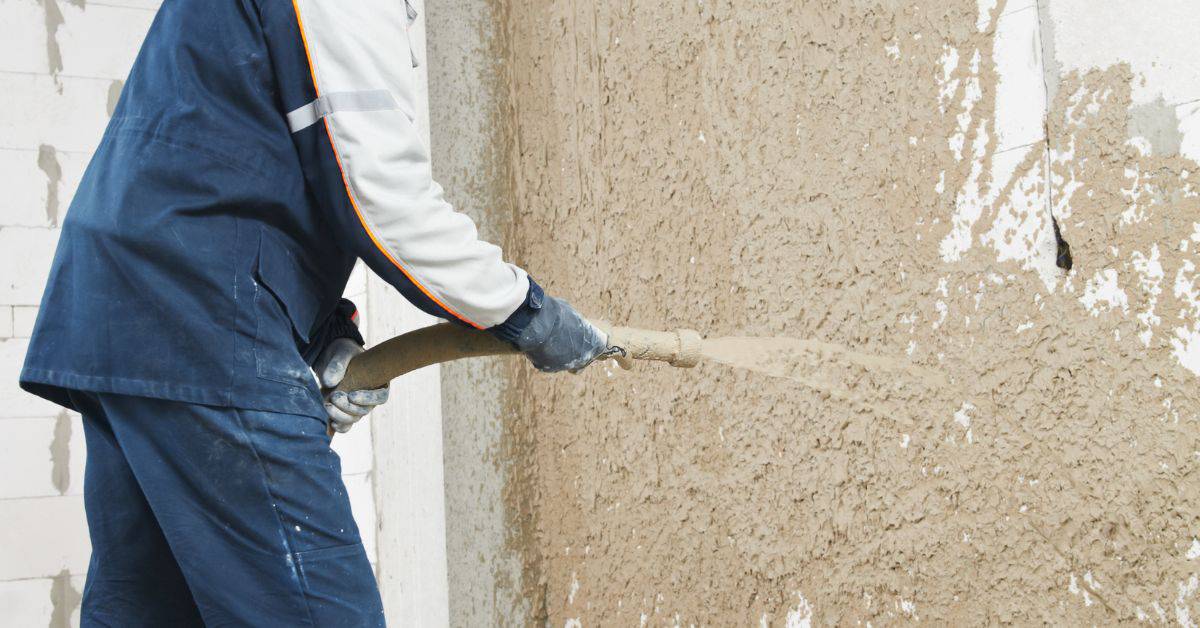
When applying stucco repair layers over backing, the key is to verify the backing is sound, clean, and dry, and to plan the exact bonding system for the substrate, so you can lay a reliable base coat without chasing failures later. Apply the base coat over the backing, using the proper mix and trowel technique, then allow it to set until tacky but not fully hardened before scratching, so you can embed the scratch coat evenly and prevent pinholes. Next, spread the scratch coat after the base has begun to set, comb it to texture for keying, and monitor thickness with the product guidelines, then proceed to the finish coat once the scratch layer has gained sufficient strength.
Keep moisture under control with damp-curing methods, avoid rapid drying, and protect from rain and freezing cycles between coats, because improper curing is the fastest way to crack, curl, or debond the repair. Understanding layering, timing, and texture match helps you achieve a durable, uniform surface that blends with the existing work, reduces callbacks, and makes the project look professional, so measure, follow product instructions, and stay disciplined from base to finish.
Mixing and applying the base/scratch coat
Start by mixing your stucco according to the bag instructions, but remember to keep it on the wet side for easier application. Use a trowel to spread the mix evenly over the backing material.
Scoot the trowel across the wall in smooth strokes, feathering out any ridges or bumps as you go. Aim for a thickness of about an inch and let it set up just enough that you can scratch it without tearing through.
Once the base coat is set but still workable, use a notched trowel to create grooves in the surface. This scratching or keying helps the next layer stick better. Make sure these scratches are deep enough and cover the entire area evenly.
Building up brown coat and finish coat
After the base/scratch coat sets, it’s time to build up the brown coat. This layer should be applied when the scratch coat is firm but still damp enough for good adhesion.
To level out the brown coat, use a straight edge or screed board to smooth it out and ensure even coverage. Feather the edges of this coat into the existing stucco for a seamless look.
Once the brown coat sets up, you can move on to applying the finish coat. This is where your creativity comes in with textures and finishes. Make sure to feather the edges again so there are no visible lines between coats.
Color matching and texture replication
Matching the color of your stucco repair to the existing wall is crucial for a seamless look. Start by mixing small batches of your base coat, adding pigment until it closely matches the original shade.
Once you have the right color, focus on replicating the texture. Use the same tools and techniques as the initial application. If the original stucco has a rough finish, mimic that with your repair work to keep everything consistent.
Blend new patches into existing areas carefully. Work in small sections, feathering edges so the transition is smooth and unnoticeable. This blending takes time but ensures your repairs look natural over time.
Common mistakes and troubleshooting
Backing choice matters for durable stucco repairs; the wrong backing can crack or delaminate. Choose from foam backer, backer rod, mesh, or lightweight concrete and match to hole size and substrate. Avoid common DIY mistakes like undersized backer, skipping moisture barriers, and rushing cure; test edges and firmness and re-back if needed.
Doing it right means testing adhesion, checking for hollow spots, and using the right barrier so moisture doesn’t ruin the repair. That setup saves time and future repairs, gives you a solid edge, and keeps texture and color consistent.
Problems from inadequate backing or fasteners
Sagging and cracking are common signs that your concrete isn’t properly supported. This can happen if you skimp on the right amount of rebar or mesh, or if your forms aren’t securely anchored.
If you notice these issues early, it’s often possible to fix them by adding more backing material like rebar or wire mesh under the slab. Reinforcing with additional fasteners and ensuring everything is tightly secured can also help stabilize the structure.
Remember, prevention is key—make sure your forms are solid before pouring concrete. If you catch problems early, you can avoid costly repairs later on.
Dealing with moisture, rust, and rot discovered later
If you find signs of moisture damage or rusted lath during repairs, it’s crucial to address these issues right away. Moisture can weaken concrete and lead to further problems down the line.
Start by removing any affected materials and ensuring the area is dry before proceeding with repairs. Rust on metal lath indicates corrosion, which compromises its strength. Replace corroded lath with new material to ensure a solid base for your repair work.
Rot in wood backing can be tricky since it affects both structural integrity and moisture resistance. Cut out damaged sections thoroughly and replace them with treated lumber or another suitable material that won’t rot easily. This step is vital to prevent future issues.
When the Repair Should Become a Professional Job
If you’re dealing with large areas of damage—like more than a few square feet—or if there’s any sign of structural issues, it’s time to call in the pros. Structural damage can be tricky and needs an expert eye.
Stucco repairs over problematic sheathing are another red flag. If your home has stucco on plywood or other substrates that aren’t holding up well, you might need professional help to ensure the repair is done right and lasts long-term.
Remember, DIY fixes can save money but only if they’re within your skill level. Don’t risk bigger problems by trying to handle repairs beyond what you’re comfortable with or trained for.
Costs, time estimates, and DIY vs. professional decisions
This section boils down to real costs, realistic time, and a clear line between doing it yourself and calling in a pro. You’ll see typical material ranges for patch kits, stucco mix, bonding agents, and mesh or lath, plus ballpark tool costs or rental versus purchase, and a step‑by‑step sense of prep, mixing, application, and curing time that helps you budget from start to finish.
Knowing when to hire matters: big holes, uncertain backing, moisture or structural concerns, or tricky finishes can swing the project into professional territory and avoid costly rework. The takeaway is practical: confirm hole size and backing, estimate quantities, map a dry‑fit and protection plan, and weigh the DIY ROI against pro costs, including potential warranty implications and color matching challenges that can affect long‑term results.
Budget breakdown for small, medium, and large holes
For a small hole under 4 inches across, you’ll likely spend around $20 to $50 on materials like patch compound and wire lath. Medium-sized repairs between 4 and 12 inches might cost $50 to $150, including more stucco mix and possibly some mesh backing.
Large holes over a foot wide could run from $150 to $300 or more, depending on the depth of the hole and whether you need additional support like foam backer. Factor in time for shopping and preparation as well.
Remember, these figures are rough estimates and can vary based on local prices and specific needs of your repair job.
Labor time and cure time expectations
A small hole might take about an hour to prep and patch, with a full day for the stucco layers to set. Medium repairs could require 2-4 hours of work plus overnight curing before moving on.
Large holes may need several days of work spread out over weeks due to multiple layer applications and longer drying times between coats. Plan your schedule around these timelines to avoid rushing and ensure a strong, long-lasting repair.
Cure time is critical; don’t rush the process or you risk cracking and weakening the patch. Follow manufacturer instructions for specific products used in your repair.
When to call a pro: cost vs. risk analysis
If the hole is deep or structurally significant, it’s wise to consult a professional who can assess hidden damage and ensure proper repair techniques are used.
Consider hiring if you’re unsure about your skills or lack the right tools for the job. Professionals also have experience matching finishes and dealing with tricky areas like corners or edges.
Factor in warranty implications too—DIY repairs might void manufacturer warranties, while professional work often comes with guarantees that can save headaches down the road.
Visual checkpoints and final inspection
Before you call it done, do a thorough visual and tactile inspection of the repair to confirm solid adhesion, proper texture alignment with the surrounding stucco, and readiness for paint. Run your finger along the edges and press gently to model a seamless transition, checking for any delamination, loose material, or gaps that could telegraph through to the finish. Evaluate the texture match for broomed, troweled, or sanded surfaces, plan feathering and edge taper so there is no sudden ridge once the paint goes on, and adjust with a light touch until the surface blends.
Verify the patch has cured per product instructions and that the adjacent stucco is dry enough, then perform a gentle moisture check around the repair to prevent trapped humidity behind it. Make the surface clean and dust free, remove oils and efflorescence, confirm primer compatibility, and verify that the color will dry true with any recommended color-matching and flash-dry times. Finish with a final tactile pass and raking-light inspection from multiple angles to detect soft spots, hollows, or texture discrepancies that would show up once the paint is applied.
Signs of a Good Bond and Proper Curing
To ensure your stucco repair is solid, check for these signs:
- Press the edges to see if they hold firm without lifting.
- Look for any gaps or cracks that might telegraph through paint.
- Inspect for delamination or loose material around the patch edge.
- Ensure there are no visible hairline cracks in the repair area.
- Check the texture matches the surrounding stucco without a ridge.
- Confirm feathering is gradual and blends seamlessly with existing surface.
- Test for moisture by gently pressing a damp cloth on adjacent areas.
- Avoid painting if excess moisture is detected to prevent future issues.
- Verify that the repair has cured according to product instructions.
If you notice any movement or soft spots, address them before proceeding with paint.
Preparing and Painting the Repaired Area
To ensure your stucco repair looks seamless after painting:
- Clean the surface thoroughly to remove dust, oils, or loose particles.
- Prime the patch if necessary for better adhesion and color consistency.
- Select a paint that matches the existing stucco in both shade and sheen.
- Use a light touch when applying primer and paint to avoid overworking texture.
- Blend edges carefully with feathering techniques for an invisible repair line.
- Allow sufficient drying time between coats as per product instructions.
- Inspect under raking light from multiple angles for uniform sheen and color.
- Ensure the surface is free of any visible texture discrepancies or ridges.
If you notice unevenness or discoloration, address it before applying final coat.
Conclusion
Backing a stucco repair isn’t optional work. Do it right and you lock in durability, look, and long-term safety. If you control the process, you reduce leaks, save money, and keep the project moving without surprises.
Now move in this order: clear and dry the hole, verify there’s no loose material, choose and install the backing or filler base, apply the repair layers to match the surrounding surface, and then cure and test a small area before final texture and paint. Do the work with steady hands, keep tools clean, and verify each step against a visual checkpoint before you proceed, so you don’t blindside a hidden issue.
Common mistakes to avoid are skipping proper cleaning and drying, using the wrong backing material, or packing too aggressively and cracking the new layer. Wear eye protection and a dust mask, keep your ladder stable, and never work on wet surfaces or during adverse weather. Always test a small area first and respect moisture barriers to prevent future damage.
If you uncover broad cracks, active leaks, or structural concerns, or if the hole is large or variable in shape, it makes sense to call a professional instead of forcing a fix. Stay patient, follow the steps, and you’ll finish with a solid, seamless repair and the confidence to tackle the next project head-on.
FAQ
What kind of backing should I use for an impact hole in stucco?
Use solid, non-flexing backing behind the patch. A strip of metal lath or a piece of plywood backing works well. Don’t just fill the hole with patch material and hope for the best.
How do I prepare the hole before backing it?
Clean out all loose material. Remove cracked edges and rough them up so the patch grips. Dampen the area so the new stucco bonds properly.
How thick should the patch be?
Build up the patch to roughly the same thickness as the surrounding stucco. Do it in thin coats, letting each coat set. A proper scratch coat helps the new mix grab onto the backing.
Can I DIY or should I call a pro for backing and patch?
You can do it if you keep it simple and the hole isn’t big. If backing isn’t stable or the hole is large, hire a pro. Poor backing means cracks and patch failure.