
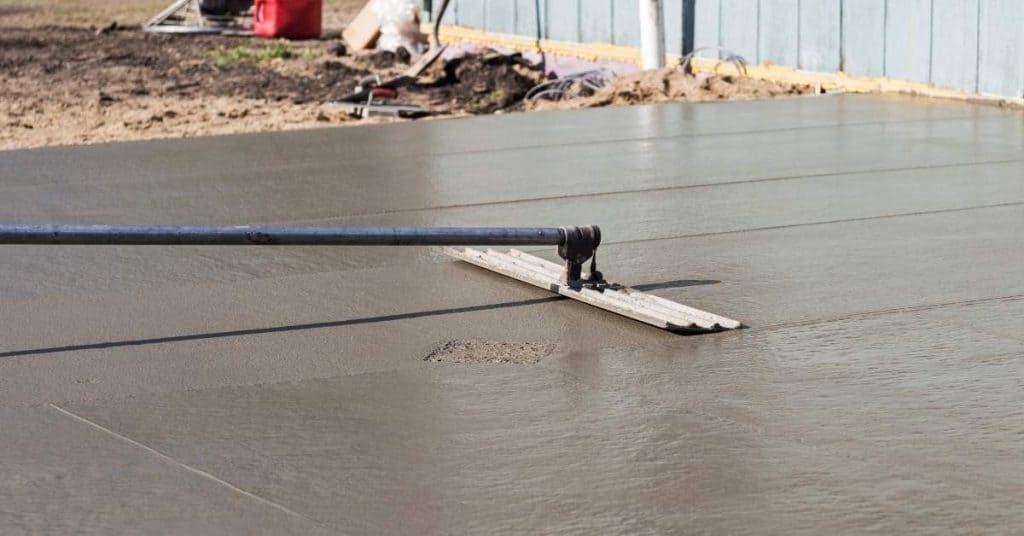
Introduction
Underlayment for tile on a concrete slab is essential to prevent cracks and moisture issues and to ensure a durable, long-lasting tiled floor.
You’ll learn how to choose the right underlayment, prepare the concrete surface, and install it correctly, with practical steps and real-world tips.
The guide also highlights common mistakes to avoid and simple checks that help you verify a solid foundation before laying tile.
Key takeaways
- Verify slab is dry, level, and free of excessive moisture before underlayment.
- Use a bonded or unbonded vinyl or polymer-modified cement board per spec.
- Trowel thinset according to manufacturer guidelines to avoid bond failures.
- Allow proper curing time and maintain temperature to prevent cracks.
- Plan expansion gaps and movement joints around edges and openings.
- Follow safety, dust control, and disposal guidelines to minimize environmental impact.
Table of Contents
- Introduction
- Key takeaways
- Quick Overview and When You Need Underlayment
- Preparing the Concrete Slab
- Tools and Materials Checklist
- Step-by-Step Underlayment Installation
- Tile Layout, Setting, and Grouting over Underlayment
- Cutting, Fitting, and Finishing Details
- Safety, Dust Control, and Environmental Considerations
- Costs, Common DIY Mistakes, and Troubleshooting
- Conclusion
- FAQ
Quick Overview and When You Need Underlayment
Underlayment in a tile-on-concrete setup serves several core jobs: it helps control moisture, provides crack isolation, fills and levels irregularities, and improves sound and thermal performance, all while playing nicely with the thinset that bonds tile to the slab. It’s about choosing the right barrier or layer based on what the concrete can or cannot do on its own. You’ll decide between direct tile on a dry, flat slab and adding a moisture-control or leveling layer when the slab shows flaws or carries moisture concerns.
This matters because the wrong choice shows up as cracked grout, loose tiles, or slow drying in high-traffic areas, and it’s something you can avoid with a simple plan. Focus on the slab’s condition, your tile type, and how you’ll heat the floor or use large formats, then pick from cement backer boards, uncoupling membranes, moisture barriers, or thin leveling underlayments. Prep smart: clean and dry the surface, use compatible primers, and double-check how the system will interact with any radiant heat or other installation details before you commit.
Types of Underlayment for Concrete Slabs
Cement backer board is a go-to option, providing a solid base that’s easy to cut and install. It’s great for flat surfaces but can add thickness, which might be an issue in tight spaces.
Uncoupling membranes like Schluter Ditra are designed to isolate the tile from concrete cracks and movements. They’re ideal if your slab is prone to shifting or has existing cracks that could cause issues down the line.
Thin-set mortar beds offer a flexible solution for leveling out rough spots on the slab. This method works well when you need to fill in dips but can be time-consuming due to drying times.
Self-leveling underlayments are perfect for smoothing out uneven surfaces quickly and efficiently. They’re great for DIYers who want a fast, clean finish without the hassle of traditional mortar beds.
Benefits and Limitations
The biggest benefit of underlayment is moisture control. It acts as a barrier to prevent water from seeping into your concrete slab, protecting your tiles from damage over time.Crack isolation is another key advantage, especially if you’re dealing with an existing crack or suspect future movement in the slab.
However, underlayment can add significant thickness to your floor. This extra height might be a problem if you have tight clearances or need to maintain original floor heights for doors and cabinets.Cost is also a factor; quality materials like uncoupling membranes are pricey but worth it in the long run.
DIYers should weigh these trade-offs carefully. While underlayment offers peace of mind, it’s important to assess your specific needs before deciding whether the added expense and labor are justified.

Preparing the Concrete Slab
Preparing the concrete slab means getting the surface clean, dry, and ready for bonding by removing oil, dust, sealers, curing compounds, and debris, then addressing any cracks, chips, or delaminations and correcting high spots or uneven areas so the underlayment can lay flat and stick well. You’ll want to plan moisture tests and address any high readings before you install the underlayment, and you should consider surface profiling or etching as needed so the primer and bond coats have something solid to grab. Make sure the surface is ready for bonding by choosing compatible patching compounds and noting any structural concerns that might require professional attention before moving on.
This matters because a sloppy prep will sabotage bond and cause problems down the line, wasting time and money on a flaked or delaminated floor. A careful sequence—drying, repair, moisture assessment, surface profiling, and primer or sealer selection—helps you avoid moisture traps and dust, keeps the work area moving, and gives the underlayment a solid, consistent footing. In practice, you’ll set a drying/curing window, control humidity and temperature as best you can, and plan the steps so prep isn’t compromised by moisture or dust, with a clear idea of how every task feeds the next for a durable, reliable tile install.
Moisture Testing and What Results Mean
Before laying down your underlayment, it’s crucial to test the concrete slab for moisture. Two common methods are the calcium chloride test and relative humidity (RH) probes.
The calcium chloride test measures how much water vapor moves through the concrete over a set period. Place a small container of salt on the floor, cover it with plastic, and wait 24 hours to see if moisture accumulates inside. This gives you an idea of the slab’s drying rate.
RH probes measure the internal humidity levels within the concrete itself. They’re more accurate but require drilling holes into the slab. Both tests help determine if your slab is ready for underlayment installation. If readings are too high, wait or use a vapor barrier to mitigate excessive moisture.
Repairing Cracks, Spalls, and Uneven Areas
Inspect your slab for cracks, spalls (chips), or uneven surfaces. These issues need fixing before laying underlayment to ensure a smooth, level surface.
For small cracks, use a concrete patch compound that matches the existing material. For larger gaps or delaminations, consider an epoxy-based repair product which provides better bonding and durability. Follow manufacturer instructions for mixing and application.
If you have high spots on your slab, decide whether to grind them down or apply a skim coat of self-leveling compound over the area. Grinding is quicker but can be dusty; self-leveling compounds are cleaner but take longer to set up properly.
Tools and Materials Checklist
This section lays out a practical, DIY‑ready toolkit for underlayment on concrete, showing which systems fit concrete slabs—from cement board to crack‑isolation membranes, moisture barriers, and sound mats—and when to pick each based on tile type, moisture risk, and room use. You’ll get a complete tools list, from measuring and marking to cutting, mixing, and installing, plus essential safety gear and some optional speed‑boosting gadgets. It also covers the materials and fasteners you’ll need—underlayment, thin‑set or adhesive, primer, crack‑isolation products, vapor barriers, spacers, and grout—plus a reminder to check compatibility with tile size and substrate.
Beyond listing everything, the guide walks you through installation sequencing and key checks so you don’t overlook moisture, subfloor prep, acclimation, seam work, bonding, spacing accuracy, cure timing, and surface flatness tolerances. It also highlights safety, prep, and waste considerations so you stay protected, ventilated, and organized while handling heavy materials. Knowing where to source items in bulk versus singles helps you budget without guessing, and understanding product compatibility keeps you from buying the wrong stuff for your project.
Tool Checklist by Task
This checklist helps you gather the right tools for each stage of your tile underlayment project.
- Measuring tape: Check concrete dimensions; ensure accurate cuts and placements. Missing this can lead to incorrect measurements, causing installation issues.
- Trowel set: Use notched trowels for thin-set application; confirm proper notch size for underlayment type. Skipping this may result in poor adhesion or uneven layers.
- Cutting tools: Tile nippers and wet saws for precise cuts; verify tool sharpness before use. Dull tools can cause inaccurate cuts, leading to wasted material.
- Mixing bucket: For mixing thin-set mortar; ensure clean and dry buckets. Contaminated buckets lead to poor quality mix.
- Paddle mixer: Mix large quantities of thin-set efficiently; confirm proper speed settings. Incorrect speed can result in uneven consistency.
- Utility knife: For cutting underlayment sheets; ensure sharp blades for clean cuts. Dull knives cause ragged edges, affecting installation quality.
- Roller: Apply primer and membranes evenly; check roller diameter compatibility with material thickness. Inappropriate rollers can lead to uneven application.
- Level: Ensure underlayment is flat; confirm bubble alignment regularly. Skipping this step results in an unlevel surface, impacting tile installation.
Quick rule: Always double-check tool readiness before starting each task to avoid delays and rework.
Material Specs and Purchase Tips
This section guides you through selecting the right materials for your underlayment project, ensuring quality and efficiency.
- Cement board: Check ANSI A118.4 standard; confirm thickness based on tile weight. Using substandard material can lead to structural issues.
- Mortar thin-set: Verify ASTM C274 grade; ensure proper water-to-powder ratio. Incorrect mixing ratios result in weak adhesion and poor performance.
- Crack-isolation membrane: Look for ANSI A118.10 certification; confirm compatibility with concrete substrate. Skipping this step can lead to cracks spreading through the underlayment.
- Moisture barrier: Check vapor transmission rates; ensure proper overlap and sealing at edges. Inadequate coverage allows moisture intrusion, damaging tiles over time.
- Sound mat: Confirm ANSI A133.2 compliance; check for adequate thickness based on noise reduction needs. Subpar materials fail to provide sufficient soundproofing.
- Primer: Ensure compatibility with underlayment and concrete; confirm proper drying time before application. Skipping this step can result in poor bonding between layers.
- Backer rod: Verify diameter for joint width; ensure correct material type (closed-cell foam). Incorrect sizing leads to improper sealant adhesion, causing leaks.
Quick rule: Always verify material standards and compatibility before purchase to avoid installation issues.
Step-by-Step Underlayment Installation
Step-by-step underlayment work starts with a solid plan: assess the slab for flatness, check for moisture, and pick a barrier or primer before any underlayment goes down. Then compare backer boards, uncoupling membranes, and self-leveling compounds to see what fits your tile, adhesive, and room conditions. Do a precise dry layout from the center or a reference line, mark cuts, and plan transitions to walls, thresholds, and fixtures so you’re not guessing in the mix.
The rest is a practical sequence you can follow: secure the chosen underlayment, apply the adhesive or leveling material, lay or embed tiles, and let it cure in stages before grouting and sealing. This matters because a small mistake here shows up later as lippage, hollow spots, or cracked grout, and it’s hard to fix without pulling tile. By sticking to a clear order and checking flatness and transitions as you go, you cut the risk of expensive call-backs and end up with a durable, even floor that performs under moisture and traffic.
Step-by-Step Installation Process
This sequence guides you through setting up and installing underlayment, ensuring a smooth process from start to finish.
- Conduct a final substrate assessment. Ensure the slab is flat and dry, apply moisture barrier if needed. Check for any remaining debris or uneven spots.
- Mark your layout lines on the concrete slab using chalk or tape. Identify cuts and transitions to walls or fixtures. Double-check measurements before cutting tiles.
- Install backer board or uncoupling membrane according to manufacturer instructions, securing it firmly with appropriate adhesives or fasteners. Ensure joints are properly treated for stability.
- Apply adhesive or self-leveling compound evenly across the underlayment surface using a notched trowel. Follow recommended coverage and thickness guidelines carefully. Mix small batches to avoid waste.
- Lay tiles in your planned pattern, pressing firmly into place with a rubber mallet if necessary. Allow sufficient time for curing before grouting or sealing. Check for levelness frequently during installation.
- Inspect the completed underlayment and tile work thoroughly for any imperfections or issues that need addressing. Clean up tools and materials, leaving the area neat and tidy. Maintain a clean workspace to prevent accidents.
Installing Cement Backer Board on Concrete
Start by preparing a setting bed with thinset mortar or a self-leveling compound. This provides a stable base for the backer board.
Apply adhesive to both the concrete slab and the backer board edges, ensuring full coverage without excess thickness that could cause lippage issues later on.
Treat all joints between boards with fiberglass mesh tape or similar products designed to prevent cracking. Use screws or mechanical fasteners as needed for added stability in high-moisture areas like bathrooms.
Installing Uncoupling Membranes and Self-Leveling Underlayments
Select the right trowel size based on manufacturer recommendations to ensure proper mortar coverage. Typically, a 1/4-inch or 1/2-inch notch is used depending on the product.
Mix self-leveling compound according to package directions, pouring in thin layers and using a straight edge to smooth out any lumps or air bubbles. Allow each layer to set before applying the next one.
Ensure membranes are aligned properly with no wrinkles or gaps that could compromise their effectiveness at preventing cracks from transferring through to your tiles.
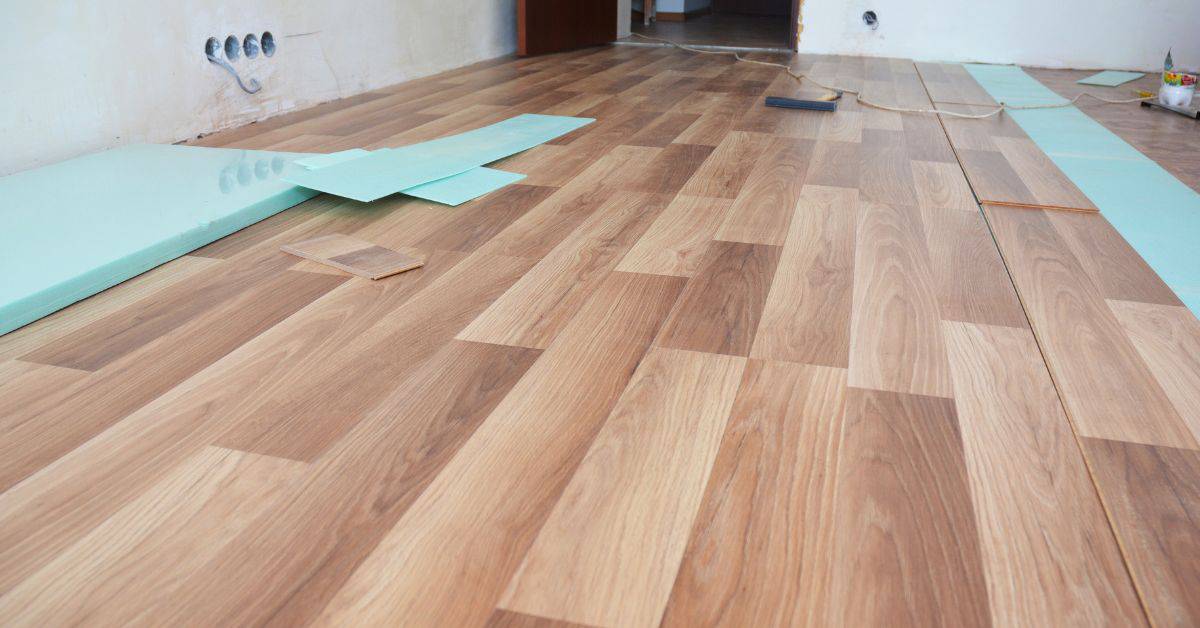
Tile Layout, Setting, and Grouting over Underlayment
Tile layout over underlayment starts with careful planning: establish centerlines, plan orientation, and aim for full tiles in the main area to minimize final edge slivers. Dry-fit the tiles on the underlayment, note cuts, and mark reference lines so grout joints stay aligned with walls and fixtures. Choose a suitable thinset and prep a clean, flat substrate, then set in small sections with a consistent bed and proper trowel size, using spacers to keep even joints and avoid lippage.
This approach matters because it helps you catch fit issues before setting, keeps grout lines straight, and reduces last-minute surprises at thresholds and edges. By combining good layout with solid set and grout planning, you’ll get a flatter, more durable surface with fewer call-backs for rework, plus a cleaner result that’s easier to clean and seal after cure. If in doubt on product specs or mixing, always check the label or datasheet and follow local rules and manufacturer guidance.
Finding Centerlines and Pattern Choices
Start by snapping layout lines to find the center of your room. Use a chalk line and level to mark vertical and horizontal centerlines, ensuring symmetry around these points.
Choose a pattern that minimizes thin cuts at edges or corners. Full tiles in prominent areas like near doorways or along walls can enhance visual appeal. Adjust layout lines if necessary to accommodate focal points or transitions between different tile types.
Consider the orientation of your tiles—running parallel to walls, perpendicular, or in a diagonal pattern. Each choice affects how cuts are made and where they fall. Opt for patterns that make sense with the room’s flow and aesthetics.
Mortar Mixing, Coverage, and Curing Times
Select a thinset mortar suitable for your underlayment material. Follow manufacturer instructions closely when mixing to achieve the right consistency.
Use the correct notch trowel size based on tile dimensions. Larger tiles often require back-buttering with a notched trowel, while smaller tiles may use a smooth edge or small notches.
Coverage rates vary by thinset type and tile size. Large-format tiles typically cover less area per bag than smaller ones due to their weight and the need for thicker beds. Check packaging for specific coverage percentages.
Allow adequate curing time before grouting, usually 24-72 hours depending on environmental conditions like temperature and humidity. This ensures a strong bond between tile and underlayment.
Cutting, Fitting, and Finishing Details
This section covers how to cut tiles, fit them around obstacles, finish edges, and handle joints so the job looks professional. You’ll learn when to use tools like wet saws, nippers, grinders, and scoring wheels, and how to match blades to porcelain or ceramic. We’ll also talk about planning cuts to minimize waste and ensure clean transitions.
Getting the fit right around doorways, pipes, and uneven walls matters because sloppy cuts show. The right workflow—dry lay, precise cuts, edge trims, and proper mortar near edges—keeps tiles true and joints solid. Do it right and the result looks like the pros did it, with smooth transitions and lasting stability.
Tile Cutting Techniques and Tool Recommendations
Choose the right tool for your tile type and job size. Wet saws are best for large cuts on porcelain, while nippers work well for small pieces.
- Ceramic tiles: Use a scoring wheel or wet saw; set blade to 1/8 inch depth for clean edges. Avoid overcutting corners.
- Porcelain tiles: Wet saw with diamond blade is essential; rent one if you don’t own it ($50/day). Keep water flow steady.
- Angle grinder: For thick or integrally formed edges, use a carbide wheel; wear safety glasses and respirator. Clean up dust immediately.
- Nippers: Ideal for small cuts and notches; cut slowly to avoid chipping. Use pliers to hold tile securely.
- Bullnose edge: Score with a scoring wheel, snap off excess, then file smooth edges. Wear gloves to prevent slivers.
Grout Sealing, Cleaning, and Final Inspection
Inspect your work after grouting but before sealing for any issues that need fixing. This is your last chance to catch mistakes.
- Sealant application: Wait 24 hours post-grouting; apply evenly with a foam roller or brush. Check for missed spots.
- Cleaning tools: Use a damp sponge and mild cleaner; avoid harsh chemicals that can damage the sealant. Rinse thoroughly.
- Joint uniformity: Ensure all joints are consistent in width and depth; use spacers during grouting to maintain consistency.
- Adhesion test: Press on tiles gently with your thumb; if they move, thinset may be too thin or not fully cured. Re-grout as needed.
- Dust management: Sweep up any loose dust before sealing; use a vacuum cleaner to ensure all debris is removed.
- Edge finishing: Check bullnose edges for smoothness and proper fit against walls or other surfaces. Any rough spots should be sanded down.
Quick rule: Always seal after cleaning, not before; this ensures a clean surface for the best adhesion of the sealer.
Safety, Dust Control, and Environmental Considerations
Safety, dust control, and environmental considerations are non‑negotiable when grinding or cutting concrete. Wear the right PPE at all times, keep silica dust down with wet methods or HEPA‑filtered vacuums, and vent the work area so fumes and slurry don’t linger. Plan for safe disposal of used PPE, slurry, and containers, and store chemicals away from heat or sparks to minimize risk.
This matters because DIY work dug into concrete can kick up fine dust and spread it to living spaces if you’re not careful. A simple setup—wet cutting when possible, portable ventilation, and prompt cleanup—keeps you and your family safer, reduces mess, and helps you finish without a headache from dust. Treat it like a mini safety plan: check pre‑work, stay steady during the grind, and handle waste properly afterward, with emergency steps in mind in case something goes wrong.
Silica Dust and Respiratory Protection
When grinding concrete, you’re dealing with silica dust—a serious health risk. Always wear a respirator rated N95 or higher, like P100, to filter out these tiny particles. If the job is long or dusty, opt for a half-face or full-face respirator for better protection.
Eye and skin exposure can also be harmful. Wear safety glasses with side shields and gloves to keep dust away from your hands and face. For prolonged grinding sessions, use wet-cutting techniques or local exhaust ventilation to minimize airborne silica dust.
Remember, dry grinding is a no-go when it comes to health risks. Wet cutting reduces dust significantly by turning it into slurry that can be easily cleaned up. Use HEPA-filtered vacuums for cleanup and avoid stirring up settled dust whenever possible.
Worksite Ventilation and Waste Management
Maintaining good air quality is crucial when working indoors. Set up cross-ventilation by opening windows or doors on opposite sides of the room to create airflow. Portable fans can also help circulate fresh air, reducing dust buildup.
For enclosed spaces, consider using air purifiers with HEPA filters to capture fine particles and improve air quality. Ensure there are at least four air changes per hour for a safer work environment.
Proper waste management is equally important. Concrete slurry should be collected in buckets or pans and disposed of according to local regulations. Contaminated rags, used PPE, and empty sealant containers must also be handled carefully and recycled or discarded properly.
Avoid spreading dust outside your work area by sweeping up debris regularly and storing chemicals away from heat sources and sparks. Choose low-VOC products when possible to minimize indoor air pollution during installation.
Costs, Common DIY Mistakes, and Troubleshooting
This section lays out the money side of underlayment for a DIY project, the typical mistakes that chase cost up, and the troubleshooting mindset you’ll need before you finish.
Think about material types such as foam, cement board, and self-levelling compounds, plus fasteners, moisture barriers, and optional crack-isolation membranes, and then verify the actual per-square-foot figures and total project cost on the product label or datasheet rather than guessing. Add labor and tool costs into the equation, estimate your DIY time, account for rental equipment, and be clear on when hiring a pro would beat your own effort, using the label or local guidance to keep expectations realistic.
Expect hidden or ancillary expenses like primers, surface prep (patching or grinding), moisture testing if needed, edge and expansion gaps, and waste disposal, otherwise your final bill will creep up. Common DIY mistakes tied to cost include skimping on underlayment thickness, ignoring moisture or slab flatness, picking incompatible products, or underestimating cure times and sequencing, all of which can cost you more in the long run. If you notice ongoing moisture signs, lippage, cracks, or stubborn adhesive residues, use that as the trigger to call a pro for a professional evaluation and discuss remediation options.
Cost Estimate for Underlayment Installation
The cost of underlayment installation can vary widely depending on the materials and tools you choose. For a typical 10×10-foot area, expect to spend around $50-$75 per square foot just on materials like foam or cement board underlayment.
Fasteners, moisture barriers, and optional crack-isolation membranes add another $2-$4 per square foot. Don’t forget the labor costs; DIY installation can take 1-3 days depending on your skill level and project size. Renting tools like a grinder for surface prep might cost an additional $50-$100.
Hidden expenses include moisture testing kits, primers, patching materials, and waste disposal fees. By carefully planning ahead and sourcing quality products at the right price point, you can keep costs down without compromising on durability or performance.
Top Mistakes and How to Avoid Them
Avoid these common pitfalls that can lead to costly mistakes during underlayment installation:
- Poor moisture testing: Always test the slab for moisture content before installing any underlayment. Use a reliable hygrometer or hire a professional if unsure.
- Inadequate surface prep: Proper grinding and patching of the concrete is crucial to ensure a flat, stable base. Skipping this step can lead to lippage issues later on.
- Wrong mortar coverage: Using too little or too much mortar can affect bond strength and overall performance. Follow manufacturer guidelines carefully for optimal results.
- Skip movement joints: Properly installed edge and expansion gaps are essential to prevent cracking over time due to thermal expansion and contraction of the concrete slab.
By being vigilant about these key areas, you can save yourself a lot of headache and money in the long run.
Conclusion
Finish with confidence by treating underlayment and tile work as a system: solid base, proper materials, careful install, and a strict eye on safety. When you nail the basics, you protect your floor from cracks, leaks, and wasted materials, and you keep appearance and durability where they should be.
First, verify the slab is dry and flat, assemble your listed tools and materials, set your layout and joints, install the underlayment per the plan, check for square and levelness, then apply thinset, set the tiles, and finish with grout and clean up while watching for any signs of movement or moisture. Do this in order and test along the way in a small area if you’re unsure, then proceed methodically across the rest of the space.
Common mistakes to avoid include skipping the underlayment where required, laying over a damp or uneven slab, rushing the adhesive cure, and rushing cuts or fittings that leave gaps or rough edges. safety first means wearing eye protection and a mask when cutting or grinding, keeping the work area clean to control dust, and never mixing products or using tools beyond their labeled limits. Always test a small patch first to confirm bonding, waterproofing, and drying times before committing to the full job.
If the slab is severely cracked, shows persistent moisture, or you’re unsure about the product choices or ventilation needs, call a professional before you push on. With careful planning and disciplined execution, you’ll get a stable, good‑looking floor that lasts—stay disciplined, and you’ll avoid costly callbacks and damage.
FAQ
What underlayment should I use over a concrete slab for tile?
Use a crack isolation membrane or a suitable underlayment rated for tile over concrete. It protects against cracks and helps with moisture control when required. Follow the product instructions exactly and don’t guess.
Do I need primer before applying underlayment?
Some underlayments need a primer; others don’t. If the manufacturer says to prime, do it. Skipping it can cause bond failures and a soggy floor.
Can I tile directly over an existing slab without underlayment?
No. A clean, rated underlayment is a must for movement and moisture issues. Skipping it invites cracks and tile failure down the line.
What are common mistakes to avoid with underlayment for tile on concrete?
Avoid uneven surfaces, moisture traps, and not checking slab flatness. Don’t mix products or ignore cured times. Bad prep and wrong product choices ruin the job fast.