
Introduction
You should consider a mold inspection if you notice mold growth, a persistent musty odor, or health symptoms that repeat in damp areas.
The guide explains how to assess common signs at home, what practical steps you can take to verify the issue, and how to approach fixes safely with clear, doable actions you can perform yourself.
Key takeaways
- Look for persistent musty odor and visible or stained wallpaper, ceilings, walls.
- Musty smells plus runny eyes, headaches, or asthma triggers indicate exposure risk.
- Test moisture sources: leaks, condensation, or high humidity suggesting mold-friendly environment.
- DIY steps: capture samples only as screening, not confirmation that mold is present.
- Removal risks: improper cleanup spreads spores, always seal, ventilate, and protect skin.
- Costs vary widely; budget for professional inspection if visible growth expands quickly.
Table of Contents
- Introduction
- Key takeaways
- Quick checklist: Signs you may have a mold problem
- Health risks and who’s most vulnerable
- DIY diagnostic steps before calling a pro
- Common hotspots and hidden mold scenarios
- Step-by-step DIY mold removal and remediation
- When to hire a professional inspector or remediation company
- Costs, budgeting, and timeline planning
- Avoid common mistakes and follow safety best practices
- Conclusion
- FAQ
Quick checklist: Signs you may have a mold problem
Look for the big clue: moisture problems and mold show up as dark spots, peeling paint, or fuzzy growth; and you’ll often smell a musty, earthy odor that sticks around. Also watch for persistent damp spots, condensation, leaks, and any wall or baseboard warping that doesn’t dry out. If you see mold near HVAC, or behind walls after a flood, treat it as a red flag and don’t ignore it.
These signs tell you when to inspect further rather than guess. Understanding them helps you act before hidden growth spreads, keeps you safe, and guides what to check next or call in a pro.
Visible mold and staining
Use this checklist to spot signs of visible mold growth in your home.
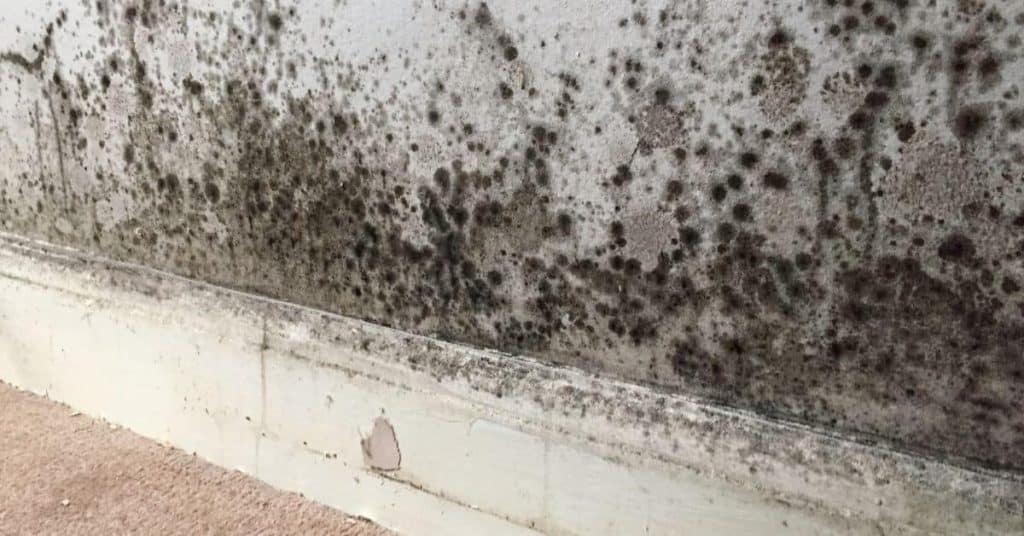
- Dark spots on walls: Look for patches that are black, brown, or green. Mold often appears as discoloration.
- Fuzzy growth corners: Check behind furniture and in dark corners where moisture accumulates.
- Powdery residue surfaces: Notice white, gray, or yellow powders on walls or ceilings.
- Slime near pipes: Look for slimy patches around plumbing fixtures or water lines.
- Bubbling paint areas: Paint that is peeling or bubbling can indicate moisture issues below the surface.
- Damp towels persisting: If towels remain damp after use, it could be a sign of high humidity and potential mold growth.
- Water stains reappearing: Persistent water marks on walls or ceilings suggest ongoing leaks or condensation issues.
- Grout discoloration bathrooms: Darkened grout lines in showers or tubs often indicate mold presence.
Quick rule: Any dark, fuzzy, powdery, or slimy patches that persist should be inspected for mold growth.
Musty smells and unexplained odors
Use this checklist to identify persistent musty or earthy scents in your home.
- Persistent musty smell: A constant damp, earth-like odor is a common sign of mold growth.
- Sour scent basements: Mustiness in the basement often indicates hidden moisture issues.
- Odor near plumbing: Check around pipes and water fixtures for musty or sour smells.
- Floors smell damp: Damp floors, especially carpeting, can emit a persistent odor due to mold growth.
- Cleaned but persists: If the smell remains after cleaning, it likely indicates ongoing moisture problems.
- Strongest in laundry rooms: Musty odors are common near washing machines and dryers due to dampness.
- Sinus congestion indoors: Increased sinus issues when inside can point to mold-related irritation.
- Coughing worsens evenings: Persistent coughing or throat irritation that gets worse in the evening might indicate indoor air quality issues.
Quick rule: If a musty smell persists despite cleaning efforts, it’s time for an inspection.
Health and symptom clues
Use this checklist to track health symptoms related to potential mold exposure in your home.
- New allergy-like symptoms: Notice if you develop new or worsening allergies, such as sneezing or itchy eyes.
- Sinus congestion indoors: Increased sinus issues when inside can point to mold-related irritation.
- Coughing worsens evenings: Persistent coughing or throat irritation that gets worse in the evening might indicate indoor air quality issues.
- Respiratory discomfort: Breathing difficulties, wheezing, or shortness of breath can be signs of mold exposure.
- Skin rashes persisting: Itchy skin or rashes that do not improve with over-the-counter treatments might indicate a mold problem.
- Headaches worsen indoors: Frequent headaches, especially when inside the home, can be linked to poor air quality.
- Symptoms concentrated areas: If symptoms are worse in specific rooms or zones, it could point to localized mold issues.
- Asthma attacks increase: More frequent asthma attacks indoors may indicate a need for professional evaluation.
Quick rule: Track symptom patterns and consult a doctor if health issues worsen when inside your home.
Health risks and who’s most vulnerable
Mold exposure can trigger immediate irritation—nasal congestion, throat itching, and red eyes—and over time can affect breathing and trigger allergies. Some groups are at higher risk, including kids, older adults, people with weakened immune systems, asthma or COPD, and those with existing allergies. If someone suddenly struggles to breathe, has chest tightness, high fever, or vision changes after exposure, seek medical help right away.
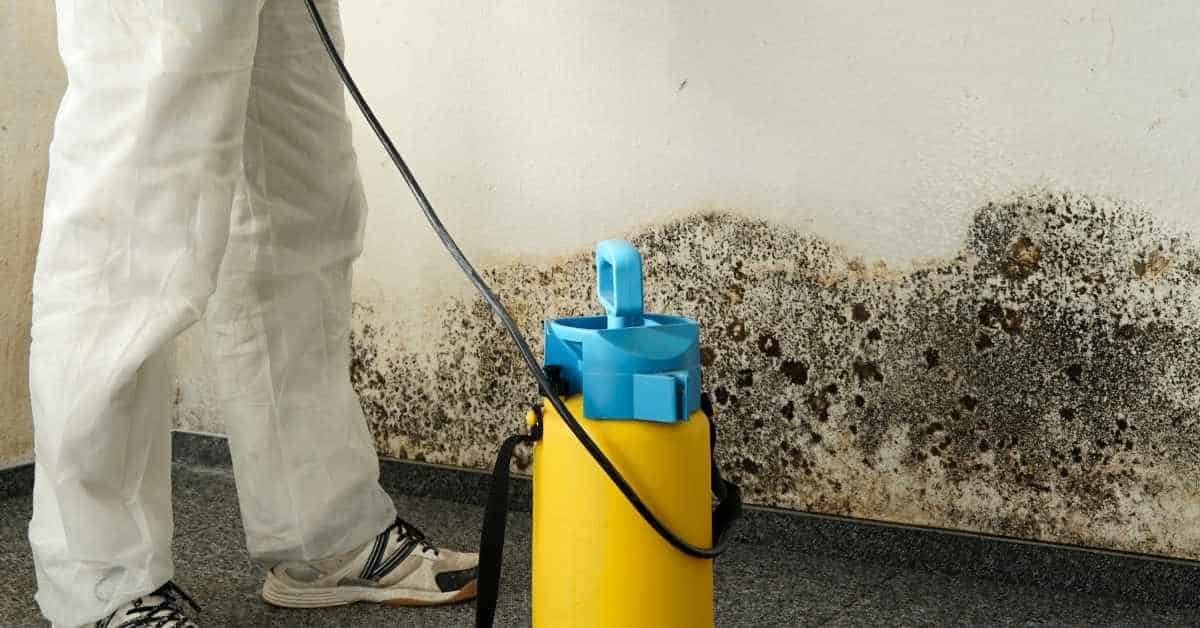
In DIY work, damp spots, poor ventilation, and disturbing settled mold can flare symptoms fast. That’s why limit disturbance, wear proper PPE, and pause work if symptoms worsen; do not scrub or fog mold without the right precautions. If the job gets hairy, or you’re unsure, call a mold remediation pro.
Short-term and long-term health effects
Mold exposure can hit you hard right away, causing sneezing fits, itchy eyes, and a scratchy throat. These are your body’s immediate reactions to the irritants in mold spores.
If these symptoms stick around or get worse over time, that’s when things start to become chronic. You might notice persistent coughs, wheezing, and shortness of breath. For some folks, especially those with existing respiratory issues like asthma, this can lead to more serious complications down the line.
It’s important to recognize these signs early on because prolonged exposure can weaken your immune system and make you more susceptible to other illnesses. If you’re dealing with damp conditions or poor ventilation in your home, it’s crucial to address them quickly before symptoms escalate.
The vulnerable groups, like kids, the elderly, pregnant women, and those with compromised immunity, need extra care. They can suffer more severe reactions from mold exposure compared to others.
When symptoms mean “call a doctor” or “call a pro”
If you experience sudden onset of severe symptoms like high fever, chest tightness, vision changes, or extreme wheezing after exposure to mold, it’s time to seek medical help right away. These are red flags that indicate an urgent need for professional intervention.
For those with existing respiratory conditions such as asthma or COPD, worsening of these symptoms can be a sign that you’re in a mold-contaminated area and need immediate attention from both your doctor and a mold remediation expert.
If DIY efforts to clean up minor mold issues aren’t working and the problem seems to be spreading, it’s best to stop and call in the pros. Professional mold inspections can identify hidden sources of moisture and ensure thorough removal without causing further health risks.
Remember, your safety is top priority. Don’t hesitate to reach out for help when you see these warning signs. It’s better to err on the side of caution than risk prolonged exposure that could lead to serious health issues.
DIY diagnostic steps before calling a pro
Use basic DIY steps to map out mold and moisture before calling a pro. Start with a simple visual inspection for visible mold, stains, and odors, and note moisture sources while being honest about safety and scope limits. Then run quick moisture checks and light tests, keeping a written record of findings.
This approach helps you spot priority areas, plan immediate fixes, and decide when to bring in a pro. For any simple test, check the label/datasheet for guidance, and document your mold map with photos, dates, and room conditions to create a clear action plan.
Systematic visual inspection (room-by-room)
Use this checklist when you suspect mold but haven’t found the source yet. It helps prioritize rooms and identify potential problem areas.
- Ceiling: Look for water stains, discoloration, or peeling paint; confirm by checking attic for leaks.
- Walls: Inspect corners and baseboards for dark spots or dampness; check behind furniture for hidden mold growth.
- Crawlspaces: Check for standing water, wet insulation, or musty odors; ensure proper ventilation to prevent moisture buildup.
- HVAC system: Inspect ductwork and air filters for signs of mold; confirm by checking condensation on cooling coils.
- Basements: Look for damp walls, water stains near windows or floors, and musty odors; check sump pump operation during heavy rain.
- Kitchen sink area: Inspect under sinks for leaks or moisture damage; confirm by checking plumbing connections.
- Bathroom tiles: Look behind shower curtains and around tubs for water stains, mold growth, or condensation.
- Windowsills: Check for condensation, dampness, or signs of peeling paint; ensure proper insulation to prevent moisture buildup.
Quick rule: If you find any sign of moisture or mold in one area, expand your search to adjacent spaces and common water sources like plumbing fixtures.
Moiure detection and basic testing
Start by using a moisture meter or humidistat to measure humidity levels in different rooms. High readings indicate potential mold growth areas.
For surface tests, use inexpensive kits that can detect mold spores on walls or carpets. These tests are quick but may not be as accurate for hidden mold behind surfaces.
Interpret results carefully: If the meter shows high moisture levels without visible signs of mold, it could mean there’s hidden mold in wall cavities or under floors. This is a clear sign to proceed with more detailed testing or professional help.
W a DIY test is enough vs when it’s misleading
DIY mold tests can give you an idea of the situation but have limitations. Over-the-counter kits may miss hidden mold or provide inaccurate results due to environmental factors.
If your home has extensive water damage, visible signs of black mold, or if family members are experiencing severe health issues linked to mold exposure, professional testing is essential.
Professional labs can conduct more accurate tests and identify specific types of mold that might be harmful. They also provide detailed reports on the extent of contamination and remediation recommendations.
Common hotspots and hidden mold scenarios
Mold loves moisture, so you’ll find it in obvious spots like bathrooms, kitchens, basements, and laundry rooms where humidity lingers, leaks drip, or ventilation is weak, even if you think the area is clean. It also hides where you don’t see it—behind wall panels, under flooring, in ceilings, crawl spaces, attics, and within HVAC plenums and ductwork, where damp air can collect and