
Introduction
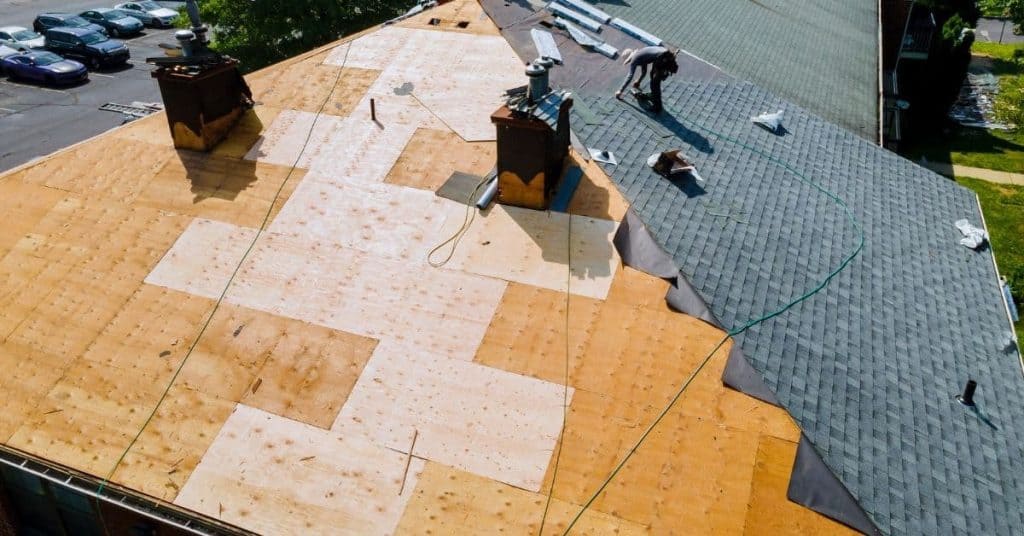
Ice and water shield installation protects your roof and structure from leaks by sealing vulnerable areas under shingles.
You’ll learn where it works, how to choose the right product for your climate, and general installation approaches you can apply in practice.
The guide walks through practical steps, helpful tips, and common pitfalls to help you install it confidently and effectively.
Key takeaways
- Choose compression or self-sealing membrane with ASTM weather barrier ratings.
- Prepare roof deck clean, dry, and free of protrusions before application.
- Overlap sections per manufacturer guidance to ensure continuous waterproof coverage.
- Seal corners and seams with compatible self-adhered tapes for durability.
- Integrate with flashing, underlayment, and drip edge to prevent leaks.
- Inspect for gaps after installation and replace damaged sheets promptly.
Table of Contents
- Introduction
- Key takeaways
- What is Ice and Water Shield?
- Where and when to use it
- Types, brands, and product selection
- Tools, materials, and pre-installation checklist
- Step-by-step DIY installation instructions
- Flashing integration and connections to other roof components
- Common mistakes, troubleshooting, and repairs
- Inspection, maintenance, lifespan, and cost considerations
- Conclusion
- FAQ
What is Ice and Water Shield?
Ice and water shield is a self-adhering underlayment that sticks to the roof deck. It provides an extra layer of protection against leaks by sealing around nails and gaps, unlike standard underlayment.
This stuff matters because it blocks water from getting into the attic and decking, especially in vulnerable areas like eaves and rakes. It helps a DIYer stay ahead of leaks, but you still need proper installation and overlapping per the label.
Materials and composition
The materials used in ice and water shield play a critical role in its performance. Choose wisely to avoid issues like cracking, staining, and weak bonds.
- Rubberized asphalt: Provides flexibility and durability; look for high-quality rubber content; avoid low-grade substitutes that can crack easily.
- Silicone slip-sheet: Enhances adhesion and prevents tearing during installation; ensure it’s thick enough to prevent punctures; thin sheets can lead to weak spots.
- Peel-and-stick backing: Ensures easy application without the need for additional adhesive; check that it adheres well in cold weather conditions; avoid products with poor adhesion ratings.
- Fiberglass reinforcement: Adds strength and stability to the underlayment; look for high tensile strength ratings; weak fibers can cause tearing during installation.
- Vapor barrier: Prevents moisture from penetrating into walls or ceilings; ensure it’s breathable enough to allow drying; non-breathable barriers can lead to mold growth.
How it works (adhesion and sealant properties)
The ice and water shield adheres firmly to the surface, creating a seamless waterproof barrier. Its self-sealing properties ensure that any fasteners or penetrations are sealed automatically.
Adhesion: The rubberized asphalt base bonds tightly with the substrate, providing a strong seal against leaks. This bond is crucial for preventing water from seeping through cracks and gaps.
The shield’s self-sealing nature means that even if nails or screws penetrate it during installation, they are sealed around the fastener to prevent water intrusion. This feature makes it ideal for areas prone to roof penetrations like chimneys or skylights.

Where and when to use it
Use ice and water shield in areas prone to ice dams and leaks. It helps seal the roof deck where shingles alone won’t stop water.
Why it matters: it provides a durable first line of defense at vulnerable spots like eaves, valleys, and roof transitions. If you have ice dam zones or roof features that leak, this shield can save you from costly repairs.
Typical locations on a roof (rakes, eaves, valleys, penetrations)
Ice and water shield is crucial in areas where ice dams commonly form or where water can easily leak into your home. Start with the eaves, which are the lower edges of your roof overhangs. Water tends to pool here during heavy snowfall.
Nearby, the rakes—the vertical edges at the ends of your roof—are also high-risk areas. They often get overlooked but can be entry points for water if not properly sealed. Valleys, where two slopes meet, are another critical spot because they funnel rain and melting snow straight down.
Lastly, around any penetrations like chimneys or vent pipes, you need to apply ice and water shield carefully. These spots are weak points in your roof’s defense against leaks. Make sure the shield extends up and around these areas to create a strong seal.
Building codes, manufacturer requirements, and warranty implications
Local building codes often mandate ice and water shield in regions prone to heavy snow or freezing temperatures. Check with your local authorities for specific regulations.
Manufacturers also have their own guidelines on where and how much of the product should be used. Ignoring these can lead to voided warranties if issues arise later down the line. Always read up on what’s required by the maker before you start.
If installed improperly, your roof warranty could be at risk. This means that any future repairs or replacements might not be covered if there are gaps in your ice and water shield application. Take it seriously to protect both your home and your investment.
Types, brands, and product selection
This section compares common flooring and coating products, highlighting how thickness, slip resistance, and temperature range differ by type and brand. For DIYers, pick a type that fits your job and read the label because not all products are the same.
Knowing the differences helps you avoid problems like slick surfaces or premature wear. Check the label or datasheet for the specific thickness, slip rating, and temperature range to make a smart choice for your project.
Choosing the right product for your roof type
When picking an ice and water shield, start by looking at your roof’s slope. Steep roofs need a thicker, more durable material to handle high winds and heavy snow loads. For flatter roofs, go with something that’s easier to install without sagging or tearing.
If you’ve got shingles, metal, or another type of covering, pick an ice shield that matches up well. Shingle roofs work great with a standard 3-foot-wide roll, but if it’s metal, look for one made specifically for those panels. Metal roofs need something that’s flexible and won’t crack in cold temps.
Don’t forget about the weather where you live. If your area gets really hot or super cold, make sure to pick a product rated for those conditions. Check the temperature range on the label—make sure it covers your local climate from winter lows to summer highs.
Reading product specs and understanding ratings
When you’re shopping around, look for key specs like adhesive strength and temperature limits. Adhesive strength is crucial because it tells you how well the shield will stick to your roof in different weather conditions.
Temperature range is another biggie. You want something that can handle both hot summers and cold winters without breaking down or losing its grip. Check for ASTM standards too—these are industry tests that prove a product’s quality and reliability.
Don’t just grab the first thing you see on the shelf. Take your time, read the labels carefully, and pick something that fits your specific needs. A little extra effort now can save you big headaches later down the road.
Tools, materials, and pre-installation checklist
This section gives you the tools, PPE, and materials you’ll need, plus a simple pre-install checklist. It helps you get ready before you start and avoid surprises on the job.
Having the right gear and doing a quick site check upfront protects you and your project. It helps you work faster, spot issues early, and keep the job safe.
Tools and safety equipment
Before you start, make sure your tools are ready and you have the right gear to stay safe on the roof.
- Utility knife: Keep it sharp for cutting. Dull blades can tear material.
- Roller: Use a paint roller with a long handle to apply adhesive evenly. Skipping this step means poor adhesion.
- Chalk line: Mark straight lines for proper installation. Missing marks lead to misaligned materials.
- Harness: Wear it anytime you’re on the roof. Not wearing one is dangerous and against safety rules.
- Rope: Have a backup anchor point. No rope means no safety if your harness fails.
- Roof boots: Use them to protect both yourself and the roof surface. Regular shoes can damage the shingles or ice shield.
- Ladder: Set it up safely with level ground. A wobbly ladder is a fall risk.
- Safety glasses: Protect your eyes from debris. Without them, you could get hurt by falling nails or other sharp objects.
Quick rule: Always check your gear before starting work to avoid accidents and delays.
Estimating material quantities and ordering tips
Measure accurately to ensure you have enough ice shield for the job without over-ordering.
- Roof area: Measure length and width of each section. Multiply them together. Missing this step means running short on materials.
- Eaves run: Calculate eave lengths to determine how much material you need for the edges. Not doing this can leave gaps at the roof edge.
- Valley runs: Measure valley widths and calculate required ice shield length. Skipping this step leaves valleys unprotected from water damage.
- Overlaps: Account for overlap requirements in your measurements. Overlooking overlaps means poor sealing at joints.
- Waste factor: Add 10-20% to account for cuts and mistakes. Not adding waste can lead to running out of material mid-installation.
- Roof pitch: Adjust measurements based on roof slope. Ignoring the pitch leads to incorrect material amounts.
- Penetrations: Measure around chimneys, vents, and skylights separately. Missing these areas leaves them vulnerable to leaks.
- Brand-specific specs: Check manufacturer guidelines for specific product requirements. Not following brand instructions can void warranties or cause installation issues.
Quick rule: Always measure twice and order once to avoid shortages or excess waste.
Step-by-step DIY installation instructions
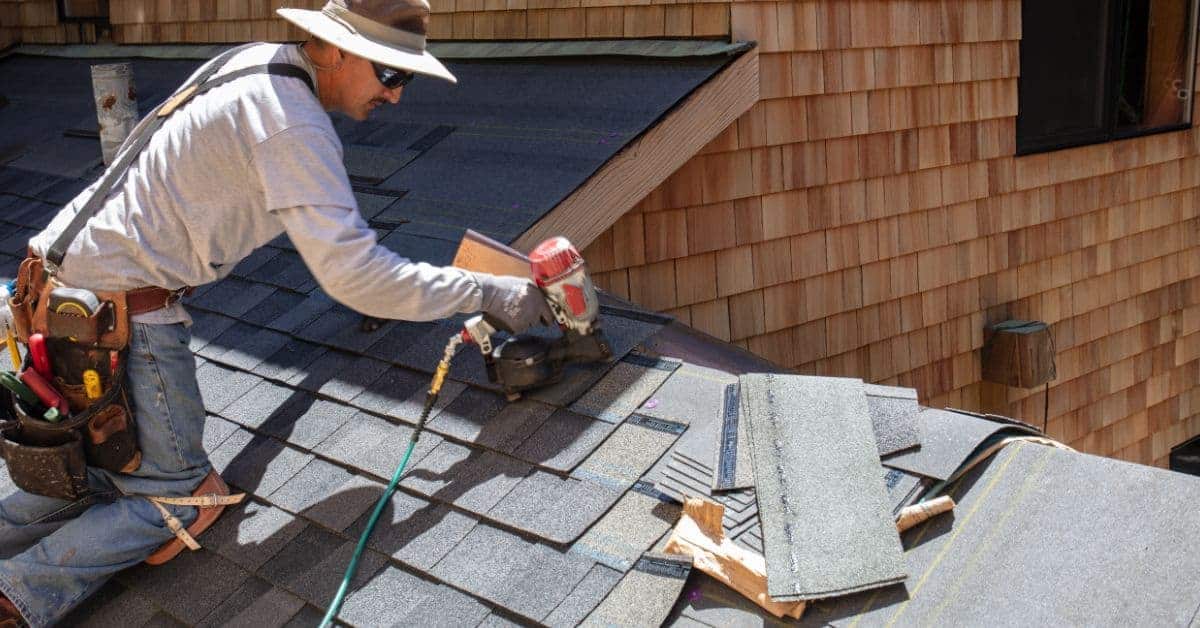
This section walks you through a simple, surface-to-final check process for a peel-and-stick application. Follow each step in order to get the material laid out, pressed, and aligned so it sticks well. If something seems off, pause and recheck before moving on.
Doing the prep right makes the peel-and-stick last and look square. Skipping a careful prep or rushing raises the risk of bubbles, lift, or misalignment that you’ll regret later.
Step-by-Step Installation Process
This sequence ensures a clean, professional installation of ice and water shield on your roof.
- Clean the surface thoroughly with a broom or leaf blower. Dry it out completely to ensure good adhesion. Check for any debris before starting.
- Measure and mark where you’ll start laying the ice and water shield, ensuring proper overlap at edges. Use straight edge tools if needed. Double-check your measurements.
- Cut the ice and water shield to fit around roof penetrations like chimneys or vents with a utility knife. Make sure there’s no gaps or wrinkles. Inspect each cut for accuracy.
- Apply the starter course along eaves and rakes, ensuring proper overhangs and securement. Check that it aligns correctly with the rest of the roof. Confirm everything is straight before moving on.
- Lay out the main body of ice and water shield in a shingle pattern, overlapping each layer by at least 6 inches. Use a roller to press down any bubbles or wrinkles. Verify there are no gaps between layers.
Surface Preparation and Priming
Clean the roof surface thoroughly with a broom or leaf blower, removing all debris and dirt to ensure proper adhesion of the ice and water shield. Dry the area completely before proceeding.
If conditions are damp or there’s moisture present, wait until it dries out fully. This ensures no issues arise later from trapped moisture under the membrane. Check for any remaining dirt spots after cleaning.
Priming is not typically required but can be used if recommended by the manufacturer to enhance adhesion on certain surfaces like metal or concrete. Follow their instructions carefully and let it dry before applying the ice and water shield.
Laying Starter Course at Eaves and Rakes
The starter course is crucial for proper drainage, so start by measuring out where you’ll begin laying the ice and water shield. Ensure there’s a 6-inch overhang from the roof edge to direct water away.
Align the first strip of membrane with your marks and press it firmly into place using a roller or weighted tool. Secure any loose edges with roofing nails if necessary, but avoid puncturing the membrane itself.
Continue laying out additional strips in a shingle pattern, overlapping each by at least 6 inches to create a continuous barrier against water intrusion. Check that all seams are tight and there’s no gaps or wrinkles before moving on.
Installing Through Valleys, Around Penetrations, and Transitions
In valleys, lay the ice and water shield in a shingle pattern with each layer overlapping the previous one by at least 6 inches. Use a roller to press out any wrinkles or bubbles for a smooth surface.
For roof penetrations like chimneys or vents, cut around them carefully with a utility knife ensuring no gaps remain. Install flashing over these areas and underlap the ice and water shield membrane to create watertight seals.
At transitions between different roof sections, use miter cuts to fit the ice and water shield properly. Overlap each section by at least 6 inches and secure any loose edges with roofing nails if needed. Double-check for proper alignment before moving on.
Flashing integration and connections to other roof components
Ice and water shield ties into flashing, drip edges, gutters, and pipe boots to keep water moving over joints. When installed correctly, it creates a continuous waterproof barrier across those connections. Skipping the pairing or leaving gaps invites leaks.
This matters on every roof because leaks start at seams and penetrations. A proper overlap and sealing at each transition helps prevent ice dams and water wicking behind shingles. Check the product label or datasheet for installation guidance and avoid gaps or dry transitions by following those directions.
Metal flashing and drip edge details
When it comes to installing ice and water shield, the key is to make sure there’s no way for water to sneak in. Start by laying down your underlayment first, then install your metal flashing on top of that. This creates a barrier that stops water from getting underneath.
The drip edge goes along the eaves and rakes of your roof. Make sure it overlaps the ice shield by at least two inches to prevent any gaps where water can seep in. Use roofing cement or sealant around all edges to ensure everything is sealed tight against capillary action.
Remember, you want a continuous barrier from top to bottom. If done right, this setup will keep your roof dry even when the weather turns nasty.
Roofto-wall and chimney transitions
At these points where the roof meets walls or chimneys, you need to be extra careful. Start by installing step flashing along the sides of your chimney or any vertical wall sections.
Make sure each piece overlaps the ice shield underneath it so that water can’t get in between layers. Use roofing cement around all edges and joints for added protection.
For chimneys, use counterflashing to cover the step flashing at the top of the chimney. This creates a double-layered seal that keeps moisture out no matter how hard it rains or snows.
Common mistakes, troubleshooting, and repairs
This section covers the common mistakes DIYers make, plus how to troubleshoot and fix issues after install. You’ll learn where things usually go wrong and simple remedies, and how to repair tears, bubbles, and adhesion failures.
Knowing these fixes saves you time and money and keeps the job looking right. You’ll understand practical steps to prevent issues next time, and what to do if problems pop up.
Fixing bubbles, lifting edges, and torn areas
To fix bubbles on your ice and water shield, start by cutting them out with a utility knife. Make sure to cut around the bubble completely so you can remove it cleanly.
For lifting edges, use a heat gun or torch to re-adhere the material back down. Heat up the area until the adhesive melts and then press the edge firmly into place. Be careful not to burn the membrane.
Torn areas need patch pieces that match your ice shield. Cut out the damaged section completely and apply primer to both surfaces for better adhesion. Lay in a new piece of material, overlapping at least six inches on all sides, and use heat if needed to seal it down.
Dealing with installation in cold or wet conditions
When installing ice shield in cold weather, make sure the temperature is above freezing and not dropping below freezing for at least 24 hours after application. Cold temps can cause adhesion issues.
In wet conditions, ensure your roof deck is dry before starting work. If it’s raining or snowing, wait until the weather clears up to avoid moisture getting trapped under the ice shield.
Always check product specs for minimum temperature requirements and follow them closely. If you’re unsure about working in certain conditions, it’s best to pause installation and come back another day when conditions are better.
Inspection, maintenance, lifespan, and cost considerations
This section covers post-install inspection, routine maintenance, how long it tends to last, and what it costs over time. You’ll learn where to look, what to check, and how to budget for upkeep. It’s written for a DIY homeowner so you can spot problems early and keep the job solid.
Keeping up with inspections helps you catch wear and trouble before a breakdown. It also clarifies what kind of maintenance fits your setup and what kind of budget to expect. That plan makes your project safer and cheaper in the long run.
Visual checkpoints and when to call a pro
Use this checklist right after installation or during annual roof inspections.
- Check edges: Look for lifted corners. Confirm with straight edge; skip if water leaks occur.
- Inspect valleys: Ensure proper overlap and no wrinkles. Skip at risk of major leaks.
- Look around chimneys: Check tight seals, no gaps or bubbles. Skipping can cause roof damage.
- Check penetrations: Confirm flashing is secure and shield overlaps correctly. Missing this step leads to water entry.
- Inspect metal edges: Ensure proper fit with drip edge. Skip if you see water pooling.
- Look for bubbles: Check entire surface; address any air pockets immediately. Ignoring can cause shield failure.
- Check roof-to-wall transitions: Confirm tight seals and no gaps. Skipping may lead to structural damage.
- Inspect connections: Ensure all components align properly. Missing this step risks leaks.
Quick rule: If you see any issues, address them right away or call a pro.
Expected lifespan and impact on roofing costs and warranties
This section covers how ice and water shield affects roof longevity and financial considerations.
- Lifespan: 15-20 years. Confirm by checking manufacturer’s warranty; skipping can lead to premature replacement.
- Roofing costs: Adds $1-$3 per square foot upfront but saves in repairs later. Ignoring this step risks higher long-term expenses.
- Warranties: Extends roof coverage by 5-10 years. Skipping can void warranty and increase replacement costs.
- Maintenance: Regular inspections save money over time. Neglecting maintenance leads to costly repairs.
Quick rule: Invest upfront for long-term savings and roof protection.
Conclusion
Ice and water shield is a smart, visible upgrade when you’re protecting the roof deck from leaks and ice damage. Do it right, and you’ll gain durability, a clean look, and less worry during freezes and heavy rains.
To get it done, follow this practical flow: confirm you have the right product for your roof and climate, prep the surface and membranes per the pre-installation checklist, lay the shield in the correct direction with proper overlap, seal seams and step flashing to integrate with existing components, and then inspect your work for full coverage and tight seals before calling it finished. Work from the bottom up, keep the membrane smooth with no wrinkles, and test critical joints with a light pull to ensure bonding and edge adhesion.
Common mistakes to avoid are underestimating roof slope, skipping the clear drip edge or step flashing connections, and rushing through seams or corners. Always wear eye protection and gloves, work in daylight or good lighting, and keep heat sources away from the membrane. Don’t stretch the material or force it around tight corners, and never leave exposed edges unprotected in rain or snow.
If you’re unsure about roof geometry, flashing around chimneys or vents, or you see extensive damage to the deck, it’s wise to bring in a professional. When in doubt about product compatibility or safe installation in high winds or steep pitches, step back and call for help. With careful prep, steady work, and adherence to the manufacturer’s guidance, you’ll finish strong and protect your home for years to come.
FAQ
What exactly is an ice and water shield?
It’s a self-adhesive membrane that seals the roof edge to keep water from sneaking under shingles. It sticks to the deck and provides a drainage plane for ice dam melt. Do not confuse it with ordinary roofing underlayment.
Where should I use it?
Place it along the eaves and rakes where ice dams form. It also goes behind flashing at valleys and chimneys in some cases. Follow the manufacturer’s spec for coverage, not guesswork.
What are the key installation steps?
Clean the deck, seal the edges, and peel-and-stick the membrane in straight, shingle-like courses. Press firmly, avoid gaps, and cover with next roofing layer as required. Don’t stretch it; it tears and peels up.
What mistakes should I avoid?
Skipping the starter strip, not sealing laps, or using it where code requires continuous underlayment. Don’t rely on it alone in windy or peeling conditions. If you see gaps after storms, fix it now, not later.