

Introduction
Place ice and water shield on the roof at the eaves, valleys, and other vulnerable areas beneath the shingles to prevent leaks.
You’ll learn where to position it, how to overlap seams, and practical DIY installation tips for typical roof pitches and layouts.
Key takeaways
- Install underside roof edges first, then run shield up underlayment per roof slope.
- Align fasteners with manufacturer’s guidance; use compatible roofing nails or staples.
- Overlap sections by at least 2 inches; seal the seams thoroughly.
- Seal over eaves and rakes before shingle installation to prevent leaks.
- Check local codes; obtain permits and schedule inspections as required.
- Inspect after every rain event; replace damaged sheets promptly to prevent leaks.
Table of Contents
- Introduction
- Key takeaways
- Why ice and water shield matters — function and benefits
- Required placement locations and typical coverage rules
- Overlap rules, sequencing, and layering order
- Tools, materials, and product choices for DIY installers
- Step-by-step DIY installation guide (practical sequence)
- Safety, codes, inspections, and permit considerations
- Common mistakes, troubleshooting, and repairs
- Cost, timeline, and project planning for DIY installs
- Conclusion
- FAQ
Why ice and water shield matters — function and benefits
Ice and water shield is a self-adhering membrane installed under the roof covering to create a second line of defense against water intrusion. It lives along the vulnerable eave zones, roof overhangs, valleys, and around penetrations where leaks tend to start, and it helps keep meltwater from penetrating the structure. This membrane acts as a barrier against wind-driven rain and buffers minor flaws in the roof substrate, reducing the chance of early leaks and delaying ice dam formation by giving water a controlled path to travel.
In practice, you’ll lay it with clean, dry surfaces, align seams carefully, and extend it up behind vent pipes and other penetrations to seal gaps. Overlaps and orientation matter, as does properly sealing around penetrations and ensuring the membrane width covers the critical areas. Common mistakes to avoid are missed seams and dirty substrates that prevent adhesion. The membrane’s role ties directly to roof longevity by supporting underlayment and shingles, helping weather wind-driven rain and reducing early re-roofing needs, but check the product label or datasheet for exact installation guidance and code references for your climate and roof design.
How the membrane works (adhesion, self-sealing around nails)
The ice and water shield is made of rubberized asphalt that sticks to your roof deck as soon as you lay it down. This stuff bonds so well, it’s like Velcro for roofs. Once in place, it seals itself around any fasteners or screws, making sure no water can sneak through.
Think about it this way: when you hammer a nail into the membrane, it automatically forms a watertight seal around that nail. This is crucial because even small leaks around nails and other penetrations can cause big problems over time. That’s why this self-sealing property is such a game changer for leak prevention.
So, when you’re installing shingles or metal roofing on top of the ice shield, know that it’s doing its job to keep your roof dry even if there are tiny gaps or cracks in the deck underneath. This extra layer gives you peace of mind knowing water won’t find a way through.
Areas of highest risk on a roof
The ice and water shield is essential for protecting the most vulnerable spots on your roof. These include the eaves, valleys, rakes, chimneys, skylights, step flashings, and any other penetrations. In these areas, wind-driven rain or melting snow can easily find its way into tiny cracks.
For instance, at the eaves where the roof meets the wall, water tends to accumulate and seep in if there’s no proper barrier. Valleys are another critical area because they collect a lot of water during heavy rains. And around chimneys or skylights, even small gaps can lead to big leaks.
That’s why it’s crucial to cover these high-risk zones thoroughly with ice and water shield. It acts like a second skin for your roof, providing an extra layer of protection where it’s needed most. Don’t cut corners here; proper coverage is key to preventing costly damage down the road.
Performance differences vs. underlayment
The ice and water shield offers a significant upgrade over traditional felt or synthetic underlayments. While these materials provide basic protection, they don’t offer the same level of watertight seal as an ice shield membrane.
The rubberized asphalt in the ice shield is designed to self-adhere and form a continuous waterproof barrier. This means it can handle more severe weather conditions without failing. In contrast, felt or synthetic underlayments might allow water to seep through if there are any gaps or imperfections on your roof deck.
Both layers work together to create a robust defense system for your roof. The ice shield goes down first and provides that critical secondary barrier in vulnerable areas. Then the primary roofing material, like shingles or metal panels, is installed over it. This double-layer approach ensures maximum protection against leaks and water damage.
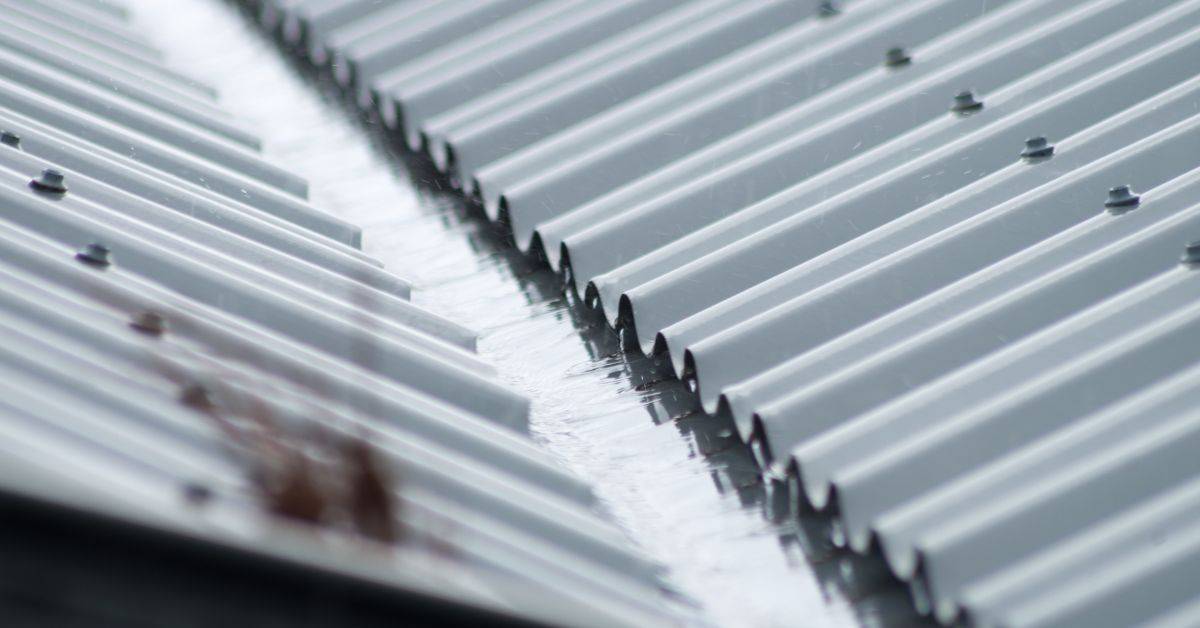
Required placement locations and typical coverage rules
Key placement means laying membrane at the right spots: eaves and drip edge area, roof valleys, roof-to-wall intersections, and around penetrations like vents and chimneys, with care to pair it with flashing and rafter/soffit details. Don’t guess on overlaps—overhang should extend past the drip edge at the eaves, extend up the slope, and cross the wall line where required, and seams or penetrations need proper overlap. For any exact dimensions, check the product label or datasheet and follow local rules that apply to ice and water shield or roof underlayment.
This matters because proper placement stops leaks and avoids gaps that lead to trouble around irregular shapes and protrusions. It’s worth noting code-driven zones and requirements in your area, along with manufacturer guidance, so you know where protection is mandatory or recommended. If you’re DIY-ing, secure the membrane well, avoid gaps at transitions, and use compatible underlayment where required; consider postponing on extremely steep roofs or complex penetrations and call a pro if in doubt to stay safe and get it right.
Eave and drip edge placement (how far to extend)
The ice and water shield should overhang the drip edge by at least 1/4 inch but no more than 3/4 inch. This ensures that any water running down the roof will be caught before it reaches the fascia board or wall.
Extend the membrane up the slope a minimum of 24 inches from the interior wall line, unless local building codes specify otherwise. In some areas, this distance can be as high as 36 inches to provide extra protection against ice dams and wind-driven rain.
Make sure there are no gaps or wrinkles in the membrane when you install it. Secure it properly with roofing nails every 12 inches along the edges and at least every 18 inches elsewhere on the roof. This will help prevent any uplift from strong winds that could tear the shield away.
Valley and low-slope placement
In valleys, you need to center a strip of ice and water shield over the valley. The width should be between 24 inches and 36 inches depending on your local building codes or manufacturer’s recommendations.
For open valleys, lay down one piece first then add another perpendicular to it so that they overlap in the middle. This creates a double layer of protection where water tends to accumulate most.
In closed valleys, you’ll need to cut and fit pieces together carefully to ensure there are no gaps or overlaps that could cause leaks. Layer multiple pieces if necessary to cover the entire valley area thoroughly.
Around penetrations and flashings
When dealing with roof penetrations like vents, skylights, or chimneys, wrap the ice and water shield around them to create a watertight seal. Use patches that extend at least 12 inches beyond each side of the penetration.
For step flashing, apply the membrane under the bottom edge of the flashing material and up the sides of the chimney or vent by at least 6 inches on all exposed surfaces.
Remember to nail through the ice shield into the roof deck around these areas. Use roofing nails spaced no more than 12 inches apart to ensure a secure hold against wind uplift.
Overlap rules, sequencing, and layering order
Install panels or rolls downhill to help gravity shed water and wind uplift. Align seams to minimize intrusion, with a recommended seam overlap around the 3–4 inch range, and check your product label or datasheet for exact figures. Keep the drip edge, then ice & water shield, followed by underlayment and shingles, with the IWS continuous across seams from eave to rake to maintain a seamless barrier.
To seal joints, butt or lap seams as directed, address cut edges, and follow the manufacturer’s guidance on fasteners along seams or patches. Plan for proper adhesive performance in the expected temperature and wind, and address penetrations, valleys, and transitions carefully to maintain gravity-based shedding. Do a quick check before covering: ensure full adhesion, no gaps, and straight seams so water and wind won’t lift or bypass the layers.
Minimum overlaps and seam staggering
When laying down ice and water shield, you gotta make sure those seams are tight. A good rule of thumb is to overlap each piece by at least 3 inches—4 inches if you’re in a high-wind area or where there’s lots of snow buildup.
To avoid continuous leak paths, stagger the seams so they don’t line up directly above one another. This means that when you start a new roll, it should be offset from the previous one by at least half its width. It’s like laying bricks in a wall—no straight lines!
Press down on those overlaps to make sure the adhesive sticks well. Use your boot or a roller to get into all the nooks and crannies. A good seal here can save you big headaches later.
Membrane vs. underlayment vs. drip edge order
The drip edge goes down first, right at the eaves and rakes of your roof. Then you lay down the ice and water shield over it, making sure to cover the top lip of the metal.
The membrane should extend past the drip edge by a few inches—typically 6 to 8 inches—to ensure that any water running off the shingles hits the shield first before going into the gutter. This is crucial for preventing leaks at the eaves.
When it comes to underlayment, make sure it overlaps the ice and water shield by about 4 inches. This creates a double layer of protection where you need it most—right below the shingles. Remember, this overlap helps keep any moisture from seeping through.
Valley and transition sequencing with shingles
In valleys, start by laying down your ice and water shield first, making sure it covers the entire valley area. If you’re using metal flashing in the valley, place that over the membrane next.
The underlayment goes on top of everything else, overlapping the ice and water shield at least 4 inches. This creates a solid barrier against any water trying to sneak through.
When trimming shingles for valleys or roof-to-wall transitions, cut them so they overlap the underlayment by about an inch. This ensures that no matter how much wind blows, your roof stays watertight and secure.
Tools, materials, and product choices for DIY installers
This section covers a practical checklist of tools (roller, utility knife, long-handled squeegee, gloves, starter nails, tape measure) and materials (ice & water shield brands/types, primer, sealant, butyl tape) with clear choices based on adhesion and UV tolerance. You’ll see how to pair these products with your roof substrate and local conditions, while noting to check the product label or datasheet for any specific specs or limits. Every item should support clean adhesion, precise cuts, and safe handling of sticky underlayment materials.
Doing the prep, layout, and testing early saves you from costly reworks: plan overlaps, pre-cut sheets, and starting points, and verify primers or edge sealants as needed. The right selection matters for long-term performance, weather resistance, and compatibility with shingles and flashing; know how each product behaves on plywood or OSB and what your climate requires. Then double-check seam sealing, fastener placement, and safety gear so you can spot problems before water intrusion becomes an issue.
Comparing membrane types and thicknesses
When it comes to ice & water shield, you’ve got a few choices. The most common are rubberized asphalt membranes and non-rubberized options like modified bitumen or synthetic materials. Rubberized asphalt is great for its flexibility and durability in cold climates, while non-rubberized types offer better UV resistance and heat tolerance.
Thickness matters too. Thicker membranes provide more protection against ice dams and wind-driven rain. A good rule of thumb is to go with a minimum thickness of 30 mils for most residential roofs. In colder regions or areas prone to heavy snow, bump up to 45-60 mils for added security.
For DIY installers, it’s crucial to pick the right type based on your local climate and roof conditions. Check the product specs for temperature ranges and UV resistance ratings before making a choice. And always follow local building codes when selecting materials.
Safety and comfort gear for DIY
Working on a roof is no joke, so make sure you’ve got the right safety gear:
- Harness setup: A full-body harness with anchor points or roof jacks. Rent one if you don’t own it; prices start around $50.
- Non-slip shoes: Look for steel-toed boots with slip-resistant soles, essential for traction on wet roofs.
- Gloves and eye protection: Wear heavy-duty gloves to handle the sticky underlayment safely. Safety glasses or goggles are a must to shield your eyes from debris.
- Comfort gear: A hard hat, knee pads, and breathable work clothes can make long days more bearable.
Helpful accessories (primers, seam tapes, rollers)
For a professional finish on your DIY project, consider these must-have tools and materials:
A good primer is essential when working with bare plywood or OSB. It helps the ice & water shield stick better in high-sun areas where UV exposure can weaken adhesion.
Seam tapes are crucial for sealing overlaps between membrane sheets. Look for butyl tape, which forms a strong seal around nails and seams to prevent leaks.
A hand roller or weighted squeegee is invaluable for pressing the underlayment into place. It ensures a tight bond with the roof deck, reducing air pockets that can cause water intrusion.
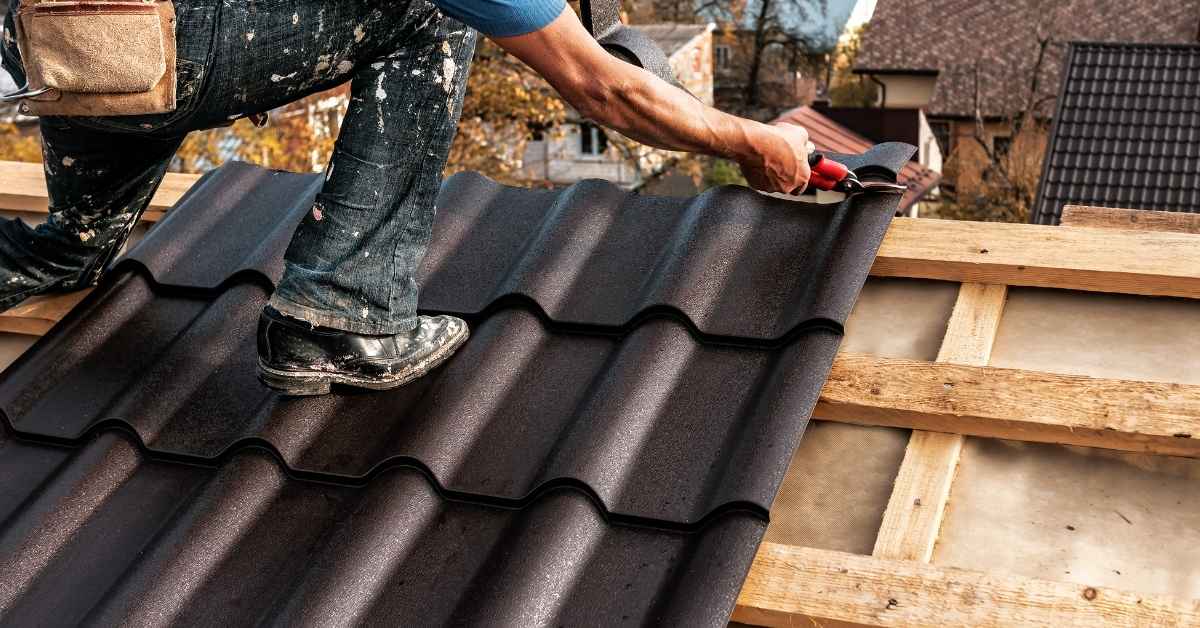
Step-by-step DIY installation guide (practical sequence)
This guide walks you through a practical, ordered installation from deck prep to final shingle tie-in. Start with a full deck assessment and roof geometry check, then proceed through drip edge, eaves membrane, underlayment, starter strip, and shingles while addressing valleys, rakes, penetrations, and transitions.
Plan for safety and a weather window, and follow a clear sequence to keep water out and prevent wind uplift. Understanding the why helps you spot leaks, nail correctly, and finish with a clean inspection of seams and seal, plus proper handling of tools and hazards.
Step-by-Step Installation Process
This sequence ensures your roof is watertight and secure, from prep to final check.
- Inspect the deck for cleanliness and dryness. Check framing and slope; set up safety gear like harnesses and ladders.
- Lay drip edge along eaves and rake edges. Secure ice/water shield at eaves with proper overlaps, then move inward.
- Cover valleys first, ensuring membrane runs into them to prevent water pooling. Use pre-formed flashings for penetrations.
- Install underlayment over the entire roof, following overlap rules to prevent wind uplift and leaks. Secure starter strip correctly.
- Lay shingles starting from eaves, aligning with starter strip. Ensure proper nailing pattern and overhangs; check seams regularly.
Prep and Layout Tips Before Sticking Membrane
Clean the deck thoroughly to remove debris, dirt, or old materials. Use a broom or pressure washer if needed.
Mark high points on your roof with chalk lines for alignment. Measure full-width pieces first to minimize seams and overlaps.
Chalk lines also help align membrane edges straight and true. This ensures proper coverage and reduces the chance of wrinkles or gaps.
Cutting, Aligning, and Adhering Large Sheets
Peel back just half the backing paper at a time to avoid sticking. Use release-in-halves method for easier handling.
Avoid wrinkles by laying membrane flat and smoothing it out with your hands first. Then use a roller to press firmly, ensuring adhesion.
Check regularly that the sheet is aligned correctly and adhered properly. Any gaps or bubbles should be smoothed out immediately.
Integrating With Shingles and Flashing Details
Terminate membrane under step flashing for chimneys, ensuring it laps over the base of the chimney. This prevents water from seeping underneath.
Lap the ice/water shield onto chimney bases with a minimum 6-inch overlap to ensure watertight protection around penetrations.
Leave correct nail zones for shingles by adhering membrane at least 18 inches below the roof edge, allowing room for proper nailing patterns.
Safety, codes, inspections, and permit considerations
Safety and planning come first: you’ll need solid fall protection, proper harnesses or guardrails, careful ladder setup, and PPE, plus weather awareness as you apply ice-and-water shield. Permits and inspections usually come at key points in a roofing job, so know when to check with your local department and how to schedule to avoid delays. Local climate quirks drive rules for ice and water shield, including where moisture barriers or specific underlayment patterns are required, and you’ll want clear documentation to support warranty claims and future work.
This matters because proper sequencing affects performance and prevents leaks, wood damage, and angry inspections. Keeping good records—product specs, installation guides, batch numbers, warranty registrations, dated photos of overlaps, and notes from inspections—helps you defend warranty claims and make audits painless. Clear coordination with shingles, ventilation, decking, and flashing reduces surprises and keeps the project moving smoothly without gaps that invite moisture intrusion or code trouble.
Common code requirements by climate zone
Check local codes before you start to ensure compliance, especially in cold or high-wind areas.
- Eave protection: Required in cold climates. Check for mandated length of coverage at eaves.
- Valley lining: Often mandatory where heavy snow falls. Confirm if valley membrane is needed.
- Full roof coverage: May be required in extreme cold zones. Verify full roof underlayment mandate.
- High wind areas: Additional fastening and overlap rules apply. Check for specific wind load requirements.
- Snow load zones: Extra membrane thickness or layers might be needed. Confirm local snow load standards.
- Rainfall intensity: Higher rainfall may demand thicker membranes. Verify if your area has high rainfall codes.
- Frost heave regions: Special underlayment types required to prevent damage from ground movement. Check for frost heave rules.
- Solar exposure: Some areas mandate reflective or UV-resistant materials. Confirm local solar exposure requirements.
Quick rule: Always check your city’s building codes before installing ice and water shield to avoid costly rework later on.
Inspection checkpoints for compliance and warranty
Inspect the installation yourself or hire a pro to ensure it meets local building codes and manufacturer warranties.
- Eave adhesion: Check membrane sticks continuously. Confirm no gaps at eaves; water can seep in otherwise.
- Overlap accuracy: Ensure proper overlap coverage. Verify overlaps meet code requirements to prevent leaks.
- Wall termination: Inspect for correct termination at walls. Confirm proper flashing and sealing to avoid water intrusion.
- Nail placement: Check nails are correctly placed over membrane. Confirm no nail heads penetrate the membrane; this can cause leaks.
- Penetration details: Verify all penetrations have proper flashings. Confirm no gaps or improper seals around pipes, vents, etc.
- Valley coverage: Ensure valleys are fully covered with membrane. Confirm proper overlap and adhesion in valley areas.
- Ridge caps: Check ridge cap installation is correct. Verify proper sealing at ridges to prevent water entry.
- Slope integrity: Inspect for any low spots or dips. Confirm no ponding occurs; standing water can damage the roof.
Quick rule: Thoroughly inspect all areas before finalizing your installation to avoid future issues and warranty disputes.
When to call a pro instead of DIY
DIY projects can save money, but some situations demand professional expertise for safety and compliance.
- Complex penetrations: Check if roof has many complex details. Hiring pros ensures proper flashing and sealing around vents, chimneys, etc.
- Steep or high roofs: Verify roof pitch and height. Steep slopes require specialized equipment and safety gear.
- Structural damage: Inspect for any structural issues. Professionals can assess and repair underlying problems safely.
- Local code complexity: Check local building codes. Complex or stringent regulations may need professional interpretation.
- Limited experience: Assess your own skills and comfort level. Lack of experience can lead to mistakes and safety risks.
- Material handling: Verify material weight and size. Professionals handle heavy materials safely, reducing injury risk.
- Weather conditions: Check current weather for safety. Working in poor conditions increases the chance of accidents.
- Warranty compliance: Ensure proper installation techniques. Professional work often meets manufacturer warranty requirements better.
Quick rule: If you’re unsure or uncomfortable, it’s best to hire a professional for safe and compliant roof installations.
Common mistakes, troubleshooting, and repairs
Common mistakes to watch for are wrinkles or folds in the membrane, not enough seam overlap, nails driven into unsupported edges, and skipping the primer or activation steps. If you see blistering, wrinkles, or gaps, fix them promptly and re-seal as needed. Quick leak checks focus on any signs of water under the membrane and on patches that look questionable, not on guessing from appearances alone.
This matters because improper overlaps, edge handling, and preparation lead to slow leaks and bigger repairs later. Expect to pay attention to surface cleanliness, temperature guidelines, and correct detailing around penetrations and transitions; patching is usually smaller and faster when you catch issues early. A clear diagnostic flow helps you confirm membrane problems before patching and guides you on patching or replacing damaged sections without creating new punctures.
Fixing wrinkles, bubbles, and adhesion failures
If you spot small wrinkles or bubbles in your ice and water shield membrane, don’t panic. Start by cutting out the affected area neatly with a utility knife to remove any loose material.
Next, clean the surface thoroughly and apply a fresh coat of primer if needed according to the manufacturer’s instructions. Then, lay down a patch piece that overlaps at least 6 inches on all sides. Press it firmly into place using a roller or your hands to ensure good adhesion.
If you find large areas with poor adhesion or extensive damage, consider replacing the entire section rather than just patching it up. This ensures better long-term protection against leaks and ice dams.
Handling nail penetrations and exposed edges
Nail penetrations can compromise your membrane’s integrity, so address them right away. Start by removing the misplaced nails carefully to avoid tearing the membrane further.
Once you have removed any loose nails or fasteners, apply a bead of compatible roof cement along the damaged area and press it firmly into place with your finger or a small roller. This seals off the hole and prevents water from seeping through.
Exposed edges are another common issue that needs attention. Use membrane strips or flashing tape to cover any unsupported terminations, ensuring they overlap at least 3 inches onto an adjacent surface for added protection against leaks.
Visual Checkpoints to Spot Future Problems
Regular inspections are key to catching issues early and preventing costly repairs down the line. Here’s a quick checklist of what to look for:
- Raised shingles at rakes: Shingles lifting or curling up can indicate water intrusion below.
- Splintered membrane at valleys: Cracks, splits, or peeling edges in the valley area are signs of wear and tear.
- Staining under eaves: Dark spots or discoloration beneath the roof’s edge can signal water leakage from behind the ice shield.
- Bubbles along ridges: Air pockets forming between layers indicate poor adhesion or installation issues.
Quick rule: If you notice any of these signs, act fast to prevent bigger problems later on.
Cost, timeline, and project planning for DIY installs
This section lays out a practical framework for budgeting material and labor, with ballpark quotes for ice and water shield per square foot and a DIY-friendly sense of what a homeowner’s hands-on labor might be worth. It contrasts the time and effort of a small eave/valley job with full-roof coverage, and it flags the key tasks you’ll face—from prep and cutouts to overlaps, sealing, and trenching around penetrations. You’ll also get cautions on sequencing, staging, and weather planning so you don’t stall or waste materials.
Why it matters: a clear plan helps you avoid surprises, keep the project moving, and spot mistakes before they cost you time and money. You’ll learn how to stage materials, prioritize valleys and eaves first, and what to expect for drying times and weather windows, plus practical safety tips for ladders, scaffolding, and weatherproofing transitions to shingles or other coverings. If you run the numbers and schedule thoughtfully, you’ll finish faster with fewer rework days and fewer trips back to the store for missed details—and you’ll know when to check the product label or datasheet for exact specs.
Budgeting materials and expected prices
The choice of ice and water shield material can significantly impact your project’s success, affecting everything from adhesion to durability.
- Material range: Expect costs between $0.50 to $1.20 per square foot for high-quality membranes. Look for brands with a proven track record of performance in your climate zone.
- Sealant and primer: Budget an additional $0.30 to $0.60 per square foot for sealants and primers, essential for ensuring proper adhesion and sealing around penetrations.
- Extra materials: Include a 10% waste factor in your budget for cuts and overlaps, plus any necessary patches or reinforcements.
- Quality over cost: Avoid the temptation to cut corners with lower-grade membranes. Poor quality can lead to cracking, staining, and weak adhesion, which will only cause headaches down the road.
Typical install timeline and weather considerations
The ideal installation window for ice and water shield is between 40°F to 90°F, ensuring proper adhesion without risking material damage from extreme temperatures.
Avoid installing on rainy or windy days. Wet conditions can compromise the membrane’s integrity, while high winds may cause it to shift during application.
For a small eave/valley area, plan for 1-2 crew hours per day, depending on roof size and complexity. A full-roof installation will take significantly longer—estimate around 4-6 days for a typical residential roof.
How to phase work to reduce downtime
Start by installing ice and water shield in the eaves and valleys first. This protects vulnerable areas early on, reducing exposure time for these critical sections.
Once the membrane is laid down, cover exposed edges with temporary protection like plastic sheeting or tarps to prevent damage from weather elements until shingles are installed.
Schedule your shingle work immediately after completing the ice and water shield installation. This minimizes downtime and ensures that the protective layer remains intact without unnecessary exposure.

Conclusion
Putting ice and water shield in the right spots protects the roof deck, keeps the system durable, and makes the finish look clean. Do it with purpose, and you reduce leaks, drama, and costly fixes down the line.
Check required placement locations and typical coverage, plan the overlaps and layering order, gather the right tools and products, clean and dry the roof, start at the eaves and work upward, cover valleys and penetrations, maintain the proper overlaps, seal around vents, fasten per manufacturer, and inspect the work after installation to verify a solid seal.
Common mistakes to avoid are skimping on overlaps, missing critical locations, and ignoring the sequencing, plus using the wrong product for the roof type. Always work on a dry, clean surface, wear proper fall protection on steep roofs, and don’t force or heat the material to bend. Keep safety rules simple: plan first, move deliberately, and test a small area before committing to the whole run.
If you run into a steep roof, damaged decking, or code or permit questions, it’s wise to call a professional rather than push ahead. Stay cautious, follow the plan, and you’ll seal out leaks and finish with confidence.
FAQ
Where should ice and water shield be installed on a roof?
Start at the eaves and extend under the entire roof deck where shingles begin. Put it along the eaves, rakes, and in all valleys where water flows the most. You don’t cover the whole roof blindly; follow the areas the manufacturer recommends.
How far should the seams and overlaps go?
Overlap side seams by about 2 to 3 inches. In valleys, use a larger overlap, typically around 4 to 6 inches, and follow the product’s instructions. Consistent overlaps are the key to a tight seal.
Do I need ice and water shield on every roof, or only some parts?
Use it where leaks are most likely: eaves, valleys, around penetrations, and in low-slope sections. If your climate has freezing rain, you’ll want it along the eaves and anywhere ice dams form. Don’t skip areas your local code or manufacturer calls out.
Can a DIY homeowner install ice and water shield safely?
You can, but stay within the instructions. Nail or adhere it correctly, and watch for wrinkles or gaps. If you’re unsure, call in a pro—a leak chase later will cost more than proper installation up front.