
Introduction
Removing tile without destroying the substrate means lifting the tile and backing material carefully while protecting the surface underneath. Have the right tools ready, like a chisel, a pry bar, and an oscillating multi-tool with a scraper blade, and plan your work so you don’t pry blindly. Start by testing a corner tile and scoring the grout lines to see how the setup behaves before you commit to a larger area.
Protecting the subfloor during removal means keeping dust, debris, and adhesive from spreading and digging into the substrate. Old adhesive and thinset mortar can present unexpected sticking and uneven spots, so work methodically and pause as needed to reassess. If a tool starts to dig or the substrate shows you’re fighting more than you expected, check the product label, manufacturer instructions, or local rules for the safest approach.
Key takeaways
- Assess substrate integrity first; test a corner tile to gauge removal difficulty.
- Score grout lines to ease tile loosening and monitor tile pop-off risk.
- Essential tools include chisel, pry bar, and oscillating multi-tool for control.
- Protect the subfloor during removal with tarps and edge shields.
- Wear PPE and remove adhesive cautiously to avoid substrate damage.
- Wall tiles require vertical substrate protection and slower, controlled removal.
Table of Contents
- Introduction
- Key takeaways
- Planning and Initial Assessment
- Tool Choices and Why They Matter
- Scoring Grout, Tile Loosening, and Safe Removal Techniques
- Adhesive, Mortar, and Thinset Removal Without Damaging Substrate
- Differences by Tile Type and Corresponding Tactics
- Wall Tile Removal and Protecting Vertical Substrates
- Safety, Common Mistakes, and Budget Considerations
- Conclusion
- FAQ
Planning and Initial Assessment
Start by outlining the project scope and success criteria. Define what you aim to remove and what you want to preserve, like substrate edges or underlayment, and note how disruptive the work can be. Assess the space for potential complications that could slow you down or cause damage. Identify the tile type you’re dealing with and confirm the substrate beneath it so you can tailor your approach. Look for hidden hazards that could require a professional, such as asbestos concerns, electrical wiring, or plumbing lines. Decide when it’s wise to call in a licensed pro based on risk levels like asbestos suspicion, complex wiring, or structural questions. Finally, set realistic timeframes and account for possible dust, scratches, or substrate repairs after tile removal. Gather a pre-demolition plan that lists tools, PPE, dust control measures, removal steps, and a clear cleanup and repair roadmap.
Take new stock of the job by documenting the scope as you go, so you can adjust expectations if the substrate shows more wear than expected. Verify tile composition (ceramic, porcelain, vinyl) and the substrate (plywood, concrete, cement board, drywall) to pick a safe removal method. Check for moisture issues that could influence handling and disposal. Note any edges or corners that need special attention to protect surrounding surfaces. If something feels unsettled, pause and reassess before committing to a technique. Use this planning to reduce surprises and keep the project on track from day one.
Job walk-through and substrate inspection
Before you start removing tiles, follow this checklist to assess the job scope and substrate condition.
- Inspect tile edges: Look for loose or cracked tiles. Tap them gently with a hammer; a dull sound indicates a broken bond.
- Find free seams: Locate areas where tiles meet to check for movement or gaps, which could indicate substrate issues.
- Check substrate edges: Ensure the substrate is secure and not damaged. Probe with a screwdriver if necessary.
- Look for moisture: Check for water stains, mold, or warping, which may indicate hidden leaks.
- Document existing conditions: Take photos of any damage or issues to set realistic expectations and track progress.
- Check substrate type: Confirm the underlying surface is plywood, concrete, drywall, or cement board by probing gently with a screwdriver.
- Avoid skipping checks: Neglecting this step may lead to unexpected damage or delays during removal.
- Measure room dimensions: Accurate measurements help determine how much material you’ll need for containment and disposal.
Quick rule: Always inspect the substrate before starting. Skipping this step can lead to costly surprises later on.
Permits, hazardous materials, and utilities
Understanding local regulations and utility locations ensures a safe and legal tile removal process.
- Asbestos testing: If your home was built before 1980, consider hiring a professional to test for asbestos in the tiles or underlying materials. Asbestos exposure is hazardous.
- Lead paint testing: In older homes, check for lead paint on tiles and substrate using a lead test kit. Lead poisoning is serious.
- Locate electrical outlets/wiring: Turn off power at the main panel and use a non-contact voltage tester to ensure all wires are dead before working near them.
- Identify plumbing lines: Locate water supply and drain lines behind tiles. Shut off water supply if necessary to prevent leaks or flooding.
- Check local regulations: Some areas require permits for tile removal, especially when structural changes are involved. Consult your local building department.
Sequencing and workspace prep
Proper sequencing and workspace preparation minimize substrate damage and ensure a smooth tile removal process.
Contain dust: Seal off adjacent rooms with plastic sheets to prevent dust from spreading. Use drop cloths on floors to protect them from debris.
Plan access routes: Clear pathways for removing tiles and debris. Consider using a dolly or wheelbarrow to transport materials efficiently.
Stage tools: Keep your tools organized and easily accessible. A well-stocked tool belt ensures you have everything you need at hand, reducing the risk of accidental substrate damage.

Tool Choices and Why They Matter
Create a prioritized toolkit that favors minimal damage: start with hand tools, then add low-impact power tools, and reserve specialty blades for tougher patches. Explain why each category helps protect the substrate and when to step up to the next level. Map tool choices to tile and substrate combinations so you can pick confidently in the moment. Reference common pairings like ceramic or porcelain on concrete or plywood, and say which tools are best for each setup. Outline a simple workflow that starts with inspection, moves to a test cut, and ends with careful prying, noting signs that a tool choice may be harming the substrate. State clear rules for avoiding damage, such as limiting blade depth, maintaining containment, and watching for edge distress. Include safety basics, ergonomic tips, and a quick prep checklist to keep the body and work area protected. Finish with a decision tree to help you choose hand tools versus power tools and common fixes if edges chip or delaminate.
Use this guidance to balance speed and care, so you don’t overwork a fragile substrate. Keep in mind that tool performance depends on the tile and substrate, so consult labels or manufacturer instructions when in doubt. If you’re unsure about a tool’s suitability, verify with the product data sheet or supplier guidance. Always plan for a safe fallback option if the original approach starts showing substrate fatigue or unsettled edges. The goal is to keep the substrate intact while making removal efficient and predictable.
Hand tools and small-power tools
Start with these tools to minimize substrate damage. They’re gentle, precise, and affordable.
- Masonry chisels: Ideal for scoring tiles and breaking adhesive bonds. Use a hammer for force. Tip: Start with a narrow chisel (1/4″ or 6mm) to avoid deep cuts.
- Pry bars: Gently lift tiles after scoring. Use a thin pry bar (1/8″ or 3mm) for tight spaces. Tip: Work from the center outwards to prevent cracking.
- Oscillating multi-tool with scraper blade: Scrapes adhesive off substrates. Go slow and steady. Tip: Use a wide, flat blade (1-3/4″ or 45mm) for better control.
- Floor scrapers: Remove thin-set mortar or mastic. Use long strokes and even pressure. Tip: Rent one if you don’t own; they’re cheap to rent.
- Putty knives: Scrape off loose adhesive. Use a wide blade (2-1/4″ or 60mm) for better leverage. Tip: Flexible blades work best on uneven surfaces.
- Heat guns: Softens and loosens mastic adhesives. Go slow, keep moving. Tip: Don’t overheat; it can damage substrates.
Heavy and impact tools — pros and cons
These tools speed up removal but require careful use to prevent substrate damage.
- Air hammers: Pound chisels to break tiles and adhesive. Use a 1/4″ or 6mm chisel for control. Tip: Keep the chisel vertical; angling can cause gouges.
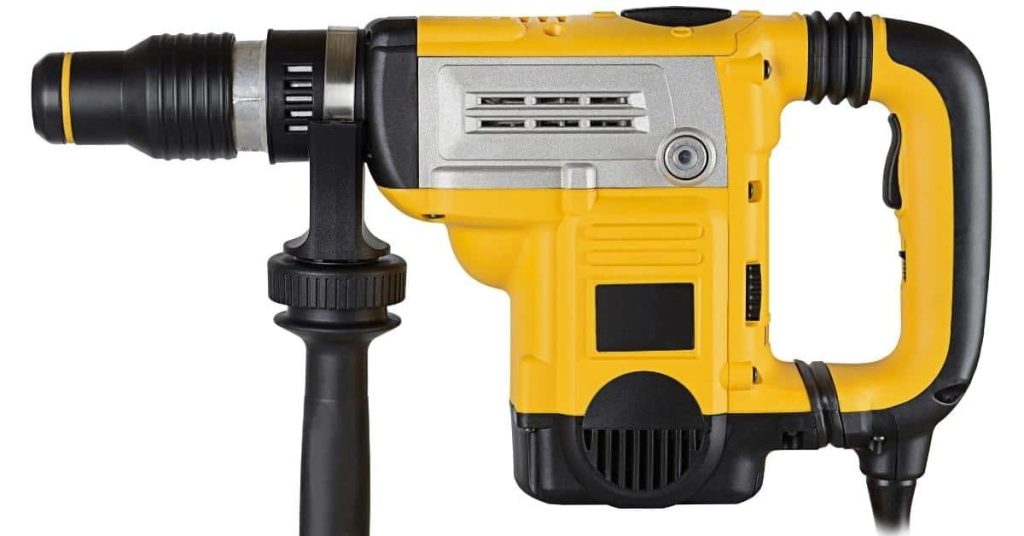
- Demolition hammers (heavy-duty): Smash tiles and remove adhesive. Use a flat chisel (1-3/4″ or 45mm) for wide strokes. Tip: Go slow; too much force can damage substrates.
- Grinders with diamond blades: Cut through tiles and thin-set mortar. Use a wet-cutting technique to prevent dust. Tip: Rent one if you don’t own; they’re expensive but worth it for tough jobs.
- Angle grinders with wire cup brushes: Remove mastic adhesives. Go slow, keep the tool flat. Tip: Don’t press too hard; it can damage substrates.
Protective gear and dust-control tools
Safety first. Control dust to protect your health and workspace.
- Respirator: Protects from silica dust and adhesive fumes. Use a P100 filter for best protection. Tip: Fit test before use; ensure it seals properly.
- Eye protection: Safety glasses or goggles protect eyes from debris. Wear side shields for better protection. Tip: Consider wearing a face shield with your respirator.
- Ear protection: Earplugs or earmuffs protect hearing from tool noise. Use both for best protection. Tip: Ensure they’re comfortable; you’ll wear them for hours.
- Gloves: Protect hands from cuts and adhesive burns. Use heavy-duty work gloves. Tip: Consider using two pairs for extra protection.
- Knee protection: Knee pads protect knees from hard surfaces. Use ones with adjustable straps for a secure fit. Tip: They’re cheap; don’t skimp on protection.
- Vacuum with HEPA filter: Collects dust at the source. Use one with a long hose and good suction. Tip: Rent one if you don’t own; they’re worth it for large jobs.
- Plastic sheeting: Covers adjacent surfaces to protect from dust and debris. Tape it down securely. Tip: Overlap sheets by at least 4″ or 10cm.
- Wet-dry techniques: Uses water to suppress dust when cutting tiles. Keep the blade wet for best results. Tip: Wear a respirator even with wet-cutting; some dust is still produced.
Scoring Grout, Tile Loosening, and Safe Removal Techniques
Clarify the objective for this stage: score grout, loosen tiles, and remove tiles with minimal substrate impact. Distinguish practice for floors versus walls and for different tile types so you choose the right sequence. Identify when you should stop if the substrate shows looseness or edge damage. Prepare a small section to test your approach before proceeding to larger areas. Use controlled, small motions rather than brute force to protect the substrate as you work. Remember that steady, incremental progress reduces the chance of cracking or gouging. Keep a clear plan for how each small section will come apart and how you’ll treat the edges as you move inward.
Match tools and settings to the task: manual grout saws or oscillating tools with grout blades work well for grout removal with minimal substrate impact. Maintain proper angles and light pressure to avoid deep cuts. Plan stepwise workflows that begin with grout scoring, then edge loosening, and finally tile detachment with gentle taps rather than levering against the substrate. Regularly inspect the substrate for looseness or damage and shield it with plastic, cardboard, or membrane where needed. Wear PPE, control dust, and contain debris as you go. If a tile stubbornly resists, pause and reassess before applying more force or changing strategies.
How to score and remove grout lines
Start by choosing the right tool for the job. Manual grout saws are ideal for narrow spaces, while oscillating tools with grout blades tackle wider areas.
Use a grout blade, not a tile blade, to minimize substrate damage. Set your oscillating tool to 10,000-20,000 OPM for best results.
Score the grout lines at a 45-degree angle. This reduces vibration transfer and helps prevent chipping. Go slow and steady, applying even pressure. Use a gentle sawing motion to cut through the grout.
Once you’ve scored all the lines, use a flathead screwdriver or a thin pry bar to break up the grout. Be careful not to gouge the substrate. If you encounter stubborn grout, try using an oscillating tool with a grout-removal attachment.
Prying and lifting tiles without gouging
Begin by testing a corner tile. If it’s loose, you’re in luck. If not, start at a free edge.
Use an oscillating tool with a carbide-grit blade to undercut the tile edges. Hold the tool at a low angle, around 15-30 degrees, to minimize substrate contact. Go slow and steady, using gentle pressure.
Once you’ve undercut the edges, use a flathead screwdriver or pry bar to lift the tile. Place wedges or shims behind your tool to distribute force evenly and prevent gouging. If the tile is still resistant, try scoring the back of it with a utility knife before attempting to lift again.
If you encounter oversized or uneven tiles, use an oscillating tool to carefully cut them into smaller pieces before lifting.
Working methodically: sequence and pacing
Start at free edges, like walls or where the floor meets a wall. This reduces the risk of damaging adjacent areas.
Work in small sections, around 2-4 sq ft at a time. This helps you monitor substrate integrity as you proceed. If you notice any cracks or crumbling, stop and assess the situation before continuing.
Use a gentle tapping motion with your pry bar to loosen tiles. Alternate between taps and lifting to minimize stress on the substrate. If a tile won’t budge, try scoring its back again or using an oscillating tool to undercut more.
If you feel any give in the substrate, stop immediately. You may be dealing with damaged backing that needs repair before proceeding. Always err on the side of caution to prevent further damage.
Adhesive, Mortar, and Thinset Removal Without Damaging Substrate
Identify the substrate specifics—concrete, plywood, or backer board—and the type of install to tailor your approach without gouging. This helps you choose whether to lean on putty knives, pry bars, oscillating tools with carbide blades, angle grinders with dust shrouds, or chemical removers. Set expectations for speed and cleanliness while protecting the substrate from rim-to-edge damage. Plan a small test patch to gauge bond strength and substrate response before committing to full-scale removal. Break the work into substrate-based steps: treat concrete first to minimize scoring, protect plywood edges to avoid splinters, and handle backer boards with edge-safe methods. After removal, verify edge transitions are clean and ready for the next layer. Document any conditions that might affect future repair or replacement work.
Always consider safety and dust control: wear PPE, ventilate, and shield the area with plastic sheeting and a vacuum. Expect some residue and plan for clean-up that doesn’t create new gouges. Decide if full-depth removal is warranted based on bond integrity and substrate condition, then outline a practical plan for priming or re-surfacing before the next flooring step. Finally, perform a post-removal check for moisture or damage that could impact stability or longevity.
Softening and removing adhesives safely
Before you start, identify the adhesive type. Some are water-based, others solvent-based. Test a small area first to ensure your removal method works.
Heat: Use a heat gun or hair dryer to soften adhesives. Keep it moving to avoid scorching. Be careful with plastic substrates.
Chemical removers: Choose safe, eco-friendly options like citrus-based cleaners or enzyme-based products. Apply, let sit, then scrape off. Always follow safety guidelines on the label.
Mechanical scraping: Use a putty knife or oscillating tool with a scraper blade. Work slowly and carefully to avoid gouging the substrate.
Removing thinset and mortar from concrete slabs
Concrete is tough, but you can still damage it. Work carefully with long-handled scrapers or flat chisels.
Long-handled scrapers: Use a wide-bladed scraper to remove thinset in large chunks. Work at an angle to avoid gouging the slab.
Flat chisels/air tools: Hold chisels flat against the surface. Use air tools sparingly and carefully to avoid damaging the concrete.
Work in incremental passes, removing as much material as possible before switching tools or methods. Always wear safety glasses and gloves.
Working on plywood and fragile substrates
Plywood is easy to damage. Be gentle, work slowly, and use edge-safe methods.
Mechanical removal limits: Plywood can splinter easily. Use a wide-bladed putty knife or oscillating tool with a scraper blade. Work at an angle to avoid damaging the surface.
Leaving adhesive/thinset: If removing adhesive/thinset risks damaging the plywood, consider leaving it and installing underlayment instead. This adds thickness but saves the substrate.
Repair options: For minor damage, use wood filler or a thin set cement to patch holes before installing new tile. Always test patches for strength before proceeding.

Differences by Tile Type and Corresponding Tactics
Start by linking tile type to removal strategy: ceramic, porcelain, natural stone, and vinyl each bond differently to substrates. Note how porosity, bond type, and substrate compatibility influence tool choice and technique. Protect the substrate by adjusting your approach to the tile’s behavior and the underlying material, whether concrete, wooden subfloor, or cement backer board. Expect varying levels of difficulty and dust control needs, and plan for edge protection where you’ll be touching adjacent surfaces. Use pre-removal checks to determine adhesion strength and plan for post-removal inspections to confirm flatness and stability. Decide if a professional should handle risky cases, such as large areas or signs of substrate failure. Keep disposal or recycling considerations in mind as you finalize the removal plan.
Run quick pre-removal tests to gauge adhesion and substrate response, then re-evaluate your tool choice and approach. Compare typical challenges across tile types and plan accordingly, including grout removal considerations and edge reinforcement before retiling. Use this framework to estimate effort and pacing, recognizing when to call in additional help to maintain substrate integrity. Document findings during the process so you can reference them for next steps and future installations.
Ceramic and Porcelain Tile
Ceramic and porcelain tiles are hard, brittle materials that can fracture easily. They’re typically bonded to the substrate with thick-bed mortar.
Tools: Use chipping knives or scrapers for ceramic, oscillating/rotary tools with carbide blades or scraper blades for porcelain. Start at a corner, pry up tiles, and chip away any remaining pieces.
To minimize substrate impact, work methodically, using the right tool for each job. For example, use a chisel to score grout lines before removing tiles.
Stone Tile and Mosaics
Natural stone tiles are heavy and can break into large fragments. They’re often set in sanded or unmodified thin-set mortar.
Tools: Masonry chisels or hammer drills work best here. Start at a corner, use light taps to loosen the tile, then pry it up carefully.
Be conservative with force – stone is tough but can still damage the substrate if not handled properly. Remove tiles in segments to avoid stressing the substrate.
Vinyl, Sheet, and Resilient Tiles
Vinyl and resilient tiles are flexible and can be removed using heat-and-peel methods or specialized removers. They’re usually glued down with mastic adhesives.
Methods: For heat-and-peel, use a heat gun to soften the adhesive, then peel off the tile. For chemical removers, follow the product’s instructions carefully – some contain strong solvents that can damage the substrate if not used properly.
If you’re installing new flooring, you may need to remove all adhesive residue. However, if you’re leaving the subfloor intact, it might be okay to leave some adhesive behind. Always test a small area first.
Wall Tile Removal and Protecting Vertical Substrates
Begin by assessing the wall substrate—drywall, cement board, or plaster—to identify risk of gouges and determine protective strategies. Plan wall-specific steps such as scoring with a utility knife, controlled heat or adhesive softening, and low-leverage prying to minimize surface damage. Select tools suitable for vertical work—putty knives, scrapers with firm but gentle leverage, multi-edge grout removers, and an oscillating tool with a scraper blade—and describe how to use them safely on walls. Protect adjacent surfaces with masking tape, edge guards, and careful containment so debris doesn’t spread. Consider different finishes and backing materials, noting how gypsum-based walls, cement boards, or plaster behave under tile removal and how to prep for retiling or repairs.
Plan post-removal steps to ensure clean edges and a solid substrate for reinstallation. Include steps for surface repair or patching if needed, and outline a quick test patch to verify bonding behavior before proceeding to large areas. Emphasize safety and dust control as you work on vertical surfaces, and keep a clean, organized work area to prevent accidental damage. Finally, document substrate conditions and any moisture concerns that could influence the next installation phase.
Minimizing damage to drywall and plaster
When removing wall tiles, it’s crucial to protect your drywall or plaster substrate. These surfaces can be easily gouged if not handled carefully.
Scoring: Before prying off tiles, score the grout lines using a utility knife. This helps break the bond between the tile and adhesive, making removal easier with less force needed.
Thin scrapers: Use thin-bladed scrapers or putty knives to gently lift off tiles. Apply even, gentle pressure along the entire blade to avoid digging into the substrate.
Even with careful technique, minor nicks may occur. Don’t worry; these can be patched later. Just ensure you’re not creating large holes that’ll require extensive repair work.
Removing adhesive from cement board and backer-board walls
Cement boards are tough, but they can still be damaged if you’re not careful. Here’s how to remove adhesive safely:
Mechanical removal: Use a multi-edge grout removal tool or an oscillating tool with a scraper blade to gently scrape off adhesive. Work in small sections and apply even pressure.
Chemical approach: If the adhesive is stubborn, use a cement board-safe chemical remover. Follow manufacturer’s instructions for safe application and disposal.
Be patient. It might take time to remove all the adhesive, but rushing can lead to damage. Keep your workspace clean too; contain debris with drop cloths or plastic sheets.
Visual checkpoints and when a partial substrate repair is needed
After removing tiles, inspect your wall substrate for any damage. Here’s a quick checklist to help:
- Loose sections: Check for any loose or crumbling areas. If found, mark them for repair.
- Wide gouges: Measure any deep scratches. Anything over 1/4 inch will need filling before retiling.
- Cracked drywall: Look for cracks, especially around the edges where tiles were removed.
- Plaster damage: Inspect for any missing or damaged plaster. Small holes can be patched, but large areas may need replacement.
- Mold or mildew: Check for signs of moisture damage. If found, address the cause and treat the affected area.
- Warped cement board: Look for any warping or buckling. This indicates a structural issue that needs addressing.
- Exposed studs: Ensure no studs are exposed. If so, they’ll need protection before retiling.
- Dust and debris: Clean up any remaining dust or debris to prevent it from interfering with your repair work or new tile installation.
Quick rule: If you find extensive damage, it’s best to replace the entire section rather than attempting a patchwork fix.
Safety, Common Mistakes, and Budget Considerations
Put safety first with proper PPE, including goggles, gloves, and a respirator if cutting dust is likely. Address electrical safety by killing power at the source and unplugging tools, and implement dust control with plastic containment and a HEPA-approved vacuum. Quickly assess substrate types—concrete versus plywood—and note any hidden moisture that could present a risk. Identify mistakes that commonly damage substrates, such as using the wrong blade, applying excessive force or speed, prying without support, ignoring underlayment or membranes, or neglecting utility shutoffs. Keep the workflow methodical to minimize errors and protect edges as you progress. Plan for a measured approach rather than rushing the job, so you don’t create unnecessary damage or waste.
Break down the budget by task and tool needs, considering rental versus purchase, protective gear, and disposal. Compare time requirements for covering, detaching, prying, and cleaning, and factor potential repairs into the plan. Define criteria for when professional help is warranted, such as complex substrates, moisture or mold in the area, or embedded hazards. Use a conservative approach to material and waste handling, and document all decisions for future reference. This framework helps you stay within budget while maintaining substrate integrity and project quality.
Common mistakes that wreck the substrate
Avoid these common pitfalls to keep your substrate intact.
- Using impact tools too much: They can crack concrete or damage plywood. Use sparingly and carefully.
- Prying at steep angles: This can cause the substrate to split. Keep your pry bar angle low.
- Not identifying substrate type: Different substrates require different techniques. Know what you’re working with.
- Skipping grout scoring: Scoring grout makes removal easier and prevents damage. Don’t skip this step.
Remember, patience and the right technique are key to preventing substrate damage.
Cost and time estimates — DIY vs professional
DIY tile removal can save you money, but it’s labor-intensive. Expect to spend around $0.50 – $2 per square foot on tools, disposal, and substrate repair.
Professionals charge $2 – $6 per square foot, including labor and materials. They’re faster but more expensive.
Factors affecting cost: Labor intensity, tool rental, disposal fees, and substrate repair needs can increase costs for both DIY and professionals.
If unsure, get multiple professional estimates. It’s worth the peace of mind.
Final checks and prep for the new floor
Before installing your new flooring, use this checklist to ensure a solid foundation.
- Check flatness: Use a long level to ensure the substrate is flat. High spots can be sanded down; low spots may need self-leveling compound.
- Test for moisture: Use a moisture meter to check for excess moisture. Excessive moisture can damage new flooring.
- Cleanliness: Ensure the substrate is clean and free of debris. A thorough cleaning may be needed.
- Check for damage: Inspect for cracks, holes, or other damage. Repair as necessary.
- Verify underlayment: If applicable, ensure the underlayment is in good condition and properly secured.
- Test for leveling compound: If you’ve used a leveling compound, test it to ensure it’s dry and ready for new flooring.
- Check for pests: Inspect for signs of pests. Damage from pests may require professional treatment.
- Verify substrate type: Confirm the substrate is suitable for your new flooring. Some substrates may need to be replaced or reinforced.
Quick rule: If you find major issues, consider calling a pro for leveling or replacement. It’s cheaper in the long run than fixing problems under new flooring.

Conclusion
You can remove tile without wrecking the substrate by sticking to a plan, using the right tools, and respecting the limits of what your surface can handle. The goal is to keep the substrate intact, keep the finish even, and avoid costly repairs later.
Begin with a simple check and follow the flow: inspect the area, verify that you have the right tools for scouring grout, loosening tile, and lifting adhesive; test a small area to confirm the approach works; proceed in logical steps from scoring grout to careful tile removal; protect the substrate as you go and clean as you work so mistakes don’t linger.
Common mistakes to avoid include rushing the scoring, using the wrong blade or hammer technique, and forcing a tile when the backing is still stubborn. Safety first means wearing eye protection and a dust mask, and test in a small area before you commit to a full swing. Keep the work tidy, respect temperature and moisture changes, and don’t overforce joints or corners; if you sense delamination or a brittle substrate, pause and recheck your method.
If the job starts to feel oversized or the substrate shows signs of damage, don’t push through. Call a pro when necessary—timely advice can save you from bigger costs and fixes down the line. Stay focused, follow your checklist, and you’ll finish with a clean, solid surface ready for the next tile or a fresh install.
FAQ
What are the essential tools for removing tiles without wrecking the substrate?
Keep a flat pry bar, a chisel, and an oscillating multi-tool handy. A hammer, putty knife, and buckets for debris help a lot. Eye protection and a dust mask are non‑negotiable; don’t push cheap tools into hard work.
How do you protect the subfloor during tile removal?
Cover the area with a sturdy drop cloth and protective sheathing to catch debris. Use temporary plywood shields along edges to stop gouges, and tape off surrounding finishes to avoid scratches. Keep moisture and vibration under control to prevent softening or swelling of the subfloor.
Why should you score grout lines and test a corner tile first?
Scoring grout lines weakens the bond and makes tile loosening easier. Start with a corner tile to gauge bond strength and plan your approach. If that tile comes up cleanly, you can adjust your method for the rest.
What are the challenges with removing old adhesive and thinset mortar?
Old mortar can stick hard to both tile and substrate. You may need aggressive scraping, grinding, or specialized removal tools, but take care not to gouge the substrate. Check manufacturer instructions for safe methods and compatible removal products.
How does tile type affect the removal process, especially ceramic vs vinyl and wall tiles?
Ceramic tends to bond more with mortar than vinyl, which can be flexible and tougher to grab. Wall tiles add the risk of surface damage to finishes if you’re not careful with leverage and edge protection. Always consider how the tile type and location change your tool choice and technique.