
Introduction
The right blade and technique let porcelain cut cleanly without chips. A wet saw setup is the typical path, and choosing the correct blade type matters for porcelain. Always check label guidance and manufacturer instructions for your blade and water flow, and plan your cuts to minimize chipping.
You have options like a manual tile cutter, a wet saw, or an angle grinder with a porcelain blade. Focus on slow, steady cuts, scoring and snapping or controlled backing to prevent chips, and keep the edge wet. Wear safety gear, work on a flat surface, and follow local rules for cutting porcelain, checking your tools’ instructions for any limits.
Key takeaways
- Porcelain is hard; use consistent scoring and full support to minimize edge chipping.
- For clean cuts, prefer a wet saw with a sharp, porcelain-rated blade.
- Manual tile cutter is useful for straight cuts; validate minimal chipping risk.
- Use angle grinder with a continuous-rim diamond blade; wear eye protection.
- Practice dry runs and keep porcelain supported to avoid breakout; never rush.
Table of Contents
- Introduction
- Key takeaways
- Why Porcelain Is Harder to Cut (Basics You Must Know)
- Choosing the Right Tool: Manual Cutters, Wet Saws, and Angle Grinders
- Blade Selection and Maintenance for Clean, Chip-Free Cuts
- Wet Vs. Dry Cutting: When to Use Each Method
- Step-by-Step Cutting Techniques to Prevent Chipping
- Common Mistakes, Troubleshooting, and How to Fix Them
- Safety, Waste Management, and Project Planning for Diyers
- Cost, Rental Options, and When to Hire a Pro
- Conclusion
- FAQ
Why Porcelain Is Harder to Cut (Basics You Must Know)
Porcelain differs from ceramic in composition, density, and glaze presence. It uses a vitrified mix with quartz, feldspar, and kaolin, and it often carries a glassy glaze on the surface. These traits raise the risk of chips and cracks during cutting.
Manufacturing forces porcelain to be denser and less porous, with a relatively thick glaze that changes how heat and friction affect the edge. That combination means more stress at the cut line, especially on edges and during longer straight cuts or tight radii. Knowing these properties helps guide blade choice and cutting approach from the start.
Material properties that matter
Porcelain’s unique material properties make it harder to cut cleanly. Here are the key factors affecting cutting outcomes:
- High Density and Hardness: Porcelain is denser and harder than ceramic, making it more resistant to cutting but also more prone to chipping. Look for diamond blades with high density and hardness ratings.
- Low Porosity: Porcelain has low water absorption, which reduces friction during cutting. This means you’ll need to use a slower feed rate to prevent overheating and microcracking.
- Glaze Thickness: The thick glaze on porcelain increases the risk of chipping when cutting. Use blades designed for glazed tiles and consider edge protection techniques.
- Large-Format Tiles: Larger tiles put more stress on the blade, increasing the risk of breakage or poor cuts. Choose blades rated for large-format tiles and maintain a steady feed rate.
- Vitrified Body: Porcelain’s vitrified body makes it less porous but also more brittle. This increases the risk of cracking during cutting, so take extra care with straight cuts and complex shapes.
How tile thickness and finish change the approach
Porcelain tiles come in various thicknesses and finishes, each requiring a different cutting strategy:
Rectified Tiles: These have sharp, square edges that require careful scoring before cutting. Use a slow feed rate to prevent chipping.
Glazed Tiles: The glaze on porcelain tiles can be thick and tough. Choose blades designed for glazed tiles and maintain a steady water supply to keep the blade cool.
Textured Tiles: Textured tiles require careful cutting to preserve the design. Use a slow feed rate and consider using a blade with a larger diameter to minimize damage to the texture.
Thick (12mm+) Tiles: Thicker tiles put more stress on the blade, increasing the risk of breakage or poor cuts. Choose blades rated for thick tiles and maintain a steady feed rate to prevent overheating.

Choosing the Right Tool: Manual Cutters, Wet Saws, and Angle Grinders
Manual tile cutters excel at precise straight cuts on porcelain when the tile is well-supported and the edge is not overly thick. Wet saws handle larger formats and offer cleaner edges with constant water cooling. Angle grinders with a diamond blade are flexible for curves and complex shapes, but require careful control.
Consider each tool’s strengths and trade-offs: speed and setup time, dust and water management, required skill, and the risk of chipping. Use the right blade and steady feed to minimize edge damage. Have a simple decision routine in mind based on project size, shape, and edge needs.
Manual tile cutter: when it works and limitations
The manual tile cutter is your go-to for thin to medium-thick porcelain tiles with straight cuts. It’s cheap, portable, and easy to use.
Here’s how it works:
Score the tile with a grooved wheel, then snap it along that line using the cutter’s leverage. But remember, it won’t work for thick or highly dense porcelain. The force needed might damage the tool or cause chipping.
Wet saw with diamond blade: recommended use and advantages
A wet saw paired with a porcelain-rated continuous rim or thin-turbo diamond blade gives you the cleanest cuts. The water keeps dust down, prevents heat buildup, and helps maintain blade life.
Use it for:
– Large-format tiles
– Miters and notches
– Thick porcelain
It’s your best bet when you need clean edges and precision.
Angle grinder and specialty blades for curves and notches
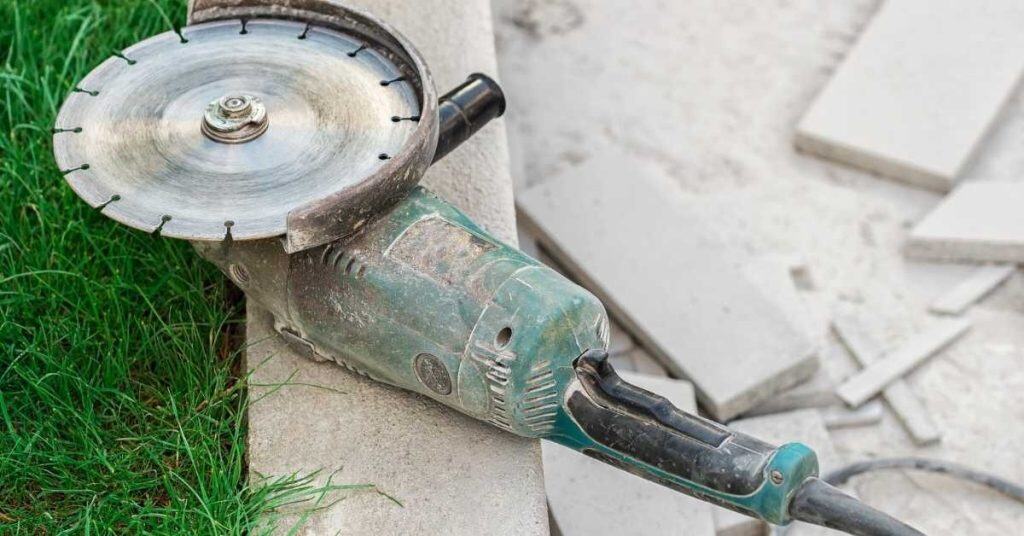
The angle grinder is versatile, handling curves, L-cuts, and site-fit shaping. Use it with diamond blades designed for dry or damp cutting.
It’s great for:
– Curved edges
– Notches
– Site-specific cuts where precision isn’t crucial
But remember, it creates more dust than a wet saw and may not give the cleanest finish. It’s also riskier due to the exposed blade.
Blade Selection and Maintenance for Clean, Chip-Free Cuts
Blade types matter for porcelain: continuous rim blades help with clean edges, thin turbo blades cut more aggressively, and mesh blades are useful in dry-cut scenarios. Match the blade to the job to reduce chipping along the cut line. Always verify the blade is appropriate for porcelain with the label or data sheet.
Bond hardness and tile density influence performance: a harder bond or denser tile calls for the right balance of grit and bond to prevent heat buildup. Keep the blade clean, ensure proper water flow, and check tracking and balance regularly. Dress or replace when performance declines.
Which blade to choose for porcelain
When cutting porcelain, you need a blade designed for the job. Here’s what to look for:
Porcelain-rated blades are your best bet. They’re designed to handle dense materials like porcelain.
For clean edges, go with continuous rim or stone-brick blades. These have a solid outer edge that reduces chipping. For thin tiles, consider thin turbo blades, which are designed for fine cuts on porcelain.
If you’re dry cutting, use mesh blades. They create less dust and reduce the risk of chipping compared to wet cutting with other blade types.
Dressing, cleaning, and replacing blades
Maintaining your blade is crucial for clean cuts. Here’s how:
Dressing glazed blades removes any glaze buildup that can cause chipping. Use a dressing stone to smooth out the blade’s segments.
Check your blade regularly for signs of wear. If it starts skipping or feels hot, it might be time for a replacement.
To prevent glazing and chipping, keep your blade and water flow clean. Regularly remove dust buildup from the blade and ensure there’s enough coolant/water flowing to keep the blade cool and clean.
Wet Vs. Dry Cutting: When to Use Each Method
Wet cutting provides cooling, dust suppression, and longer edge life with cleaner results. A continuous-rim diamond blade works best when water is available and controlled. This method minimizes heat-induced edge chips and keeps the surface smoother.
Dry cutting is handy when water is limited or for small, delicate nibbles. It increases dust and heat, so use proper dust extraction and steady guidance. Plan blade choice, setup, and feed rate to reduce risk when you must cut dry.
Advantages of wet cutting with a saw
Wet cutting porcelain tile offers several benefits. The primary advantage is the cooling effect water provides, preventing blade glazing and overheating that can cause chipping or cracking.
Water also significantly suppresses dust. This not only makes for a cleaner work environment but also reduces the risk of inhaling harmful particles.
Wet cutting produces cleaner, more precise edges. The water helps to wash away debris and keeps the blade cool, resulting in smoother cuts with less chipping at corners.
The combination of a wet saw with a continuous-rim diamond blade further enhances these benefits. The constant water flow through the blade’s core keeps it cool and lubricated, mitigating heat-induced edge chips and extending blade life.
Controlled dry cutting: techniques and limits
Dry cutting can be necessary when water access is limited or for delicate nibbles where water may cause slippage. However, it’s crucial to understand the safety and quality trade-offs.
Multiple shallow passes are key to safe dry cutting. Instead of trying to cut through the tile in one go, make several light passes, allowing the blade to cool between each pass.
Dust extraction is vital when dry cutting. Use a dust mask or respirator and consider using a wet/dry vacuum to suck up airborne particles at the source. This reduces the risk of inhaling dust and keeps your work area cleaner.
Purpose-built turbo blades can help mitigate some of the drawbacks of dry cutting. These blades are designed to cut faster and cooler, reducing the risk of overheating and chipping. However, they’re still no substitute for proper water cooling in most cases.
Step-by-Step Cutting Techniques to Prevent Chipping
Begin with a precise workflow that plans measurements, cutting order, and waste management. Mark carefully and test on scrap where possible to avoid miscuts. A clear plan reduces stress on the tile during the cut.
Secure the tile firmly and choose the proper blade and water setup for wet cutting. Maintain a slow, steady feed and complete passes with minimal loads. Use shallow passes first and finish with a clean full-depth cut to minimize chipping.
Step-by-Step Process
The following is a clear, numbered sequence of practical steps to achieve clean cuts and prevent chipping.
- Preparation: Ensure your workspace is clean, dry, and well-lit. Gather all necessary tools and materials.
- Safety Checks: Inspect tiles for cracks or weaknesses. Wear safety glasses and gloves.
- Main Work: Follow the steps outlined in this guide to measure, mark, clamp, cut, and finish your porcelain tiles.
- Cleanup: Remove clamps, clean the work area, and dispose of any waste responsibly.
- Final Checks: Inspect your cuts for chips or cracks. If necessary, make minor repairs using techniques outlined in this guide.
Prep and marking best practices
Accurate measurement and marking are crucial for clean cuts. Use a caliper or tape measure to get exact dimensions. Mark the finished side of the tile to avoid visible marks.
Score lines using a pencil, ensuring they’re straight and even. Support tiles with clamps or a vise to reduce vibration and edge chipping.
Consider making partial cuts first to minimize waste, then finish with full cuts on the wet saw.
Cutting technique per tool (saw/manual/grinder)
The following are concise cutting techniques for each tool to avoid forcing or overheating the tile.
- Wet Saw: Use a slow, steady feed with consistent pressure. Engage the blade at full speed. Avoid stopping on the tile to prevent chipping.
- Manual Cutter: Apply even pressure while rolling the cutter. Make sure the tile is secure and supported.
- Angle Grinder: U