

Introduction
Concrete that sets too fast is when the mix hardens sooner than you can work with it, leaving you with stiff, unworkable patching. Quick-setting concrete is usually tied to mix heat, hydration pace, and how the site was prepared. When this happens, you need calm, fast, practical steps rather than a panic rush.
First, grab your crew and move quickly to reshape, re-trowel, or re-pour as needed, keeping tools and forms ready. If you have access to retarders or slower-acting admixtures, check the product label or manufacturer instructions for safe use and limits. Always wear proper PPE and protect any fresh work from temperature swings or wind, and reassess your plan before mixing again.
Key takeaways
- Watch for sudden stiffening, surface heat, and loss of workable consistency.
- Move forms and rebar cautiously to avoid compromising strength during quick set.
- Have retardant on site and follow manufacturer instructions for safe use.
- Before any adjustment, verify safety zones and alert crew to hazards.
- Evaluate whether to retard, reset, or schedule a re-pour based on conditions.
- Post-emergency curing and protective measures prevent strength loss and surface flaws.
Table of Contents
- Introduction
- Key takeaways
- Quick Recognition: How to Tell Concrete Is Setting Too Fast
- Immediate Safety Precautions Before Any Emergency Moves
- Emergency Moves That Slow or Reverse Fast Setting (Practical Options)
- How to Add Retardants on-Site: Safe Procedure and Checks
- Preventing Loss of Strength and Ensuring Structural Integrity
- Cleanup, Finishing, and Post-Emergency Surface Care
- Cost, Timeline, and Decision-Making: Emergency Fix Vs Re-Pour
- Common Mistakes, Environmental Impacts, and Eco-Friendly Alternatives
- Conclusion
- FAQ
Quick Recognition: How to Tell Concrete Is Setting Too Fast
Concrete can surprise you with a quick flash set if you’re not watching the surface and how it feels as it cures, so look for gloss, uneven color, and hairline cracks that pop up earlier than you expect, then compare that to how your mix should look under normal conditions. The tactile clue is just as telling: a surface that goes from creamy to tacky or suddenly firms up too soon tells you something shifted, and you’ll need to pause and reassess what you’ve got in front of you. Environmental cues—temperature, sun, shade, wind, and humidity—shape curing speed, and the mix’s initial slump or consistency amplifies those effects, so you’re watching a moving target rather than a fixed timetable.
This matters because recognizing an accelerated set early helps protect strength retention and reduces the risk of hydration bite and microcracking that weakens the finished slab, especially for DIY crews aiming for a solid, lasting result. With practical checks, you can verify suspect set right away by a simple touch test, a light water wash test, or noting how a rough trowel pattern behaves, then decide whether to pause, adjust your approach, or call in a pro. Keep a short log of ambient temperatures, the batch you used, any additives, and the timing of key steps so you can learn from each job and avoid repeating fast-set issues in the future.
Visual and Tactile Signs to Watch For
The first step in recognizing a flash set is knowing what to look for. Here are some common cues:
Rapid Slump Loss: Normal concrete maintains its workability for 1-2 hours. If it starts losing slump (becoming stiffer) within minutes, that’s a sign of flash set.
Surface Skinning: A sudden, thin, dry layer forming on the surface can indicate accelerated setting. This skin should be easily removable with a trowel in normal sets but not in flash sets.
Unexpected Stiffness: If your concrete feels firm or stiff much earlier than expected (before you’ve had time to finish placing and leveling), it’s likely setting too fast.
Environmental and Mix Causes
Several factors can speed up concrete setting. Understanding these can help you prevent flash sets:
High Temperatures: Warmer weather or high ambient temperatures can cause concrete to set faster. This is why concrete should not be placed in extreme heat.
Wind and Low Humidity: Windy conditions and low humidity can evaporate the water from the surface too quickly, causing flash set. Keep your concrete shaded and moist until it’s fully cured.
High Cement Content or Hot Aggregates: Too much cement or aggregates at high temperatures can cause rapid hydration and flash set. Ensure you’re using the correct mix design for your conditions.
Workable vs Irreversible Set: Decision Checkpoints
Once you’ve identified a flash set, act quickly. Here’s a checklist to help you decide what to do:
- Check Workability: Try to move the concrete with your tools. If it’s still workable, you have time for emergency moves.
- Look for Surface Skinning: If the surface is already dry and hard, the set may be irreversible.
- Feel the Concrete: A firm, unyielding feel indicates an irreversible set.
- Check Time Elapsed: If more than 30 minutes have passed since mixing, the concrete might already be too far gone.
- Inspect for Cracks: Early cracks indicate a flash set and compromised strength.
- Test with Water: Sprinkle water on the surface. If it beads up or doesn’t soak in, the concrete is already too dry.
- Check Placement Time: If placement time has been significantly reduced (e.g., less than 30 minutes), the set is likely irreversible.
- Assess Finishing Quality: A patchy or uneven finish indicates a flash set and compromised durability.
Quick Rule: If you can still move the concrete, it’s workable. But if it’s stiff, dry, cracked, or has been sitting for too long, it’s likely irreversible.
Immediate Safety Precautions Before Any Emergency Moves
Before any emergency move, you must lock in safety controls and protect the partially placed concrete and surrounding work. Put on the PPE: hard hats, eye and face protection, gloves, steel‑toe boots, and hearing protection, and set up temporary signage, barriers, and floor or area protection to prevent slips, trips, and falls around the wet concrete. Define clear stop‑work criteria and run a fast, systematic check of formwork stability, rebar exposure, and any signs of movement so you’re not guessing when you move.
Know who can authorize a relocation and require a verbal or written handoff so everyone understands the sequence, roles, and escape routes. Protect the concrete by shielding it from disturbance, managing slump, and avoiding moisture or heat loss, while reinforcing surrounding formwork and adding stay‑in‑place braces or temporary supports as needed. Log interventions with time stamps and photos, note weather and equipment overlaps, and review what happened after the event to improve future responses.
Personal protective equipment and hygiene
The first line of defense for you and your team is the right personal protective equipment (PPE).
- Hard Hat: Protects against falling objects. Ensure it’s clean, undamaged, and fits well.
- Eye Protection: Goggles or safety glasses shield your eyes from debris and chemicals. Choose impact-resistant ones for heavy work.
- Gloves: Protect hands from cuts, burns, and chemicals. Use rubber gloves for wet work, leather for handling rough materials.
- Steel-Toed Boots: Safeguard your feet from heavy objects and sharp edges. Ensure they’re comfortable and fit well.
- Respirator (optional): Use when working with admixtures or chemicals to avoid inhalation hazards. Rentals available, around $50-$100 per day.
Securing the work area and adjacent elements
Protecting your partially placed concrete and surrounding structures is crucial. Start by covering exposed rebar with plastic sheeting to prevent contamination.
Use temporary bracing to support formwork, especially if it’s soft or unsettled. Rentable braces are around $20-$50 each per day.
Shield fresh concrete from wind and rain using tarps or other protective covers. Secure them well to prevent disturbance.
If working near finishes like paint or wallpaper, use plastic sheeting to protect them from splashes and dust.
Managing traffic, equipment, and bystanders
Controlling access to your site is key to preventing accidents and ensuring safety.
- Isolate the Area: Use barriers and signage to keep people out. Rentable barriers are around $20-$50 each per day.
- Pause Deliveries: Temporarily halt deliveries of materials that aren’t immediately needed to reduce congestion.
- Coordinate Crews: Clearly communicate roles and responsibilities during the emergency. Ensure everyone knows what they’re doing and when.
- Equipment Safety: Inspect equipment before use, ensure it’s in good working order, and follow manufacturer guidelines.
- Bystander Control: Keep non-essential personnel away from the work area. If you can’t, provide them with appropriate PPE.
Emergency Moves That Slow or Reverse Fast Setting (Practical Options)
When fast-setting concrete happens, act in order: confirm whether it’s still plastic or already stiffening, note temperature and moisture, and the batch details. Use immediate non-chemical controls to buy time: shade, windbreaks, surface cooling with cold water or crushed ice if allowed, and reflective covers or wet burlap to slow heating. Then slow the set before finishing; do not add water or more cement once setting begins, and save chemical retarders for a future, still-plastic portion.
Why it matters: these steps help preserve strength and bond by buying time without wrecking the mix. Keep the surface workable with a gentle finish if possible, keep it moist to slow early strength gain, and plan the next batch to prevent repeat fast setting; avoid over-wetting or improvised hacks that hurt durability.
Cooling and Shading Techniques
If your concrete is setting too fast, the first step is to slow down the process. This can be done by cooling the mix and providing shade.
Shade: Use tarps or other materials to create a barrier from direct sunlight. This helps reduce the temperature of the concrete and slows down the setting time.
Cooling with ice: If your supplier allows, you can add crushed ice or cold water to the mix just before pouring. This reduces the temperature of the concrete and gives you more working time. Be careful not to overdo it as too much water can compromise the strength of the concrete.
Wetted burlap: Covering the concrete with wetted burlap helps insulate it from heat and keeps it moist, which slows down the setting process.
Re-tempering and Controlled Re-Mixing
If your concrete has started to set but is still workable, you can try re-tempering or remixing to restore its plasticity. This should be done carefully to avoid compromising the mixture’s properties.
Adding water: If allowed by your mix design, you can add a small amount of water to the concrete to increase its workability. Be careful not to add too much as this can weaken the concrete and cause it to slump.
Remixing: If you have access to a concrete mixer, you can remix the concrete to redistribute any excess cement that may have settled at the bottom. This should be done briefly and carefully to avoid introducing air into the mix or damaging the aggregate.
Remember, once the concrete has started to set, these methods will only buy you some time. They won’t reverse the setting process completely.
Applying Chemical Retardants as an Emergency Measure
If cooling and re-tempering aren’t enough to slow down the setting process, you might consider using a set-retardant admixture. These are chemicals that delay the setting time of concrete.
Verification: Before applying any retardant, make sure it’s compatible with your mix design and follow the manufacturer’s guidelines for dosage and application. Improvising can compromise the strength and durability of your concrete.
Application: Retardants should be added to the concrete just before mixing. They work best when mixed thoroughly into the concrete. If you’re adding a retardant to an existing pour, make sure it’s still plastic and mix it in well.
Testing: Before applying any retardant to your entire pour, test it on a small trial mix first. This helps ensure that the retardant works as expected and doesn’t cause any unexpected reactions with your concrete.
How to Add Retardants on-Site: Safe Procedure and Checks
On-site retardants are tools to stretch your workable time without compromising the cement’s integrity, but they must be used within defined limits and with proper prep. Start with safety gear, good ventilation, and a clear plan for handling spills, clean rinsing water, and ready lubrication of equipment. Read and follow the product label for dosing guidance, temperature sensitivity, and compatibility with cementitious materials and admixtures before you mix anything.
This matters because improper use can slow strength gain or cause segregation, bleeding, or finishing delays that bite you later. A careful, documented workflow helps you stay in control from batching to placement, with checks on workability and set behavior and notes on weather and surface conditions. If results look off, you’ll know what to adjust and how to record the batch data, so you can decide on re-tempering, additional curing strategies, or partial remediation without guessing.
Step-by-Step Process
Follow these practical steps to safely add retardants on-site, ensuring your concrete stays workable and strong.
- Wear appropriate PPE. Use gloves, safety glasses, and a long-sleeved shirt.
- Check weather conditions. Retardants may not perform well in extreme heat or cold.
- Set up the site. Have clean water for rinsing and lubricate equipment to prevent clogging.
- Measure retardant accurately. Use the manufacturer’s recommended dosage rate based on cement content.
- Add retardant to mixer or drum first, followed by clean water. Agitate well before adding cement.
- Mix thoroughly. Ensure the retardant is evenly distributed in the mix.
- Monitor workability. Check slump immediately after mixing and every 15-30 minutes thereafter.
- Finish on time. Retardants slow setting, but excessive retardation can lead to strength loss if finishing is delayed.
Choosing the right retardant and verifying compatibility
Selecting the correct retardant is crucial for maintaining concrete strength. Always check manufacturer specifications.
Cement type: Some retardants are designed for specific cement types (e.g., Type I, II). Ensure yours matches your mix’s cement.
Admixtures and job requirements: Verify the retardant is compatible with any admixtures in your mix. Check if it meets your job’s required set time extension.
Temperature sensitivity: Some retardants perform better within specific temperature ranges. Ensure yours works well at your site’s conditions.
Mixing and distribution best practices
Proper mixing ensures even retardant distribution, maintaining concrete quality.
If the retardant is a liquid, dissolve it in clean water before adding to the mixer or drum. This prevents clumping and promotes even distribution.
Mix thoroughly: Once all ingredients are added, mix for at least 3-5 minutes to ensure the retardant is evenly distributed throughout the concrete.
If using a ready-mix truck, add the retardant to the drum before adding cement. Agitate well before loading the truck.
Workability and performance checks after dosing
Immediate checks ensure your intervention worked, while ongoing monitoring confirms it.
Visual slump: Check the concrete’s slump immediately after mixing. It should be within the desired range (usually 4-8 inches for most jobs).
Monitor over time. Keep an eye on slump loss, bleeding, or segregation. If finishing is delayed due to excessive retardation, consider re-tempering or additional curing strategies.
Field checks: Take temperature readings and perform compressive strength tests (using sample cylinders) as per your cure logs. Adjust your plan if results are off.
Preventing Loss of Strength and Ensuring Structural Integrity
Emergency actions during early pours can slow or misdirect hydration. Adding water, remixing, or delaying finishing can dilute cement paste, raise porosity, and create cracking. The goal is to protect early-age strength and keep the mix on track for full compressive capacity.
Keep the concrete at a sensible age and avoid retempering; use controlled curing to keep moisture and temperature steady. Practical methods include light misting or spray curing, curing blankets, and curing compounds, plus checking surface temperatures and avoiding new stresses. Also watch for cracks, track early temperatures, and when in doubt, check with a structural pro or contractor before loading or heavy finishing.
Field tests and when to call a lab or engineer
The concrete’s age and maturity stage dictate your emergency response. Fresh concrete (<12 hours) is still setting, while matured concrete (>7 days) has gained most of its strength.
Quick on-site checks: Use a non-destructive rebound hammer to estimate compressive strength. Check for cracks or signs of distress. Monitor surface and internal temperatures.
If you notice excessive heat, cracking, or strength readings below design specs, send samples to a lab for testing. If structural integrity is compromised, pause the job until an engineer evaluates risk.
Adjusting curing and admixture strategy after an emergency
Emergency interventions can disrupt hydration. To mitigate strength losses, adjust your curing and admixture strategy.
Moist cure: Keep the surface damp to maintain ongoing hydration. Use spray or mist curing, or apply curing blankets.
Admixtures: If you added water during an emergency, consider using a water-reducing admixture to compensate for dilution. Consult with your concrete supplier before adding any admixtures.
Documenting actions for quality control and liability
Thorough documentation protects you from liabilities and aids in future inspections or claims. Record everything related to the emergency intervention.
Time: Note when the emergency occurred, how long it lasted, and when normal curing resumed.
Materials: List any additional materials used (water, admixtures).
Temperatures: Record surface and internal temperatures before, during, and after the intervention.
Personnel actions: Document who performed the emergency intervention, what they did, and when. Keep these records on-site and share them with your project manager or engineer.
Cleanup, Finishing, and Post-Emergency Surface Care
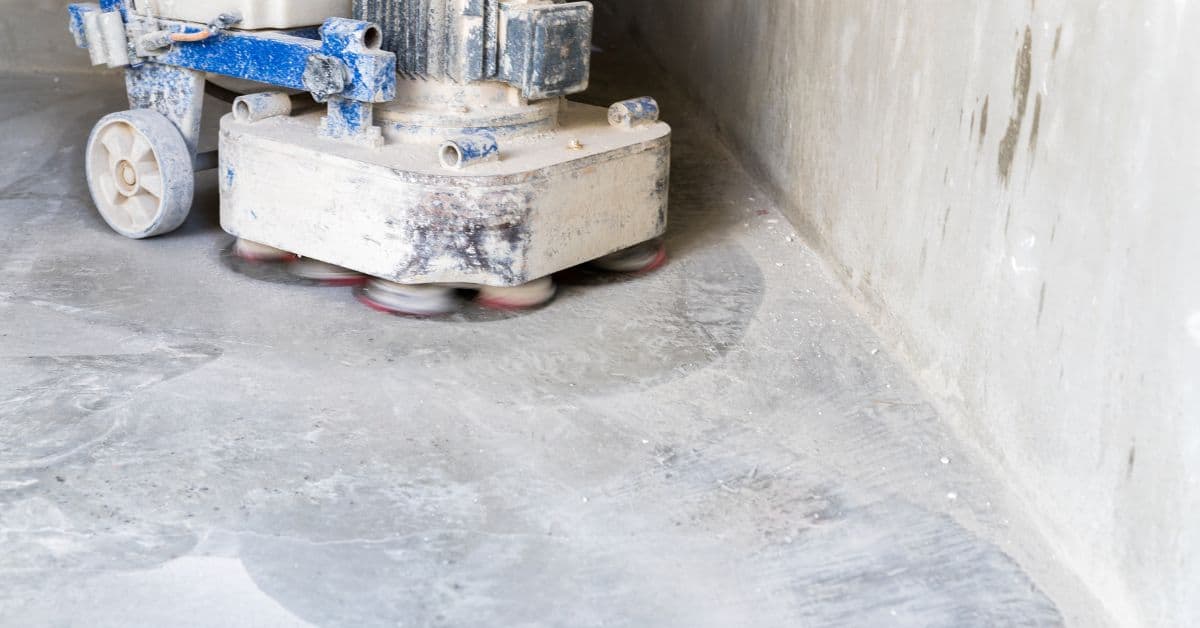
After emergency treatment, finish the surface with control and restraint: use a light, even touch to avoid overworking the concrete and to minimize laitance, choosing a squeegee or gentle pass rather than hard troweling as the situation allows. Keep the pressure consistent, time the passes to just bring up a smooth look without thinning the paste, and stop short of aggressive aggressive finishing that can weaken the surface or trap fines beneath the surface skin.
This matters because the goal is a bonded, strong top layer that holds up to curing and wear without creating micro-cracks or powdery dust. Follow a safe, step-by-step workflow: ensure the surface is clean and free of loose material, manage moisture to prevent ghosting or bleed, and select the right tooling and timing to avoid adding excess laitance while still achieving a uniform finish. Clean tools and runoff with containment, neutralizing rinses if needed, and dispose of slurry properly, while PPE is worn and nearby surfaces are protected from contamination. Quick checks—test surface hardness gently, look for signs of overfinish or underfinish, and decide if sealers or surface treatments are appropriate after curing. Common issues like a dusty surface or feathered edges should be treated with light abrasive or brooming, but stop before exposing new laitance pockets; when in doubt, check the label/datasheet for recommendations and follow local rules.
Proper Finishing Techniques After Retempering Or Retardant Use
The key to preserving strength in emergency-treated concrete is timing your finish right. Wait until the bleed water has disappeared and the surface is no longer sticky.
Use a squeegee technique with a magnesium or wooden float, applying light pressure to avoid overworking the surface. Work in small sections, moving from one side of the slab to the other.
After initial finishing, let it rest for 15-30 minutes before going back with a trowel. Use light, even strokes, avoiding deep scratches or overworking. Remember, less is more in this case to prevent laitance buildup.
Removing Contaminated Surface Or Repairing Defective Areas
If the concrete’s surface is compromised, you may need to remove and replace layers. Act quickly but carefully, as overworking can weaken the surface.
Use a light abrasive treatment like a wire brush or scarifier to remove laitance without exposing aggregates. If laitance pockets are tight, use a controlled water mist to soften and lift it off gently.
For minor defects, perform light surface remediation using a broom finish or power trowel with careful pressure. If the damage is severe, consider replacing the affected area, ensuring proper bonding with the existing concrete.
Tool, Washout, And Waste Handling
Maintaining a clean jobsite is crucial to prevent recontamination. Here’s how to handle tools, washouts, and waste safely.
- Washout area: Set up a designated washout area away from water sources and drains. Use waste containment like silt fences or barriers to prevent runoff.
- Neutralizing rinses: Use citric acid or other neutralizing agents to bring the pH of wash water down from 12-14 to a safe level (7). Follow manufacturer’s instructions for proper mixing and application.
- Disposal of slurry: Slurry waste should be disposed of in accordance with local regulations. This often involves drying it out and sending it to a landfill. Do not pour it down drains or into waterways.
- PPE: Wear gloves, safety glasses, and protective clothing when handling chemicals and washouts. Follow manufacturer’s guidelines for safe handling of admixtures.
- Preventing recontamination: Keep tools clean during use and store them properly to prevent contamination. Use separate tools for different tasks, if possible, to avoid cross-contamination.
Cost, Timeline, and Decision-Making: Emergency Fix Vs Re-Pour
This section helps you decide if an emergency salvage patch makes sense or if you should plan a full re-pour by weighing safety, load path, and how critical the element is to the structure. Think about whether the quick fix will be your final solution or just a temporary stopgap, and whether it preserves acceptable strength without inviting long term problems. Expect to consider labor hours, material choices, equipment needs, and the risk of ongoing damage, and to use a simple breakeven mindset to compare salvage versus re-pour.
Plenty of moving parts affect timing: available work windows, cure and setting times, weather risk, and how downstream trades and access constraints may push or pull your schedule. You should also assess bond quality, potential cold joints, differential shrinkage, and whether nondestructive checks or spot tests are warranted before committing to a path. Finally, lay out salvage options clearly with their limits and define triggers for re-pour based on how large or deep the repair is, what load it must carry, and what durability you require.
Factors that change the cost-benefit balance
The decision to fix or re-pour isn’t one-size-fits-all. Several factors shift the cost-benefit balance:
Element Function: Critical elements like foundations, columns, or beams need stronger consideration for re-pour.
Exposure Class: Concrete exposed to harsh conditions (e.g., freeze-thaw, chemicals) may require a full re-pour for long-term durability.
Required Strength: If the flash set concrete can’t meet required strength even after salvage efforts, re-pour might be necessary.
Quick fixes and their tradeoffs
When time’s tight, quick fixes can buy you some time. But remember, they’re not perfect:
Retardant: Can slow set but may weaken concrete if used too late or in high doses.
Cooling: Slows set by reducing temperature but can lead to thermal cracks if not managed properly.
Local Removal: Removing flash-set areas can help, but it’s labor-intensive and may introduce cold joints with risks of their own.
When to stop and plan a controlled re-pour
Sometimes, the best move is to cut your losses and start fresh. Here are clear signs:
Structural Risk: If flash set threatens structural integrity (e.g., widespread cracking, loss of strength), safety comes first – re-pour.
Widespread Flash Set: If most of the pour has flashed set, it’s hard to salvage without compromising long-term performance.
Inability to Meet Specs: If tests show you can’t meet required specs even after salvage efforts, a full re-pour is likely needed.
Common Mistakes, Environmental Impacts, and Eco-Friendly Alternatives
This section highlights the big mistakes that cut set strength in DIY concrete, from sloppy water-to-cement handling and incomplete mixing to premature finishing and insufficient curing, plus the environmental risks tied to washout, cement dust, and the wrong additives. You’ll get practical, no-fluff fixes you can apply right at the mixer and jobsite, with quick prompts to audit your mix, check temperature and moisture, and verify formwork and protection before and after placement. We also lay out greener options that still build solid strength, such as safer, low-toxicity additives where feasible, responsible curing methods, rainwater-friendly practices, and cleaner cleanup strategies that reduce dust and runoff.
Understanding these points matters because small choices add up to weaker slabs, costly repairs, and unnecessary environmental impact on any home project, especially when you’re not trained and trying to save money. With straightforward checklists for before mixing, during placement, and through curing, you’ll have a usable map that helps you stay in control, manage temperature swings, and protect forms and surfaces, reducing surface flaws. If you’re unsure about a product or method, always check the label or datasheet and follow local guidance, while keeping notes on what you tried and what to adjust next time so you don’t repeat mistakes.
Mistakes that most commonly lower concrete strength
To ensure your concrete sets properly and maintains its strength, avoid these common pitfalls:
- Overwatering: Too much water weakens the mix. Stick to the recommended water-to-cement ratio.
- Indiscriminate chemical use: Adding too many or wrong chemicals can compromise strength. Only use approved admixtures and follow their guidelines.
- Excessive reworking: Over-mixing or reworking concrete after it’s already set can cause it to lose its intended properties.
- Poor temperature control: Extreme temperatures, especially during setting, can affect strength. Keep concrete within the recommended range (50-90°F/10-32°C).
Remember, these mistakes can lead to reduced strength and durability. Always follow mix designs and best practices.
Environmental risks and responsible disposal
Improper handling of concrete waste and additives can pose environmental risks:
Runoff and washout can contaminate local water sources. Contain these on-site using barriers or covers.
Cement dust, a byproduct of mixing and finishing, is harmful to breathe. Wear appropriate PPE and keep the area clean.
For cement slurry cleanup, use approved methods like vacuuming or proper disposal in designated areas. Follow local regulations for waste management. Always prioritize prompt cleanup to minimize environmental impact.
Eco-friendlier retardants and practices
To reduce the environmental footprint of your concrete work, consider these greener options:
Use approved biodegradable retardants instead of harsh chemicals. These slow down setting time without harming the environment.
Implement cooling and insulation strategies. Keeping concrete cool during hot weather can help maintain strength and reduce energy usage for cooling.
Check product eco-labels to ensure you’re using low-impact materials. Always follow local regulations regarding disposal and recycling of construction waste.
Conclusion
When concrete starts setting too fast, your main job is to protect strength, control safety risks, and keep the surface look and finish intact. Take calm, deliberate steps so you don’t trap cracks or create weak spots that will haunt the project later.
Use this real-world check in plain language: first secure the area and gear up; confirm the time window and pavement or form status; follow the on-site retardant procedure exactly as written and only after testing a small patch; monitor temperature, humidity, and set progress in real time; if the cure seems irreversible, plan a cautious cure or a controlled re-pour rather than forcing a full coat or wrong finish. Keep notes and stay within the safe ranges you were told to use.
Common mistakes to avoid are rushing any move, improvising chemistry, or skipping safety gear. Don’t jump in with untested tweaks, don’t apply retardants beyond recommended amounts, and don’t ignore weather changes that can accelerate setting. Always wear eye and skin protection, keep hands and feet clear of concrete under tension, and verify a small test area first before wider use.
If the situation calls for it, know when to step back and call in a pro instead of pushing through. A professional can confirm whether a controlled remedy or a re-pour is the right course, saving you time and avoiding costly fixes. Stay practical, stay safe, and you’ll finish with a solid, durable surface you can rely on.
FAQ
What typically causes concrete to set too fast, and how can I recognize it early?
Hot weather, thick mixes, and rapid hydration can speed up setting. Rapid set often looks like the surface stiffening within minutes and the interior still damp. Check the mix label or datasheet for a retardant option and watch for changes in temperature and humidity on site.
What immediate actions should I take when I notice concrete starting to set too quickly?
Strip away any finishing steps that require movement and protect the surface. If possible, start mobility or adjustments with light, careful handling, but don’t force-set or stress the bar or form. Consult the product instructions or manufacturer for approved maneuvers and safety precautions.
How can retardants be used safely to slow the set of already mixed concrete?
Only use a retardant that is approved for use with your concrete mix and follow the label directions. Add small amounts gradually if the mix allows and test a small sample first. If in doubt, contact the supplier or manufacturer for the correct procedure and limits.
What safety precautions should I follow during emergency adjustments to fast-setting concrete?
Wear eye and skin protection and keep others clear of the work area. Do not improvise with untested additives or methods. Always verify any action with the product instructions and local rules, and stop if something smells off or heat is excessive.