
Introduction
Repairing stucco behind downspouts means fixing the weather-resistant barrier and ensuring proper edge termination to prevent water intrusion. This is a hands-on DIY task that focuses on reestablishing a continuous moisture barrier and a clean transfer of water away from the wall. You’ll need to work behind the downspout area, where access and flashing details matter for a lasting repair.
Start by inspecting the area, then carefully remove loose stucco around the downspout to expose the WRB. Rebuild or patch the WRB as needed, install appropriate flashing and termination at the edge, and recoat or re-stucco per your project’s finish. Always follow product labels and local rules for materials and flashing details, and check manufacturer instructions for compatible sealants and methods.
Key takeaways
- Inspect the downspout area for water intrusion signs before removing it.
- Shield occupants with PPE, head protection, and fall protection; secure work area.
- Rebuild WRB correctly with manufacturer-backed details and proper flashing at termination.
- Re-lath and re-stucco with compatible materials, ensuring proper bonding and drainage.
- Check visual checkpoints: weatherproofing, flashing integrity, and finish alignment before reattaching.
- If in doubt, hire a pro for scope definition, warranties, and code compliance.
Table of Contents
- Introduction
- Key takeaways
- Quick Assessment: Scope, Signs, and Urgency
- Safety, PPE, and Permits Before You Start
- Tools and Materials Checklist
- Removing the Downspout and Exposing the Problem Area
- Rebuilding the WRB System Correctly
- Rebuilding the Lath and Applying Stucco Finishes
- Visual Checkpoints and Verification Before Reattaching Downspouts
- When to Hire a Pro, Contractor Scope, and Warranty Considerations
- Conclusion
- FAQ
Quick Assessment: Scope, Signs, and Urgency
Start by looking at what is visibly damaged and what might be hidden behind siding or stucco. Look for moisture staining, soft spots, cracking, and delamination around the downspout area. Decide if the repair needs immediate attention or can be staged by checking for active leaks and rain exposure. To confirm specifics, consult the product label, data sheet, or manufacturer instructions about moisture thresholds and repair steps.
Document findings with notes or photos so you can plan a safe sequence of work. Consider weather forecasts and potential water intrusion during rain events when deciding urgency. If you’re unsure, err on the side of treating it as urgent and protect the interior while you plan the repair.
Visual and tactile inspection steps
Before you start any repair work, follow this checklist to assess the damage. It’s best to do this on a dry day.
- Check for stains: Dark spots or streaks can indicate moisture intrusion. They might be hidden behind dirt or algae, so clean the area first.
- Feel for soft sheathing: Press firmly with your fingers. If it feels spongy or gives way, there’s likely rot.
- Look for delamination: Peeling paint or stucco can signal that moisture has gotten behind the surface.
- Inspect caulking and sealants: Cracked or missing caulk around downspouts and at the base of walls lets water in.
- Check for efflorescence: A white, powdery residue on the stucco can indicate moisture migration.
- Examine flashing: Ensure it’s intact and properly installed. Missing or damaged flashing allows water to get behind the stucco.
- Probe with a flathead screwdriver: Gently poke at any suspect areas. If the tool goes in easily, there’s rot.
- Tap on suspect areas: A hollow sound can indicate rotted sheathing or cavities filled with water.
Quick rule: Don’t skip this step. It helps you understand the full extent of the damage and plan your repair accordingly.
Using tools to confirm hidden problems
Sometimes, visible signs aren’t enough. These tools can help you find hidden issues.
- Moisture meter: Measures the moisture content in materials. Ideal for finding wet spots behind stucco. Rental: $20-$50/day.
- Borescope: A flexible camera on a cable lets you see inside walls without opening them up. Purchase: $100-$300, or rent: $30-$60/day.
- Thermal imaging camera: Shows temperature differences, helping to locate hidden moisture and rot. Rental: $50-$200/day.
Safety, PPE, and Permits Before You Start
Put on the basics: sturdy boots, protective gloves, eye protection, and a dust mask or respirator. Use fall protection if you’ll be working near edges or ladders, and keep a clean, stable work area. Control dust by dampening the area and using a containment method as needed.
Before opening walls or removing barriers, check local permitting and code requirements. Verify what permits are needed and whether the job falls under specialty requirements. Always reference official guidance such as local building codes or your jurisdiction’s instructions from the authority having jurisdiction.
Permits, code triggers, and required inspections
Before you start tearing into your stucco, check if you need permits or inspections. Here’s a quick checklist:
- WRB/Flashing Replacement: Check local codes for requirements when replacing water-resistive barriers or flashing.
- Stucco Repair: If your repair is larger than 25 sq ft, you might need a permit.
- Electrical/Plumbing: If work involves these systems, always check for additional permits.
- Inspections: Schedule inspections before hiding any work behind new stucco.
- Historic Districts: Check if your home is in a historic district with extra regulations.
- HOA/Condo Associations: Follow their rules and guidelines for exterior repairs.
- Fire-Resistant Materials: Some areas require fire-resistant materials. Check local codes.
- Accessibility: Ensure your repair doesn’t affect accessibility features like ramps or railings.
Quick rule: Always check with your local building department before starting any major exterior repairs to avoid costly mistakes and delays.
PPE, ladders, and scaffold safety
Safety first, always. Here’s what you need when working on your stucco:
Personal Protective Equipment (PPE): Wear a NIOSH-approved respirator for silica dust protection, safety glasses or goggles to protect your eyes, and work gloves for handling materials.
Ladders & Scaffolds: Use only stable, secure ladders or scaffolds. Extend them at least 3 feet above the gutter to ensure safe access. Always have three points of contact when climbing.
Roof Work: If you’re working near a roof, ensure it’s safe and stable before stepping onto it. Use caution around skylights and vents.
Tools and Materials Checklist
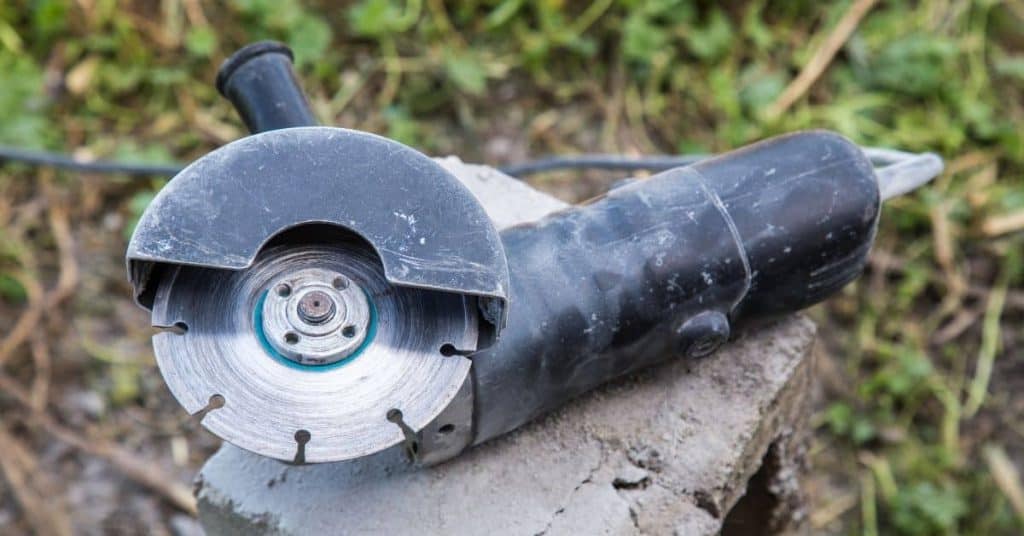
Have a basic set of masonry and hand tools ready: pry bar, hammer, chisel, utility knife, tape measure, straight edge, and a masonry saw or grinder with appropriate discs. A cordless drill and drive bits for fasteners, plus mixing tools for the stucco, will save time. Have a level or lattice to check flatness as you reframe the WRB area.
Stock the necessary materials: weather-resistant barrier, flashing, metal lath, stucco mix or approved base coats, bonding agents, control joints, and appropriate fasteners. Consider acceptable alternatives if you can’t source your first choice, and always verify compatibility with the WRB, flashing details, and stucco system by checking labels or manufacturer instructions.
Essential tools for demolition and installation
Before you start, make sure you have the right tools to get the job done safely and efficiently.
- Stucco saw: To cut through the existing stucco. Safety glasses a must.
- Pry bars: For removing damaged stucco and exposing the wall.
- Utility knife: To score and remove old adhesive and paper.
- Trowels (1/4″ & 3/8″): For applying and smoothing stucco mix.
- Fastener tools (screw gun, nailer): For attaching lath to the wall.
- Moisture meter: To check for hidden moisture behind the stucco. Skip this, risk mold growth.
- Flashing brake or tin snips: To bend and shape metal flashing.
Quick rule: Always double-check your tools before starting to avoid delays.
Material types and specs explained
Knowing the right materials and their specifications is key to a successful repair.
- WRB (Water-Resistive Barrier): Consider housewrap, building paper, or fluid-applied. Check ASTM D6626 for standards.
- Flashing metal: Use corrosion-resistant metals like galvanized steel or aluminum. Thickness should be 24-28 gauge.
- Lath: Opt for corrosion-resistant lath, like stainless steel or plastic. Check ASTM C1365 for specs.
- Stucco mix: Use a pre-mixed, high-quality stucco. Follow manufacturer’s guidelines for mixing and application.
Quick rule: Always check manufacturer or ASTM specs to ensure materials meet building codes and standards.
Removing the Downspout and Exposing the Problem Area
First, safely disconnect or remove the downspout so you can access the wall edge. Create controlled openings in the stucco with minimal damage to surrounding areas, using the tool that keeps cuts clean. Work slowly to avoid tearing the WRB behind the wall.
Protect interior spaces by sealing openings and laying drop cloths or plastic to catch debris. Plan for temporary weather protection if rain is forecast. Keep track of cutouts and debris so you can re-close the area neatly once repairs are complete.
Detaching and supporting gutters/downspouts
Before you start, ensure the downspout is securely attached to the gutter. You don’t want it falling off midway through your work.
Use a ladder that’s tall enough to reach the roof edge safely. Once there, gently lift the downspout away from the wall. If it’s stuck, use a utility knife to cut any caulk or sealant holding it in place.
Temporarily support the gutter with a 2×4 or similar piece of lumber to prevent stress on the roof edge while you’re working.
Cutting stucco and exposing sheathing/WRB
Start by marking out the area you need to expose. Use a straight edge and a pencil to draw a clear line.
Use a utility knife or a score-and-snap tool to cut through the stucco. Go slow and steady, applying even pressure. If you’re using a utility knife, change blades frequently for clean cuts.
Once you’ve scored the entire area, use a flathead screwdriver or a chisel to tap along the scored lines. This should break the stucco into manageable pieces. Remove these carefully, preserving any intact pieces that can be patched back later.

Rebuilding the WRB System Correctly
Install or replace the weather-resistant barrier so it sheds water away from the wall and ties into existing roof and gutter flashings. Overlap where required and ensure the WRB extends under any base flashing at the top edge. Check that penetrations are properly flashed and sealed according to guidelines.
Follow the manufacturer instructions for seams, fastener spacing, and overlaps. If you’re unsure about a detail, verify with the product label or data sheet and match it to local rules or the contractor’s guidance for this wall assembly.
Selecting and installing the WRB
The first step is choosing the right weather-resistant barrier (WRB). You’ve got two main types: fluid-applied and sheet. Both have their pros, but for this job, we’ll focus on sheet WRBs like house wrap or felt paper.
Start by measuring your wall area. Most WRBs come in standard widths, so you’ll need to calculate how many rolls you need. Remember to account for overlaps – aim for at least 4 inches.
Installing is straightforward. Start from the bottom and work your way up. Stagger your seams like shingles to ensure water can’t get behind. Use staples or nails, b