
Keyways Vs Dowels: Which Joint Detail Helps More for Small Residential Pours

Keyways Vs Dowels: Which Joint Detail Helps More for Small Residential Pours

Introduction

Keyways generally provide more shear resistance and better alignment control than dowels for small residential pours.

This guide walks through how to choose between them, what factors to consider in your project, and practical steps for planning, placement, and inspection to help you achieve a solid, durable joint.

Key takeaways

  • Keyways resist lateral shear in small pours, reducing edge spall and cracking.
  • Dowels transfer load through slabs without restricting longitudinal movement significantly.
  • For uneven subgrade, keyways provide better restraint against differential settlement.
  • Hybrid approaches suit limited headroom and labor-constraints in residential pours.
  • Match spacing: 12-16 inches for dowels; 4-8 inches for keyways in small slabs.
  • Durable, corrosion-resistant coatings extend long-term performance for both details.
Table of Contents

Quick overview: keyways and dowels explained

Keyways and dowels are small steel pieces that help concrete joints line up and transfer movement. Keyways create a shallow groove, while dowels are solid rods that carry shear between slabs. In simple terms, they keep sections aligned and help transfer load without cracking.

Use them in residential pours like sidewalks or slabs to limit drift as the concrete cures. If you skip them, joints crack or lanes misalign under load. They’re not optional on big pours; for small slabs they still help you avoid call-backs and costly fixes.

What is a keyway?

A keyway is a groove cut into the concrete at joints to lock adjoining slabs together. It’s formed by placing a metal strip in the joint before pouring, which creates a recess once the concrete sets.

The primary role of a keyway is to prevent horizontal movement between slabs, ensuring they stay locked and aligned as one unit. This stops cracking and misalignment issues down the road. Check base compaction before setting your forms to ensure a solid foundation for your keyways.

Making sure your keyways are deep enough is crucial; if they’re too shallow, you won’t get the interlocking effect needed for stability. Aim for at least an inch deep and follow manufacturer guidelines on spacing and depth.

What is a dowel?

A dowel is a metal rod, usually made of steel or epoxy-coated steel, that runs through joints in concrete slabs. It helps transfer loads across the joint by connecting the two sides firmly. Think of it like a strong tie between your hands when you’re pulling something heavy.

When placing dowels, make sure they’re straight and centered in the joint. Common patterns include every 12 inches on center for smaller projects or every 6 inches if you’re dealing with heavier loads. Don’t skimp; proper spacing is key to keeping your concrete strong and stable.

Check base compaction before setting dowels, as loose soil can cause settlement issues later. Also, ensure the dowel ends are flush with the slab surface so they don’t interfere with finishing work or become a tripping hazard once cured.
Back to top ↑

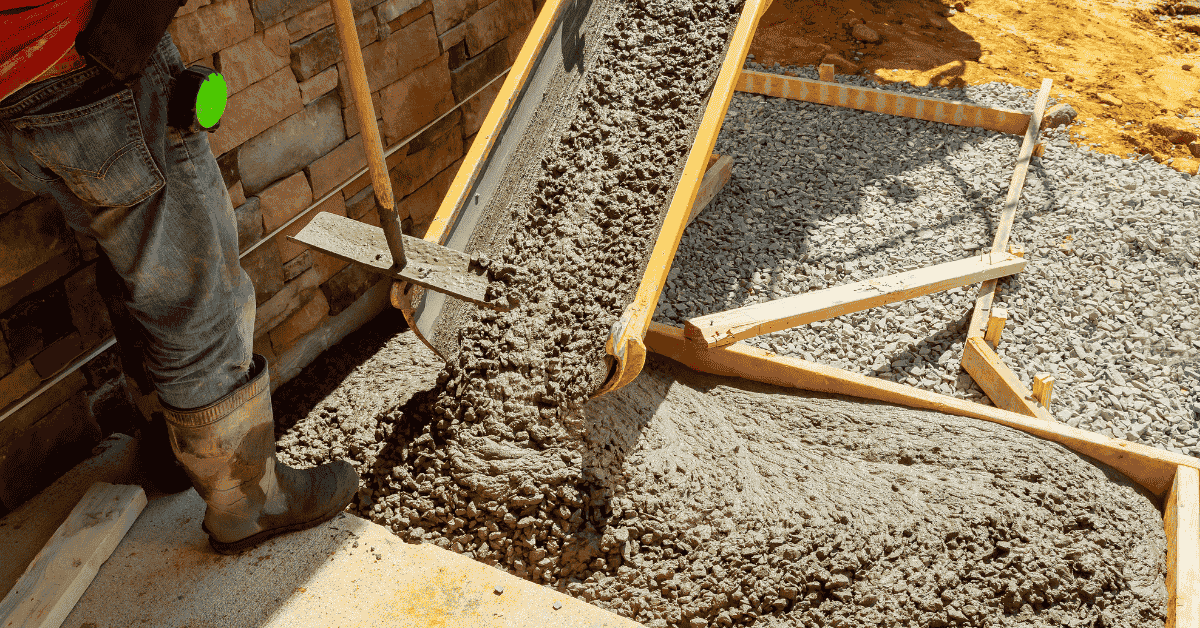
Worker pouring concrete from chute into foundation form
Managing concrete pouring conditions to ensure proper setting and strength

Performance factors: load transfer, cracking, and movement

Keyways and dowels both help control how a small residential slab behaves at joints. Dowels transfer load across joints and help keep cracks narrow where slabs meet. Keyways resist sideways movement and improve edge stability, but they don’t carry load as well.

For homeowners and crews, the takeaway is simple: use dowels where loads cross joints, and use keyways where you want the edge to stay put. Lay out with proper spacing and alignment, and don’t mix mismatched methods in the same joint. Skipping this or using only decorative joint cuts leads to cracking, settlement, and costly repairs later.

Load transfer capacity

The load transfer capacity of your concrete slab is crucial for ensuring it can handle the weight placed on it, whether that’s cars in a driveway or furniture inside a home. When pouring concrete, make sure to check base compaction, as this directly affects how well the slab will bear loads without cracking.

At slab edges and around footings, ensure you have proper reinforcement like rebar or wire mesh embedded correctly. This helps distribute load evenly across the entire surface rather than concentrating it in weak spots where cracks are likely to form.

Making sure your concrete has enough thickness for its intended use is also key. Thinner slabs might look good but won’t last long under heavy loads, leading to costly repairs down the line. Always refer back to earlier sections on cracking and movement to understand how these factors impact load transfer.

Crack control and stress concentration

When it comes to crack control, keyways and dowels play a big role. Keyways help transfer loads across joints but can also create weak spots if not done right. Make sure the base is well compacted before pouring concrete around these areas.

Dowels are used to connect slabs and prevent cracking, but they need to be placed correctly. If dowels aren’t centered or are too close to slab edges, they can actually cause more cracks than they fix. Always double-check the placement during installation.

Stress concentration is a major issue with keyways and dowels. Concrete doesn’t like sharp corners; it wants smooth transitions. So when you’re pouring around these features, make sure there’s enough concrete to spread out the load evenly. This means avoiding tight spaces where stress can build up and cause cracks.

Back to top ↑

Site conditions and pour types that favor each detail

Choose keyways or dowels based on site slope, soil conditions, expected traffic, and pour size. That choice is not cosmetic—it affects crack control and durability. With a DIY pour, pick the method that fits your site and load.

If the slope is steep, use deeper keyways or longer dowels to prevent movement. Soil and moisture change how you expect wear, so pick the detail that matches the site. Choosing poorly invites cracking and costly fixes later on a residential slab.

Small interior slabs and house pads

For small interior slabs and house pads, you’re dealing with low traffic areas where the concrete doesn’t take as much abuse. This means your focus should be on getting a smooth finish without worrying too much about heavy-duty reinforcement. Check base compaction before pouring to ensure stability; this is crucial for preventing cracks later.

Avoid overworking the mix when finishing these areas—it can weaken the concrete and lead to dusting. Use a float or trowel just enough to smooth out any imperfections. Remember, less is more here—don’t go crazy with elaborate finishes unless it’s for aesthetic reasons only.

For house pads, ensure you have proper drainage around the slab to prevent water from pooling and causing damage over time. A slight slope away from the foundation will do wonders in keeping your concrete dry and strong.

Driveways, sidewalks, and exterior slabs

For driveways, sidewalks, and other exterior slabs, control joints are a must. They help manage the expansion and contraction of concrete due to temperature changes, preventing cracks from forming under freeze-thaw cycles. Make sure your base is well-compacted before pouring; a weak base means a weak slab.

When it comes to vehicle loads, use reinforcing mesh in driveways and thicker slabs—typically 4 inches or more—to handle the weight of cars and trucks without cracking. For sidewalks, stick with standard thicknesses but still include control joints every few feet.

Edge exposure is another big issue for exterior work. Use edge forms to create a clean edge that can be properly finished and protected from damage by lawn mowers or foot traffic. This also helps prevent water from pooling at the slab’s edges, which could lead to cracking over time.

Back to top ↑

Constructability and labor considerations

Constructing keyways and setting dowels on small jobs hinges on practical, simple form work and a realistic time plan. If you rush or overcomplicate it, the pieces won’t fit true, and you’ll pay later with rework.

Take time to lay out the work, measure twice, and drill straight. That attention to setup saves you from misalignment, cracked or loose joints, and doing the job twice to fix mistakes.

Formwork and forming techniques for keyways

When it comes to pouring concrete with keyways, the formwork is crucial. Keyways are those grooves that run through your slab where you’ll later place rebar or other reinforcements. The trick here is to make sure your forms are straight and level so your keyway turns out clean and true.

To start, check base compaction. A solid foundation means less chance of form movement during pour. Use stakes and braces to secure your forms in place. Don’t skimp on bracing; it’s the difference between a nice straight keyway and one that’s wavy or off-center.

Avoid common mistakes like leaving gaps at corners where water can seep in, causing weak spots. Also, don’t forget to use release agents so your forms come out easily after the concrete sets. Remember, good formwork is about attention to detail; it pays off big time when you’re done.

Installing dowels: alignment and spacing tips

When it comes to installing dowel bars, getting the alignment right is crucial. Start by marking your concrete slab with a chalk line for where each dowel should go. Use a laser level or string lines to ensure everything stays straight.

The spacing between dowels needs to be precise too. For most projects, keep them about 12 inches apart along the length and staggered in rows by half their width. This pattern helps distribute stress evenly across your slab. Don’t forget to double-check with a tape measure before setting each bar.

When drilling holes for dowel sleeves or direct placement of dowels, make sure you hit the mark exactly. A slight misalignment can cause big headaches later on. Also, check base compaction before drilling; soft ground means your holes won’t stay in place.

Back to top ↑

Durability, corrosion, and long-term maintenance

Durability is about how long components last with proper care. Steel dowels can rust, and keyway contacts wear if you ignore maintenance. Addressing these issues early keeps joints tight and safe.

Keep metal dry and replace rusty dowels or damaged keyways before a small problem becomes a big one. Regular cleaning and quick repairs cut downtime and extend the life of the project, especially in moisture-prone areas.

Protecting dowels from corrosion

Dowels can rust and weaken over time if not protected, especially in wet conditions. Use stainless steel dowels for the best durability or opt for epoxy-coated carbon steel dowels as a more budget-friendly option.

When installing epoxy-coated dowels, make sure they don’t get scratched during handling and placement. Any exposed metal will rust quickly once water gets in. Also, check base compaction before placing dowels to ensure the concrete won’t shift or crack around them.

Maintain your structure by periodically checking for any signs of corrosion like discoloration or flaking coating on the dowel surface. If you spot issues early, you can address them without major repairs down the line.

Inspecting and repairing failed joints

When you spot cracks or movement in your concrete joints, it’s time to act. First off, check base compaction. If the ground wasn’t packed tight enough when poured, that’s likely what caused the joint issues. Next, look for any signs of water damage or debris blocking proper drainage.

To repair failed joints, start by cleaning out the old material and making sure everything is dry before you pour in new concrete mix. Use a good quality sealant around the edges to prevent further moisture intrusion. Remember, don’t rush repairs; take your time to get it right or you’ll be back here sooner than you want.

If joints are too wide and need more substantial repair, consider cutting out the damaged area completely and replacing with new concrete. This might sound like overkill but it’s better in the long run compared to patching up a weak spot that will just crack again.

Back to top ↑

Wet cement spinning inside a rotating concrete mixer drum.
Mix until a smooth, lump-free consistency before pouring into forms.

Cost comparison and materials checklist

Here’s the bottom line: expect material costs and labor for keyways and dowels to shape the project budget. This section gives a simple cost comparison and a concise materials checklist you can use on site.

Knowing the real costs keeps you from overbuying or skimping on essential pieces. The simple checklist helps you stock the right sizes and avoid trips back to the store.

Typical material list for keyways

This checklist helps you ensure you have everything needed to form a keyway correctly before starting your concrete pour.

  • Concrete forms: Check that the plywood or metal forms are straight and clean. Measure them against your project dimensions; any deviation can cause misalignment of the keyways.
  • Rebar supports: Ensure rebar chairs or spacers are available to keep reinforcing bars at the correct depth in the concrete. Missing supports lead to improperly placed rebar, weakening the structure.
  • Keyway form inserts: Confirm that you have the right number and size of metal or plastic inserts for forming keyways. Incorrect sizing can result in poor fit between adjoining pours.
  • Concrete release agent: Apply a thin layer to all forms and rebar to prevent sticking. Skipping this step means your concrete will be harder to remove from forms, risking damage.
  • Leveling stakes: Set up leveling stakes around the perimeter of your pour area. This ensures that the formwork is level across its entire length; unevenness can cause pooling or thin spots in the concrete.
  • Concrete mix: Verify the correct type and quantity of concrete mix for your project needs. Using too little concrete will leave gaps, while using too much can lead to waste and structural issues.
  • Water supply: Have a clean water source nearby for mixing and curing. Without it, you risk delays or poor quality concrete due to improper hydration.
  • Concrete vibrator: Ensure the vibrator is charged and ready to use. Skipping this tool can lead to honeycombing in your pour, reducing strength and durability.

Quick rule: Always double-check form dimensions and rebar placement before pouring concrete to avoid costly mistakes later on.

Typical material list for dowels

This checklist helps you verify the materials needed when installing dowel bars to connect concrete pours.

  • Dowel Bars: Check they are the correct length and diameter. Measure them with a tape measure. What goes wrong: Misaligned or unstable connections.
  • Sleeves/Tie Systems: Ensure sleeves fit snugly around dowel bars without being too tight. Test by inserting and removing a bar smoothly.
  • Alignment Tools: Confirm tools are calibrated correctly for accurate placement of dowels. Check with manufacturer’s guidelines to avoid misalignment issues.
  • Cutting/Drilling Tools: Verify tools have sharp blades or bits suitable for concrete. Test by cutting a small test piece; dull tools waste time and material.
  • Mortar Mix: Ensure mix is consistent and follows the manufacturer’s ratio. Check by mixing a sample batch and testing its consistency.
  • Formwork Supports: Confirm supports are sturdy enough to hold concrete during curing. Test stability by applying pressure; weak supports can cause formwork collapse.
  • Dowel Spacing Templates: Ensure templates match the dowel spacing required by your design. Measure against drawings to avoid incorrect spacing issues.
  • Rebar Baskets: Check baskets are correctly sized for dowels and rebar cages. Test fit with a sample cage; improper sizing leads to structural weaknesses.

Quick rule: Always double-check all tools and materials against your design specifications before starting work.

Back to top ↑

Design guidance and spacing charts for small pours

For small residential slabs, design comes down to proper dowel spacing and keyway size. Use dowels 1/2 inch to 5/8 inch dia, spaced 12 to 18 inches on center. Keyways should be about 1/4 to 1/2 inch wide and 1/2 to 1 inch deep, with clean edges.

These rules keep slabs together and prevent cracks from shifting dowels. Following clear ranges helps DIYers space and form joints without guesswork, saving time and rework. If you’re pouring with limited headroom or unusual loads, consult an engineer before you pour.

Recommended dowel diameter and spacing ranges

For small residential pours, stick to dowels that are 1/2 inch to 5/8 inch in diameter. This range handles light to medium loads without overdoing it. Spacing should be around 6 inches on center for the smaller dowels and up to 9 inches on center for the larger ones.

Remember, proper base compaction is key before laying down your dowels. If you skimp here, all that careful spacing won’t matter much. Also, ensure your concrete mix matches the load it’s meant to carry; no shortcuts.

Adjust these ranges based on specific needs like extra-heavy foot traffic or machinery use. But for most homes, sticking close to this advice keeps things simple and strong.

Keyway dimensions and depth recommendations

For small pours, keyways are crucial for connecting slabs. A typical width is 2 inches, but adjust based on your slab thickness. Thicker slabs need wider keyways to ensure proper bonding.

The depth of the keyway should be about half the thickness of the slab it’s in. For example, if you’re pouring a 4-inch thick slab, make your keyway 2 inches deep. This ensures good interlock without overcutting.

Remember to check base compaction before cutting the keyways. Weak or uneven ground can cause problems later on. Also, keep in mind that dowel diameter and spacing ranges should align with your keyway dimensions for a strong pour.

Back to top ↑

When to combine keyways and dowels (hybrid solutions)

Using keyways and dowels together gives you both alignment control and strong shear transfer. You get a guided fit with a key to prevent rotation, plus dowels to carry load across the joint. Plan the hole and groove locations so the key and dowels don’t fight each other.

Use hybrid joints when parts must stay aligned under load but still flex a bit, like header-to-post blocks or glued up panels. Keep holes and grooves offset so the dowel holes don’t intersect the key groove, and clamp tightly during assembly. This matters on a DIY jobsite because misaligned holes ruin the joint and waste time.

Hybrid detailing for slabs on grade

When you’re dealing with a slab on grade, sometimes keyways and dowels work best together. This hybrid approach helps manage load transfer and control movement without overcomplicating things. Start by placing dowels at the edges to connect your new slab to existing concrete or foundation walls. Then add keyways in the middle where you need extra stability for heavy loads.

The key is to make sure everything lines up right. Check base compaction and ensure your formwork is solid before pouring. If you’re adding a keyway, it should be deep enough to grab concrete from both sides but not so wide that it weakens the slab too much. Remember, dowels need to be accurately placed to transfer loads effectively.

Hybrid detailing isn’t just about mixing materials; it’s also about understanding how your slab will move and bear weight over time. Don’t skimp on rebar or concrete cover thickness around dowels and keyways. This setup might seem complex, but it’s worth the effort to avoid future cracks and structural issues.

Avoiding common hybrid mistakes

These are the most frequent errors to avoid when combining keyways and dowels.

  • Interfering Tolerances: Make sure your keyway and dowel spacing don’t clash. If they do, you’ll run into trouble fitting everything together properly. Refer back to hybrid detailing for more on this.
  • Stress Risers: Improper placement of dowels can create weak spots in the concrete. Plan carefully where you place them to avoid stress concentrations that could lead to cracks.
  • Future Removal Issues: If you’re planning to remove sections later, don’t make it impossible by over-complicating your hybrid solution. Keep things simple and practical for future work.

Double-check these points before starting your project to save yourself headaches down the line.

Back to top ↑

Decision checklist and quick recommendations

Here’s the quick decision checklist: for small residential pours, use dowels for moderate movement, keyways for tight joints, or a simple hybrid when you need both alignment and some slip. Start by asking how much differential movement you expect and how accurate your joint alignment must be. If unsure, lean toward a hybrid.

Dowels stabilize vertical alignment and transfer load without much friction. Keyways lock parts together and resist movement, but they take longer to install. A hybrid can save time on a small slab, but you must plan rebar, form, and cure to avoid cracks.

Quick decision flowchart (DIY version)

Use this checklist to quickly decide on the best joint detail for your concrete project based on key factors like load, movement, exposure, budget, and skill level.

  • Check Load: Assess if heavy loads will be placed. Confirm by visual inspection of area use. Skip at risk of structural damage.
  • Evaluate Movement: Look for signs of ground movement or expansion joints nearby. Check with a ruler for gaps. Skipping this can lead to cracks.
  • Analyze Exposure: Note if the area is exposed to weather extremes. Observe surroundings and record temperature changes. Omitting this may cause durability issues.
  • Budget Check: Review your budget for materials and labor. Confirm with a quick tally of costs. Overlooking this can lead to financial strain.
  • Skill Level: Assess your concrete pouring skills. Ask yourself if you’ve done similar projects before. Misjudging skill level risks poor quality work.
  • Type of Joint: Decide on contraction or expansion joints based on needs. Measure to confirm spacing is correct. Ignoring this can result in unwanted cracks.
  • Joint Depth: Ensure joint depth is at least 1/4 the thickness of slab. Use a tape measure for accuracy. Mis-measuring leads to ineffective joints.
  • Reinforcement Placement: Check if reinforcement bars are properly placed across joints. Confirm with visual inspection and ruler checks. Skipping this can weaken structural integrity.
  • Waterproofing Needs: Determine if waterproofing is required for exposed areas. Test by pouring water on the surface to see absorption rate. Omitting waterproofing can cause long-term damage.
  • Joint Sealing: Decide on sealing material based on joint type and exposure. Confirm with a visual inspection of sealant application. Skip sealing at risk of water infiltration.
  • Maintenance Plan: Outline regular maintenance checks for joints. Schedule periodic inspections to ensure longevity. Missing this can lead to premature deterioration.

Quick rule: Always double-check your measurements and confirm joint placement before pouring concrete to avoid costly mistakes.

When to call a structural engineer

This checklist helps you decide when to bring in the pros for your concrete project. Use it if you’re unsure about any aspect of your design or site conditions.

  • Span exceeds 10 feet: Check beams and slabs over openings wider than 10 feet. If too long, they may need extra support to prevent sagging.
    What goes wrong: Overlong spans can lead to cracks and structural failure.
  • Loads exceed 50 psf: Verify if your concrete slab will bear more than 50 pounds per square foot (psf). This is common for garages or storage areas.
    What goes wrong: Heavy loads without proper reinforcement can cause the slab to crack and sink.
  • Unusual soil conditions: Look for signs of expansive soils, like heaving or cracking in existing structures. If unsure, test with a soil sample.
    What goes wrong: Ignoring problematic soils can lead to costly repairs later on.
  • Complex geometry: Check if your design includes curves, angles, or irregular shapes that are hard to pour and finish correctly.
    What goes wrong: Poorly designed concrete forms can result in weak spots and uneven surfaces.
  • Adjacent structures: Ensure there’s enough clearance between new concrete work and existing buildings. Check for potential damage during excavation.
    What goes wrong: Not leaving proper space can lead to structural damage or legal disputes.
  • Water table issues: Look for signs of water near the surface, like damp soil or standing water in low spots.
    What goes wrong: Pouring concrete without addressing high groundwater levels can cause cracking and sinking.
  • Foundation type: Decide if your project needs a slab-on-grade, pier-and-beam, or basement foundation based on local codes and site conditions.
    What goes wrong: Choosing the wrong foundation type can lead to costly rework and structural issues.
  • Building codes compliance: Verify that your design meets all applicable building codes for load-bearing requirements and safety standards.
    What goes wrong: Non-compliance with local regulations can result in project delays, fines, or legal action.

Quick rule: If you’re unsure about any aspect of your concrete project’s structural integrity, it’s best to consult a professional engineer before proceeding.

Back to top ↑

Fresh concrete being poured and leveled inside a room
Demonstrates the concrete pouring process for home structural projects

Conclusion

Keyways and dowels are both about keeping slabs straight, resisting movement, and keeping cracks from showing. For small residential pours, the right choice comes down to how you test, how you sequence your work, and how careful you are with basic protection and tolerances. The goal is a durable surface that looks good and ages well, without wasting time or material.

To move forward, act on this simple chain: confirm site conditions and pour type, pick one or a hybrid approach based on load transfer needs, check spacing and depth from your design notes, set up forms and alignments, place the keyway or dowel pattern with clean concrete contact, pour, cure with protection, and verify performance through a test area first before expanding to the whole project. Do this in the order shown, document any deviations, and keep the work tight and clean to avoid costly rework.

Common mistakes to avoid: skimping on form tightness or misaligning keyways/dowels, and rushing the pour with dirty interfaces or poor curing. Safety rules: double-check rebar and hardware, keep form edges secure during concrete placement, protect the surface during curing, and never compromise clean contact between the joint details and the fresh concrete. If any part of the project requires uncertain measurements, inconsistent ground, or unusual load expectations, pause and re-check before you pour again.

When in doubt, call a professional if you run into uncertain soil conditions, complex joint layouts, or you need to hit specific tolerances for a driveway or porch slab. Otherwise, stay disciplined, test a small area first, and follow your spacing and curing plan—you’ll get a solid joint that lasts and saves you from expensive fixes later.

Back to top ↑

FAQ

What is the difference between keyways and dowels in small pours?

A keyway is a groove in the concrete that locks sides together. Dowels are metal bars that transfer load across a joint. For small pours, keyways help keep the slab in place, while dowels keep the two sides from sliding apart.

Which joint detail is strongest for residential slabs?

Dowels are the stronger choice for heavy loads or slabs that need to carry weight across a joint. Keyways are better for alignment and shear resistance in lighter, less critical pours. Use dowels for driveways or garages if you expect cars or big loads.

Can I mix both methods in one project?

You can, but keep it simple. Use dowels where the joint will take load; use keyways where you just need alignment and crack control. Don’t overcomplicate a small patio with every feature at once.

What mistakes wreck a pour and how to avoid them?

Back to top ↑