
Introduction
Dry-pack and form-and-pour are two ways to repair honeycomb on vertical concrete surfaces. This guide helps you choose based on the damage, access, and field conditions you’ll face on site. Think of it as a practical decision, not a textbook rulebook.
Dry-pack repairs are quick and grab the wall with minimal equipment, but they can be less forgiving on larger voids or weather-sensitive jobs. Form-and-pour restores with continuous material but requires form setup and careful mixing, placement, and curing. For either method, check product labels and manufacturer instructions, and follow local rules on surface prep, moisture, and curing to keep the fix durable.
Key takeaways
- Assess vertical honeycomb damage and choose repair method based on access and depth.
- Dry-pack pros: quick set, limited formwork but surface finish limits.
- Form-and-pour benefits: better bond, smoother finish but requires forms and curing time.
- Always wear eye and respiratory protection when grinding or handling repair materials.
- Check manufacturer guidelines and local codes before selecting products.
- Prepare cleaning, masking, and moisture control for lasting repairs.
Table of Contents
- Introduction
- Key takeaways
- What Is Concrete Honeycomb on Vertical Surfaces?
- Planning and Preparation for Vertical Honeycomb Repair
- Dry-Pack Repair Method for Vertical Surfaces
- Form-and-Pour Repair Method for Vertical Surfaces
- Comparison: Dry-Pack Vs Form-and-Pour — Advantages and Trade-Offs
- Product Selection, Materials Specs, and Storage
- Curing, Finishing, Quality Checkpoints, and Long-Term Performance
- Common Mistakes, Troubleshooting, and When to Call a Professional
- Conclusion
- FAQ
What Is Concrete Honeycomb on Vertical Surfaces?
Vertical honeycombing is hollow-looking pockets on walls or columns where concrete didn’t pack solid against the form. You’ll see voids that show up as rough, pitted areas near edges, corners, and joints. It weakens the bond to the substrate, hurts durability, and disrupts load transfer along the surface.
For a DIY’er, this matters because voids can let moisture migrate and promote cracking or deterioration over time. Inspect with simple spot probes and note the depth and extent, then follow manufacturer guidance for repair materials. Choose a repair path that fits the size of the voids and prep the surface, manage moisture, and cure properly after repair.
Definition and formation mechanisms
Concrete honeycombing on vertical surfaces is a defect where the concrete surface has small, interconnected voids that resemble a honeycomb pattern. Unlike delamination or corrosion-induced voids, these voids are typically shallow and occur near the surface.
The primary cause of honeycombing is improper consolidation during placement. When concrete is poured into forms, it should be properly vibrated to remove air pockets. However, if vibration is insufficient or incorrectly applied, especially near vertical faces, air pockets can become trapped, forming voids as the concrete sets.
Improper formwork seating and inadequate edge support can also contribute to honeycombing. If forms are not properly seated or supported, they may shift during pouring, causing segregation of the concrete mix and leading to void formation near the surface.
Assessing severity and scope of repair
To determine the extent of honeycombing, first visually inspect the affected area. Look for shallow depressions or small holes in a honeycomb-like pattern. Use a spot probe to measure the depth of these voids. A simple wooden dowel or a screwdriver can be used as a makeshift probe.
Next, assess the lateral extent of the honeycombing. Measure the width and length of the affected area in several locations to get an average size. If the honeycombing covers more than 10-15% of the surface area or if any voids are deeper than 1/4 inch (6 mm), consider it a structural issue that may require professional assessment.
If the honeycombing is extensive, deep, or if you’re unsure about the structural integrity of the concrete, consult a structural engineer. They can perform more advanced tests and provide a detailed repair specification.
Planning and Preparation for Vertical Honeycomb Repair
Planning and preparation for vertical honeycomb repair starts with a clear plan: confirm the wall’s condition with a quick structural check, verify what permits and scope are needed, and map out how you’ll access the area safely without causing extra damage. You’ll also lay out a substrate cleaning and moisture-control routine and outline a repair sequence, including whether you’ll use dry-pack or form-and-pour mortars and how you’ll document progress for future inspections. This upfront work sets the repair trajectory and helps you avoid surprises once you’re into the work.
This matters because without a solid pre-job plan you risk missing hidden movement, edge-protection issues, or scaffold access problems that throw off your timeline and budget. Clear plans for access, containment, and protection of adjacent finishes keep dust down, reduce disruption to occupants, and minimize the chance of rework. By agreeing on cleaning methods, moisture checks, and a defined repair sequence, you create a repeatable workflow you can follow step by step, check against on-site conditions, and adjust only within safe, documented boundaries.
Surface preparation and profiling
Start by removing any loose concrete or debris from the affected area using a chisel and hammer. This is crucial to ensure proper adhesion of the repair mortar.
Profiling the surface involves creating a rough texture, similar to sandpaper, to increase bonding strength. Use a concrete profiling tool or a wire brush for this purpose.
Prepare anchor points by drilling holes into the sound concrete using an appropriate drill bit and hammer drill. These anchors will provide mechanical support for your repair mortar.
The substrate should be clean, dry, and free of any contaminants before starting the repair process. A quick test with a moisture meter can help confirm this.
Safety precautions and site setup
Personal Protective Equipment (PPE) is non-negotiable. Wear a hard hat, safety glasses, gloves, and sturdy boots at all times on-site.
Set up fall protection systems according to local regulations. This could include guardrails, safety nets, or personal fall arrest systems.
Contain overhead debris using tarps or other barriers to prevent it from falling onto workers below. If working in confined spaces, ensure proper ventilation to avoid the buildup of harmful dust particles.
Protect adjacent finishes by covering them with plastic sheets or drop cloths. This will minimize damage from repair activities and help maintain a clean work environment.
Tools and materials checklist
Use this checklist to ensure you have all the necessary tools and consumables for your vertical honeycomb repair. Check off each item before starting work.
- Hand trowels ( various sizes): Essential for applying and finishing the repair mortar.
- Hawks: Used to hold and transfer mortar from the mix to the trowel.
- Repair mortars: Choose a high-strength, shrinkage-compensated mortar suitable for your specific repair method (dry-pack or form-and-pour).
- Formwork items (if using form-and-pour): Includes form panels, supports, and clamps.
- Vibration/compaction tools (vibrating screed, poker vibrator): Helps remove air pockets and compact the mortar for a dense, strong repair.
- Safety equipment: Including hard hats, safety glasses, gloves, and fall protection gear.
- Mixing tools (shovel, hoe, or drill with mixing paddle): For preparing your repair mortar mix.
- Cleaning tools (wire brush, chisel, hammer): Used for surface preparation and profiling.
- Moisture meter: To test the substrate’s moisture content before and after repair.
- Tape measure and level: For accurate measurement and alignment of formwork (if using).
Quick rule: Always double-check your tools and materials list before starting any repair work to avoid delays or additional costs.
Dry-Pack Repair Method for Vertical Surfaces
Dry-pack is best for vertical honeycombs and non-structural voids where form-and-pour is impractical, especially on overhead or vertical faces where a traditional pour won’t hold shape. Prepare the surface by removing loose material, cleaning dust, and dampening to reduce suction, then choose a bonding agent or primer suited for vertical adhesion. Do not rely on dry-pack where structural defects are present or where the substrate can’t hold a dense, compact lift; if in doubt, check the product instructions and local guidance before proceeding.
Apply in successive lifts with careful compaction to deny voids without creating sag or slump, and feather the edges to blend with the surrounding concrete. Expect a limited working time and plan for controlled moisture during cure, using moisture-friendly curing methods or approved curing compounds. After cure, inspect for bond integrity, shrinkage, and any signs of cracking or debonding, and be prepared to escalate to a form-and-pour approach if internal defects remain or adhesion isn’t satisfactory.
Dry-pack mix design and product types
The heart of a good dry-pack repair is the mix. Here’s what you need to know:
Mortar composition: A typical dry-pack mortar consists of cement, sand, and water. The ratio varies, but a common starting point is 1:3 or 1:4 by volume (cement:sand).
Desired aggregate grading: Use clean, well-graded sand. Avoid fine sands as they can lead to weak repairs.
Binders: You can use hydraulic cement or polymer-modified binders. Hydraulic cement sets underwater and is great for damp surfaces. Polymer modifiers improve adhesion and flexibility. Check product labels to ensure you’re using the right one for your job.
Application technique and practical tips
Alright, you’ve got your dry-pack mix ready from the dry-pack mix design and product types section. Now let’s get it on that wall.
Mixing: Follow the manufacturer’s instructions for water-to-cement ratio. You want a consistency like thick peanut butter, not too wet or dry. Check your mix with a trowel – if it sticks but doesn’t clump, you’re good to go.
Application: Apply in thin layers, no more than 1/2″ at a time. Use a trowel or a hawk and trowel combo for even spreading. Press the mix onto the wall with a firm, steady hand. Don’t be shy, but don’t go crazy either – we’re not making cement pancakes here.
Hand/Ramming Technique: Once you’ve got your layer on, use a hand tamper or even a piece of 2×4 to ram the mix into the wall. You want good adhesion and compaction. Check base compaction – if it’s not solid, that patch won’t last. Remember, vertical surfaces need extra love; don’t skimp on the ramming.
Adhesion Strategies: Before you start, clean and prep your surface. Remove any loose material, use a wire brush to roughen up smooth areas, and consider using an adhesion promoter if your surface is tricky. Once patched, let it cure slowly – keep it damp for at least 3 days with plastic or wet burlap.
Finishing: After the initial set (usually 24 hours), strike off any high spots with a trowel. Let it cure fully before sanding or painting. And hey, don’t forget to clean your tools – nobody likes a rusty trowel.
Form-and-Pour Repair Method for Vertical Surfaces
Form-and-pour is the go-to method for vertical honeycombs that are large, deep, or where you need real continuity with the structural member rather than a surface patch. It uses proper formwork and a controlled placement to carry load and shape while minimizing voids, and it’s preferred over dry-pack when bond transfer and alignment with embedded members matter most. Plan for substrate assessment, containment, and careful placement from bottom to top to keep the new pour connected to the existing vertical element.
This approach requires a clear plan: check crack depth and substrate soundness, moisture, and any rebar or embedded items, then clean, dampen, and roughen as needed for bonding. You’ll design forms, select suitable materials, and prevent leakage or distortion on a vertical face, while choosing a workable mix and considering reinforcement if continuity is a concern. Pour sequence matters—aim for riser-free pours, use the right delivery method, fill progressively, and consolidate to avoid voids; then protect the cure and inspect bond and continuity after the pour to confirm structural integrity.
Formwork design and setup
For vertical honeycomb repairs using the form-and-pour method, you’ll need to set up temporary forms. Choose materials like plywood or formply for their strength and durability.
Seal the form edges with a suitable sealant to prevent grout leakage. Use form ties or supports at regular intervals (every 16-24 inches) to keep forms aligned and stable.
Consider the depth of your pour when deciding on stripping criteria. For deeper repairs, you might need to strip the forms in stages as the concrete gains strength.
Pouring, consolidation, and demolding
Start pouring from the bottom, using a flowable repair mortar or grout. If you’re using a pump, ensure it’s set up correctly to avoid air entrapment.
Consolidate the concrete as you pour to eliminate voids. Use a poker vibrator for this, working from the bottom up in an ‘S’ pattern. Be careful not to introduce new honeycombs by over-vibrating.
Demold the forms once the concrete has gained sufficient strength – usually after 24-72 hours. Finish the surface as required before stripping the forms completely.
Comparison: Dry-Pack Vs Form-and-Pour — Advantages and Trade-Offs
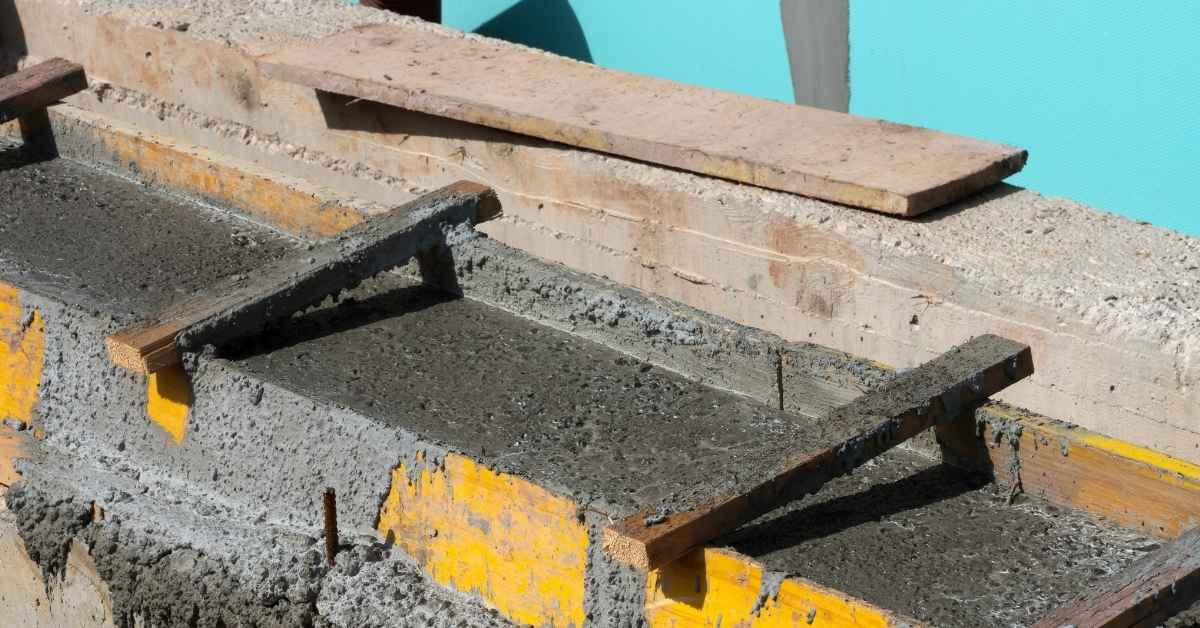
Dry-pack and form-and-pour are two ways to restore vertical honeycomb cracks, and they differ in suitability, speed, and finish. Dry-pack is usually quicker to set and often leaves a tighter surface on vertical faces, while form-and-pour gives you more control over strength recovery and surface texture with a fill that cures in place. In practice, expect different disruption levels and curing needs for each method, and choose based on the crack size, access, and desired finish.
Think about how the repair will be used and how much downtime you can tolerate. For DIY homeowners, dry-pack tends to be simpler with less equipment but may require careful packing to avoid surface texture issues, whereas form-and-pour needs forms, careful mixing, and patience for curing. Always check the product label or datasheet for specifics on cure times, moisture sensitivity, and paint or sealant compatibility, and plan your workflow around substrate condition and vertical access.
Advantages and disadvantages side-by-side
The choice between dry-pack and form-and-pour for vertical honeycomb repairs depends on several factors. Let’s weigh the pros and cons of each method.
Pros
- Dry-Pack: Quick application, minimal disruption, no formwork needed.
- Form-and-Pour: Better control over compaction, stronger bond with substrate, consistent finish.
Cons
- Dry-Pack: Labor-intensive, less strength recovery initially, more susceptible to cold joints.
- Form-and-Pour: Time-consuming formwork setup, increased disruption due to access and curing requirements.
Choose dry-pack for quick repairs with minimal downtime. Opt for form-and-pour when strength and finish are critical.
Cost, time, and logistics considerations
The cost of each repair method varies based on several factors. Material costs for dry-pack are generally lower due to the absence of formwork.
Form-and-Pour: Labor-intensive formwork setup and scaffold access can drive up costs and extend cure times.
When estimating, consider material costs, labor (formwork setup if applicable), access time (scaffold rental), and curing requirements. Access limitations may increase both time and cost.
Product Selection, Materials Specs, and Storage
This section helps you pick the right repair mortars, repair powders, admixtures, primers, and curing compounds, and explains which ones fit vertical or overhead repairs, and dry-pack versus form-and-pour jobs. You’ll learn the key material specs to check before buying: compressive and flexural strength, how well the product bonds to the existing concrete, early strength indicators, water absorption, shrinkage, freeze–thaw resistance, work time, slump or consistency, mix ratio, and aggregate size, plus compatibility with vertical substrates. Use this as a practical decision guide to match product families to the job condition and substrate readiness, so you don’t end up with the wrong mix or a weak bond.
Ground rules: surface prep requirements, adhesive or coating compatibility, moisture tolerance, pH, and temperature ranges during mixing, applying, and curing must align with the product label and datasheet. Store and handle properly: check unopened shelf life and open-use timelines, follow storage conditions and moisture protection, and adhere to labeling and SDS guidance while watching for signs that a product has degraded rather than guessing a date. Keep clear records: batch numbers, curing schedules, safety data, and simple verification steps such as pull-off tests or depth/coverage checks to ensure long‑term performance before moving on to the next repair.
Material specs, standards, and shelf life
The right materials ensure a strong, durable repair. Here’s what to check:
- Compressive strength: Look for 2500-4000 psi (17-28 MPa) for most repairs. Too low, it cracks; too high, it’s brittle.
- Flexural strength: Aim for 600-900 psi (4-6 MPa). Low flexural strength causes delamination.
- Bond/muggy strength: Ensure it matches or exceeds existing concrete. Weak bond leads to flaking and peeling.
- Shrinkage: Minimize shrinkage to prevent cracking. Check the shrinkage strain rating.
- Permeability/water absorption: Low permeability prevents water ingress, reducing freeze-thaw damage.
Regional availability and regulatory considerations
Check local stores for product availability. Some products may not be stocked everywhere.
Regulations: Some regions have specific standards or approvals required for concrete repairs. Check with your local building department.
Environmental regulations may limit VOC emissions from primers and curing compounds. Choose low-VOC products where needed.
Climate also plays a role. Cold-weather products may be necessary in northern regions.
Curing, Finishing, Quality Checkpoints, and Long-Term Performance
Curing for vertical honeycomb repairs requires keeping moisture in during the initial set, with different approaches for dry-pack versus form-and-pour, and you should watch ambient temperature and humidity and shield the surface from direct sun or wind. Use covers, damp burlap, or approved curing compounds as appropriate, start curing after placement as directed, and plan a window for the initial set that won’t clash with finishing steps. Finishing should be done to blend texture and color with surrounding concrete, with edge feathering and control of trowel marks or broom patterns, and you should establish clear acceptance criteria such as flatness, alignment, and absence of visible voids before moving on.
Coordinate curing timing with finishing so you don’t prematurely seal or stain the surface, and choose curing methods that minimize surface imperfections while not delaying project progress. Consider long-term performance by planning for freeze–thaw exposure, load on vertical surfaces, and protective sealers or treatments, plus a simple maintenance plan and periodic checks. Always verify instructions on product labels and manufacturer datasheets and adapt to local conditions, using a practical rule of thumb when exact numbers aren’t provided.
Curing treatments and timelines
Use this checklist to ensure proper curing of your vertical honeycomb repairs, crucial for strength development and preventing cracks.
- Protect from direct sun: Keep repairs shaded during initial set to prevent rapid drying and cracking.
- Monitor humidity: Maintain 75-85% relative humidity around the repair, using misting or fogging if necessary. Too low can cause excessive shrinkage.
- Apply curing compound: After initial set (2-4 hours), apply a curing compound to prevent moisture loss and enhance strength gain.
- Cover with damp burlap: Alternatively, cover the repair with damp burlap or plastic sheeting for 3-7 days. Keep edges sealed to retain moisture.
- Avoid freezing: Protect repairs from freezing temperatures until they’ve gained sufficient strength (usually 7 days).
- Dry-pack curing duration: Curing should last at least 3-7 days for dry-pack repairs, depending on temperature and humidity.
- Form-and-pour curing duration: Form-and-pour repairs need 5-14 days of curing, depending on concrete mix and conditions.
- Check for proper set: Before proceeding with finishing or loading, ensure the repair has gained sufficient strength (usually after 7 days).
Quick rule: Curing is a critical step. Skipping it can lead to weak repairs that crack or delaminate over time.
Visual checkpoints, testing, and maintenance
Use this checklist to visually inspect and test your completed vertical honeycomb repairs before moving on or final acceptance.
- Check surface flatness: Ensure the repair is smooth and level with surrounding concrete. Irregularities can indicate improper curing, finishing, or settling.
- Inspect edges: Verify that edges are feathered and blend well with existing joints to prevent stress concentrations.
- Look for cracks: Check for any shrinkage cracks, which could indicate inadequate curing, excessive drying, or improper mix design.
- Perform adhesion test: Conduct a pull-off or shear test (using a small area) to ensure the repair is well-bonded to the existing concrete. Weak adhesion can lead to delamination under load.
- Check surface hardness: Use a rebound hammer to confirm that the repair has reached an acceptable level of hardness, indicating proper curing and strength development.
- Match texture and color: Verify that the repair matches the surrounding concrete in terms of texture (trowel marks, broom patterns) and color/sheen. Mismatches can be obvious and detract from overall appearance.
- Inspect for voids: Tap the surface with a hammer; any hollow sounds indicate voids that need further investigation or repair.
- Plan periodic inspections: Schedule regular visual inspections (every 3-6 months) to monitor the repair’s condition and detect any early signs of deterioration.
Quick rule: Regular checkups help catch potential issues early, preventing costly repairs down the line.
Common Mistakes, Troubleshooting, and When to Call a Professional
Common vertical honeycomb repairs fail when you rush prep, skip profiling, or let moisture swing wildly with the cure, because vertical surfaces punish bad habits and gravity keeps working after you think you’re done. Typical mistakes include poor surface prep, inadequate cure, over-watering or drying too fast, using the wrong mortar mix, and applying too thick a lift on a wall or overhead, which lead to dusting, cracking, and bond loss. Each mistake happens because vertical or overhead conditions are unforgiving and gravity works against you long after you finish.
Use a diagnostic mindset: assess voids and depth, moisture presence, rebar exposure, active cracks, and whether the area is structurally critical, then document with photos, measurements, and notes on surface condition and front-back alignment. Troubleshoot by choosing small spot repairs versus larger patches, decide on dry-pack or form-and-pour, and follow strict surface prep, bonding agents, and curing practices; check labels for mix guidance and local recommendations, and keep forms true and clean. If you see significant cracking, movement, water intrusion, extensive honeycombing, or load-bearing elements are involved, call a professional and get an engineer or specialist contractor involved, because DIY fixes can shift load paths or trap moisture.
Frequent repair failures and how to avoid them
To ensure a successful vertical honeycomb repair, steer clear of these common mistakes.
- Poor surface prep: Inadequate cleaning or profiling leads to weak bonding. Solution: Thoroughly clean and profile the surface before applying any repair material.
- Insufficient consolidation: Not properly compacting the mix results in voids and weak spots. Solution: Use a poker vibrator or hand tamping to consolidate the mix.
- Improper curing: Allowing the repair to dry too fast or not protecting it from elements causes shrinkage and cracking. Solution: Keep the repaired area moist and protected during the initial cure period.
- Using wrong mortar mix: Incorrect mix design can lead to weak, crumbly repairs. Solution: Use a Type N or S mortar with a 3:1 or 4:1 sand-to-cement ratio for vertical applications.
By avoiding these pitfalls, you’ll increase the chances of a long-lasting repair.
Troubleshooting and escalation criteria
If issues arise during or after your repair, follow these troubleshooting steps and know when to escalate:
New cracking: Small hairline cracks may appear due to shrinkage. If they’re wide or growing, reassess the cause (e.g., excessive drying, movement).
Bonding loss: Delamination can occur if the surface wasn’t properly prepared or the repair was applied too thickly. Remove and reapply the repair with better prep.
If you notice excessive shrinkage, significant structural cracking, movement, or water intrusion, these are signs of a more serious issue. Consult an engineer or qualified contractor to assess the structure’s integrity and recommend appropriate repairs.
Conclusion
Concrete honeycomb on vertical surfaces can be repaired to restore strength, appearance, and long-term durability, but the work must be planned, executed safely, and checked carefully to avoid costly mistakes.
To proceed, assess the site, prepare the area, choose the method that fits the crack and surface, mix and test a small patch, then apply using the chosen technique, cure properly, and finish with a controlled test for adhesion and surface texture. Start with a dry-pack test on a discreet spot if you’re unsure, protect nearby surfaces, and stage your work so you can work cleanly from bottom to top without rushing.
Common mistakes to avoid are skipping moisture and compatibility checks, rushing the prep or cure, and overworking the patch so it locks in air or traps moisture. Always wear eye protection and a respirator in dusty areas, secure ladders or scaffolds, and keep a clear path for ventilation and cleanup. If the honeycomb is wide, deeply resurfaced, or the substrate shows a broad network of cracks, consider calling a professional instead of pushing through with a DIY patch.
FAQ
What are the main concrete repair methods you can use on vertical surfaces?
Dry-pack and form-and-pour are the two common options. Dry-pack is a dense, cement-based blend packed into the void, while form-and-pour uses a wet concrete mix poured into a cured or prepared pocket.
What are the pros and cons of dry-pack repairs on vertical surfaces?
Dry-pack is quick to set and good for small, shallow voids. It minimizes form work but can be harder to feather into the surrounding concrete and may require careful packing for full contact.
What are the benefits of a form-and-pour repair for vertical surfaces?
Form-and-pour creates a more integral repair with better surface continuity for larger gaps. It can yield a stronger bond over thicker sections, but it needs temporary forms and more cleanup.
What tools and materials should I have ready for either method?
For both methods, you’ll need hand tools for mixing and packing, chipping tools to clean the edge, and a suitable bonding agent or surface prep product as recommended by the manufacturer. Check labels and instructions for exact tools, mixes, and application steps before starting.