
Introduction
A concrete keyway is a recessed groove in freshly poured concrete that helps lock new concrete to existing work.
You typically need one when you are tying a new pour to an older slab or when sections are poured at different times. Forming it correctly means choosing a suitable insert or form and ensuring the edges are clean and aligned.
Keyway forms vary, including PVC tongue-and-groove options that snap together to define the channel. Using a keyway with a proper joint can help your concrete handle movement and reduce cracking over time. Common materials for forming keyways are wood, plastic, or metal inserts; always check the product label or manufacturer instructions for fit and removal, and follow local guidance.
Key takeaways
- Concrete keyways are recessed slots to guide joints and ensure alignment.
- Keyway forms include PVC tongue-and-groove options for clean, aligned edges.
- Expansion joints in keyways improve movement tolerance and crack control under loads.
- Common materials for forming keyways: studs, foam, and PVC channel options.
- Design guidance aligns with Primary Sidebar competitors on placement consistency.
- Safety: use proper form installation to prevent trips and ensure removal safety.
Table of Contents
- Introduction
- Key takeaways
- What Is a Concrete Keyway?
- Keyway Types and Common Materials
- Why Use a Keyway: Structural Purpose and Benefits
- When to Specify a Keyway: Design and Planning Considerations
- How to Form a Keyway Correctly — Methods and Step-by-Step Procedures
- Tools, Materials Checklist and Material Specs Explained
- Safety, Common Mistakes, and Visual Quality-Control Checkpoints
- Maintenance, Durability, and Cost Considerations
- Conclusion
- FAQ
What Is a Concrete Keyway?
A concrete keyway is a recessed or formed groove used to connect adjoining slabs, walls, or structural elements. It provides alignment, load transfer, moisture control, and helps the joint perform over time. In cast-in-place and precast assemblies, the keyway anchors and guides the next pour while controlling movement.
Keyways differ from expansion joints and simple grooves. Expansion joints allow movement while keyways resist it and transfer loads. Look for design notes that call out the keyway type, depth, and location to distinguish them in plans and drawings. Typical use cases include control joint transitions, slab-thickening areas, and joints around penetrations, with form choices like tongue-and-groove PVC or embedded inserts. When installing, consider surface finishing, excavation tolerances, and embedding forms during the pour to ensure bonding and containment.
Precise definition and function
A concrete keyway is a purposefully formed recess or groove cut into the surface of concrete. It’s designed to provide mechanical interlock, aligning precast elements or cast-in-place sections, and transferring loads between them.
Keyways typically have profiles like dovetails, tongues-and-grooves, or simple rectangular shapes. They’re used in both cast-in-place and precast concrete assemblies, where the term ‘keyway’ is interchangeable with ‘concrete key.’
Keyways differ from grooves in that they serve a specific structural purpose, while grooves may be decorative or non-structural.
Keyway vs. expansion joint vs. construction joint
Keyways are designed to align and transfer loads, while expansion joints accommodate movement due to temperature changes or shrinkage, and construction joints divide concrete pours for practical reasons.
Expansion joints allow free movement between adjacent sections, unlike keyways which interlock. Construction joints don’t have the structural purpose of keyways or the movement accommodation of expansion joints.
Keyways are typically narrower than expansion joints and don’t require the same level of isolation from the surrounding concrete.
Keyway Types and Common Materials
This section covers tongue-and-groove PVC, straight key, shear key, preformed PVC forms, and formed wood, metal, or foam options. Each type has specific use-cases for control joints, depth selection, and load paths. Compare how they fit your project and choose accordingly.
Material considerations include rigidity, removal ease, reuse potential, and environmental exposure. Indoor settings might favor reusable forms, while outdoor projects demand weather resistance. Check how each option responds to moisture, temperature changes, and substrate movement, and whether sealants or fillers are needed at the joint.
Tongue-and-groove and other profiles
The profile of your keyway depends on the load path and alignment requirements. Here’s what you need to know:
Tongue-and-groove: Use this for controlling cracks in slabs. It works by interlocking two pieces of concrete, preventing them from moving independently.
Straight keys (shear keys): These are used to transfer loads between adjacent structures. They’re effective when you need to prevent lateral movement and maintain alignment.
Preformed PVC forms can create both profiles. For larger projects, consider formed wood, metal, or foam for custom shapes.
Form materials: PVC, wood, metal, foam
Choosing the right form material affects durability, reusability, and compatibility with sealants. Here are your options:
- PVC: Rigid PVC is durable, reusable, and compatible with most sealants. It’s ideal for indoor use but can become brittle in extreme cold.
- Steel or aluminum: These metals provide excellent durability and strength. They’re great for heavy loads and outdoor use but may stain the concrete if not properly sealed.
- Wood: Wood forms are cheap, easy to shape, and work well with sealants. However, they’re not reusable due to swelling and rotting over time.
- Foam: Lightweight foam is easy to cut and shape. It’s great for temporary setups but isn’t durable or reusable.
- Avoid: Unsealed metal forms can cause staining, while wood and foam may lead to cracking if not properly supported.
Sealants and fillers compatible with keyways
To ensure long-term performance, choose sealants and fillers that are compatible with your keyway material. Here’s what to consider:
Silicone-based sealants: These are flexible, durable, and resist moisture. They’re great for indoor use but may not be suitable for outdoor exposure.
Urethane sealants: Urethanes offer excellent adhesion and durability. They’re suitable for both indoor and outdoor use but can be more expensive.
Epoxy fillers: Epoxies provide strong bonding and resistance to chemicals. They’re ideal for heavy-duty applications but require careful mixing and application.
Compatibility checks: Always check the manufacturer’s recommendations before using a sealant or filler. Incompatible materials can lead to poor adhesion, cracking, or other issues.
Why Use a Keyway: Structural Purpose and Benefits
The structural rationale centers on load transfer across joints and improved shear performance. A keyway helps align connected elements and reduces differential settlement between slabs or walls. It also provides a defined path for crack control at the joint.
Crack routing and durability come from directing cracks to the joint interface, improving long-term performance. Alignment and tolerances support reinforcement placement and proper form-work setup. Consider depth, lip details, and compatibility with sealants when selecting a profile.
Load transfer and shear resistance
A keyway’s primary purpose is to improve load transfer across joints. When two concrete pours are connected by a keyway, the mechanical interlock allows forces to be distributed evenly between them.
Keyways also enhance shear resistance. The interlocking profile increases friction, preventing slippage and improving shear capacity at the joint interface. This is particularly important in areas with high loads or seismic activity.
In simple terms, a keyway acts like a set of teeth that bite into each other, keeping adjacent concrete elements tightly connected and able to share loads effectively.
Crack control and alignment
Keyways play a crucial role in controlling crack paths. Without a keyway, random cracks can form anywhere within the concrete slab. With a keyway, any cracking is directed towards the joint interface, reducing the likelihood of unsightly or structurally damaging surface cracks.
Moreover, keyways help maintain alignment between pours. The interlocking profile guides adjacent elements into proper position, ensuring consistent joint spacing and preventing misalignment that could lead to structural issues down the line.
Think of a keyway as a built-in guide that keeps your concrete elements in line and helps direct any cracking where it’s least noticeable and most manageable.
When to Specify a Keyway: Design and Planning Considerations
You need a keyway when the pour is done in stages, at walls-to-slab interfaces, or on industrial floors where load transfer or sequential pours matter. A keyway defines where the joint sits and helps the concrete align and lock in as pours progress.
Put markers in the plan for location, interior joints, and transitions, plus dimensions and tolerances so the crew can set the forms correctly. Coordinate with the structural engineer, MEP, and the contractor to review pour sequence, form removal timing, and any waterproofing or vibration concerns.
Typical locations and triggers
A keyway’s needed where concrete pours meet. Here are common spots:
Construction joints: When you can’t pour the whole slab at once, use keyways to link each section.
Cold joints: Keyways help connect existing slabs to new pours, like when adding on to a structure.
Slab-to-wall interfaces: At walls meeting slabs, keyways transfer loads and prevent cracking.
Design dimensions, tolerances, and documentation
Keyway size matters. Here’s how to specify it:
Depth: 1/4 to 1/2 of slab thickness. Width: 2 to 4 inches.
Tolerances: Keep them tight – ±1/8 inch on depth, ±1/4 inch on width.
Document clearly: Mark locations, show sections, note dimensions. Clear plans save rework.
Coordination with structural and waterproofing disciplines
Early teamwork saves time and money:
Structural engineers: Review pour sequence, form removal timing. They’ll ensure keyways support loads as planned.
Waterproofing/specification authors: Check if keyways affect waterproofing. Some sealants need keyway consideration.
Coordinate early to avoid conflicts. It’s cheaper than fixing them later.
How to Form a Keyway Correctly — Methods and Step-by-Step Procedures
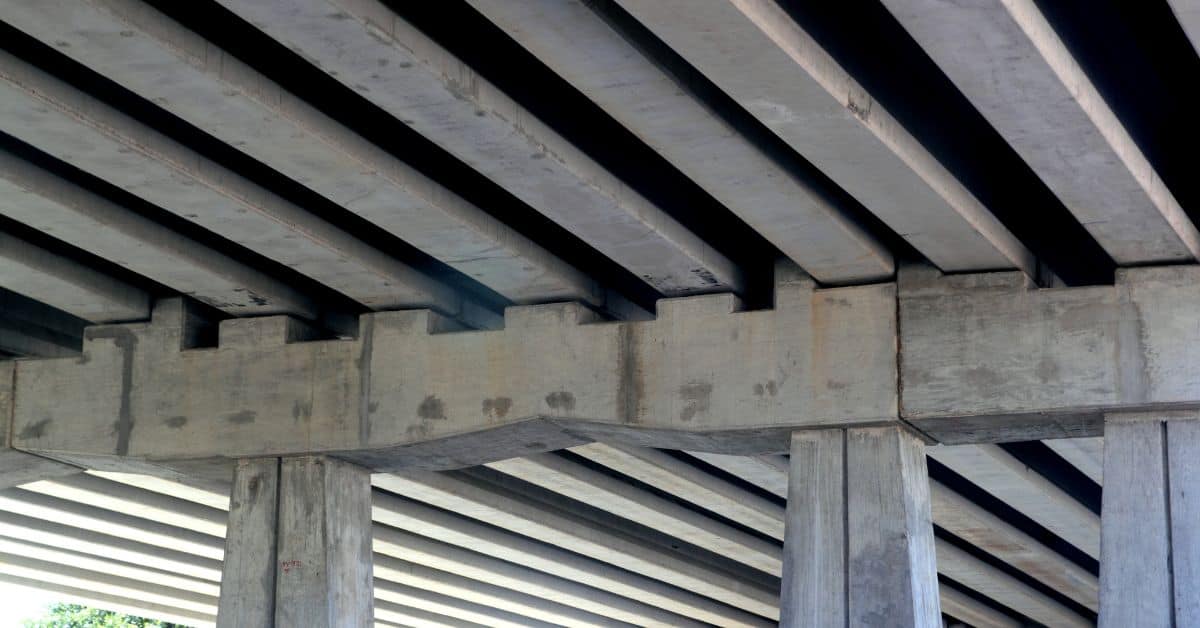
Define and compare the main forming methods: cast-in-place with removable forms, preformed PVC tongue-and-groove forms, and retrofitting into existing concrete. Choose based on project timing and accessibility. Each method has its own setup and sequence.
Detail alignment and geometry requirements, including width, depth, slope, and lip treatment. Emphasize parallelism to adjacent surfaces and straight edges. Plan form setup with proper spacers, joints, and sealing interfaces to prevent leaks.
Step-by-Step Process
This step-by-step guide walks you through forming a keyway correctly, from preparation to final checks.
- Prepare the area: Clear debris, ensure surface is clean and dry. Safety first – wear appropriate PPE.
- Mark out dimensions: Use a straight edge and level to mark the keyway’s width, depth, and length accurately.
- Set up forms: Secure removable form panels using fasteners, ensuring they’re aligned with your marks. Use support stakes if needed.
- Pour concrete: Start at one end, direct concrete into the form, avoiding voids at the keyway. Vibrate/rod gently to consolidate and remove air pockets.
- Finish and cure: Level off the top, apply a curing compound around the keyway, protect it from rain/sun. Remove forms after 24-72 hours, depending on weather.
Cast-in-place forming steps
Here’s a concise sequence for cast-in-place keyway formation:
First, lay out and secure removable form panels using fasteners. Ensure they’re level and plumb.
Pour concrete into the forms, directing it to avoid voids at the keyway. Vibrate/rod gently to consolidate and remove air pockets.
Pro tip: Use a waterstop at the bottom of your form to prevent leakage. Remove forms after 24-72 hours, depending on weather conditions.
Installing preformed PVC tongue-and-groove forms
Preformed forms simplify keyway installation:
Position and align the form according to your marks. Ensure the tongue-and-groove sides mate properly.
Anchor the form using fasteners or stakes, ensuring it’s secure against the concrete surface.
Check compatibility: Ensure your chosen PVC form is suitable for your concrete mix and finishing method.
Retrofit and field-cut methods
When you need a keyway after initial pour, consider these options:
Mechanical cutting/coring: Use diamond blades or coring equipment to cut the keyway. Bond it using an appropriate repair material.
Appropriate times: Retrofitting is suitable when access allows safe cutting and bonding, and the concrete has cured sufficiently.
Tools, Materials Checklist and Material Specs Explained
List core tools such as PVC or wood keyway forms, fasteners, saws, vibrators, levels, and lines for alignment. Include sealants, backer rods, primers, and curing aids. PPE should be on hand for all workers.
Verify material specs like concrete mix class, durability, and compatibility with the chosen keyway form. Confirm local standards and manufacturer recommendations for form-to-concrete interfaces. Plan for form tolerances and anticipated vibration to keep the joint intact.
Essential tools and equipment
Before you start, gather these essential tools to ensure a successful keyway formation.
- PVC or wood forms: For creating the tongue-and-groove shape. PVC is durable but expensive; wood is cheaper but less durable.
- Fasteners and clamps: To secure forms together tightly. Loose forms lead to leaks and poor keyway quality.
- Saw or cutting tool: For sizing forms accurately. Inaccurate cuts result in misaligned keyways.
- Concrete vibrator: To consolidate concrete, removing air pockets that weaken the keyway.
- Level and string line: For precise alignment with existing slabs or walls. Misalignment causes structural issues and poor aesthetics.
- Tape measure: To ensure forms are cut to the correct dimensions. Incorrect dimensions lead to failed load transfer.
- Chalk line: To mark out form positions accurately. Inaccurate marking results in poorly placed keyways.
- Gloves and safety glasses: For protecting hands and eyes during cutting, handling forms, and pouring concrete.
Quick rule: Always double-check your tools before starting. Missing or faulty tools cause delays and poor results.
Consumables and material spec checks
Verify these consumables and material specifications to ensure a strong, durable keyway.
- Form sealant or tape: To prevent concrete leaks. Leaks cause messy clean-up and weak keyways.
- Backer rod: For filling joints between forms. Inadequate joint filling leads to concrete leakage and weak points.
- Bonding agent/adhesive primer: To improve form-to-concrete bond. Poor bonding results in keyways that can’t transfer loads effectively.
- Curing compound/water: To maintain moisture during curing. Inadequate curing causes concrete to crack and weaken.
- Concrete mix class/strength (F’c values, slump): Ensure the mix is strong enough for your needs. Weak mixes result in failed keyways.
- Durability/exposure grade: Choose a concrete that can withstand your environment’s conditions. Inadequate durability leads to premature keyway failure.
- Air-entrainment considerations: Check if air entrainment is needed for freeze-thaw resistance. Neglecting this can cause keyways to crack and crumble.
- Compatibility of additives with form materials: Ensure additives don’t react negatively with the form material. Incompatibility causes weak bonds and poor keyway quality.
- Sealant/joint filler compatibility: Verify it’s compatible with both concrete and form materials. Incompatibility leads to sealant failure and leaks.
Quick rule: Always confirm material specs with your supplier. Using incorrect materials leads to failed keyways and costly rework.
Temporary supports, anchoring, and layout aids
Use these tools and techniques to maintain keyway alignment during the pour.
- Shims: To create a level base for forms. Uneven bases cause misaligned keyways.
- Anchors: To secure forms to existing structures. Unsecured forms shift during pouring, causing misaligned keyways.
- Templates: For marking out complex keyway shapes. Inaccurate marking results in poorly shaped keyways.
- String line and level: To ensure forms are aligned with existing structures. Misalignment causes structural issues and poor aesthetics.
- Thermal expansion allowance: Account for concrete’s thermal expansion to prevent form displacement. Neglecting this can cause keyways to crack or displace.
- Vibration strategy planning: Pre-plan your vibration sequence to avoid displacing forms. Improper vibration causes form movement and weak keyways.
Quick rule: Always double-check your layout before pouring. Incorrect layouts lead to misaligned, poorly shaped keyways.
Safety, Common Mistakes, and Visual Quality-Control Checkpoints
Outline safety measures for handling forms and fresh concrete, including PPE and form release procedures. Establish communication and pour timing controls on site. Secure the work area to prevent accidents.
Common mistakes include misalignment, inadequate anchoring, insufficient consolidation, and using incompatible form materials. Describe visible signs of poor performance and practical corrective actions to take before, during, and after the pour. Ensure post-pour inspections focus on depth, alignment, and leakage prevention.
Jobsite Safety and Handling Precautions
Before you start forming or pouring, ensure everyone’s safe. Use this checklist to protect your crew and yourself.
- PPE: Gloves, goggles, boots – protect hands, eyes, feet from hazards.
- Lifting forms: Two people, lift with legs not back. Keep forms level to prevent tipping.
- Form stability: Secure forms before filling. Wobble or lift? Add bracing or relocate supports.
- Weather: Check forecast. Rain, cold can affect concrete and form release.
- Power tools: Use safely around forms and fresh concrete. Keep blades sharp, guards on.
- Form release: Apply release agent before pouring to prevent binding or sudden releases.
- Secure area: Barricade work zone. Communicate pour timing with crew.
- Vibration: Use vibrator safely. Keep it level, move slowly to avoid damaging forms.
Quick rule: Safety first. Never rush or skip precautions.
Frequent Forming Mistakes and Consequences
Catch these common errors early to avoid costly repairs and structural issues.
- Misalignment: Check form alignment with string lines, edge boards. Misaligned forms cause leaks, poor keyway fit.
- Leaks: Inspect form joints for cleanliness, proper sealant. Leaks lead to weak concrete, structural issues.
- Inadequate compaction: Use vibrator properly. Insufficient consolidation causes voids, honeycombing, reduced strength.
- Wrong form material: Use correct form material for job type. Wrong material can cause leaks, poor finish.
- Inconsistent setback: Check setback, joint locations, keyway width. Inconsistencies lead to poor fit, weak joints.
- Improper bracing: Ensure forms are securely anchored. Improper bracing causes displacement, poor finish.
- Over-vibration: Avoid over-vibrating concrete. Excess vibration causes surface defects, weak concrete.
Quick rule: Regular checks catch mistakes early. Fix promptly to prevent bigger problems.
Visual Checkpoints for Inspection
Inspect keyway forms at critical stages to ensure quality and durability.
- Form alignment: Verify form alignment before pouring. Misaligned forms cause poor keyway fit, leaks.
- Joint cleanliness: Inspect joints for debris, proper sealant. Dirty joints lead to leaks, weak concrete.
- Concrete consolidation: Check for voids, honeycombing during vibration. Inadequate compaction reduces strength.
- Sealant continuity: Inspect sealant before pouring. Discontinuous sealant causes leaks, weak joints.
- Keyway depth: Measure keyway depth after forming. Incorrect depth affects fit, structural integrity.
- Sidewall smoothness: Check sidewalls for defects before pouring. Rough surfaces cause poor finish, weak points.
- Edge mortises: Verify edge mortises are clean, properly formed. Poorly formed mortises affect fit, durability.
Quick rule: Regular visual checks ensure quality. Fix issues promptly to maintain structural integrity.
Maintenance, Durability, and Cost Considerations
Suggest a practical inspection schedule and check for cracks, joint separation, and sealant deterioration. Plan debris removal and cleaning to maintain joint integrity. Track edge conditions and PPE around the keyway during inspections.
Discuss factors affecting long-term durability, such as exposure, load cycles, substrate moisture, and material compatibility. Outline budget drivers and encourage local quotes to compare scope, materials, and warranties. Provide tips to extend life through proper curing and durable sealants.
Inspection and Maintenance Schedule
Regularly inspecting your concrete keyway helps catch issues early, preventing costly repairs. Use this checklist to keep your keyway in top shape.
- Quarterly (first year), then biannually: Check for cracks, joint separation, and sealant deterioration.
- Annually: Inspect PPE/edge conditions around the keyway. Remove any debris buildup to prevent water pooling.
- After heavy rain or snowmelt: Ensure there’s no standing water in the keyway, which can cause damage over time.
- Before winter (if applicable): Apply a fresh coat of sealant to protect against freeze-thaw cycles and deicers.
Quick rule: Inspect your keyway regularly to catch issues early and maintain its longevity.
Longevity Factors and Performance Monitoring
Several factors influence the lifespan of your concrete keyway. Monitor these aspects to ensure optimal performance:
Environmental exposure: Freeze-thaw cycles, deicers, chemicals, and temperature ranges can degrade sealants and concrete over time.
Load cycles and restraint demands: Heavy or repetitive loads can cause stress on the keyway, leading to cracks or joint separation. Ensure your keyway is designed to handle expected loads.
Material compatibility: Choose compatible materials for your concrete, PVC forms, and sealants to prevent premature failure. Regularly inspect joints for signs of incompatibility, such as discoloration or softening.
Budgeting Tips and Cost Drivers
Understanding the main cost drivers helps you compare quotes intelligently. Here’s what to consider when discussing your project with suppliers:
Labor: Ask about labor rates, crew size, and expected timeframes for completion.
Form materials: Inquire about PVC joint form costs, including any additional materials needed like backer rod or primers. Consider the quality and lifespan of these materials.
Sealants: Discuss sealant types, warranties, and expected lifespans. Ask about application methods and any required equipment.
Access challenges: If your project requires form removal or has site access issues, discuss these factors and their impact on the overall cost.
Conclusion
The bottom line is that a well-formed keyway makes the composite act as a single, safer, longer-lasting piece. Plan, set the forms accurately, and protect the joint during pour and cure to protect durability and appearance.
Before you pour, confirm the design and dimensions, set the keyway forms true, choose compatible materials, apply a proper release and water-curing plan, and then inspect the setup and the surrounding area. Do this in order: verify design and clearances, prepare forms and supports, install the key and release, pour, and monitor curing with the right temperature and moisture.
Avoid common mistakes like skipping form checks, using the wrong dimensions, or rushing the pour. Don’t skip curing or neglect protection at the joint, and never pour over an unsettled foundation or when the concrete is too cold or too hot. Safety first means PPE, clean work area, and never work alone on a pour that bears structural load, and it means testing a small area if you’re unsure about materials or form stability.
If the project involves complex geometry, high loads, or uncertain feasibility, consider bringing in a pro rather than guessing. With careful planning and disciplined execution, you’ll get a clean, durable keyway that supports the rest of your work and looks right too—you can do this.
FAQ
What exactly is a concrete keyway?
A keyway is a recessed groove or channel formed into concrete to lock adjacent pours or to accept a joining element. It helps alignment and provides a physical boundary for expansion and joint sealing. It’s common practice to plan keyways in areas where slabs meet or where walls tie in.
What are keyway form options, including PVC tongue-and-groove?
Keyways can be formed with simple wooden forms, rigid plastic forms, or PVC tongue-and-groove systems. PVC options often snap together and create a smooth, consistent groove. Use what your local supplier recommends and follow the manufacturer’s instructions for installation.
Why use expansion joints in keyways and how do they help prevent cracks?
Expansion joints absorb movement from temperature and moisture changes, keeping cracks from propagating through the concrete. They help separate sections so each pour can move independently. Avoid forcing a joint closed; leave proper gap spacing and install a suitable sealant.
What materials are commonly used to form keyways and sealants, and how should I choose?
Common keyway forms include wood, plastic, and PVC tongue-and-groove systems, plus simple inset recesses cut into the substrate. Sealant choices depend on movement, temperature range, and exposure; check the label for compatible substrates and cure conditions. If in doubt, consult the product instructions or local guidelines for your project and climate.