Flattening a Wall for Tile: the “before Tile” Step That Prevents Lippage

Flattening a Wall for Tile: the “before Tile” Step That Prevents Lippage

Introduction

Flattening a wall before tiling prevents lippage and creates a flat, durable tile surface.

In this guide you’ll learn how to assess wall flatness, identify common high and low spots, and apply practical steps to bring every area to level before you lay tile.

The approach covers simple checks, common techniques, and ways to verify the work as you go, so you can tile with confidence.

Key takeaways

  • Assess wall flatness using a long straightedge, a level, and plumb line.
  • Identify common substrate issues like patchiness, bulges, and deep joint gaps.
  • Grind high spots with a concrete grinder and proper PPE for safety.
  • Fill low spots with skim coat or cement-based patching for uniformity.
  • Check around fixtures for flush transitions and consistent substrate thickness.
  • Decide between DIY flattening and hiring a pro based on drywall condition.
Table of Contents

Why wall flatness matters for tile and lippage control

Wall flatness is the practical line you cannot afford to miss. Even small deviations in the wall plane translate into lippage, uneven grout lines, cracked edges, and noticeable gaps, especially with large-format or edge-finished tiles. When the wall isn’t true, you slow down install, your mortar bond varies, and warranty claims become a headache because manufacturers require a true plane and correct substrate and adhesive system.

For a DIY crew, understanding flatness saves you time and money in the long run. Use straightedges, 3-4-5 checks, and torpedo levels to verify true plane before you tile, and stick to the tolerances specified by tile and adhesive manufacturers. If you see deviations, address them with quick shims, back-buttering, or leveling products before the tile goes in, or you’ll pay for rework in grout maintenance and possible edge damage. Meeting flatness standards keeps edges crisp, reduces grout cracking, and supports warranty outcomes by proving you followed a repeatable, approved workflow.

How lippage forms from uneven walls

Tiles don’t lie flat on a wavy wall. They’ll sit higher over bumps, with the edges of tiles bridging those high spots. The rest of the tile will dip down to meet the lower parts of the wall. This creates a lip where one edge is higher than the other, making it stick out like a sore thumb.

Even small gaps—like 1/16 inch—can be glaring on large-format tiles. It’s not just about looks; lippage can trip people up and damage grout lines over time. So before you start tiling, take the time to smooth out those walls.

To avoid this headache, check base compaction and use a straightedge or laser level to spot any unevenness early on. A little prep work now saves big headaches later when your tiles are set in place.

Which tile types are most sensitive

If you’re working with large-format porcelain, rectified-edge tiles, or natural stone, you need to pay extra attention to wall flatness. These materials have little tolerance for lippage and require a perfectly smooth surface to install properly.

Large-format porcelain is especially tricky because any unevenness in the wall will be magnified across its large surface area. Rectified-edge tiles, known for their precise cuts, also demand an impeccably flat substrate to avoid showing lippage issues.

Natural stone can vary widely in thickness and texture, making it crucial to check base compaction before installation. Even a small bump or dip can become glaringly obvious once the tiles are set, ruining your project’s aesthetic.

Back to top ↑

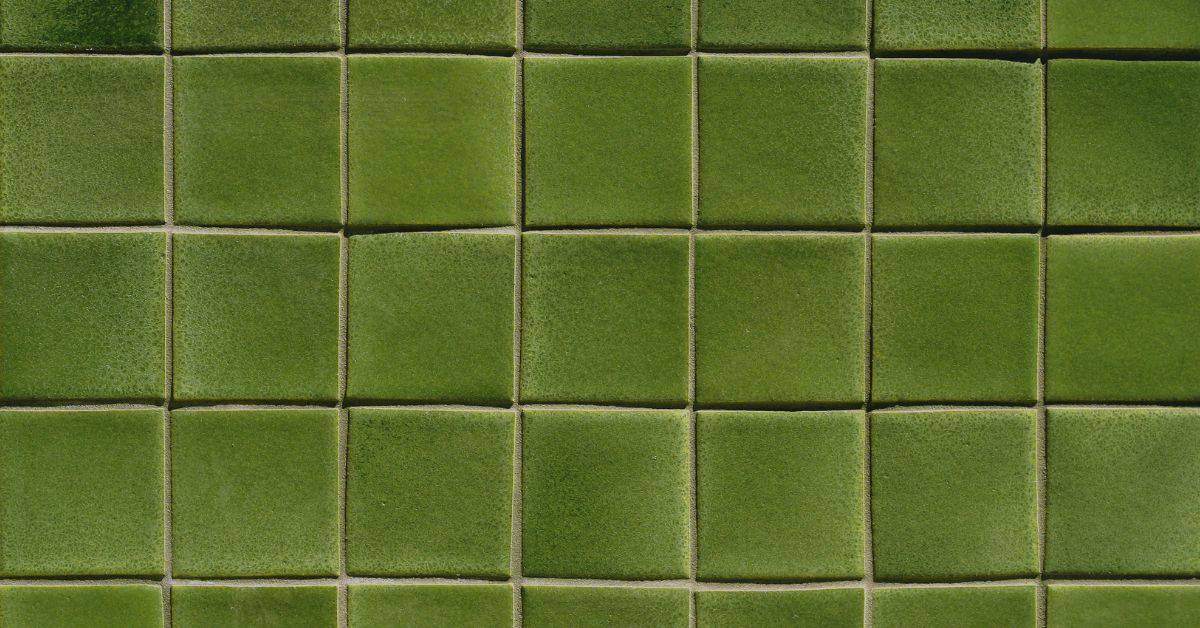
close up of green square ceramic tiles on wall
Showing smooth, flat tile surface for effective lippage prevention

Assessing wall flatness: tools and tolerances

Assessing wall flatness starts with the right toolbox and a clear plan that keeps you focused on representative problem areas rather than random spots, so you can predict how tile will perform over time. Use a long straightedge, a level, a laser or line laser, masonry or magnetic levels, and a few precise feeler gauges to map highs and lows, sampling areas such as arches, openings, and corners where joints will sit and where uneven substrates commonly show up. Know the typical targets you’ll be chasing: standard walls around 1/8 inch variation over 6 feet for tile, and closer to 1/16 inch for large-format tiles, with manufacturer specs and local trades guiding acceptance and the exact tolerance you should aim for on your project.

Do quick checks to decide if remediation is needed: run the straightedge along the wall to detect high and low spots, confirm vertical true with a level and plumb line, and quantify gaps with feeler gauges at several points, then mark trouble zones so you can plan patching, grinding, or layout adjustments with confidence. When you’re out of tolerance, plan sub-surface leveling or planing if possible, adjust the tile layout to avoid problem zones, and only call in a pro if the wall is badly out of plumb or severely out of flatness that compromises grout lines and overall appearance. Keep a simple remediation plan in a notebook or on a quick whiteboard: record measurements, photograph problem areas, list materials and timelines, and note safety steps to keep the job moving without accidents or delays.

Tools: straightedge, level, laser, and digital gauge

The first tool you need is a straightedge. It’s simple but effective for checking small sections of wall or floor flatness by placing it against the surface and seeing if there are any gaps. Use this when you’re not sure about a specific area.

A level is next on your list, great for quick checks across larger areas. It tells you right away if your walls or floors are plumb (vertical) or level (horizontal). But remember, it’s less precise over long distances compared to other tools.

Laser tools are a game changer when it comes to accuracy and speed. They can cover large spaces with pinpoint precision, making them ideal for checking flatness on both walls and floors without the need for physical contact. Just make sure you know how to set up your laser correctly to avoid false readings.

Finally, there’s the digital gauge. This is top-notch for detailed work where millimeter accuracy counts. Use it when you’re dealing with critical areas or if you want to double-check measurements taken by other tools. It’s a bit pricey but worth every penny for precision.

Tolerances for wall tile and large-format panels

When it comes to installing wall tiles and large-format panels, you need to keep a close eye on flatness. For standard wall tiles, aim for no more than 1/8 inch deviation over 10 feet. This ensures your tiles will lay flat without noticeable gaps or uneven edges.

Larger panels require even tighter tolerances due to their size and weight. Check with the manufacturer’s guidelines as they often specify stricter limits, sometimes down to 1/16 inch per 10 feet. These tight specs are critical because any deviation can lead to cracking or uneven installation.

Remember, before you start laying tiles or panels, always check base compaction and use your straightedge or laser level to ensure the wall is as flat as possible. This upfront effort saves headaches later on when dealing with misaligned tiles or panels.

Back to top ↑

Common wall substrate problems that cause unevenness

Uneven walls usually come from a mix of hollow or high spots beneath the surface. Tapping and sight-down checks will reveal drywall hollows, bulges, joint compound ridges and feathered seams, cement board ridges with fastener pops or skim coat inconsistencies, plaster waves, and masonry irregularities that telegraph through tile long before you start setting. These faults create micro-steps and lippage that ruin tile flatness unless you identify and plan for them before tiling.

Knowing where the problem lies lets you choose practical fixes and safe workarounds rather than guessing and hoping for the best. You’ll save time, materials, and headaches by feathering and patching, skim coating where needed, grinding high spots, and sealing dust so you can assess the substrate cleanly. If the substrate remains stubborn after proper patching and smoothing, you’ll understand when to escalate to more extensive repair or replacement to keep the tile job solid for years.

Drywall and joint compound issues

When it comes to taping drywall, a lot can go wrong if you’re not careful. Poor taping leaves mud ridges, which stick out like sore thumbs when you lay down tile. These bumps aren’t just unsightly; they cause high spots that make your tiles look uneven and wobbly.

Another common issue is sanding defects. If you don’t smooth out the joint compound properly, you’ll end up with low spots where the mud didn’t get sanded enough or was missed entirely. These dips can telegraph through your tile work, making it look like a cheap job.

To avoid these problems, take extra care when taping and sanding. Make sure to feather out all edges so there are no ridges left behind. And always double-check your work by running your hand over the wall before you start laying tiles. If you feel any bumps or dips, fix them right away.

Cement board, backerboard, and thinset bumps

Misaligned screws in cement board or backerboard can cause noticeable bumps. These aren’t just eyesores; they’re a pain when you’re trying to lay tile flat. Make sure your screws are set below the surface by at least 1/8 inch. If you see any sticking out, use a countersink bit to sink them deeper.

Another common issue is unsupported edges of backerboard. These can sag and create uneven spots that will drive you nuts when tiling. Before installing the board, make sure it’s fully supported by framing or another solid backing material. If you’re working with an open edge, use a metal L-shaped flashing to keep it in place.

Lastly, dry-set thinset can leave ridges if not applied evenly. These ridges are a nightmare for tile alignment and will show through your finished work. When applying thinset, spread it out nice and smooth, then check base compaction before laying the tiles to ensure everything is level.

Back to top ↑

Visual checkpoints before you start tile work

Visual checks decide if flattening is needed before you tile, and they save you time and money on materials. Shadows and oblique light reveal ridges, hollows, and edge high spots, so inspect walls and floors from several angles and times of day, under a bright lamp. Run a quick fingertip test to feel subtle highs and soft spots, then sweep a long straightedge across the surface to expose deviations and high/low points.

These checks affect tile longevity and grout performance, guiding you to catch issues before they wreck layout and cure. They tell you when flattening saves material and time, and when to pause for moisture, substrate faults, or efflorescence, since moisture content can disguise flattening needs and ATR indicators won’t lie, and be wary of painted patches, failed skim coats, or dusty substrates that fake flatness. If you see more than a couple of millimeters of variance over a 1-2 m run, spot grind or skim with self-leveling compound; otherwise, plan simple corrective steps and set a clear tolerance target for the job, so you stay on plane and avoid surprises later, right now.

Shadow and sight lines for quick checks

Use this checklist before you start laying tiles to catch any unevenness in the concrete or substrate.

  • Raking light test: Shine a flashlight at an angle across the surface. Look for shadows that reveal ridges or depressions.
    What goes wrong: Missed imperfections can cause tile cracks and grout lines to look uneven.
  • Sight line straightness: Hold a level or straight edge along the surface, looking down its length for any gaps or dips.
    Confirm right: No visible gaps or shadows under the straight edge.
  • Light reflection test: Tilt a mirror to reflect light across the surface. Check if reflections are smooth and even.
    What goes wrong: Uneven surfaces will show up in reflected light, causing tile misalignment.
  • Plumb line check: Use a plumb bob or string with weight to find high spots and low areas.
    Confirm right: The plumb line should hang straight over any point on the surface.
  • Level across corners: Place a level diagonally in each corner. Ensure it reads perfectly horizontal and vertical.
    What goes wrong: Misaligned corners can cause diagonal tile misalignment.
  • String line for slope: Stretch strings between nails at opposite ends of the room, checking for consistent height.
    Confirm right: The string should be taut without sags or bulges.
  • Feeler gauge test: Use a thin metal strip to find small gaps and depressions that are hard to see.
    What goes wrong: Small imperfections can cause grout lines to look uneven after installation.
  • Visual sight line: Stand back from the surface and look straight down its length. Check for any visible undulations or waves.
    Confirm right: The surface should appear smooth and flat when viewed from a distance.

Quick rule: Always use multiple methods to check surfaces before tiling, ensuring no imperfections are missed.

Tapping and hollow spot detection

Before you start laying tiles, use this checklist to tap the surface with a screwdriver handle or rubber mallet to find any hollow spots behind backerboard or plaster.

  • Tap evenly spaced areas: Tap every square foot of your work area. Listen for dull thuds indicating hollows.
  • Mark hollow spots: Use a pencil to mark any spots that sound hollow when tapped. This helps you fix them before tiling.
  • Check edges and corners: Tap around the perimeter of your work area, especially where walls meet floors or ceilings. Edges often hide weak points.
  • Avoid missed areas: Keep a steady rhythm while tapping to ensure no spots are skipped. Missing hollows can lead to cracked tiles later.
  • Listen for changes in sound: A change from a solid tap to a dull thud indicates an area that needs further inspection or repair.
  • Inspect behind fixtures: Tap around plumbing and electrical outlets, as these areas often hide weak spots. Ensure all surfaces are solid before tiling.
  • Use a rubber mallet for larger areas: For bigger projects, switch to a rubber mallet to cover more ground efficiently without damaging the surface.
  • Check under tiles already set: If you’ve started laying some tiles and find hollow spots, lift them carefully and fix the underlying issue before proceeding.
  • Verify repairs with another tap: After fixing any hollow areas, give them a second tap to confirm they are now solid. This prevents future problems.
  • Avoid tapping too hard: Tap gently but firmly to avoid damaging the surface or creating new issues. A light touch is enough to detect hollow spots accurately.
  • Mark and fix immediately: Don’t wait to address any hollow areas you find. Fix them right away before moving on to other tasks, saving time in the long run.
  • Use a screwdriver for precision tapping: For detailed work or small spots, use a screwdriver handle to pinpoint exact locations of weak surfaces.
  • Tap around all plumbing pipes: Ensure there are no hollow areas around pipe penetrations. Weak spots here can cause major issues later on.

Quick rule: Tap every square foot with a screwdriver or mallet to find and fix any hollow spots before tiling.

Back to top ↑

DIY vs professional flattening: when to hire a pro

DIY flattening works for small-format tiles or modest lippage, but large-format or premium tiles usually demand professional leveling for tight tolerances. Verify the concrete slab is dry, sound, and within moisture, pH, and level tolerances before you start, then pick a method—grinding, leveling underlayment, or skim-coating—with proper safety gear and dust control.

Know the tolerances for your tile type and plan around substrate access, grout line alignment, and edge clearance so you don’t fight installation late in the job. Red flags—excessive lippage, uneven substrate, or moisture issues—mean you should hire a pro rather than risk a fragile, failed floor.

Signs you need a pro (large-format tile, slabstone, structural concerns)

If your project involves large-format tiles or slabstone, it’s time to call in the pros. These materials are extremely sensitive to any imperfections on the surface and require expert-level flattening and leveling skills.

Structural movement is another red flag. If your floor has visible cracks, uneven patches, or signs of shifting over time, you’re dealing with more than just a flooring issue—it’s a structural concern that needs professional assessment to avoid costly mistakes down the line.

Complex waterproofing requirements also point towards hiring professionals. Ensuring proper sealing and protection against water damage is crucial in areas like bathrooms and kitchens where moisture can lead to serious issues if not handled correctly.

DIY-appropriate jobs (small tile, minor skim coats)

If you’re dealing with small-format tiles and minor imperfections, DIY flattening can be a cost-effective solution. Stick to spot-sanding, applying thinset or joint compound for small patches, and fixing uneven grout lines. These tasks are manageable if the area is less than 10 square feet.

Avoid major projects like large-format tile installation or slabstone work. Those require professional expertise to ensure structural integrity and long-term durability. For DIY jobs, always check base compaction before starting any repairs to prevent future issues.

If you’re unsure about the extent of your project, it’s better to err on the side of caution and consult a pro for large-scale or complex fixes. Remember, doing it right the first time saves money and hassle in the long run.

Back to top ↑

Tools and materials checklist for flattening walls before tile

Goal is wall flatness and plumbness before tiling, with acceptable tolerances to prevent lippage. Gather these essentials: long straightedge and a smaller straightedge for checks; sanding blocks or an orbital sander; grinder with a diamond cup wheel; skim-coat trowels and primer; and for materials: thinset or patching mortar for leveling, cement-based skim coat or leveling compound, patching materials for holes or low spots, and a waterproofing membrane if required.

Follow a simple prep sequence: inspect substrate, mark high and low spots, clean and dry the surface, apply primer, then skim or patch, cure, and re-check with a straightedge before tiling. This approach keeps tiles even, minimizes lippage, and ensures proper bonding and moisture barriers are in place for a durable tile install.

Safety gear and dust control

This checklist should be used before you start any work to ensure your safety and minimize dust.

  • N95/half-mask – Wear it when grinding or sanding. Confirm by checking the mask fits snugly over nose and mouth. Skipping this can lead to breathing in harmful particles.
  • Eyewear protection – Use safety glasses or goggles while working. Check that they are not fogged up and provide full coverage of eyes. Not wearing them could result in eye injuries from flying debris.
  • Hearing protection – Wear earplugs or earmuffs when using power tools. Confirm by ensuring there is no noise leakage around the edges. Ignoring this can cause long-term hearing damage.
  • Dust containment sheeting – Use it to cover areas not being worked on. Check that all openings are sealed tightly. Leaving dust uncontained will spread throughout your home.
  • HEPA vacuum – Use after each work session to clean up dust and debris. Confirm by testing suction strength. Not using one can lead to excessive dust accumulation.
  • Dust masks for helpers – Ensure anyone assisting you also wears a mask. Check that they are wearing it properly. Helpers without proper protection risk health issues too.
  • Respirator fit test – Conduct before starting work if using respirators. Confirm by performing a simple seal check. A poor fit means ineffective dust filtration.
  • Dust collection system – Use with power tools to capture dust at source. Check that it is properly connected and running efficiently. Without this, you’ll have more cleanup later.
  • Ventilation setup – Ensure adequate ventilation in the work area. Confirm by checking air flow and quality. Poor ventilation can lead to health issues from breathing in contaminated air.

Quick rule: Always wear PPE and use dust control measures before starting any wall prep or tile installation tasks.

Back to top ↑

Step-by-step DIY flattening process for walls (overview)

Start by defining the finish you need and how you’ll measure it. Use a straightedge to check tolerance, aiming for about 1/8-inch over 10 feet or whatever your tile spec requires, then document the current surface condition. Follow a clear sequence: inspect and document, remove loose material, identify high spots versus low spots, grind or sand high spots, clean all dust, fill low areas with patch compound or self-leveling underlayment, skim coat where needed, feather edges, then sand and prime before a final flatness check.

This matters because proper flatness is the difference between a tile job that lasts and one that starts showing lippage or bonding failures in weeks. It keeps the adhesive working correctly, ensures even tile thickness, and reduces rework later on. Do not rush the process—use the right tools, follow cure times, and re-check with a straightedge or tile spacers after priming to confirm you’re ready for tiling.

Step-by-Step Process

This sequence will guide you through flattening walls, ensuring a smooth and even surface for painting or wallpapering.

  1. Action: Inspect the wall for any loose materials or debris.
    Reason: Clearing the area prevents damage to tools and ensures a clean work environment.
    Check: The wall should be free of dust, dirt, and other particles.
    Professional Alert: If there are large cracks or structural issues, seek professional help.
  2. Action: Use a leveling tool to mark high spots on the wall.
    Reason: Identifying areas that need flattening ensures you focus your efforts where they’re needed most.
    Check: The marks should clearly indicate uneven sections.
    Professional Alert: If the wall is severely out of level, consider professional intervention.
  3. Action: Apply a thin layer of leveling compound to high spots.
    Reason: This step evens out irregularities for a smoother finish.
    Check: The compound should be evenly spread and smooth.
    Cure Time: Allow the compound to dry according to the manufacturer’s instructions.
  4. Action: Sand down any raised areas until they are flush with the rest of the wall.
    Reason: This ensures a uniform surface for painting or wallpapering.
    Check: The wall should feel smooth and even to the touch.
    Cure Time: Wait at least 24 hours before applying paint or wallpaper.
  5. Action: Clean up any dust from sanding with a damp cloth.
    Reason: Removing dust prevents it from sticking to the wall during painting or wallpaper application.
    Check: The wall should be free of visible dust and debris.
  6. Action: Inspect the entire surface for any remaining imperfections.
    Reason: A final check ensures no areas were missed during the flattening process.
    Check: The wall should look uniform with no visible bumps or dips.
  7. Action: Apply a primer if necessary, following manufacturer instructions.
    Reason: Priming helps paint adhere better and can hide minor imperfections.
    Check: The primer layer should be even and dry to the touch before painting.
  8. Action: Paint or apply wallpaper as desired, following your chosen method’s instructions.
    Reason: This final step completes the wall flattening process by providing a finished look.
    Check: The paint should be evenly applied with no visible brush strokes. Wallpaper should adhere smoothly without bubbles.
  9. Action: Clean up all tools and materials, disposing of any waste properly.
    Reason: Keeping the work area clean helps prevent accidents and makes future projects easier to start.
    Check: The workspace should be tidy with no leftover supplies or debris.

Pro tip: Always wear protective gear like gloves, goggles, and a mask when sanding or applying compounds.

Prep and substrate diagnosis

Before you start flattening walls, you need to map out the high and low spots. Use a straight edge and level to mark these areas clearly on your wall or floor. This helps you see exactly where you need to add material.

The next step is figuring out what your substrate is made of—concrete, brick, drywall, etc. Each type needs different repair methods. For example, concrete cracks might be filled with epoxy, while plaster holes could use joint compound. Knowing the material helps you pick the right tools and materials for the job.

Check base compaction if your substrate is on a ground level or over soil. Loose soil can cause walls to shift and crack later. If you find issues, compact the area properly before proceeding with repairs.

Final verification and readiness for tile

Before you start laying tiles, give the wall one last check with a straightedge to ensure there are no high spots left. If you find any bumps, smooth them out now or mark them so you can come back later. Also, check base compaction; if it’s not solid, your tile job won’t hold up.

Use a level across the wall to make sure everything is plumb and level. If you’re unsure about how well the adhesive will stick or if there are any weak spots in the substrate, do a test with some mock tiles. This way, you catch issues before committing to the whole job.

Once you’re confident that your walls are flat and stable, it’s time to get ready for tiling. Make sure all tools and materials are within reach so you can start laying those tiles without delays.

Back to top ↑

Grinding and sanding high spots: methods and best practices

Grinding and sanding high spots is about choosing the right tool for the job: small grinders with dust shrouds for larger protrusions and edges, an orbital sander for moderate high spots, and a simple hand-sander for tiny, micro-spot corrections, all while watching spot height, material (concrete versus substrate), and how close you are to tile layout lines; start with the lowest grit needed and move through a logical pass sequence so you don’t overshoot or create new high points, then finish with a light pass to establish a flat, paintable surface. Use straightedge checks, feeler gauges, or light reflection to locate highs, set realistic flatness targets based on tile thickness and substrate requirements, and document the verified level so you can gauge when to stop before you over-sand. Dust control matters, so always fit dust shrouds, hook up a HEPA vacuum, wear a respirator, eye protection, and hearing protection, and ventilate the area to avoid breathing concrete dust while you work.

The takeaway is to follow a clear workflow: identify the problem zones, select the appropriate tool, and progress from micro to larger corrections with proper grits and pass counts, then clean and prime the surface so the substrate is ready for adhesive without contamination. This matters because improper removal can create hollows, scorch marks, or loose surface material that undermines tile bonding and long-term durability, and doing it right saves time and rework later on a DIY project. By documenting measurements and rechecking flatness at multiple locations, you gain confidence that the floor will tile true and stay flat after grout, reducing callbacks and frustration.

Dust control and containment techniques

When grinding concrete, dust is a major issue. To keep it under control, start by laying down poly sheeting around the work area to contain debris. Use zipper doors on entry points so you can move in and out without spreading dust.

Next, set up a HEPA vacuum with negative pressure to suck up dust as it’s created. Place the vacuum near where you’re grinding but not too close; you want air moving towards the vacuum, not away from it. This keeps dust levels down and makes for cleaner work.

Remember, good dust control isn’t just about cleanliness—it’s also a safety issue. Keep your breathing zone clear of airborne particles to avoid health risks like respiratory issues or eye irritation.

Back to top ↑

Filling low spots: skim coat and cement-based options

For filling hollows, you’ve got three main options: cement-based skim coats for quick leveling, thinset fills for spot repairs and minor hollows, and rapid-setting patch mortars for stubborn low spots. Each has its niche: skim coats level broad areas with slower cures, thinset fills fit into tighter pockets on concrete slabs or backerboard, and rapid-setting patches hurry along when time is of the essence. Match them to substrate and thickness needs, because wrong choice or over-thickness creates lippage, cracks, or bonding failures.

Prep and environment matter just as much as the material: clean, profile surfaces, manage moisture, and plan for future tile or board installations. Test flatness after fill, feather edges, and respect cure times; field conditions like temperature and humidity dramatically influence setting, bonding, and the risk of delamination. If you compress or bridge high spots, you’ll pay for it later with cracking or uneven tile lines, so take the time to evaluate substrate, do proper curing, and verify with a straightedge.

Mixing and application tips

When mixing your skim coat or cement-based filler, stick to the ratios on the bag. Too much water means shrinkage later; too little, it won’t flow right. Mix in a wheelbarrow or bucket, not directly on the slab where you’re working. You want a consistency like thick pudding—neither runny nor stiff.

Check base compaction before applying your mix. If the ground is soft under the concrete, it’ll settle and create new low spots. Once mixed, apply in thin layers to avoid cracking. Use a float or trowel to smooth out any lumps and get that flat plane. Keep an eye on pot life; once it starts setting up, you’ve got about 15 minutes max before it’s too stiff.

Avoid overworking the mix once it’s applied; this can cause shrinkage cracks. If you need to add more material for a low spot, feather it in gradually with your trowel so there are no visible lines or bumps. Let each layer dry slightly before applying the next one—this helps prevent cracking and ensures good adhesion.

Back to top ↑

Patching holes, seams, and transitions around fixtures

Start by scanning the whole area for holes, popped screws, and wide seams around studs, fixtures, plumbing openings, and electrical boxes because those patches affect how tile seats and stays flat over time. Choose patching materials that match the site and tile mortar—concrete patch, polymer-modified mortar, or epoxy fillers—and note cure times and moisture compatibility before you mix a batch. Patch holes and gaps to create a solid, continuous plane, feathering edges so there are no ridges that fight the tile, and address transitions where sinks, vanities, or pipes meet walls to keep the surface uniform.

This matters because a smooth, level, and properly prepared substrate reduces lippage, prevents cracked grout, and keeps tile layout clean and predictable across fixtures and transitions. Using the right patching products and technique minimizes call-backs and makes your mortar bed thickness consistent from the edge to the center, which saves time and money in the long run. After patching, re-check level, plumb, and flatness and plan a light skim coat or backer leveling where needed to maintain a true plane and proper clearance for mortar and grout, especially where transitions and openings can throw off alignment.

Reinforcing seams and corners

When patching around fixtures, don’t skimp on the reinforcement. Use fiberglass mesh tape for seams where two concrete pours meet. For corners, go with corner bead or cement-board tape to prevent cracking over time. Make sure your base is solid before applying any patches; check base compaction. If it’s weak, you’ll just be wasting material.

Apply a thin layer of setting compound first, then press the tape into place. This creates a strong bond that will hold up against movement and stress. Don’t forget to feather out the edges for a smooth finish once everything sets. A little extra work now saves headaches later when cracks start showing up.

Back to top ↑

Waterproofing, membranes, and priming after flattening

After you skim coat, decide if you need a waterproofing membrane or a vapor barrier based on substrate type, moisture levels, and the tile or adhesive you’ll use. Concrete or cement board, the room’s humidity, and whether you’re tiling a wet area or a humid space drive the choice. Liquid-applied or sheet membranes have different fit-ins and installation rules, and primers must match the membrane to boost thinset or adhesive bond after skim coat and before final tiling.

This matters because moisture control keeps joints from failing and reduces lippage. Do a moisture check, use MVT or calcium chloride tests when in doubt, and re-test after priming. A clear install sequence prevents backtracking: dry time, prime, membrane, second cure if required, then thinset and tile. Following the workflow minimizes surprises in showers, niches, and transition areas where edges, thresholds, and trims meet a lot of movement.

Compatibility of primers with skim coats and adhesives

Picking the right primer is crucial, but it’s just as important to make sure your primer plays nice with the rest of your materials. If you’re using a skim coat, for instance, ensure that the primer won’t cause any issues down the line. A quick call to your supplier or checking the manufacturer’s guidelines can save you big headaches later.

One common mistake is assuming all primers are created equal. Some might work great with one type of adhesive but not another. If you’re using a waterproof membrane, make sure the primer won’t interfere with its performance or cause it to peel off. Look for signs like bubbling, cracking, or lifting edges—these can be early warnings that your system isn’t compatible.

To avoid problems, always test on a small area first. This way, you catch any issues before they become major headaches. And remember, if something seems off during the application process, it probably is. Don’t hesitate to reach out for expert advice rather than pushing ahead and risking a costly redo.

Back to top ↑

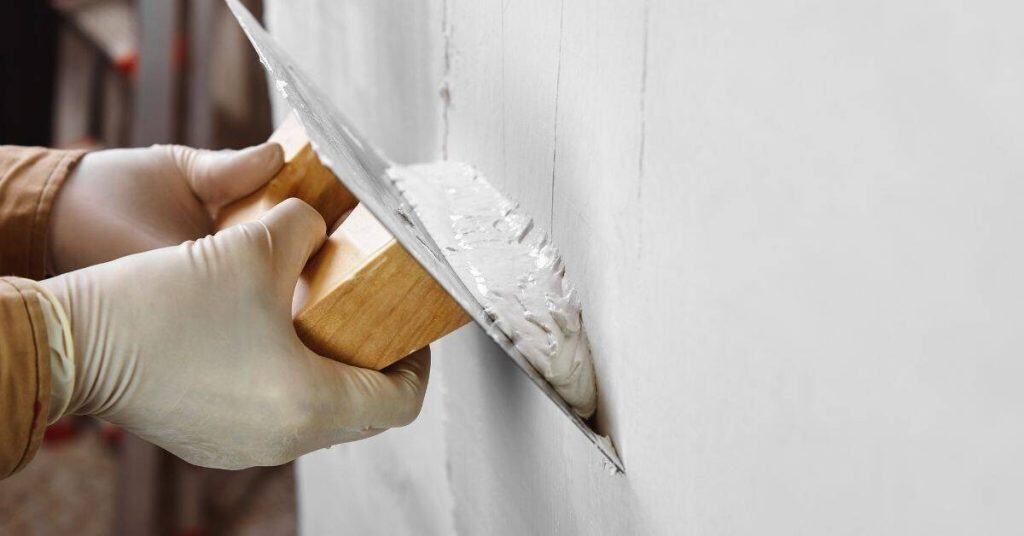
Hand spreading mortar on wall behind tiled surface
Applying mortar to prepare wall for tile installation and waterproofing

Moisture issues on walls: detection and mitigation

Moisture on walls comes from leaks, exterior water intrusion, or rising damp. Detect it with pin and pinless moisture meters, surface checks, and relative humidity readings, then address the source first—stop leaks, fix flashing or pipes, and improve drainage while you start a drying plan. Use fans and dehumidifiers to begin drying, and check substrates for acceptable moisture levels before tiling.

A clear plan and record-keeping prevent repeat work and tile failures. Keep a moisture log, track readings, and outline remediation steps with pass/fail criteria to guide when flattening and tiling can proceed. This helps you stay in control, shows progress with notes and photos, and reduces the risk of moisture-related problems behind the walls.

Drying times and moisture limits before tiling

After pouring concrete, you need to wait for it to dry properly. For a typical slab, give it at least 28 days to cure fully. This isn’t just a rule; it’s safety first. Rushing can lead to cracking and weak spots down the line.

Before laying tiles, check your substrate moisture levels. Most tile manufacturers suggest keeping this below 3%. Use a reliable hygrometer or moisture meter to test. If you’re unsure, consult with an expert before proceeding.

Moving too fast can cause big headaches later on. Wet concrete means more water vapor under the tiles, leading to mold and delamination issues. Take your time, do it right, and save yourself from future repairs.

Back to top ↑

Special considerations for large-format tile and rectified edges

Large-format tile and rectified edges require stricter flatness control than standard tile, and you should plan for tighter tolerances up front to avoid future issues on the finished surface. Aim for about 1/16 inch deviation over a 10-foot span, and verify it with straightedge checks, a laser level, and contour mapping during substrate checks and before committing to thinset. Use leveling systems, lippage-control clips, wedges, and calibrated shims to keep thickness uniform across panels and to minimize lippage, especially at edge transitions and near doors or fixtures.

Layout planning matters, with centerlines, grid alignment, and extra attention to edge-to-edge consistency near walls, corners, and openings to prevent misalignment that becomes visible after grout. Assess substrate prep and moisture/adhesion compatibility early, deciding when grinding, patching, or self-leveling compounds are needed to achieve target flatness and a sound bonding surface for very large panels. Finally, run an inspection and verification checklist before tiling begins, and require signed sign-offs from both contractor and homeowner to ensure accountability and reduce disputes after installation.

Layout strategies to minimize lippage visibility

To keep your large-format tiles looking sharp, start by aligning layout lines across the room. This means setting up straight edges and snapping chalk lines that run parallel to walls or perpendicular to them. Make sure these lines are dead-on before you begin cutting.

When it comes to cuts, always split them at the perimeter of the space rather than making full tile cuts in the middle of a wall. Cutting tiles along the edge helps hide any small irregularities that can happen during installation. Start from the most visible wall and work your way outwards to ensure everything lines up perfectly.

Remember, lippage is a killer for big tiles. It’s not just about cutting straight; it’s also about checking base compaction before you even lay down the first tile. A solid foundation means less chance of movement or settling that can cause those annoying height differences between tiles.

Back to top ↑

Safety precautions and ergonomics for DIY flattening

Strong safety and smart ergonomics are non negotiable when you’re flattening walls or floors. Wear eye and face protection, hearing protection, an N95 or respirator for dust, gloves, and sturdy boots every session; use a solid ladder setup with three points of contact, toe boards, and fall protection where required, and keep grinders and trowels powered down and guarded when not in use. Set up cords to prevent trips, use GFCI outlets, and check wheels and blades on tools before starting; plan pauses to avoid sudden resets that can surprise you or damage material.

Good technique matters as much as good gear. Start with a neutral spine, a wrist-friendly grip, and a workable tool weight, and rotate tasks to stave off fatigue; anti-fatigue mats and adjustable work heights help a lot on longer days. Implement dust capture and local ventilation, seal off the zone when needed, and use respirators as dust limits approach so you can see clearly, breathe easy, and finish strong without rework or injuries.

Electrical and ventilation safety

Before you start flattening, make sure your power tools are plugged into a GFCI outlet. This isn’t just a suggestion; it’s the law in many places to protect against electric shocks. If you don’t have one, get an extension cord with built-in GFCI protection.

Avoid working in areas without proper ventilation. Concrete dust is nasty stuff that can cause lung problems if breathed in too much. Use fans or a portable air cleaner to keep the air moving and clean. Don’t work in tight spaces where you feel dizzy or short of breath—get out and find better conditions.

Remember, safety first. If something feels off with your electrical setup or ventilation, stop and fix it before you start flattening. It’s not worth risking an accident for the sake of a few hours’ work.

Back to top ↑

Common DIY mistakes and how to avoid them

Common DIY mistakes in skim coating and tiling waste time and money. Over-thinning skim coats makes a fragile surface, adds dusting, and won’t bridge minor subfloor bumps. Corrective actions include using the right skim coat mix, applying in thicker passes, and testing cure with a moisture meter; also prime per manufacturerInstructions and perform thorough dust removal.

Inadequate dust removal or poor substrate flatness leads to delamination, uneven coatings, and future lippage. Preventive tips include vacuuming with a HEPA, tack cloth wipe-down, and a final clean before leveling or tiling; check high/low spots with a straightedge or 4-foot rule, planing highs and filling lows as needed. Temperature, humidity, and timing also matter—keep to spec temps, control moisture, and coordinate tile install windows to ensure proper cure and adhesion.

Why feathering is not the same as true flattening

Feathering a concrete patch might look good at first, but it’s a recipe for disaster under tile. The feathered edge won’t hold up to foot traffic and can crack easily, causing your tiles to shift or break.

To avoid this, you need to rebuild the plane of your slab properly. Start by cutting out the old patch cleanly and checking that the base is well-compacted. Then pour a new layer of concrete, making sure it matches the existing surface in both height and slope. Use a straight edge to ensure everything lines up perfectly.

Remember, feathering might save time now but will cost you later when repairs are needed. Take the extra steps to get it right from the start.

Back to top ↑

Cost factors and time estimate for wall flattening projects

Costs for wall flattening break down into labor, materials, tool rental or purchase, and a contingency for surprises. Expect to separate DIY hours from hired pros, price primers, leveling compounds, and shims, and add a typical contingency of 10–20% for moisture, old plaster, or stubborn high spots. Track time by job size—small patch, moderate wall, and large wall—tallying drying or curing periods that push the schedule and drive sequenced work days.

This matters because DIY can save money but adds risk and rework, while a pro often delivers faster, warranty-backed results. Use plain, per-square-foot metrics to compare costs and time, and plan for snag risks like moisture checks and substrate contamination. Proper tooling, rental durations, and safety gear protect your budget and schedule, so pencil in maintenance and site protection upfront and keep the plan simple with real-world buffers for delays and weather.

When fixed-price vs hourly estimates make sense

Choosing between a fixed-price estimate and an hourly rate depends on how well you know the job. If your wall is straightforward, with no hidden surprises under the surface, go for fixed price. It locks in costs, making budgeting easier.

But if there’s any chance of unexpected issues like uneven base compaction or old walls needing major repairs, an hourly rate gives more flexibility. You pay as you go and avoid big surprises at the end.

Check base compaction before starting to see if it’s solid. If not, expect changes in your budget. An hourly estimate covers these unknowns better than a fixed price.

Back to top ↑

Long-term benefits and ROI of proper wall flattening

Upfront wall flattening pays for itself by cutting rework and lippage repairs down the line. When the substrate and studs are flat, tiles sit true from edge to edge, which keeps grout intact and reduces the risk of cracking or uneven edges that can trigger warranty concerns later. That solid prep also protects property value by preventing obvious unevenness that buyers notice and landlords worry about during resale or re-leasing.

Do the checks that back ROI: moisture tests, straightedge or laser level readings, and clear, documented tolerances for your area. If you find out-of-spec, plan remediation now to avoid bigger costs and more disruption once you’ve started setting tile. Skipping flattening invites cracked grout, voids, and costly rework that erodes profitability, especially on larger baths or high-traffic floors. Flat walls speed installs, reduce trade interruptions, and give you a clearer budget for future renos, while also making it easier to defend a higher job value with clients who expect long-term reliability.

Case examples: avoided failures and savings

Avoid these common mistakes to save time, money, and hassle down the road.

  • Lippage issues: Lippage happens when tiles aren’t perfectly flush. This means grout lines will be uneven, requiring constant repair. Always use a laser level or straight edge for accurate layout.
  • Ignoring wall imperfections: Small bumps and dips can cause major headaches later. Spend the time to flatten your walls before installing any large-format materials like stone or tile.
  • Skimping on mortar: Using too little mortar under tiles means they won’t be properly supported, leading to cracks and breaks over time. Make sure you have enough mortar for a solid base.
  • Overlooking grout joints: Uneven grout lines can look sloppy and need constant fixing. Take your time to ensure all joints are consistent in width and depth.
  • Neglecting proper tools: Cheap or worn-out tools won’t give you the precision needed for a professional finish. Invest in quality tools like notched trowels and straight edges.
  • Skipping the flattening step: This is where many DIYers cut corners, but it’s crucial for long-term success. A flat wall means less hassle with tiles or backsplashes down the line.

Double-check your work on these points to ensure a smooth and successful project.

Back to top ↑

When to use specialized leveling products and systems

Use specialized leveling products when standard skim coats won’t fully correct big deviations in the subfloor or backer substrate. Look for indicators like high flatness deviation, severe lippage, or consistently uneven substrates, and let the tile size and type drive the choice. Thick cementitious skim systems, leveling rails, and backerboard replacement each have a defined role, with typical use cases mapped to substrate condition, tile format, and expected grout line fidelity.

Plan the job by objectively assessing substrate condition, moisture risks, and movement, then pick a system, install according to manufacturer guidance, and verify flatness after cure before setting tile. These products add cost and time upfront, but they save you from costly rework, failed bonds, or future cracks when you’re dealing with stone, large-format porcelain, or very large tiles. Expect trade-offs like heavier assemblies, more demanding bonding requirements, longer prep, and potential compatibility issues with existing membranes; use the workflow to avoid surprises and keep the job on track.

Backerboard replacement vs skim-coating

If your concrete slab is uneven and you’re considering a surface repair, think twice before just skim-coating. A thin layer of patching compound won’t fix deep issues. Instead, assess if the underlying backerboard or plaster needs to be replaced.

Check base compaction first; loose concrete can cause future problems. If you find areas where the slab is sinking or has cracks under the surface material, it’s time for a full replacement. Skim-coating over these issues will just waste your time and money.

Replacing backerboard means removing the old stuff down to solid concrete and starting fresh with new boards. It’s more work upfront but saves headaches later. If you’re dealing with water damage or rot, this is a must-do step before any surface repairs.

Back to top ↑

Post-flattening checklist before tile setting

After flattening the surface, verify flatness with a long straightedge, a reliable level, or a laser tool, and record the results with target tolerances for wall substrates so you have a clear starting point before any tile goes down. Clean the surface thoroughly to remove dust, oil, and residues, repair cracks or high spots with appropriate patching or skim coats, and feather edges so you have a true, continuous plane that the adhesive can bite into. Check primer compatibility with the tile mortar, confirm the substrate is dry, and verify moisture content per the tile and adhesive specs, then ensure a moisture barrier or waterproofing layer is in place and compatible with the tile system, including any backer rod or flashing in wet zones, and finally re‑confirm the layout with center lines, plumb checks, and control points for straightness and level around fixtures and transitions.

This final layout and readiness check matters because it prevents lippage, grout line inconsistencies, and failed bonds that wreck tile performance and appearance. Taking the time to document high and low spots and clean the surface gives you a traceable plan, reduces mistakes during thinset application, and helps you align fixtures, corners, and transitions with confidence. A thorough post‑flattening sign‑off keeps the job moving smoothly, saves headaches, and sets up a durable, long‑lasting tile installation you can stand on.

Mock tile placement and dry-lay checks

Before you start mixing adhesive, lay out a few tiles to make sure everything lines up right.

  • Tile alignment: Place tiles in the center of your area. Check that they sit flat without gaps or overlaps. If not aligned, edges won’t match when set.
  • Edge straightness: Use a straightedge along tile edges to ensure they’re perfectly straight. Skipping this can lead to crooked borders.
  • Cut tile fit: Test cut tiles in corners or around obstacles to make sure they fit snugly. If not, you’ll have gaps that need filling later.
  • Grout gap uniformity: Measure the space between tiles with a spacer. Consistent spacing prevents grout lines from looking uneven.
  • Tile pattern accuracy: Lay out your first few rows to confirm the design matches your plan. Misalignment early on can ruin the whole look.
  • Corners and angles: Double-check corners for squareness with a carpenter’s square. If not, you’ll have misaligned tiles at every corner.
  • Light reflection: Check that light reflects evenly across tile surfaces to avoid shadows or uneven lighting issues.
  • Subfloor level: Ensure the subfloor is perfectly flat by laying down a few tiles and checking for any dips or bumps. Uneven floors can cause wavy patterns.
  • Edge trim fit: Test-fit edge trims to ensure they align with your tile layout. Misfitting trims will look sloppy and require adjustments later.
  • Waterproofing membrane check: Confirm that the waterproofing layer is undamaged under tiles. Missing this can lead to leaks in wet areas.
  • Adhesive test spots: Place a few tiles with adhesive to see if they stick properly and stay flat. If not, you might have issues with your adhesive mix or application.
  • Bond breaker tape check: Ensure bond breaker tape is correctly placed for areas needing it (like around tubs). Missing this can cause tile lifting over time.

Quick rule: Always dry-lay tiles before mixing any adhesive to catch alignment and fit issues early on.

Back to top ↑

Troubleshooting: fixes for lippage after tile is partially installed

Lippage during partial tile install means you stop, assess the severity, and follow a controlled escalation: diagnose substrate flatness and root causes, contain the area, and plan spot remediation before any more tiles go in. If lippage is mild, you remove only the affected tiles or rows, clean joints, re-bed with proper adhesive, back-butter as needed, and re-set with a level and straightedge or a tile leveling system to pull everything flush. If the problem runs deeper, you grout only after the tiles settle and then decide whether partial rework or full field replacement is required to meet flatness and warranty standards.

Document the failure with photos and measurements so you can guide escalation decisions and prevent repeats on the rest of the job. Pause installation, protect adjacent tiles, and clearly note the exact area, then spell out the needed tiles, tools, and timelines to stakeholders so everyone is aligned. Only after you confirm the tiles are truly stable and the joints are clean do you regrout, seal, and check tolerance, because sloppy grout depth or missed leveling will crush the whole job.

Minor adjustments vs full tile removal

When you spot lippage issues, the first step is to assess if it’s a minor grind and shave job or something that needs full tile removal. For small edges sticking out, grab your grinder and some diamond pads. Lightly sand down those high spots until they’re flush with the rest of the tiles.

If lippage is more severe across multiple tiles, you might need to take a step back and reassess. Check base compaction and make sure it’s solid before deciding on further action. If the problem stems from an uneven substrate, grinding won’t fix it long-term; you’ll have to rip out some tiles and level the surface again.

Remember, cutting corners by not addressing underlying issues can lead to bigger headaches down the road. Take your time to diagnose properly and don’t hesitate to go back a step if necessary.

Back to top ↑

Practical next steps and trusted sources

Before tile goes down, set a flat, stable substrate to industry standards from TCNA and TCA, and factor in common tile manufacturer tolerances so you’re not chasing shadows. Always read the product data sheets for final tolerances and plan remediation options (self-leveling underlayment, grinding high spots, or substrate repair) based on substrate type and tile size, because one job can’t fit all.

Verify flatness on the job with simple, practical checks: surface cleanliness, high spots, and hollows, using a straightedge, a level, laser, or a feeler gauge to get real numbers. Document the agreed tolerances for the project and confirm compatibility with tile width and any rectification method, so you aren’t arguing after the mud dries. Know the checks before layout: moisture or musty concerns, substrate cleanliness, flatness versus millimeter tolerance, and how to verify standards with TCNA Handbook, TCA guidelines, and major tile installation guides.

When manufacturer instructions override general rules

Always read the fine print on your tile and adhesive packages. Manufacturers often set their own limits for things like base compaction, moisture levels, or specific primers that must be used to ensure a warranty is valid. If you skip these steps, you void warranties and risk big headaches later.

If the manufacturer says you need a special primer on your concrete floor before laying tile, use it. Don’t cut corners thinking regular stuff will do just fine. Trust me, those extra steps are there for a reason.

Back to top ↑

White marble tiles with light gray veining arranged on wall
Properly flattened wall enables smooth, even tile installation

Conclusion

Flattening a wall before tiling is your best defense against lippage, long-term cracking, and a finished look that actually lasts. Do the prep right, and you lock in safety, durability, and a clean tile edge that stays true.

Before you start tiling, confirm the wall is flat by double-checking with the right tools, address high spots by grinding or sanding, fill low spots with the appropriate skim coat or cement-based patch, and seal the surface with primer or a compatible membrane as needed. If you’re unsure, test a small area first, then move in measured steps: knock down high spots, skim, patch, and recheck before you commit to tile layout and waterproofing steps.

Avoid these mistakes: rushing the flattening step, ignoring moisture or substrate issues, and skipping a proper safety setup or ergonomics plan. Use proper PPE, work in controlled passes, and keep the area dry and well lit. If you encounter large gaps, suspicious substrates, or persistent moisture, stop and reassess rather than chasing quick fixes on a big wall.

If the project demands unfamiliar substrates, substantial leveling systems, or you’re not confident about the moisture plan, it’s smart to call in a pro. With careful planning and the right steps, you’ll finish with a wall that stays flat, tile sets cleanly, and your bathroom or kitchen looks professional. You’ve got this—take it one deliberate step at a time and use small tests to build confidence before the full install.

Back to top ↑

FAQ

What does flattening a wall mean and why is it important before tiling?

It means making the wall surface even and straight. If it isn’t flat, tiles will sit uneven and lippage will show. Fix high spots, fill low spots, and smooth the surface before you set tile.

How do I check a wall for flatness before tiling?

Grab a long straightedge or level. Hold it on the wall in several spots and note high and low areas. Plan to patch or shim those spots so the wall reads true.

What tools and materials do I need to flatten a wall?

Grab a straightedge, a level, and a patching compound with a putty knife. You’ll also need a sanding block, tape, and a damp sponge for cleanup.

How long does flattening a wall take and when should I call a pro?

Plan on about a half day for a small wall. If you see big dips, loose plaster, or moisture issues, call a pro before tiling.

Back to top ↑