
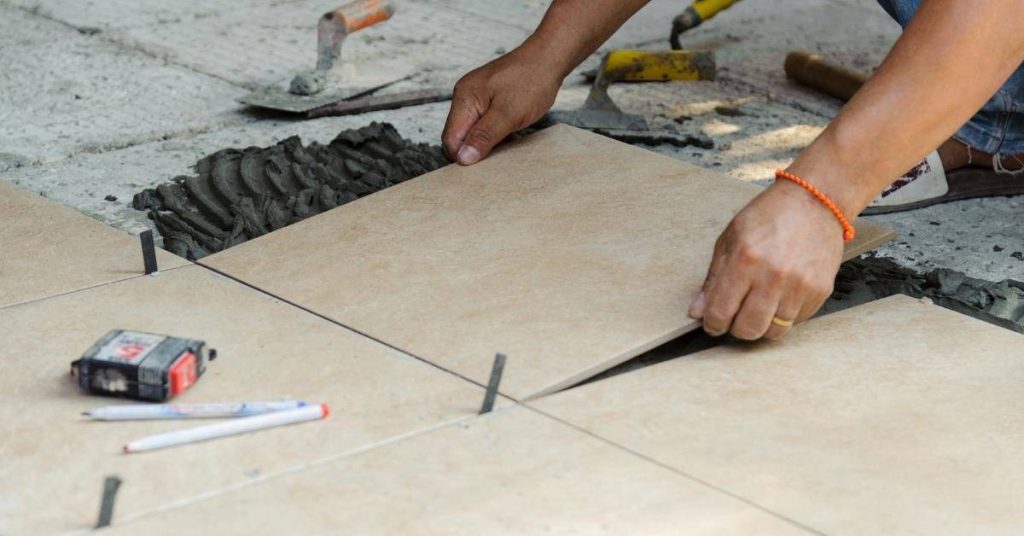
Introduction
Tile spacers, wedges, and leveling systems are tools to keep tiles aligned and at a consistent height while you set them. They each serve different roles in the job, and using the right one helps prevent lippage and misalignment. Trust the product label and manufacturer instructions for how to install and use them on your project.
Spacers keep even gaps, wedges help tighten and pull tiles into line, and leveling systems can lock the height across rows. In practice, pick what fits your tile size and layout, and test on a small section before committing. Always check the kit instructions and any local rules or code requirements to stay compliant.
Key takeaways
- Choose tile spacers, wedges, or leveling systems based on tile size and layout.
- Spacers maintain consistent grout joints, while wedges and systems help flatness.
- Leveling systems reduce lippage but require careful removal after set.
- Always follow manufacturer instructions and local codes for spacing methods.
- Practice on a scrap or small area to avoid costly mistakes.
- Safety: wear eye protection and keep edges guarded during cutting and tiling.
Table of Contents
- Introduction
- Key takeaways
- Quick Overview: Why Spacing and Leveling Matter
- What Tile Spacers Are and How They Work
- What Wedges Are and How They Work
- What Modern Leveling Systems Do Differently
- Direct Comparison: Spacers Vs Wedges Vs Leveling Systems
- Tools and Materials Checklist for Each Method
- Step-by-Step Installation Workflows (Short Guides)
- Common Mistakes and Troubleshooting
- Conclusion
- FAQ
Quick Overview: Why Spacing and Leveling Matter
A consistent grout joint and a flat tile surface are the straightest path to a professional look. Spacers, wedges, and leveling systems all target one outcome: keeping adjacent tiles properly spaced and flush as they set. You’ll use each tool at different stages depending on tile size, adhesive, and your budget.
In practice, spacers support joint width during set, wedges help align edges with some give, and leveling systems actively prevent lippage on large or heavy tiles. Plan to pick one approach based on the tile size, surface, and the speed you want to achieve, while still following the manufacturer instructions for your chosen method.
Common tile installation problems addressed
When tiling, you’ll face common issues like uneven tiles, lippage (where some edges are higher than others), and inconsistent grout lines. These problems can make your finished surface look unprofessional and may even cause long-term durability issues.
Tile spacers help tackle these problems by ensuring consistent grout joint widths. They come in various sizes to suit different grout line requirements, keeping your tiles evenly spaced throughout the installation.
Wedges are useful for larger format tiles or when you need extra support to maintain leveling and spacing. They’re particularly helpful on walls where gravity can cause tiles to shift.
Leveling systems address lippage by ensuring all tiles are flat and even. They sit underneath the tile, supporting it from below to create a smooth, uniform surface.
How choice affects finished look and durability
Consistent grout lines give your tiled area a clean, professional appearance. Tile spacers ensure this uniformity by keeping grout joints even throughout the installation.
Uneven grout lines can draw attention to minor imperfections in the substrate or tiles, making the whole area look less polished. They also make cleaning more difficult as dirt and grime can accumulate in wider or narrower areas.
Flat tile surfaces are crucial for both aesthetics and durability. Leveling systems ensure all tiles are flush with each other, creating a smooth, even surface that’s easy to clean and maintain. Lippage can trap dirt and moisture, leading to grout discoloration or even tile damage over time.
In summary, using the right combination of spacers, wedges, and leveling systems ensures your tiled area looks great and stands up to daily wear and tear.
What Tile Spacers Are and How They Work
Tile spacers are simple guides that sit between tiles to lock in grout joint width. They come in common shapes like cross and T, and are typically plastic in a range of thicknesses. Sizes and shapes should be chosen to match your expected grout joint dimension and tile layout.
To use them, place spacers at corners where tiles meet, press the next tile into them, and maintain alignment as you set more tiles. After the adhesive cures, you either leave the spacers in place for grouting or remove them as you prefer, following the label guidance. Always verify the spacer type and recommended joint width on the product packaging or data sheet before starting.
When to use spacers (best-case scenarios)
Spacers are your go-to for small format tiles and thinset installations. Here’s why:
Small tiles need consistent grout lines. Spacers ensure that, even if you’re not a pro.
Thinset has some give. So, spacers can handle minor subfloor imperfections without popping out like wedges might.
But remember, spacers aren’t magic. They won’t fix major subfloor issues or prevent lippage on large format tiles.
Pros and cons of spacers
Spacers are simple, cheap, and easy to use. Let’s weigh the pros and cons.
Pros
- Inexpensive
- Easy to use – even for beginners
- Consistent grout lines for small format tiles
- Can handle minor subfloor imperfections with thinset
Cons
- No lippage control – won’t fix out-of-level tiles
- Possible displacement during setting, especially on large format tiles
- Not reusable – wasteful for larger projects
- Limited size options – may not fit all tile sizes
Spacers make sense when you’re on a tight budget, using small format tiles, and your subfloor is in decent shape. But they might not cut it for larger tiles or high-end jobs.
What Wedges Are and How They Work
Wedges are part of a system where a wedge is inserted between tiles and then tightened to tighten the row. This creates stable pressure points that help tiles stay even as the adhesive sets. They are often used with a flange or base piece that guides the tile edge into plane alignment.
Typical workflow: place the wedges as you set each tile, tighten with the included tool or pliers, and monitor the grout line against neighboring tiles. Some wedges are designed to stay under the grout or be removed after curing, depending on the system—check the instructions for removal and reuse guidelines before you start.
Situations where wedges are most effective
Wedges shine in situations where you need fine-tuned control over tile leveling. They’re particularly useful with:
Large format tiles. Wedges help keep these heavy tiles level and prevent lippage.
Uneven substrates. If your floor or wall isn’t perfectly flat, wedges allow you to adjust each tile individually.
DIY installers. Wedges give homeowners more control over the installation process, helping them achieve professional-looking results.
Pros and cons of wedges
Wedge systems offer several advantages but also have some limitations:
Pros
- Reusable: Once you’re done, you can remove the wedges and reuse them on your next project.
- Adjustable: You can fine-tune the level of each tile for a perfect finish.
- Versatile: They work with most clip systems and tile types.
- Easy to use: Even DIYers can achieve professional results with wedges.
Cons
- Time-consuming: Adjusting each wedge takes time, especially on large projects.
- Learning curve: It might take a few tries to get the hang of using them effectively.
- Not universal: They may not work with all clip systems or tile thicknesses.
- Additional cost: Wedges add an extra expense to your installation costs.
Wedges make sense when you want precise control over your tile leveling, and you’re willing to invest a bit more time and money for the perfect finish.
What Modern Leveling Systems Do Differently
Two-part clip-and-cap leveling systems use a clip that sits under the joint and a cap that tightens the tile edge. Snap-off designs let you remove the excess cap after the adhesive cures, leaving a flush surface with minimal lippage. These systems are popular for large-format tiles because they maintain even pressure across the tile face.
With leveling systems, you typically place the clip under the edge of each tile, insert the cap, and snug it to bring the neighboring tile edges to plane. After setting, you snap off the cap or remove the cap and clip according to the system’s guidance, allowing easy cleanup and a consistent joint profile.
Clip-and-cap vs snap-off systems
The two main modern leveling systems are clip-and-cap and snap-off. Let’s compare.
Clip-and-cap: These have a base clip that goes under the tile, holding it up. Then you cap it with another piece on top. They’re reusable, reducing waste. But they take more time to install and remove.
Snap-off: These are one-piece designs that snap onto the tile’s edge. They’re quicker to use but not reusable. You’ll have plastic debris after removal.
Pros and cons of leveling systems
Leveling systems bring benefits and challenges. Here’s what to consider.
Pros
- Precise leveling, reducing lippage.
- Faster installation for large-format tiles.
- Easier to achieve a professional finish.
- Can be reused (clip-and-cap systems).
Cons
- Higher upfront cost compared to spacers or wedges.
- Not always compatible with thin tiles or certain substrates.
- Extra steps and time for installation and removal.
- Plastic debris left behind (snap-off systems).
Leveling systems make sense when you’re working with large-format tiles, want a precise level, and don’t mind the extra cost and effort.

Direct Comparison: Spacers Vs Wedges Vs Leveling Systems
Cost and reuse are common trade-offs: spacers are usually cheaper per joint and often reusable, while wedges or leveling caps add up if used on every joint. Expect that leveling systems require more upfront investment but can save time on large-format runs.
Ease of use and precision depend on the tile size and adhesive. Spacers are simple but less dynamic for alignment; wedges offer mid-range control; leveling systems provide the strongest control for flatness but require following specific workflow and tool use. Always consult the manufacturer instructions for compatibility with your tile size and thickness.
Decision matrix for common scenarios
When choosing between spacers, wedges, and leveling systems, consider these common scenarios:
Small bathroom floors (12″ x 12″ tiles): Spacers are your best bet. They’re quick to use and precise for small areas.
Large-format porcelain (24″ x 48″ tiles): Wedges or leveling systems work well here. They help maintain consistent grout lines across large surfaces.
Walls: Spacers are fine, but consider wedges for vertical installations to ensure stability during installation.
Heated floors: Leveling systems shine here. They allow for precise leveling of tiles over heating elements.
Cost and time tradeoffs
The choice between spacers, wedges, and leveling systems depends on your budget and available time:
Material costs: Spacers are the cheapest. Wedges are mid-range, while leveling systems are the most expensive.
Labor time: Spacers are quick to install but require more precision. Wedges take longer due to their placement and removal. Leveling systems save time by allowing for faster, precise installation.
Spending more saves time or improves quality: If you’re tiling a large area or want a professional finish, investing in leveling systems can save time and improve the final result. For small areas or tight budgets, spacers are sufficient.
Tools and Materials Checklist for Each Method
For spacers, gather a supply of spacers in the typical joint width you’ll use, a level, and a tile-ready adhesive compatible with th