
Introduction
Tile leveling systems are tools meant to hold tiles flat during setting, but when used wrong the clips and wedges can create lippage, hollow spots, or waste time. In plain terms: wrong clip placement, uneven mortar, or over-tightening are the usual culprits. This piece tells you what to watch for and how to think like a foreman when you’re on your own jobsite.
Expect hands-on tips about where people commonly slip up, what to check on the product label, and how to adjust your technique rather than relying on the clips to fix everything. If you’re unsure about a product’s torque or mortar open time, check the manufacturer instructions and local rules before proceeding.
Key takeaways
- Confirm tile leveling clips match thin-set bed and substrate; no gaps behind wedge.
- Avoid mixing clip types mid-job; inconsistent spacing causes lippage and uneven tiles.
- Check substrate flatness before installation; hollow spots indicate underlayment or thin-set issues.
- Wear eye protection and gloves when trimming wedges and removing damaged clips.
- Lock wedges securely; test after each row to prevent future rocking or gaps.
- Use proper workflow: dry lay, skim coat, then compress with level; no rushing.
Table of Contents
- Introduction
- Key takeaways
- How Tile Leveling Systems Work and Why Clips Matter
- Common Installer Mistakes That Lead to Lippage
- How Clips Contribute to Hollow Spots and Weak Bedding
- Time-Wasting Pitfalls and Inefficient Workflows
- Correct Technique: Step-by-Step to Avoid Lippage and Hollow Spots
- Troubleshooting and Fixes for Lippage or Hollow Areas After Installation
- Selection Guide: Choosing Clips, Wedges, and Accessories
- Visual Checkpoints, QA, and Best-Practice Checklist
- Conclusion
- FAQ
How Tile Leveling Systems Work and Why Clips Matter
Clips, plus their mating wedges or caps and the pliers used to tension them, form the basic kit that holds tile edges at a common plane while mortar cures. The clip hooks under adjacent tile edges and the wedge or cap applies adjustable pressure so you can bring ridges and depressions into alignment.
The system balances edge contact against the setting mortar: clips position the tiles and the wedge tension keeps them from moving, but you must verify wedge travel and clip height against the tile thickness and manufacturer instructions for reliable results.
Types of leveling systems and clip designs
Tile leveling systems come in a few main families, each with its own clip design. The most common are:
Clip-and-wedge systems: These use clips that hold the tile edge and wedges that slide into the clip to adjust height.
Clip-and-cap systems: Similar to the above, but instead of wedges, they use caps that screw onto the clip for adjustment.
Reusable cam systems: These clips have a built-in cam mechanism that allows for height adjustment and reuse. The form of the clip affects how it distributes contact pressure on the tile edge.
Intended benefits versus practical limitations
Tile leveling systems aim to provide consistent joint widths and reduce lippage (unevenness) between tiles. Here’s what you can expect:
Benefits: Consistent joint width helps create a neat, professional look. Reduced lippage means no tripping hazards or water pooling.
Limitations: Even with leveling systems, tile warp or inconsistent mortar application can cause issues. User technique is also crucial – if clips aren’t installed properly, they won’t work as intended.
Common Installer Mistakes That Lead to Lippage
Placing clips too far from the tile edge, using inconsistent tension on wedges, or skipping checks for warped or cupped tiles all change the way load transfers across joints and create edge-high or edge-low conditions. Each misstep alters the small vertical relationships between tiles that become visible as lippage after grouting.
Watch for patterns: if lippage repeats in one direction it usually traces to placement or tension habits, and if it appears sporadically check individual tile flatness and follow the product guidance on clip spacing and wedge force.
Over-tightening and under-tightening clips
Tensioning your clips too much can pull tiles out of plane, causing them to sit higher than the rest. This is called over-tightening.
Too little tension, on the other hand, allows tiles to settle over time, leading to hollow spots and lippage.
The key is finding that Goldilocks zone – not too tight, not too loose, just right. You want a slight resistance when you press down on the tile, like pressing into a well-made mattress.
Incorrect clip spacing and placement
Spreading your clips unevenly across the tile can lead to localized lippage. Imagine trying to hold up a table with only one leg – it’s not going to work.
Placing clips only at the centers of tiles might seem logical, but it ignores the corners where support is also needed. This can result in those areas sagging or popping up over time.
The best practice? Space your clips evenly across the entire tile surface, including the corners. This distributes the weight and support more evenly, reducing the risk of lippage.
How Clips Contribute to Hollow Spots and Weak Bedding
Clips can lift tile edges off the mortar bed when wedges are over-torqued, mortar is too thin/too thick, or the substrate wasn’t properly primed, creating voids under the tile corners and edges. That separation reduces load-bearing contact and increases the risk of hollow-sounding areas or tile breakage under load.
Assess conditions that increase this risk—mortar consistency, trowel size, open time, tile backing—and follow manufacturer or product data sheet guidance to match clip use with proper bedding technique.
Insufficient mortar coverage and poor back-buttering
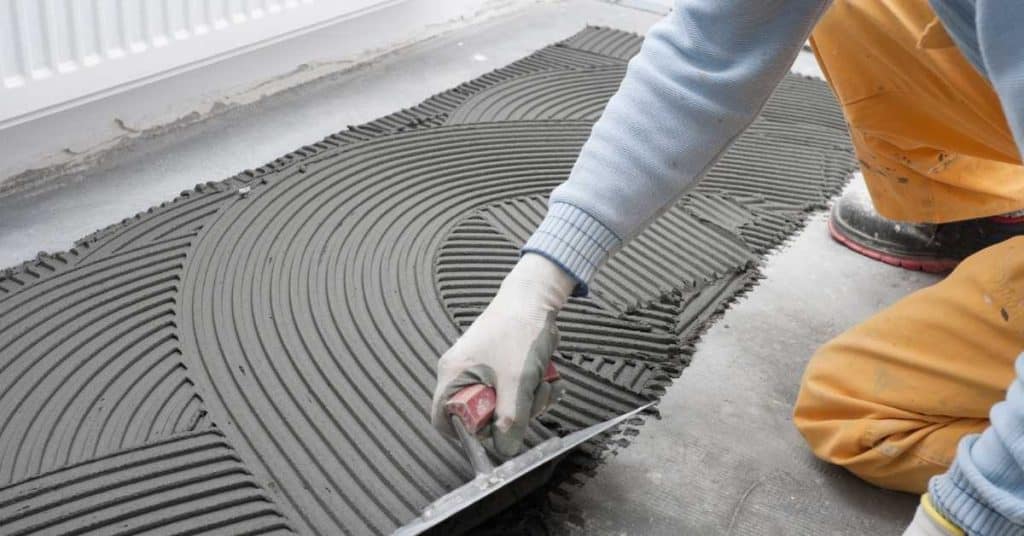
Clips alone won’t keep your tiles level if you skimp on mortar. Large or uneven tiles need full coverage, top and bottom.
That’s where back-buttering comes in. Spread a thin layer of mortar over the tile’s underside before installing. This fills any gaps and ensures even support.
Neglect this step, rely solely on clips, and you’ll end up with hollow spots. Tiles can rock or wobble, leading to lippage and weak bedding.
Mortar consistency and tile characteristics that worsen hollows
Mortar too stiff? It won’t spread evenly, leaving voids under your tiles. Too fluid, and it slips through clips, creating weak spots.
Thin or warped tiles exacerbate the problem. They don’t displace mortar like thicker, flatter ones. Clips can’t compensate for these issues alone.
Adjust your technique based on tile and mortar characteristics. Thicken stiff mortars with cement powder. Add water to fluid ones. For thin or warped tiles, use larger clips spaced closer together.
Time-Wasting Pitfalls and Inefficient Workflows
Starting in the wrong location, choosing the wrong clip system for tile size, or repeatedly redoing sections because clips were removed prematurely all add hours to a job. Inefficient sequences often force installers to backtrack and redo setting beds rather than proceed in a planned, staged workflow.
Plan the layout, select a system suited to the tile and joint width, and follow a consistent tension and removal sequence to reduce rework; when in doubt, check the manufacturer instructions for recommended workflow and removal timing.
Picking the wrong system for tile and substrate
The first mistake many DIYers make is choosing a leveling system that’s not suited to their tiles or substrate. Here’s what you need to consider:
Tile size and thickness: Bigger, thicker tiles need sturdier clips and wedges. Go for systems designed to handle your tile’s weight and dimensions.
Substrate flatness: If your floor isn’t perfectly level, you’ll need a system with adjustable clips or one that can accommodate variations in substrate height. Skimping here will lead to slow installs and rework.
Poor sequencing, removal timing, and cleanup
Inefficient workflows can eat up your time and energy. Here’s how to avoid common pitfalls:
Setting clips: Don’t set all the clips at once. Start in one corner, work your way across, then back along the opposite side. This helps keep things level and makes adjustments easier.
Waiting and removal: Don’t rush to remove clips before mortar has set. Wait the recommended time, then remove them carefully to avoid damaging tiles or leaving behind residue that’s hard to clean.
Cleanup: Clean as you go. Wipe off excess mortar from tiles and clips immediately after setting. This saves you from scrubbing dried-on muck later.
Correct Technique: Step-by-Step to Avoid Lippage and Hollow Spots
Begin with a flat, clean substrate and the correct trowel notch for your tile, butter where needed, press tiles into full contact, then insert clips at recommended spacing and tension wedges just enough to level edges. Work in small sections so mortar remains workable and inspect bedding behind tiles as you progress.
Use the pliers or tool to apply even, repeatable pressure; verify clip height matches tile thickness and check for mortar squeeze-out or gaps under corners before continuing—consult the product label or manufacturer instructions when uncertain.
Step-by-Step Process
A clear, numbered sequence to avoid lippage and hollow spots, from prep to finish.
- Preparation: Check substrate for levelness. Ensure safety with proper footwear and eye protection.
- Mortar Application: Use appropriate trowel notch (1/4″ or 3/8″) for your tile size.
- Clip Placement: Position clips evenly, following manufacturer’s guidelines. Too close can cause lippage; too far apart leaves hollows.
- Tile Installation: Press tiles firmly into mortar, ensuring full contact with the substrate and clip.
- Inspection & Cleanup: Use a straightedge to check for lippage. Wipe excess mortar immediately to prevent staining.
Substrate preparation and mortar application best practices
Start with a clean, dry substrate. Prime if necessary for better adhesion.
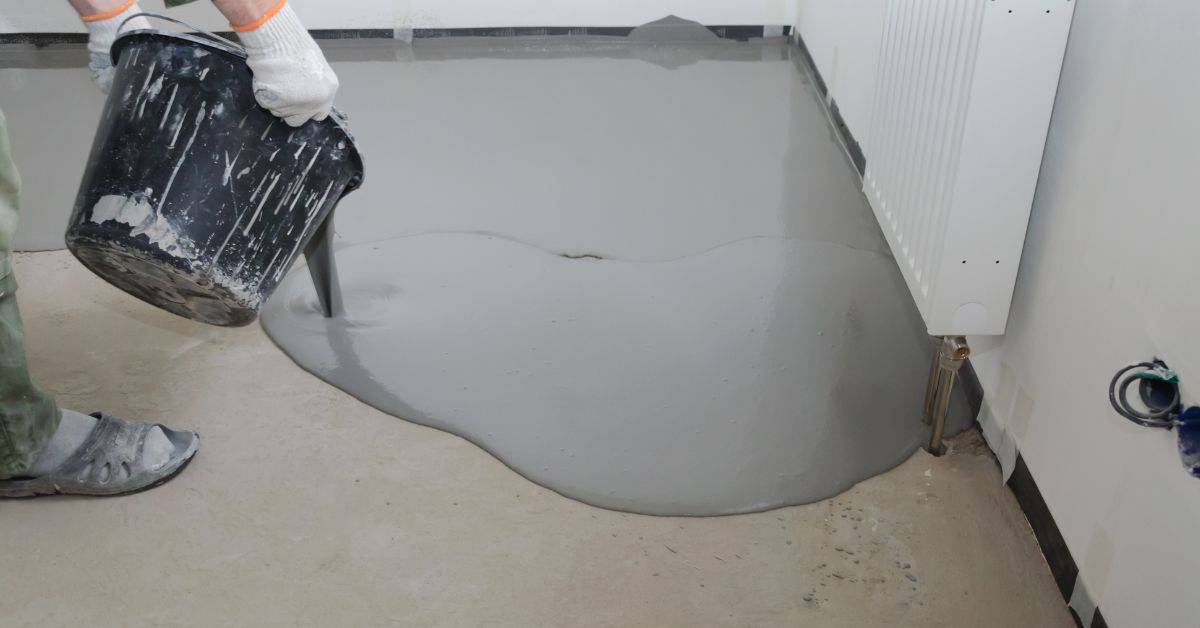
Use a leveling compound to fill any low spots or cracks before applying mortar. This ensures consistent tile height.
Choose the right trowel notch: Smaller tiles need less mortar, so use a 1/4″ notch. Larger tiles require more, so use a 3/8″ notch.
Back-butter your tiles for full mortar contact and better grip during installation.
Clip placement, engagement cues, and visual alignment checks
Position clips evenly along the substrate. Too close can cause lippage; too far apart leaves hollows.
Press clips firmly into mortar until you feel them engage. You should hear a ‘click’ or ‘pop’.
Check clip tension: Gently pull on a tile to ensure it’s secure but not over-tightened. It should move slightly, then snap back into place.
Use a straightedge to check for lippage. Look for any high or low spots that need adjustment. Sight along the grout lines to confirm flatness.