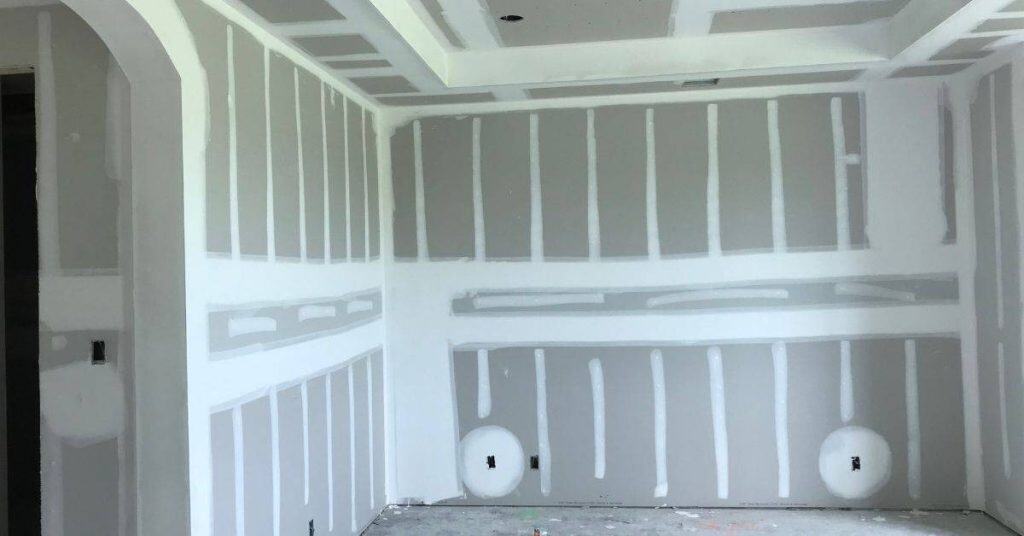
Interior walls with drywall joint tape and joint compound applied

Choosing Joint Tape: Paper vs. Fiberglass vs. FibaFuse (Use Cases and Failure Modes)

Introduction

Joint tape is the thin strip that reinforces drywall joints when you compound them. Choosing between paper, fiberglass, and FibaFuse comes down to how you want the joint to behave and how much you’re willing to feather and sand. No matter which you pick, follow the product label and manufacturer instructions for application and drying times.

Paper tape is a sturdy, budget-friendly option that works well with regular mud and careful embedding. Fiberglass tape resists cracking in long runs but can be trickier to embed smoothly, especially in tight corners or with fast-drying mud. FibaFuse, a paper-backed fiberglass mesh, aims to be easier to lay flat and may reduce pinholes, but always verify that it suits your wall type and read the guidance on the label.

Key takeaways

  • Assess substrate moisture and drywall conditions before selecting paper, fiberglass, or FibaFuse.
  • Fiberglass and FibaFuse tape require adequate cementing and careful embedding to prevent bubbles.
  • Paper tape is forgiving with traditional mud but prone to print-through on porous surfaces.
  • Watch for expansion or sagging in humid rooms; wear masks and eye protection.
  • Follow manufacturer instructions and local codes for corner beads and joint reinforcement.
  • Test a small area first; repair methods vary by tape type and failure mode.
Table of Contents

Material Properties Compared

When choosing tape, start with how it behaves under stress. Consider strength, flexibility, adhesion, and finish quality. These attributes influence how the tape performs through curing and exposure.

Moisture resistance varies by type, so compare labels and data sheets. Always verify with the manufacturer instructions or product data sheet for your climate and substrate.

Paper tape: characteristics

Paper tape is a classic choice for concrete joints. It’s thin, flexible, and easy to handle. The finish quality is smooth, giving a clean look to your concrete surface.

Strengths: Paper tape is cheap, easy to apply, and provides good flexibility to accommodate minor movement in the concrete.

Weaknesses: It’s susceptible to moisture damage. Wrinkling can occur if not properly applied or primed. Paper tape also lacks tensile strength, so it won’t resist cracking from heavy loads or settlement.

Fiberglass mesh: characteristics

Fiberglass mesh is a step up in strength from paper tape. It’s an open-mesh material that provides tensile resistance, helping to prevent cracking.

Strengths: Fiberglass mesh has good resistance to cracking and can handle more movement than paper tape. It also provides better adhesion to the concrete surface.

Weaknesses: While it’s stronger than paper, fiberglass mesh isn’t as strong as some other options. It can still tear under heavy loads or settlement. Always check compatibility with your chosen compound on the product label.

FibaFuse (pre-mixed fiberglass tape): characteristics

FibaFuse is a pre-mixed fiberglass tape with an integrated adhesive. This makes application quick and easy, as you don’t need to apply a separate primer or adhesive.

Strengths: FibaFuse provides good tensile strength, resisting cracking from movement. The integrated adhesive ensures strong bond to the concrete surface. It’s also resistant to moisture damage.

Weaknesses: While it’s stronger than paper tape, FibaFuse isn’t as strong as some other options like steel or carbon fiber. It’s also more expensive than traditional paper or fiberglass tapes.

Back to top ↑

Use Cases and Suitability

Map tape types to common jobsite scenarios such as new construction, skim-coat finishes, quick repairs, and areas with higher moisture risk. Think about ceilings, walls, and butt joints when planning tape choice.

Best-fit options depend on the task, and caveats matter. Check if the manufacturer recommends one type for bathrooms or garages, and note any limitations in usage.

New construction and tapered joints

When it comes to new construction, especially with factory-tapered joints, fiberglass mesh tape is your best bet. It’s designed to handle the extra pressure from fresh concrete and won’t tear like paper tape might.

Finish quality matters here. Fiberglass tape gives you a smooth finish right off the bat, reducing the need for excess mudding and sanding. Plus, it buries itself into the joint, becoming one with the concrete. That means no more raised joints or visible tape lines.

Pro tip: For tapered joints, use a wider tape – at least 2 inches. It’ll give you better coverage and help prevent cracking.

Remodels, repairs, DIY patching

For one-off repairs or small patches, paper tape is your friend. It’s cheap and easy to use, making it great for quick fixes. But remember, it’s not as durable as fiberglass.

DIYers might prefer FibaFuse – a pre-mixed fiberglass tape. It’s mess-free and applies like a regular tape, but with the strength of fiberglass. Just keep in mind, it’s pricier than paper.

Pro tip: If you’re hiring pros for repairs, they’ll likely use fiberglass mesh. It’s standard on most jobsites due to its durability and easy application.

Moisture-prone areas and ceilings

Avoid paper tape in moisture-prone areas. It can absorb water, swell up, and eventually fail. Instead, opt for fiberglass mesh or FibaFuse. They won’t absorb water and are more resistant to mold growth.

On ceilings, sagging or settlement can be a problem. Here, paper tape isn’t ideal either due to its lack of strength. Fiberglass mesh is better, but you’ll need to reinforce it with screws or nails to prevent sagging. FibaFuse can also work, but it might not be as strong as the other two options.

Pro tip: Always prime your tape before applying mud in moisture-prone areas. It’ll help seal the tape and prevent water from getting behind it.

Back to top ↑

Common Failure Modes and Root Causes

Typical failures include cracking, seam telegraphing, bubbling, and adhesion loss. Moisture movement and substrate instability often drive these issues.

Root causes commonly involve movement, poor embedding, wrong compound, or elevated moisture. Verifying substrate prep and product compatibility helps prevent these problems.

Cracking and seam telegraphing

Seams can crack or ‘telegraph’ through paint due to movement of the substrate. This happens when the tape can’t flex with the concrete, usually because it’s too rigid (like paper tape in high-movement areas).

Wrong compound choice also plays a role. If you use a compound that doesn’t bond well or is too weak, seams will crack under stress.

To prevent this, choose tapes and compounds with suitable flexibility and strength for your job’s movement demands. Refer back to the Material Properties Compared section for help.

Bubbling, blistering and adhesion loss

Delamination – when tape peels off – happens due to poor adhesion. This could be because the surface wasn’t clean or primed properly before applying the tape.

Trapped moisture also causes bubbling and blistering. If your substrate is wet, water vapor can get trapped under the tape, leading to these issues.

Incorrect embedding technique – not pressing the tape firmly enough into the compound – can also cause adhesion loss. Always ensure you’re embedding the tape correctly for optimal adhesion.

Mold, mildew and moisture-related deterioration

Moisture infiltration promotes biological growth like mold and mildew. If your tape isn’t moisture-resistant (like some paper tapes), it can degrade over time in damp conditions.

Incompatibility between the tape and compound can also lead to degradation. Using a tape not designed for use with your chosen compound can result in poor performance and deterioration.

To prevent this, choose tapes suitable for your job’s moisture demands (refer back to the Use Cases and Suitability section) and ensure they’re compatible with your chosen compound.

Back to top ↑

Failure Modes Specific to Each Tape Type

Paper tape tends to show wrinkling or edge curl when not embedded properly, and can trap moisture if overworked with compound. Mesh tape may telegraph where joints aren’t fully sealed, especially on wide seams. FibaFuse often resists tearing but can fail if embedded unevenly or under excess moisture.

Look for visual signs: raised seams, bubbly patches, or loose edges that reveal underlying paper or mesh. Visual inspection paired with touch can indicate improper embedding or substrate movement.

Paper Tape Failure Signatures

Paper tape’s main issues stem from its thin, porous nature. Here’s what to look out for:

Wrinkling: If you see creases or waves in your joint after taping, it means the tape didn’t lay flat. This can happen due to improper surface preparation or applying tape when concrete is still too wet.

Edge Lifts: When paper tape edges curl up, it’s usually because the adhesive didn’t bond properly. This could be due to contaminants on the surface or applying tape at the wrong stage of curing.

Moisture-related breakdown: Paper tape can absorb water and break down over time in damp areas. You might see discoloration, delamination, or even holes where the tape has deteriorated.

Fiberglass Mesh Failure Signatures

Fiberglass mesh is strong but can still fail if not installed correctly. Here are some signs to watch for:

Compound Cracking Over Mesh: If you see cracks following the mesh pattern, it’s likely that the compound didn’t bond well with the mesh or wasn’t thick enough to span the joint.

Insufficient Embedment: Loose spots on your joint could mean the mesh wasn’t properly embedded into the compound. This can happen if you don’t apply enough pressure when troweling, or if the compound was too thin.

Mesh corrosion: While rare, fiberglass mesh can corrode over time in highly alkaline environments. You might see discoloration or loss of strength. If this happens, replace the affected area immediately.

FibaFuse Failure Signatures

FibaFuse is a robust product, but it can still fail if not used correctly. Here are some unique issues to look out for:

Bond Failure with Incompatible Compounds: Using FibaFuse with incompatible compounds can lead to bond failure. Always check compatibility before use.

Incomplete Sealing at Butt Joints: If not sealed properly, water can wick into butt joints and cause problems. Ensure you seal these areas thoroughly to prevent moisture ingress.

Improper application: FibaFuse needs to be applied correctly for it to work effectively. Incorrect mixing, application timing, or troweling technique can all lead to failure. Always follow the manufacturer’s instructions.
Back to top ↑

Tile cutter with tape measure and pencil on tiled floor

Installation Best Practices and Common Mistakes to Avoid

Embed tape fully into joint compound with consistent pressure and smooth transitions. Sequence your steps to avoid introducing air pockets or ridges that telegraph later.

Avoid common errors like skimping on embedding, using the wrong compound, or rushing through joints. Take time to feather edges and check flatness before finishing coats.

Embedding and feathering techniques

Proper embedding is key to a strong, durable joint. Press the tape into the joint firmly with a trowel or your fingers, ensuring it’s fully embedded in the cement paste. Avoid air pockets – they’re weak spots waiting to happen.

Feathering the edges is crucial for a smooth finish. Use a wide-bladed knife to spread compound beyond the tape on both sides, tapering it down to a thin edge at the tape. This helps hide the tape and prevents ridging.

Remember: Too little embedding leaves the tape exposed, too much buries it and weakens the bond.

Compound selection and mixing notes

Check if your compound is setting or all-purpose. Setting compounds are faster but harder to work with, while all-purpose gives you more time but may not be as strong.

Mix the compound according to package instructions. Over-thinning weakens it, over-sanding makes it too thick and hard to apply. Aim for a consistency like peanut butter – thick enough to hold its shape but spreadable.

Pro tip: Use a drill mixer for consistent results and less back strain.

Corners, butt joints and high-stress areas

For corners, use corner tape or apply regular tape diagonally across both sides. Reinforce with mesh tape if needed. For butt joints, overlap tapes by at least 2 inches and reinforce with mesh if there’s movement.

High-stress areas like doorways and openings need extra reinforcement. Use fiberglass mesh tape here, even over paper or FibaFuse. Apply compound generously to fill the mesh and strengthen the joint.

Don’t forget: Always cut tape long enough to overlap onto adjacent surfaces for better bonding.

Back to top ↑

Troubleshooting and Repair Strategies

For small cracks or slight tape lifting, diagnose whether movement or poor bonding caused the issue. Use targeted repairs that address the root cause rather than patching repeatedly.

Delaminated tape or recurring seam problems may require replacing the tape section and revisiting substrate prep. Decide between spot fixes or full replacement based on severity and payoff.

Small crack or hairline repair

Got a tiny crack in your concrete? Don’t let it turn into a big problem. Here’s how to fix it quick and easy, without replacing the whole seam.

First, check the cause. If it’s due to settling or movement, you might need to address that first. Otherwise, you’re just putting a band-aid on a bigger issue.

Now, let’s fix that crack:

  • Clean the area. Use a wire brush and some water to remove any dirt or debris from the crack.
  • Widen the crack slightly. Use a chisel and hammer to widen the crack about 1/4 inch. This helps the repair material bond better.
  • Dry the area. Make sure the crack is completely dry before you start repairs.
  • Apply concrete patching compound. Use a putty knife or trowel to fill the crack with a good quality, fast-setting compound. Follow the manufacturer’s instructions for mixing and application.
  • Smooth it out. Use a trowel or float to smooth the surface and make it level with the surrounding concrete.

Let it cure according to the product instructions, then you’re good to go. Regular maintenance will keep those hairline cracks at bay.

Full seam replacement workflow

If your tape job has failed and you’re left with a gaping seam, it’s time for a full replacement. Here’s how to get it right this time:

Step 1: Remove the old tape. Use a utility knife to score along both sides of the tape, then peel it off. Be careful not to damage the drywall paper.

Step 2: Prepare your edges. Lightly sand the exposed edges with fine-grit sandpaper (120 or 150 grit) to create a smooth surface for new tape adhesion. Wipe off any dust with a damp cloth.

Now, re-taping is straightforward. Apply joint compound, press in your new tape, and let it dry. Sand lightly, apply a second coat of compound, let it dry, sand again, then prime and paint. Don’t rush this – patience pays off in a smooth seam.

Preventive fixes and repaint prep

Before you grab that paintbrush, let’s make sure your concrete seams are in top shape. We don’t want to just cover up problems, we want to fix ’em for good.

First off, check base compaction. If it’s poor, water and paint won’t stick. You might need to redo the compaction or add some extra aggregate. Check your local rules on this.

Now, let’s prep those seams. If you’ve done a full seam replacement, great! But if not, you’ll want to clean ’em up. Use a wire brush to remove any loose material and a stiff-bristle brush with some water to get rid of dirt.

Next, prime correctly. Don’t skimp on this step. A good prime seals the seam and gives your paint something to stick to. Follow the manufacturer’s instructions here. And remember, it’s better to use a primer that matches your paint type (latex with latex, oil-based with oil-based).

Back to top ↑

Tools, Materials Checklist and Visual Checkpoints

Keep a basic kit handy: taping knife, mud, and the chosen tape, plus a straightedge for flat seams. Have a moisture meter or equivalent check if moisture is a concern on site.

Establish visual checkpoints at each stage: tack, embed, and finish. Verify edges are flush and seams are not visible before moving to the next coat.

Essential tools and products to have on hand

Before you start your concrete project, use this checklist to ensure you’ve got everything you need. Check these items off as you gather them to avoid any surprises mid-project.

  • Smooth Trowel (1/8″ – 1/4″): For final finishing. Check it’s not bent or damaged, and the edge is sharp for easy spreading.
  • Square-Edge Trowel (3/8″ – 1/2″): For leveling and initial screeding. Ensure it’s straight and undamaged for accurate leveling.
  • Concrete Mix (Cement, Sand, Aggregate): Check the mix is fresh and within its expiration date. Verify it matches your project’s requirements (e.g., M40 for driveways).
  • Concrete Tape/Reinforcement: For strengthening and controlling cracks. Ensure it’s the right size for your application and not damaged.
  • Measuring Tape/Ruler: To ensure accurate mixing, placement, and finishing. Check it’s in good condition and calibrated correctly.
  • Safety Gear (Glasses, Gloves, Ear Protection): Protect yourself from concrete dust and noise. Ensure all gear is in good working order.
  • Concrete Sealer: For protecting the surface after curing. Check it’s compatible with your mix and not expired.
  • Concrete Curing Compound/covering: To retain moisture during curing. Ensure it’s suitable for your climate and project type.

Quick rule: Always check product labels and manufacturer instructions to ensure compatibility with your specific concrete mix and application. Skipping this can lead to weak, damaged, or poorly finished concrete.

Visual checkpoints for a durable seam

Before you prime and paint your concrete surface, use this checklist to ensure your seams are properly embedded, cured, and sanded. This will help you avoid expensive rework and achieve a long-lasting, professional finish.

  • Seam width: Check that seams are consistently around 1/2″ to 3/4″. Too narrow may not hold up to settlement, too wide can crack or crumble.
  • Seam depth: Ensure seams are slightly below the surface level (around 1/8″ to 1/4″). This helps water drain away and prevents standing water from damaging the seam.
  • Seam alignment: Verify that seams are straight, level, and aligned with control joints. Misaligned or crooked seams can make your entire surface look unprofessional.
  • Consistent texture: Check that the surface of the seam has a consistent texture, matching the surrounding concrete. A smooth seam may not bond well with the adjacent slab and could crack under stress.
  • No voids or gaps: Inspect for any voids, gaps, or honeycombing in the seam. These can weaken the seam and cause it to fail over time.
  • Cure time: Confirm that the seam has been cured for at least 7 days (or as recommended by the concrete mix manufacturer). Curing helps the concrete gain strength and durability.
  • Sanding: Check that the seam has been lightly sanded with a fine-grit sandpaper (around 120-grit) to remove any rough edges or high spots. This ensures better adhesion of primer and paint.
  • No efflorescence: Look for signs of efflorescence (white, powdery deposits) on the seam. If present, clean it off before priming to prevent it from affecting paint adhesion.

Quick rule: Always remember that a good seam starts with proper placement and finishing. A little extra time spent here can save you a lot of rework later on.

Back to top ↑

Selection Guide, Cost, Sourcing and Environmental Considerations

Base decisions on budget, availability, indoor air quality, and mold resistance as relevant to your project. Consider lifecycle costs and long-term durability when comparing tapes.

Always verify manufacturer limits, warranty statements, and environmental notes on the label or data sheet. Use the official documentation to confirm what your local rules permit or require.

Cost and availability tradeoffs

When choosing joint tape, price and local availability often play a big role. Here’s how to evaluate your options:

Paper tape is usually the cheapest but may not last as long. It’s widely available, so it’s a good choice if you’re on a tight budget.

Fiberglass tape costs more but offers better durability. If you can afford it and it’s locally available, it might be worth the extra investment for longer-lasting results.

Before you decide, consider lifecycle costs. Cheaper options might need replacing sooner, costing you more in the long run. Weigh short-term savings against value over time.

Health, VOC and mold-resistance considerations

Indoor air quality is crucial, especially in homes with kids or elderly family members. Here’s what to consider:

Check VOC emissions. Some tapes release volatile organic compounds that can irritate eyes, nose, and throat. Opt for low-VOC products.

Look for mold/mildew resistance, especially in damp areas like bathrooms or basements. Some tapes are specifically designed to resist mold growth.

If you’re working on a sensitive environment like a school or medical space, consider products that meet specific indoor air quality standards and guidelines.

When to call a pro

While DIY fixes can save you money, there are times when hiring a professional is the better choice. Here’s when:

If you’re seeing structural movement, it could be a sign of bigger issues. A pro can assess the cause and recommend appropriate repairs.

Large-area failures or repeated repairs on the same seam might indicate an underlying problem that requires professional attention.

Remember, attempting DIY fixes in these situations could lead to further damage and costly mistakes. It’s better to call a pro when you’re unsure about the extent of the damage or the appropriate repair method.

Back to top ↑

Conclusion

Pick the right tape for the job and insist on clean prep, because the long path to a smooth, durable finish starts with safe, proper preparation. The goal is a crack-free surface that looks good and holds up over time.

First, assess the substrate and environment, then choose the tape type for your use case; follow a logical order: clean and dry the area, address any moisture or dust, apply the tape evenly, embed or cover with joint compound as recommended, smooth out seams, let it cure, and inspect for adhesion and cracks before moving on to finishing. Do a small test patch first to confirm compatibility and technique, and always follow the product’s instructions and safety notes.

Common mistakes to avoid include skipping testing on a small area, applying too thick a layer of compound, not embedding the tape properly, using the wrong tape for the substrate or environment, and neglecting corners or edges. Safety rules are simple: keep surfaces dry and dust-free, wear eye protection when sanding, avoid forcing joints, and never work over damp materials. If you’re unsure about moisture, substrate conditions, or stubborn failure modes, don’t push past the first sign of trouble—recheck prep, or call in a pro if needed.

Back to top ↑

FAQ

When should I choose paper tape vs fiberglass vs FibaFuse for joint tapes?

Paper tape is reliable on dry, solid joints and tends to work well with traditional mud systems. Fiberglass is lighter and resists wrinkling, good for wider joints or faster setups. FibaFuse blends fibers with premixed mesh for easier application and strong edge control, but check manufacturer guidance for your mud system.

What are the common failure modes for each tape type and how can I prevent them?

Poor adhesion and bubble traps are common with paper tape if mud is too wet or dry. Fiberglass can fray or mirror print through if mud is too thick or troweled aggressively. FibaFuse can wrinkle or crease if laid without steady pressure or if joints move—keep joints supported and use even pressure.

How does installation technique differ between types to avoid cracking or pop-outs?

Paper tape wants clean, dry joints and even mud coverage to prevent telegraphing. Fiberglass benefits from saturated but not dripping mud and careful embedding to avoid fiber showing. FibaFuse requires steady hand placement and consistent mud coating to prevent wrinkles and edge gaps.

What should I look for during inspection after mudding to decide if I should switch tapes or adjust technique?

Look for visible wrinkles, air pockets, or edge breaks around the tape. If tape shows through the finish or pops back during light sanding, reassess technique and tape choice with the manufacturer’s guidelines and local recommendations.

Back to top ↑