

Introduction
“Mildew-resistant” paint is a product label that means the coating resists surface mold under normal conditions, but it isn’t a full waterproofing or mold-removal system. In a bathroom that gets heavy steam or has leaks, the paint alone can fail; check product labels and manufacturer instructions to understand limits and recommended substrate prep. A practical DIY approach treats paint as one layer in a moisture-control strategy rather than a cure-all.
Start with fixing leaks, improving ventilation, and using moisture-resistant backer materials before choosing a paint. If you’re unsure about a product’s suitability for a shower or wet wall, check the label and call the manufacturer or your local building department for guidance. Proper prep and layered solutions prevent most mildew problems better than paint alone.
Key takeaways
- Inspect for persistent moisture, leaks, or hidden mold before painting any bathroom.
- Wear eye protection and respirator when sanding or cutting behind surfaces.
- Use a rated primer and moisture barrier to seal porous surfaces.
- Ventilate during work and cure times; close gaps to curb vapor spread.
- Test for ongoing leaks, then address moisture source before painting.
- Plan long-term moisture control: fan use, humidity control, and repair of plumbing.
Table of Contents
- Introduction
- Key takeaways
- Why “Mildew-Resistant” Paint Can Fail
- How Bathrooms Become a Mold and Mildew Risk
- Assessing Your Bathroom Before You Paint
- Anatomy of a Bathroom Paint System: Layers and Their Roles
- Choosing Products: Claims, Additives, and Standards
- Preparation and Application Best Practices
- Ventilation, HVAC, and Long-Term Moisture Management
- Common Mistakes, Troubleshooting, and When to Call a Pro
- Conclusion
- FAQ
Why “Mildew-Resistant” Paint Can Fail
Marketing phrases like “mildew-resistant” describe a specific property of the coating, not an absolute guarantee in every environment.
Products have limits set by their formulation and testing; check the product data sheet or label for the conditions and scope of the claim before relying on it.
Marketing vs. performance
The term ‘mildew-resistant’ is a marketing claim, not a guarantee. It’s defined by how well paint resists mildew growth in lab tests under controlled conditions. But real-world bathrooms? That’s a different story.
Moisture levels and temperature fluctuations in your bathroom can be extreme. Lab tests don’t replicate that. So, ‘mildew-resistant’ paint might not perform as expected in your home.
Bottom line: Don’t rely solely on marketing claims. Consider your specific conditions when choosing paint.
When paint is only part of the problem
Paint can’t fight mildew if moisture’s coming from elsewhere. Leaks, poor ventilation, or porous surfaces – like unpainted drywall – let moisture in.
Leaks need fixing before painting. Ventilation fans should run during and after showers. And porous surfaces might need sealing first.
Paint’s just one piece of the puzzle: Control moisture at its source for long-term protection.
How Bathrooms Become a Mold and Mildew Risk
Condensation on cool surfaces and repeated humidity spikes are the primary drivers that feed mold and mildew growth in bathrooms.
Hidden wet areas—behind trim, in grout lines, and under vanities—can stay moist long after visible surfaces dry, so inspect and confirm where moisture hides.
Sources of moisture and condensation
Bathrooms are a breeding ground for moisture. It’s not just about those steamy showers or baths. Even drying clothes in the bathroom can keep humidity levels high.
Leaks, too. They might seem minor, but they can cause sustained dampness that’s perfect for mold and mildew to grow.
Here’s what you need to know: any source of moisture, no matter how small, can contribute to the problem if it’s not dealt with properly.
Vulnerable materials and hidden pockets
Material choices matter. Some are better at handling moisture than others. The wrong ones can harbor dampness, encouraging mold and mildew growth.
- Grout: It’s porous. Water can seep in, causing cracking and staining over time. Look for grout with a high permeability rating. Seal it regularly to keep moisture out.
- Drywall: Standard drywall isn’t made to handle moisture. For bathrooms, use green board or moisture-resistant drywall. It’s designed to resist mold and mildew growth.
- Trim: Wood trim can swell and warp with too much moisture. Use exterior-grade trim instead. It’s designed to handle damp conditions better.
- Behind cabinets: This is a common hiding spot for mold and mildew. Make sure there’s good ventilation behind your bathroom cabinets. Consider using moisture-resistant cabinet materials.
- Plumbing: Leaks from pipes can cause serious damage over time. Regularly inspect your plumbing to catch any issues early.
Assessing Your Bathroom Before You Paint
Run a methodical inspection: look for active leaks, soft or stained materials, and persistent odor to decide if painting alone is appropriate.
If you find ongoing moisture, structural rot, or recurring mold, verify remediation steps in manufacturer instructions or consult a pro before painting.
Visual checkpoints and red flags
Before you grab your paintbrush, walk through this checklist to spot any visible signs of moisture damage.
- Discolored or stained walls/ceilings: Check for water stains or yellowish/brown discoloration. These could indicate past leaks or condensation.
- Bubbling paint: If paint is peeling, bubbling, or flaking, it’s a sign of moisture underneath.
- Efflorescence: White, powdery deposits on walls may indicate water intrusion and high humidity levels.
- Soft or crumbling materials: Check for soft spots in drywall, crumbling grout, or warped wood. These could be signs of hidden moisture damage.
- Mold/mildew growth: Look for black, green, or white spots on walls, ceilings, or around fixtures. Even small amounts can indicate a bigger problem.
- Water damage near plumbing: Check around toilets, sinks, and showers for signs of water intrusion or leaks.
- Warped or cracked tiles: These could be signs of moisture underneath, leading to structural issues.
- Condensation on surfaces: Look for water droplets on windows, mirrors, or metal fixtures. This indicates high humidity levels.
Quick rule: If you spot any of these red flags, don’t paint over them. Address the underlying issue first.
Simple moisture and ventilation checks
Before painting, ensure your bathroom can breathe properly and isn’t too humid. Here’s how to check:
First, use a hygrometer to measure humidity levels. Ideal indoor humidity is between 30-50%. If it’s higher, you might have a problem.
Check your exhaust fan. Run it during and after showers for at least 15 minutes. Feel the air flow at the vent. If it’s weak or non-existent, it needs repair or replacement.
Look for proper ventilation. Windows that open can help, but they should be used in conjunction with an exhaust fan. Ensure there are no obstructions to airflow around vents and fans.
Anatomy of a Bathroom Paint System: Layers and Their Roles
A reliable system is layered: remove contaminants, use a compatible primer, then apply the specified topcoat — each layer performs a different job for adhesion and protection.
Confirm compatibility between primer and topcoat on the product labels or technical data sheets so the layers work together in wet environments.
Substrate prep and repair
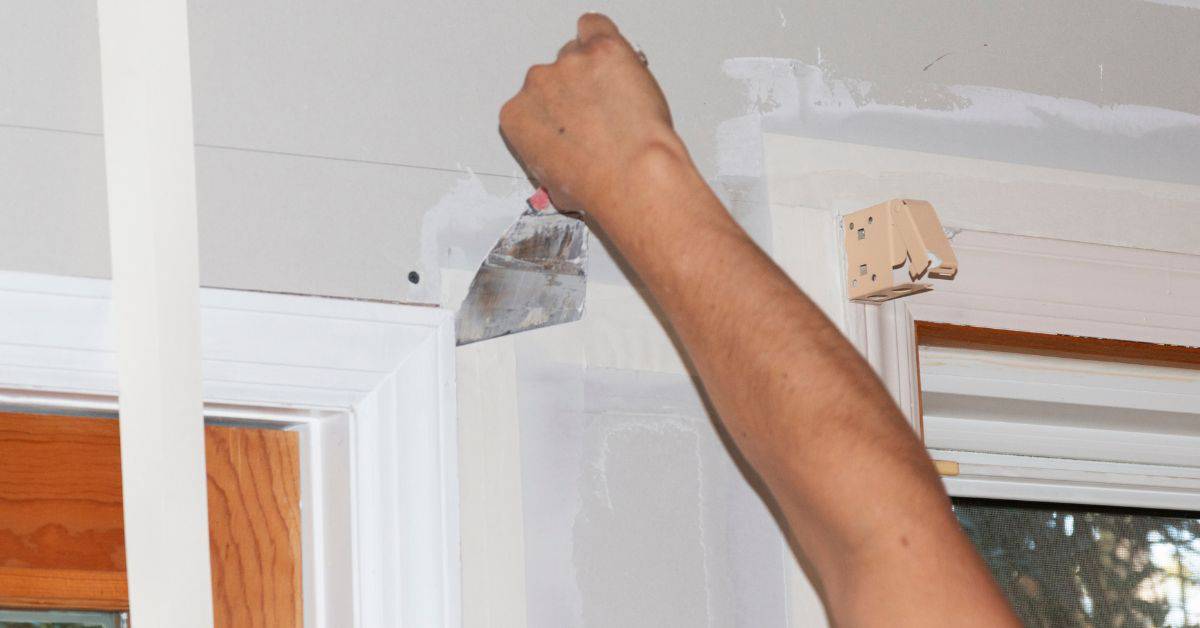
Before you start painting, ensure your bathroom’s surface is sound and dry. This means patching any holes, cracks, or dents in the walls and trim.
Damaged drywall? Cut out the bad section, then install a new piece. Use joint compound to create a smooth surface.
Check for moisture too. If you find any, fix the source first – like leaky pipes or poor ventilation – before painting over it. Moisture breeds mold, and paint won’t stop that.
Primer functions and selection
A good primer does three things: seals the surface, improves paint adhesion, and blocks stains from bleeding through. In a bathroom, stain blocking is crucial to prevent moisture spots from showing up later.
Choose a primer with mold inhibitors. This adds another layer of protection against mildew growth. Latex primers are usually a safe bet in bathrooms due to their flexibility and durability.
Don’t skip the primer! It’s not just an extra step; it’s a critical one for a lasting, mildew-resistant paint job.
Topcoat options and tradeoffs
When it comes to topcoats, you’ve got two main choices: satin/semi-gloss or flat. Both have their pros and cons in a bathroom setting.
Satin/Semi-Gloss: These are highly washable, making them great for areas prone to splashes and moisture. They’re also more resistant to mildew. The downside? They show imperfections more easily than flat paints.
Flat Finishes: Flat paints hide surface imperfections better but aren’t as washable or mildew-resistant. They work well in areas with less moisture, like behind the toilet. Choose based on your bathroom’s specific needs and conditions.
Choosing Products: Claims, Additives, and Standards
Read labels and technical documents to understand what a claim covers—some products include mildewcides while others rely on formulation alone.
Look for third-party standards or testing referenced by the manufacturer and, when unsure, check the product data sheet to see how and where the product was evaluated.
Reading labels and certifications
When shopping for paint, don’t get swayed by flashy claims. Look for specific details on the label.
Common claims like ‘mildew-resistant’ or ‘moisture-proof’ are a start, but they don’t tell the whole story. Check for specifics – how long does the resistance last?
Look for certifications and test standards. The American Society for Testing and Materials (ASTM) has standards like D6677 for evaluating paints’ mildew resistance. If a product bears these certifications, it’s been independently tested.
Remember, no paint is completely immune to mold or mildew. It’s about slowing their growth and giving you time to address any issues before they become major problems.
Mildewcides, antimicrobials, and longevity
Paint with mildewcides or antimicrobial additives can help prevent mold and mildew growth. But they’re not a cure-all.
These additives work by inhibiting the growth of microorganisms. However, their effectiveness wanes over time as the paint film ages or gets washed off during cleaning.
Their limitations are why it’s crucial to use them as part of a broader system. Proper ventilation, regular cleaning, and addressing moisture sources are equally important.
Think of mildewcides and antimicrobials as a tool in your toolbox, not the only tool. They’re most effective when used alongside other strategies for maintaining a healthy bathroom environment.
Preparation and Application Best Practices
Proper cleaning, killing visible mildew with an approved cleaner, and removing loose material are non-negotiable steps before applying any coating.
Follow the manufacturer’s surface-prep and application instructions exactly, and confirm recommended film thicknesses and recoat windows on the technical information.
Cleaning and remediation before painting
Before you start painting, it’s crucial to clean your bathroom surfaces thoroughly. Mildew and stains can’t be painted over; they’ll show through and keep growing.
Use a solution of water and detergent to scrub down walls and ceilings. For tougher mildew, mix 1 part bleach with 3 parts water. Always wear gloves, goggles, and a mask when using bleach.
If you find extensive mold or structural damage, consider hiring a professional for remediation. It’s not worth risking your health or causing further damage by trying to fix it yourself.