
Introduction
Black TPO roofing problems can be fixed with a careful DIY approach that targets common issues like seams, flashing, and membrane damage.
The guide explains practical steps, tips, and rules of thumb to help you assess, patch, and prevent leaks, so you’ll know how to troubleshoot major trouble spots and perform safe, effective fixes.
Key takeaways
- Inspect for heat hotspots and membrane stretching around edges after sun exposure.
- Clean debris with non-abrasive methods before patching or seam repairs.
- Use compatible TPO patch materials and primers specified by manufacturer guidelines.
- Monitor for blisters and fishmouths after rainfall; reseal promptly if found.
- Schedule annual inspections focusing on flashing joints, penetrations, and membrane edges.
- Document all repairs with dates and photos to guide future maintenance.
Table of Contents
- Introduction
- Key takeaways
- What Is TPO Roofing and Why Is “Black” Different?
- Common Problems Specific to Black TPO Roofs
- DIY Inspection Checklist and Visual Checkpoints
- Step-by-Step DIY Repairs for Common Black TPO Problems
- Safety, Stop Rules, and When to Hire a Professional
- Maintenance Plan, Preventive Measures, and Budgeting
- Restoration Options, Coatings, and Alternatives (Pros/Cons)
- Common Mistakes to Avoid and Environmental Considerations
- Conclusion
- FAQ
What Is TPO Roofing and Why Is “Black” Different?
TPO stands for thermoplastic polyolefin, and it’s a single-ply membrane used on many rooftops. It typically includes reinforcing layers and a flexible base that helps with seam welding and UV resistance. Color is a pigment choice that can influence heat absorption and performance over time.
In black TPO, the pigment darkens the membrane, which can change how the roof responds to sun and temperature cycling. This color choice affects heat gain, potential expansion, and energy performance in certain climates. Consider how a dark surface might interact with your building’s design, maintenance needs, and local weather conditions.
TPO composition and manufacturing basics
TPO membranes are made from a blend of polymers, primarily polypropylene and polyethylene. The base layer is reinforced with a fabric scrim for added strength.
Manufacturing variables like polymer ratios, scrim type, and thickness can affect the membrane’s performance. Quality control checks ensure consistency in production runs.
Pro tip: Check manufacturer specs to understand how these factors impact your specific TPO product.
Why color matters: black vs white/reflective TPO
The main difference between black and white/reflective TPO lies in their thermal behavior. Black TPO absorbs heat, while reflective TPO reflects it.
Black TPO can reach higher temperatures under the sun, which can lead to accelerated aging and potential shortening of lifespan in hot climates. However, in colder regions, black TPO’s heat absorption can be beneficial for melting snow and ice.
Key takeaway: Consider your climate when choosing between black and reflective TPO. In hotter areas, reflective TPO may offer better long-term performance.
Common Problems Specific to Black TPO Roofs
Seams and seam weld quality matter a lot on black TPO, where heat can emphasize gaps and weak welds. Look for loose, bubbled, or split welds that may leak under sun exposure. These are common trouble spots in hotter climates.
Flashing and detailing failures often show up at walls, curbs, and penetrations when sealing or substrate movement isn’t addressed. Heat-driven shrinkage can cause cracks or edge curling on dark membranes. Ponding, punctures, and UV-driven wear round out the typical set of issues for black TPO roofs.
Heat-related failures and seam problems
Black TPO roofs expand and contract more due to heat absorption, causing seam issues. Hot climates accelerate this process.
Seam pull-apart: Check seams for gaps or bubbling. Heat causes adhesives to break down, leading to leaks.
Top-layer deterioration: High temperatures can cause the top layer of TPO to degrade, making it more susceptible to damage and leaks.
Mechanical damage, punctures, and ponding water
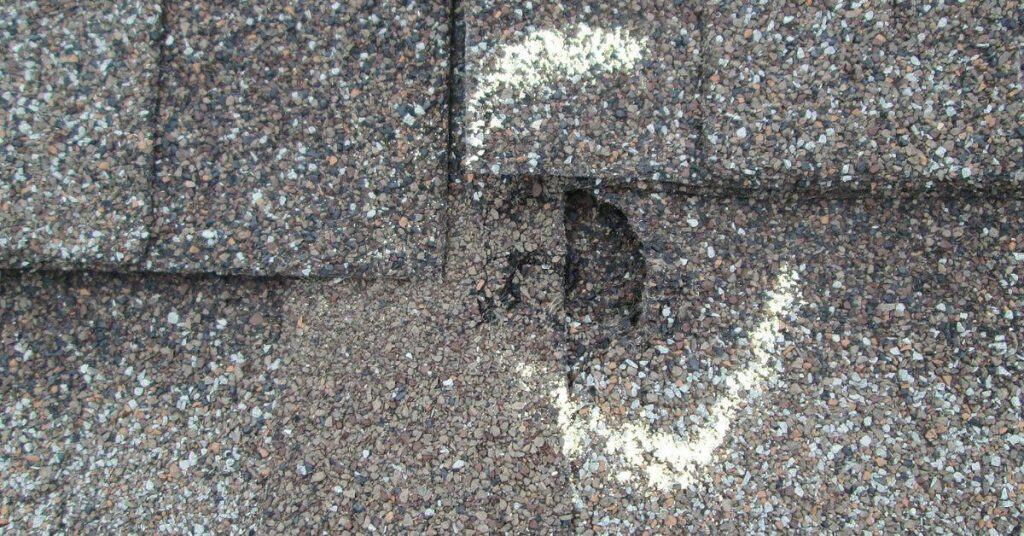
Punctures can occur from foot traffic, debris, or hail. Ponding water stresses the membrane, leading to slow leaks or punctures over time.
Common puncture areas: Roof walks, equipment staging, and around penetrations are hotspots for damage.
Ponding effects: Standing water accelerates membrane degradation. Check low-slope sections regularly.
DIY Inspection Checklist and Visual Checkpoints
Begin with safety gear and a simple plan to document findings before you climb. Check weather conditions and use a stable route with fall protection if needed. Keep notes or photos to reference later.
Visual checkpoints include the membrane surface, edge details, flashing integrity, and any lifted seams or fasteners. Look for blisters, cracks, or punctures, and note drainage patterns or signs of water movement. Document penetrations and accessories for later assessment.
Roof Walk and Visual Checkpoints
Before you start, make sure the weather is dry and calm. Use this checklist during your exterior inspection.
- Safety first: Wear non-slip shoes, use a safety harness for fall protection, and keep a phone with you.
- Tape off areas: Mark any damaged sections to avoid further harm and ensure your safety.
- Inspect membrane surface: Look for blisters, cracks, punctures, broken or lifted seams. These can lead to leaks and water damage.
- Check flashing integrity: Ensure flashings around vents, skylights, and parapets are secure and intact. Gaps here cause water intrusion.
- Examine edge details: Check for any lifting or damage at the roof’s edges where it meets walls or other structures.
- Inspect nearby fasteners: Ensure they’re tight and not causing any membrane damage. Loose fasteners can lead to wind uplift.
- Check for standing water: Ponding water accelerates roof degradation, leading to leaks and reduced lifespan.
- Evaluate drains and scuppers: Ensure they’re not clogged or damaged. Poor drainage causes ponding and membrane damage.
- Look for signs of water movement: Discoloration, stains, or algae growth may indicate water is moving across the membrane.
Quick rule: If you find any major issues like widespread blistering, severe cracks, or multiple lifted seams, stop and call a pro immediately.
Tools and Materials Checklist for Inspections
Before you start your inspection, ensure you have the right tools. This list will help you prepare.
- Telescope ladder: To safely access the roof. A 28-foot one should reach most two-story homes.
- Binoculars: For a preliminary inspection from ground level to spot any obvious issues.
- Moisture meter: To detect hidden moisture beneath the membrane. It’s crucial for identifying potential leaks early.
- Infrared/thermal imaging (optional): For a more detailed look at heat loss or gain, helping to pinpoint issues not visible to the naked eye.
- Safety harness: For fall protection while on the roof. Always use one when working at heights.
- Hard hat: To protect against falling debris or impact with low structures like vents.
- Work gloves: To protect your hands from sharp edges, hot surfaces, and other hazards.
- Notebook and pen: To document findings during the inspection. Note any issues, their locations, and photos you take.
Quick rule: Always prioritize safety. If you’re unsure about using a tool or performing a task safely, don’t hesitate to call a professional.
Step-by-Step DIY Repairs for Common Black TPO Problems
Define the scope first: identify small seam splits, punctures, flashing issues, and minor ponding. Decide what you can safely handle as a DIY project. Reserve professional help for bigger problems or uncertain conditions.
Step-by-step methods cover cleaning, priming, and sealing with compatible patching materials. For flashing, reseal with the proper TPO components and verify overlaps. For ponding, adjust or level the area, and know when to escalate to a professional coating or repair.
Step-by-Step Repair Process
Follow this clear, numbered sequence to safely and effectively perform DIY repairs on common black TPO problems.
- Inspect your roof in dry conditions. Wear non-slip shoes and a safety harness if necessary.
- Identify the problem areas: seam splits, punctures, flashing failures, or ponding issues.
- Gather tools and materials based on the repair needed (see earlier checklists).
- Perform the main repair work as outlined in the following sections. If unsure about any step, consult a professional before proceeding.
- Clean up the work area and perform final checks to ensure repairs are secure and watertight.
Fixing seam splits and re-welding basics
TPO seams can split due to heat, age, or poor installation. Here’s how to fix them using cold or hot welding.
Cold Welding: Use a compatible adhesive and patch material. Clean the seam, apply primer if needed, then adhere the patch. Allow it to cure according to manufacturer’s instructions.
Hot Welding: Use a heat welder or torch. Ensure the seam is clean and dry. Apply even heat along the seam until the membrane melts and fuses. Allow it to cool before testing.
Patching punctures and tears (quick-repair method)
Punctures can be quickly repaired using patches or seam sealant. Here’s how:
Clean the area around the puncture. Use a suitable adhesive, patch, or fluid seam sealant. Apply according to manufacturer’s instructions, ensuring proper overlap and coverage.
Allow the repair to cure for the recommended time before subjecting it to heavy foot traffic or equipment loads.
Minor flashing and penetration repairs
Flashing around vents, pipes, and curbs can fail over time. Here’s how to replace or re-seal them:
Remove any damaged flashing. Clean the area thoroughly. Apply a compatible sealant around the base of the penetration.
Replace the flashing, ensuring it overlaps properly. Secure with mechanical fasteners if needed. Perform a quick check for wind uplift by trying to lift the edge gently.

Safety, Stop Rules, and When to Hire a Professional
Hard stop rules define when DIY is off the table, such as steep slopes, advanced age of the membrane, or signs of structural rot. Use clear criteria to decide if you should call in a pro. Document these signs to justify a professional evaluation.
Safety for DIYers centers on PPE, fall protection, and working only in suitable conditions. Have a simple two-person workflow and a plan to protect adjacent surfaces. Know when to stop if conditions worsen or if you uncover hidden damage.
Safety gear and safe work practices
Before you start any DIY TPO roof repair, safety should be your top priority. Here’s what you need to ensure a secure working environment.
- Personal Protective Equipment (PPE): Gloves, safety glasses, and long sleeves protect against sharp edges and hot surfaces. A harness with lanyard and anchor points is crucial for fall protection.
- Heat Safety: Black TPO absorbs heat. Work early or late in the day when temperatures are cooler. Stay hydrated and take breaks to avoid heat exhaustion.
- Ladder and Roof Access: Use a sturdy, extendable ladder with safety feet. Secure it at the top and bottom. Always have three points of contact while climbing.
- Weather Windows: Avoid working in high winds, rain, or extreme heat. Check forecasts before starting.