
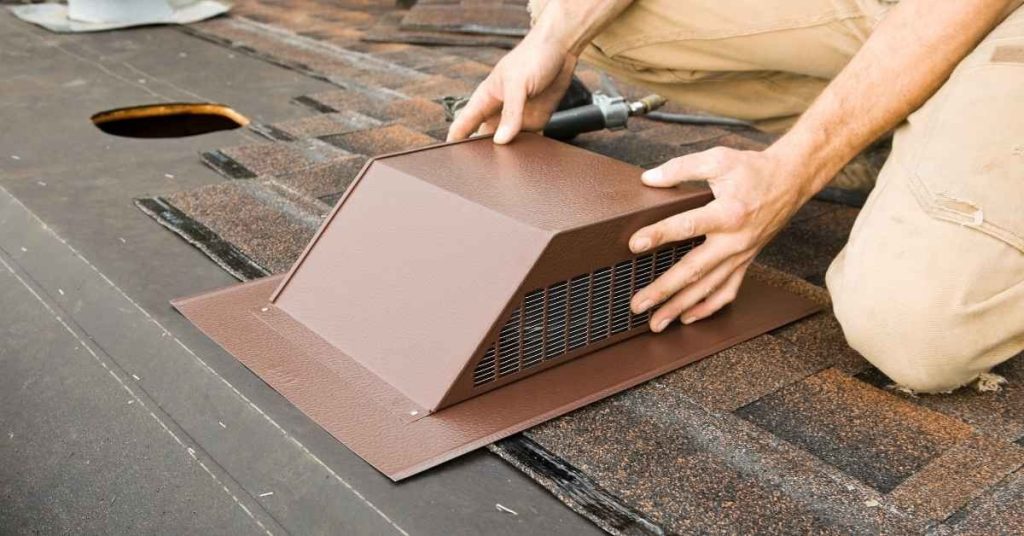
Introduction
Roof flashing is the metal, plastic, or flexible material that seals the joints where the roof meets walls, vents, or chimneys. It keeps water from sneaking into those seams. In DIY terms, it’s the weatherproofing piece you don’t want to skip.
Flashing comes in several forms, and proper installation along the edges and around penetrations is key to a long-lasting roof. Always follow manufacturer instructions and local rules, and check for clean, dry backing and a straight, continuous bend when you work. If in doubt, inspect the joints for gaps and plan to seal with compatible materials.
Key takeaways
- Understand roof flashing’s purpose to seal joints against water intrusion and ice damage.
- Choose correct flashing types for valleys, joints, chimneys, and edge installations.
- Inspect areas before installation; clean surfaces and remove debris for best seal.
- Install from bottom up, seal overlaps with compatible sealant per manufacturer.
- Wear gloves, eye protection, and ladder safety; never work on wet roofs.
- Plan for proper flashing material compatibility and local code requirements.
Table of Contents
- Introduction
- Key takeaways
- What Roof Flashing Is and Why It Matters
- Types of Roof Flashing and Where to Use Them
- How Flashing Is Installed — Basics and Common Methods
- Tools, Materials Checklist, and Safety Precautions
- Common Flashing Problems, Inspection Checklist, and Repairs
- Material Specs, Durability, and Cost Considerations
- Pro Tips for Best Performance and Longevity
- When to Hire a Professional and How to Choose One
- Conclusion
- FAQ
What Roof Flashing Is and Why It Matters
Roof flashing is a thin, usually metal strip that seals joints and penetrations on a roof. Its main job is to keep water from seeping into the roof deck and interior spaces. Think of flashing as the weatherproofing around edges where roof sections meet or where things pass through the roof.
Flashing is typically used around chimneys, at valleys, around vents and skylights, and where the roof meets the eave. It helps manage the water flow and directs it away from vulnerable spots. Proper flashing protects the roof structure and prolongs the life of the roof and interior spaces.
Basic definition and functions
Roof flashing is like the unsung hero of your roof. It’s those thin pieces of metal or other material you see around chimneys, vents, and where your roof meets walls.
Its job? Threefold:
1) Directing water away from sensitive areas.
2) Sealing joints to prevent leaks.
3) Compensating for the movement of your roof, keeping those seals tight.
Common problems avoided by proper flashing
Proper flashing isn’t just about aesthetics. It’s about preventing some real headaches down the line.
- Leaks: Without flashing, water can seep into your roof and cause damage to your home’s structure.
- Rot: Water that gets in can lead to wood rot, weakening your roof’s integrity.
- Mold: Trapped moisture is a breeding ground for mold, which can be harmful to your health.
- Ice damming: In cold climates, improper flashing can cause ice dams, leading to leaks and damage.
So, keep these problems at bay with good, solid flashing.
Types of Roof Flashing and Where to Use Them
Flashing comes in several styles, each with a place on the roof. Common types include step flashing for side-by-side shingles, and apron flashing for larger openings or around chimneys.
Other varieties cover counter flashing, valleys, saddles or crickets, drip edges, pipe or vent flashing, continuous flashing, and pan flashing. Each type has typical placements and purposes to control water flow and protect seams. Check the product instructions or label to confirm the intended use for your roof setup.
Metal flashing types and materials
Choosing the right metal for your roof flashing is crucial. It affects durability, appearance, and cost.
- Galvanized Steel: Used for low-pitch roofs due to its strength. Look for G90 or G125 galvanization. Avoid on coastal homes due to corrosion risk.
- Aluminum: Lightweight, durable, and won’t corrode like steel. Choose 3003-H14 or 3105-H14 alloys. Suitable for most residential roofs.
- Copper: High-end choice due to its longevity and aesthetic appeal. It develops a patina over time, enhancing appearance. Expensive but long-lasting.
- Stainless Steel: Top-tier option for coastal homes or areas with high salt content. Resistant to corrosion. More expensive than other metals.
- Lead Coated Copper: Used where a tight seal is needed, like chimney flashings. Lead coating prevents copper from oxidizing and staining masonry.
Pro tip: Buy metal flashing in lengths that match your roof’s pitch to minimize waste. Store it flat to prevent creasing. Always wear gloves when handling sharp edges.
Non-metal and specialty flashing options
Alright, let’s talk about some non-metal and specialty flashings. These are great alternatives when you’re not using metal or need something specific for skylights and vents.
Rubber Flashing: This is a flexible, durable option. It’s perfect for sealing around chimneys, vents, and skylights where you need some give. Check the product label to ensure it’s UV-resistant if it’s exposed to sunlight. Apply it with construction adhesive or caulk, following manufacturer instructions.
EPDM Flashing: EPDM is another rubber-based option, often used in flat roofs. It’s durable and flexible, making it ideal for sealing around penetrations. Make sure the base is well-compacted before installing to prevent any future issues. Seal with appropriate adhesive or caulk.
Lead Alternatives: Lead was commonly used but it’s toxic. Now we have safer alternatives like lead-free copper, stainless steel, or even plastic for some applications. Check local rules as some areas still restrict lead use. These materials are typically soldered or welded together, so you’ll need the right tools and skills.
Prefabricated Flashing: For skylights and vents, prefab flashings are a godsend. They’re custom-made to fit your specific product, saving you time and hassle. Just make sure they match your roof material and color. Follow the manufacturer’s installation instructions to ensure a watertight seal.
How Flashing Is Installed — Basics and Common Methods
Installation starts with cleaning the job area and laying down a proper underneath layer. Sequencing typically follows the roofing material, with flashing integrated into the wrap and fastened securely. Align and seal joints to keep water from getting underneath the flashing.
For popular types, follow established patterns for overlap and edge turns, and ensure fasteners are compatible with the flashing material. Use compatible sealants or mortars as recommended by the manufacturer or product label. When in doubt, verify installation guidelines on the data sheet before starting.
Step flashing for roof-to-wall intersections
Step flashing creates a watertight seal at the critical roof-to-wall intersection. Here’s how to install it:
- Start at the bottom, installing one piece of step flashing per shingle course.
- Each piece should be 4-6 inches long, with 2-3 inches on the roof and 2-3 inches up the wall.
- Stagger each row by half the width of a piece to create a continuous barrier.
- Nail through the top edge only. Keep nails away from the cut edges.
- Check for proper alignment with shingles and wall cladding. If unsure, consult a pro.
Valley and counter-flashing installation practices
Valleys direct water off your roof. Here’s how to flash them:
Open valleys are easier but less durable. Closed valleys last longer but are trickier to install.
Counter-flashing seals around chimneys and masonry. Nail it to the wall, then tuck the top edge under the shingles or other flashing above.
Check for proper alignment with the valley and masonry. If not tight against both surfaces, water can seep in. If unsure, consult a pro.
Tools, Materials Checklist, and Safety Precautions
Keep a basic set of hand tools, tin snips, a chalk line, and a hammer or nailing tool handy. Have flashing metal, sealants, and compatible underlayment ready for the job. Include fasteners and a utility knife for trimming as needed.
Don’t skip safety gear—use a harness, non-slip footwear, and a stable ladder setup. Work with a partner if possible to manage materials and safety. For anything special, refer to the product instructions or local rules for protective equipment requirements.
Recommended tools and materials
Use this checklist before you start your flashing installation to ensure you have everything needed for a successful job.
- Tape Measure: Verify it’s in good working condition. A broken tape measure can lead to inaccurate measurements, causing leaks and rework.
- Craft Square: Ensure it’s straight and true. A warped square can result in improper cuts and angles, leading to water intrusion.
- Utility Knife: Check the blade for sharpness. A dull blade can cause sloppy cuts, damaging materials and creating potential leak sites.
- Metal Snips: Confirm they’re in good condition and have the right blades (straight or compound) for your flashing material.
- Roofing Nails: Ensure they match your roof’s nail size and type. Using incorrect nails can cause leaks, damage shingles, or pull through the roof deck.
- Flashing Material: Check it’s compatible with your roofing material (e.g., metal drip edge for metal roofs). Incompatible materials can lead to rapid deterioration and leaks.
- Sealant: Verify it’s compatible with your flashing material. Check the label for recommended temperatures, as improper sealant can fail quickly in extreme conditions.
- Flashing Thickness: Ensure it falls within local codes and manufacturer specs (usually 24-26 gauge). Too thin can leak or tear, too thick can be difficult to work with.
Quick rule: Always double-check your measurements before cutting. A few extra seconds can save hours of rework and prevent costly mistakes.
Safety and code considerations
Before you start any concrete work, go through this checklist to ensure safety and compliance with local codes.
- Fall protection: Check if your project requires fall protection. If it’s above 6 feet, it probably does. Follow manufacturer instructions for guardrails or personal fall arrest systems.
- Ladder safety: Inspect ladders before use. Ensure they’re secure, level, and extend at least 3 feet above the landing. Check for any damage or wear.
- Building codes: Verify your project complies with local building codes. Check with your local authority having jurisdiction (AHJ) if unsure.
- Manufacturer instructions: Always follow manufacturer’s guidelines for mixing, pouring, and finishing concrete. Incorrect procedures can lead to weak or damaged concrete.
- Reinforcement check: Ensure reinforcing bars are properly placed, secured, and meet required spacing and coverage. Inadequate reinforcement causes cracking and structural failure.
- Formwork inspection: Check forms for proper alignment, plumb, level, and secure bracing. Sagging or improperly braced forms result in uneven surfaces and weak concrete.
- Water-to-cement ratio: Ensure the mix design maintains a safe water-to-cement ratio (typically 0.45 to 0.60). Too much water weakens concrete, while too little makes it hard to place.
- Concrete placement: Check that concrete is placed within the required time frame after mixing. Delays can cause setting issues and reduce workability.
Quick rule: Always prioritize safety first. Wear appropriate personal protective equipment (PPE), follow safe lifting techniques, and maintain a clean worksite to prevent accidents.

Common Flashing Problems, Inspection Checklist, and Repairs
Inspect flashing for loose or lifted edges, rust or corrosion, and gaps at joints. Look for water stains and soft or rotten roof components as signs of failure. Regular checks help catch issues before they cause leaks.
Repairs range from resealing seams to replacing sections or full flashing. Temporary fixes can buy time, but plan for a pro